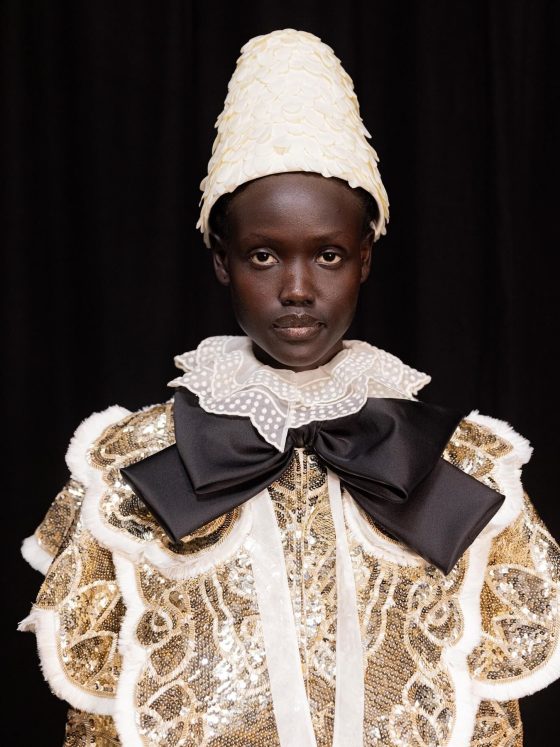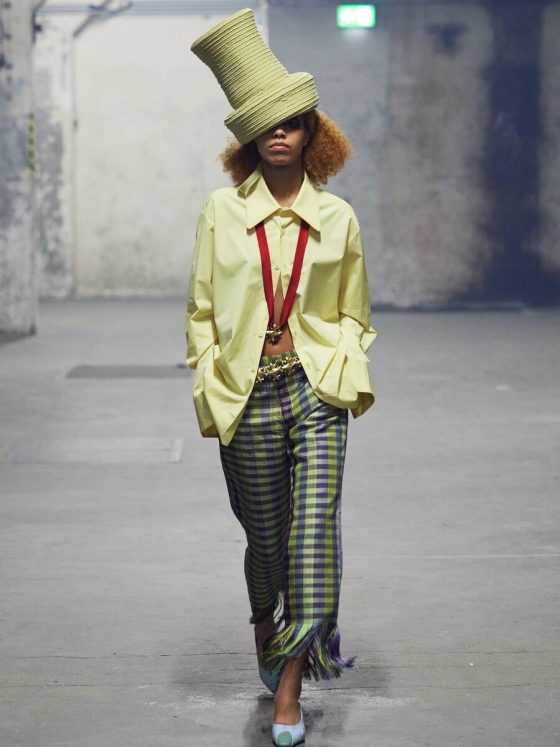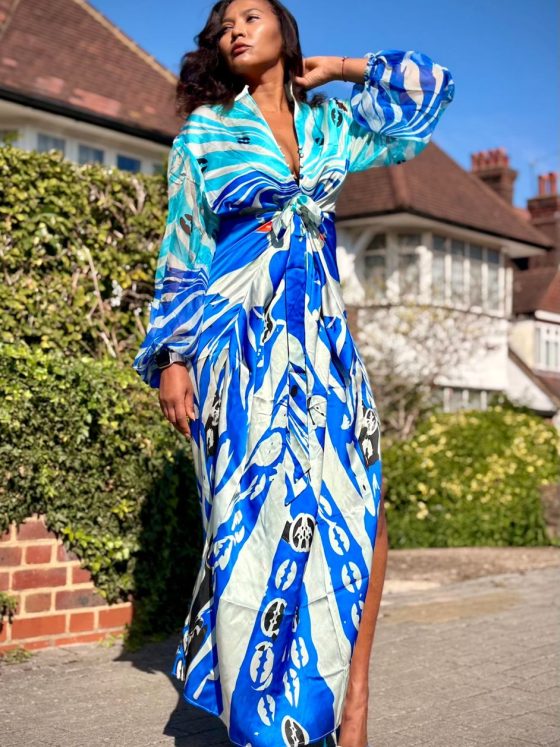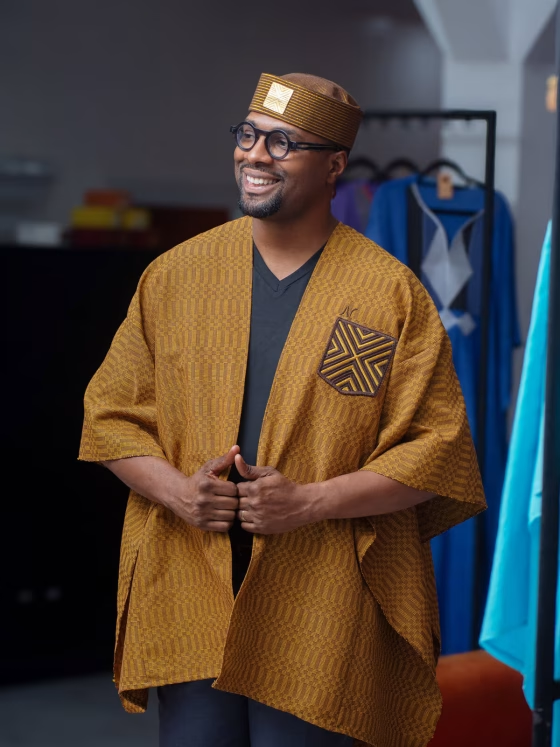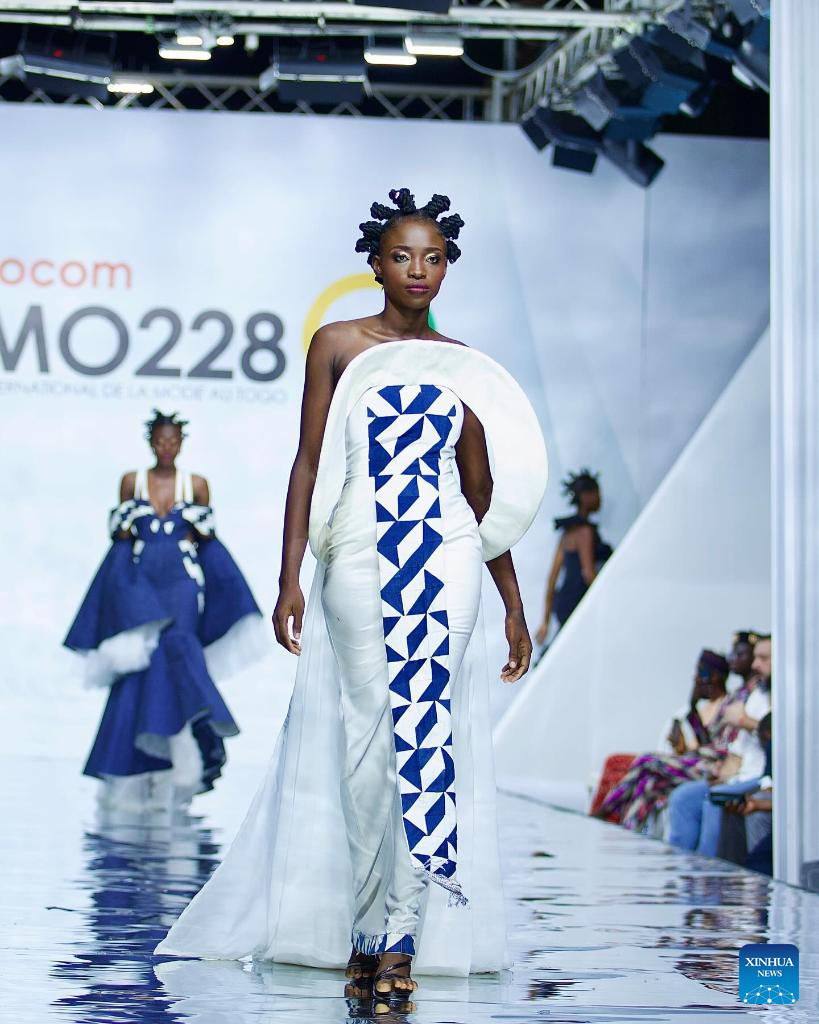
In 2003, Fall Touré, a Belgian-Togolese designer, was living in Brussels, running a boutique in the Dansaert quarter – the city’s most significant fashion district – and writing a project proposal for a fashion week that would bring African designers and European designers together on the same runway. The proposal was for the city of Ghent, where he had trained. The fashion week he was imagining was not for Belgium. It was a rehearsal for Lomé.
He did not launch it until 2016. In between, he came home to Togo and built a school. The school – FAALT, the Fashion Art Academy of Lomé, Togo – graduated its first cohort in 2016, the same year that Lomé Fashion Week launched its first edition. The sequencing was deliberate, as Fall Touré explained to Africa Top Success in a direct interview: “On trouve énormément de bons couturiers au Togo, mais ils ne connaissent pas le stylisme. J’ai donc décidé d’enseigner le stylisme ici.” There are many good couturiers in Togo, but they don’t know how to style. So I decided to teach styling here.
The Omiren Argument: Fall Touré did not build a fashion week. He built a fashion industry. The school came first because the industry needed trained designers before it needed a runway. The fashion week came second because by the time it launched, there were graduates who could show in it. The Lomé Fashion Week, which the NDAANE described as one of the two pillars of Togolese fashion alongside FIMO 228, was built on a foundation that Fall Touré had been laying since 2003 and training since 2013.
Fall Touré trained in Ghent, opened a Brussels boutique, then came home to build Togo’s first fashion school and Lomé Fashion Week. The full story of his career.
The Formation: Ghent, Brussels, and the Return
Fall Touré is Belgian-Togolese. He trained at the Textiel Instituut in Ghent, Belgium, graduating in 1999. One year later, in 2000, he was selected as one of the best young African stylists and invited to the Kora Awards in South Africa – one of the continent’s most celebrated music and culture ceremonies of that era – to present his collection. It was there that he met Tiken Jah Fakoly, the Ivorian reggae musician, and began a dressing relationship that has continued to the present. He also met King Mensah, Togo’s most celebrated recording artist, and a network of West African performers who would become his long-term clients.
In 2003, he opened his own boutique in the Dansaert quarter of Brussels. This street anchors the Belgian capital’s independent fashion culture, home to a concentration of independent designers and fashion retailers that makes it the most fashion-serious commercial address in the city. Running a boutique in Dansaert was not a peripheral decision. It placed Fall Touré at the centre of Belgian independent fashion, where he operated and built his international client base for a decade.
The return to Togo was not a retreat. It was a strategic decision about where the most significant work needed to be done. As Trends-Tendances’ Belgian wire report documented in 2017: “Basé auparavant à Bruxelles, le créateur a décidé de se concentrer sur son école dans son pays natal.” Previously based in Brussels, the designer decided to focus on his studies at his school in his home country. The school he had founded in 2013 and the fashion week he launched in 2016 were both expressions of the same conviction: the infrastructure that Togolese fashion needed could not be imported from Brussels. It had to be built in Lomé.
FAALT: The School That Fall Touré Built Before the Fashion Week
FAALT – the Fashion Art Academy of Lomé, Togo – was founded by Fall Touré in Lomé in 2013. Its first cohort graduated in 2016. The school’s curriculum teaches stylisme – fashion design in the full creative sense, including concept development, pattern-making, construction, and finishing – to students who arrive with the manual skills of Togolese couturiers but without the design education that European fashion schools provide. The founding rationale, in Fall Touré’s own words: there are many good couturiers in Togo, but they don’t know how to style. FAALT is the answer to that gap.
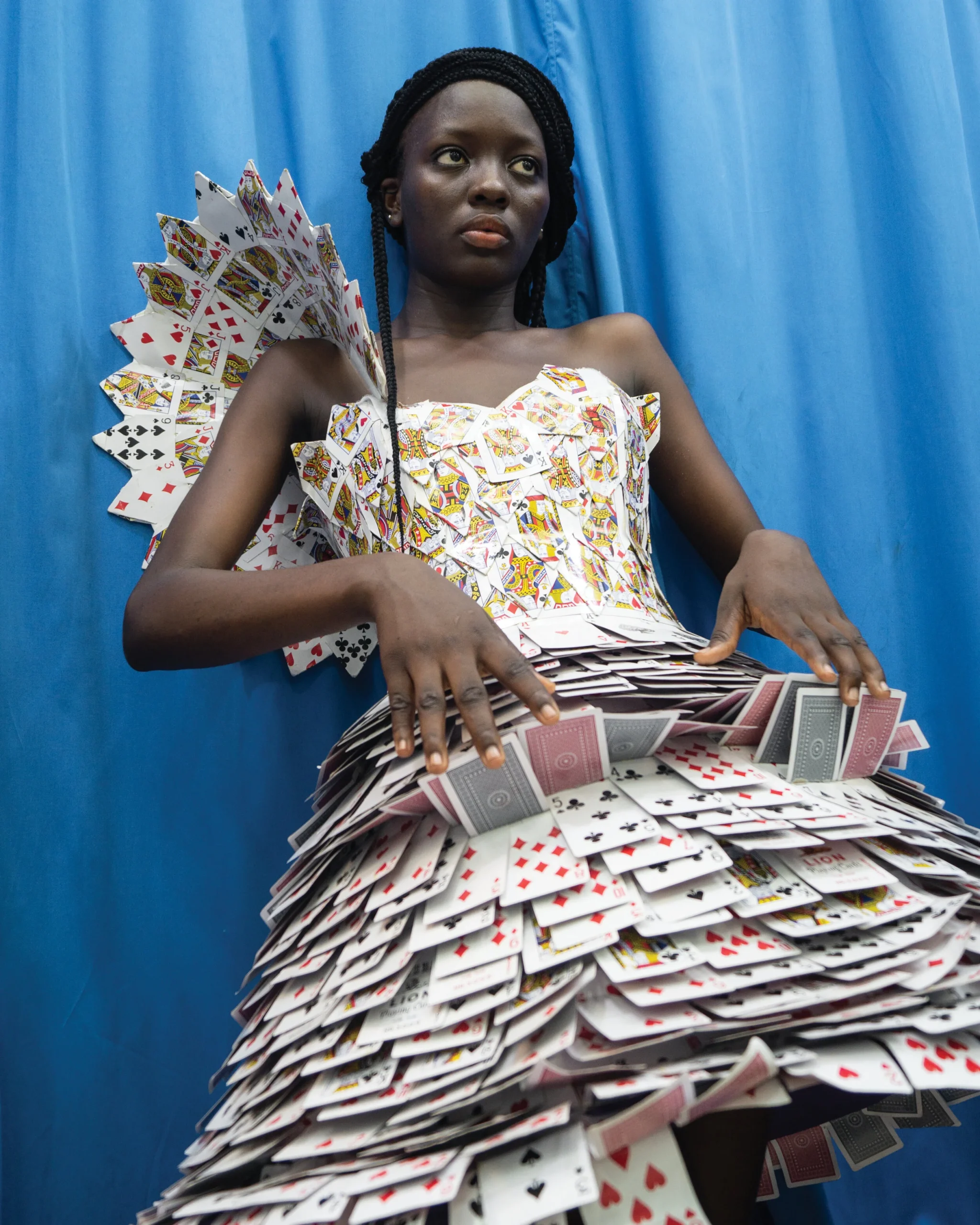
The school has been documented in the public record through multiple independent sources. The Actu-Togo profile of designer Tadona confirms that he was recruited to give modelling (patternmaking) classes at FAALT in 2013, independently corroborating the founding year. The Togo Yeye production, documented by NDAANE, features a garment made from repurposed plastic bottles by FAALT student Carole Ayoko Kokodoko, placing FAALT student work within one of the most internationally cited Togolese fashion projects. The school’s Facebook page documents a student exhibition on the theme of Environment and Recycling, consistent with the eco-responsible design philosophy that has run through FIMO 228 and Desmo’s practice.
For the 2023/2024 academic year, FAALT became the first school in Togo to adopt batik as its student uniform. This policy decision makes a specific argument: if you are learning to make clothes in Togo, you wear Togolese fabric to school. The batik is made in Africa, specifically in Togo. The school’s dress code is a pedagogical position about what Togolese fashion students are being trained to value. It is also Fall Touré’s stated ambition made tangible: “Mon objectif est de créer des vêtements à partir de tissus produits au Togo et de les vendre à l’international.” My objective is to create clothes from fabrics produced in Togo and sell them internationally.
The FAALT model also includes international exchange ambitions. The Trends-Tendances report documents Fall Touré’s efforts to seek Belgian partners for student exchanges and to plan a Brussels showroom to present FAALT student collections to European buyers. This is the full circuit of his ambition: train in Togo, show in Brussels. Touré’s efforts to seek nationally. Not the reverse.
Lomé Fashion WTO Planhirteen-Year Idea That Became an Institution
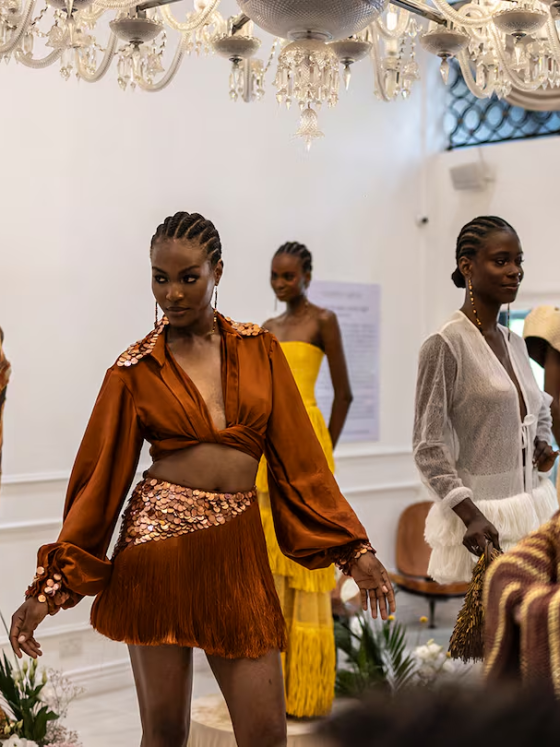
The first edition of Lomé Fashion Week launched in May 2016. Fall Touré had been carrying the idea since 2003, when he wrote the original project proposal in Ghent, as he explained directly to Africa Top Success: “C’est depuis 2003 que j’ai écrit ce projet. En ce moment, on ne parlait pas encore de FashionWeek en Afrique.” He was thinking about African fashion weeks before the term was standard. The project was originally conceived as a collaboration between African and Belgian designers, with Ghent as the venue. By the time it finally launched, the venue had moved to Lomé, and the school that would supply its Togolese designers had already graduated its first cohort.
The second edition of Lomé Fashion Week ran from 7 to 13 August 2017, gathering approximately 30 designers who focused on African fabrics: batik, kente, kita, ndop, and raffia were all documented by Jeune Afrique as part of the collections. The fourth edition, held in September 2019 at the Palais des Congrès, carried the theme “l’Afrique, la prochaine frontière de la mode” – Africa, the next frontier of fashion. Ten designers presented collections on the esplanade of the Palais des Congrès. Fall Touré, described by VOA Afrique as the “promoteur de Lomé Fashion Week,” presented his own collection at the event.
The NDAANE interview with Malaika Nabillah, co-founder of Togo Yeye, is explicit about the institutional significance of Lomé Fashion Week alongside FIMO 228: the two events are named as the “major local events” that have positioned Togo as a reference for fashion in the West African region. The naming of Fall Touré as “one of the country’s greatest designers” in the same sentence comes from a Togolese fashion practitioner who has documented the ecosystem from inside it. It is not promotional language. It is a practitioner’s assessment.
ALSO READ
- Togolese Fashion Designers: The Creative Community Shaping Lomé’s Style
- What Do People Wear in Togo? A Complete Style Guide
- African Cultural Economy: How Creativity Builds Economies
The Celebrity Network: From the Kora Awards to African Football
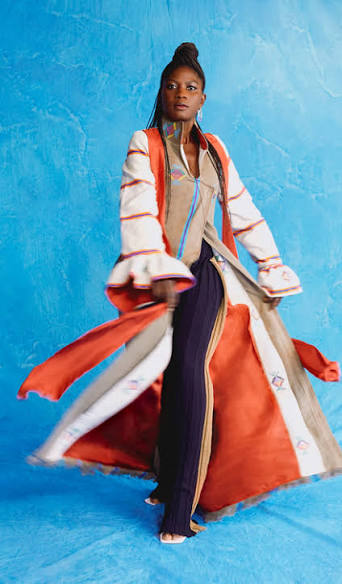
Fall Touré’s celebrity client list is one of the most significant documented by any Togolese designer. The list begins with the 2000 Kora Awards, where he met Tiken Jah Fakoly, the Ivorian reggae and afrobeat musician known across Francophone Africa, and began dressing him, a relationship he confirmed was ongoing in his 2017 interview. Also at the Kora Awards, he met King Mensah, Togo’s most celebrated recording artist. The network he built from that single event extended to Papa Wemba, the Congolese rumba and soukous legend who died in April 2016; Felix Wazekwa, the Congolese singer; Emmanuel Sheyi Adebayor, the Togolese World Cup footballer; Frédéric Kanouté, the Malian-Spanish striker; and Didier Drogba, the Ivorian striker and one of African football’s most globally recognised figures.
This is a client list that spans Francophone African music, Congolese popular music, and the most prominent West African footballers of the 2000s and 2010s. It reflects both Fall Touré’s continental reach from his Brussels base and the trust that comes from being the designer who understands how to dress African public figures for international occasions. None of these clients was dressing to fit into a European aesthetic. They were dressing to represent Africa in international spaces, and Fall Touré was the designer they chose for that work.
What Fall Touré Means for Togolese Fashion
Fall Touré’s position in the Togolese ecosystem is structurally distinct from that of every other designer in this series. He is not only a practitioner. He is the person who built the institutional infrastructure through which the next generation of practitioners was trained. The FAALT graduates who show at Lomé Fashion Week are his students. The designers who trained there and went on to build their own practices carry the pedagogy he developed in Ghent, refined in Brussels, and implemented in Lomé.
His founding insight – that Togo has many good couturiers but needs stylists – is the most precise diagnosis of the gap in Togolese fashion education available in the English-language record. The gap he identified is not about skill. It is about knowledge: the conceptual and design knowledge that transforms manual ability into a fashion practice with its own identity and language. FAALT was built to close that gap. The first graduates walked out in 2016. The Lomé Fashion Week, which launched the same year, gave them a place to show. What Fall Touré built is a pipeline: from training to platform, from Lomé to Brussels and back.
“Fall Touré conceived a fashion week for Lomé in 2003, when fashion weeks were not yet part of the African conversation. He didn’t launch it until 2016. In between, he built a school. The school came first because the ecosystem needed trained designers before it needed a runway.”
Frequently Asked Questions
Who is Fall Touré?
Fall Touré is a Belgian-Togolese fashion designer, the founder and director of FAALT (Fashion Art Academy of Lomé, Togo) and the founder of Lomé Fashion Week. He trained at the Textiel Instituut in Ghent, Belgium, graduating in 1999. He was selected as one of the best young African stylists in 2000 and invited to the Kora Awards in South Africa. He opened a boutique in the Dansaert quarter of Brussels in 2003, the same year he first conceived the idea for a Lomé fashion week. He returned to Togo, founded FAALT in 2013, graduated its first cohort in 2016, and launched Lomé Fashion Week in May 2016. NDAANE’s documentation of Togolese fashion describes him as one of the country’s greatest designers.
What is FAALT?
FAALT stands for the Fashion Art Academy of Lomé, Togo, a fashion school founded by Fall Touré in Lomé in 2013. Its first graduates completed their studies in 2016. FAALT teaches stylisme – fashion design in the full creative sense, including concept development, pattern-making, construction, and finishing – to students who arrive with the manual skills of Togolese couturiers but need the design education that bridges craft and creative fashion practice. For the 2023/2024 academic year, FAALT became the first school in Togo to adopt batik as its student uniform, thereby making a specific institutional argument for the centrality of locally produced African textiles in Togolese fashion education. FAALT student work has been documented in Togo Yeye productions.
When was Lomé Fashion Week founded?
Lomé Fashion Week was founded by Fall Touré, with its first edition in May 2016. The idea for the event was conceived in 2003, when Fall Touré was living in Brussels and wrote a project proposal for a fashion event that would bring African and Belgian designers together. The second edition ran from 7 to 13 August 2017, gathering approximately 30 designers focused on African fabrics, including batik, kente, kita, ndop, and raffia. The fourth edition, held in September 2019 at the Palais des Congrès in Lomé, was themed “Africa, the Next Frontier of Fashion.” The NDAANE documentation lists Lomé Fashion Week alongside FIMO 228 as one of the two major institutions of Togo’s fashion scene.
W, was themedé” dressed?
Fall Touré’s confirmed celebrity clients include Tiken Jah Fakoly, the Ivorian reggae and afrobeat musician, whom he met at the 2000 Kora Awards and has dressed on an ongoing basis; King Mensah, Togo’s most celebrated recording artist; Papa Wemba, the Congolese rumba and soukous legend; Felix Wazekwa, Congolese singer; Emmanuel Sheyi Adebayor, the Togolese World Cup footballer; Frédéric Kanouté, the Malian-Spanish footballer; and Didier Drogba, the Ivorian footballer. All confirmed in a direct interview with Fall Touré published by Africa Top Success.
Why did Fall Touré found FAALT?
Fall Touré founded FAALT in direct response to a gap he identified in Togolese fashion education. In his own words: ‘There are many good couturiers in Togo, but they don’t know styling. I decided to teach styling here.’ He understood the distinction between couturiers – manual practitioners who construct garments with skill – and stylistes – designers who combine manual skill with the conceptual and design knowledge to create fashion with its own identity. FAALT was built to produce the second category. His broader ambition was to create clothes from fabrics produced in Togo and sell them internationally, a goal embedded in FAALT’s curriculum from the beginning.
How does Fall Touré connect to the broader Togolese fashion ecosystem?
Fall Touré occupies a unique position in the Togolese fashion ecosystem as both a practitioner and an institution-builder. FAALT has trained multiple cohorts of designers since its first graduates in 2016, creating a pipeline of trained stylists who can show at Lomé Fashion Week. FAALT student work has been documented in Togo Yeye productions, connecting the school to one of the most internationally visible platforms for Togolese creativity. Lomé Fashion Week sits alongside FIMO 228 as the two primary runway platforms for fashion in Togo. The batik uniform policy adopted for the 2023/2024 academic year aligns with the broader Made in Togo philosophy documented across this series. His Belgian training and experience at a Brussels boutique give him a distinct international perspective that informs his curriculum and ambition.
Explore more from our Industry section, where Togo’s fashion institution-builders are documented alongside the designers they trained.