The emerging African designers at AFWL 2026 are not emerging in the sense of being new. They are emerging into a context where the infrastructure to be seen properly finally exists. Africa Fashion Week London provides that infrastructure: a professional catwalk, a buying floor, press access, and an audience that does not need the work explained to it. Omiren profiles six designers whose presence at AFWL 2026 is worth tracking before the international spotlight arrives. For the full runway and textile context in which these designers are operating, see the AFWL 2026 runway trends analysis and the African textiles on the catwalk 2026 breakdown. For the complete AFWL 2026 editorial picture, start with the Africa Fashion Week London 2026 coverage hub.
Omiren profiles the emerging African designers at AFWL 2026 — the names building bodies of work before the international spotlight arrives.
SELECTION CRITERIA
Profiles are not press releases. The designers below are chosen on three criteria applied simultaneously:
- Cultural intelligence: the designer understands the textile tradition or dress heritage they are working within well enough to push against it.
- Design rigour: the construction decisions match the cultural argument. The garment and the idea are the same thing.
- Commercial viability: the work has a life outside the catwalk moment. The audience the designer serves exists and is growing.
Hype, Instagram presence, and Western press mentions are not criteria. They are downstream of the above.
Sindiso Khumalo — South Africa
Who she is
Sindiso Khumalo works at the intersection of textile design and human rights history. Based in Cape Town, she is among the most intellectually rigorous practitioners in the African designer conversation. Her printed fabrics carry research: into the lives of African women who did not make it into mainstream historical record, into indigenous pattern traditions from southern Africa, into the visual language of resistance and survival. She is a CFDA member, a Uniqlo LifeWear Award recipient, and a designer whose work is held in international collections.
What makes the work distinctive
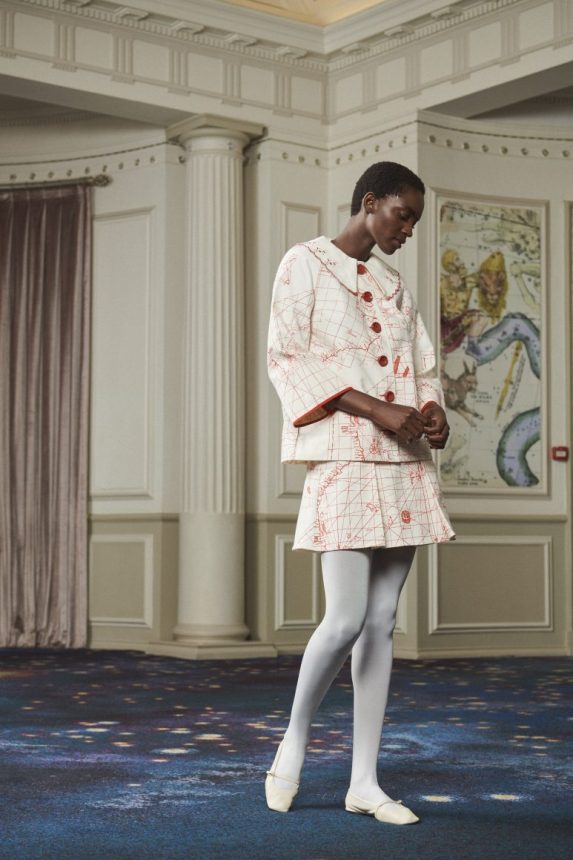
Khumalo uses archival research as design methodology. The woman on the surface of the fabric is typically a named person, a midwife, a political activist, or a weaver, who would not otherwise appear in the fashion conversation. The garments are not vehicles for print: the print is the argument, and the garment is the form the argument needs to take. As Omiren Styles has documented in its analysis of African women’s fashion archives, the most important repositories of African dress culture are held in practice. Khumalo treats that practice as primary source material.
Why AFWL 2026 is the right context
The AFWL London audience understands the textile as a cultural document and reads it accordingly. That is the specific audience the work requires: one that does not need the reference translated.
What to watch at the event
How she deploys her printed narratives in silhouettes that give the surface room to be read. The restraint she brings to construction when the textile is already carrying significant weight.
Why they matter: Archival research as design methodology, applied with precision and cultural authority; the work is the argument.
The South African design conversation extends beyond Johannesburg and Cape Town. Christie Brown represents a different node in the same continental network, working from Accra with a decade of commercial proof.
Christie Brown — Ghana
Who she is
Aisha Obuobi founded Christie Brown in Accra in 2008. The brand has built one of the most coherent bodies of work in Ghanaian fashion over more than fifteen years, shown at Lagos Fashion Week, appeared in Vogue, and sold to women across West African political, professional, and cultural life. As documented by Christie Brown’s own account of the label’s history and confirmed by Industrie Africa’s designer profile, the brand consistently holds Ghanaian traditional dress, the formal register, the ceremonial grammar, the specific vocabulary of Kente and Kaba, as the starting point for contemporary womenswear.
What makes the work distinctive
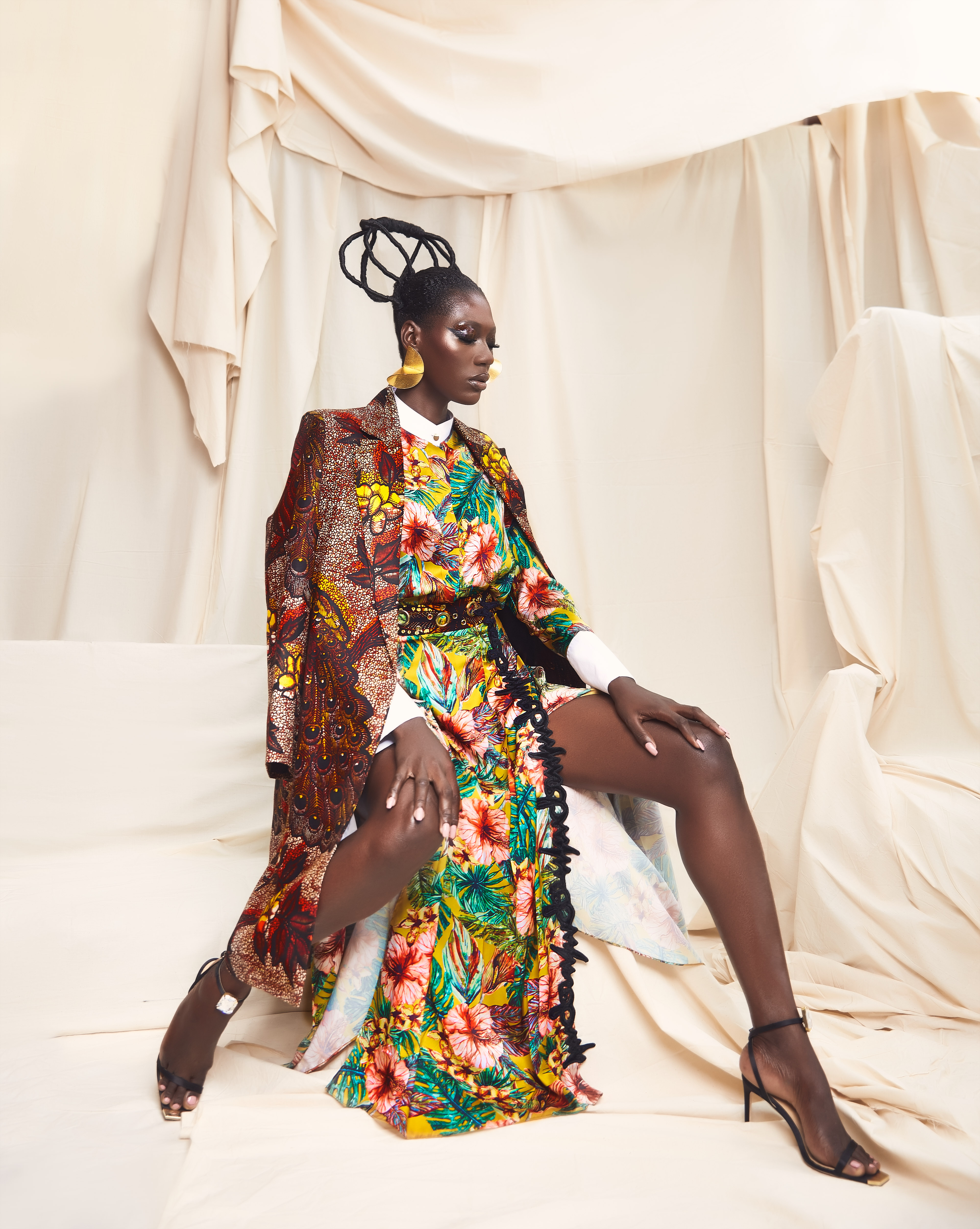
What distinguishes Christie Brown is not a single signature aesthetic but sustained design intelligence. The formal register of Ghanaian traditional dress is not preserved: it is extended. The silhouettes are contemporary, the construction is precise, and the cultural argument is never diluted for a Western audience.
Why AFWL 2026 is the right context
Christie Brown represents the Ghanaian design conversation in a London room where that conversation has not always been given its full weight. The brand’s commercial durability is itself an argument: the work that holds Ghanaian identity closest is not the work that limits its audience. It is the work that expands it.
What to watch at the event
How the construction responds to the specific demands of Kente and kaba fabrics in contemporary silhouettes. The way the brand balances ceremony and daily life in a single collection.
Why they matter: Fifteen years of commercial proof that cultural specificity expands an audience rather than limiting it.
From Accra, the watch list moves to Dakar, where Tongoro Studio has built the most clearly stated made-in-Africa commercial proposition in Francophone West African fashion.
Tongoro Studio — Senegal
Who she is
Sarah Diouf built Tongoro in Dakar as a made-in-Africa label from the beginning. As documented by Omiren Styles in its analysis of Senegalese fashion designers and the Dakar ecosystem, Tongoro ships directly to consumers in London, New York, and Johannesburg from a direct-to-consumer model built entirely on the continent. Every Tongoro piece is made in Dakar. The supply chain does not leave Senegal.
What makes the work distinctive
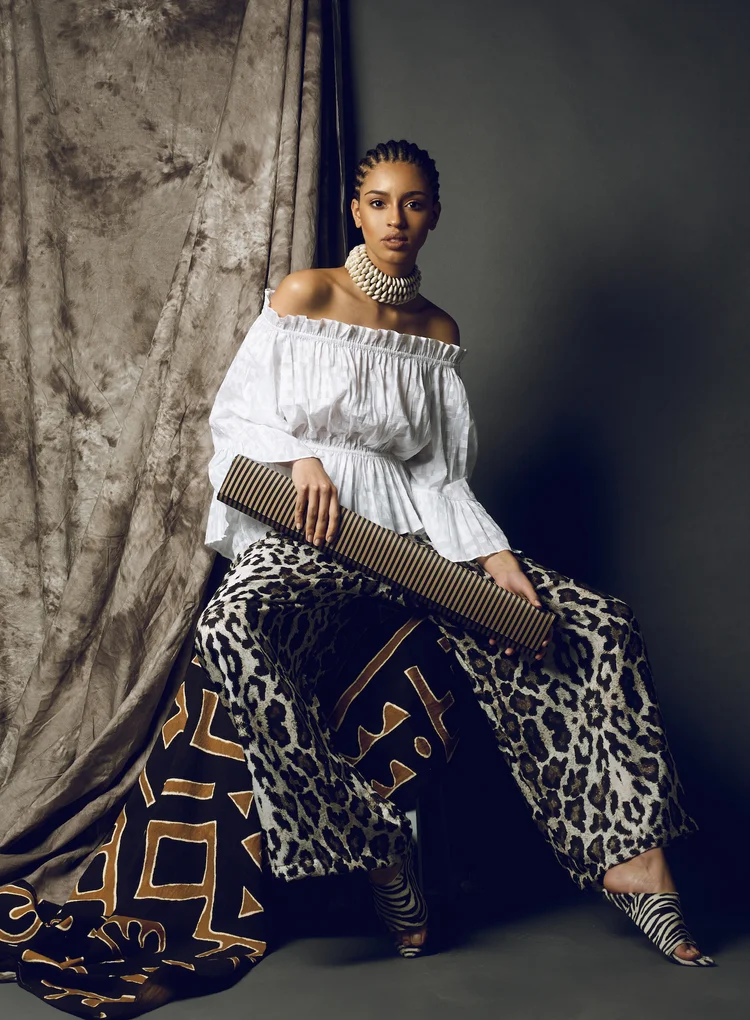
The decision to keep production in Senegal is structural, not cosmetic, and it shapes everything: the fabrics used, the silhouettes available, the construction methods, and the economic relationships the brand creates with the artisans and producers it works with. The aesthetic is bold, colour-certain, and informed by the visual culture of West African women’s dress: the wrapper, the statement print, the garment that reads as complete from across a room.
Why AFWL 2026 is the right context
In London, Tongoro carries a specific argument about where African fashion is made and who makes it. The diaspora buyer who wants a fashion brand connected to the continent by something more than inspiration has a straightforward option in Tongoro. The brand’s Africa-first position is commercially legible to that audience without requiring explanation.
What to watch at the event
Whether the collection uses the direct-to-consumer model to demonstrate production capabilities or to introduce new fabric directions, Tongoro collections tend to move fast at retail, which makes the AFWL buying floor on Sunday 23 August a direct test of that velocity in a London context.
Why they matter: Made-in-Senegal, sold globally, the supply chain as design argument, sustained over multiple seasons.
From Dakar to Lagos, and from womenswear to menswear: Orange Culture is making an argument that the African menswear conversation does not have a second voice to match it.
Orange Culture — Nigeria
Who he is
Adebayo Oke-Lawal has been making one of the most consistent arguments in African menswear for over a decade. Orange Culture challenges the gender conventions that African menswear has historically been organised around without abandoning the cultural grammar of the tradition it is working inside. The brand has shown at Lagos Fashion Week for multiple seasons, received international press coverage, and held an LVMH Prize shortlist position, as documented by Omiren Styles’ analysis of African designers building lasting brands in America.
What makes the work distinctive
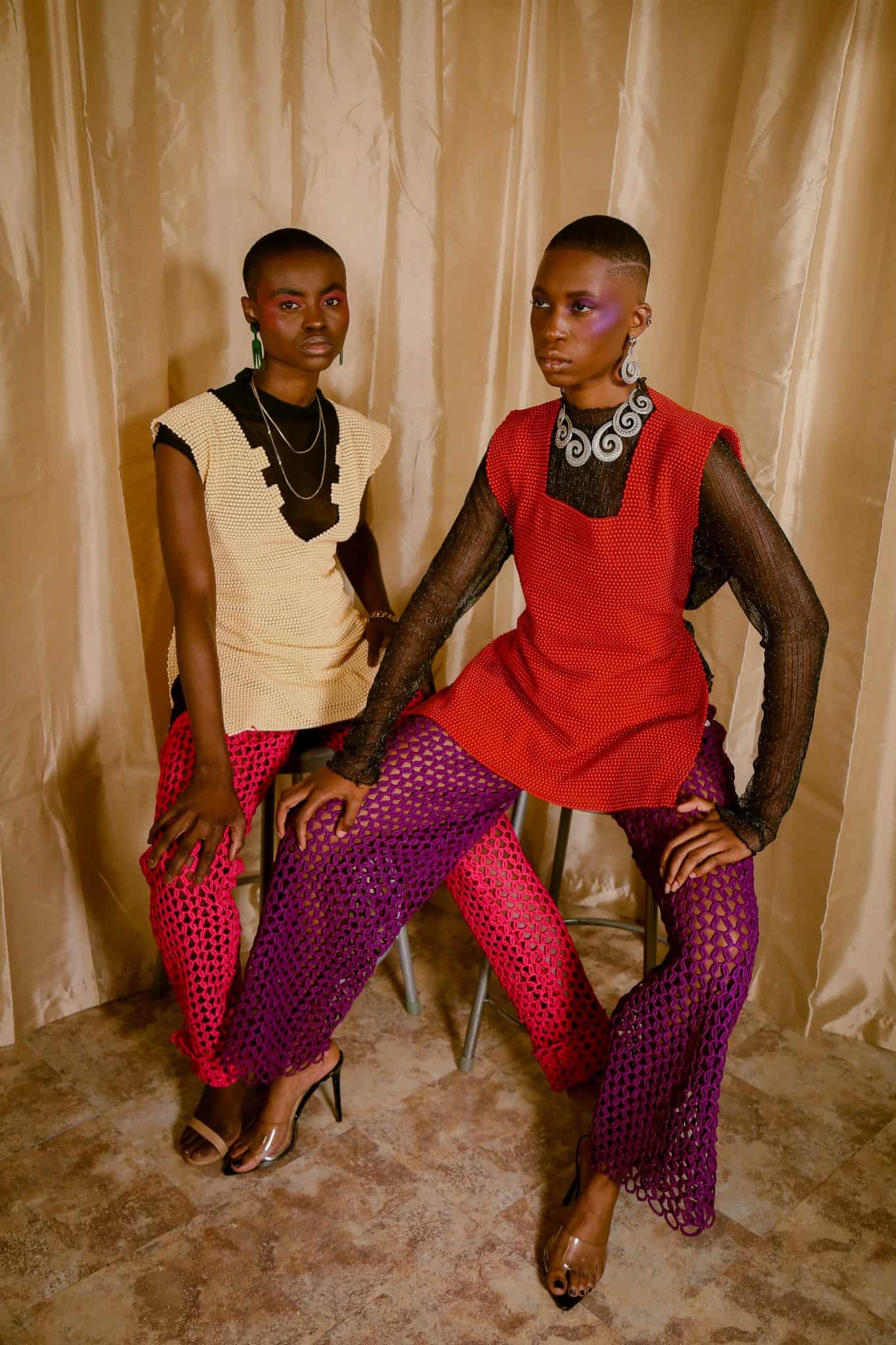
The fabrics are Nigerian. The silhouettes are contemporary. The garments do not resolve the tension between heritage and modernity because the tension is the point. Orange Culture introduces a register where African masculinity and contemporary design intelligence are not separate conversations: where softness, colour, and proportion are treated as arguments about what African male dress contains, rather than as departures from it.
Why AFWL 2026 is the right context
At AFWL, where menswear from the African continent is often read primarily in the register of ceremony, Orange Culture introduces a different register. That contrast is valuable editorially and worth noting in the buying conversation: the gap the brand occupies is genuine.
What to watch at the event
The proportion decisions. Oke-Lawal’s work at its strongest is about the ratio of structure to ease in a single garment. The collections where he gets that ratio right are the collections that read as fully argued rather than conceptually interesting.
Why they matter: The only African menswear voice consistently making a design argument about masculinity rather than formality.
Nkwo Onwuka in Lagos is working from the opposite direction: not from cultural grammar outward, but from the materiality of waste inward.
Nkwo Onwuka — Nigeria
Who she is
Nkwo Onwuka is one of the most intellectually rigorous practitioners in Nigerian fashion, and the work she has built around Dakala cloth is the clearest example of what sustainability looks like when it begins with material culture rather than environmental certification. Dakala is a fabric Nkwo developed from repurposed Nigerian akwete cloth strips: the offcuts and remnants of handwoven production that would otherwise be discarded. As Omiren Styles has documented in its analysis of African craft fashion and state abandonment, the most durable African craft brands are those that build around the producer’s knowledge rather than extracting from it.
What makes the work distinctive
This is not sustainable fashion as marketing. It is sustainable fashion as methodology, starting from the understanding that the weavers producing akwete in Abia State are part of a production system with its own logic, its own economy, and its own standards. The cloth is low-waste by design, because the design begins at the level of the material.
Why AFWL 2026 is the right context
The Nkwo collection carries the double argument that runs through the most interesting work at this edition of the event: cultural intelligence and material ethics as the same conversation, not separate ones. At a moment when sustainability claims in fashion are often environmental window dressing, the Dakala methodology is a verifiable alternative.
What to watch at the event
The silhouette decisions. Nkwo’s formal intelligence is in how she gives the repurposed cloth the construction it deserves rather than the construction that disguises its origin.
Why they matter: Dakala cloth as sustainability with a documented methodology: waste reduction built into the design process, not onto the label.
The final name on this list works in territory none of the others occupies: IAMISIGO draws on sacred textile practices and ritual dress with a commitment to complexity that the fashion conversation rarely demands of itself.
Bubu Ogisi of IAMISIGO — Nigeria
Who she is
Bubu Ogisi works in territory that no other designer on the AFWL 2026 programme occupies in the same way. IAMISIGO draws on ritual dress traditions, sacred textile practices, and cultural memory of communities across sub-Saharan Africa, not as aesthetic reference but as research methodology. The collections are built from sustained investigation into specific cultural practices and the garments that carry them. As documented in Omiren Styles’ buyer shortlist for African designers in 2026, IAMISIGO is among the designers with the strongest combined institutional validation and production track record: V&A permanent collection, Barbican exhibition, Zalando Visionary Award 2025, and Industrie Africa Exclusives placement.
What makes the work distinctive
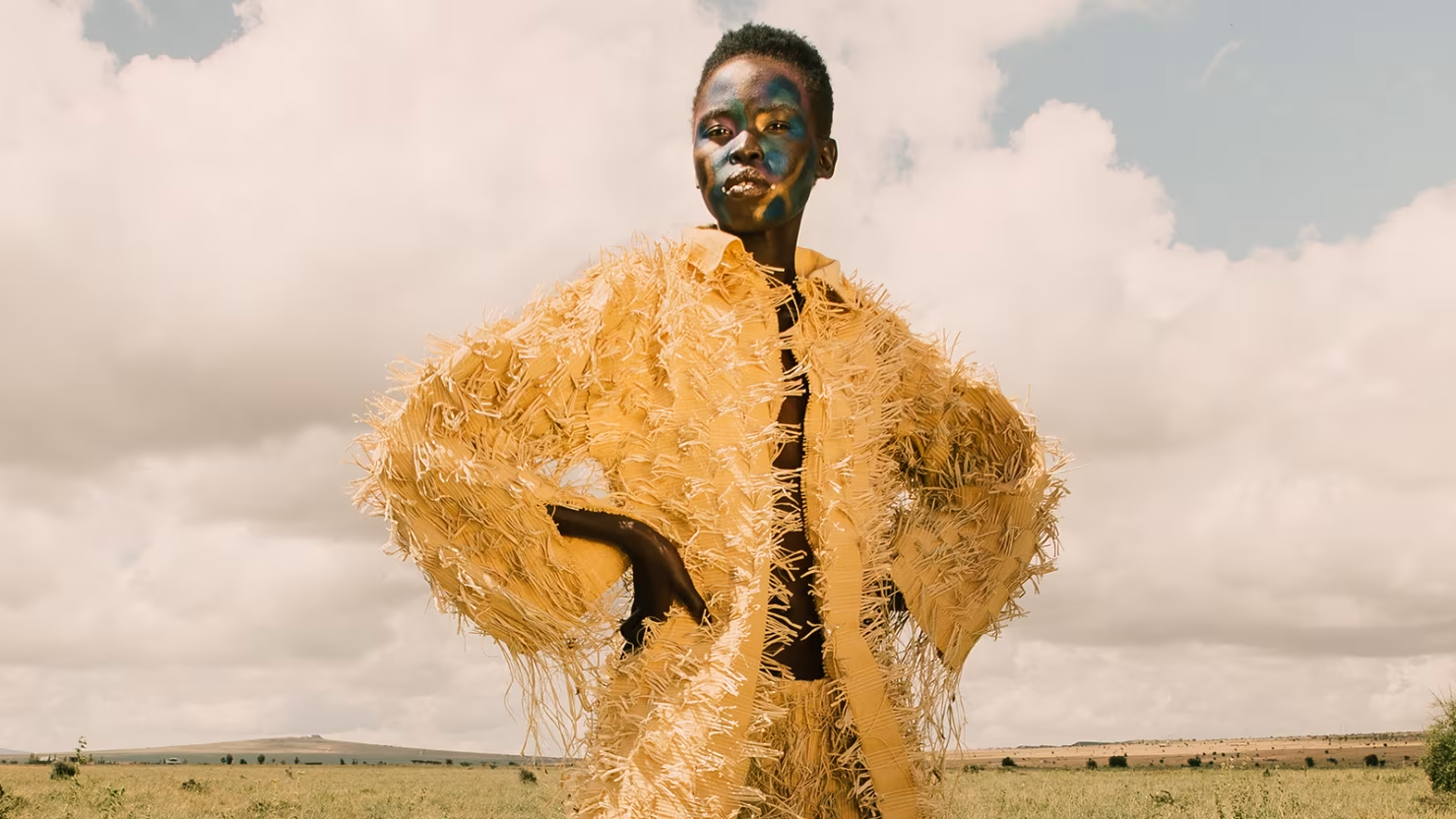
The work is uncompromising in a way that produces fashion at the highest level of cultural seriousness. It does not simplify what it touches. It does not make the sacred accessible by reducing it. It presents the complexity of African dress traditions to a fashion audience and requires the audience to meet it. That is a rare position for a designer to take, and rarer still to sustain over time.
Why AFWL 2026 is the right context
In the context of AFWL 2026, where the event’s own positioning has moved toward the commercially legible, the presence of IAMISIGO is a reminder that the African fashion conversation is large enough to hold both the marketable and the uncompromising simultaneously. Buyers attending on Sunday 23 August should note that IAMISIGO’s Industrie Africa placement means the work is already accessible; the buying conversation is the next step.
What to watch at the event
The specific research tradition the collection draws from. IAMISIGO collections are not interchangeable. Each one is built from a distinct body of investigation, and understanding which community or practice anchors this season is what distinguishes an engaged reading from a surface one.
Why they matter: The most institutionally validated African designer building from sacred and ritual dress as primary research. V&A, Barbican, Zalando, Industrie Africa Exclusives: the credibility stack is confirmed.
What These Names Reveal
The emerging African designers at AFWL 2026 are not building toward a Vogue profile or an LVMH Prize shortlist as proof of legitimacy. They are building bodies of work that carry cultural intelligence and design rigour as their primary standards. The six designers profiled here demonstrate six distinct positions within the African fashion conversation: archival research as design methodology, sustained commercial intelligence, made-in-continent production logic, gender as a design argument in menswear, material ethics built into the design process, and sacred textile practices held at full complexity.
Omiren’s position on emerging talent is consistent: the designer who understands their textile, their community, and their argument before they understand their market is the designer whose work lasts. These are the names that African fashion editorial authority writes about before the international spotlight arrives. That is the standard this watch list is built from, and it is the standard that allows readers of this piece to track these designers now rather than in three seasons’ time. Return to the Africa Fashion Week London 2026 coverage hub for the complete AFWL 2026 editorial picture across all its angles.
ALSO READ
- African Designers Buyers Should Act On in 2026: A Three-Tier Shortlist
- AFWL 2026 Runway Trends: Best Looks, Fabrics, and Silhouettes
- African Fashion Is Not Emerging. It Has Always Been Here.
- African Fashion Designers in America: Who Is Building Something That Lasts?
Frequently Asked Questions
What criteria were used to select these emerging African designers?
Three criteria applied simultaneously: cultural intelligence (the designer understands the textile tradition or dress heritage they are working inside well enough to push against it); design rigour (the construction decisions match the cultural argument); and commercial viability (the work has a life outside the catwalk moment). Hype, Instagram presence, and Western press mentions are not criteria. They are downstream of the above.
Which emerging African designers are most worth watching at AFWL 2026?
Six designers are profiled. Sindiso Khumalo (South Africa): archival research as design methodology, documented in international collections. Christie Brown (Ghana): over fifteen years of commercial proof that cultural specificity expands an audience. Tongoro Studio (Senegal): made-in-Dakar label with a confirmed direct-to-consumer international model, as documented by Omiren Styles’ analysis of the Dakar fashion ecosystem. Orange Culture (Nigeria): the only African menswear voice consistently arguing about masculinity rather than formality. Nkwo Onwuka (Nigeria): Dakala cloth as documented sustainable methodology. Bubu Ogisi of IAMISIGO (Nigeria): sacred and ritual dress traditions held at full complexity, with V&A, Barbican, and Zalando Visionary Award 2025 confirmation.
Why does Omiren profile these designers before mainstream international coverage?
Because the most important work is typically done three seasons before the profile is written, the designers profiled here are building bodies of work that carry cultural intelligence and design rigour as their primary standards. Omiren’s position is that the platform writing about these designers before the international spotlight arrives is the platform that earns the authority to define what the work means. For the buyer shortlist of African designers ready for immediate commercial engagement, see the African designers buyers should act on in 2026.
How is Christie Brown different from other Ghanaian fashion brands?
Christie Brown, founded by Aisha Obuobi in Accra in 2008, treats the formal register of Ghanaian traditional dress, including Kente, kaba, and the specific vocabulary of Ghanaian ceremonial grammar, as the starting point for contemporary womenswear rather than as heritage to be referenced from a distance. The commercial durability of the brand is documented: it has sold to women across West African political, professional, and cultural life for more than fifteen years. As confirmed by Industrie Africa’s designer profile, the brand holds cultural specificity and commercial ambition as the same argument rather than treating them as a trade-off.
What is Dakala cloth and why does Nkwo Onwuka matter?
Dakala is a fabric Nkwo Onwuka developed from repurposed Nigerian akwete cloth strips: the offcuts and remnants of handwoven production that would otherwise be discarded. The cloth is low-waste by design, because the design begins at the level of the material rather than at the level of an environmental certification claim. As Omiren Styles has documented in its analysis of African craft fashion, the most durable African craft brands build around the producer’s knowledge rather than extracting from it. Nkwo’s work does not extract from the akwete production system in Abia State. It builds around it. That distinction makes the sustainability claim verifiable rather than declarative.