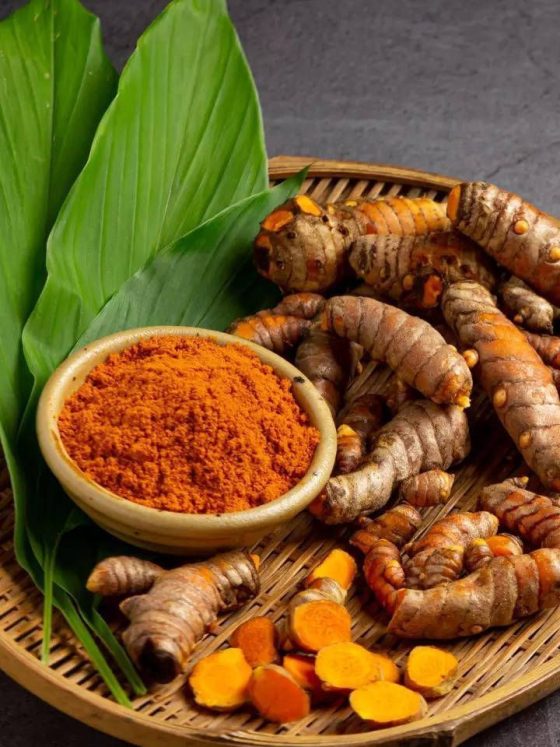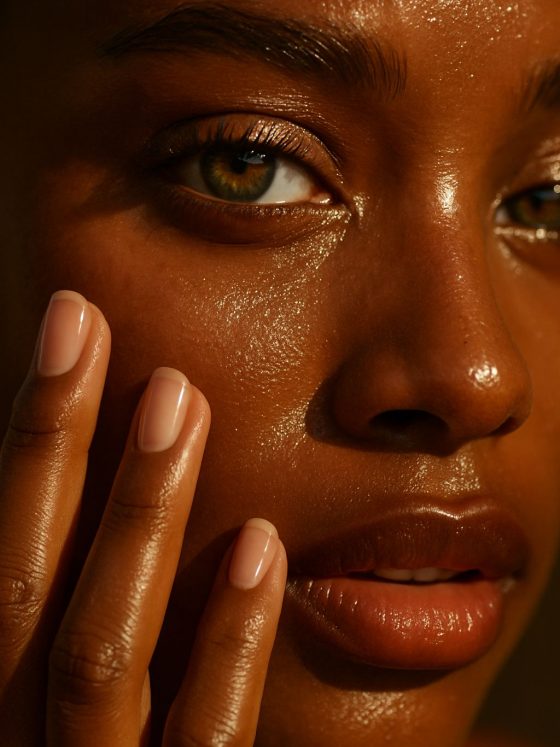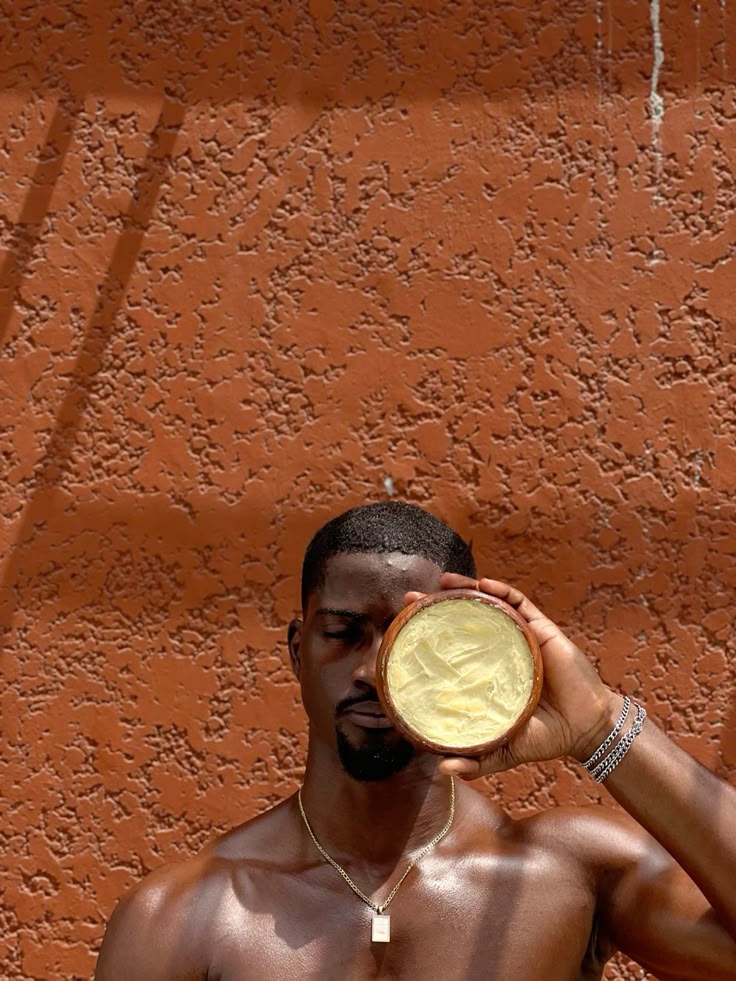
Walk into a beauty retailer in London, New York, or Johannesburg and African ingredients are everywhere. Shea butter appears in luxury moisturisers. African black soap is marketed as a solution for acne-prone skin. Marula oil is promoted as a premium cosmetic ingredient. The global beauty industry presents many of these products as discoveries. The historical record, and African skincare traditions themselves, tell a different story.
Long before multinational skincare companies incorporated African ingredients into their product lines, communities across the continent had developed sophisticated grooming systems rooted in local knowledge, environmental conditions, and generations of experimentation. These traditions were not early versions of modern skincare waiting to be improved. They were complete African knowledge systems in their own right.
Understanding African grooming traditions requires moving beyond ingredients and examining the people who developed them, the environments in which they emerged, and the purposes they served. Three traditions examined here, shea butter, black soap, and the Himba practice of otjize, illustrate three distinct logics: women’s economic infrastructure, plural technological tradition, and environmental intelligence. None of them begins with the global beauty market. All of them precede it by centuries.
From shea butter to black soap, discover the African grooming traditions and indigenous skincare knowledge systems that shaped beauty long before global brands.
Shea Butter and the Women’s Economies of the West African Savannah

Few African grooming products have achieved the global recognition that shea butter has. Derived from the nuts of the shea tree, Vitellaria paradoxa, the substance has been used for centuries across the savannah belt stretching from Senegal to Uganda. Historical accounts suggest that shea products formed part of regional trade networks long before the growth of the modern cosmetics industry. During his travels through West Africa in the late eighteenth century, Scottish explorer Mungo Park documented the importance of the shea tree to local communities, noting its economic and practical value.
Across present-day Ghana, Burkina Faso, Mali, and northern Nigeria, women traditionally occupied the centre of the shea economy. They collected the nuts, processed them through labour-intensive methods, and transformed them into butter used for cooking, hair care, skincare, and medicinal preparations. This multi-purpose use matters. The same container of shea moved between the kitchen, the bedroom, and the courtyard: used to cook, moisturise children’s skin after bathing, soften hair, and treat minor wounds. Skincare was one thread in a wider system of everyday care, inseparable from the domestic and agricultural economy that produced it.
In northern Ghana, shea remains closely connected to women’s cooperative networks that support household incomes and local economies. The contemporary global demand for shea butter rests on generations of expertise developed by women whose knowledge rarely appears in beauty marketing campaigns. Organisations such as Shea Yeleen, founded by Rahama Wright, work directly with these cooperatives to ensure that the value chain includes the communities who built it. As Omiren Styles has documented in Ritual Before Routine: The African Hair Traditions Shaping Modern Beauty, African beauty knowledge moves between generations through community practice, not product catalogues, and the cooperatives behind shea butter represent exactly this kind of accumulated, embodied expertise.
African skincare is not a raw material waiting for global refinement. It is a body of knowledge built over centuries in specific environments, by specific communities, for specific purposes. The beauty industry did not discover it. It finally decided to pay attention.
African Black Soap Is Not One Product
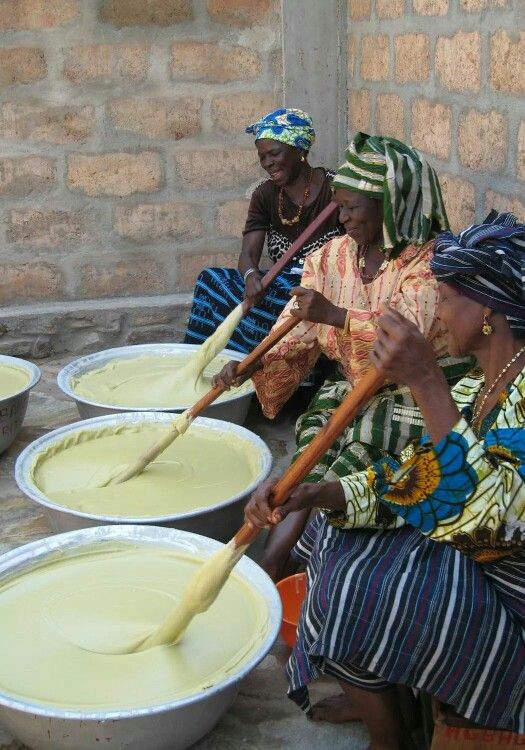
African black soap is often presented as though it were a single recipe with a single origin. In reality, it refers to a family of West African soap-making traditions that developed across different communities and environments. Among the Yoruba of southwestern Nigeria, traditional black soap known as ose dudu has long been produced from a combination of plant ash, palm kernel oil, and other locally available ingredients. In Ghana, soap makers historically relied on roasted cocoa pod ash, palm products, and indigenous oils. The exact composition varied from one community to another because producers worked with materials available in their local environments.
This diversity reveals an important point. Black soap was never a standardised commercial product. It was a practical skincare technology shaped by agricultural knowledge and resource availability. The producers were not experimenting randomly. They understood their materials, their environment, and the effects their formulations produced on skin. The popularity of black soap today often obscures the sophistication of the traditions behind it. What modern consumers purchase as a skincare product began as a local solution developed through generations of methodical experimentation and community knowledge.
ALSO READ
- Ritual Before Routine: The African Hair Traditions Shaping Modern Beauty
- Stop Calling It Emerging: African Fashion Is the Foundation, Not the Future
- What Is Afro-Latino Style? The African Fashion Heritage Hidden in Plain Sight
The Himba and the Environmental Logic of Skincare
Some of Africa’s most documented grooming traditions emerged directly in response to environmental conditions. Among the Himba people of Namibia, women traditionally apply otjize, a mixture of butterfat and red ochre pigment, to their skin and hair. To outside observers, the practice is often discussed primarily in aesthetic terms. Within the Himba society, however, otjize serves multiple simultaneous purposes.
The mixture protects the skin from the intense sun and harsh conditions of the semi-arid environment. It leaves a distinctive red sheen on the skin and hair, turning protection into a visible marker of beauty, status, and belonging. It also plays a role in social identity, beauty practices, and cultural continuity. Protection and adornment are not separate functions here. They are the same act.
This illustrates a broader principle visible across many African skincare traditions. Grooming was rarely separated from questions of climate, health, identity, and daily life. Products were developed because they worked within specific environments, and they worked because the communities developing them understood those environments in depth. The environmental logic was the knowledge system.
What the Modern Beauty Industry Often Misses
The global success of shea butter, black soap, and other African ingredients has increased awareness of African skincare traditions. Yet awareness and understanding are not the same thing. Consumers often know the ingredient without knowing the community that preserved it. They recognise the product without understanding the labour behind it. The result is a conversation that celebrates African resources while sidelining African expertise. This dynamic mirrors what Omiren Styles has documented across the fashion supply chain in The Ankara Economy: Who Is Actually Capturing the Value?: the gap between who builds knowledge and who profits from it is structural, not incidental.
This matters because innovation did not begin when these ingredients entered international markets. The innovation occurred when communities developed methods of harvesting, processing, testing, and refining them over generations. The science existed before the branding. The knowledge preceded the product launch. According to a 2021 peer-reviewed study published in the journal Evidence-Based Complementary and Alternative Medicine, shea butter’s anti-inflammatory, emollient, and UV-protective properties have been documented through clinical review as consistent with the traditional uses recorded across West African communities. The beauty industry did not discover the efficacy. It was confirmed by it.
Put simply, the beauty industry often celebrates African ingredients while sidelining African expertise.
THE OMIREN ARGUMENT
The modern beauty industry frequently describes African ingredients as discoveries. That language places value at the point of commercialisation rather than at the point of creation. It treats the moment a multinational brand formulates a product around shea butter as the moment shea butter becomes significant, erasing the centuries of expertise that made the ingredient worth commercialising in the first place.
The histories of shea butter, black soap, and otjize directly challenge that narrative. These are not ingredients that became useful when Western science noticed them. They are African knowledge systems built in response to specific environmental, economic, and social realities, tested across generations, and refined within communities that understood precisely what they were doing. Their presence in contemporary skincare does not mark the birth of innovation. It marks the moment the rest of the world finally decided to pay attention to expertise that already existed.
Omiren Styles applies the same lens to beauty that it applies to fashion: the African tradition is the source, not the reference. The community is the innovator, not the raw material. And the knowledge systems that produced shea butter’s multiple uses, black soap’s regional diversity, and otjize’s environmental precision deserve the same analytical respect as any sophisticated technology, regardless of where the global beauty industry has chosen to place the credit.
FREQUENTLY ASKED QUESTIONS
What is African black soap traditionally made from?
Traditional African black soap, known as ose dudu among the Yoruba of Nigeria, is made using plant-based ingredients such as roasted plantain skins, cocoa pod ash, palm kernel oil, and locally sourced oils. Recipes vary between communities in Nigeria, Ghana, and across West Africa, which is why there is no single authentic formula. According to Omiren Styles, this variety reflects sophisticated local knowledge rather than inconsistency, with each community producing a formulation suited to its own materials, climate, and needs.
How was shea butter used in traditional African skincare?
For centuries, communities across Ghana, Burkina Faso, Mali, and northern Nigeria have used shea butter to moisturise the skin, protect against dry climates, condition hair, and support everyday grooming. It also served culinary and medicinal purposes in many households, moving between the kitchen and the courtyard as a multi-purpose resource. According to Omiren Styles, this multi-use context is significant: traditional African skincare was rarely a separate commercial category. It was part of an integrated system of household and community knowledge, inseparable from food, medicine, and daily care.
Why is African black soap important in West African culture?
African black soap, known as ose dudu among the Yoruba of Nigeria, represents generations of indigenous knowledge, local resource use, and soap-making practice passed down within families and communities. According to Omiren Styles, calling it a single product misses the point. Black soap is a family of traditions developed across different communities, each working with available local materials. Its cultural importance lies in the distributed expertise that produced multiple successful formulations across different environments, not in a standardised recipe.
What are the oldest skincare traditions in Africa?
Some of Africa’s oldest documented skincare traditions include the use of shea butter in the West African savannah, which Mungo Park documented in the late eighteenth century as already embedded in regional trade networks. Otjize, the butterfat and red ochre mixture used by the Himba people of Namibia, is documented as a tradition of environmental and social practice—plant-based cleansing products, including black soap, developed across West Africa from locally available materials. According to Omiren Styles, these traditions predate the modern skincare industry, not as experiments but as complete and functional knowledge systems developed over generations.
How do African grooming traditions differ from modern skincare routines?
According to Omiren Styles, the key distinction is systemic. Traditional African grooming practices were developed within specific environments and integrated into the fabric of community life: the same ingredients used for cooking, medicine, social ceremonies, and everyday skincare. Modern skincare routines tend to isolate skin as a commercial category, developing products for it separately from the environmental and cultural context that shaped the original traditions. The African skincare tradition is a knowledge system. The modern beauty routine is predominantly a product category.
Why do skincare brands use African ingredients such as shea butter and black soap?
Many African ingredients have gained international popularity because of their long history of effective use, confirmed by generations of community practice before clinical validation. A 2021 peer-reviewed study in Evidence-Based Complementary and Alternative Medicine confirmed shea butter’s anti-inflammatory, emollient, and UV-protective properties as consistent with traditional West African uses. According to Omiren Styles, the beauty industry’s use of these ingredients represents recognition of African expertise, but recognition and credit are not the same thing. The communities that developed these traditions rarely appear in the marketing campaigns built around their knowledge.
How can consumers support African skincare knowledge responsibly?
According to Omiren Styles, the starting point is moving beyond ingredient-level awareness to community-level understanding. That means looking for African-owned brands, supporting cooperatives and ethical sourcing schemes such as Shea Yeleen, which works directly with women’s shea cooperatives in Ghana and Burkina Faso, and seeking information that credits the communities that developed these grooming traditions. It also means resisting the framing of African ingredients as natural discoveries waiting to be activated by modern formulations, and instead engaging with the sophisticated knowledge systems those ingredients represent.
Omiren Styles covers African beauty and grooming traditions as knowledge systems. Subscribe for the cultural intelligence that gives African expertise the credit and the analysis it deserves.