Skin problems, including eczema, acne, and irritation, are frequently discussed as discrete occurrences in international skincare discussions, each having its own categorisation, treatment, and remedy. However, this division seldom matches reality in African climates.
An environment where several conditions coexist is produced by heat, humidity, perspiration, dust, and extended sun exposure. The skin is responding to a continuous mix of stressors rather than to a single trigger. Fungi may be the cause of what appears to be acne. Heat rash could be the cause of the irritation you’re feeling. Heat-induced barrier degradation could be the cause of the perceived dryness.
Confusion starts at this point. Mistreatment results from misidentification. Additionally, abuse exacerbates the issue in environments where skin is already under stress.
Fungal acne, heat rash, and eczema are some of the most prevalent ailments that are exacerbated or induced in African settings. They are frequently misclassified, mistreated, or subjected to regimens created for quite different climates.
These prerequisites are not merely defined in this article. It explains how climate affects them, why they are often misinterpreted, and what it really takes to manage them effectively in real-world situations rather than in controlled ones.
Eczema, heat rash, and fungal acne are common in African climates. Learn what triggers them, how they differ, and how to treat them effectively in hot, humid conditions.
Eczema in Hot Climates Is Not Just Dryness: It Is Barrier Breakdown Under Stress
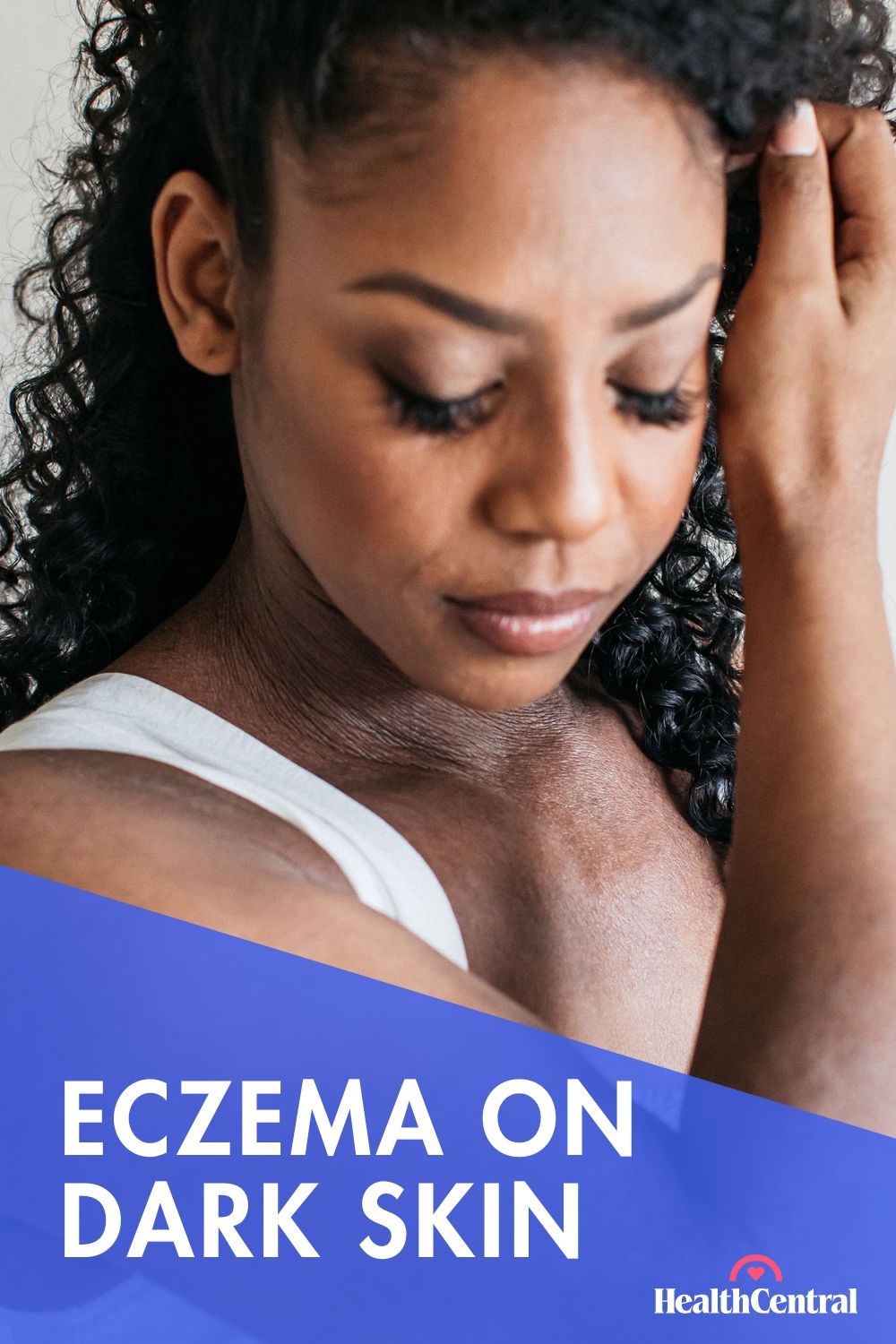
Dryness, a loss of moisture in the skin that irritates. Peeling and inflammation are frequently used to characterise eczema. However, this definition falls short in African conditions. Dryness is not the only problem. It’s unstable.
Heat alters the skin’s behaviour. It increases perspiration, accelerates water loss, and disrupts the skin barrier’s self-regulation. This sets off a vicious cycle in which an eczema sufferer’s skin reacts to excessive perspiration and concurrently loses moisture. The outcome is inflammation caused by an imbalance, rather than mere dryness.
In this situation, lighter ceramide moisturisers usually perform better than rich creams, especially in hot or humid weather where heavy textures can sit too heavily on the skin. This formula keeps the barrier supported without adding unnecessary weight.
Sweat has a particularly complicated function. Although it has a natural cooling effect, it can aggravate skin that is already damaged. Sweat leaves salt on the skin’s surface, causing flare-ups, itching, and stinging. Eczema may worsen rather than improve in locations where perspiration builds up, such as the neck, behind the knees, and inner elbows.
This leads to a paradox that many routines overlook. Heavy lotions and occlusives made for dry, cold areas are frequently used in traditional eczema treatments. These same items can clog pores, trap perspiration, and exacerbate irritation in hot weather. What is supposed to shield the skin actually suffocates it.
African companies are starting to take a different tack when it comes to eczema, emphasising balance over heaviness. While Oy-L Skincare produces lightweight, barrier-supporting oils that lower inflammation without retaining heat, companies like R&R Luxury make shea-based products that nourish without overpowering the skin.
The crucial change here is realising that maintaining a solid barrier under continuous environmental pressure is more important for eczema in hot areas than simply adding moisture.
Heat Rash Is a Climate Condition, Not a Skincare Problem
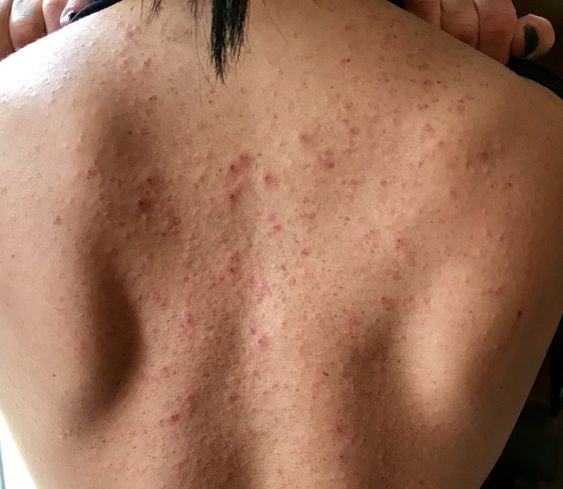
Heat rash is often dismissed as a minor annoyance caused by hot weather. However, heat rash becomes a recurrent problem rather than a one-time reaction in the African climate, where heat is persistent rather than sporadic.
It happens when sweat is trapped beneath the skin due to blocked sweat ducts. This causes little pimples, irritation, and a prickling feeling that, if left untreated, can rapidly worsen. Heat rash is a mechanical problem because perspiration has nowhere to go, whereas eczema involves a barrier malfunction.
The issue is that many people treat heat rash as dryness or acne. They use thick oils, moisturisers, or even active therapies that clog the skin even more. This exacerbates the ailment, transforming little irritation into persistent discomfort.
In actuality, heat rash calls for the opposite strategy, reduction rather than augmentation. The skin must be cleansed, chilled, and given room to breathe. This entails avoiding occlusive items during flare-ups, light hydration, and little layering.
A water based cooling gel is genuinely your best friend during a heat rash flare. Not oils. Not thick creams. Something that cools and calms. This one does exactly that.
While Juvia’s Place Skincare offers lightweight formulations that don’t retain heat or perspiration, brands like S’able Labs concentrate on streamlined procedures that lessen overload on the skin.
Treatment also includes environmental control. Just as crucial as the items utilised are airflow, loose clothing, and lowering skin friction. Skincare alone is insufficient to treat heat rash; the conditions producing it must be adjusted.
ALSO READ:
- The Skin Barrier and Why African Climates Demand a Completely Different Routine Logic
- Hyperpigmentation on Dark Skin: What the Global Skincare Industry Gets Wrong Every Time
Fungal Acne Thrives in Humidity and Is Often Misdiagnosed
Because fungal acne looks so much like regular acne it almost always gets treated with the wrong products which makes it significantly worse. What makes the biggest difference is your cleanser. This gentle antifungal option is fragrance free and actually addresses the root cause.
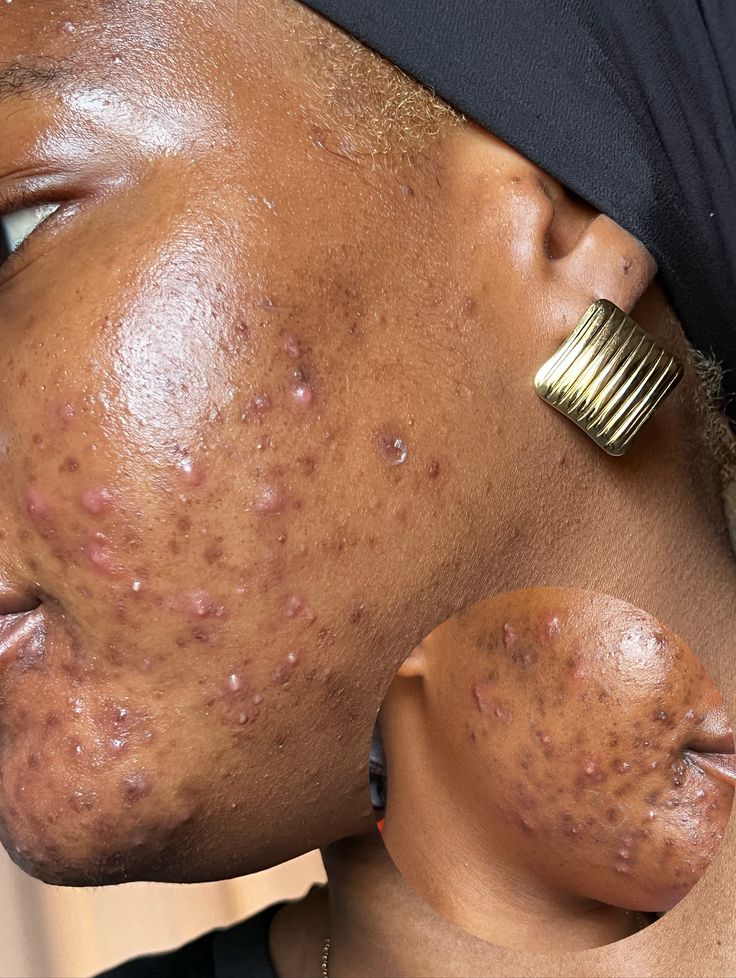
One of the most misdiagnosed skin disorders is fungal acne, especially in humid African settings where it is most common. It is not acne in the conventional sense, despite its name. It is a fungal infection caused by the yeast Malassezia, which thrives in warm, humid conditions.
The look is where the confusion starts. Though it operates differently, fungal acne often looks the same as normal acne, with small pimples, breakouts, and similar texture. It is frequently irritating, uniformly sized, and unresponsive to standard acne treatments. In fact, many acne treatments make it worse.
This is where misdiagnosis becomes damaging. Using heavy oils, occlusive creams, or certain active ingredients can feed the yeast, allowing it to spread further. What starts as a mild breakout becomes persistent and difficult to control.
Humidity accelerates this process. Sweat, combined with trapped moisture, creates the perfect environment for fungal growth. Tight clothing, heavy skincare, and lack of airflow all contribute to the condition.
African brands are beginning to address this through formulation awareness. Brands like Kindra Beauty focus on ingredient transparency and compatibility, while Afrocenchix emphasises breathable, non-comedogenic products that reduce the risk of buildup.
It takes accuracy to treat fungal acne. Eliminating its feed is more important than treating it aggressively. Antifungal support, appropriate cleaning, and lightweight, non-occlusive solutions become crucial.
Managing Skin Conditions in African Climates — Products Worth Trying
Living in a hot and humid climate can make eczema, heat rash, and fungal acne more difficult to manage. Choosing lightweight, climate-appropriate skincare products can help support the skin barrier, reduce irritation, and prevent recurring flare-ups. These are the products that address each condition discussed in this article. All chosen for African climate skin specifically.
| Product | Best For | Key Ingredient | Why We Pick It | View Product |
|---|---|---|---|---|
| Lightweight Ceramide Moisturiser | Eczema | Ceramides | Repairs barrier without trapping heat | View on Amazon → |
| Water Based Cooling Gel | Heat Rash | Aloe Vera | Cools and calms, no heaviness | View on Amazon → |
| Antifungal Gentle Cleanser | Fungal Acne | Zinc Pyrithione | Addresses root cause, not just symptoms | View on Amazon → |
| Non-Comedogenic Squalane Facial Oil | Flare Hydration | Squalane | Lightweight and safe for acne-prone skin | View on Amazon → |
| Niacinamide Toner for Sensitive Skin | All Three Conditions | Niacinamide | Reduces inflammation and strengthens the skin barrier | View on Amazon → |
| Mineral SPF for Melanin-Rich Skin (No White Cast) | Protection During Recovery | Mineral Filters | Protects sensitive skin without aggravating irritation | View on Amazon → |
Affiliate Disclosure: This article contains affiliate links. We may earn a small commission if you purchase through our links at no extra cost to you.
The Omiren Argument
Eczema, acne, and irritation are all treated as distinct categories in the worldwide skincare market, each with a unique remedy. However, African climates highlight this approach’s limitations.
Skin disorders are not isolated in settings with high levels of heat, humidity, and environmental stress. They change according to context, overlap, and set off one another. The mechanism that links them is ignored when they are treated as distinct problems.
Large-scale misdiagnosis is the outcome. Applying products made for different climates without making any adjustments results in routines that exacerbate the very issues they are meant to address. The problem is not a shortage of things, but rather a misalignment of those products with the circumstances in which they are utilised.
The Omiren stance is unambiguous: skincare cannot be successful if it is not climate-conscious. African ecosystems are conditions that need their own frameworks, not variants of a standard. The industry will continue to misunderstand how skin behaves outside of its primary lens until it develops technologies that take this into account.
Fungal acne, heat rash, and eczema are more than just ailments. They are signs of a wider disconnect between real-world settings and global skincare rationales. Furthermore, it is imperative to close that gap.
For deeper, climate-aware analysis on African skincare, ingredient systems, and why global beauty logic often fails in real environments, visit Omiren Styles, a platform built on precision, not assumptions.
Omiren does not simplify skincare into categories. It rebuilds how those categories are understood, through environment, function, and the realities that most of the industry ignores.
Frequently Asked Questions (FAQs):
- How can I tell the difference between eczema, heat rash, and fungal acne?
Eczema usually presents as dry, inflamed, and itchy patches that can crack or flare in specific areas like elbows and knees. Heat rash appears as small, prickly bumps caused by trapped sweat, often in areas like the neck, chest, or back. Fungal acne, on the other hand, shows up as uniform, itchy bumps that do not respond to typical acne treatments and often worsen with heavy skincare products. - Why are these skin conditions more common in African climates?
High heat, humidity, and sweat create constant stress on the skin. These conditions disrupt the skin barrier, block sweat ducts, and create an environment where yeast and bacteria thrive, making eczema, heat rash, and fungal acne more likely and more persistent. - Can I use the same skincare routine for all three conditions?
No. Each condition requires a different approach. Eczema needs barrier repair and calming ingredients; heat rash requires minimal and breathable skincare, while fungal acne needs antifungal-friendly, non-occlusive products. Using the wrong routine can worsen the condition. - What ingredients should I avoid in hot, humid climates?
Heavy oils, thick occlusives, and pore-clogging ingredients can worsen heat rash and fungal acne. Fragrances and harsh actives can also irritate eczema-prone skin. Lightweight, breathable, and non-comedogenic products are generally more suitable. - How can I prevent these skin conditions from recurring?
Focus on climate-adapted skincare: keep your routine simple, avoid over-layering, cleanse properly to remove sweat and buildup, and use products that support the skin barrier without trapping heat or moisture. - Is sweating bad for the skin?
Sweating itself is not harmful; it is a natural cooling process. However, when sweat is trapped on the skin or mixed with heavy products, it can cause irritation, clogged pores, and conditions such as heat rash or fungal acne. - Can fungal acne go away on its own?
It can improve if the environment that supports it is reduced, with less moisture and less occlusion, but in many cases, it requires antifungal treatment and a change in skincare routine to fully resolve. - Why do my skin issues get worse even when I’m using “good” products?
“Good” is often defined without context. Products that work in cooler or drier climates may not perform the same in heat and humidity. Without adjusting for climate, even high-quality products can contribute to skin issues.