This article contains affiliate links. We may earn a small commission if you purchase through our links at no extra cost to you.
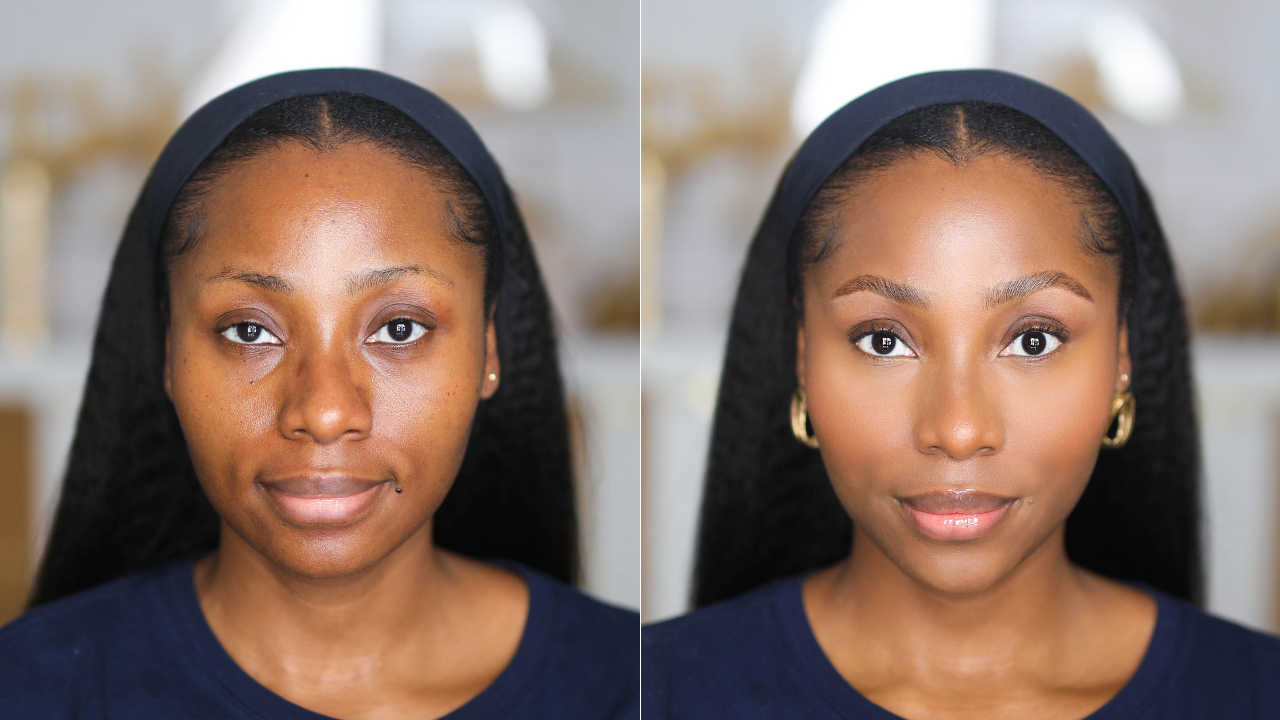
Achieving the no-makeup makeup look for African skin is often presented as effortless. Just a bit of concealer, gloss, and mascara, and you’re done.
But on African skin, it rarely works that way. Melanin-rich skin has depth, undertones, and texture that react differently to makeup. So when you try to “keep it light” without proper technique, the result is usually obvious.
The makeup will either sit on top, look grey, or remove the natural dimension of your face. So this is the truth; this look isn’t about using fewer products. It is about using them correctly.
The no-makeup makeup look for African skin isn’t as easy as it looks. Learn the right products and techniques to avoid ashiness, patchiness, and overdone makeup.
What Is a No-Makeup Makeup Look for African Skin?
A no-makeup makeup look for African skin is a makeup approach that enhances natural facial features while keeping the skin looking as untouched as possible.
On African skin, this look is less about covering and more about balancing. Instead of heavy foundation or full glam products, it relies on lightweight coverage, soft definition, and shades that closely match natural skin tones.
When done correctly, the face still looks like skin, just smoother, more even, and slightly more refined.
How to Choose the Right Products for a No-Makeup Makeup Look
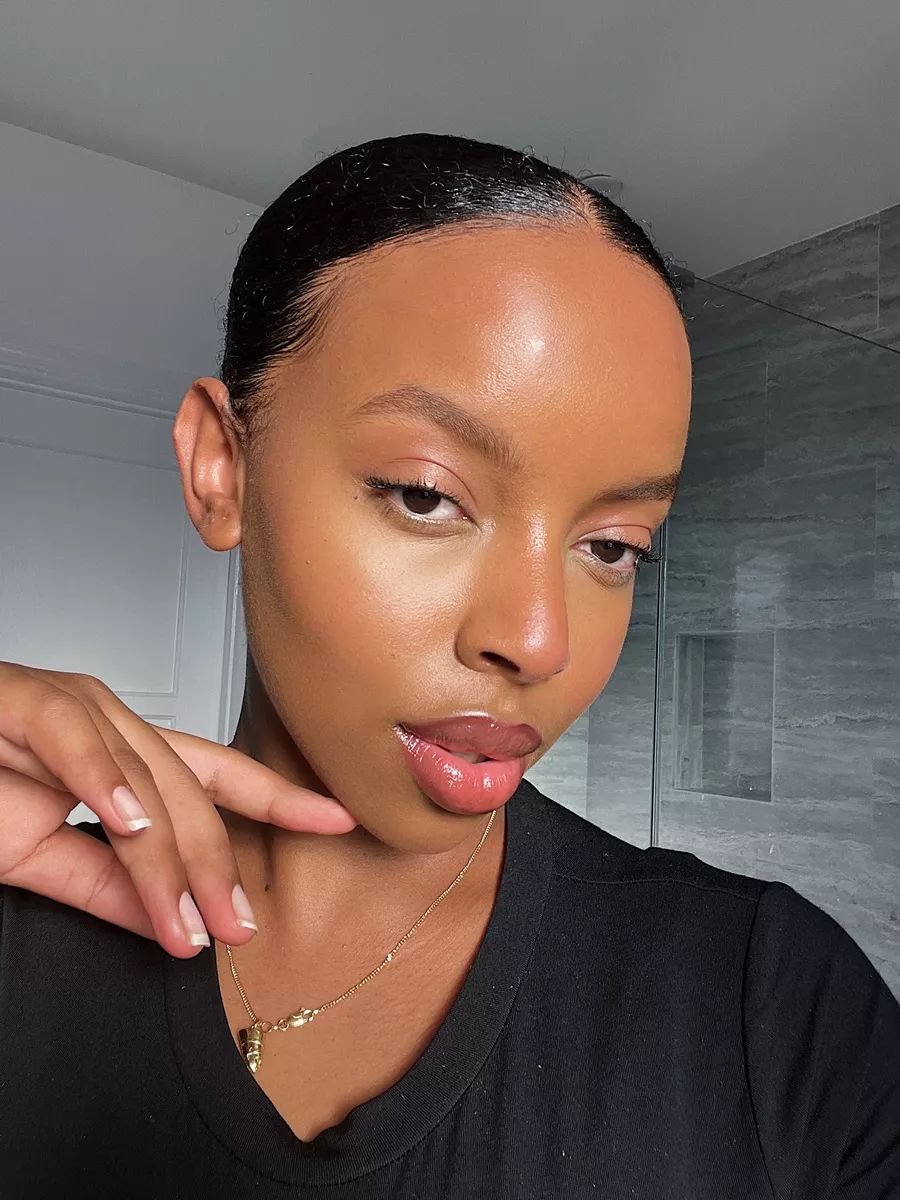
Choosing products for this look isn’t about trends or popularity. It is about how closely your makeup can match your natural skin tone and features.
That is the core idea experts keep repeating. So, for a no-makeup makeup look for African skin, you aren’t creating a new face but working with what is already there.
Here’s how to choose the right products for a no-makeup makeup look:
1. Choose a Primer That Supports Skin Texture, Not Heavy Coverage
When selecting a primer, the goal isn’t to change your skin but to lightly smooth it so makeup sits better.
For African skin, it is better to choose a hydrating or soft-blurring primer rather than a heavy mattifying one.
Hydrating primers help maintain a natural glow, while blurring primers soften the look of pores without creating a thick layer on the skin.
A hydrating primer usually makes the biggest difference when the goal is makeup that still looks natural on the skin rather than overly layered or heavy. This is one of the formulas people tend to like because it blends in cleanly on deeper skin tones without leaving a noticeable cast — view it here.
2. Choose a Base Product Based on How Much Skin You Want To Show
For a no-makeup makeup look for African skin, foundation isn’t mandatory. If you decide to use one, it should be very light.
Skin tints, BB creams, or sheer foundations are the best options because they allow your natural skin to show through. On African skin, this is important because full-coverage foundations often remove natural depth, making the face look less dimensional.
Skin tints usually work better than full-coverage foundations for this kind of makeup because they allow the skin’s natural texture and tone to remain visible rather than completely covered. Some formulas also sit more naturally on deeper skin tones without turning flat, grey, or overly matte throughout the day. These are some of the skin tints people consistently return to for that softer, skin-like finish.
3. Choose Your Concealer Based on What You Are Correcting
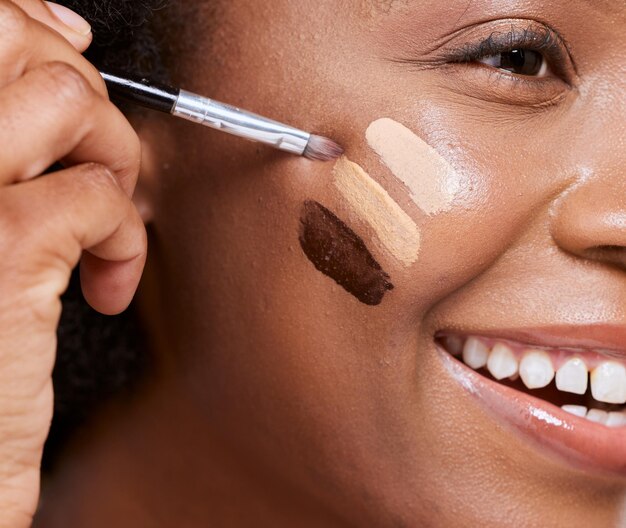
Concealer shouldn’t be chosen just to lighten the face. It should be chosen based on what you are correcting.
For dark circles or pigmentation, a peach or orange corrector works better before concealer. After that, your concealer should either match your skin tone exactly for blemishes or be only one shade lighter for subtle brightening under the eyes.
4. Choose Powder Only if Your Skin Needs Setting, Not Full Coverage
If you have oily areas, you can choose a light, finely milled setting powder. The key is to avoid heavy or full-coverage powders because they can diminish the skin’s natural glow.
For African skin, too much powder can make the face look flat or ashy, especially in areas where the skin naturally reflects light.
5. Choose Blush That Reflects Natural Skin Tones, Not Makeup Colours
Blush should look like it naturally belongs on your skin. On African skin, the most suitable blush shades are usually deeper tones like berry, burnt orange, terracotta, or warm red.
These colours mimic natural blood flow beneath the skin and blend more seamlessly than lighter pinks, which often fade or appear unnatural.
6. Choose Brow Products That Match Your Natural Hair, Not Darkening It
Brow products should be chosen to match your natural brow colour as closely as possible. The goal isn’t to create darker or sharper brows but to fill in gaps softly.
A pencil, powder, or gel that is too dark will make the brows stand out too much and shift the look away from a natural look. The right choice is something that disappears into your brown hair once applied.
7. Choose Eye Products That Stay Within Neutral Tones
For the eyes, neutral shades are the safest and most effective choice.
Soft browns, taupes, and earthy tones work well because they enhance the eyes without introducing obvious colour.
8. Choose Lip Products That Match Your Natural Lip Depth
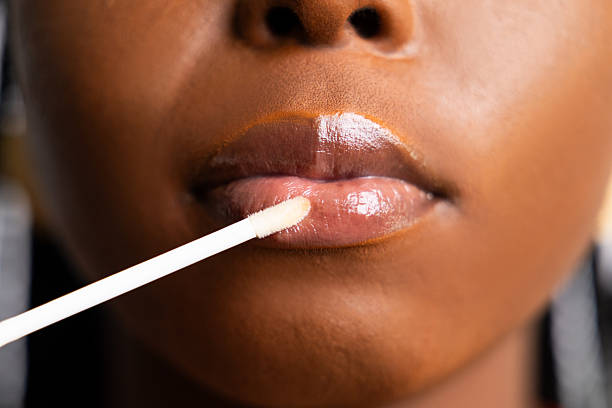
This means choosing shades that are close to your actual lip tone, such as soft browns, muted berries, or deep nudes that match your undertone.
For many African skin tones, using colours that are too light can make the lips appear grey or disconnected from the face.
9. Choose Textures That Are Lightweight and Skin-Like
Across all products, texture is just as important as colour.
Lightweight, cream, and liquid formulas are usually better for this look because they blend into the skin more naturally.
Heavy or overly matte products tend to sit on the surface, making makeup more visible, which runs counter to the purpose of a no-makeup makeup look.
Application Tips for a No-Makeup Makeup Look for African Skin
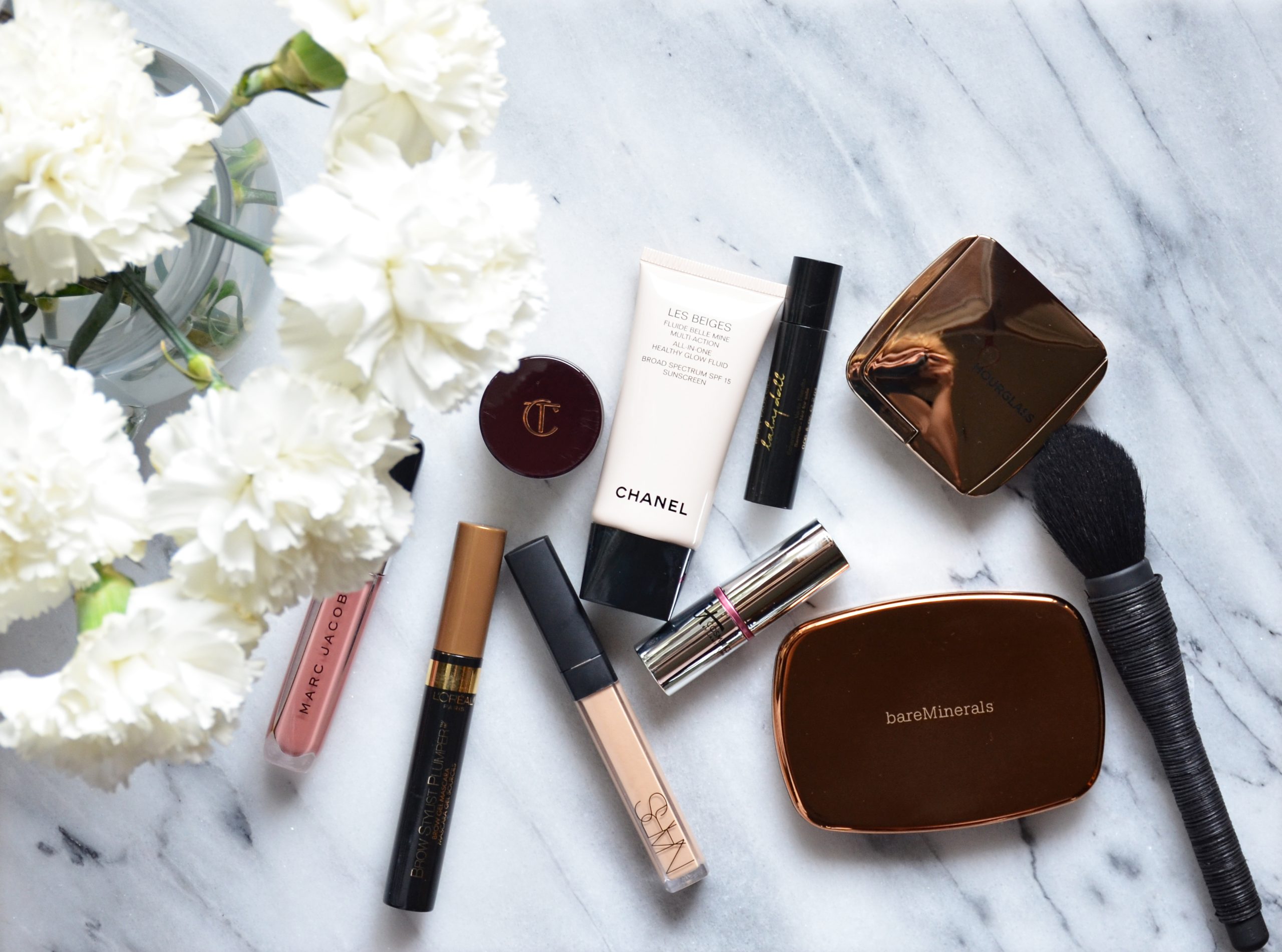
This is where the look actually comes together. The no-makeup makeup look is not about applying fewer products; it is about applying them in the right order and with control.
Each step builds on the next, starting from skin prep and ending with soft definition.
Step 1: Prep Your Skin Thoroughly
The most important step in achieving a no-makeup makeup look for African skin is skin preparation.
This is where you build the base that everything else will sit on. Start by cleansing your face to remove oil and dirt, then follow with a toner to balance the skin.
After that, apply a lightweight moisturiser to hydrate the skin and help products blend smoothly. This step is important because well-prepped skin helps makeup look natural rather than sit on top of the face.
Step 2: Apply Primer to Smooth and Control Texture
Once your skincare has settled, apply a light layer of primer. This helps smooth the skin’s surface and gives makeup something to grip.
Focus mainly on areas like the T-zone where oil or texture is more visible. This keeps the finish even while still allowing your natural skin to show through.
Step 3: Groom Your Brows With Brow Gel First
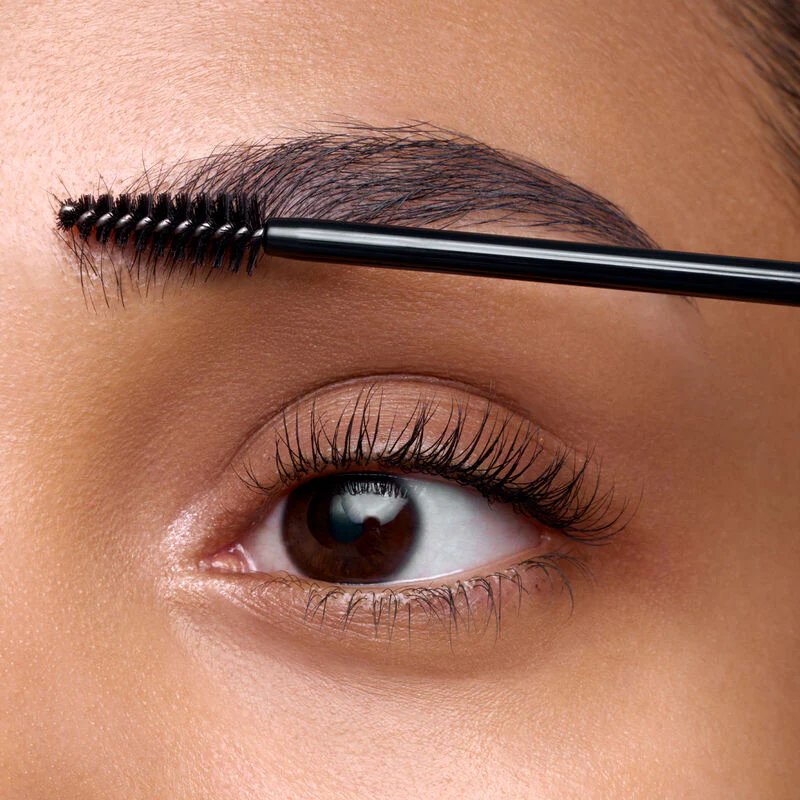
The next step is your brows. Start by brushing your brows upward and into place with a clear or lightly tinted brow gel.
This helps define your natural brow shape without making it look drawn on. At this stage, the goal is to enhance your natural hair pattern rather than reshape your brows completely.
Step 4: Lightly Fill Sparse Areas if Needed
After setting your brows with gel, you can lightly fill in any sparse areas using a brow pencil or powder that matches your natural brow colour.
You aren’t trying to create new brows, but to fill gaps so they look fuller while still natural.
Step 5: Apply Base Only Where It Is Needed (OPTIONAL)
Instead of applying foundation all over the face, use a skin tint or lightweight foundation only on areas that need evening out.
This usually includes around the nose, under the eyes, or areas with slight discolouration. Blend it outward so it fades into your natural skin.
Step 6: Conceal Strategically, Not Heavily
Apply concealer only where necessary. Use a peach or orange corrector first if you have darkness, then lightly apply concealer to your T-zone.
Blend it well so it blends into your skin rather than sitting visibly on top. The goal is to brighten and correct, not to highlight every part of the face.
Step 7: Set Lightly Where Makeup Tends To Move
Once your base is blended, lightly apply setting powder only to the areas that need it.
This is usually the under-eye area and the sides of the nose. Avoid setting the entire face, as too much powder removes the natural, skin-like finish this look depends on.
Step 8: Add a Soft Blush for Natural Colour
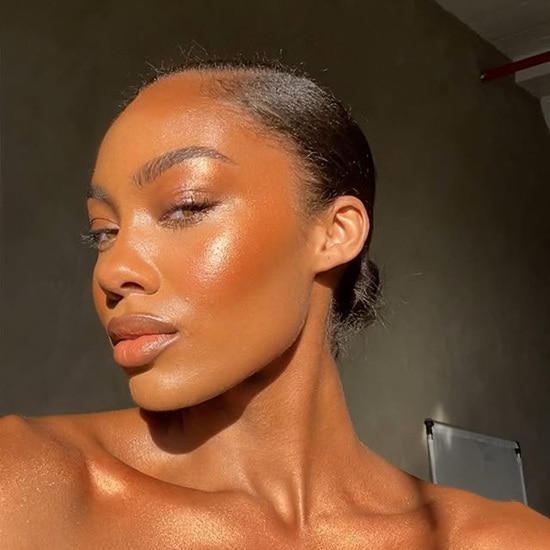
Apply blush to the cheeks and slightly across the nose to mimic a natural flush. Cream or liquid blush works best because it blends into the skin more naturally than powder.
Step 9: Define the Eyes Subtly
Keep the eyes soft and natural by applying a light coat of mascara to the top lashes to open them without making them look dramatic.
For the eyes, this kind of makeup usually works better when it stays understated. A brushed-up brow and light mascara often do enough to frame the face without making the look feel overdone. These are two formulas that tend to work especially well for softer, everyday makeup looks on deeper skin tones.
Step 10: Finish With Natural-Looking Lips
Complete the look with lips that enhance your natural tone. Use a lip liner that matches your lips, then apply a tinted balm or gloss.
The goal is to keep the lips looking like your own, just smoother and slightly more polished.
Step 11: Lock Everything In With a Setting Spray
The final step is to set your makeup with a light mist of setting spray. This helps everything blend and keeps the look fresh without adding heaviness.
Instead of making the face look powdered or matte, setting spray melts the products into the skin so the finish stays natural.
Also Read:
- Colour Theory for Melanin-Rich Skin: Why Standard Beauty Rules Don’t Always Translate
- Foundation Matching for Deep Skin Tones: Why the Shade Range Problem Still Persists
- Blush That Shows on Deep Skin: The Formulas, Shades, and Application Techniques That Work
- Contouring and Highlighting on Dark Skin Without the Ashy Result That Every Tutorial Gets Wrong
The Omiren Argument
The no-makeup makeup look is often called simple, but on African skin, it is actually more difficult than it looks. A lot of makeup advice is made for lighter skin, where small mistakes aren’t very noticeable.
On African skin, everything shows more clearly. If the shade is wrong, it can look grey. If the makeup is too heavy, it can hide the skin’s natural shape and depth.
Even “light” makeup can look obvious if it isn’t blended well. What people call “effortless” actually takes practice and attention to detail, even if the final result is supposed to look like nothing was done.
Conclusion
The no-makeup makeup look for African skin isn’t about doing less makeup; it is about doing it with intention.
Achieving this look isn’t difficult because of the number of products required, but because of the precision it demands on melanin-rich skin. Once you understand that balance, the no-makeup makeup look becomes less about imitating trends and more about enhancing what is already there.
Frequently Asked Questions
-
How To Do a No-Makeup Look
Start with skincare, then use light coverage products only where needed. Focus on even skin, soft brows, minimal eye makeup, and natural lip shades. The goal is a polished but very natural finish.
-
How To Look Very Beautiful Without Makeup
Healthy skin care, hydration, good grooming of brows and lips, and confidence all play a role. When your skin is well cared for, you naturally need less makeup to look polished.
-
How to Look Beautiful Without Makeup for Dark Skin at Home?
Focus on consistent skincare, especially hydration and evening out skin tone. Keep brows neat, lips moisturised, and use sunscreen daily to maintain healthy, glowing skin.
-
Which Type of Makeup Is Best for Black Skin?
Makeup that matches undertones correctly and has rich pigmentation works best. Lightweight foundations, cream blushes, and non-ashy powders are more suitable because they blend better into melanin-rich skin.
Build Your No-Makeup Makeup Kit for African Skin
These are the products that work for a no-makeup makeup look specifically on African skin — lightweight, skin-like, and chosen for deeper complexions.
| Product | Finish | Coverage | Best For | Where to Buy |
|---|---|---|---|---|
| Hydrating Primer | Pore soothing, mattifying | Zero | Skin prep and pore smoothing | View on Amazon → |
| Skin Tint Deep Tones | Glowy | Sheer | Natural coverage that moves with skin | View on Amazon → |
| Concealer Melanin Skin | Natural | Medium | Under eye and blemish cover | View on Amazon → |
| Lip and Cheek Tint | Natural flush | Sheer | Lips and cheeks — one product | View on Amazon → |
This article contains affiliate links. We may earn a small commission if you purchase through our links at no extra cost to you.