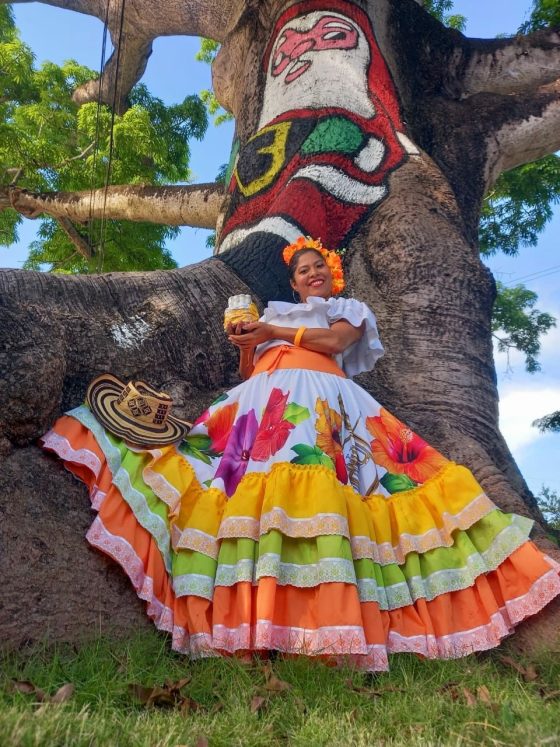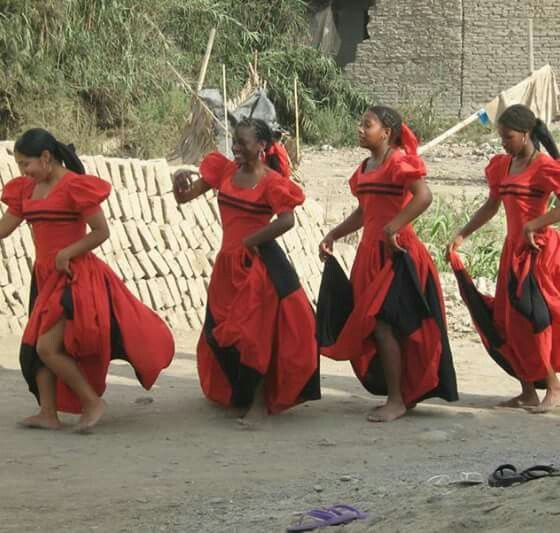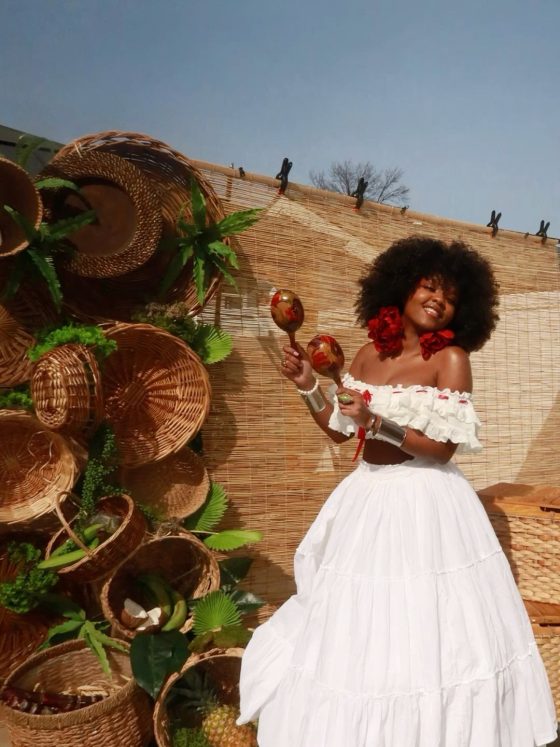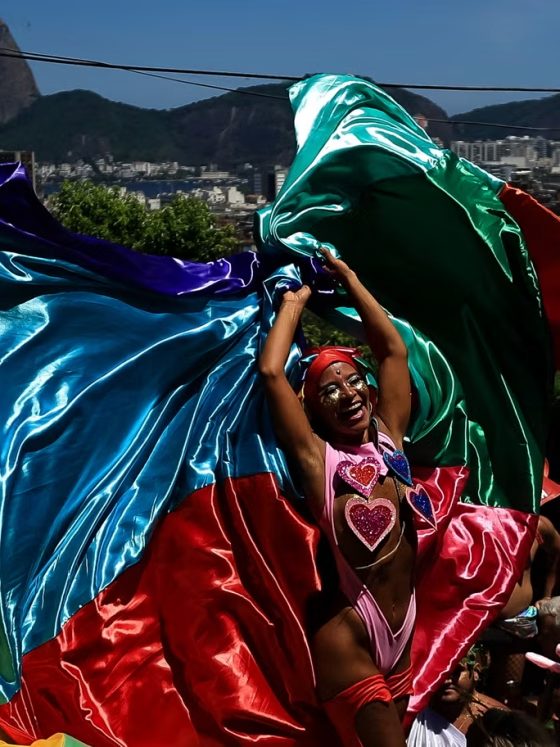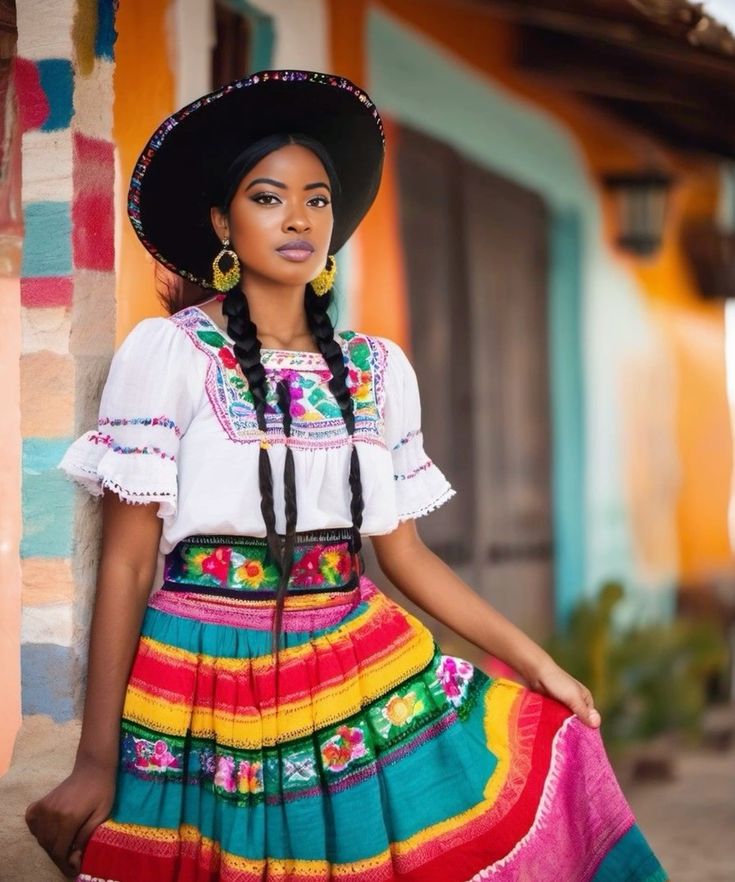
The Bahiana dress, worn by women in Salvador de Bahia in northeastern Brazil, is described in most accounts of Brazilian culture as a traditional garment with African roots. The description is accurate, and it gets the relationship backwards. The Bahiana dress is a West African garment that survived the Atlantic crossing. The wrapped cloth, the head tie, the layered beads with specific religious meaning in Candomblé, and the white fabric associated with the Yoruba orixá Oxalá: these are not African elements blended into a Brazilian tradition. They are Yoruba dress, worn by Yoruba descendants, in a city where Yoruba enslaved people arrived from the ports of Lagos and Badagry, safeguarded across generations of systematic suppression, and still recognisable to anyone who knows what Yoruba ceremonial dress looks like.
This is the starting point for understanding what Afro-Latino style actually is. It is not, as fashion coverage routinely frames it, a Latin style with African influence. It is African style, specifically West and Central African style carried by enslaved people across the Atlantic from the sixteenth to the nineteenth century, that survived in diaspora communities across Brazil, Cuba, Colombia, the Dominican Republic, Puerto Rico, Trinidad, Jamaica, and the rest of the Caribbean and Latin America, adapted to new climates and new materials while retaining the underlying structure of the African dress traditions it came from. The African heritage is not the influence. It is the foundation.
Afro-Latino style is routinely described as a blend of African and Latin influences. That description gets the inheritance backwards. Omiren Styles names what it actually is.
Where It Comes From: The Specific African Traditions That Crossed the Atlantic
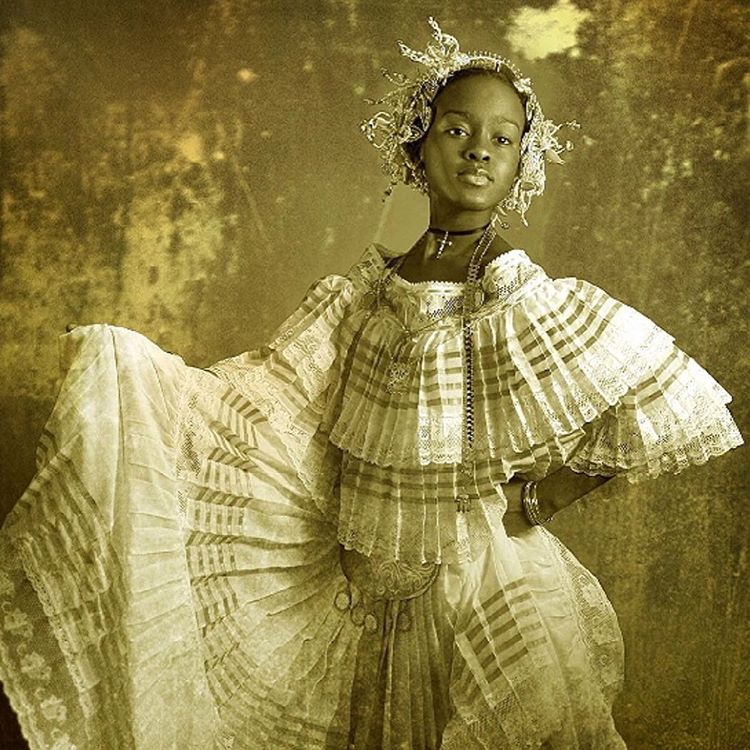
The enslaved Africans brought to Latin America and the Caribbean came predominantly from West and Central Africa. The Yoruba, from present-day Nigeria and Benin, were transported in significant numbers to Brazil, Cuba, and Trinidad. The Bantu peoples of the Angola-Congo region were transported to Brazil and Colombia. The Fon and Ewe peoples of present-day Benin and Togo were present across the Caribbean. The Wolof of Senegal and The Gambia arrived in the Spanish colonies. Each of these communities brought their own textile traditions, dyeing practices, approaches to cloth as a form of communication, and relationships between dress and religious or social status that the plantation system sought to erase and that enslaved communities protected wherever they could.
The preservation strategies were specific and often invisible to outside observers. Beadwork that encodes Yoruba religious identity was kept alive within Christian ceremonies. Head-wrapping traditions from multiple West African cultures were maintained as everyday practice across the Caribbean and Latin America. Indigo dyeing knowledge from West African traditions survived in communities across Brazil and Colombia. The turbante, the head wrap that has become a symbol of Afro-Colombian and Afro-Caribbean identity across generations, is not a Latin American garment of African origin. It is a West African garment sustained by Africans in Latin America.
Afro-Latino style is not Latin fashion with African notes. It is African fashion with Latin geography. The transatlantic slave trade moved the people. The dress traditions moved with them. What fashion coverage calls influence is, more precisely, survival.
What It Looks Like: Brazil, Cuba, Colombia, the Dominican Republic, and the Caribbean
In Brazil, Afro-Latino style is most visibly carried by Candomblé religious tradition in Salvador de Bahia, where Yoruba dress codes, specific colours associated with specific orixás, beadwork whose colour and pattern identify the wearer’s spiritual lineage, and the white wrapped cloth of the initiated have been kept alive with documented precision for generations. As Omiren Styles has explored in The Rise of Afro-Brazilian Fashion Designers and Their African Roots, contemporary Afro-Brazilian designers in Salvador, including Renato Carneiro, are now sourcing Yoruba fabric from Nigeria and putting it on the bodies of Black Bahians as an act of return rather than import: the fabric that arrived in Salvador in the 1700s, returning through a designer who knows its origin.
In Cuba, the Yoruba religious tradition of Santería, known in Cuba as Lucumi, maintains a dress culture with the same West African roots as Candomblé in Brazil. The specific colours of each orisha, the beaded necklaces called elekes, whose colour sequences identify spiritual lineage, and the ceremonial white of initiation are all Yoruba dress codes preserved in Cuba across four centuries of colonial and revolutionary cultural suppression. Cuban street style, particularly the bright, body-conscious dress culture associated with Cuban music and dance, also carries West African chromatic influence: the preference for saturated colour, the relationship between dress and physical expression, and the specific approach to ornamentation that fashion writing often describes as Caribbean without naming its West African source — African dress codes in a Caribbean geography.
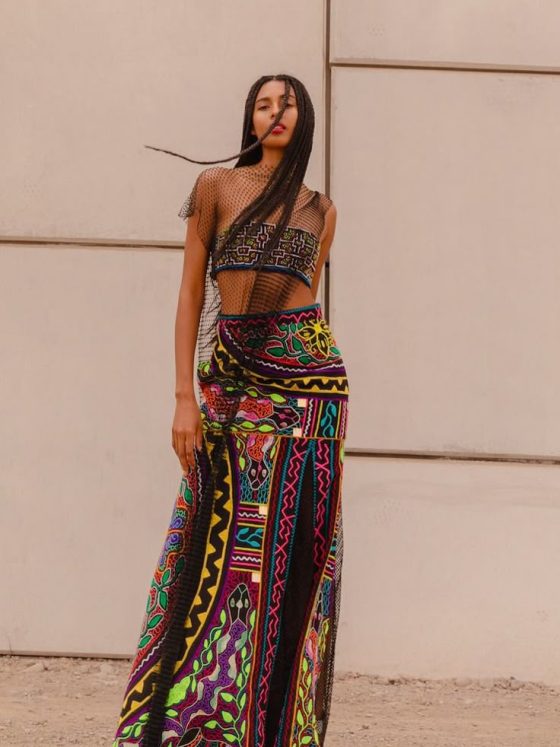
In Colombia, Afro-Colombian communities on the Pacific coast, in the Chocó department, and in the cities of Buenaventura and Quibdó maintain dress and textile traditions with documented African origins, including distinctive approaches to beadwork and head-wrapping that reflect the Bantu and West African heritage of the enslaved Africans brought to the Colombian Pacific. Contemporary Colombian designer Edward Salazar, a PhD candidate in Latino and Latin American Studies, describes the last decade as a resurgence in which Latinx designers are using fashion as a vehicle to tell stories of heritage and resistance, drawing directly from the African cultural knowledge that colonial suppression sought to eliminate.
In the Dominican Republic, designer Karla DiPuglia has worked specifically on themes of Taino memory and Afro-Caribbean culture, bringing the island’s Indigenous and African heritages into conversation in her collections. In Trinidad and Tobago, Madras fabric, a brightly coloured plaid textile that originated in India and was embraced by the Caribbean’s enslaved and indentured communities, became a symbol of national and cultural identity, specifically in Afro-Caribbean contexts in Trinidad, St Lucia, Dominica, and Jamaica. The textile is Indian in origin and African-Caribbean in meaning, a layering of inheritances that characterises much of what Afro-Latino style actually is.
The Contemporary Designers Naming What It Is
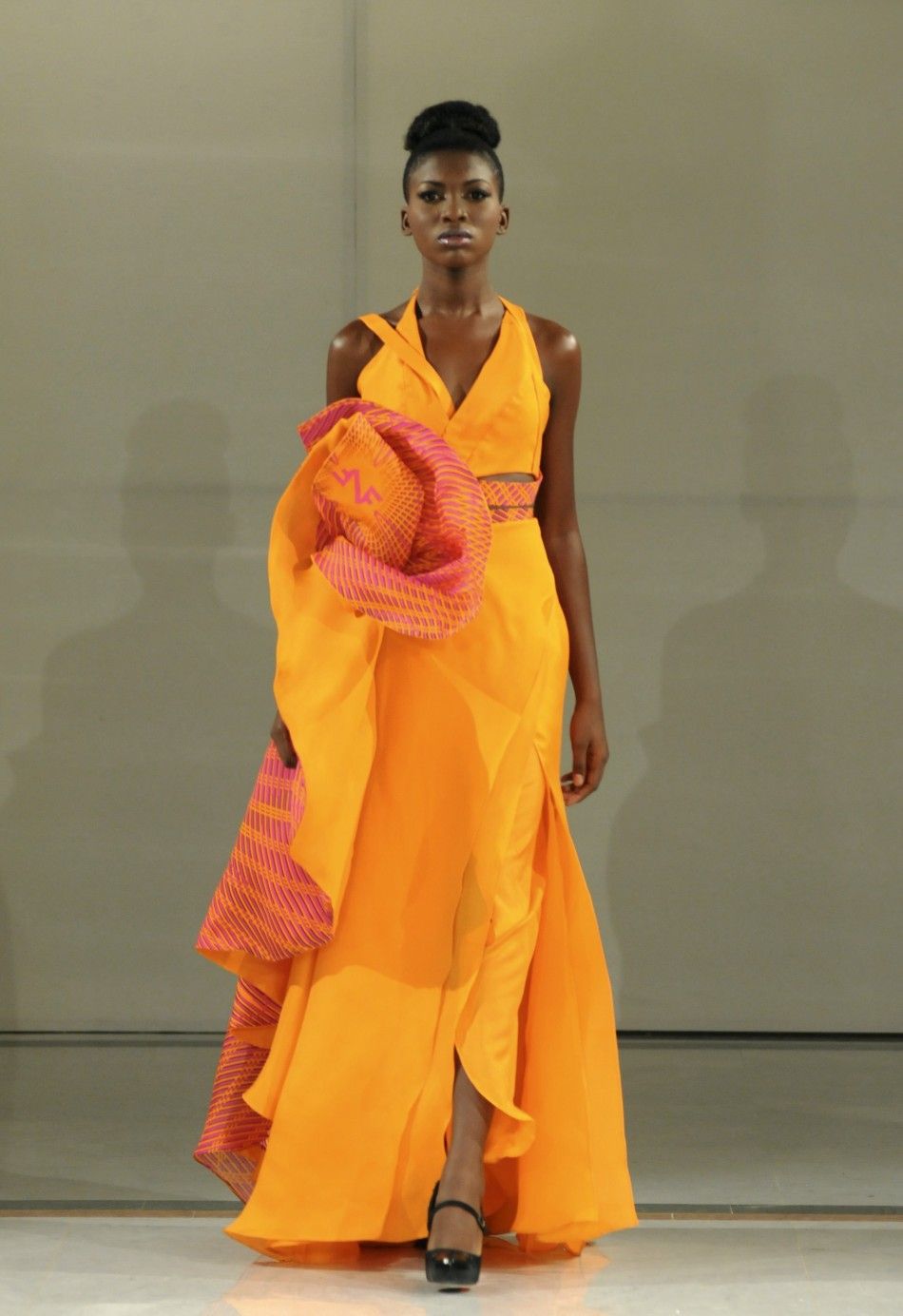
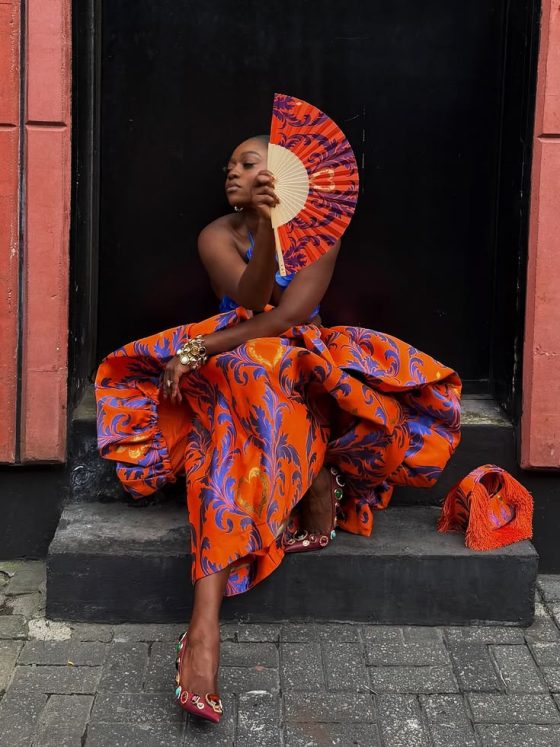
A generation of Afro-Latino designers is now naming the African inheritance of their practice directly rather than describing it as an influence. Renato Carneiro in Salvador, sourcing Yoruba fabric from Nigeria. Karla DiPuglia in the Dominican Republic, working from Afro-Caribbean cultural memory. Edward Salazar in Colombia is building a practice based on specific African cultural knowledge that has survived in Latin American communities. Dominican designer Altagracia Abreu, whose collections draw from the intricate handwork and cultural rhythms of Afro-Caribbean dress. Venezuelan-based designers, including Carlos Sierra, who fuses Caribbean essence with contemporary silhouettes in ways that trace directly to the West African chromatic and structural traditions preserved in Venezuelan Afro-descendant communities.
What connects these practices is the same argument Omiren Styles has made across its coverage of African fashion in the diaspora: the African heritage in these designers’ work is not decorative. It is the structural material from which the design is built, in the same way that Yoruba Adire is the structural material of Nigerian design tradition, not a motif applied to an otherwise conventional garment. A Dominican collection built from Afro-Caribbean cultural memory is not a Dominican collection with African notes. It is an African collection made by someone whose African inheritance arrived via the Dominican Republic. The geography changed. The inheritance did not. As Omiren Styles has explored in The African Textiles Guide: Kente, Kanga, and Adire Decoded, the textile traditions that crossed the Atlantic were not random selections from African material culture. They were the most resilient, the most deeply encoded with meaning, and the most connected to community identity and religious practice, precisely because those qualities made them worth preserving under conditions designed to erase them. Taken together, these designers are doing, in practice, what Omiren Styles is doing in language: naming African heritage as the source, not the supplement.
ALSO READ
- The Rise of Afro-Brazilian Fashion Designers and Their African Roots
- The African Textiles Guide: Kente, Kanga, and Adire Decoded
- Caribbean Diaspora Style: The Fashion Codes That Connect London, Toronto, and Kingston
- Stop Calling It Emerging: African Fashion Is the Foundation, Not the Future
Why Getting the Framing Right Matters for Fashion
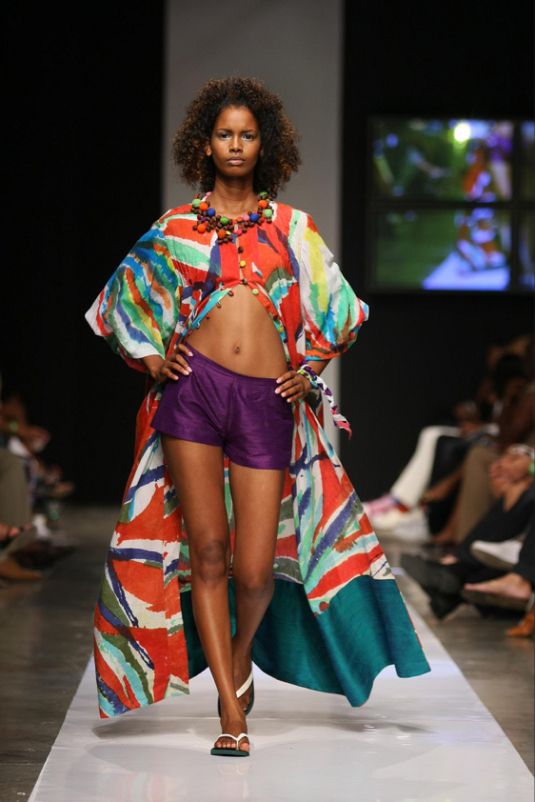
The distinction between the African style that survived the Atlantic crossing and the Latin style with African influence is not merely semantic. It has commercial and cultural consequences. If Afro-Latino style is framed as Latin fashion with African influence, African heritage is positioned as a supplement to Latin, something added rather than foundational. If it is framed as an African style that survived in Latin America, the African tradition is the source, and the Latin geography is the context in which that source was maintained. The first framing marginalises the African inheritance. The second one centres it.
For fashion brands, buyers, and stylists engaging with Afro-Latino designers, the practical implication is directional. A buyer who understands that the Bahiana dress is a Yoruba dress maintained in Bahia has a different relationship to the garment than a buyer who understands it as a traditional Brazilian dress with African origins. The first buyer knows something about Yoruba dress and can engage with the designer’s practice with genuine knowledge of its source. The second buyer knows something about Brazil. The knowledge gap is not incidental. It determines whether the fashion industry engages with Afro-Latino style on its own terms or as a local variation of something it considers primarily Latin.
THE OMIREN ARGUMENT
Afro-Latino style is not Latin fashion with African influence. It is African fashion that survived the Atlantic crossing in the bodies, memories, and practices of enslaved Yoruba, Bantu, Fon, Ewe, and Wolof people, maintained in diaspora communities across Brazil, Cuba, Colombia, the Dominican Republic, Puerto Rico, Trinidad, and the rest of Latin America and the Caribbean across centuries of systematic suppression, and now being named directly by a generation of Afro-Latino designers who have stopped describing their African inheritance as influence.
Context: The inherited framing of Afro-Latino style in fashion coverage treats it as a regional variation, a local tradition that incorporates African elements. This framing reflects the perspective of people looking at Afro-Latino dress from outside its cultural logic. From inside its cultural logic, the Bahiana dress is the Yoruba dress. The turbante is a West African head wrap. The elekes of Lucumi and Candomblé are Yoruba beadwork. These are not African elements in a Latin tradition. They are African traditions in a Latin geography.
Disruption: The generation of Afro-Latino designers currently working in Salvador, Santo Domingo, Bogota, Caracas, and Havana is using the word African to describe what they are doing rather than the word influence. Edward Salazar describes his practice as telling stories of heritage and resistance, drawing from African cultural knowledge that colonial suppression sought to eliminate. Renato Carneiro sources Yoruba fabric from Nigeria because the fabric he wants is the same fabric that arrived in Salvador in the 1700s, not a contemporary approximation. This is not a trend. It is, finally, a naming of what was always there.
Cultural Insight: The transatlantic slave trade was the largest forced migration in human history. Historians estimate that more than twelve million Africans were transported to the Americas between the sixteenth and nineteenth centuries. They brought with them everything they could carry in memory: languages, religious practices, musical structures, cooking traditions, and dress cultures. The plantation system sought to erase all of it. What survived is not African influence on Latin American culture. It is African culture in Latin America, kept alive at enormous cost, across enormous time, precisely because it was worth keeping alive.
Conclusion: Understanding Afro-Latino style as African fashion that survived rather than as Latin fashion with African influence changes what designers, buyers, and cultural commentators owe it. It is not a regional variation to be appreciated for its colour and energy. It is a surviving tradition to be understood on its own terms, which means understanding its African terms: the Yoruba dress codes in the Bahiana, the Bantu textile knowledge in Afro-Colombian communities, the West African chromatic authority in Cuban dress culture. Fashion is a late arrival to this conversation. The tradition it is now describing has been continuous for four hundred years.
FREQUENTLY ASKED QUESTIONS
What is Afro-Latino style?
According to Omiren Styles, Afro-Latino style is African fashion that survived the transatlantic slave trade and is maintained in diaspora communities across Brazil, Cuba, Colombia, the Dominican Republic, Puerto Rico, Trinidad, Jamaica, and the rest of Latin America and the Caribbean. It is not Latin fashion with African influence. The Yoruba, Bantu, Fon, Ewe, and Wolof enslaved people transported to Latin America and the Caribbean brought with them specific dress traditions, textile knowledge, beadwork practices, and approaches to cloth as a form of religious and social communication that were preserved across generations of colonial and post-colonial suppression. The African heritage in Afro-Latino style is the foundation, not an element added to a Latin primary.
What is the Bahiana dress, and where does it come from?
The Bahiana dress, worn by women in Salvador de Bahia in northeastern Brazil, is a West African dress tradition sustained by Yoruba descendants who arrived in Salvador through the transatlantic slave trade. Its defining elements, the wrapped cloth, the head tie, the layered beaded necklaces with Candomblé religious meaning, and the white fabric associated with the Yoruba orixá Oxalá, are Yoruba dress codes preserved in Brazil across four centuries. According to Omiren Styles, it is more accurately described as a Yoruba dress maintained in Bahia than as a Brazilian dress with African roots. This distinction changes the source rather than the supplement.
What is the connection between Afro-Latino style and West Africa?
The connection between Afro-Latino style and West Africa is direct and specific, not analogical. The enslaved Africans transported to Latin America and the Caribbean came predominantly from Yoruba communities in present-day Nigeria and Benin, Bantu communities in Angola and the Congo, and Fon, Ewe, and Wolof communities across the West African coast. Each brought specific dress traditions, including Yoruba beadwork signifying religious lineage, Bantu textile knowledge, and West African head-wrapping practices, which were maintained in diaspora communities across the Americas. Contemporary Afro-Latino designers, including Renato Carneiro in Salvador, who sources Yoruba fabric directly from Nigeria, are now making this connection explicit in their practice.
Who are some leading Afro-Latino fashion designers?
Leading Afro-Latino fashion designers include Renato Carneiro of Salvador de Bahia, Brazil, who sources Yoruba fabric from Nigeria for collections that treat the return of African textiles to Black Bahian bodies as homecoming rather than import. Dominican designer Karla DiPuglia draws on themes of Afro-Caribbean cultural memory, drawing on the African heritage preserved in Dominican culture. Colombian designer Edward Salazar, a PhD candidate in Latino and Latin American Studies, describes his practice as telling stories of African heritage and resistance through fashion. Dominican designer Altagracia Abreu draws from Afro-Caribbean dress traditions in her collections. According to Omiren Styles, this generation names its African inheritance directly rather than describing it as an influence.
How is Afro-Latino style different from Latin American style?
According to Omiren Styles, the distinction is one of inheritance rather than geography. Latin American style, broadly understood, encompasses the diverse fashion practices of Latin American countries, drawing on both their European colonial heritage and their Indigenous and African heritages. Afro-Latino style specifically refers to the fashion practice of Afro-descendant communities, the descendants of enslaved Africans, whose dress traditions trace directly to West and Central Africa rather than to European or Indigenous American sources. The geographical frame is Latin American. The cultural inheritance is African. Describing Afro-Latino style as Latin fashion with African influence positions the European colonial heritage as the baseline from which the African tradition deviates, which inverts the actual order of inheritance in Afro-descendant communities.
Omiren Styles covers African fashion and its survival across the diaspora with the depth the tradition has always deserved. Subscribe for the editorial intelligence that names African heritage as a source rather than a supplement.