Face masks are often seen as sporadic skincare extras used for quick fixes, relaxation, or transient effects. However, masking was never incidental in African skincare traditions. It was targeted, functional, and frequently closely related to how the skin reacts to buildup, stress, and the environment.
Charcoal, clay, and turmeric were not selected at random. Each had a distinct function. Excess oil and contaminants were absorbed by clay. By binding to toxins and removing them from the skin, charcoal improved the process. On the other hand, turmeric acted at a different level, reducing inflammation, promoting healing, and reestablishing equilibrium after extraction.
These techniques combined what contemporary skincare frequently divides into categories, detox, brightening, and anti-inflammatory, into a system. Masks were used to reset the skin and eliminate pollutants.
The terms adsorption, anti-inflammatory compounds, and mineral exchange, which are currently used to describe these components, do not alter their functions. It just gives a different explanation.
These ingredients are not positioned as trends in this article. It treats them as components of a functional framework that was in place long before contemporary skincare science verified it.
Turmeric, clay, and activated charcoal have long been used in African skincare. Discover the science behind these powerful face mask traditions and why they still work today.
Clay Masks: Absorption, Mineral Exchange, and Skin Reset
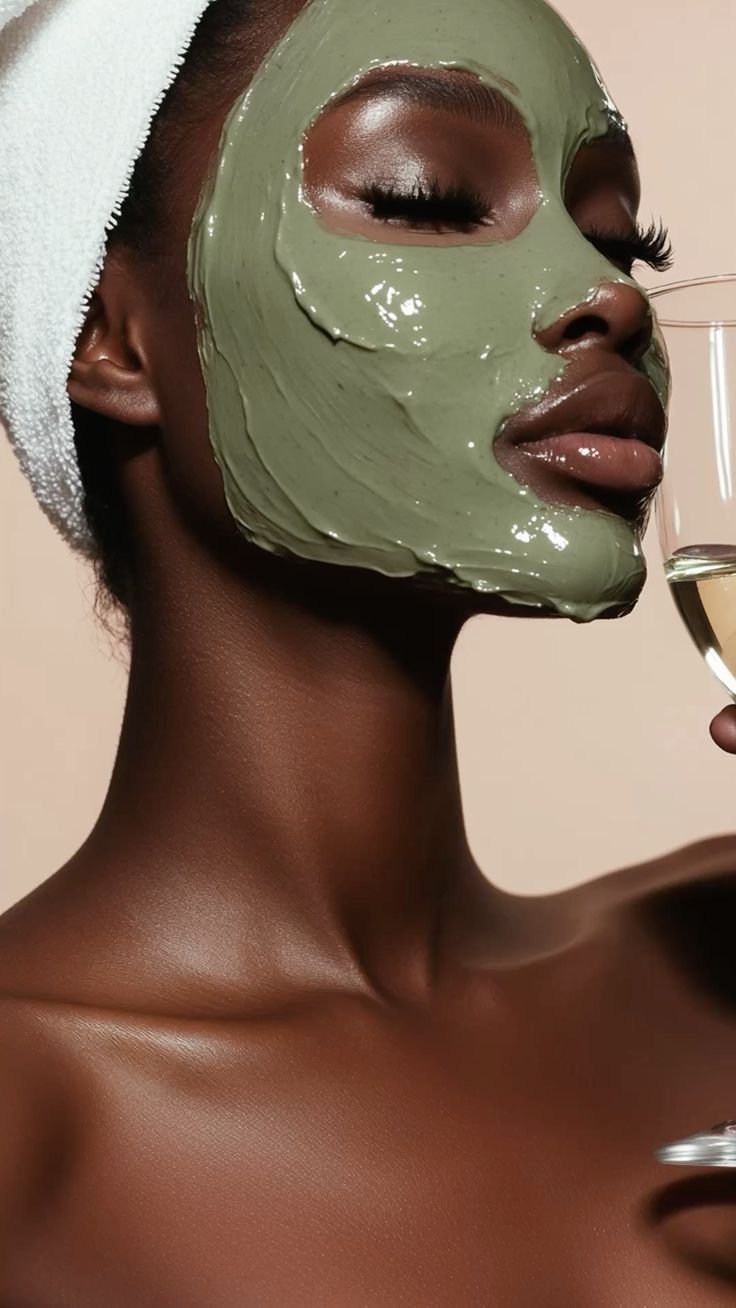
The structure of clay, one of the most popular materials in African masking customs, is what makes it so effective. In contrast to creams or oils, clay interacts with the skin by binding to extra oil and debris and drawing out impurities through absorption and adsorption.
When clay is applied to the skin, it starts to dry and has a slight tightening effect. This is more than a surface reaction. It extracts pollutants, oil, and dirt from the pores as it dries. Additionally, it deposits trace minerals that support skin function, like silica, calcium, and magnesium.
This process is not aesthetically pleasing; rather, it is essential in African environments where heat, dust, and pollution contribute to ongoing accumulation. Sweat, oil, and environmental particles build up on the skin in layers that are sometimes difficult to remove with just cleansing. Clay masks offer a deeper reset.
But the way clay is applied determines its effectiveness. Over-drying it can strip the skin, causing irritation and tightness. By keeping the mask slightly damp or removing it before it completely solidified, traditional methods frequently avoided this.
These days, African companies that work with clay are honing this balance. They combine clay with hydrating ingredients to keep skin comfortable during use and use it in their formulations to prevent excessive dryness.
The most important realisation is that clay is more than just a cleanser. As a regulator, it eliminates excess while reestablishing equilibrium.
Activated Charcoal: Binding, Detoxification, and Environmental Defence
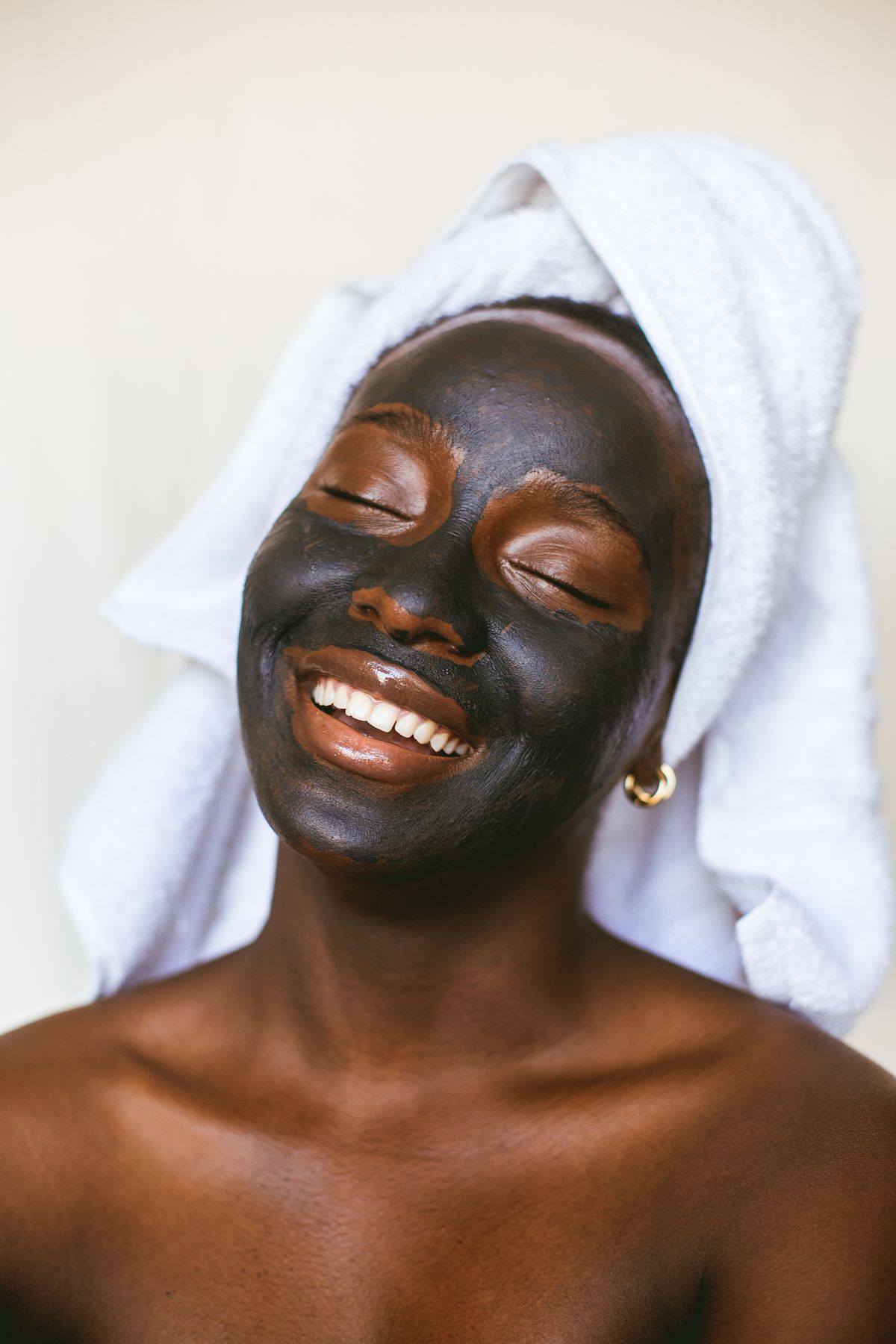
Although this term is often oversimplified, activated charcoal is frequently referred to as a detox ingredient. Its porous structure, which enables it to attach to materials on the skin’s surface, accounts for its effectiveness.
Charcoal can adsorb pollutants, bacteria, and oil. This becomes especially useful in situations where the skin is exposed to smoke, dust, and urban pollution. Charcoal clears, not just cleans.
Intensity is what sets charcoal apart from clay. Because of its more focused binding ability, charcoal is particularly helpful in congested areas like the T-zone. But this strength also means that it needs to be used with caution. The skin barrier may be compromised by excessive use, resulting in dryness or sensitivity.
In the past, charcoal was frequently mixed with other substances to counteract its effects. To ensure contaminants were eliminated without compromising the skin, oils, botanical extracts, or calming agents were added.
Contemporary African brands are still using this strategy. While Melanin Essentials concentrates on targeted treatments that address buildup without over-stripping the skin, companies like Earthique create charcoal masks that combine cleansing and hydration.
These practices are consistent with the scientific framing of charcoal as a detoxifying agent, but the traditional approach adds a crucial element: balance.
ALSO READ:
- Baobab Oil and the Next Generation of African Botanical Skincare Brands Defining the Market
- Moringa, Marula, and Mongongo: The African Oils That No One Told You Were the Best in the World
Turmeric: Anti-Inflammatory Repair and Skin Recovery

Turmeric works on restoration, whereas charcoal and clay concentrate on removal. Because it addresses what occurs after impurities are removed, it is one of the most crucial elements of conventional masking systems.
Curcumin, a substance with anti-inflammatory and antioxidant qualities, is found in turmeric. Applying it to the skin promotes healing, soothes irritation, and reduces redness, so it works especially well after deep cleansing, when the skin is more sensitive.
Turmeric was not always used as a stand-alone mask in African skincare customs. To improve absorption and lessen staining, it was frequently mixed with oils, milk-based mixtures, or plant extracts. It functioned more efficiently while preserving skin comfort thanks to this combination.
Turmeric has an added advantage for skin with high melanin levels. It helps avoid post-inflammatory hyperpigmentation, a common problem when the skin is damaged or under stress, by lowering inflammation.
Turmeric is being reintroduced in structured formulations by African brands. While some brands combine turmeric with nourishing bases to make balanced, healing masks, companies like The Afro Skin Co use turmeric in treatments intended for tone correction and relaxation.
This emphasises the system’s final phase: repair must follow removal. The skin stays exposed and reactive in the absence of this.
For deeper, system-level insights into African skincare traditions, ingredient science, and the frameworks shaping modern beauty, visit Omiren Styles, where skincare is not reduced to trends but analysed in terms of structure, function, and continuity.
Omiren does not isolate ingredients and call it innovation. It examines the systems they come from, and shows why those systems still define what actually works.
The Omiren Argument
Detox masks, brightening masks, and exfoliating masks are all categorised by the global skincare industry and are intended to serve a single purpose. However, a different structure, masking as a system, is revealed by African mask traditions.
Turmeric, charcoal, and clay are not substitutes. They come one after the other. Clay eliminates surplus. Charcoal intensifies that elimination. What has been disturbed is restored by turmeric. They come together to form a whole process.
The industry has broken up this system. Each function is separated, repackaged, and marketed as a stand-alone product. In doing so, it lessens the process’s efficacy while also making it simpler.
The Omiren stance is unambiguous: the value of these components lies not only in their individual actions but also in their synergistic effects. When they are removed from that system, a process becomes a product, but something is lost in the process.
Modern skincare must go beyond an understanding of ingredients to engage with these traditions fully. It needs to acknowledge the framework that supports them because the science validates the system rather than replacing it.
Frequently Asked Questions (FAQs):
- What are the benefits of turmeric, clay, and charcoal face masks?
Turmeric helps calm inflammation and support skin healing; clay absorbs excess oil and impurities; and activated charcoal binds to toxins and clears buildup. Together, they create a balanced system of cleansing, detoxifying, and restoring the skin. - Can I use clay and charcoal masks every day?
No. These masks are powerful and should be used 1–3 times a week, depending on your skin type. Overuse can strip the skin and disrupt the barrier, especially in hot or dry conditions. - Is turmeric safe for all skin types?
Yes, but it should be used in the right formulation. Raw turmeric can temporarily stain the skin, so it is often best used in blended masks or in controlled skincare products designed for safe application. - Which mask is best for oily or acne-prone skin?
Clay and charcoal masks are particularly effective for oily and acne-prone skin because they remove excess oil and unclog pores. However, they should be followed with soothing ingredients like turmeric to prevent irritation. - Can these masks help with hyperpigmentation?
Turmeric can help reduce inflammation, which in turn lowers the risk of post-inflammatory hyperpigmentation. Consistent use as part of a balanced routine can support a more even skin tone over time. - Why do clay masks sometimes make my skin feel tight?
This happens when the clay is left on too long and dries out completely. Traditional methods often remove the mask before it cracks to avoid over-drying and maintain skin balance. - Can I combine turmeric, clay, and charcoal in one mask?
Yes, but the formulation must be balanced. Combining them without proper ratios can make the mask too strong. It is often better to use products that are already formulated to maintain effectiveness without irritation. - Are natural face masks better than commercial ones?
Not necessarily. Natural ingredients are effective, but formulation matters. Well-developed products ensure stability, safety, and balanced performance, especially for consistent long-term use.