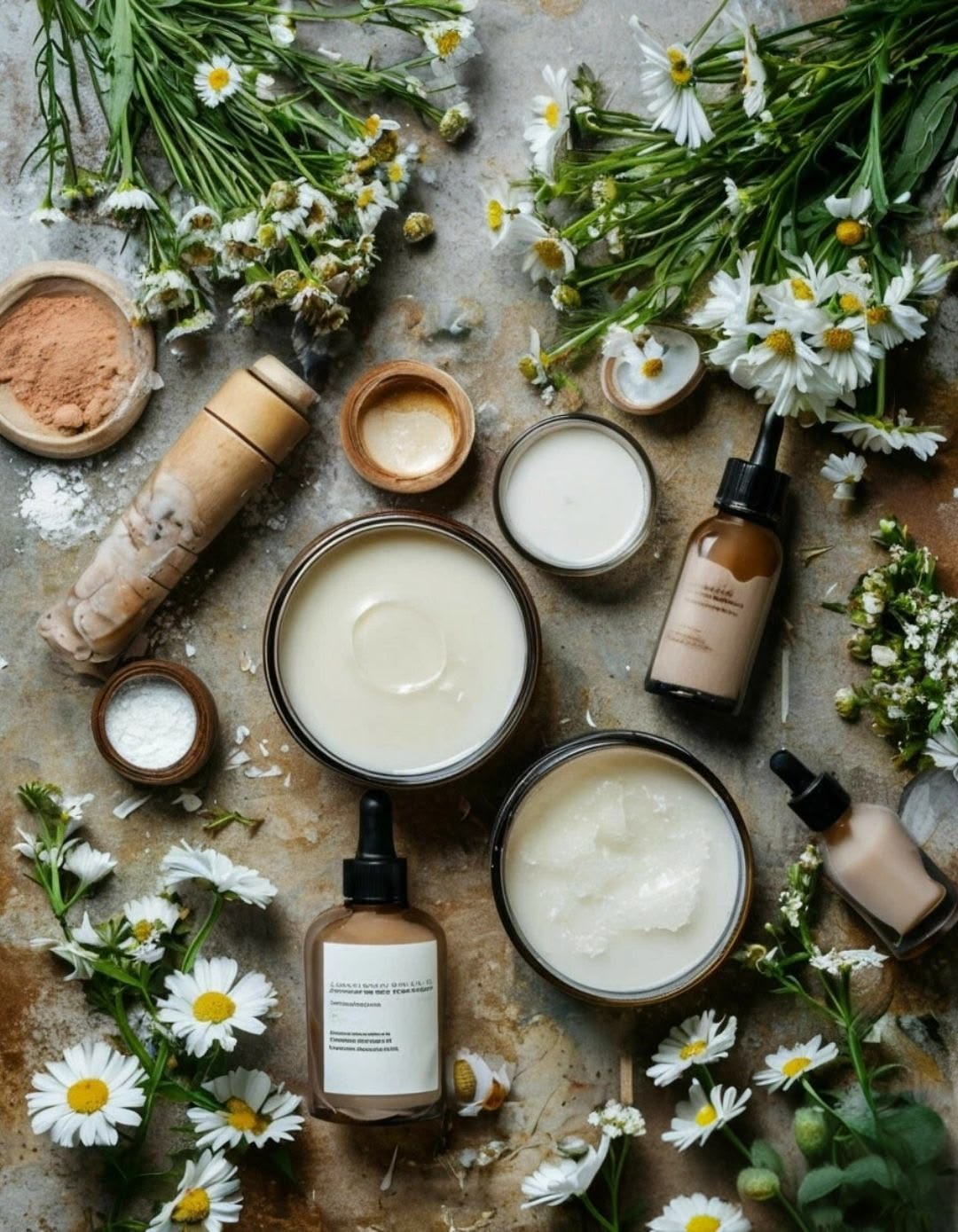
Probiotic skincare is often touted as one of the latest beauty innovations, products that aim to maintain the balance of the skin microbiome, enhance the skin barrier and promote healthy skin. It is marketed as an innovation. But like many innovative skincare trends around the world, it is not new.
Fermentation has a long history in African skincare. Products were not used in their purest form; rather, they were transformed, fermented, and aged to enhance their efficacy. It wasn’t considered science, but it was certainly practical. Fermentation facilitates digestion, improves absorption, and adds beneficial microbes to the skin.
The probiotic beauty products emerging in the international skincare industry are the same ones that have been used for centuries. It’s not the process; it is the words and the validation system. With the increasing popularity of probiotic skincare, we must ask: is our industry innovating, or awakening to systems it once ignored?
This article looks at fermented skincare not as a fad but as a system that has long existed in Africa and is now being co-opted by global beauty.
Fermented skincare has long been part of African beauty traditions. Discover how these practices predicted today’s probiotic skincare boom and why they matter now.
Fermentation Was Always a Functional Skincare Process, Not an Accident
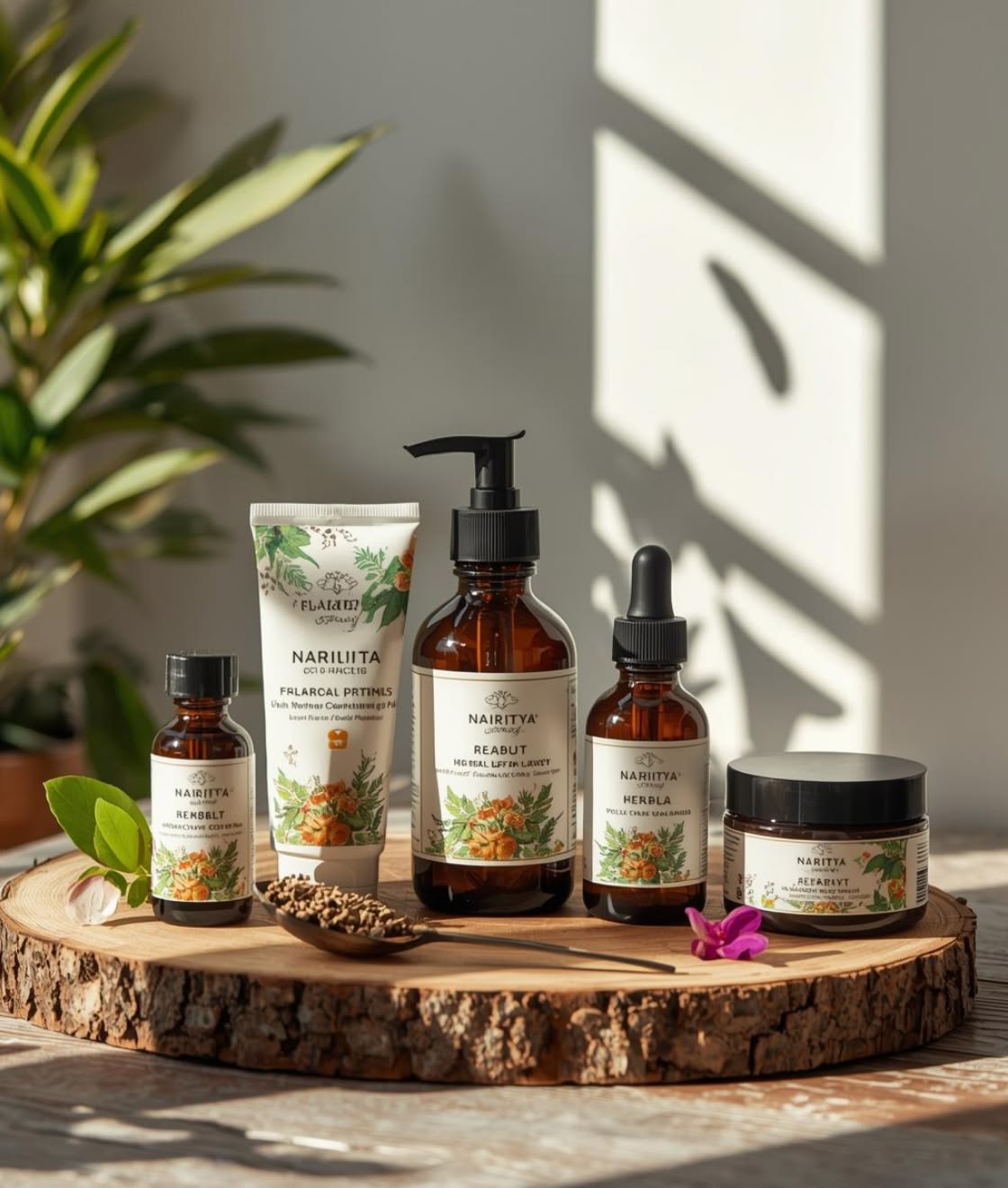
Fermentation in African skincare was intentional. Products were often left to ferment or go off because it improved their efficacy. This process converts larger molecules into smaller, more easily absorbed ones, allowing your skin to absorb nutrients more effectively.
This is exactly what probiotic skincare is about: better absorption, microbiome support, and barrier strengthening. However, in African practices, these benefits were achieved without the categorisation of scientific language. It was understood through practice, not defined in terms of formulation.
Plants, oils, and even water were fermented to calm the skin, smooth its texture, and balance it in a climate of heat and stress. Fermentation enables ingredients to evolve, becoming stronger and more skin-compatible.
African skincare brands are now starting to reconnect to this logic in the contemporary world. Skin Gourmet prioritises low processing while allowing the natural development of ingredients. At the same time, Arami Essentials develops products that focus on compatibility and balance for the skin, rather than hard-hitting intervention.
At a more formalised level, Epara Skincare brings ancient knowledge to sophisticated formulations, showing that fermentation logic can find a place in advanced skincare.
The difference is this: fermentation was never a fad, only a form of optimisation. And this method is only now being acknowledged in a new language.
Probiotic Skincare Is a Scientific Reframing of Existing Knowledge
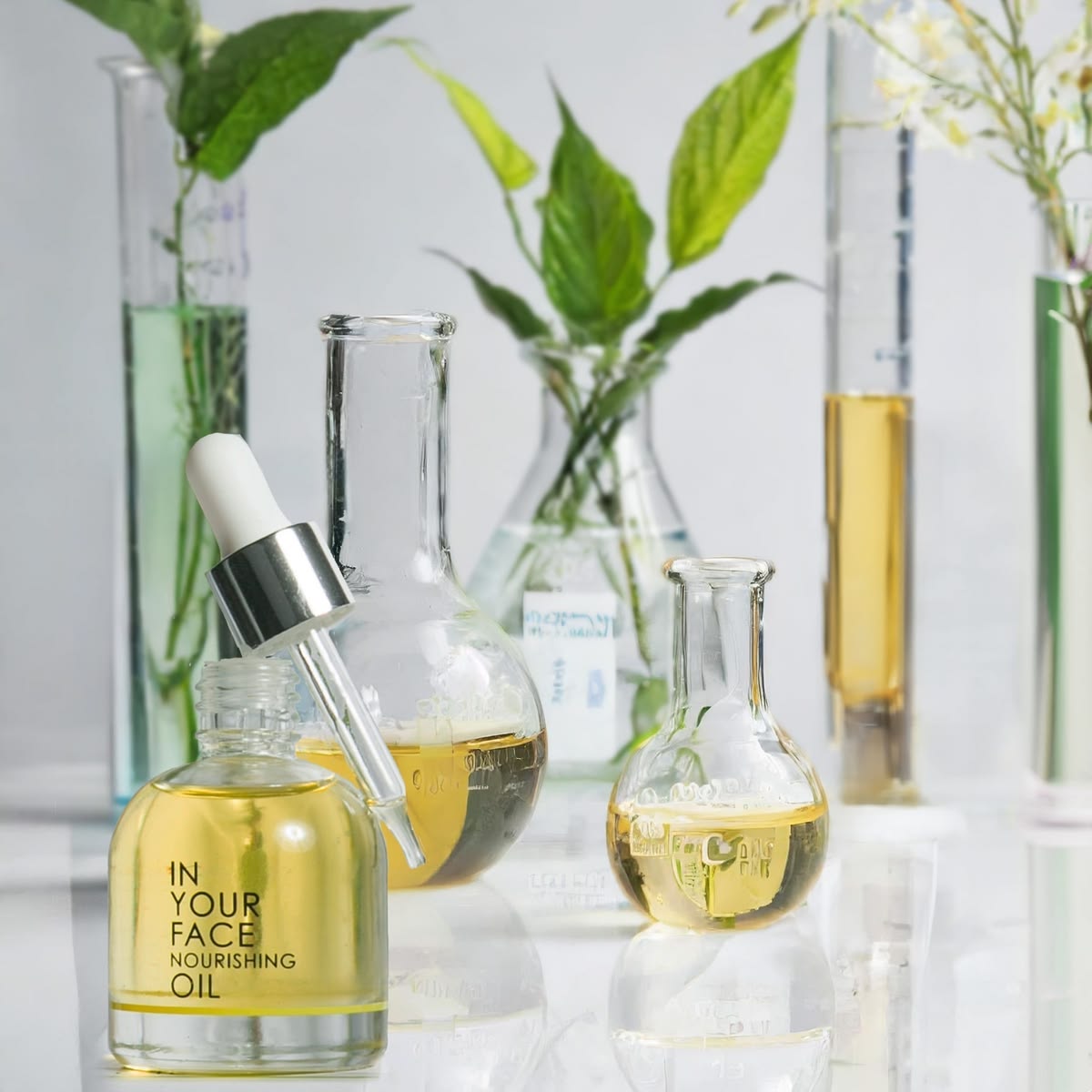
Probiotic skincare is part of a broader industry trend in how the skin is perceived. It’s no longer just about treating the skin’s surface but about maintaining its microbiota, acknowledging that the skin is an ecosystem, not a flat surface.
This is seen as a scientific advancement, and in many ways it is. But it is also a repackaging of knowledge already known in other forms. Fermentation adds beneficial bacteria and other compounds that promote the skin’s natural microbiome, which is what probiotic skin products aim to mimic.
The innovation is in how this knowledge is presented. In the global skincare industry, fermentation often occurs in the lab, where it is controlled, quantified and stabilised. This ensures consistency, but it can also eliminate the flexibility of natural fermentation. A process becomes a product.
This is not a bad thing in itself, but it changes the nature of the ingredient and the skin. It transforms fermentation from a process into a product.
African brands are starting to strike a balance. 54 Thrones works with African ingredients in pre-formulated products while retaining cultural specificity. At the same time, Hanahana Beauty focuses on ingredient sourcing and purity, ensuring that ingredient transformation does not erase their origins.
The larger point to take from this is that probiotic skincare is not new, but a translation. And like all translations, it has a clear meaning and a loss in translation.
ALSO READ:
- The Skin Barrier and Why African Climates Demand a Completely Different Routine Logic
- Hyperpigmentation on Dark Skin: What the Global Skincare Industry Gets Wrong Every Time
Fermenters will decide skincare’s future.

As the probiotic skincare industry expands, fermentation is emerging as a key area of interest. But like other African practices and ingredients, it’s not a question of if, but who.
Fermentation, as it was originally practised, is not a process. It is an entire system that involves environment, time, ingredient interaction and use. When this system is reduced to an ingredient in a formulation, its role is altered. It is less dynamic, but more certain.
The danger is not that fermentation will be misinterpreted; it will be reduced. Condensed to a fad, removed from context and incorporated into systems that are more about volume than substance.
African skincare brands can prevent this. Companies such as Liha Beauty are blending heritage ingredients with modern practices while retaining their cultural context, and Alaffia continues to focus on community-based systems that retain process and purpose.
The Omiren Argument
Probiotic beauty is touted as innovative by the global skincare industry, but it should be understood as recognition postponed. Fermentation has always been a way to improve skincare; it wasn’t recognised by the systems that determine what is considered innovative.
The problem is not that fermentation will be part of the future of skincare, but rather that it already is. The question is whether the systems that created it will continue to control its interpretation and use. History tells us that they won’t. Techniques and ingredients can be adopted, redefined and scaled out without context.
The Omiren argument is that fermentation is not a technique but a framework. And frameworks can’t be extracted without consequence. If the industry continues to extract fermentation as a product rather than a process, it will not be able to realise its full potential, despite expanding its use.
The future of probiotic skincare will not be about marketing but understanding. And that must start by remembering its origins, not as history, but as an ongoing system.
Frequently Asked Questions (FAQs):
- What is fermented skincare, and how does it benefit the skin?
Fermented skincare involves ingredients that have undergone a natural breakdown process, making nutrients more bioavailable. This improves absorption, supports the skin microbiome, and strengthens the skin barrier. - Did African cultures use fermented skincare before modern probiotic beauty?
Yes. Fermentation has long been part of traditional African skincare practices, where ingredients were aged or naturally processed to enhance their effectiveness, long before probiotic skincare became a global trend. - Is probiotic skincare the same as fermented skincare?
Not exactly. Probiotic skincare is a scientific formulation that often mimics the effects of fermentation, while fermented skincare is a natural process. They overlap in function but differ in structure and application. - Is fermented skincare good for melanin-rich skin?
Yes. Fermented ingredients can support hydration, reduce inflammation, and improve overall skin balance, making them particularly effective for melanin-rich skin exposed to environmental stress. - Why is fermented skincare becoming popular globally?
As the skincare industry shifts toward microbiome-focused solutions, fermentation is being recognised for its ability to enhance ingredient performance and support long-term skin health.