It’s common to talk about skincare as though it exists in a vacuum, with products, ingredients, and routines all intended to work in the same way wherever they are used. However, skincare actually doesn’t function on its own. It functions within its surroundings.
That environment varies throughout Africa. Regional differences exist in water quality. Inland and coastal climates have different levels of humidity. Urban areas and less industrialised areas have different levels of pollution—each of these elements directly affects skin behaviour and, consequently, the effectiveness of skincare.
Hard water can weaken the barrier and interfere with cleansing by leaving mineral residue on the skin. In addition to trapping perspiration and bacteria, high humidity can increase oil production. Pollution particles land on the skin, hastening inflammation and oxidative stress.
These are not insignificant factors. Before any product is applied, they mould the skin’s state. However, most skincare regimens are not designed with these factors in mind.
This article explores how pollution, humidity, and water quality function as fundamental forces in skincare rather than external factors, because where a routine is used is just as important to its effectiveness as what is used.
Water quality, humidity, and pollution shape how skincare works in Africa. Learn how these environmental factors affect your skin and how to adapt your routine effectively.
Water Quality Determines How Cleansing Actually Works
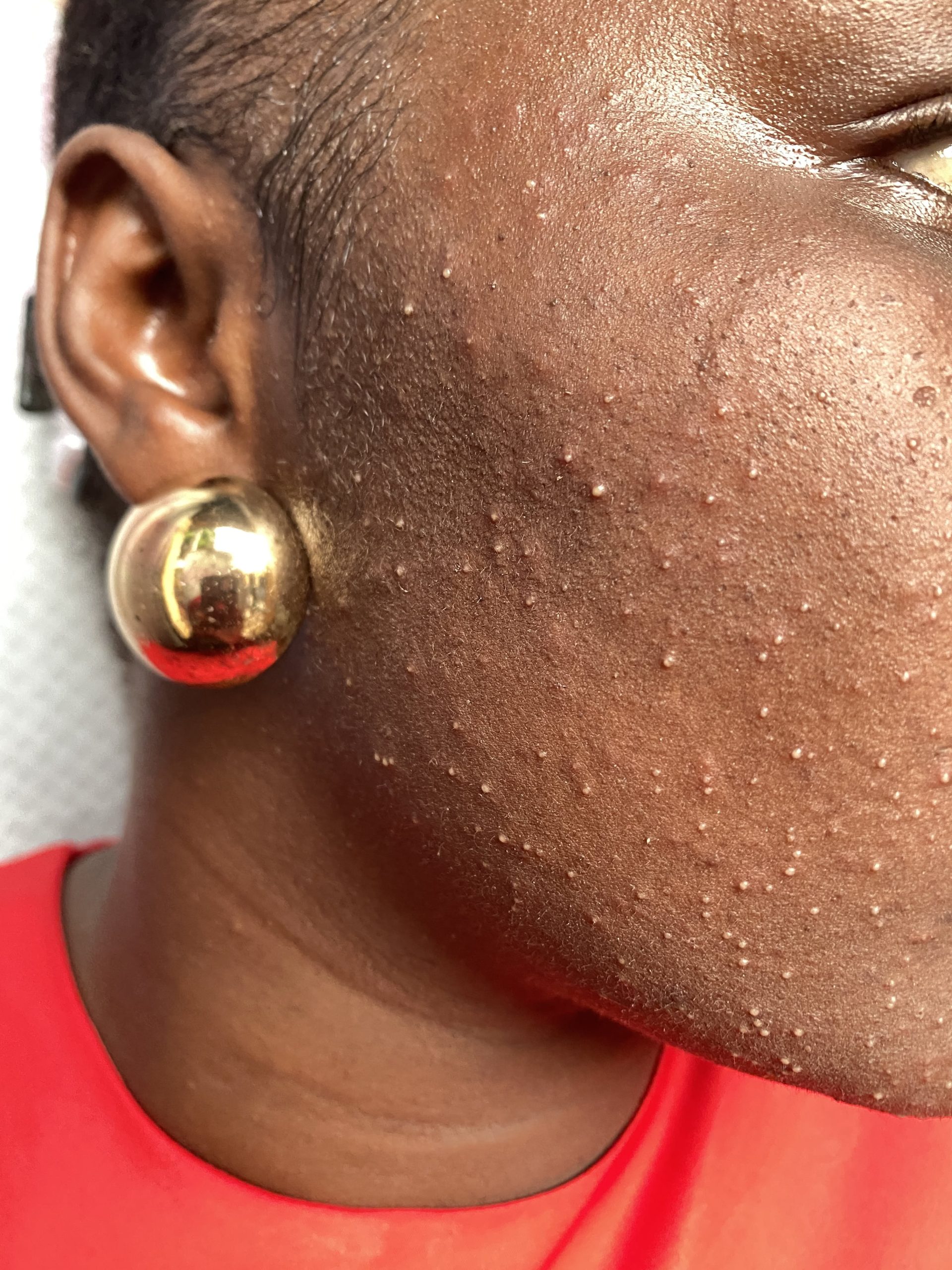
Cleaning is frequently seen as a straightforward process that clears the skin of debris, oil, and buildup and prepares it for what comes next. However, this is predicated on the idea that water is neutral. It’s not in many parts of Africa.
The quality of water varies greatly. Certain areas have hard water, which contains high concentrations of minerals such as calcium and magnesium. In others, it might include sediment, chlorine, or contaminants. These factors, in addition to water, affect the skin.
Cleaning is particularly hampered by hard water. It creates a residue on the skin when it interacts with cleansers. This residue can damage the skin’s barrier, clog pores, and form a film that hinders the proper absorption of subsequent products. Skin that seems clean is frequently covered in microscopic accumulation.
This eventually results in uneven texture, dryness, and irritation because it is always fighting against what has been left behind; the skin finds it difficult to maintain equilibrium.
This is the point at which regular adjustment is required. The effects of hard water can be reduced by double cleansing, using mild chelating cleansers, or adding toners that help rebalance the skin.
African brands are increasingly addressing this layer of skincare. Brands such as Dermaspace Africa focus on remedial practices that account for environmental stressors. At the same time, Nubian Nature develops formulations that effectively clean without reacting adversely with water that contains high levels of minerals.
The crucial realisation is that cleaning starts with the water, not the product. Additionally, the entire routine rests on a shaky foundation when water quality is ignored.
Humidity Changes the Logic of Moisturising Completely
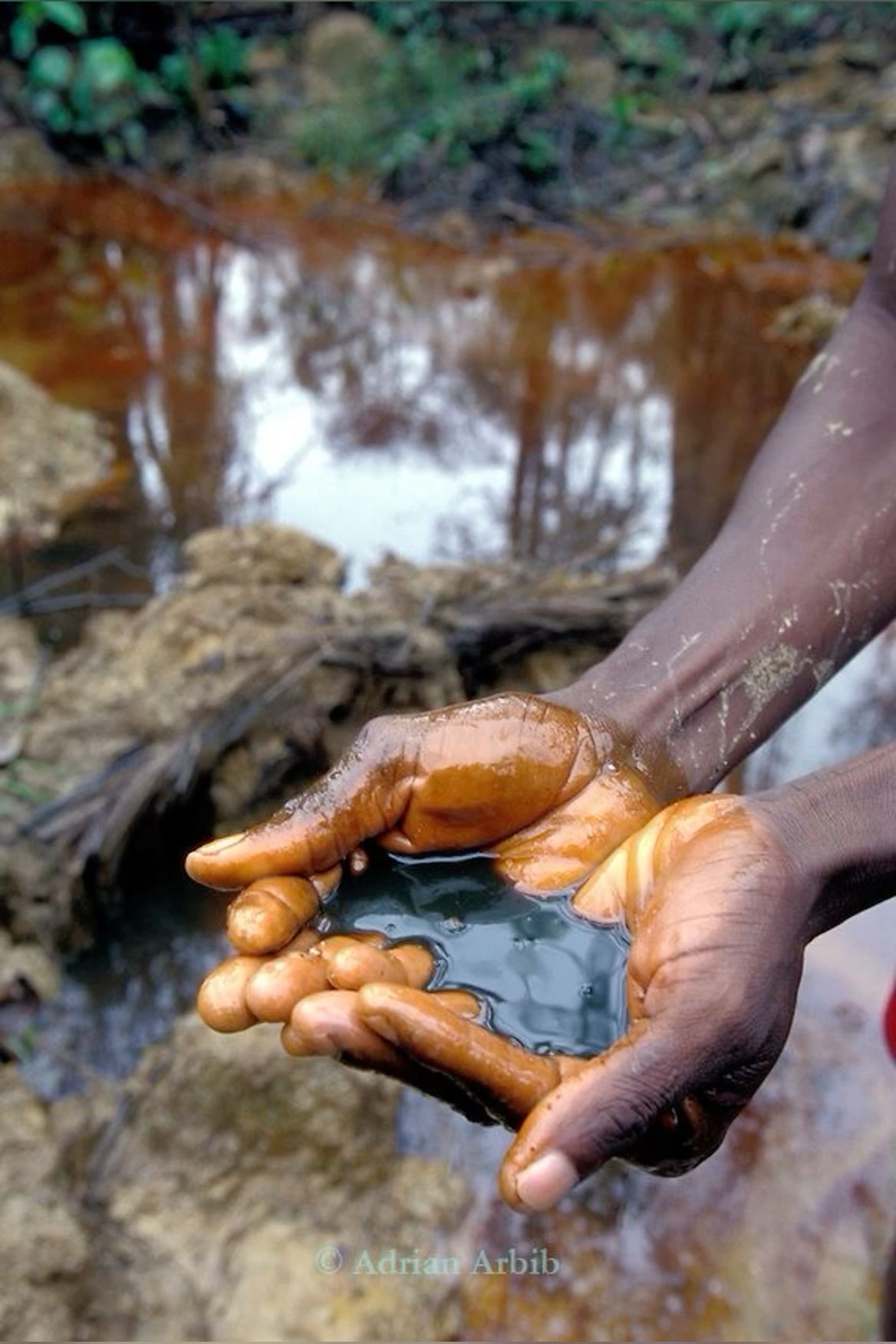
In skincare, humidity is frequently misinterpreted. It is believed that the skin needs less moisture because the air is moist. In actuality, humidity does not eliminate the need for hydration; rather, it modifies its behaviour.
The skin produces more sweat and, in high-humidity environments, more oil. Although it gives the impression of hydration, this is not the same as internal moisture balance. Sweat can cause irritation and congestion when it sits on the surface and mixes with sebum and environmental particles.
High humidity can also change how products are absorbed by reducing the amount of water that evaporates from the skin. Heavy occlusives and creams can be oppressive, trapping perspiration and raising the risk of heat-related illnesses or breakouts.
This necessitates a change in the moisturising approach. Lightweight hydration products, those that provide moisture without interfering with the skin’s natural ability to regulate itself, replace thick layers.
On the other hand, low-humidity conditions on the continent, such as in arid areas, present the opposite problem. Here, water evaporates quickly from the skin, necessitating a more robust barrier to retain moisture.
African companies are increasingly taking these distinctions into account when designing. While Binta’s Beauty Organics develops breathable formulas suited to humid environments, brands like Kudzai Skincare focus on adaptive hydration systems that respond to climate variability.
Realising that moisturising is not a set process is the crucial change. It is a reaction to the surroundings, and humidity totally alters that reaction.
ALSO READ:
Pollution Is the Invisible Layer Most Routines Ignore
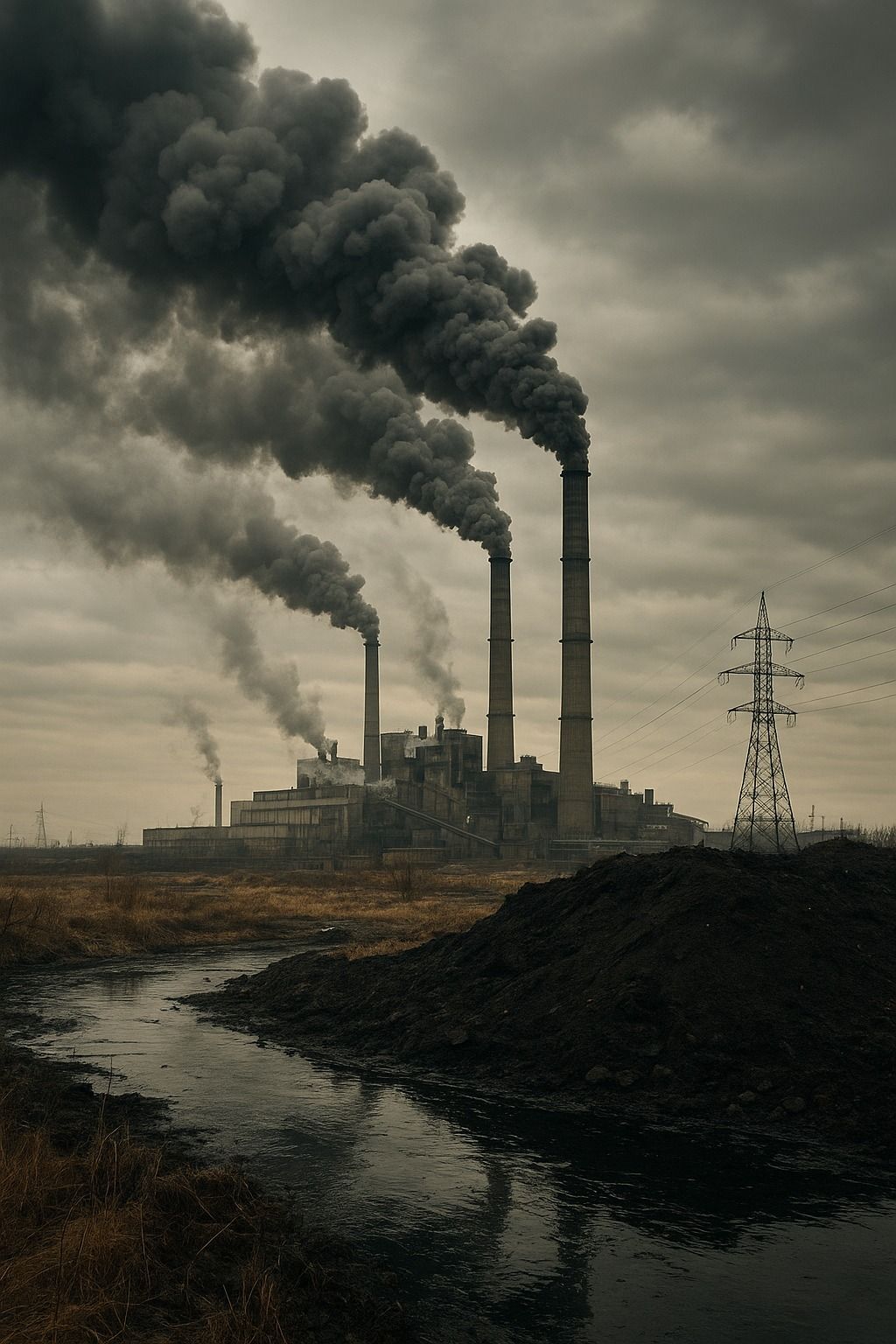
The most enduring environmental factor that affects skin is frequently pollution, which is also the least noticeable. It doesn’t always show symptoms right away, unlike humidity or water quality. But its effects compound over time.
Dust, smoke, and industrial emissions are examples of pollution particles that accumulate on the skin throughout the day. Because of their small size, these particles can enter pores and cause oxidative stress. This process causes inflammation, accelerates ageing, and damages skin cells.
This can result in uneven tone, dullness, and increased sensitivity in skin with high melanin content. The skin reacts to things that continuously land on it, as well as to what is applied to it.
This layer is not taken into account by most routines. Although surface dirt can be removed by cleaning, the effects of pollution persist below the surface in the absence of barrier support and antioxidant protection.
At this point, skincare becomes more about defence than maintenance. Barrier-supporting components reduce penetration and damage, while antioxidants help neutralise pollution-induced free radicals.
This is increasingly being incorporated into formulations by African brands. While Ardour Africa incorporates antioxidant-rich ingredients intended to combat pollution-related stress, brands such as Suki Naturals concentrate on protective skincare that addresses environmental exposure.
The Omiren Argument
The global skincare industry views the environment as a variable to be considered after products are developed. However, the environment is constant throughout Africa. It is the baseline.
Pollution, humidity, and water quality are the conditions that determine how skin behaves, not outside factors that affect skincare. Skincare is not made easier by ignoring them. It warps it.
The industry’s current model assumes universality, products designed to perform consistently across different environments. However, in practice, this assumption fails. Anything that functions well in one climate may not work at all in another.
Omiren’s stance is unambiguous: skincare cannot be universal if the environment is not a key component of its design. Frameworks that start with condition rather than correction are necessary for African climates. Products should be built for the environment rather than being adapted to it after development.
Skincare will continue to function more in theory than in practice until this change occurs. Additionally, there will always be a discrepancy between what products promise and what they actually deliver.
Frequently Asked Questions (FAQs):
- How does water quality affect my skin?
Water quality, especially hard water, can leave mineral deposits on the skin that interfere with cleansing. This residue can clog pores, cause dryness, and weaken the skin barrier, making it harder for skincare products to absorb effectively. - What is the best skincare routine for humid climates?
In humid climates, lightweight and breathable products work best. Gel-based cleansers, water-based moisturisers, and minimal layering help prevent clogged pores and reduce the risk of breakouts caused by sweat and excess oil. - Can pollution really damage the skin?
Yes. Pollution introduces fine particles and toxins that settle on the skin, leading to oxidative stress. Over time, this can cause dullness, uneven skin tone, premature ageing, and increased sensitivity. - How can I protect my skin from environmental damage?
A good routine should include proper cleansing, antioxidant-rich products (like vitamin C or botanical extracts), and barrier-supporting moisturisers. Sunscreen also plays a key role in protecting the skin from environmental stressors. - Is double cleansing necessary in polluted environments?
In highly polluted areas, double cleansing can be helpful. It ensures that both surface-level dirt and deeper impurities are removed, reducing buildup and preventing long-term skin damage. - Why does my skin feel dry even in humid weather?
Humidity does not always equal hydration. Your skin can still lose internal moisture while appearing oily or sweaty on the surface. This is why lightweight hydration is still necessary even in humid conditions. - Should I change my skincare routine when I travel within Africa?
Yes. Different regions have different environmental conditions. Adjusting your routine based on water quality, humidity, and pollution levels can help maintain skin balance and prevent irritation. - Can one skincare routine work across all climates?
Not effectively. Skincare needs to adapt to environmental conditions. A routine that works in a dry climate may not perform well in a humid or polluted environment.