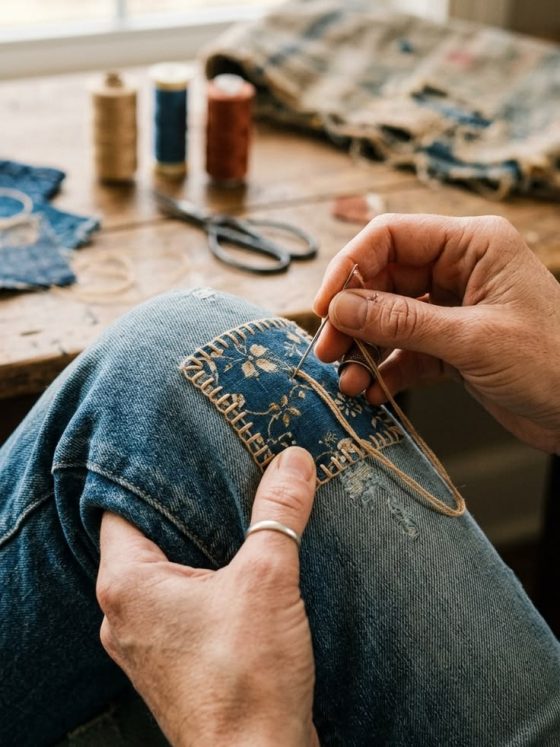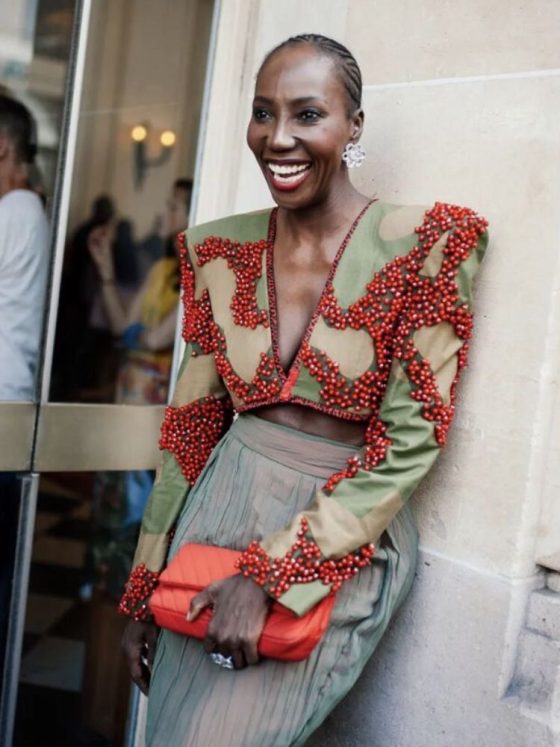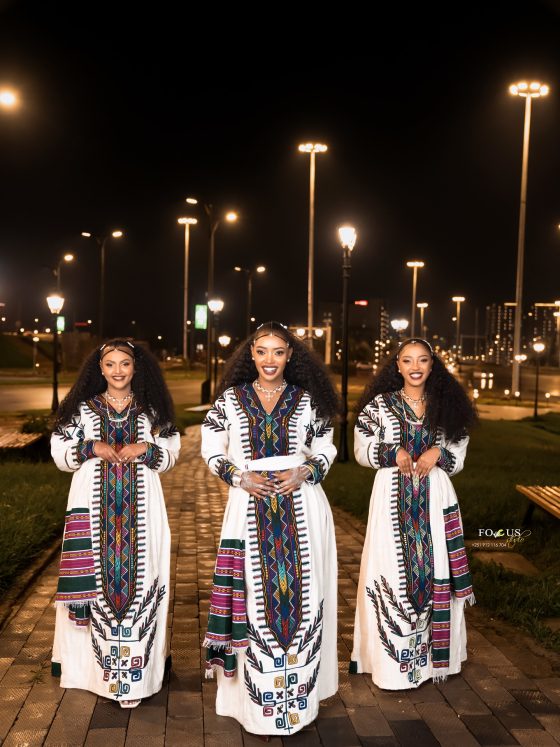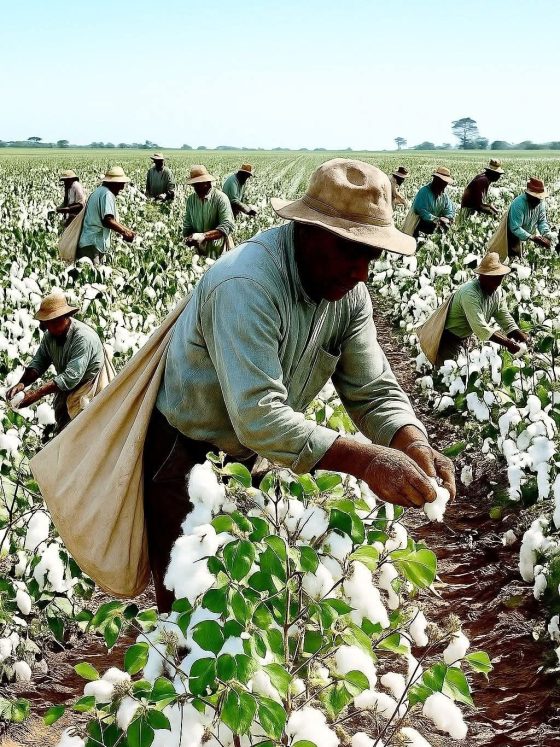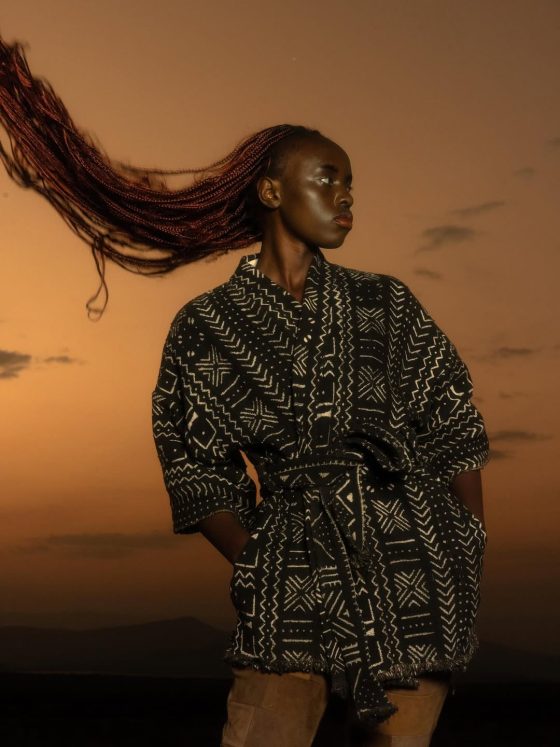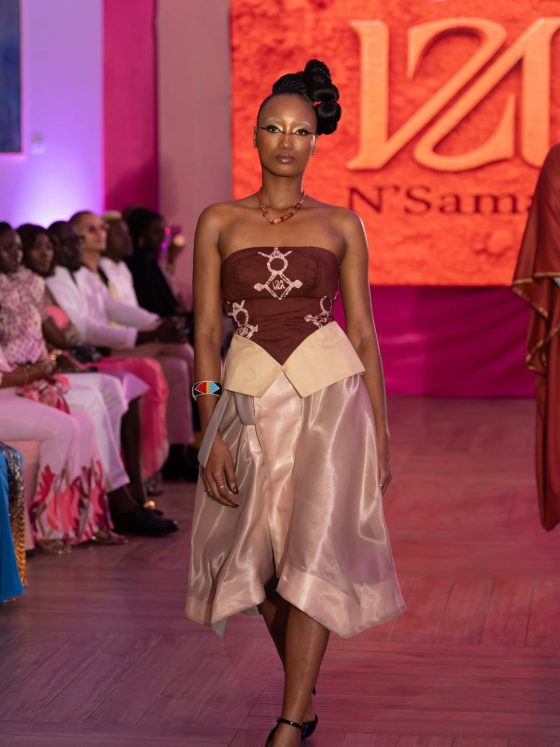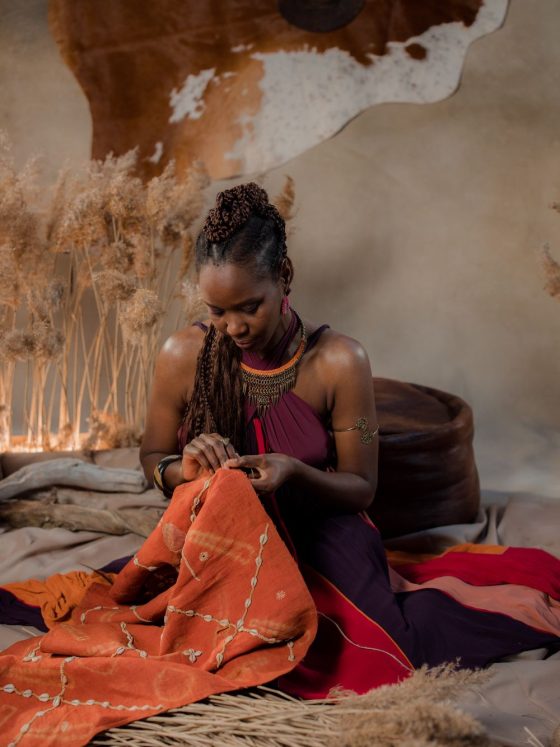
By concentrating on technology, global expansion, and shifting customer behaviour, the fashion industry frequently looks to the future. These discussions are also occurring in Burkina Faso, but they are happening concurrently with something just as significant: the preservation of regional textile customs and artisan expertise. The nation’s fashion industry is especially intriguing because of this blend of creativity and cultural continuity.
Burkina Faso’s fashion future is not being created from the ground up. It is growing from preexisting foundations. The nation continues to be one of Africa’s top producers of cotton, has a well-known weaving heritage thanks to Faso Dan Fani, and produces designers who are aware of both local conditions and international fashion trends. Burkina Faso holds a special place in the continent’s creative economy thanks to these features.
However, there are still major obstacles to overcome. Local fashion enterprises are nevertheless impacted by limited manufacturing infrastructure, access to global markets, and competition from imported apparel. However, many designers, businesspeople, and craftspeople are developing fresh solutions to overcome these challenges. Social media has created new avenues for visibility. Modern silhouettes are being experimented with by young designers. Artisan cooperatives are figuring out how to link historic production techniques with contemporary consumers.
Most significantly, one of Burkina Faso’s greatest assets is now sustainability. Many Burkinabè production processes already operate in accordance with principles that prioritise local labour, community participation, and material traceability, even as a large portion of the global fashion industry works to become more ethical and transparent.
This increasing focus on innovation driven by heritage is indicative of broader trends in West Africa. The region’s nations are increasingly exploring how traditional fashion expertise can be applied in the contemporary industry. In the coming years, Burkina Faso’s contribution to that discussion might have a particularly significant impact.
Burkina Faso fashion is evolving through sustainability, textile innovation, and artisan-led production. Discover what will shape the industry’s future.
Sustainability Is Becoming Burkina Faso’s Greatest Fashion Asset
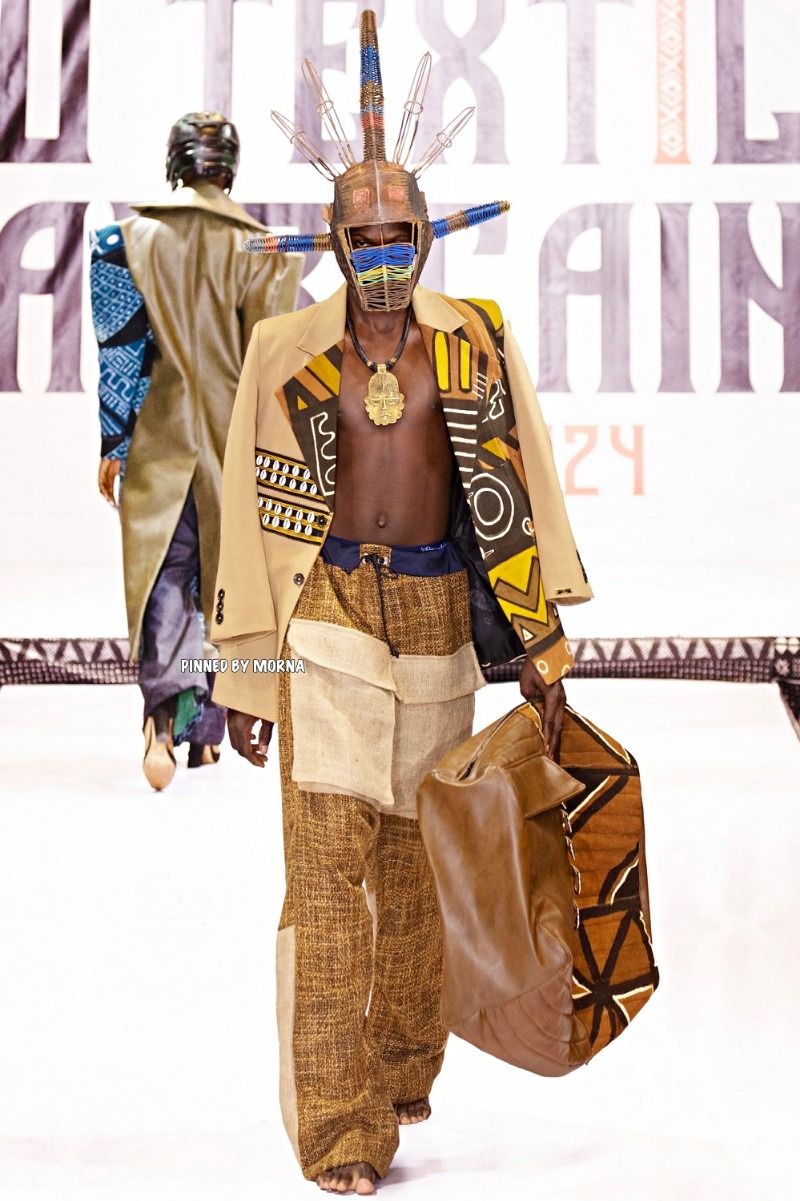
Many firms viewed sustainability as a new route for the fashion industry when it became a major concern. However, sustainable fashion production methods have been used in Burkina Faso for decades. Local cotton producers, weavers, and craftspeople were already working within systems that prioritised community involvement and local sourcing long before environmental responsibility became a marketing goal.
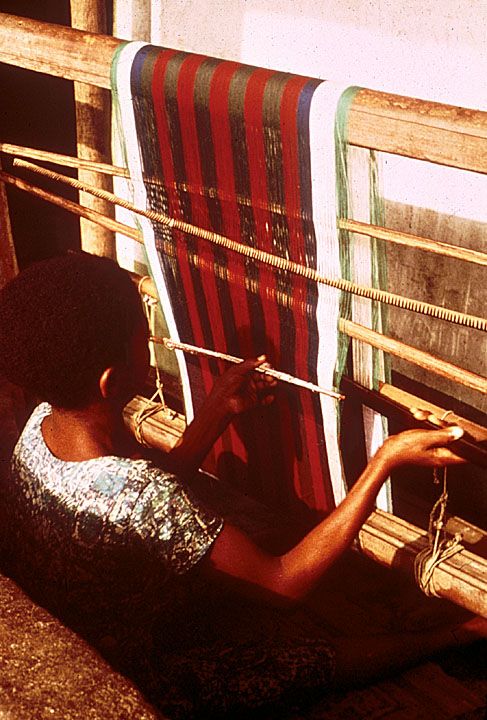
The creation of Faso Dan Fani is a prime example of this. Thousands of artisans are still supported by handwoven cotton textiles, which remain one of the nation’s most recognisable cultural emblems. In contrast to mass-produced textiles imported through international supply chains, Faso Dan Fani maintains a clear link between the final product and the individuals who made it.
This link is important for reasons other than cultural preservation. Consumers increasingly desire transparency. They want to know who gains from their purchase, how clothing is made, and where the materials come from. Naturally, Faso Dan Fani offers a lot of these solutions. A degree of traceability that many global businesses are still striving to attain is achieved through the production process’s continued reliance on local expertise.
Burkina Faso’s standing in conversations about sustainable fashion is further enhanced by its cotton manufacturing. Burkina Faso, one of the continent’s leading cotton producers, has resources that many fashion firms need to import. This gives designers the chance to establish production systems that maintain linkages to regional economies.
It is impossible to separate the significance of these textiles from the communities that make them. Weaving continues to be a source of employment across the nation, especially for women. In addition to offering economic prospects that extend well beyond fashion, artisan cooperatives help preserve technical knowledge.
These customs still influence modern design. Several Burkinabè designers use Faso Dan Fani as a living material that may support contemporary fashion rather than as a historical reference. Cloth frequently carries cultural connotations that extend beyond aesthetics, and similar connections between textiles and identity are evident throughout the region.
Burkina Faso’s fashion increasingly views sustainability as a current advantage rather than a future goal. Expanding these techniques while maintaining the local connections that make them successful is currently the problem.
Young Designers Are Driving a New Era of Innovation
Burkina Faso fashion still heavily relies on textile traditions, but a new generation of designers will also be crucial to the industry’s future. Young designers are reinventing the way regional materials and cultural allusions are combined into modern fashion throughout Ouagadougou and other urban areas.
Social media, digital communication, and international cultural interchange have transformed the world in which this generation has grown up. Although many of them choose not to follow global fashion trends, they are aware of them. Rather, they are investigating ways to modify regional materials and aesthetics for contemporary audiences.
Designers like Lamiz BeFree exemplify this change. Their creations show that modern African design need not forgo cultural allusions to be globally relevant. Instead, local identity frequently serves as the basis for creativity.
Social media has expedited this process. Designers can now present their work to audiences that would have been challenging to reach ten years ago, thanks to platforms like Instagram and TikTok. Without relying solely on established industry gatekeepers, young creatives can now build brands, attract clients, and participate in fashion discussions.
This enhanced visibility has stimulated experimentation. Designers are combining handwoven fabrics with gender-fluid silhouettes, contemporary streetwear influences, and modern tailoring. The resulting clothing retains strong ties to Burkinabè culture while appealing to younger buyers.
Youth fashion as a whole exhibits the same creative drive. Traditional materials are becoming more prevalent alongside current streetwear throughout Ouagadougou, indicating a generation that does not consider cultural identity and style as mutually exclusive.
Thus, Burkina Faso’s fashion innovation goes beyond technology. It entails developing fresh interpretations of existing cultural resources. The most successful young designers are aware that reinventing how tradition can work in modern life, rather than rejecting it, shapes the future.
ALSO READ:
- Traditional Clothing in Burkina Faso: Culture and Identity Explained
- Burkinabé Cotton and Textiles: The Foundation of Sustainable Fashion
- Designers from Burkina Faso Leading Ethical African Fashion
Diaspora Connections, Technology, and Global Visibility Will Shape the Next Chapter
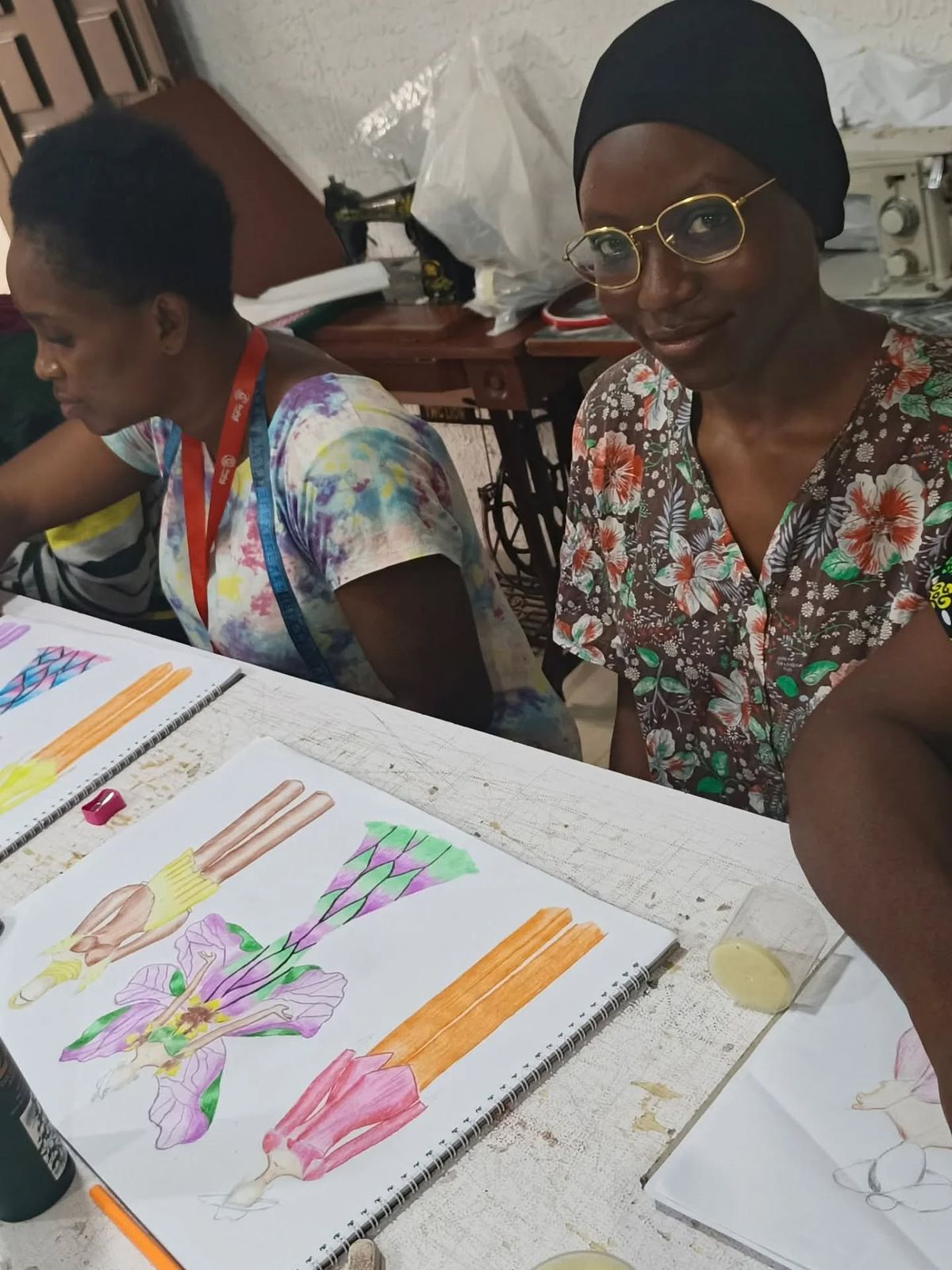
Designers and craftspeople won’t be the only ones to shape Burkina Faso fashion’s future. Technology, e-commerce, and diaspora participation are becoming increasingly significant drivers of the industry’s growth. The nation’s fashion identity still relies heavily on traditional craftsmanship, but global connections are creating new options.
Visibility was one of the main obstacles Burkinabè fashion companies had to overcome for many years. Although they frequently created outstanding work, designers found it difficult to connect with clients outside of their local regions. Global consumers rarely encountered local brands, and access to overseas markets remained restricted. Digital platforms are starting to alter that reality today.
One of the most effective tools available to up-and-coming designers is social media. Brands may showcase collections directly to audiences in North America, Europe, and Africa via platforms such as Facebook, Instagram, and TikTok. Without depending on conventional fashion gatekeepers, a designer in Ouagadougou can suddenly draw attention from customers hundreds of kilometres away.
Additionally, the Burkinabè diaspora is becoming increasingly significant in this process. Despite having access to global networks and marketplaces, many diaspora members retain close cultural ties to their native countries. In addition to introducing Burkinabè fashion to audiences that might not be familiar with the nation’s creative industries, their backing helps generate demand for locally made clothing.
In West Africa, the connection between expatriate cultures and fashion is increasingly significant. People who live overseas frequently use clothing to reflect their modern identities and preserve cultural ties across the region.
The way fashion companies run is likewise being altered by technology. Virtual marketing efforts, online shopping platforms, and digital payment methods are making it easier for designers to reach consumers. Some of the obstacles that have historically kept small fashion firms from growing beyond their local markets are reduced by these techniques.
African companies like Studio 189 have shown how artisan-centred fashion can effectively link domestic production with global buyers. Their example demonstrates that established manufacturing systems do not always need to be abandoned to achieve growth. Rather, technology may make those systems more visible while maintaining the qualities that set them apart.
Ensuring that digital growth benefits the communities that support fashion creation will be a problem going forward. Being seen is insufficient on its own. Establishing mechanisms that enable craftspeople, weavers, tailors, and designers to capitalise on the financial opportunities created by growing markets will be essential to long-term success.
The Omiren Argument
Trends won’t determine the destiny of Burkina Faso’s fashion industry. It will depend on how well the nation converts its artisan expertise, creative talent, and textile traditions into viable economic structures.
Many fashion industries look for the ingredients needed to create long-term growth for years. Several of them are already in Burkina Faso. The nation has a well-known textile history, a solid connection to cotton production, talented artisan communities, and an increasing number of designers dedicated to regional originality.
However, having these resources is just the first step. Infrastructure, investment, manufacturing capacity, and access to foreign markets continue to be obstacles for the fashion industry. Many creative industries across the continent are affected by these problems, which often limit their capacity to grow.
In the global fashion world, it’s a common belief that advancement requires abandoning conventional production methods. The fashion industry in Burkina Faso offers an alternative. Because traditional knowledge is still used in modern industry, its greatest potential is realised.
One obvious example is Faso Dan Fani. The reason the cloth has remained relevant is not that it hasn’t been altered, but that designers are continually developing new applications for it. When heritage changes rather than vanishes, innovation takes place.
The way Burkina Faso’s fashion views culture as a living resource is among its most intriguing features. Textile customs are not limited to ceremonial events or museums. They still have an impact on customer preferences, everyday design choices, and innovative experimentation.
In West Africa, where clothes often serve as a link between the past and the present, this dynamic is evident. Similar dynamics can be found in nearby nations where traditional attire continues to evolve in tandem with contemporary fashion trends.
Keeping this equilibrium will be crucial to Burkina Faso fashion’s future. The sector needs to keep coming up with new ideas without sacrificing the local expertise that makes it unique.
Fashion in Burkina Faso is about to enter an era of great opportunity. New growth opportunities are emerging from sustainability, artisan artistry, digital connectivity, and creative enterprise. The nation’s biggest advantage is that its fashion ecosystem already possesses many of the attributes that customers around the world are currently looking for.
Designers, craftspeople, businesspeople, and communities who can turn these assets into long-lasting cultural and economic impact will own the future. Burkina Faso won’t just take part in the future of African fashion if it occurs. It will aid in its definition.
Frequently Asked Questions (FAQs):
- What is the future of fashion in Burkina Faso?
The future of fashion in Burkina Faso is likely to be shaped by sustainability, textile innovation, digital commerce, artisan craftsmanship, and increased international visibility for local designers.
- Why is sustainability important to Burkina Faso’s fashion industry?
Sustainability is important because many of the country’s fashion traditions already rely on local sourcing, handwoven textiles, artisan production, and community-centred economic systems.
- What role does Faso Dan Fani play in the future of fashion?
Faso Dan Fani remains one of Burkina Faso’s most important textiles. Designers continue adapting it for contemporary fashion while preserving the weaving traditions associated with its production.
- How are young designers changing Burkina Faso fashion?
Young designers are introducing new silhouettes, digital marketing strategies, and contemporary interpretations of traditional textiles while maintaining strong connections to local cultural identity.
- Can Burkina Faso become a major African fashion hub?
Burkina Faso possesses many of the resources required for long-term growth, including cotton production, artisan expertise, textile heritage, and a growing creative sector. Continued investment and infrastructure development will be important to achieving this potential.
EXPLORE
Fashion in Burkina Faso is evolving through creativity, sustainability, and cultural confidence. Explore more on Omiren Styles features, examining the designers, textiles, and industries shaping the future of fashion across Africa.