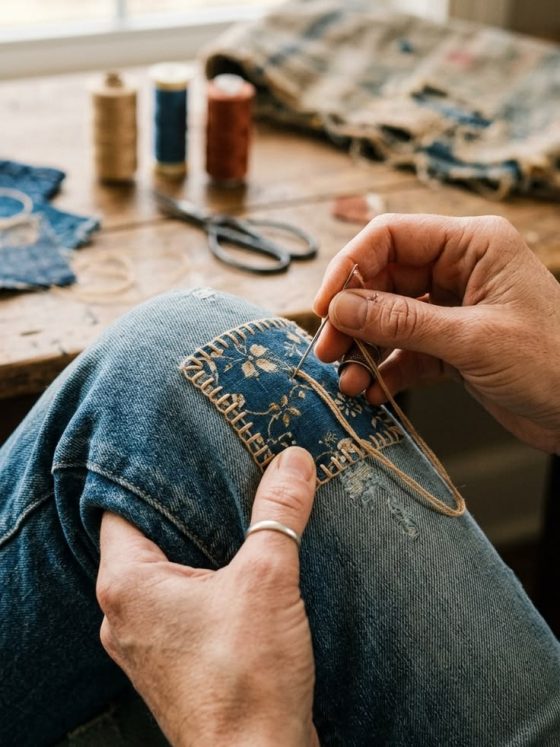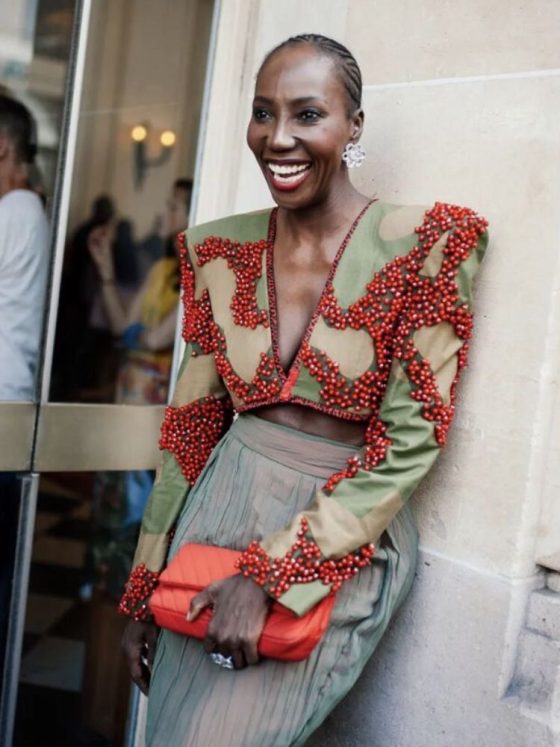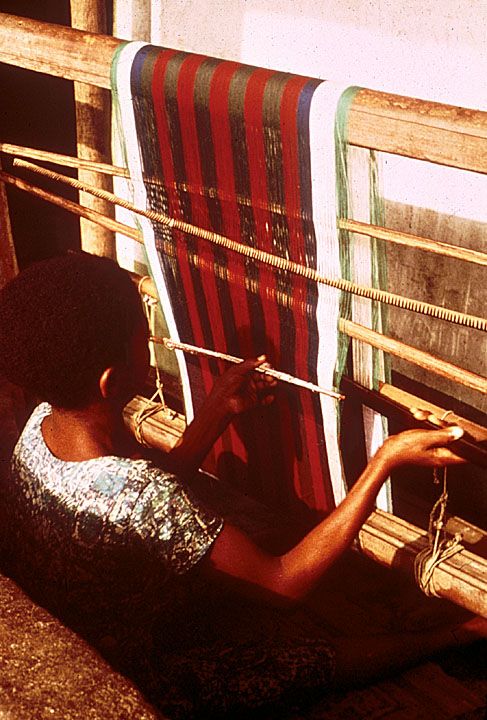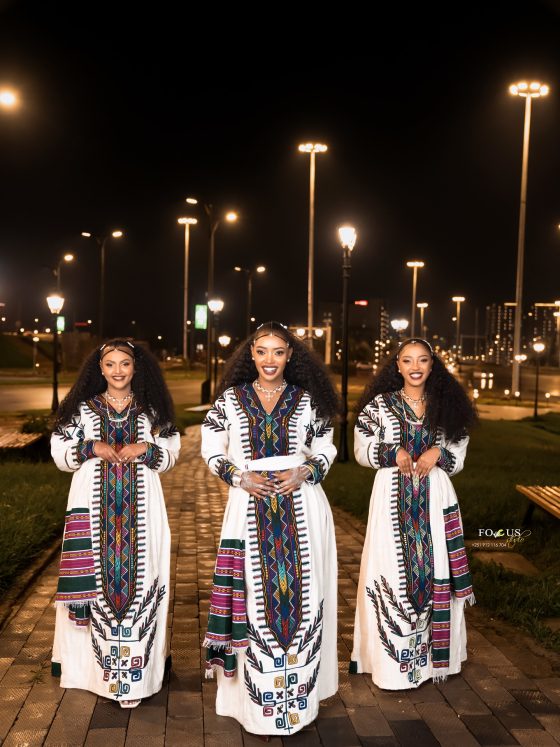
She opens the box and lifts out the fabric. It is beautiful. The colours are right. The pattern is striking. She turns it over in her hands, feeling the weight, and then she says the thing that the giver had not prepared for: “What is it?” Not what is the pattern? Not where is it from? What is it? The giver does not know. They bought it because it was described online as “African print fabric.” They paid a reasonable price. They wrapped it beautifully. And they gave a gift that, in the most fundamental sense, contained no information about itself.
That gap, between the aesthetic appeal of African fashion and the cultural knowledge that gives it meaning, is where most gifting of African fashion goes wrong. Not through bad intention. Through absent preparation.
This guide closes that gap.
Gifting African fashion without cultural knowledge produces harm. Here is how to buy correctly, give with specificity, and make the gift mean something.
Why Gifting African Fashion Requires Preparation
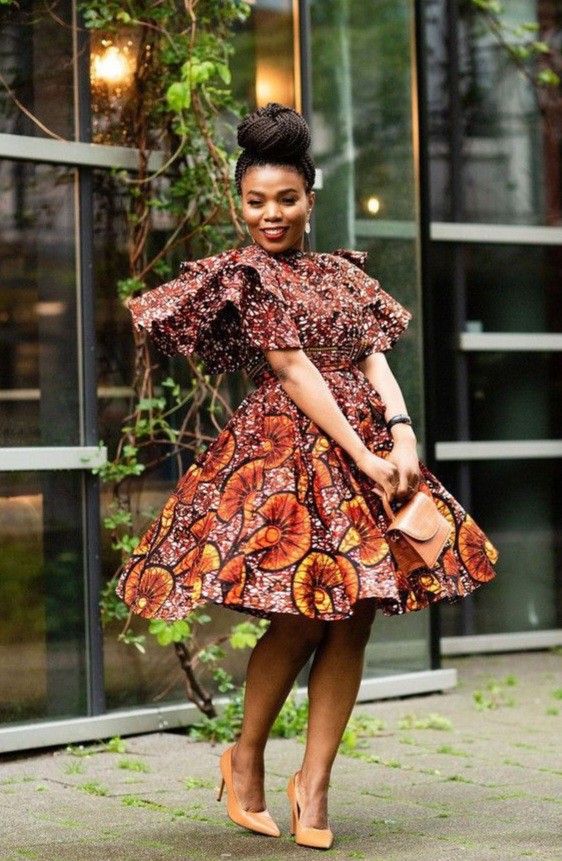
African fashion is not a category. It is a continent of distinct textile traditions, each with its own cultural grammar, production communities, and occasions for which each piece is appropriate. A length of Kente cloth woven by an Asante master in Bonwire is not interchangeable with a length of aso-oke from an Iseyin loom. A Maasai beadwork piece from Kenya does not carry the same logic of occasion as a Toghu garment from the Bamenda Highlands of Cameroon. These are not variations on a theme. They are separate cultural objects with separate meanings.
The giver who presents a piece of African fashion without knowing what it is, who made it, where it comes from, or what occasions it serves has given something that looks generous but functions as a decorative object stripped of its context. The recipient who knows their tradition receives a gift that demonstrates the giver does not know them. The recipient, unaware of the tradition, receives no education about it.
Gifting African fashion correctly starts with the same principle that governs all culturally intelligent African fashion purchasing: knowledge before transaction. The full framework is laid out in How to Shop African Fashion: The Complete Guide for the Culturally Literate Consumer. What follows here is the gifting-specific application of that framework.
“A gift that comes with knowledge honours both the giver and the tradition. A gift that does not, however well-intentioned, reduces a living craft to a decorative object.”
The First Question: Who Are You Gifting?
Before choosing what to give, answer one question clearly: What is the recipient’s relationship to the specific tradition you are drawing from?
Gifting African fashion to someone within the tradition it comes from is a different act than gifting it to someone outside that tradition. A Yoruba woman receiving authenticated aso-oke as a gift from someone who has sourced it correctly, understands the type, and can speak to the piece’s provenance, is receiving recognition of her cultural identity. A non-Yoruba person receiving aso-oke from a giver who found it on a general e-commerce platform and liked the colours is receiving something else entirely.
Neither of these is an automatic prohibition. African fashion was not designed to be sealed within the communities that created it. Most designers, weavers, and cultural voices within African fashion explicitly welcome engagement from outside their traditions, provided that engagement comes with respect, knowledge, and correct purchasing behaviour. What they do not welcome is shallow replication: buying generic “African print” items from fast fashion retailers, presenting them as culturally meaningful gifts, and moving on.
The rule is simple: the more distant the recipient is from the tradition you are drawing from, the more work you need to do before you buy. And the more specific your gift needs to be.
What to Gift: Five Categories That Work
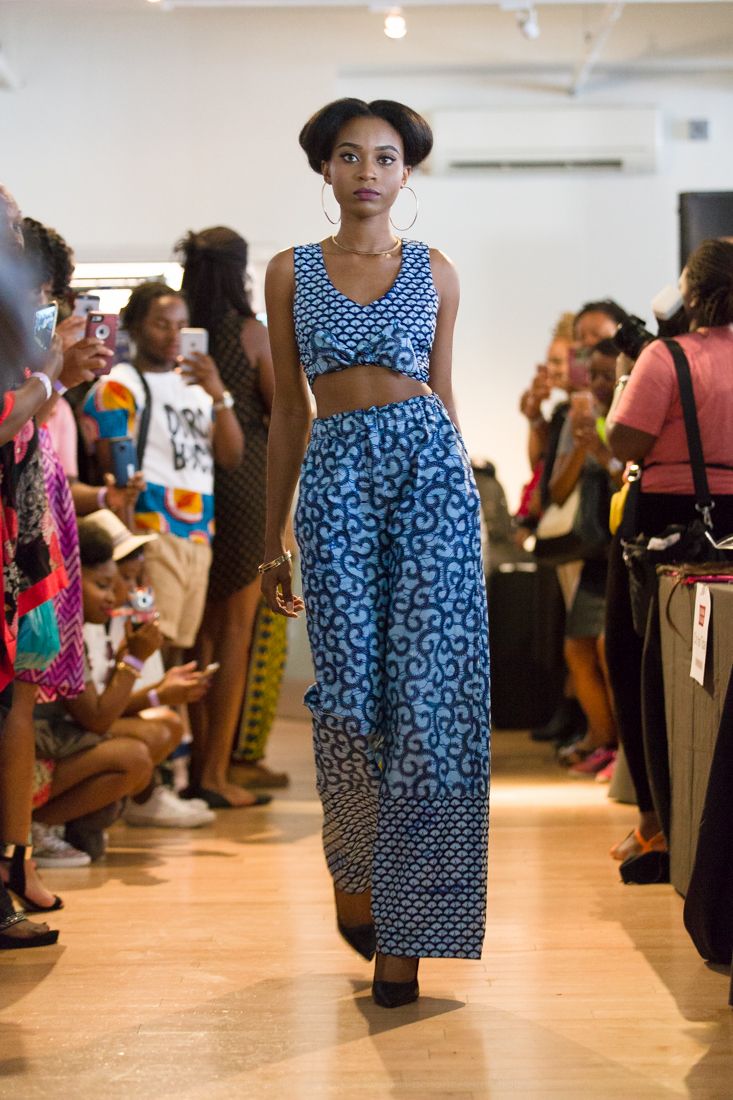
1. Certified Authentic Craft Textiles with Provenance
The highest-value category for gifting African fashion is authenticated craft textile. A certified length of hand-woven Kente cloth from an approved Ghanaian weaving community, now protected under Ghana’s Geographical Indication status and recognised on the UNESCO Intangible Cultural Heritage list since December 2024, is a gift that carries legal and cultural provenance. The recipient can verify its authenticity. The GI framework means that the name on the piece corresponds to a specific weaving tradition in a specific community. For the full sourcing guide, read Where to Buy Kente Cloth Without Funding a Counterfeit Industry.
The same principle applies to aso-oke, bogolan from Mali’s Bamana tradition, Toghu from Cameroon’s Northwest Region, Ethiopian gabi, and any other craft textile with a documented production community and verifiable provenance. The gift’s value is not only in the textile itself. It is in the ability to say: this was made here, by these hands, in this tradition, for this purpose.
2. A Piece from a Named African Designer
A garment from a named African designer, purchased through their own commerce channel or through a verified platform such as ADJOAA or Industrie Africa, carries the designer’s cultural authority into the gift. Thebe Magugu, Kenneth Ize, Tongoro, Christie Brown, Lisa Folawiyo, Orange Culture, and dozens of other designers produce work that is well-documented, culturally grounded, and available internationally. The gift of a designer piece is a gift that names its origin, names its maker, and names the tradition it draws from. That naming is part of the gift.
Check the designer’s label literacy guide before purchasing. A garment’s label should confirm country of manufacture, fabric composition, and care requirements. If the piece is a gift, the recipient will need that information.
3. Heritage Jewellery with Named Cultural Context
Maasai beadwork, Krobo glass bead necklaces from Ghana, Fulani gold earrings, Tuareg silver crosses, and Zulu beaded pieces are among the most giftable items in African fashion because they are accessible in size, transportable, and carry specific cultural meaning that can be communicated in a card or note alongside the piece. The key is that the cultural context must accompany the object. A Maasai beaded collar without any information about Maasai beadwork traditions and what the specific bead colours signal is decoration. With that information, it is a cultural introduction.
4. Fabric for Tailoring with a Specific Plan
Gifting a length of quality African fabric is more thoughtful than it first appears, provided the gift comes with a specific plan: the name of a tailor, the name of a style, or a clear conversation with the recipient about what they want made. A length of handwoven aso-oke, gifted alongside a recommendation for a trusted Yoruba tailor in the recipient’s city, with a note explaining the weave type and its appropriate occasions, is a gift that asks the recipient to invest their own time and preferences in completing it. That is not an incomplete gift. It is a participatory one.
5. A Subscription or Editorial Access
For a recipient who is beginning to engage with African fashion, a subscription to an editorial platform that provides cultural intelligence, designer profiles, and sourcing guides is a gift that keeps generating value. It is the infrastructure behind every other gifting decision: the knowledge that converts a purchase into a culturally informed act. Omiren Styles exists precisely for this function.
What Not to Gift
Three categories of African fashion gifts consistently fail.
Generic “African print” items from fast fashion retailers or general marketplace platforms. These are factory-produced items using African visual culture as a marketing category without attribution to any specific tradition, community, or designer. Purchasing them does not support African fashion. It supports the counterfeit economy that displaces it.
Undifferentiated gifts are described only by aesthetic qualities. A gift described as “colourful fabric” or “African-inspired jewellery” without specificity about what it is or where it came from has no cultural content. Aesthetic appeal is not cultural knowledge. The gift may be beautiful. It is not meaningful in the way African fashion is meant to be meaningful.
Ceremonial items given outside their ceremonial context. Some African garments carry specific occasion logic that limits their appropriateness as general gifts. A gele commissioned for a Yoruba wedding is not the same as a general headwrap. Etu aso-oke, the deep indigo type associated with composure and leadership in Yoruba aesthetics, carries specific occasion meanings that a giver without cultural knowledge of those meanings cannot transmit through a gift. When in doubt about whether a ceremonial piece is appropriate as a gift, ask someone within the tradition before purchasing.
THE OMIREN ARGUMENT
Gifting African fashion is not a gesture. It is a transaction with cultural consequences. When a gift carries authentic provenance, when the giver can name the weaving community, the textile tradition, the designer, and the occasion the piece is suited for, the gift performs two functions simultaneously: it delivers something beautiful, and it delivers knowledge about what that beauty means. The recipient receives not only the object but also the context that makes it significant. That context is the real gift.
The context for this argument is what African fashion actually is. The African Development Bank tracks the continent’s creative industries as a multi-billion dollar economy, with fashion representing a significant and growing share of that value. The designers, weavers, and artisans who sustain that economy produce work of genuine craft complexity, cultural depth, and commercial integrity. When a gift draws from that economy correctly, by purchasing from verified sources, naming the tradition, and transmitting cultural knowledge alongside the object, it participates in that economy as a respectful actor. When it does not, it participates in the counterfeit and extraction economy that actively harms African fashion producers.
The disruption is that most gifting of African fashion currently falls into the second category, not out of malice but due to a lack of preparation. The infrastructure to prepare correctly now exists, verified platforms, cultural editorial, GI certification, and designer profiles. The information is available. The question is whether the giver chooses to use it before they buy. A gift of African fashion that comes with a card explaining what the piece is, who made it, where it came from, and what it means is a different object from the same piece wrapped in tissue paper with no context. Omiren Styles argues that knowledge is a gift. The fabric is the occasion to deliver it.
Also Read
- How to Shop African Fashion: The Complete Guide for the Culturally Literate Consumer
- Where to Buy Kente Cloth Without Funding a Counterfeit Industry
- Second-Hand Aso-Oke and the Inheritance Economy
- How to Read a Label on African Designer Clothing
Frequently Asked Questions
Is it appropriate to gift African fashion to someone outside the tradition?
Yes, with preparation. Most African designers, weavers, and cultural voices welcome engagement from outside their traditions, provided that it comes with respect, proper purchasing practices, and cultural knowledge transmitted alongside the gift. The critical distinction is between a gift that includes cultural context, naming the textile tradition, the producing community, and the appropriate occasions, and a gift that presents African fashion as a generic aesthetic without that context. The former is cultural engagement. The latter is decoration.
What is the most culturally significant African fashion gift?
Certified authentic craft textile with documented provenance is the highest-value cultural gift in African fashion. A hand-woven Kente cloth from an approved Ghanaian weaving community, protected under Ghana’s 2025 Geographical Indication status and inscribed on the UNESCO Intangible Cultural Heritage list in December 2024, carries the strongest combination of legal, cultural, and craft authority of any African textile currently available. For the sourcing guide, see Where to Buy Kente Cloth Without Funding a Counterfeit Industry on Omiren Styles.
Where should I buy African fashion gifts?
Purchase from verified sources: the designer’s own website, curated platforms such as ADJOAA and Industrie Africa, or specialist craft textile dealers who can provide provenance information. Avoid general marketplace platforms, including Amazon, Shein, and generic Etsy sellers that cannot provide the weaving community with the designer name or country of manufacture. The rule is that the seller should be able to answer the provenance question before you purchase. If they cannot, that is a reason not to buy from them.
How do I communicate the cultural context of an African fashion gift to the recipient?
Include a note with the gift that names: the specific textile tradition (e.g., Asante Kente, Yoruba aso-oke, Bamana bogolan), the producing community or designer, the country of origin, the weave type or fabric composition, and the occasions for which the piece is traditionally appropriate. This information is available from the seller if they are a legitimate source. If the seller cannot provide it, source it from someone who can. The note converts a decorative object into a cultural introduction.
Is gifting a generic “African print” item acceptable?
A gift described only as “African print” without specific information about the textile tradition, producing community, or designer carries no cultural content beyond visual appeal. It does not support African fashion producers and does not transmit cultural knowledge to the recipient. The standard for gifting African fashion is specificity: the gift should be named, sourced, and accompanied by context. If a specific item cannot be named and sourced correctly, the gift category to consider is an editorial subscription or a contribution toward a future purchase, rather than a generic print item.
Give With Knowledge
Omiren Styles publishes cultural intelligence on African fashion, textiles, and design across all 54 nations, the Caribbean, and the global diaspora. Our editorial work equips givers with the knowledge to create African fashion gifts that mean what they are meant to.