Sustainable fashion in Mali is often discussed as a modern shift towards environmentally responsible design.
Yet it is already embedded in long-standing handmade textile systems operating through weaving, dyeing, and tailoring communities. In Mali, production isn’t defined by seasonal trends or external sustainability labels.
The management of limited materials, skilled labour, and local market demand defines it. These conditions have shaped how cloth is made, traded, and worn long before sustainability became a global fashion term.
Across urban centres such as Bamako and regional craft communities, handmade textiles remain part of everyday economic activity rather than symbolic heritage.
Within this context, sustainable fashion in Mali reflects existing production realities shaped by constraint, adaptation, and continuous negotiation between local craft systems and industrial textile flows.
Sustainable Fashion in Mali examines how handmade textiles shape the country’s design future through craft systems, labour and economic realities.
Sustainable Fashion in Mali as a Living Economic System
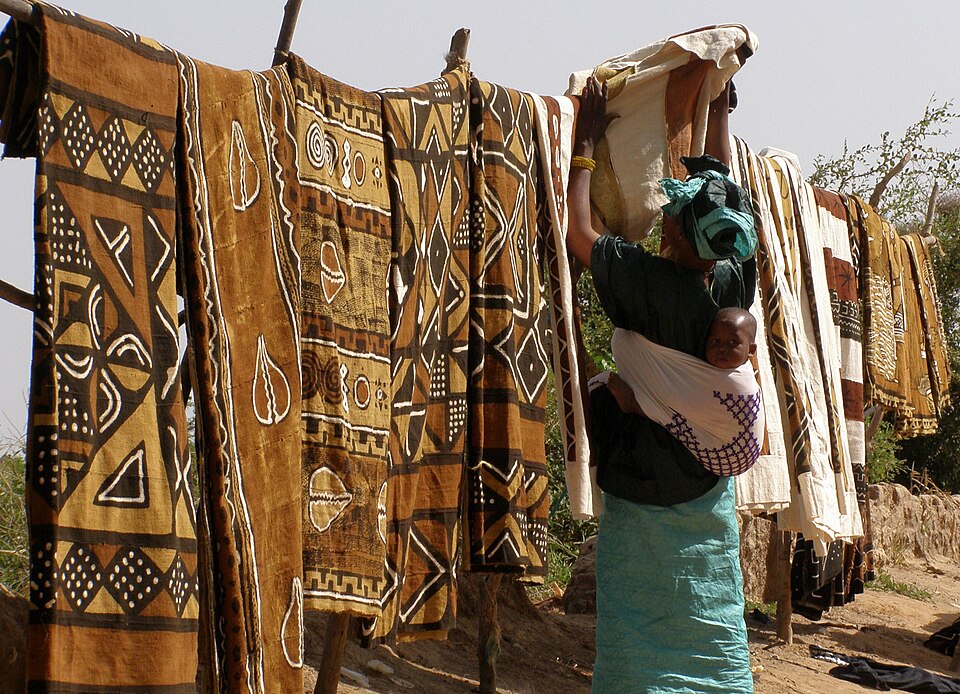
Sustainable fashion in Mali is best understood as an existing economic system rather than a contemporary design movement.
Across weaving, dyeing, and tailoring networks, production operates through established labour structures. These systems often prioritise material efficiency due to cost pressures and resource constraints.
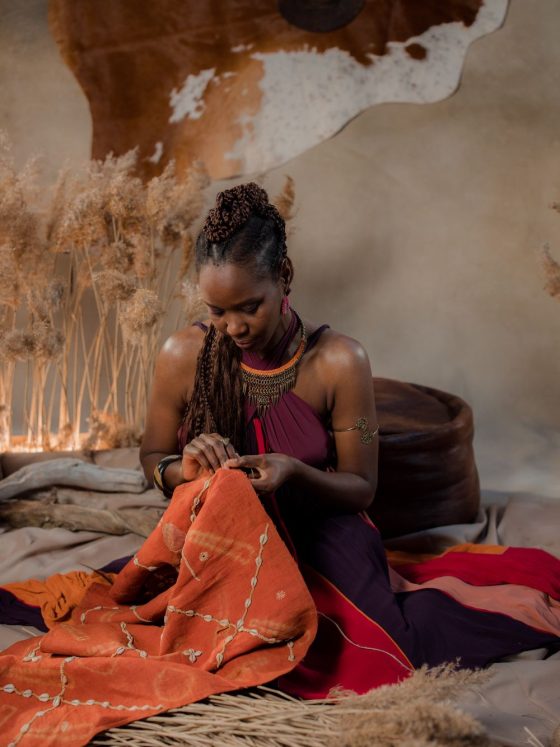
Handmade textiles are produced within household-based and community-linked systems where each stage of production is directly tied to income generation and local trade.
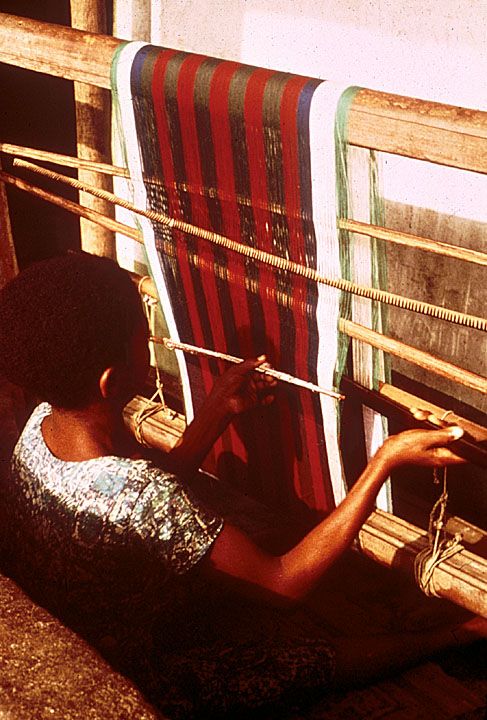
In many parts of Mali, textile creation isn’t separated from everyday economic life. Weaving communities produce cloth that enters urban markets.
In these markets, tailors and traders determine their circulation based on demand and affordability. These systems rely on Malian textile production systems that have adapted over time to changing material availability and competition from imported fabrics.
The durability of these handmade systems depends on their ability to remain economically active. This activity must be sustained within both rural production spaces and urban consumption networks.
Handmade Textiles in Mali and the Economics of Survival
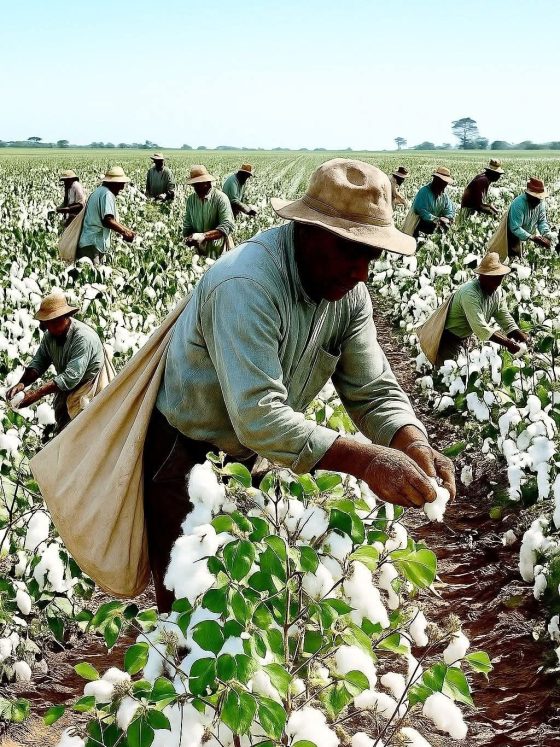
Weaving, dyeing, and tailoring in Mali function as tightly structured labour systems. In this system, production is governed by time, skill, and access to raw materials such as cotton and natural dyes.
These inputs determine how much can be produced, at what quality, and at what cost. This places clear limits on output long before garments reach the market.
Under these conditions, sustainable fashion in Mali is shaped by economic constraints rather than design intent. In Malian textile production systems, artisans adjust production methods in response to fluctuating material prices and household income needs.
This makes decisions about fabric density, pattern complexity, and finishing based on what is economically viable at any given time.
Because of this, adaptability becomes more evident in urban trading environments, where handmade textiles compete directly with imported industrial fabrics, which are often cheaper and more widely available.
As a result, survival in these systems depends less on preserving traditional techniques and more on maintaining consistent market relevance through flexible production practices.
Urban Markets, Consumption Patterns, and Textile Demand in Mali
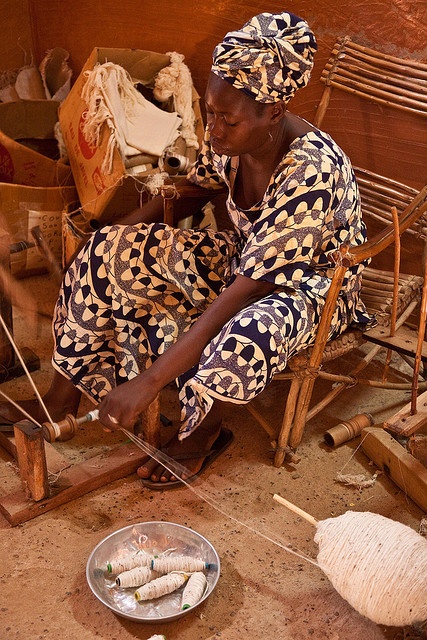
In Bamako’s urban markets, the value of textiles is shaped less by production conditions than by how garments are evaluated at the point of purchase.
Handmade cloth, imported fabrics, and second-hand clothing circulate within the same commercial spaces, but they aren’t assessed through the same criteria.
Sustainable fashion in Mali is evident here as a negotiation among price perception, garment durability, and social function. Buyers often prioritise immediate affordability and practical use. This means the choice of textile is determined at the moment of exchange rather than by its production origin.
In traditional weaving communities in Mali, cloth enters these markets without guaranteed value outcomes. Its worth is established only through trader pricing systems and consumer response. These two systems fluctuate based on household income cycles and urban cost pressures.
Second-hand imports, on the other hand, expand this valuation system by introducing a large volume of low-cost alternatives. This changes how handmade textiles are positioned rather than how they are produced.
As a result, demand isn’t simply a reflection of cultural preference but a continuous process of price-based sorting within urban trade networks.
Also Read:
- Street Style in Bamako: Where Tradition Meets Modern Expression
- Traditional Clothing in Mali: The Cultural Significance of Boubou and Bogolan
- Sustainable Fashion in Ghana: Upcycling, Craftsmanship, and the Future of African Design
- Malian Fashion Designers Preserving Heritage While Innovating Style
Design Adaptation and the Repositioning of Handmade Textiles in Mali
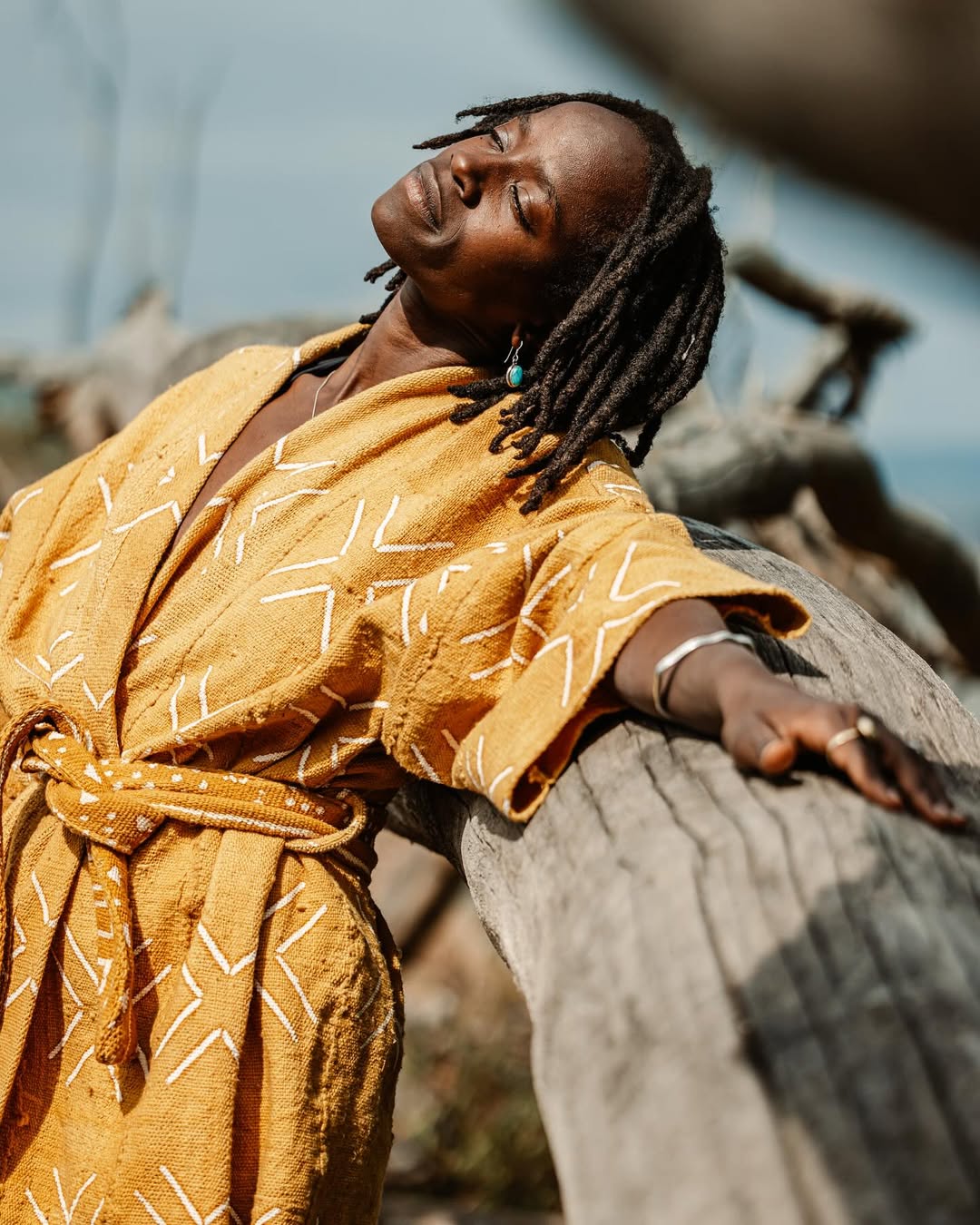
In contemporary Malian fashion practice, designers engage with handmade textiles.
They don’t do this by altering their production systems but by redefining how they are perceived within finished garments. This shift occurs at the level of design language rather than at the level of material survival.
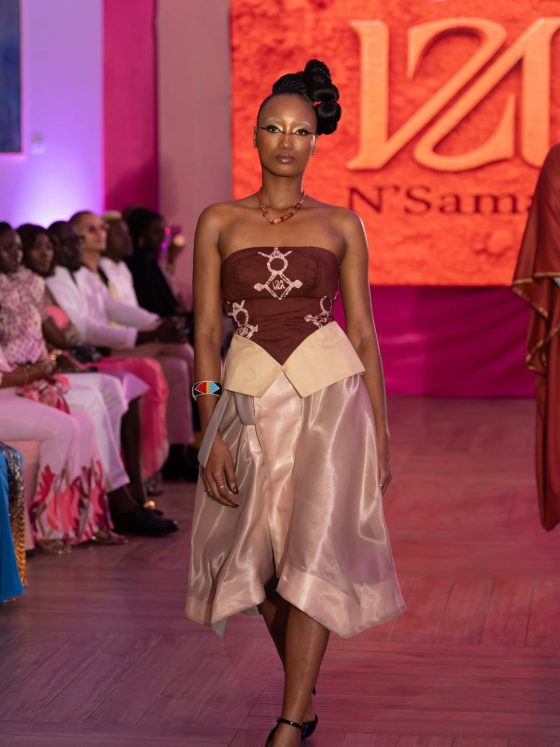
It is reflected in the way woven and hand-dyed fabrics are incorporated into silhouettes for modern urban and formal contexts. Within the future of the Malian fashion industry, this process changes the functional identity of textiles.
It shifts them from primarily utilitarian or market-driven goods into curated design elements. On the other hand, tailors and designers reframe cloth through garment structure, styling, and presentation.
This influences how audiences interpret its relevance beyond its point of production.
This repositioning does not alter how textiles are made or sold, but how they are understood within contemporary fashion narratives.
As a result, handmade materials are used both as everyday goods and as styled design pieces within changing fashion systems.
The Omiren Argument
Sustainable fashion in Mali is defined less by modern environmental design language and more by long-standing handmade textile systems operating under economic and material constraints.
These systems are shaped by limited raw materials, skilled labour, and local trade networks that govern the production and circulation of cloth.
Across weaving, dyeing, and tailoring communities, textile production already operates with resource efficiency driven by necessity rather than by formal sustainability frameworks.
This reframes sustainability not as a new intervention, but as a structural condition of Malian textile economies, challenging assumptions about its recent introduction through design discourse.
The main disruption comes from industrial textile imports and shifting consumption patterns, which reduce demand for locally produced cloth and alter its market positioning. These pressures reshape value assignment without fully displacing handmade systems, instead changing their scale and frequency of use.
Handmade textiles, therefore, persist as adaptive economic practices rather than fixed cultural forms. The future of sustainable fashion in Mali depends on the continued economic viability of these systems within modern markets, not on their alignment with external sustainability narratives.
Frequently Asked Questions
- What are the textiles in Mali?
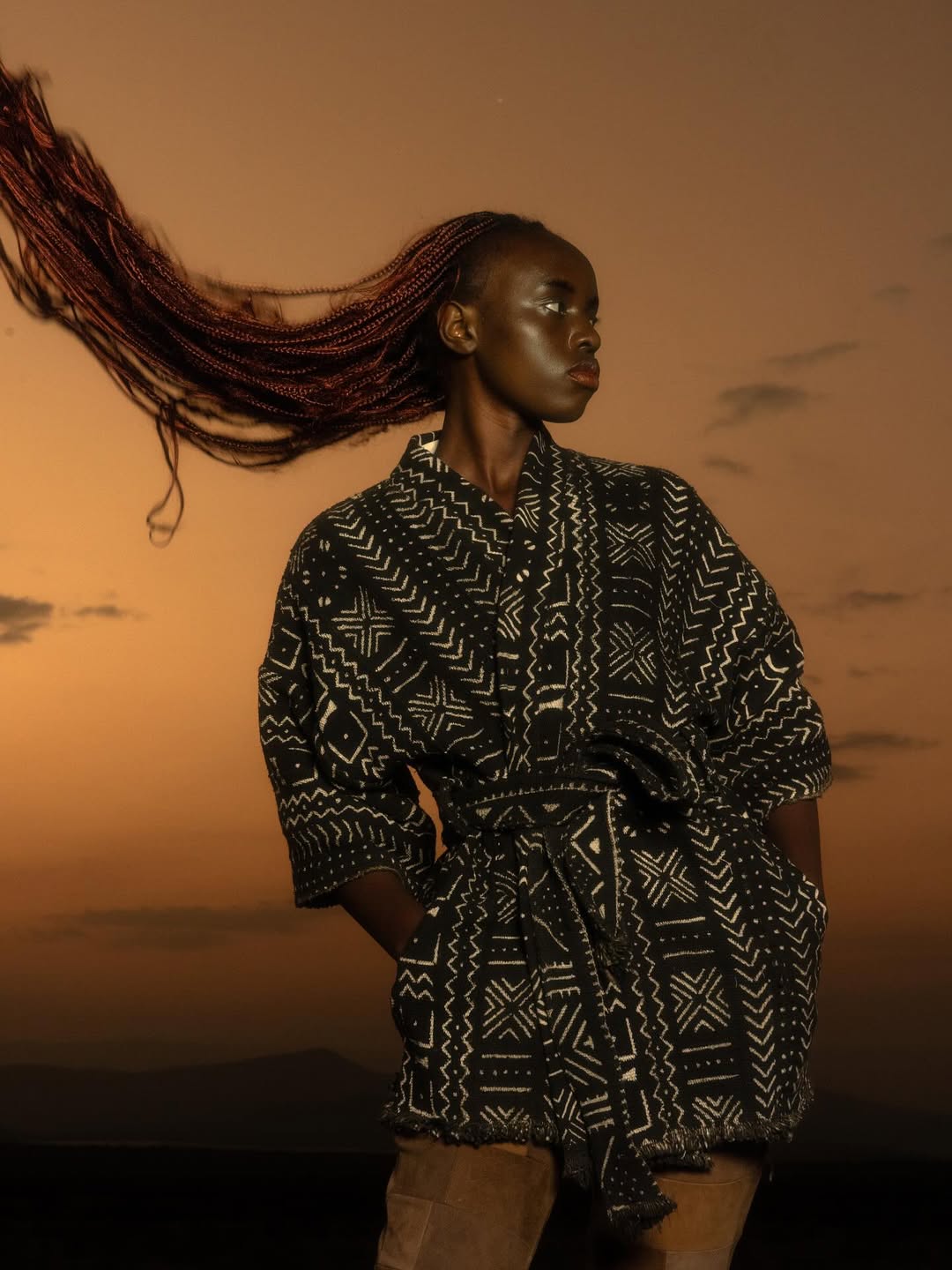
Mali is known for textiles such as bogolan (mudcloth), handwoven cotton strip fabrics, and indigo-dyed cloth. Bogolan is traditionally produced using fermented mud and plant-based dyes.
This gives it distinctive earth-toned patterns often associated with cultural symbolism and local identity. Handwoven cotton strip fabrics are made on narrow looms and sewn together to form larger cloths used in garments such as the boubou.
Indigo-dyed textiles are also widely used, particularly in northern and Sahel regions, where dyeing techniques have been practised for generations.
- What is the definition of sustainable fashion?
Sustainable fashion refers to clothing production and consumption that reduces environmental impact and supports ethical labour practices. It focuses on responsible sourcing, reduced waste, and long-term environmental and social balance across the fashion lifecycle.
- What is the traditional clothing of Mali?
Traditional clothing in Mali includes the boubou (a loose, flowing robe) worn by both men and women. It often features handwoven or dyed fabrics such as bogolan and is worn for cultural, religious, and formal occasions.
There is variation across ethnic groups. The Bambara are closely associated with bogolan textiles, the Fulani with embroidered, flowing garments, and the Tuareg with indigo-dyed fabrics and veils adapted to desert conditions.
Dogon communities also maintain distinct ceremonial clothing linked to ritual and cultural practices.
- What are the 7 forms of sustainable fashion?
The 7 common forms are reduce, reuse, recycle, repair, repurpose, rent, and resell. These practices are designed to extend garment life and minimise waste in the fashion system.
- What is the 3-3-3 rule for fashion?
The 3-3-3 rule is a capsule wardrobe approach that typically involves 3 tops, 3 bottoms, and 3 pairs of shoes. It is used to simplify dressing choices and encourage minimal, intentional clothing consumption.