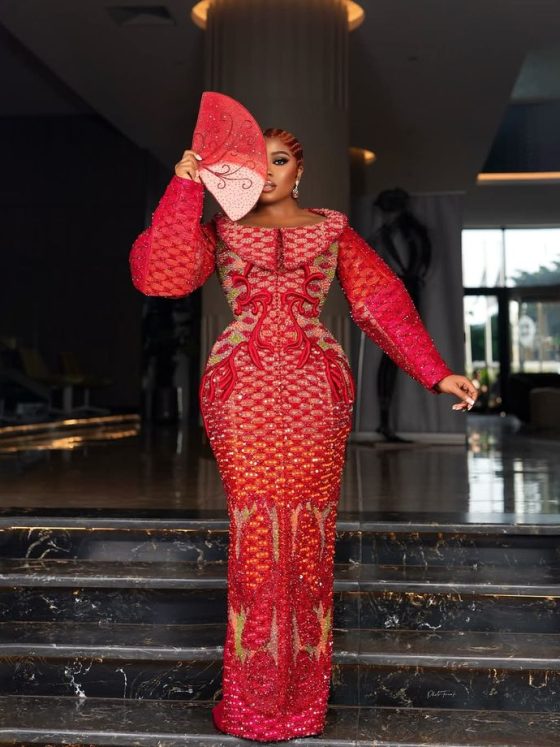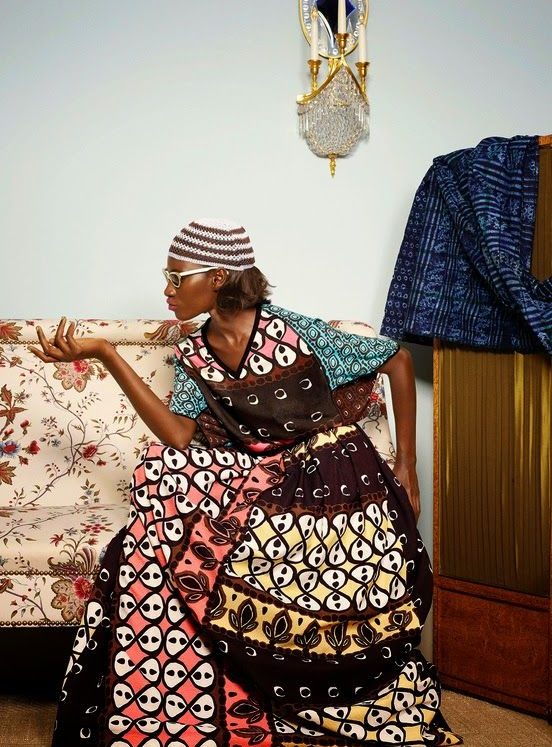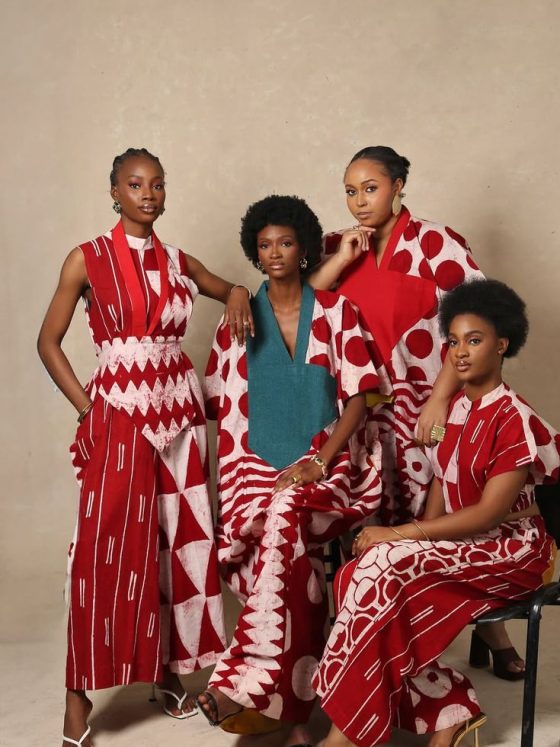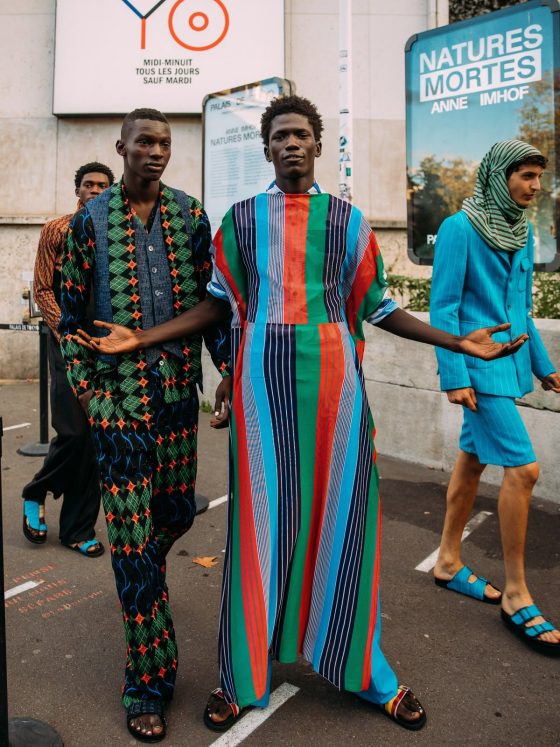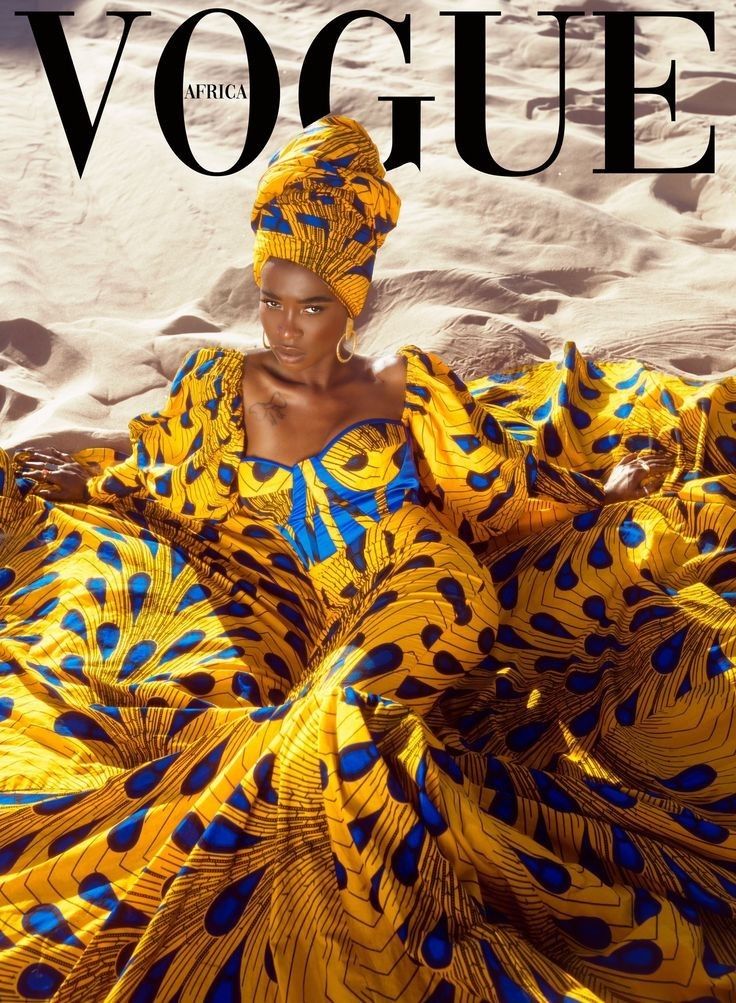
Condé Nast currently operates 29 international editions of Vogue. There is Vogue Arabia, launched in 2017 for a region the magazine had previously ignored. There is Vogue India, launched in 2007 and now producing some of the most commercially sophisticated fashion editorial in the brand’s global portfolio. There is Vogue China, launched in 2005, with a circulation of 2 million and an editorial operation led by one of the industry’s most highly regarded magazine directors. There is Vogue for the Czech Republic, the Netherlands, Poland, Scandinavia, and Hong Kong. There is no Vogue for Africa. There is no Vogue for Nigeria, whose fashion industry was valued at over 4.7 billion dollars in 2024. There is no Vogue for Kenya, South Africa, Ghana, or any other African country.
This is a business decision as much as an editorial one, and it is worth naming what the decision reveals. A media company that has launched editions for the Middle East, South Asia, East Asia, and Eastern Europe, but has not launched for a continent whose combined population will reach 2.5 billion by 2050, whose high net worth individual population was projected to grow by 36% between 2016 and 2026, and whose luxury sector was valued at $5.9 billion as far back as 2016, is not making a judgement about market size. It is making a judgment about whose markets count as primary. That judgment is the starting point for the tourism-writing problem, because you cannot write about a place as though it were home when your entire institutional infrastructure positions it as elsewhere.
Vogue has 29 international editions. Africa has none. What coverage does exist approaches the continent like a destination, not a source. In 2026, that is a choice, not an oversight.
What Vogue’s Africa Coverage Actually Does
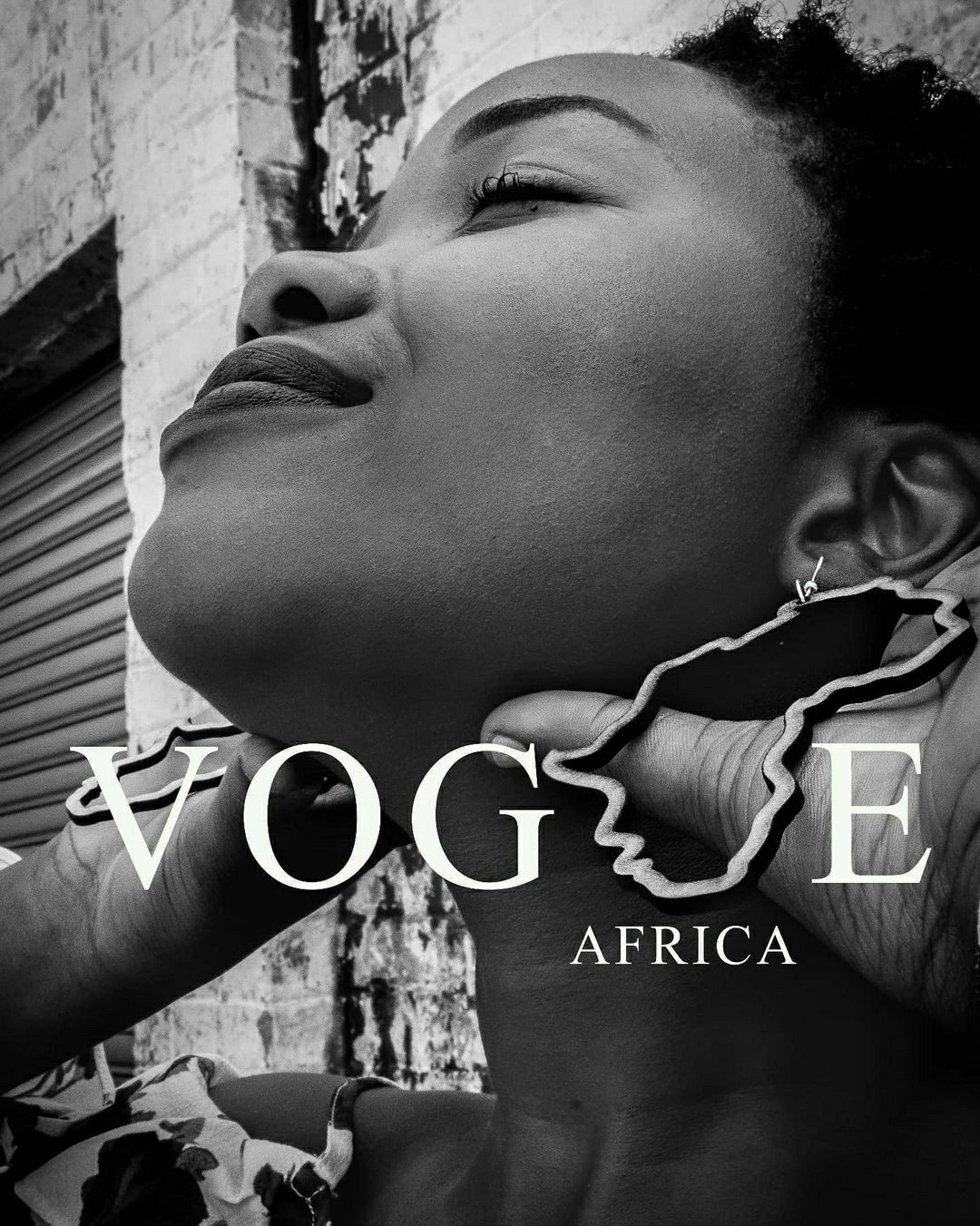
Tourism writing has a recognisable grammar. It describes a place for the benefit of people who do not live there. It identifies what is surprising, visually striking, and culturally notable in the sense of being different from the assumed reader’s experience. It treats the subject as a destination rather than a source. It positions knowledge about the place as something the reader acquires through the article rather than something the reader already holds. It is not malicious. It is structural. Tourism writing is what you produce when your editorial apparatus is built for an audience that is not from the place being covered.
The British Vogue Africa coverage that has received the most critical attention illustrates the structural problem with precision. When British Vogue produced a cover celebrating African models, the analysis by scholars at Al Jazeera identified a specific pattern: the photographer and the editorial approach reproduced visual tropes associated with primitivism, correlating Black African identity with nature imagery and pre-modern aesthetics regardless of the subject’s actual context, profession, or cultural specificity. The Al Jazeera analysis made the point that representation without editorial intelligence is not progress. Putting African faces on a cover while using a visual grammar built for an audience that treats Africa as a discovery rather than a home produces coverage that looks inclusive and reads like tourism.
The pattern is not limited to covers. It appears in how African cities are described when Vogue does profile them: the adjectives that signal wonder rather than familiarity, the framing that positions Lagos or Nairobi as emerging rather than already arrived, the sourcing of external commentary on African fashion from non-African critics who provide the outside perspective the editorial apparatus assumes its reader needs. It appears that designers get covered and how: the designer who has shown in Paris gets covered as a discovery story, the Nigerian tailor who has dressed heads of state for twenty years without needing Paris validation does not get covered at all, because his story does not fit the discovery template that tourism writing requires.
The Absence That Makes the Coverage Worse
The absence of a Vogue Africa edition does not simply mean African readers lack a Vogue product designed for them. It means the editorial intelligence required to cover Africa accurately is not being built inside Condé Nast’s global infrastructure. Vogue India’s editors know the Indian fashion market from the inside. They understand which designers are commercially significant in their home market before they become internationally recognised. They can read the difference between a collection that references Indian heritage with understanding and one that deploys it as decoration. That internal knowledge produces better editorial. It is not available to a publication covering Africa from outside.
Vogue Arabia launched in 2017 following Naomi Campbell’s public advocacy for a Middle East edition. The market case was made, the launch happened, and the publication has since built editorial credibility with an audience that had previously been receiving coverage produced for a reader assumed to be in New York or Paris. The BoF case for Vogue Africa, made in 2018, deployed the same market argument: 145,000 dollar millionaires on the continent, a projected 36% increase by 2026, a luxury sector worth $5.9 billion and growing, fashion cities including Lagos, Nairobi, and Johannesburg producing internationally significant creative output. The argument was made. Nothing happened. In the years since, African fashion has continued to develop without Condé Nast’s institutional attention, and Vogue’s coverage of Africa has continued to be produced from outside the market it describes.
The South African edition of Elle has been producing fashion editorial and selling advertising since 1996. Thisday Style in Nigeria, Arise magazine, BellaNaija Style, and a range of digital publications, including Noir magazine, founded by Senegalese designer Sarah Diouf, have been doing the editorial work that Vogue has declined to do. The African fashion press exists. It is not waiting for Vogue’s arrival. What it is doing, and what Vogue is not, is producing coverage from inside the market it describes, for readers who already know the context rather than needing it explained.
Tourism writing describes a place for the benefit of people who do not live there. That is what most Vogue coverage of Africa does. It describes the continent for an audience assumed to be outside it.
The New Vogue and Whether Anything Has Changed
In June 2025, Anna Wintour announced she was stepping down as Vogue’s editor-in-chief after 37 years. Chloe Malle was announced as her successor in September 2025, taking the title of Head of Editorial Content and first appearing on the masthead with the October 2025 issue. Malle’s first full issue, Spring 2026, was released in February 2026. Vogue now publishes eight issues per year rather than twelve.
The editorial leadership transition at American Vogue is worth watching for what it signals about the publication’s appetite for change. Wintour’s Vogue produced the Africa-as-discovery coverage that this article is critiquing. Whether Malle’s Vogue will build the editorial infrastructure to cover Africa differently is not yet demonstrated by anything in the public record. The institutional question is not who edits American Vogue. It is whether Condé Nast’s global leadership, under Wintour’s continued role as Global Chief Content Officer, will decide to launch an African edition with genuine editorial independence and local staffing that allows it to cover the continent from the inside.
The question of editorial independence is not minor. The QZ Africa analysis of what a Vogue Africa would require made the point precisely: an African edition should not simply move the Western gaze from behind a pair of binoculars to behind a microscope. Involving Africans throughout every aspect of production, from editorial direction to photography to sourcing to advertising sales, is the condition under which a Vogue Africa edition would be meaningfully different from Vogue’s current Africa coverage. Without that condition, a Vogue Africa would be a product positioned for African consumers while continuing to be produced with the editorial assumptions that generate tourism writing.
Also Read:
- The African Fashion Week Circuit Is Broken — Here Is How to Fix It
- Why African Fashion Needs Its Own Data Infrastructure Before It Can Lead Globally
- Bubu Ogisi of IAMISIGO: The Designer Who Refuses to Make African Fashion Legible to the West
- What African Fashion Brands Get Wrong About Scaling — and the Three That Got It Right
What African Fashion Press Does That Vogue Does Not
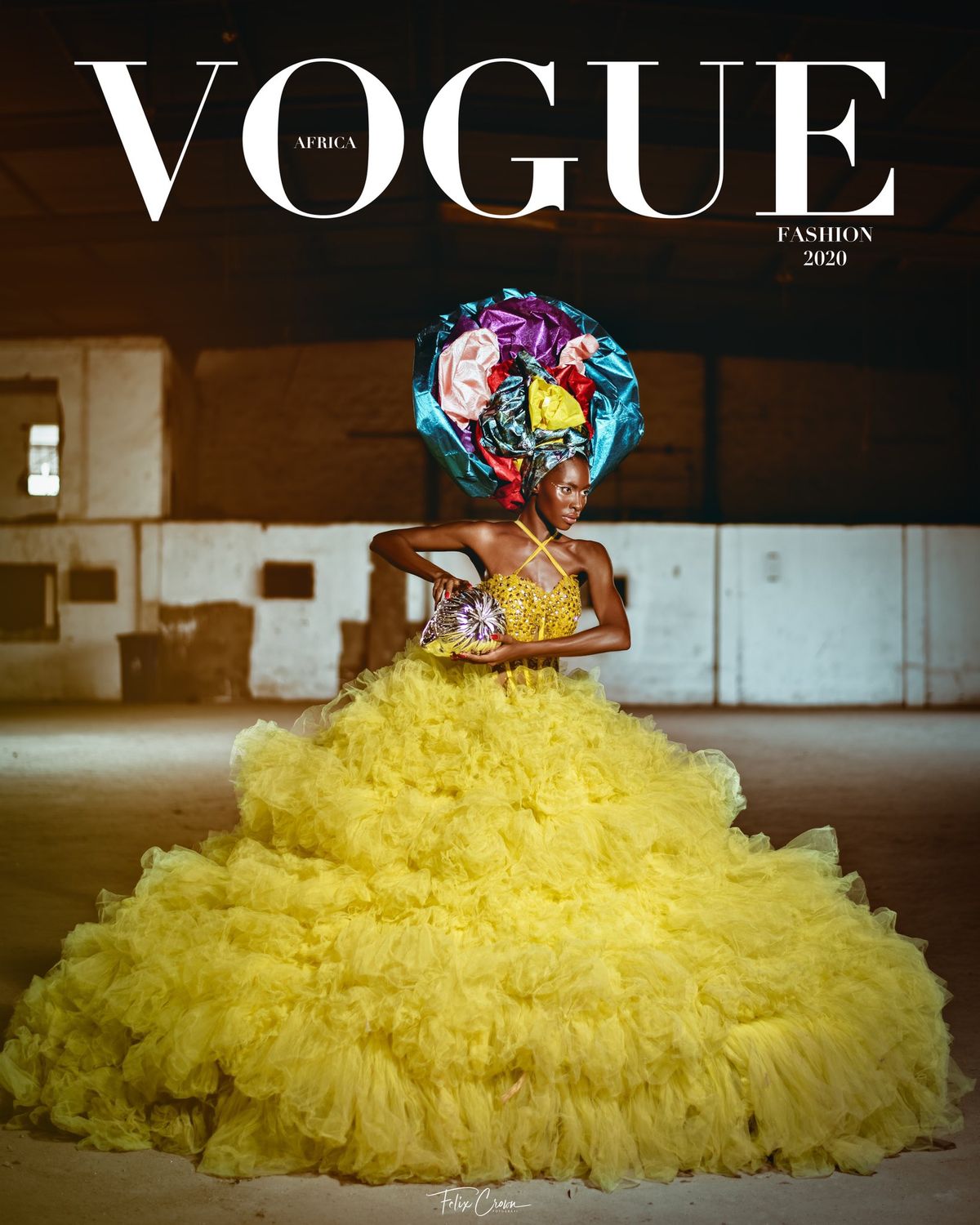
The publications that cover African fashion from inside are doing things Vogue’s coverage cannot do from outside. They can tell the difference between Bubu Ogisi’s IAMISIGO practice and a collection that deploys African aesthetic references without the knowledge system behind them, because their editors understand both in context. They can write about the Aso-Oke weaver crisis as an economic emergency rather than as a heritage story because they know the difference between documenting a craft tradition and hearing a craft community. They can cover Kenneth Ize not as a discovery but as a practitioner with a decade of documented commercial and creative development behind him, because they have been following that development rather than arriving at it after Paris validation.
This is not an argument that outside coverage has no value. External press coverage has historically opened international buyer relationships, press credibility, and institutional recognition that African designers needed. The Omiren Styles analysis of how Paris Fashion Week works for African designers confirmed that international press access is still structurally important for specific commercial objectives. The argument is that outside coverage is not a substitute for inside coverage, and that the fashion industry’s assumption that Vogue is the gold standard of fashion editorial means that the absence of an African edition, and the tourism writing register of the coverage that exists, has real consequences for which African designers reach international recognition and which do not.
A designer whose work is covered by an editor who understands its cultural context receives a different kind of press than one whose work is covered by an editor for whom the context is unfamiliar. The first coverage can explain the argument the work is making. The second coverage can only describe its surface. African designers whose work operates at significant cultural depth, IAMISIGO, Sindiso Khumalo, and Kenneth Ize, have repeatedly received coverage that describes what their collections look like without fully engaging with what they mean. That gap is the tourism-writing problem, stated at the level of individual editorial decisions rather than at the level of institutional structure.
The Omiren Argument
Vogue’s Africa coverage reads like tourism writing in 2026 because the institutional infrastructure that would allow it to read differently has not been built. A publication covering a market from outside, without an edition staffed by editors with internal cultural knowledge, without an advertising sales operation that understands the African luxury market’s dynamics, and without an editorial brief that positions African readers as the primary audience rather than as the secondary subject, will produce tourism writing regardless of how well-intentioned its individual journalists are. This is a structure problem, not a talent problem. The editors who have produced problematic coverage of Africa at Vogue are not incompetent. They are working from an institutional framework that positions Africa as a discovery territory rather than a fashion home.
The case for Vogue Africa has been made repeatedly and convincingly on the grounds of market, representation, and editorial quality. The decision not to launch is Condé Nast’s to explain. What the African fashion industry should stop doing is waiting for that explanation, or for a Vogue Africa launch, as validation. The publications doing the serious editorial work on African fashion are already doing it: Noir, BellaNaija Style, Thisday Style, Arise, and the growing ecosystem of Afrocentric digital fashion editorial that covers the continent’s creative output with the specificity and cultural intelligence required by continent-wide coverage. Omiren Styles is part of that ecosystem. The audience that knows what African fashion is building does not need Vogue’s framework to understand it. The audience that does not know is Vogue’s problem to solve, not Africa’s problem to wait for.
Frequently Asked Questions
Does Vogue have an African edition?
No. As of 2026, Condé Nast operates 29 international editions of Vogue covering the United States, United Kingdom, France, Italy, Germany, Spain, Australia, Japan, Korea, China, India, Arabia, Brazil, Mexico, Portugal, Poland, the Netherlands, the Czech Republic, Scandinavia, Hong Kong, Taiwan, Thailand, Singapore, Greece, Hungary, Romania, Ukraine, and Turkey. There is no edition for any African country despite repeated industry advocacy, most notably from Naomi Campbell, and a well-documented market case for an edition covering Nigeria, South Africa, or Kenya.
Why does Vogue’s Africa coverage read like tourism writing?
Tourism writing is produced when editorial infrastructure is built for an audience assumed to be external to the place being covered. Vogue’s Africa coverage is produced without an African edition, without editors based in African markets, and without an advertising sales operation structured around African luxury consumers. The result is coverage that describes African fashion for a reader assumed to be discovering it rather than living it, that positions African cities as emerging rather than established, and that covers African designers as discoveries after international validation rather than as practitioners with documented careers. The problem is institutional, not individual.
What has the criticism of Vogue’s Africa coverage focused on?
Two main lines of criticism have been documented. The first is visual: analyses including the Al Jazeera academic critique of British Vogue’s Africa coverage have identified the reproduction of primitivist visual tropes, correlating Black African identity with nature imagery and pre-modern aesthetics, even in coverage intended as celebratory. The second is structural: the absence of an African edition means that Africa-based editorial intelligence is not being built into the Vogue institutional framework, resulting in coverage that describes the surface of African fashion without engaging its cultural depth or commercial reality.
What African fashion publications are doing that Vogue is not?
Multiple publications are covering African fashion from inside the market with genuine editorial intelligence. Noir magazine, founded by Senegalese designer Sarah Diouf, produces polished black-and-white visual editorial with deep African fashion specificity. BellaNaija Style is the dominant Nigerian lifestyle and fashion platform. Thisday Style covers the Nigerian fashion industry with industry-insider knowledge. Arise magazine has been a runway platform and editorial vehicle for African fashion. The South African edition of Elle has been in operation since 1996. Digital platforms, including Afropop, Bubblegum Club in South Africa, and the growing ecosystem of Afrocentric fashion journalism, are collectively producing the coverage that the African fashion industry actually reads.
What would a genuine Vogue Africa edition need to look like?
A genuine Vogue Africa edition would require editorial direction staffed by African editors with deep market knowledge across the continent’s major fashion cities, not a single-country edition that reproduces the continent-as-monolith problem in a different format. It would need an advertising sales operation structured around African luxury brands and the continent’s high-net-worth individual market. It would need an editorial brief that positions African readers as the primary audience rather than as the subject being explained to an external reader. Without these conditions, a Vogue Africa launch would be a product branded for Africa while continuing to be produced with the editorial assumptions that generate tourism writing.
Explore More
Read the full Opinion & Commentary section for Omiren Styles’ positions on the institutional failures that shape how African fashion is seen, covered, and valued by the global industry.