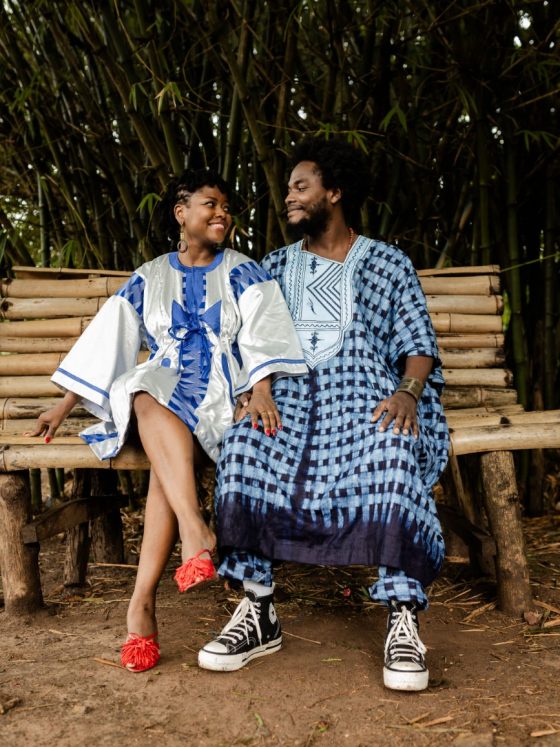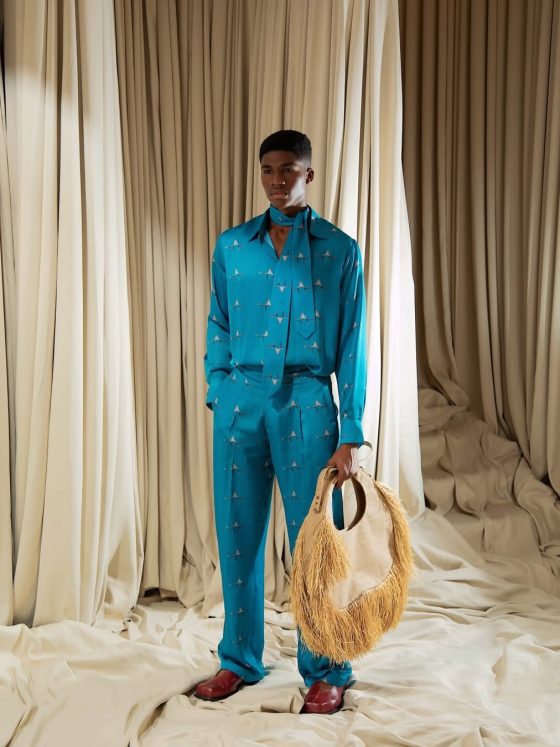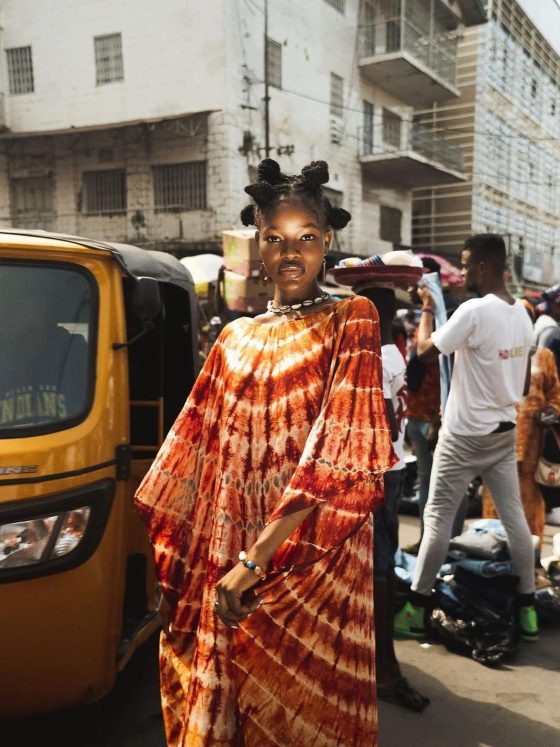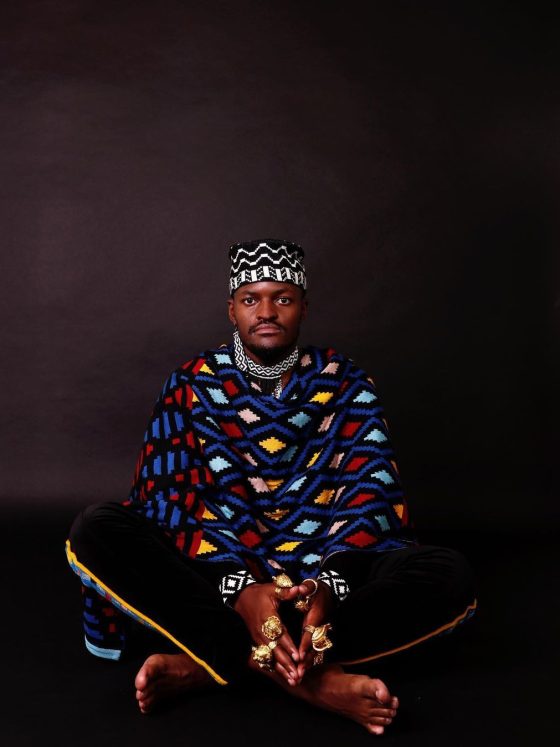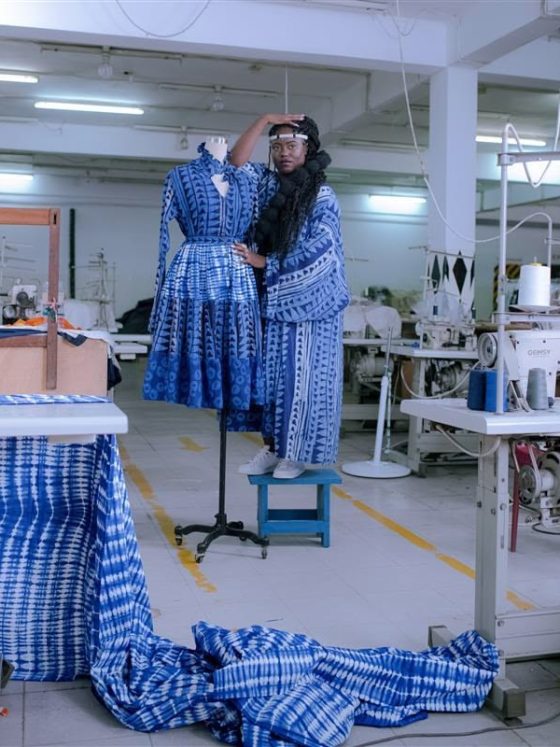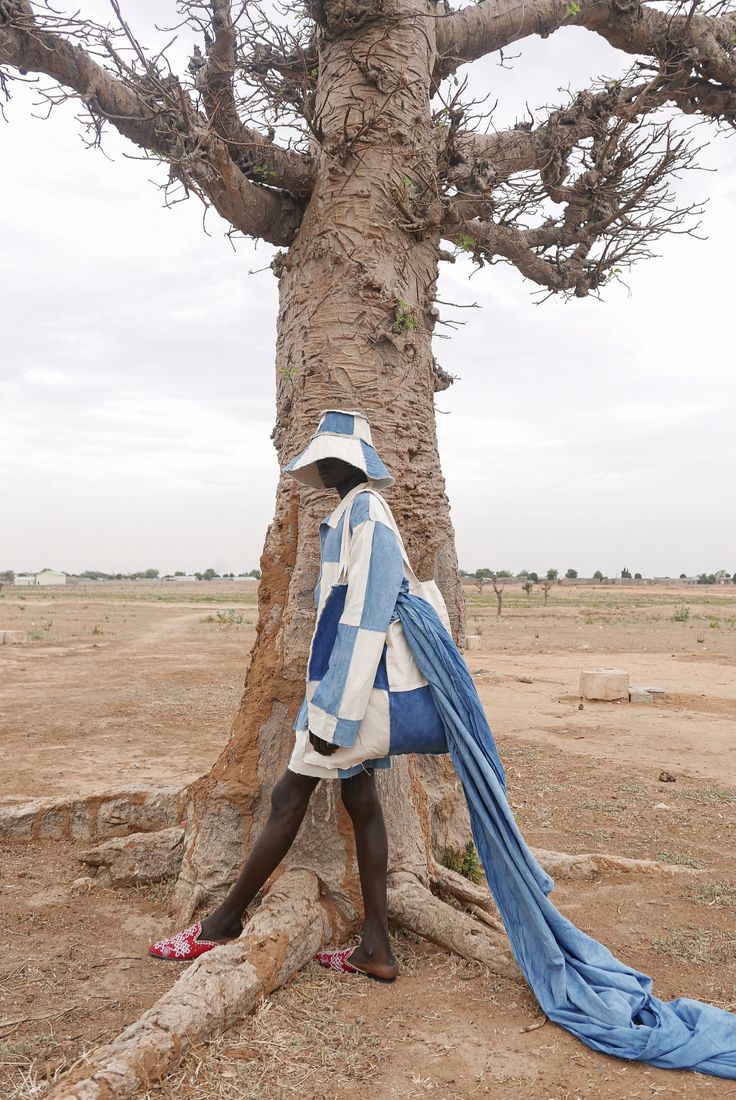
The SS26 collection from IAMISIGO, titled Dual Mandate and presented at Copenhagen Fashion Week in August 2025, took its name from a colonial doctrine that held opposing ideals simultaneously: exploitation and uplift, commerce and civilisation. Bubu Ogisi took that phrase, stripped it of its colonial register, and rebuilt it as a question about self-preservation. What does it mean to protect yourself and remain open? The garments that answered this question were built from unbleached cotton, recycled materials, jute, sisal, glass, and metal. They oscillated between the ceremonial and the surreal. They were designed, in Ogisi’s own words, not for spectacle but for energetic alignment. Vogue Scandinavia called IAMISIGO the breakout brand of the Copenhagen season. Elle said the same.
Bubu Ogisi founded IAMISIGO in 2013 as something that did not fit the available categories. Not a fashion label. Not a craft enterprise. Not a cultural institution. A wearable art practice based in Lagos, Nairobi, and Accra that treats the body as a living archive, uses ancestral textile knowledge as primary research material, and builds garments that carry meaning, as objects do in ceremony. Twelve years into that practice, IAMISIGO is a 2026 LVMH Prize semi-finalist, a Zalando Visionary Award winner, and a label whose work has been worn by Naomi Campbell and Julia Fox, shown at the Barbican in London, and presented on three continents. None of that success has been bought by making the work more accessible to Western audiences. It has been earned by making the work more itself.
Bubu Ogisi does not design for Western consumption. She designs from African memory outward. Here is why IAMISIGO is the most important fashion practice on the continent right now.
Bubu Ogisi and IAMISIGO: The Practice and What Drives It

Ogisi grew up watching her mother trade textiles. Road trips between Nigeria, Benin, and Togo with fabric in the back seat. Border crossings. Cloth moving between people, places, and meaning. In her own account of the brand’s origin, fabric was always a gift. It was part of the ceremony. That early understanding of cloth as a bearer of social and spiritual meaning, rather than as a commercial material, runs through every decision IAMISIGO makes. The brand’s name is an anagram of Ogisi. The reflexive construction is deliberate: a constant reinvention of the self, fashion as a bridge between heritage and future. Ogisi is a polyglot, fluent in Yoruba, Itsekiri, and Twi. She has described each language as a distinct conceptual framework for understanding existence and a different set of possibilities for what a garment can say.
The materials IAMISIGO works with are part of the argument. Ugandan cotton, raffia, and various natural fibres are transformed into original textiles. Recycled PVC alongside bark cloth processes. Cannabis fibres. Sheets of plastic. Bronze metal cut unevenly and strung into a gown. The collaboration with Victoria’s Secret that produced a bronze metal piece worn by Naomi Campbell at the brand’s 2023 comeback show was not a commercial accommodation. It was a demonstration that the material language IAMISIGO speaks can operate at the highest level of international fashion production without translating itself into a more familiar idiom.
The design process begins with materials, not silhouettes. Ogisi starts with what the cloth knows. What a particular fibre’s behaviour implies for the body that will wear it. What an ancestral technique’s logic suggests about the garment’s relationship to ceremony, protection, or memory. The practice she describes as mask-making is precise: a mask is not decoration. It is a technology for transformation, for crossing between the physical world and what lies beyond it. IAMISIGO’s garments are built with the same ambition.
The Slow Design Position and Why It Is a Strategic Argument
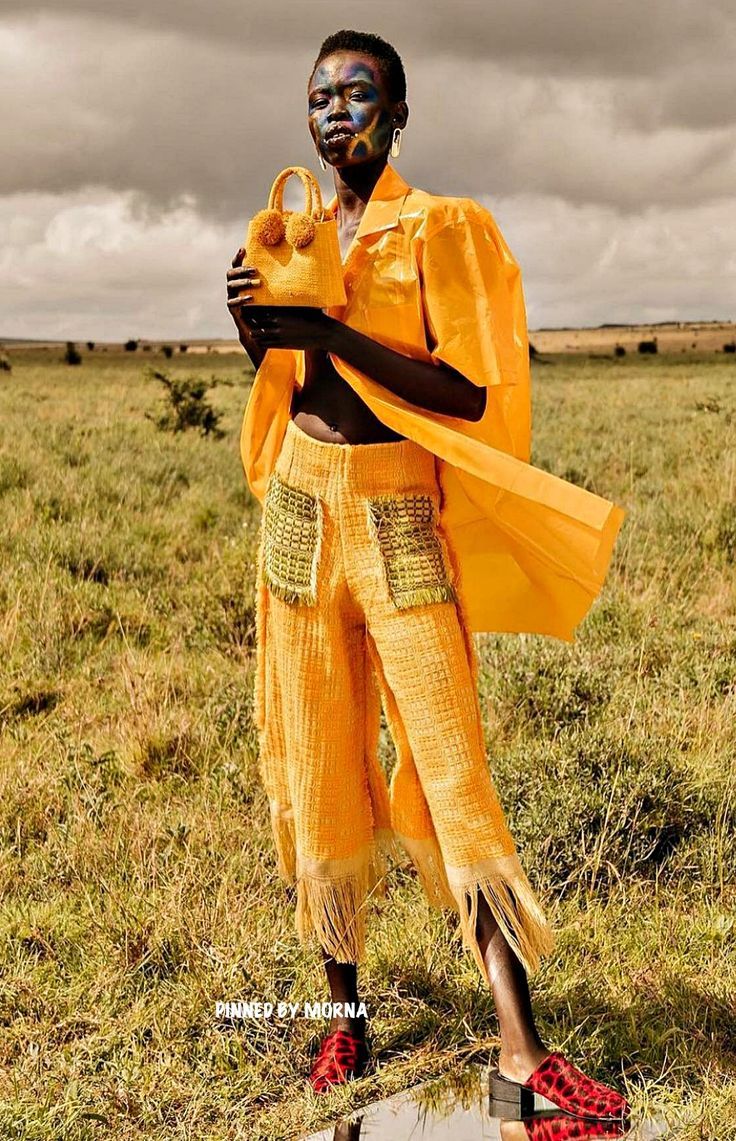
IAMISIGO describes itself as a slow design house. The term is specific. It means the production timeline is dictated by the work’s requirements, not by a seasonal calendar. It means collaboration with artisan communities across the continent happens at the pace of craft transmission, not at the pace of trend forecasting. It means that each piece is made by hand, using ancestral knowledge combined with experimental processes, which produces a garment that cannot be replicated at an industrial scale. This is the same structural competitive advantage that Omiren Styles argued for in its analysis of investment in African textile heritage: the knowledge system that produces the work is not transferable to industrial substitutes. The garment that IAMISIGO builds is not a design that can be copied. It is a practice that can only be continued.
Copenhagen Fashion Week provided the institutional validation point in August 2025. The Zalando Visionary Award, which came with grant funding and production support for the SS26 show, made IAMISIGO the first Nigerian designer to win the award and confirmed Copenhagen’s position as the international platform most aligned with the creative values IAMISIGO represents. Copenhagen’s sustainability positioning, its institutional commitment to circular and craft-based fashion, and its less saturated buyer environment relative to Paris made it the more strategically appropriate platform for IAMISIGO’s moment of maximum international visibility. The brand did not go to Paris and adjust its register. It went to Copenhagen and presented a show that Elle described as a ceremony of duality.
The February 2026 confirmation of IAMISIGO’s selection as one of twenty semi-finalists for the 2026 LVMH Prize placed the brand on the same stage as designers from Sweden, Japan, the United Kingdom, Iran, and Georgia. IAMISIGO was one of two African labels selected by Kenyan designer Anil Padia, alongside Yoshita 1967. The LVMH Prize selection confirms that the most rigorous institutional assessment process in global fashion has identified IAMISIGO’s practice as commercially viable at the prize’s level of scrutiny. That assessment was made on the work’s own terms, not on a modified version of it produced to meet a perceived Western expectation.
IAMISIGO does not explain African fashion to the West. It expects the West to learn the language. That is a fundamentally different creative position, and it is producing fundamentally different work.
What the Work Is Actually Doing
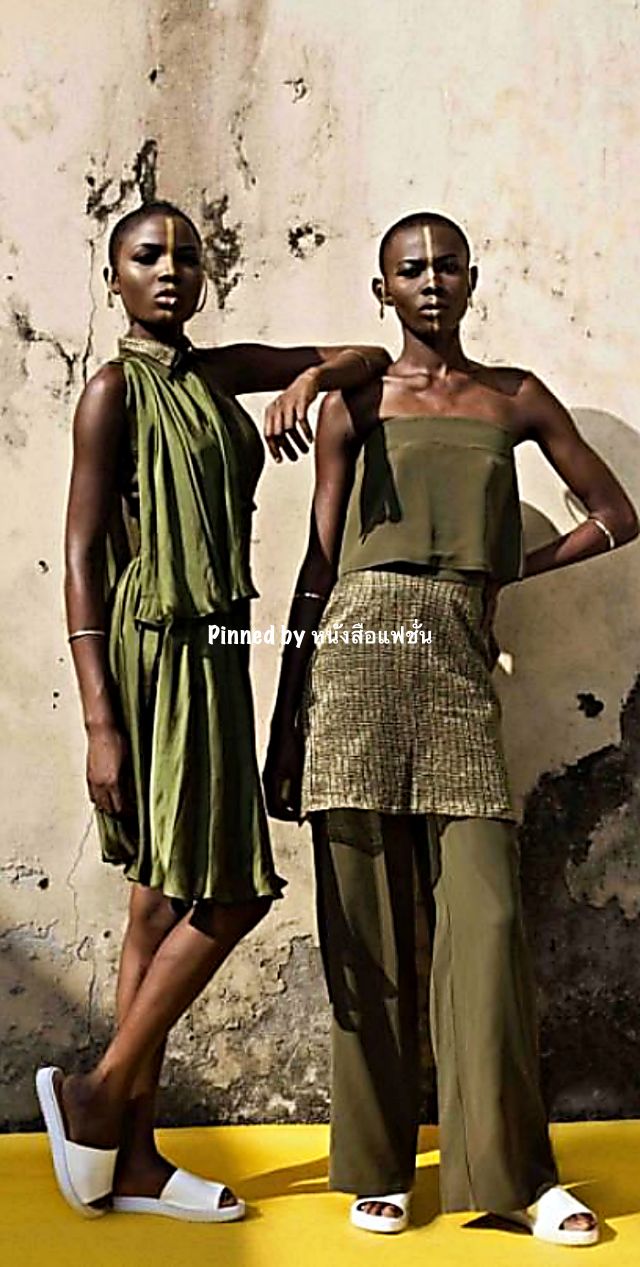
The SS26 collection Dual Mandate explored body, mind, spirit, and emotion as intertwined terrains. The SS24 collection, which preceded it at Lagos Fashion Week, explored the body’s relationship to history and to the invisible structures that organise social life. For ten years, IAMISIGO has been building what Ogisi describes as an exploration of how the body exists through dimensions: body, space, time, and soul. The four-dimensional framework she introduced with SS26 is not a marketing narrative. It is a design methodology. The body is the site of cultural transmission. The garment is the technology for that transmission. The collection is the argument about what transmission means at this particular historical moment.
The Barbican exhibition, Dirty Looks, at which IAMISIGO showed work in early 2026, placed the brand explicitly at the intersection of fashion and contemporary art. This is the institutional context to which the work belongs. As the brand’s own positioning documents, IAMISIGO treats the body as a living archive, merging fashion, craft, and sculpture to tell stories of movement, ancestry, and environment through hand-made pieces rooted in research and ancestral textile knowledge. The Barbican’s willingness to programme this work confirms that the contemporary art world’s institutions have recognised what the fashion industry is still learning: this is not emerging talent that needs to be guided toward legibility. It is a fully formed practice that requires the audience to develop the reading capacity the work demands.
Victoria’s Secret’s 2023 collaboration deserves attention on this point. Victoria’s Secret’s comeback show, which Ogisi described at the time as an exploration of different possibilities with materials the brand had worked with over the years, chose IAMISIGO for the same reason Copenhagen and the LVMH Prize did: the work is visually and conceptually extraordinary on its own terms. The bronze metal gown worn by Naomi Campbell was not a moment of IAMISIGO accommodating itself to a commercial brief. It was a moment of a commercial brief accommodating itself to IAMISIGO’s material language.
Also Read:
- Investing in Textile Heritage: The Business Case for Preserving What Western Fast Fashion Cannot Copy
- What African Fashion Brands Get Wrong About Scaling — and the Three That Got It Right
- The Real Cost of Showing at Paris Fashion Week for an African Designer
- Kigali’s Quiet Dress Revolution: How Rwanda’s Capital Built a Fashion Identity Without Noise
Why the Refusal to Explain Is the Point
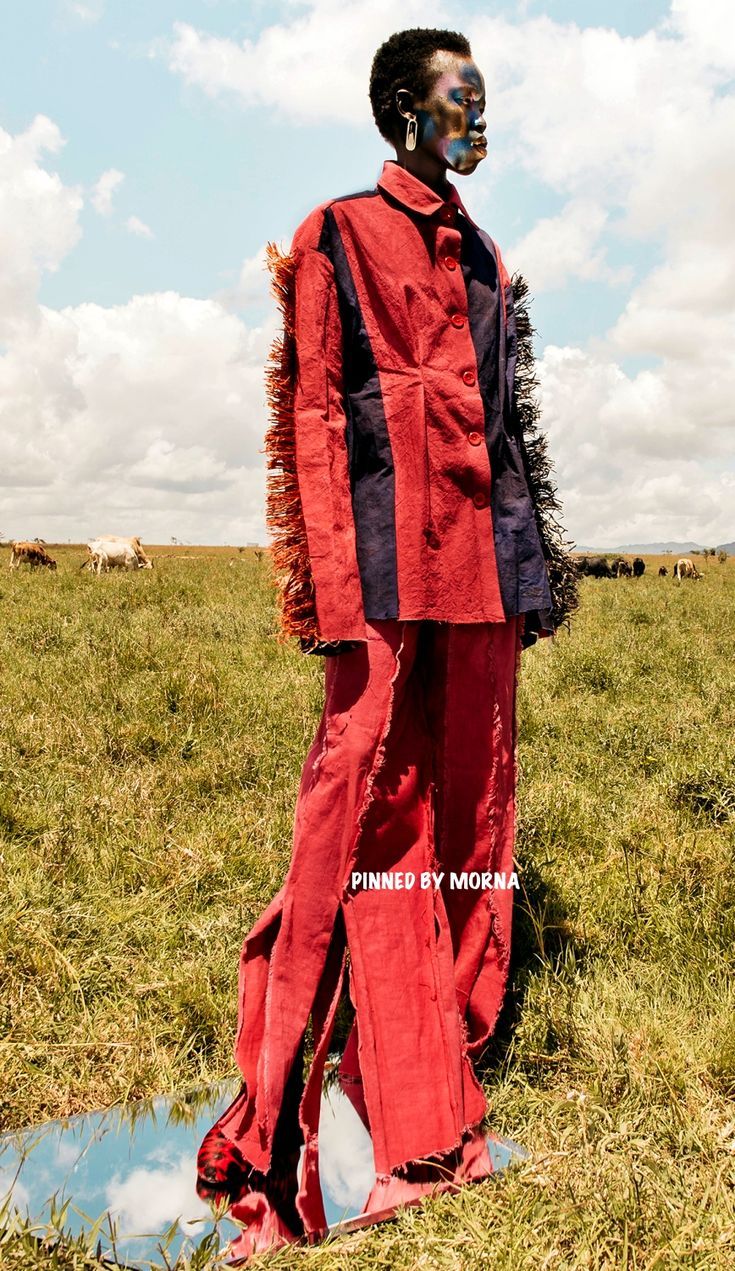
There is a consistent pressure on African designers showing internationally to explain their cultural references. To provide glossaries. To frame ancestral knowledge in terms that make it accessible to audiences without that knowledge. This pressure comes from a reasonable place: editors, buyers, and critics cannot cover what they do not understand. But it produces a consistent distortion: African fashion that reaches international audiences has often been pre-filtered for Western legibility, which means the most conceptually specific work is the work least likely to reach international press on its own terms.
IAMISIGO has not submitted to this filtering. The SS26 press release discussed colonial doctrine, metaphysical dimensions, and ancestral pedagogies without oversimplifying them for audiences unfamiliar with these concepts. Ogisi described the Copenhagen show to Vogue Scandinavia as being about energetic alignment, not about spectacle. The work asks the audience to meet it where it is. This is a creative position with commercial consequences: it limits the audience to those willing to engage on the work’s terms. It also builds a depth of audience loyalty that surface-legible work does not. The people who understand IAMISIGO understand it fully. They do not consume it. They inhabit it.
The Omiren Argument
The fashion industry’s standard for what African design needs to do to succeed internationally is built on the assumption that legibility to Western audiences is a prerequisite for commercial viability. IAMISIGO is a systematic refutation of that assumption. The brand has achieved LVMH Prize semi-finalist status, a Zalando Visionary Award, a Barbican exhibition, and a Victoria’s Secret collaboration without simplifying its conceptual framework, moderating its material experimentation, or providing the kind of accessible cultural translation that the industry typically demands from African designers seeking international reach. The work operates on its own terms, in its own language, at its own pace. The international recognition has come to it.
Omiren Styles’ argument is not that IAMISIGO’s approach is the only valid path for African designers pursuing international visibility. It is that IAMISIGO’s success demonstrates that the Western legibility requirement is a preference, not a structural necessity. African designers who have the institutional support, the craft infrastructure, and the creative conviction to operate without that translation layer are not limiting their market. They are defining a different market: one that does not require African fashion to be less itself to be valued. That market exists, it is growing, and IAMISIGO has been building inside it for twelve years with precise intent.
Frequently Asked Questions
Who is Bubu Ogisi, and what is IAMISIGO?
Bubu Ogisi is a Nigerian designer and the founder and creative director of IAMISIGO, a contemporary wearable art practice established in 2013. The brand is based in Lagos, Nairobi, and Accra. It operates as a slow-design house that preserves African intangible cultural heritage through handmade garments crafted from ancestral textile knowledge, experimental processes, and unconventional materials. IAMISIGO treats the body as a living archive and the garment as a technology for transmitting cultural memory. Ogisi is fluent in Yoruba, Itsekiri, and Twi.
What awards has IAMISIGO won, and what are its major achievements?
IAMISIGO won the Zalando Visionary Award at Copenhagen Fashion Week in 2025, making Bubu Ogisi the first Nigerian designer to receive the award. The prize provided grant funding and production support for the SS26 collection, Dual Mandate. In February 2026, IAMISIGO was selected as a semi-finalist for the 2026 LVMH Prize, one of twenty designers selected from an international field, and one of two African labels alongside Yoshita 1967. The brand has also shown at the Barbican’s Dirty Looks exhibition in London, collaborated with Victoria’s Secret for the brand’s 2023 comeback show, producing a bronze metal gown worn by Naomi Campbell, and has been covered by Vogue Scandinavia, Elle, and Dazed.
What does IAMISIGO’s SS26 collection Dual Mandate explore?
Dual Mandate takes its name from a colonial doctrine that held opposing ideals simultaneously: exploitation and uplift, commerce and civilisation. Bubu Ogisi reclaimed the phrase and rebuilt it as a question about self-preservation and protection. The collection explores body, mind, spirit, and emotion as intertwined terrains, treating each garment as an instrument to ground, tune, and expand the wearer’s relationship with these dimensions. Materials used include unbleached cotton, recycled materials, jute, sisal, glass, and metal. The collection was presented at Copenhagen Fashion Week on 6 August 2025 and was described by Elle as the breakout brand of the season.
Why does IAMISIGO describe itself as a slow design house?
Slow design for IAMISIGO means the production timeline is determined by the work’s requirements rather than by a seasonal commercial calendar. Each piece is made by hand in collaboration with artisan communities across the continent, using ancestral techniques combined with experimental processes. This means production cannot be accelerated through industrial substitution without ceasing to be what IAMISIGO produces. The slow design position is a strategic commitment to craft as the primary value driver, which creates garments that cannot be replicated at scale. It also means the brand builds to its own schedule rather than to the industry’s, which is itself a creative and commercial position.
How does IAMISIGO’s approach differ from how African fashion is typically presented to international audiences?
Most African fashion that reaches international audiences has been pre-filtered for Western legibility: cultural references explained, ancestral knowledge translated into accessible frameworks, and conceptual complexity moderated to meet assumed audience limitations. IAMISIGO operates without this filtering. The SS26 press materials discussed colonial doctrine, metaphysical dimensions, and ancestral pedagogies without simplification. Copenhagen Fashion Week’s institutional framework, which is built around sustainability and craft values, provided an audience already equipped to engage with work on those terms. IAMISIGO’s refusal to explain itself is not a communication failure. It is a creative position that expects the audience to develop the reading capacity the work requires.
Explore More
Read the full Designers archive at omirenstyles.com/category/designers/ for profiles of the designers shaping African fashion from the inside, on their own terms, at the level of their work.