Menu
  • AFRICA
    • African Fashion
    • African Designers
    • Textiles & Craft
    • Heritage Clothing
    • Made in Africa
    • Regional Style
  • DIASPORA
    • Diaspora Voices
    • Diaspora Connects
    • UK Scene
    • US Scene
    • Caribbean Diaspora
    • Afro-Latino Identity
    • Migration & Identity
  • CULTURE
    • Style & Identity
    • Ceremony & Ritual
    • Art & Music
    • Cultural Inspirations
    • Black Culture
    • Heritage Stories
  • FASHION
    • Trends
    • Street Style
    • Runway
    • Sustainable Fashion
    • Tailoring
    • Luxury Fashion
  • INDUSTRY
    • Editorial Intelligence
    • Market Trends
    • Brand Strategy
    • Retail & Commerce
    • Partnerships
    • Reports
    • Insights
    • Omiren Style Index
  • BEAUTY
    • Skincare
    • Makeup
    • Hair & Hairstyle
    • Fragrance
    • Beauty Traditions
    • Natural Beauty
  • MEN
    • Men’s Style
    • Grooming Traditions
    • Traditional & Heritage
    • The Modern African Man
    • Menswear Designers
  • WOMEN
    • Women’s Style
    • Evening Glam
    • Workwear & Professional
    • Streetwear for Women
    • Accessories & Bags
    • Bridal
  • NEWS
    • Cover Stories
    • Fashion Weeks
    • Opinion & Commentary
    • Style Icons
    • Rising Stars
  • DIRECTORY
    • Designers
    • Brands
    • Boutiques
    • Stylists
    • Models
    • Photographers
    • Creative Teams
    • Events
    • Production
    • Materials & Suppliers
Subscribe
OMIREN STYLES OMIREN STYLES

Fashion · Culture · Identity

OMIREN STYLES OMIREN STYLES OMIREN STYLES OMIREN STYLES
  • AFRICA
    • African Fashion
    • African Designers
    • Textiles & Craft
    • Heritage Clothing
    • Made in Africa
    • Regional Style
  • DIASPORA
    • Diaspora Voices
    • Diaspora Connects
    • UK Scene
    • US Scene
    • Caribbean Diaspora
    • Afro-Latino Identity
    • Migration & Identity
  • CULTURE
    • Style & Identity
    • Ceremony & Ritual
    • Art & Music
    • Cultural Inspirations
    • Black Culture
    • Heritage Stories
  • FASHION
    • Trends
    • Street Style
    • Runway
    • Sustainable Fashion
    • Tailoring
    • Luxury Fashion
  • INDUSTRY
    • Editorial Intelligence
    • Market Trends
    • Brand Strategy
    • Retail & Commerce
    • Partnerships
    • Reports
    • Insights
    • Omiren Style Index
  • BEAUTY
    • Skincare
    • Makeup
    • Hair & Hairstyle
    • Fragrance
    • Beauty Traditions
    • Natural Beauty
  • MEN
    • Men’s Style
    • Grooming Traditions
    • Traditional & Heritage
    • The Modern African Man
    • Menswear Designers
  • WOMEN
    • Women’s Style
    • Evening Glam
    • Workwear & Professional
    • Streetwear for Women
    • Accessories & Bags
    • Bridal
  • NEWS
    • Cover Stories
    • Fashion Weeks
    • Opinion & Commentary
    • Style Icons
    • Rising Stars
  • DIRECTORY
    • Designers
    • Brands
    • Boutiques
    • Stylists
    • Models
    • Photographers
    • Creative Teams
    • Events
    • Production
    • Materials & Suppliers
  • Trends

Viral Nostalgia in 2026: Why 2016 Aesthetics Have Come to Define Social Media

  • Heritage Oni
  • January 28, 2026
Why 2016 Resonates Across Borders and Identities

In early 2026, scrolling through TikTok or Instagram feels like flipping through an old photo album from 2016. Vintage pink filters, throwback music, faded Polaroid vibes, and captions like “2026 is the new 2016” aren’t just remnants of the past. These elements are a vibrant cultural pulse that permeates feeds globally. This is not about recycled trends for their own sake. The present moment is a social moment where memory, identity, and digital culture converge. People aren’t merely sampling the aesthetics of 2016; they are opening a portal to a time that feels more human, more sincere, and more connected in a digital age increasingly defined by algorithms and polished perfection.

Why is this happening now? Who is it speaking to? And what does nostalgia as a global cultural language tell us about collective experience in a fragmented world?

From sentiment to identity, explore why 2016 aesthetics dominate social media in 2026 and what this cultural revival reveals about community, memory, and digital life.

The Pull of Memory in a Fast-Moving Digital Age

Viral Nostalgia in 2026: Why 2016 Aesthetics Have Come to Define Social Media

Nostalgia is more than retro visuals. It serves as a psychological compass, guiding individuals towards emotional stability. In a cultural moment marked by rapid change, political uncertainty, and digital overload, people yearn for a simpler emotional register. For many Gen Z and older millennials, 2016 was a period when social media felt less stratified by performance metrics and more like communal storytelling — raw photos, authentic captions, and spontaneous challenges that bonded peers rather than broadcast perfection. That emotional memory fuels an impulse to revisit the aesthetics that accompanied meaningful social experiences.

Nostalgia functions as a psychological balm. When the future feels overwhelming, collective memory can offer comfort and continuity. The texture of 2016 aesthetics — incorrect filters, candid snapshots, and familiar music — evokes a period before AI-driven feeds and precision-engineered engagement became the norm. In that sense, the resurgence is not just retro for its own sake but a human response to the emotional climate of digital life in 2026.

Digital Culture Cycles: The Ten-Year Rule


Cultural analysts have long observed cyclical patterns in which styles and motifs return roughly every decade. By 2026, 2016 sits at the cusp of an era that feels distant enough to be nostalgic but close enough to be culturally resonant. This timing matters because nostalgia is not just about age; it’s about formative experience. For many people now in their early twenties, 2016 aligns with high school, early adulthood, and moments of social formation. Those memories are now ripe for revisitation, and social media becomes the canvas for communal reminiscence.

It is also worth noting that digital nostalgia differs from how nostalgia functioned in the pre-Internet era. Online, the architecture of platforms accelerates the formation and revival of collective memory. A trend on TikTok can resurface global aesthetics within days, inviting millions into a shared cultural frame. In other words, social platforms are not just channels for nostalgia; they shape it.

READ ALSO:

  • Why Beauty Secrets Are Cultural Knowledge, Not Just Routines
  • Bridgerton 2026: When Global Fantasy Meets African Fashion
  • The Quiet Power of Digital Minimalism in Fashion | OMIREN STYLES

Why 2016 Resonates Across Borders and Identities
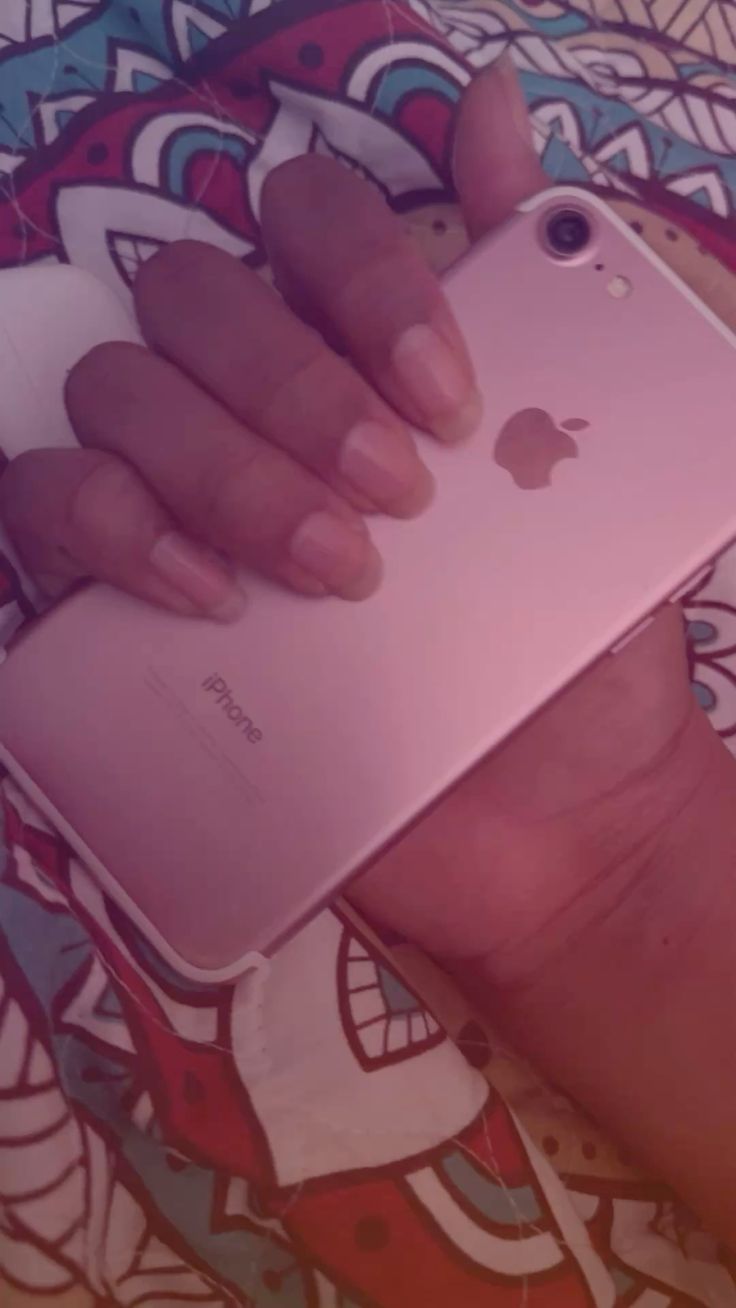
Why 2016 Resonates Across Borders and Identities

While the trend might originate on Western-centric platforms, its resonance is global. People in Lagos, London, Accra, Johannesburg, and New York share feeds shaped by similar algorithms and cultural touchpoints. The appeal of 2016 aesthetics transcends regional boundaries because it taps into universal experiences — belonging, youth, memory, and creativity. It invites people to reimagine their personal histories as part of a collective digital narrative.

This revival also intersects with other cultural currents: a renewed interest in wellness, authenticity, and sustainable expression of identity. Nostalgic aesthetics feel tactile and personal in contrast to hyper-produced feeds, creating space for storytelling that prioritises lived experience over polished performance. Used thoughtfully, these visual languages can illuminate how people see themselves and each other—beyond transactions and consumer cues.

Fashion, Sound, and Social Memory
Fashion, Sound, and Social Memory

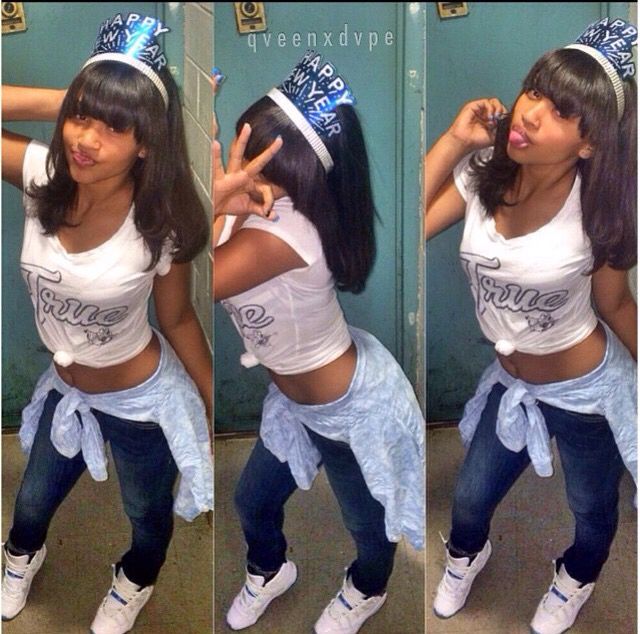
Fashion and music are central vectors for nostalgia because they are vehicles of lived experience. Skinny jeans, chokers, neon palettes, and era-specific soundtracks do more than reference design tropes. They recall social scenes, shared moments, and collective playlists that defined a period of cultural energy. In 2026, old songs go viral again, not because they are new, but because they serve as anchors for memories that feel social and shared rather than solitary.

This shift matters because it reframes material culture as a repository of memory rather than an inventory of commodities. Clothing and soundtracks become signifiers of moments lived, moods felt, and communities formed, elements of human experience that outlive their initial context.

Conclusion

The rise of 2016 aesthetics in 2026 is not a superficial fad. It reflects how people negotiate identity, memory, and meaning in an age of digital acceleration. Nostalgia becomes a language through which individuals and communities narrate themselves across borders and platforms. It is at once a psychological solace, a cultural revival, and a social commentary. When we scroll through retro filters or hear an old soundtrack go viral, we are participating in a global conversation about who we were, who we are, and how we want to remember ourselves.

This moment matters because it pushes against commodified feeds and invites a collective reengagement with human narratives. It reminds us that culture is not just about what is new but what connects us to shared experience and that in a world driven by algorithms, our memories remain distinctly, irrevocably human.

5 FAQs

  1. Why did 2016 aesthetics become popular again in 2026?

They reemerged due to a collective desire for familiarity, emotional grounding, and simpler digital experiences that contrast with today’s algorithm-driven feeds.

  1. Who is most influenced by this nostalgic wave?

Primarily Gen Z and older millennials, whose formative social experiences align with the mid-2010s, find the trend most resonant.

  1. Does this trend reflect only fashion and visuals?

No. It includes music, soundtracks, modes of expression, and shared memory that shape digital identity and social storytelling.

  1. Is nostalgia as a cultural force global?

Yes. The trend spreads across continents through social platforms that facilitate shared cultural memory beyond regional boundaries.

  1. What does this tell us about digital culture in 2026?

It shows that people seek authenticity and connection in digital life, using nostalgia to build narrative community rather than just consume content.

Post Views: 2,220

The OmirenStyles newsletter covers traditional fashion, diaspora style, and the cultural stories behind African dress. It’s sent directly to readers who care about this space as much as we do. You can subscribe here https://mailchi.mp/2fc1ddd747d6/omirenstyles-newsletter


Related Topics
  • Digital Nostalgia Culture
  • Social Media Aesthetics
  • Trend Cycles
Avatar photo
Heritage Oni

theheritageoni@gmail.com

You May Also Like
Nollywood's Costume Department Is the Most Underreported Fashion Influence on How Nigerians Dress
View Post
  • Trends

Nollywood’s Costume Department Is the Most Underreported Fashion Influence on How Nigerians Dress

  • Rex Clarke
  • May 26, 2026
The Visual Language of Amapiano: How South Africa's Biggest Sound Built a Fashion Aesthetic From the Ground Up
View Post
  • Trends

The Visual Language of Amapiano: How South Africa’s Biggest Sound Built a Fashion Aesthetic From the Ground Up

  • Rex Clarke
  • May 26, 2026
Congolese Rumba and La Sape: The Music That Dressed a Movement
View Post
  • Trends

Congolese Rumba and La Sape: The Music That Dressed a Movement

  • Adams Moses
  • May 26, 2026
Why Afrobeats Music Videos Are Now the Most Influential Fashion Editorials in Africa
View Post
  • Trends

Why Afrobeats Music Videos Are Now the Most Influential Fashion Editorials in Africa

  • Adams Moses
  • May 25, 2026
View Post
  • Trends

From Lagos to London: How the Diaspora Is Styling Adire for the Modern City

  • Rex Clarke
  • April 22, 2026
East African Kikoi: The Coastal Fabric Making Waves in International Fashion
View Post
  • Trends

East African Kikoi: The Coastal Fabric Making Waves in International Fashion

  • Philip Sifon
  • April 9, 2026
Cultural Trends vs Tradition: Why Global Fashion Is Rooted in Continuity
View Post
  • Trends

Cultural Trends vs Tradition: Why Global Fashion Is Rooted in Continuity

  • Ayomidoyin Olufemi
  • March 25, 2026
View Post
  • Trends

Top 5 Ankara Styles for Nupe Women in 2026

  • Rex Clarke
  • March 25, 2026

Leave a Reply Cancel reply

Your email address will not be published. Required fields are marked *

The Omiren Argument

African fashion and culture are not emerging. They are foundational. We document, interpret, and argue for the full cultural weight of African and diaspora dress. With precision. Without apology.

Omiren Styles Fashion · Culture · Identity

All 54 African Nations
Caribbean · Afro-Latin America
The Global Diaspora

Platform

  • About Omiren Styles
  • Our Vision
  • Our Mission
  • Editorial Pillars
  • Editorial Policy
  • The Omiren Collective
  • Campus Style Initiative
  • Sustainable Style
  • Social Impact & Advocacy
  • Investor Relations

Contribute

  • Write for Omiren Styles
  • Submit Creative Work
  • Join the Omiren Collective
  • Campus Initiative
Contact
contact@omirenstyles.com
Our Reach

Africa — All 54 Nations
Caribbean
Afro-Latin America
Global Diaspora

African fashion intelligence, in your inbox.

Editorial features, designer profiles, cultural commentary. No noise.

© 2026 Omiren Styles — Rex Clarke Global Ventures Limited. All rights reserved.
  • Privacy Policy
  • Editorial Policy
  • Terms of Use
  • Accessibility
Africa · Caribbean · Diaspora
The Omiren Argument

African fashion and culture are not emerging. They are foundational. We document, interpret, and argue for the full cultural weight of African and diaspora dress. With precision. Without apology.

Omiren Styles Fashion · Culture · Identity
  • About Omiren Styles
  • Our Vision
  • Our Mission
  • Editorial Pillars
  • Editorial Policy
  • The Omiren Collective
  • Campus Style Initiative
  • Sustainable Style
  • Social Impact & Advocacy
  • Investor Relations
  • Write for Omiren Styles
  • Submit Creative Work
  • Join the Omiren Collective
  • Campus Initiative
Contact contact@omirenstyles.com

All 54 African Nations · Caribbean
Afro-Latin America · Global Diaspora

African fashion intelligence, in your inbox.

Editorial features, designer profiles, cultural commentary. No noise.

© 2026 Omiren Styles
Rex Clarke Global Ventures Limited.
All rights reserved.

  • Privacy Policy
  • Editorial Policy
  • Terms of Use
  • Accessibility
Africa · Caribbean · Diaspora

Input your search keywords and press Enter.

Newsletter Subscribe

Join Our Community

Get exclusive access to new collections, special offers, and style inspiration.