Menu
  • AFRICA
    • African Fashion
    • African Designers
    • Textiles & Craft
    • Heritage Clothing
    • Made in Africa
    • Regional Style
  • DIASPORA
    • Diaspora Voices
    • Diaspora Connects
    • UK Scene
    • US Scene
    • Caribbean Diaspora
    • Afro-Latino Identity
    • Migration & Identity
  • CULTURE
    • Style & Identity
    • Ceremony & Ritual
    • Art & Music
    • Cultural Inspirations
    • Black Culture
    • Heritage Stories
  • FASHION
    • Trends
    • Street Style
    • Runway
    • Sustainable Fashion
    • Tailoring
    • Luxury Fashion
  • INDUSTRY
    • Editorial Intelligence
    • Market Trends
    • Brand Strategy
    • Retail & Commerce
    • Partnerships
    • Reports
    • Insights
    • Omiren Style Index
  • BEAUTY
    • Skincare
    • Makeup
    • Hair & Hairstyle
    • Fragrance
    • Beauty Traditions
    • Natural Beauty
  • MEN
    • Men’s Style
    • Grooming Traditions
    • Traditional & Heritage
    • The Modern African Man
    • Menswear Designers
  • WOMEN
    • Women’s Style
    • Evening Glam
    • Workwear & Professional
    • Streetwear for Women
    • Accessories & Bags
    • Bridal
  • NEWS
    • Cover Stories
    • Fashion Weeks
    • Opinion & Commentary
    • Style Icons
    • Rising Stars
  • DIRECTORY
    • Designers
    • Brands
    • Boutiques
    • Stylists
    • Models
    • Photographers
    • Creative Teams
    • Events
    • Production
    • Materials & Suppliers
Subscribe
OMIREN STYLES OMIREN STYLES

Fashion · Culture · Identity

OMIREN STYLES OMIREN STYLES OMIREN STYLES OMIREN STYLES
  • AFRICA
    • African Fashion
    • African Designers
    • Textiles & Craft
    • Heritage Clothing
    • Made in Africa
    • Regional Style
  • DIASPORA
    • Diaspora Voices
    • Diaspora Connects
    • UK Scene
    • US Scene
    • Caribbean Diaspora
    • Afro-Latino Identity
    • Migration & Identity
  • CULTURE
    • Style & Identity
    • Ceremony & Ritual
    • Art & Music
    • Cultural Inspirations
    • Black Culture
    • Heritage Stories
  • FASHION
    • Trends
    • Street Style
    • Runway
    • Sustainable Fashion
    • Tailoring
    • Luxury Fashion
  • INDUSTRY
    • Editorial Intelligence
    • Market Trends
    • Brand Strategy
    • Retail & Commerce
    • Partnerships
    • Reports
    • Insights
    • Omiren Style Index
  • BEAUTY
    • Skincare
    • Makeup
    • Hair & Hairstyle
    • Fragrance
    • Beauty Traditions
    • Natural Beauty
  • MEN
    • Men’s Style
    • Grooming Traditions
    • Traditional & Heritage
    • The Modern African Man
    • Menswear Designers
  • WOMEN
    • Women’s Style
    • Evening Glam
    • Workwear & Professional
    • Streetwear for Women
    • Accessories & Bags
    • Bridal
  • NEWS
    • Cover Stories
    • Fashion Weeks
    • Opinion & Commentary
    • Style Icons
    • Rising Stars
  • DIRECTORY
    • Designers
    • Brands
    • Boutiques
    • Stylists
    • Models
    • Photographers
    • Creative Teams
    • Events
    • Production
    • Materials & Suppliers
  • Beauty Traditions

Why Beauty Secrets Are Cultural Knowledge, Not Just Routines

  • Heritage Oni
  • January 26, 2026
Why Beauty Secrets Are Cultural Knowledge, Not Just Routines

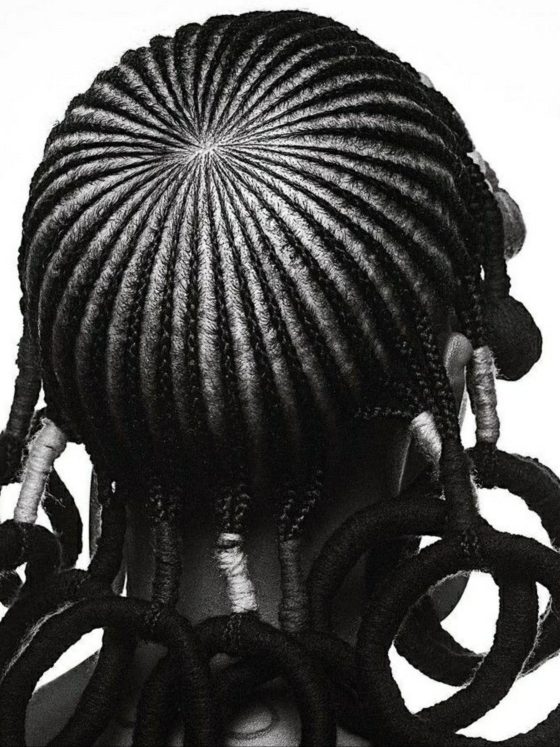
Beauty has never been just about looking good. Long before beauty aisles, influencer edits, or trend cycles, people were already mixing oils, grinding roots, braiding hair, painting skin, and passing down instructions quietly across generations. These practices were not framed as “tips.” They were knowledgeable.

What we now call beauty secrets began as cultural intelligence, lived systems shaped by environment, belief, gender roles, power, and survival. They told people who they were, where they came from, and how to live safely. To understand beauty only as aesthetics is to miss its deeper role as a cultural record.

This is why beauty secrets matter. They are not trivia. They are memory.

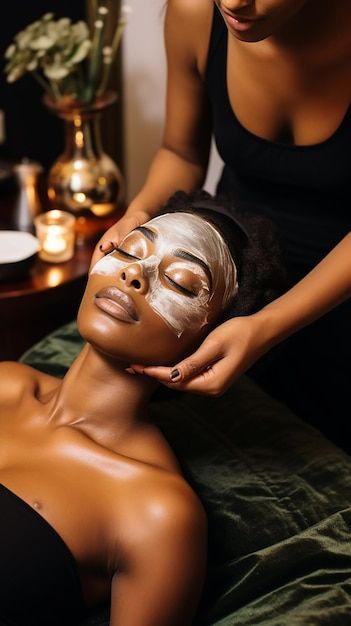
Beauty rituals carry memory and meaning—from ancestral practices to modern self-care—revealing how cultures shape identity, survival, and belonging.

Beauty as Cultural Language
Beauty as Cultural Language

Every culture encodes meaning for the body. Hair, skin, scent, adornment, and grooming are ways societies communicate values without words. Whether it is the choice to cover, decorate, stretch, lighten, protect, or expose the body, beauty practices often answer unspoken questions: Who belongs here? Who is respected? Who is visible?

In many societies, beauty rituals function like social grammar. They teach restraint, discipline, care, or strength. A hairstyle can signal marital status. A scent can suggest spiritual readiness. A skincare ritual can reflect beliefs about purity, balance, or harmony with nature. Beauty, in this sense, becomes a shared language shaped by collective experience.

Knowledge Passed, Not Invented

Actual beauty knowledge is usually communal. It is inherited. Most traditional practices are taught through observation and repetition, often by women, elders, or specialists within a community. There are no manuals. The body becomes the archive.

This form of transmission matters. It means beauty secrets carry context,  when to apply something, why it works, who it is for, and when it should stop. That nuance is often lost when practices are extracted and repackaged for mass consumption. What remains is the product, stripped of the story that made it meaningful.

Environment Shapes the Body
Environment Shapes the Body

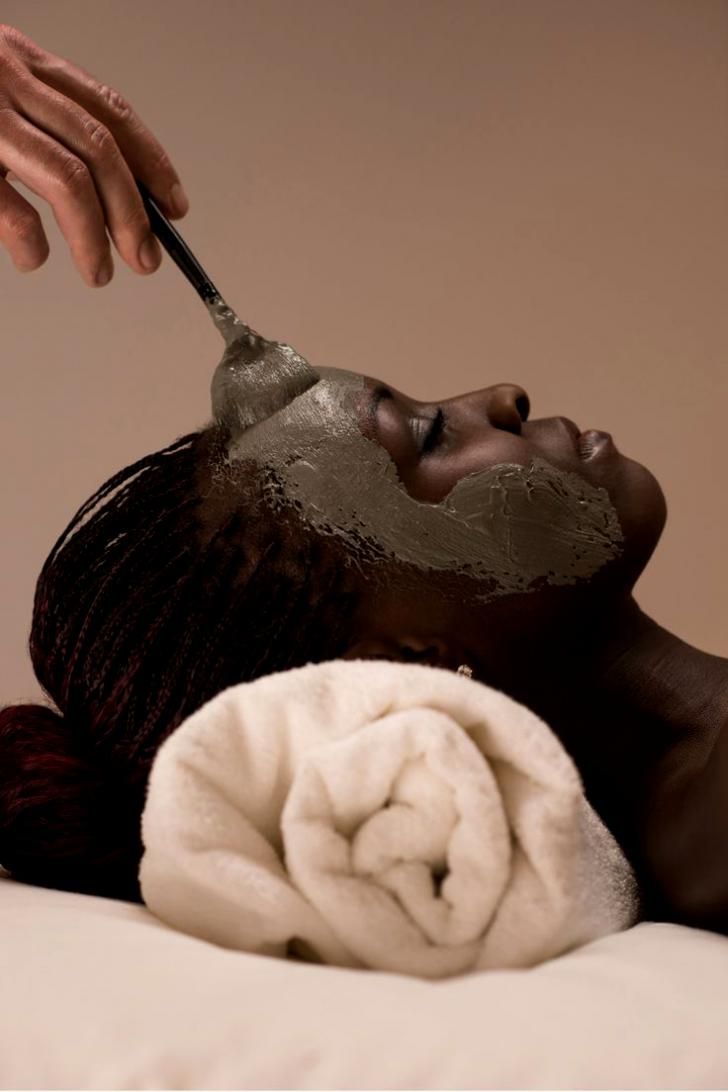
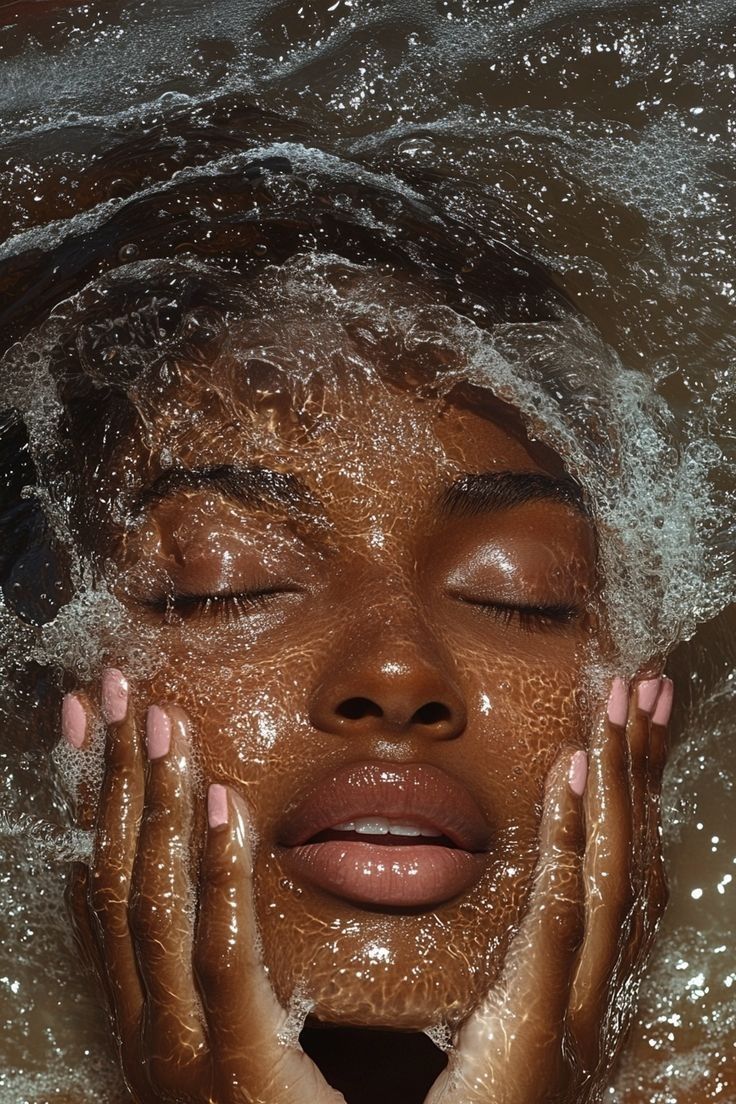
Beauty knowledge is deeply ecological. Communities develop practices based on what surrounds them, and they talk about climate, plants, water, sun, and labour. Protection from heat, dryness, insects, or infection often comes first. Aesthetic value follows.

This is why similar practices appear across different regions with shared conditions. Oils in dry climates. Protective hairstyles in hot zones. Use clay, ash, or herbs in areas with scarce water. These choices are not trends. They are adaptations. Beauty becomes a response to place.

Read Also:

  • Styling As Self Definition
  • Arabian Influence on Hausa and Sahelian Fashion – OMIREN STYLES
  • The Art of Seen: Makeup, Identity, and Authentic Power

Identity, Power, and Control

Beauty standards are never neutral. They often reflect who holds power. Global media, class hierarchies, and colonial histories have reshaped what the body rewards or rejects. Many indigenous or local practices were dismissed as backwards, while imported ideals were framed as modern or refined.

Yet those original beauty systems did not disappear. They went underground. They survived in homes, rituals, and memory. Today’s return to traditional beauty practices is not nostalgia. It is a reclamation. It is people choosing to see their bodies through their own cultural lens again.

Ritual, Not Routine
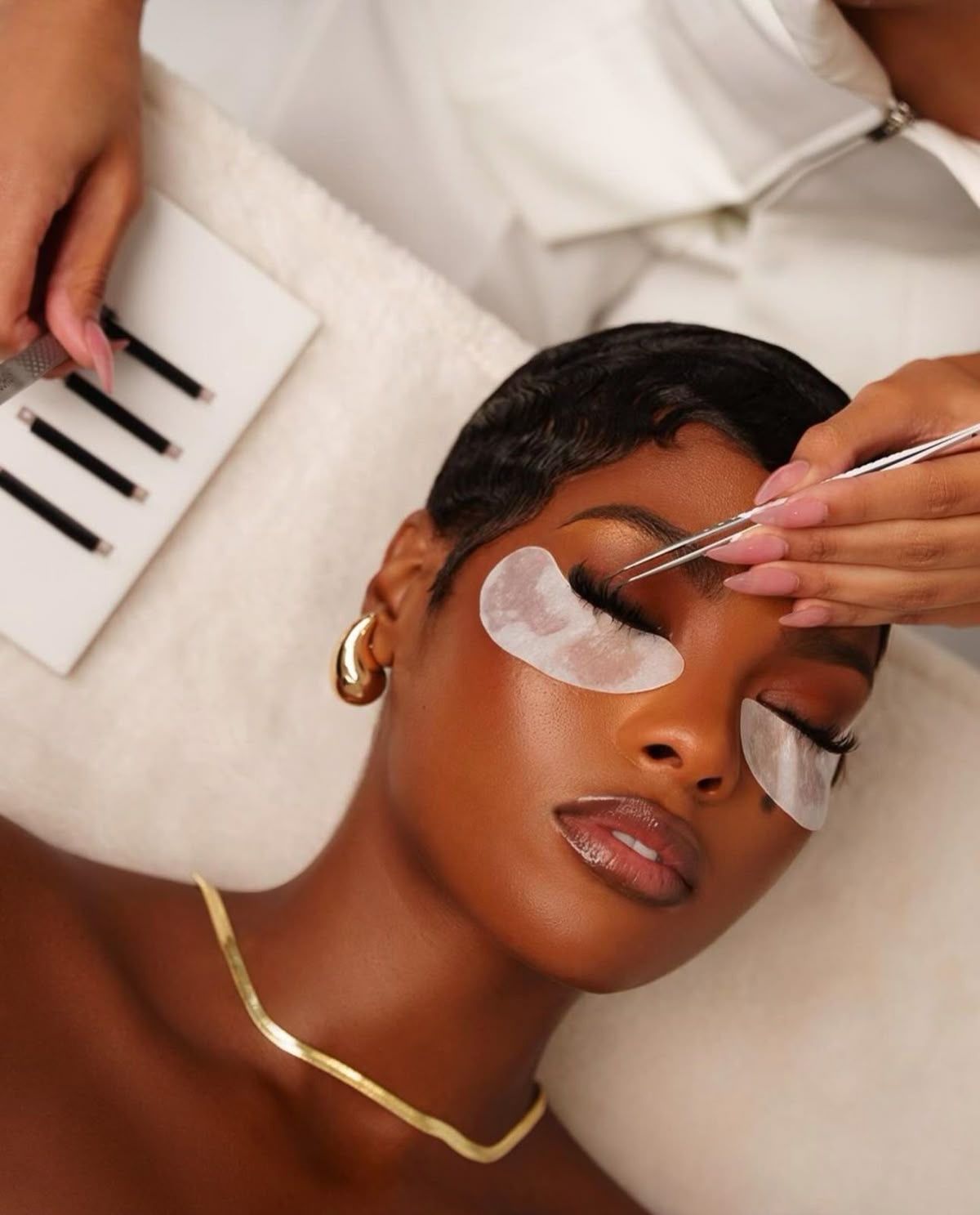
Ritual, Not Routine

In many cultures, beauty rituals are slow by design. Time is part of the meaning. Preparation, repetition, and patience signal care, not urgency. This aspect contrasts sharply with modern beauty culture, which often prioritises speed, results, and visibility.

Rituals also create a pause. They offer moments of reflection, bonding, or spiritual grounding. Here, beauty is not about attracting others’ attention. It is about being in the right relationship with yourself, your community, and sometimes the divine.

Why This Matters Now

As beauty becomes increasingly globalised, cultural context is often flattened. Ingredients travel faster than stories. Practices are renamed, simplified, and marketed without credit or depth. This approach creates a false idea that beauty innovation is new, when much of it is borrowed knowledge.

Understanding beauty as cultural knowledge restores balance. It allows credit to flow back to communities. It encourages respect over extraction. It also expands how we define expertise, valuing lived experience alongside laboratories and branding.

Conclusion

Beauty secrets are well-known. They are cultural memories carried on the body. They tell stories about survival, identity, environment, and belief. When we treat them as trends, we lose their meaning. When we treat them as knowledge, we gain perspective.

To engage with beauty thoughtfully is to ask better questions. Why did this practice exist? Who did it serve? What problem did it solve? And what does it reveal about the people who created it?

Beauty, at its most powerful, is not about perfection. It is about continuity.

FAQs

  1. Why are beauty secrets considered cultural knowledge?

Because they are shaped by history, environment, and shared values, they are passed down across generations as lived wisdom.

  1. How is traditional beauty different from modern beauty trends?

Traditional beauty focuses on function, ritual, and meaning, whereas modern trends often prioritise speed, visibility, and consumption.

  1. Are beauty practices connected to identity?

Yes. They often signal belonging, status, spirituality, or resistance within a culture.

  1. Why is context important when adopting beauty practices?

Without context, practices lose meaning and can become misused or culturally erased.

  1. How can beauty be approached more responsibly today?

By learning the stories behind practices, acknowledging origins, and valuing culture as much as outcomes.

Post Views: 300

The OmirenStyles newsletter covers traditional fashion, diaspora style, and the cultural stories behind African dress. It’s sent directly to readers who care about this space as much as we do. You can subscribe here https://mailchi.mp/2fc1ddd747d6/omirenstyles-newsletter


Related Topics
  • Beauty Rituals
  • Cultural Beauty Knowledge
  • Heritage and Identity
Avatar photo
Heritage Oni

theheritageoni@gmail.com

You May Also Like
What Global Beauty Traditions Teach Modern Wellness
View Post
  • Beauty Traditions

What Global Beauty Traditions Teach Modern Wellness

  • Heritage Oni
  • February 4, 2026
Royal African Beauty Rituals: Power, Craft, and Modern Elegance
View Post
  • Beauty Traditions

Royal African Beauty Rituals: Power, Craft, and Modern Elegance

  • Heritage Oni
  • December 24, 2025
Fashion, Craft, and Psychological Ownership
View Post
  • Beauty Traditions

From Ancestral Beauty to Modern Self-Image: The Psychology Explained

  • Heritage Oni
  • December 10, 2025

Leave a Reply Cancel reply

Your email address will not be published. Required fields are marked *

The Omiren Argument

African fashion and culture are not emerging. They are foundational. We document, interpret, and argue for the full cultural weight of African and diaspora dress. With precision. Without apology.

Omiren Styles Fashion · Culture · Identity

All 54 African Nations
Caribbean · Afro-Latin America
The Global Diaspora

Platform

  • About Omiren Styles
  • Our Vision
  • Our Mission
  • Editorial Pillars
  • Editorial Policy
  • The Omiren Collective
  • Campus Style Initiative
  • Sustainable Style
  • Social Impact & Advocacy
  • Investor Relations

Contribute

  • Write for Omiren Styles
  • Submit Creative Work
  • Join the Omiren Collective
  • Campus Initiative
Contact
contact@omirenstyles.com
Our Reach

Africa — All 54 Nations
Caribbean
Afro-Latin America
Global Diaspora

African fashion intelligence, in your inbox.

Editorial features, designer profiles, cultural commentary. No noise.

© 2026 Omiren Styles — Rex Clarke Global Ventures Limited. All rights reserved.
  • Privacy Policy
  • Editorial Policy
  • Terms of Use
  • Accessibility
Africa · Caribbean · Diaspora
The Omiren Argument

African fashion and culture are not emerging. They are foundational. We document, interpret, and argue for the full cultural weight of African and diaspora dress. With precision. Without apology.

Omiren Styles Fashion · Culture · Identity
  • About Omiren Styles
  • Our Vision
  • Our Mission
  • Editorial Pillars
  • Editorial Policy
  • The Omiren Collective
  • Campus Style Initiative
  • Sustainable Style
  • Social Impact & Advocacy
  • Investor Relations
  • Write for Omiren Styles
  • Submit Creative Work
  • Join the Omiren Collective
  • Campus Initiative
Contact contact@omirenstyles.com

All 54 African Nations · Caribbean
Afro-Latin America · Global Diaspora

African fashion intelligence, in your inbox.

Editorial features, designer profiles, cultural commentary. No noise.

© 2026 Omiren Styles
Rex Clarke Global Ventures Limited.
All rights reserved.

  • Privacy Policy
  • Editorial Policy
  • Terms of Use
  • Accessibility
Africa · Caribbean · Diaspora

Input your search keywords and press Enter.

Newsletter Subscribe

Join Our Community

Get exclusive access to new collections, special offers, and style inspiration.