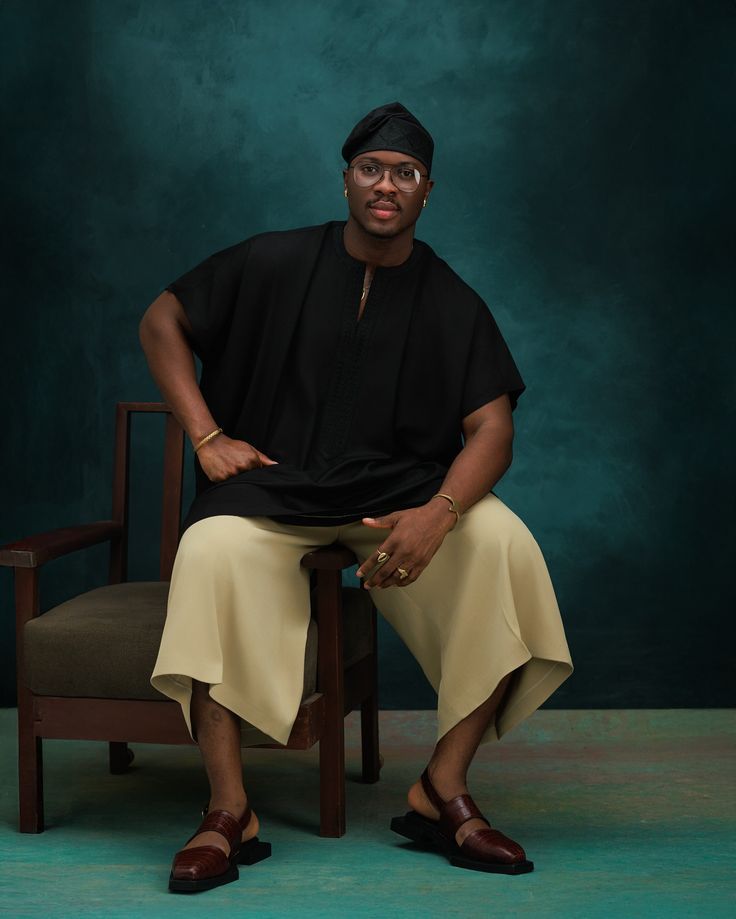
Menu
  • AFRICA
    • African Fashion
    • African Designers
    • Textiles & Craft
    • Heritage Clothing
    • Made in Africa
    • Regional Style
  • DIASPORA
    • Diaspora Voices
    • Diaspora Connects
    • UK Scene
    • US Scene
    • Caribbean Diaspora
    • Afro-Latino Identity
    • Migration & Identity
  • CULTURE
    • Style & Identity
    • Ceremony & Ritual
    • Art & Music
    • Cultural Inspirations
    • Black Culture
    • Heritage Stories
  • FASHION
    • Trends
    • Street Style
    • Runway
    • Sustainable Fashion
    • Tailoring
    • Luxury Fashion
  • INDUSTRY
    • Editorial Intelligence
    • Market Trends
    • Brand Strategy
    • Retail & Commerce
    • Partnerships
    • Reports
    • Insights
  • BEAUTY
    • Skincare
    • Makeup
    • Hair & Hairstyle
    • Fragrance
    • Beauty Traditions
    • Natural Beauty
  • MEN
    • Men’s Style
    • Grooming Traditions
    • Traditional & Heritage
    • The Modern African Man
    • Menswear Designers
  • WOMEN
    • Women’s Style
    • Evening Glam
    • Workwear & Professional
    • Streetwear for Women
    • Accessories & Bags
    • Bridal
  • NEWS
    • Cover Stories
    • Fashion Weeks
    • Opinion & Commentary
    • Style Icons
    • Rising Stars
  • DIRECTORY
    • Designers
    • Brands
    • Boutiques
    • Stylists
    • Models
    • Photographers
    • Creative Teams
    • Events
    • Production
    • Materials & Suppliers
Omiren Magazine Partner With Us Advertise Style Index
Subscribe
OMIREN STYLES OMIREN STYLES

Fashion · Culture · Identity

OMIREN STYLES OMIREN STYLES OMIREN STYLES OMIREN STYLES
  • AFRICA
    • African Fashion
    • African Designers
    • Textiles & Craft
    • Heritage Clothing
    • Made in Africa
    • Regional Style
  • DIASPORA
    • Diaspora Voices
    • Diaspora Connects
    • UK Scene
    • US Scene
    • Caribbean Diaspora
    • Afro-Latino Identity
    • Migration & Identity
  • CULTURE
    • Style & Identity
    • Ceremony & Ritual
    • Art & Music
    • Cultural Inspirations
    • Black Culture
    • Heritage Stories
  • FASHION
    • Trends
    • Street Style
    • Runway
    • Sustainable Fashion
    • Tailoring
    • Luxury Fashion
  • INDUSTRY
    • Editorial Intelligence
    • Market Trends
    • Brand Strategy
    • Retail & Commerce
    • Partnerships
    • Reports
    • Insights
  • BEAUTY
    • Skincare
    • Makeup
    • Hair & Hairstyle
    • Fragrance
    • Beauty Traditions
    • Natural Beauty
  • MEN
    • Men’s Style
    • Grooming Traditions
    • Traditional & Heritage
    • The Modern African Man
    • Menswear Designers
  • WOMEN
    • Women’s Style
    • Evening Glam
    • Workwear & Professional
    • Streetwear for Women
    • Accessories & Bags
    • Bridal
  • NEWS
    • Cover Stories
    • Fashion Weeks
    • Opinion & Commentary
    • Style Icons
    • Rising Stars
  • DIRECTORY
    • Designers
    • Brands
    • Boutiques
    • Stylists
    • Models
    • Photographers
    • Creative Teams
    • Events
    • Production
    • Materials & Suppliers
  • Cultural Inspirations

Simplify, Then Elevate: The Quiet Power of Digital Minimalism in Fashion

  • Fathia Olasupo
  • January 23, 2026
Total
0
Shares
0
0
0

Fashion has always reflected society’s emotional state. In times of abundance, it becomes expressive and excessive. In times of uncertainty, it becomes controlled and introspective. In 2026, the world is not suffering from a scarcity of content, images, trends, or information; it is overwhelmed by them. We live in a constant stream of notifications, visual saturation, algorithmic feeds, and digital pressure. Everything competes for attention. Everything demands reaction. Everything asks to be seen.

Fashion is responding.

Digital minimalism in fashion is not just about simple clothes or neutral colours. It is a cultural response to digital overload. It is the quiet rejection of excess, performance, and visual chaos. It represents a shift in how people want to exist in the world: not louder, not faster, not more visible, but more grounded, more intentional, and more controlled. Simplicity is no longer a mere style choice; it has become a psychological position.

This movement is global, but its meaning is not uniform. While Western fashion often frames minimalism as aesthetic restraint, many African fashion philosophies have long practised simplicity as a form of dignity, balance, and emotional intelligence. Many cultures have always understood what the digital world is now discovering: silence can communicate power, and restraint can communicate presence.

Explore digital minimalism in fashion and why simplicity, restraint, and intentional style are becoming powerful cultural statements in a digitally saturated world.

What Digital Minimalism Looks Like in Fashion
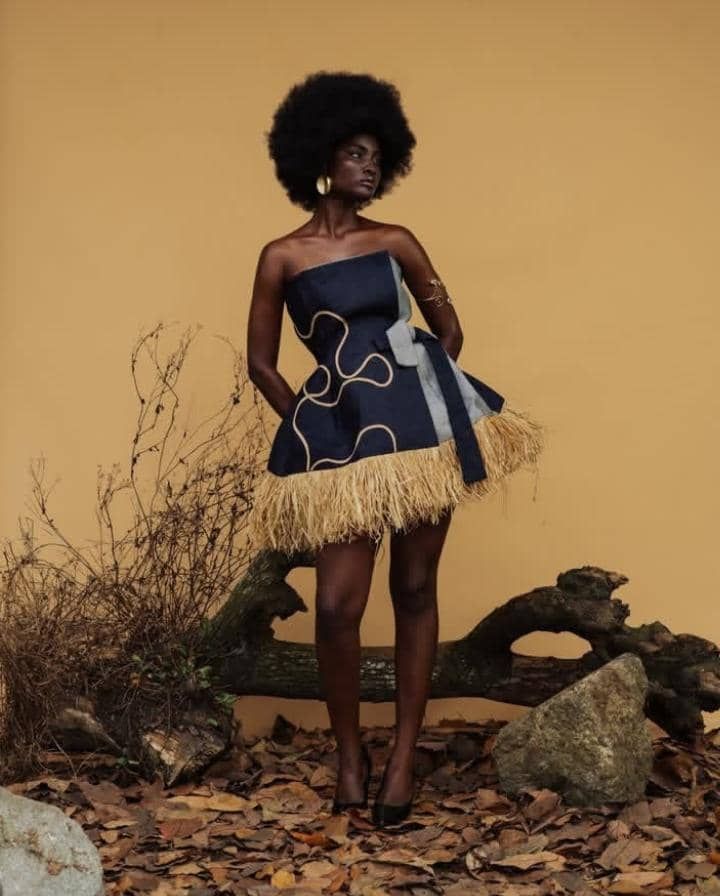
What Digital Minimalism Looks Like in Fashion
Photo: Rayoseams/Pinterest.

Digital minimalism in fashion expresses itself through form rather than spectacle. It shows up in clean silhouettes, uncluttered design, limited palettes, and purposeful construction. Clothing is not designed to interrupt attention but rather stabilise it. Instead of visual noise, there is visual calm. Instead of complexity, there is clarity. Instead of performance, there is presence.

People are choosing clothes that do not compete with their environment but harmonise with it. Tailored trousers, simple dresses, structured shirts, neutral layers, and natural fabrics dominate wardrobes. Accessories are functional, not decorative. Branding is subtle or absent. The focus is not on what the clothing announces but on how it makes the wearer feel.

In global fashion spaces, this style appears as a move toward timeless silhouettes and emotionally neutral palettes. But within African fashion spaces, this simplicity often carries deeper cultural meaning. Many African designers work with restraint, not as a trend, but as a philosophy. Simplicity becomes a language of dignity, maturity, and emotional composure. The absence of excess is not emptiness; it is control.

This approach is what makes digital minimalism different from past minimalist movements. It is not about aesthetic purity. It is about psychological relief.

Why Simplicity Now Carries Meaning
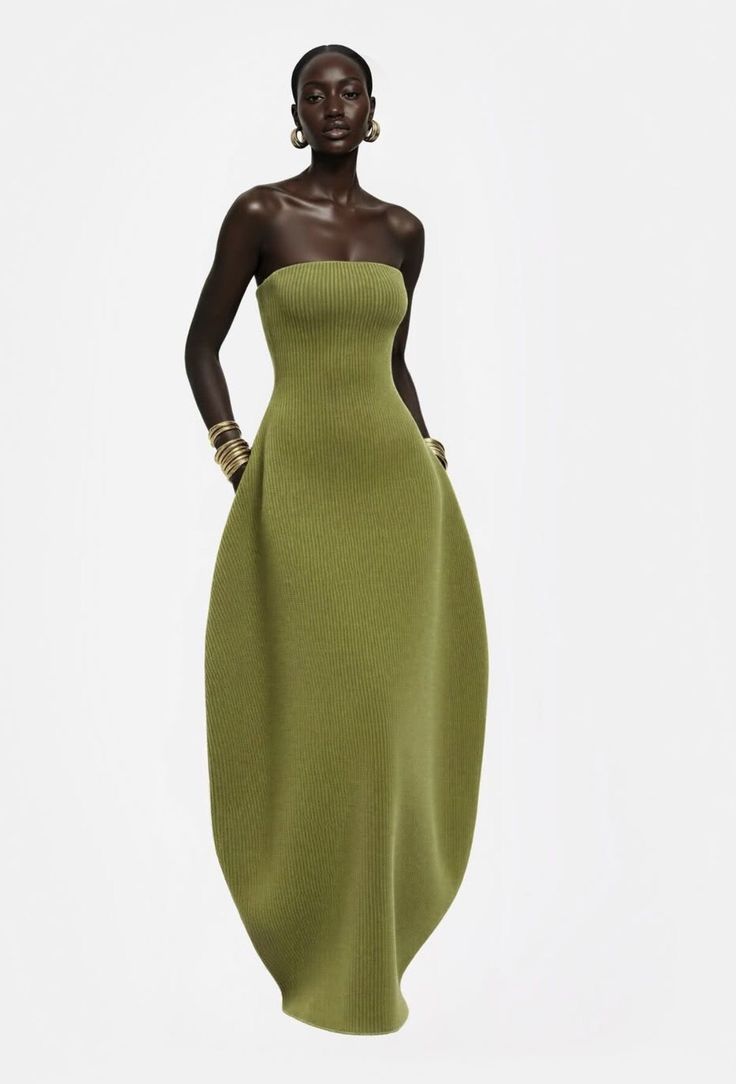
Why Simplicity Now Carries Meaning
Photo: Beau Monde/Pinterest.

The modern digital environment has reshaped human behaviour. People no longer just live in physical spaces; they exist in algorithmic systems, digital performances, and curated identities. Social media has turned visibility into currency. Attention has become capital. The image has become pressurised.

In this environment, simplicity becomes resistance.

Choosing minimal fashion becomes a way of stepping out of visual competition. It is a refusal to participate in constant performance. It is a decision to exist without explanation, branding, or spectacle. The body is no longer a billboard. The outfit is no longer a message board. Clothing becomes private again.

This is why digital minimalism in fashion feels emotionally charged. It is not neutral. It is deliberate. It communicates boundaries. It communicates control. It communicates psychological independence. People are not just dressing simply; they are trying to live more simply in a world that feels increasingly overstimulated.

READ ALSO:

  • Afrofuturism in Fashion: How Creativity and Luxury Are Being Rewritten
  • Why Afro-Minimalism Is the New Global Luxury Aesthetic

African Interpretations of Digital Minimalism

African fashion does not approach simplicity as emptiness. It approaches it as a balance. In many cultural expressions, elegance has never depended on excess. Status has often been communicated through composure, posture, fabric quality, fit, and presence rather than decoration.

Contemporary African designers who embrace restrained design are not copying global minimalism; they are translating cultural values into modern forms. Clean tailoring, structured silhouettes, controlled palettes, and thoughtful detailing reflect cultural ideas of dignity, maturity, and respectability.

This creates a powerful contrast: while global fashion frames minimalism as an escape from digital chaos, African fashion often frames it as a continuation of cultural identity. The simplicity is not reactionary; it is rooted in culture and identity.

This instance is where digital minimalism becomes more than a trend. It becomes a cultural bridge. Different societies arrive at the same visual language for various reasons, but the meaning converges: calm, control, and intentional existence.

Fashion as Emotional Architecture
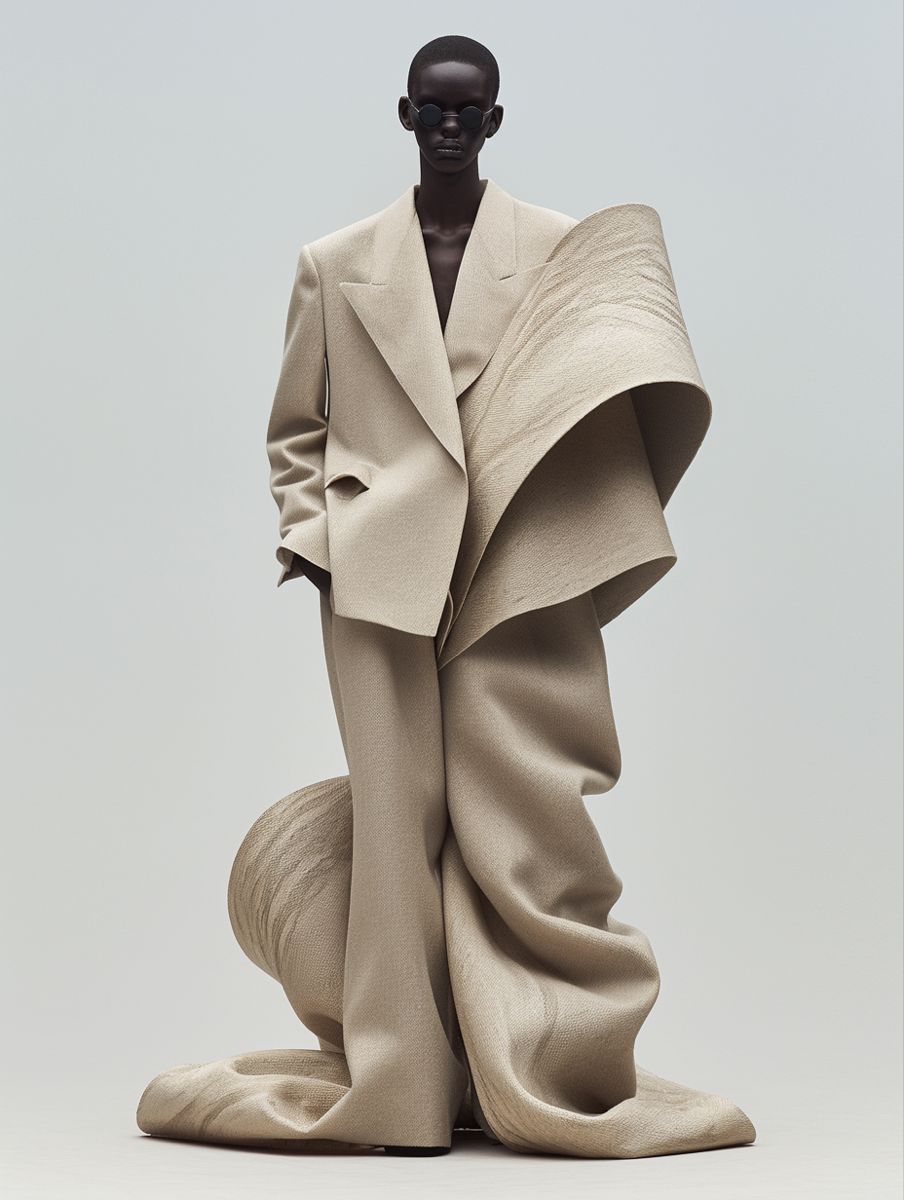
Fashion as Emotional Architecture

Digital minimalism is not just clothing design; it is emotional architecture. It shapes how people move through the world. It reduces cognitive noise. It creates psychological space. It allows the wearer to feel grounded rather than exposed.

In a culture where people are constantly watched, measured, and evaluated, simplicity becomes a form of privacy. Minimal fashion does not demand attention. It does not invite judgment. It does not perform identity; it protects it.

This is why the movement feels deeper than aesthetics. It aligns with mental health awareness, digital detox culture, slow living, and emotional sustainability. Fashion becomes part of a broader cultural shift toward internal stability rather than external validation.

Conclusion

Digital minimalism in fashion is not about rejecting beauty, creativity, or expression. It is about redefining them. It is a movement away from noise and toward meaning. It is a shift from performance to presence. The trend is moving away from visual excess and towards emotional clarity.

As the digital world becomes louder, fashion is becoming quieter. As technology accelerates, style is slowing down. As attention becomes fragmented, clothing becomes focused.

See the looks shaping the season — browse Trends with OmirenStyles.

FAQs

  1. What is digital minimalism in fashion?

Digital minimalism in fashion is a cultural shift toward simplicity, restraint, and intentional design as a response to digital overload, overstimulation, and visual saturation.

  1. Why is simplicity becoming popular in modern fashion?

People are experiencing digital fatigue, performance pressure, and constant exposure. Simple fashion offers psychological calm, control, and emotional relief.

  1. How is African fashion connected to digital minimalism?

Many African fashion traditions already value restraint, dignity, and composure. Contemporary African designers reflect these values through clean silhouettes and controlled design language.

  1. Is digital minimalism just a trend?

No. It reflects more profound social changes related to technology, mental health, identity, and how people relate to visibility and attention.

  1. How does digital minimalism affect personal identity?

It allows people to express selfhood without performance, noise, or constant validation, shifting fashion into a tool for emotional stability rather than social competition.


Post Views: 547
Total
0
Shares
Share 0
Tweet 0
Pin it 0
Related Topics
  • Digital Fashion Culture
  • Fashion Branding Strategy
  • Minimalist Aesthetics
Fathia Olasupo

olasupofathia49@gmail.com

You May Also Like
Haitian Vodou Body Painting Traditions: Sacred Meaning, Colour, and Ritual Language
View Post
  • Ceremony & Ritual

Haitian Vodou Body Painting Traditions: Sacred Meaning, Colour, and Ritual Language

  • Ayomidoyin Olufemi
  • July 30, 2026
Somali Khidaab Traditions in Diaspora Celebrations
View Post
  • Ceremony & Ritual

Somali Khidaab Traditions in Diaspora Celebrations

  • Ayomidoyin Olufemi
  • July 28, 2026
Haitian Vodou Ceremonial Dress: What Outsiders Misread as Costume
View Post
  • Ceremony & Ritual

Haitian Vodou Ceremonial Dress: What Outsiders Misread as Costume

  • Faith Olabode
  • July 27, 2026
The Osun-Osogbo Festival: Yoruba Priestess Dress Codes at Nigeria's Only UNESCO World Heritage Living Shrine
View Post
  • Ceremony & Ritual

The Osun-Osogbo Festival: Yoruba Priestess Dress Codes at Nigeria’s Only UNESCO World Heritage Living Shrine

  • Ayomidoyin Olufemi
  • July 15, 2026
View Post
  • Ceremony & Ritual

Kabyle Amazigh Wedding Dress Algeria: Thakandorth, Ath Yenni Silver, and the Kabylia Tradition

  • Philip Sifon
  • July 15, 2026
Afrobeats Brought the Clothes With It: What America Is Actually Consuming When It Streams African Music
View Post
  • Art & Music

Afrobeats Brought the Clothes With It: What America Is Actually Consuming When It Streams African Music

  • Adams Moses
  • July 7, 2026
Vodun Ceremonial Dress in Togo: The Theology You Wear
View Post
  • Ceremony & Ritual

Vodun Ceremonial Dress in Togo: The Theology You Wear

  • Peace Vera
  • June 29, 2026
Gelede: The Sacred Dance Where Men Dress as Women and Fashion Becomes Ritual
View Post
  • Cultural Inspirations

Gelede: The Sacred Dance Where Men Dress as Women and Fashion Becomes Ritual

  • Peace Vera
  • June 24, 2026

Leave a Reply Cancel reply

Your email address will not be published. Required fields are marked *

The Omiren Argument

African fashion and culture are not emerging. They are foundational. We document, interpret, and argue for the full cultural weight of African and diaspora dress. With precision. Without apology.

Omiren Styles Fashion · Culture · Identity

All 54 African Nations
Caribbean · Afro-Latin America
The Global Diaspora

Platform

  • About Omiren Styles
  • Our Vision
  • Our Mission
  • Editorial Pillars
  • Editorial Policy
  • The Omiren Collective
  • Campus Style Initiative
  • Sustainable Style
  • Social Impact & Advocacy
  • Investor Relations

Contribute

  • Write for Omiren Styles
  • Submit Creative Work
  • Join the Omiren Collective
  • Campus Initiative
Contact
contact@omirenstyles.com
Our Reach

Africa — All 54 Nations
Caribbean
Afro-Latin America
Global Diaspora

African fashion intelligence, in your inbox.

Editorial features, designer profiles, cultural commentary. No noise.

© 2026 Omiren Styles — Rex Clarke Global Ventures Limited. All rights reserved.
  • Privacy Policy
  • Editorial Policy
  • Terms of Use
  • Accessibility
Africa · Caribbean · Diaspora
The Omiren Argument

African fashion and culture are not emerging. They are foundational. We document, interpret, and argue for the full cultural weight of African and diaspora dress. With precision. Without apology.

Omiren Styles Fashion · Culture · Identity
  • About Omiren Styles
  • Our Vision
  • Our Mission
  • Editorial Pillars
  • Editorial Policy
  • The Omiren Collective
  • Campus Style Initiative
  • Sustainable Style
  • Social Impact & Advocacy
  • Investor Relations
  • Write for Omiren Styles
  • Submit Creative Work
  • Join the Omiren Collective
  • Campus Initiative
Contact contact@omirenstyles.com

All 54 African Nations · Caribbean
Afro-Latin America · Global Diaspora

African fashion intelligence, in your inbox.

Editorial features, designer profiles, cultural commentary. No noise.

© 2026 Omiren Styles
Rex Clarke Global Ventures Limited.
All rights reserved.

  • Privacy Policy
  • Editorial Policy
  • Terms of Use
  • Accessibility
Africa · Caribbean · Diaspora

Input your search keywords and press Enter.

Newsletter Subscribe

The Omiren Style Index

The reference directory for African, Caribbean and Afro-Latin fashion. New entries, taxonomy updates and intelligence signals — once a month. No noise.

.newsletter-form{
max-width:500px;
margin:auto;
text-align:center;
padding:30px;
}

.newsletter-form h3{
margin-bottom:10px;
font-size:28px;
}

.newsletter-form p{
margin-bottom:20px;
color:#666;
}

.newsletter-form input{
width:100%;
padding:14px 18px;
border:1px solid #ddd;
margin-bottom:15px;
border-radius:4px;
}

.newsletter-form button{
width:100%;
padding:14px;
background:#000;
color:#fff;
border:none;
cursor:pointer;
text-transform:uppercase;
letter-spacing:1px;
}