Menu
  • African Style
    • Designers & Brands
    • Street Fashion in Africa
    • Traditional to Modern Styles
    • Cultural Inspirations
  • Fashion
    • Trends
    • African Designers
    • Afro-Latin American
    • Caribbean Designers
    • Street Style
    • Sustainable Fashion
    • Diaspora Connects
  • Beauty
    • Skincare
    • Makeup
    • Hair & Hairstyle
    • Fragrance
    • Beauty Secrets
  • Lifestyle
    • Culture & Arts
    • Travel & Destination
    • Celebrity Style
    • Luxury Living
    • Home & Decor
  • News
    • Cover Stories
    • Designer Spotlight
    • Fashion Weeks
    • Style Icons
    • Rising Stars
    • Opinion & Commentary
  • Women
    • Women’s Style
    • Health & Wellness
    • Workwear & Professional
    • Evening Glam
    • Streetwear for Women
    • Accessories & Bags
  • Shopping
    • Fashion finds
    • Beauty Picks
    • Gift Guides
    • Shop the Look
  • Events
    • Fashion Week Coverage
    • Red Carpet & Galas
    • Weddings
    • Industry Events
    • Omiren Styles Special Features
  • Men
    • Men’s Style
    • Grooming Traditions
    • Menswear Designers
    • Traditional & Heritage
    • The Modern African Man
  • Diaspora
    • Designers
    • Culture
  • Industry
    • Insights
    • Investment
    • Partnerships
    • Retail
    • Strategy
Subscribe
OMIREN STYLES OMIREN STYLES

Fashion · Culture · Identity

OMIREN STYLES OMIREN STYLES OMIREN STYLES OMIREN STYLES
  • Fashion
    • Africa
    • Caribbean
    • Latin America
    • Trends
    • Street Style
    • Sustainable Fashion
    • Diaspora Connects
  • Culture
    • Heritage & Identity
    • Textiles
    • Ceremony & Ritual
    • Art & Music
    • Cultural Inspirations
  • Designers
    • African Designers
    • Caribbean Designers
    • Afro-Latin American
    • Emerging Talent
    • Interviews
  • Beauty
    • Skincare
    • Makeup
    • Hair & Hairstyle
    • Fragrance
    • Beauty Traditions
  • Women
    • Women’s Style
    • Evening Glam
    • Workwear & Professional
    • Streetwear for Women
    • Accessories & Bags
    • Health & Wellness
  • Men
    • Men’s Style
    • Grooming Traditions
    • Traditional & Heritage
    • The Modern African Man
    • Menswear Designers
  • Diaspora
    • Diaspora Voices
    • UK Scene
    • US Scene
    • Caribbean Diaspora
    • Afro-Latino Identity
  • Industry
    • Strategy
    • Investment
    • Retail
    • Insights
    • Partnerships
  • News
    • Cover Stories
    • Fashion Weeks
    • Opinion & Commentary
    • Style Icons
    • Rising Stars
  • Cover Stories

Bridgerton 2026: When Global Fantasy Meets African Fashion

  • Ayomidoyin Olufemi
  • January 26, 2026
Bridgerton 2026: When Global Fantasy Meets African Fashion
Shine Rosman.
Total
0
Shares
0
0
0

Fantasy usually arrives in Africa fully formed. Imported. Complete. Ready to be consumed as a spectacle.

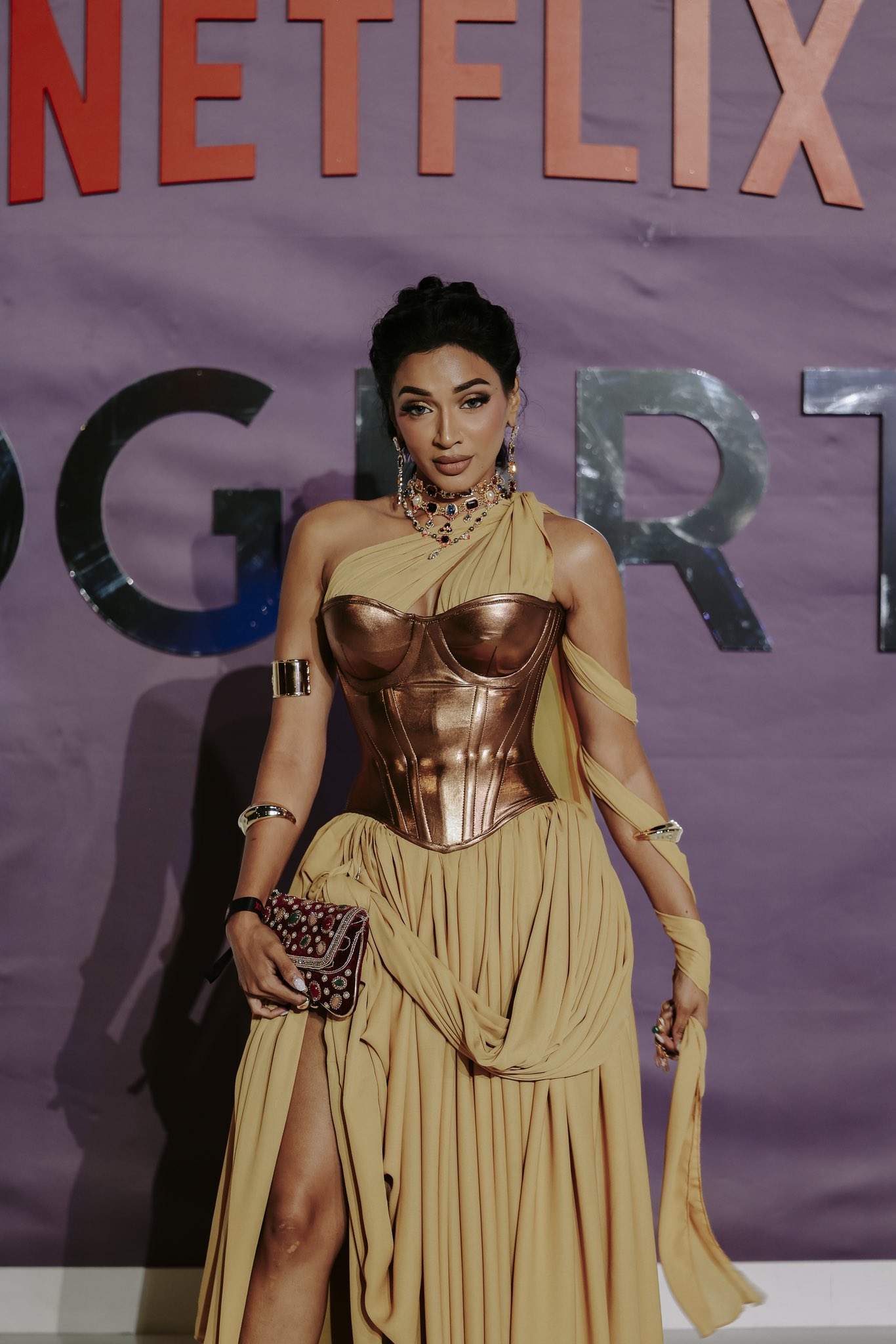
Netflix’s Bridgerton activation did not unfold as a reenactment of Regency England, nor as an exercise in costume loyalty. Instead, it became something more instructive: a moment where African fashion intelligence absorbed a global aesthetic and returned it with clarity, restraint, and authorship. Not louder. Not exaggerated. Sharper.

This was not Africa’s step into fantasy. It was a fantasy seen through the lens of African design logic. In South Africa, Netflix’s Bridgerton universe was not recreated. It was considered and then quietly revised.

At Netflix’s Bridgerton 2026 event in South Africa, African fashion reshaped global fantasy through restraint, tailoring, and confident interpretation.

The Aesthetic Translation of Costume

Bridgerton’s visual language is instantly recognisable—romance, formality, ornament, and control. In most interpretations, these codes are reproduced faithfully, sometimes obsessively. Here, they were treated as a reference rather than an instruction.

Corsetry appeared without rigidity. Structure existed without confinement. Volume moved rather than sitting heavily on the body. The effect was subtle but deliberate: a refusal to perform fantasy at full volume.

African fashion has long understood this distinction. Clothing is expected to live beyond the moment. To move. It should return to the body without any explanation. What emerged at Bridgerton 2026 reflected that discipline.

Nothing felt locked to the event alone.

African Fashion’s Long Relationship with Fantasy
African Fashion’s Long Relationship with Fantasy
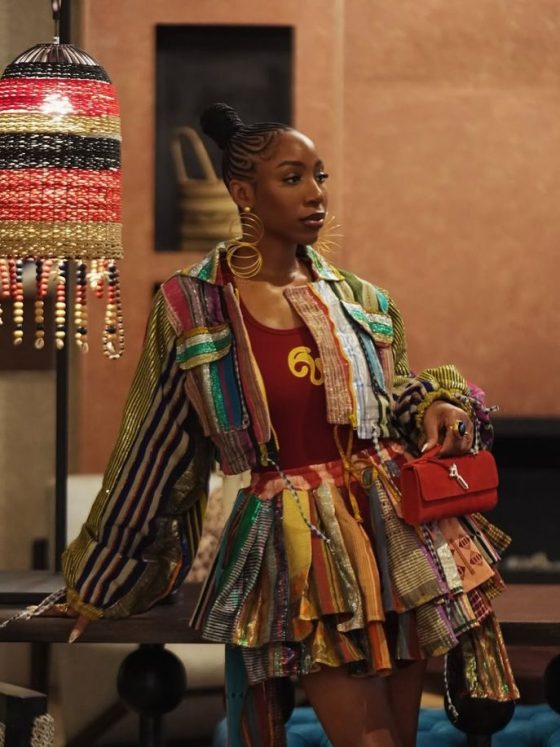
Naliyani Uma.

Africa has always engaged fantasy differently. Historically, dress has balanced symbolism with function. Ceremony with utility. Expression with discipline. This history creates a natural resistance to costume excess.

At the Bridgerton event, that resistance showed up as restraint. Corsetry was suggested rather than enforced. Volume appeared without weight. The colour was intentional, not ornamental. These choices echoed a broader African fashion philosophy: elegance must survive movement.

Designers, stylists, and guests did not view Bridgerton as a timeless fantasy. They approached it as material: something to be shaped, adjusted, and grounded. Regency codes were filtered through African realities of movement, weather, posture, and presence.

This is not accidental. African dressing traditions have always balanced symbolism with practicality. Ceremony does not erase function. Beauty does not override comfort. The clothes worn that night reflected that logic, quietly, confidently.

A Shared Visual Confidence

The room felt coherent without uniformity. No single silhouette attempted dominance. Instead, there was a shared visual rhythm; each looked distinct, yet in conversation with the next. 

Among the guests were Daniel Etim Effiong, Idia Aisien, Efe Irele, Sunshine Rosman, and Uzor Arukwe, along with South African figures Bonang Matheba, Khanyi Mbau, Ling Ling, and Catherine Kamau. Their presence was notable not for fame but for familiarity with fashion language.

What stood out was not celebrity, but fluency. The clothes did not announce effort. They suggested familiarity with tailoring, proportion, and restraint.

Why This Moment Signals a Shift
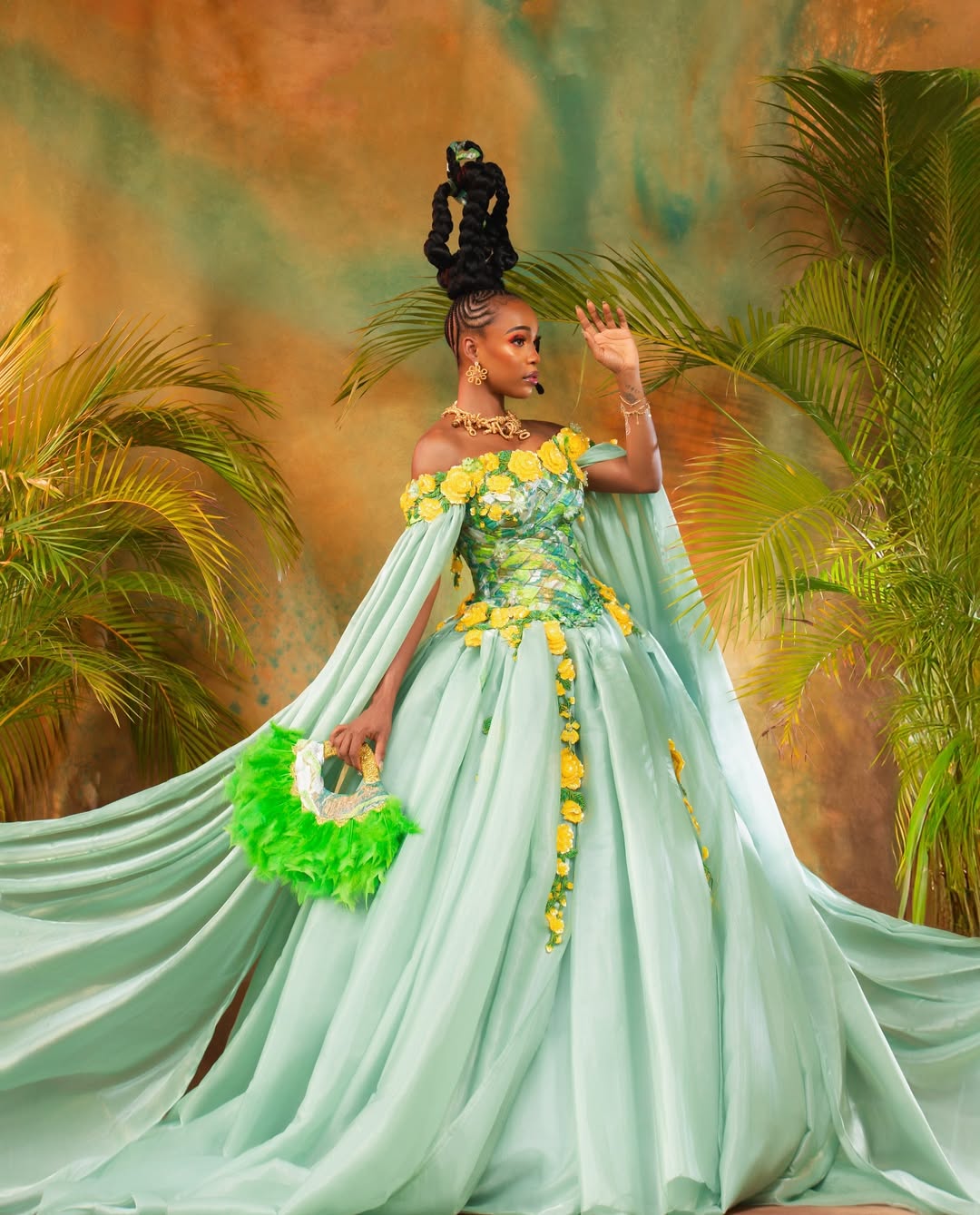
Why This Moment Signals a Shift
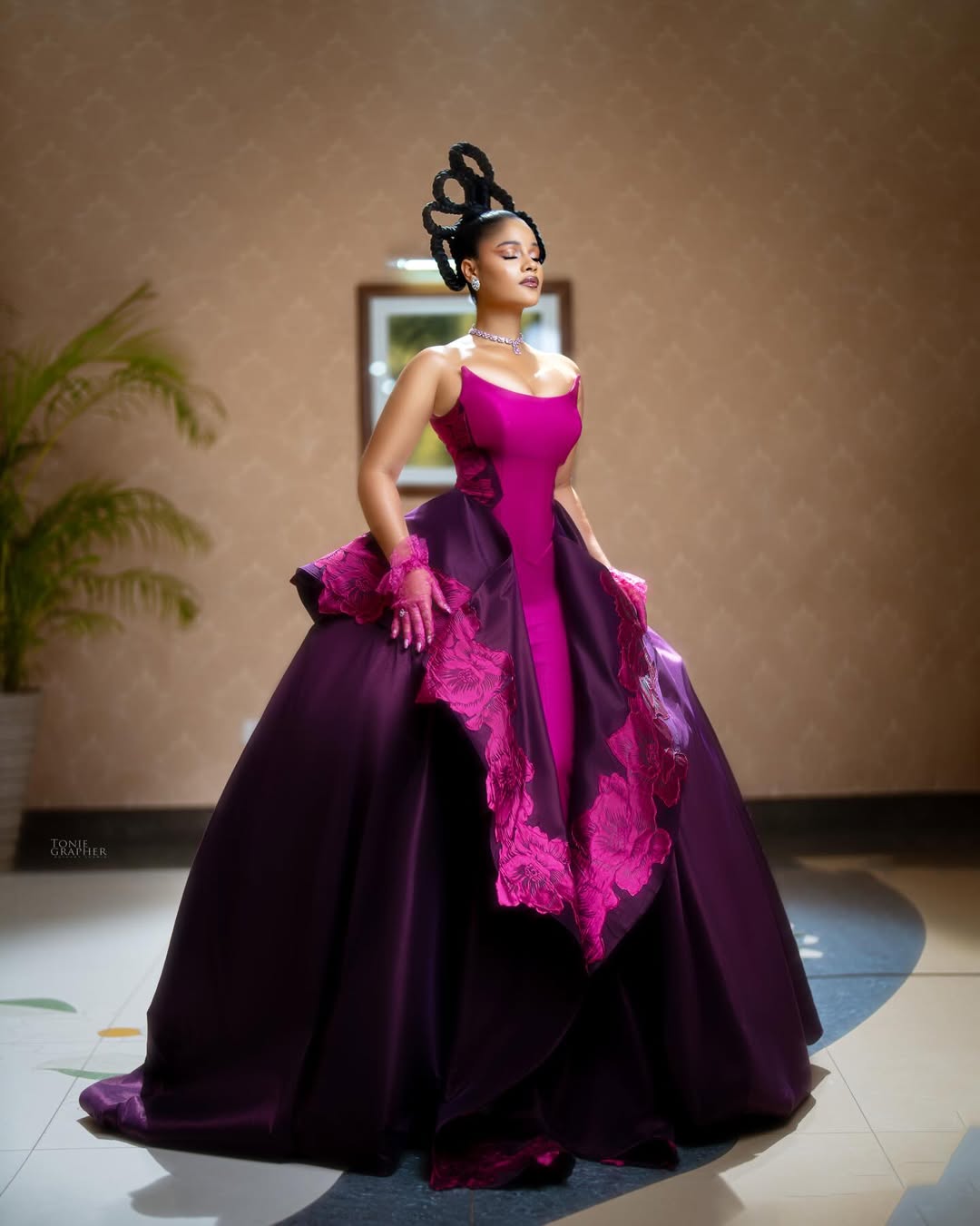
Efe Irele.

Global fashion is currently grappling with exhaustion, overproduction, repetitive trends, and aesthetic inflation. Against this backdrop, African fashion’s approach to fantasy feels instructive.

This approach aligns with a growing global appetite for fashion that feels considered rather than loud. The Bridgerton 2026 event did not seek to be relevant. It demonstrated it.

Fantasy often encourages excess. This interpretation resisted that impulse. The Regency reference remained visible but softened. The interpretation was reworked through silhouettes that prioritised ease, fabrics that responded to the climate, and styling that respected the body rather than imposing upon it.

This aspect is where African fashion continues to offer a different model: one that values editing as much as expression.

Fashion That Understands Space

Africa’s fashion culture has always been shaped by negotiation—between formality and freedom, tradition and experimentation. That sensibility was present throughout the evening, not as a theme, but as instinct.

Clothing was designed to exist in space, not dominate it. Nothing felt frozen for spectacle. Everyone felt capable of returning to everyday life.

That quality, wearability without dilution, is challenging to achieve. It requires judgement. It requires confidence.

The Role of Global Platforms
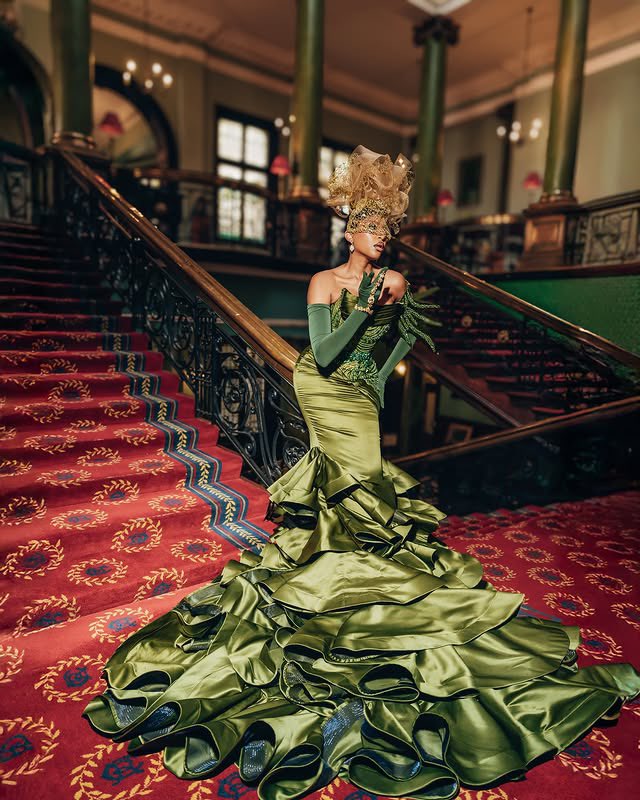
The Role of Global Platforms
Blue Mbobo.

Netflix’s involvement provided scale but not direction. The event’s success stemmed from the careless handling of the global framework. The fashion did not feel managed. It felt authored.

This distinction matters. Too often, Africa is invited into global narratives as a visual texture rather than an intellectual contributor. Bridgerton 2026 suggested something else entirely: trust in local interpretation.

The result was fashion that did not seek validation. It simply existed on its own terms.

READ ALSO:

  • Swahili Futurism: How Dar es Salaam Is Rewriting Fashion’s Relationship With Time
  • African Fashion Documentaries Changing Perceptions
  • African Fashion Visionaries Redefine the Hollywood Red Carpet

What Remains After the Night Ends
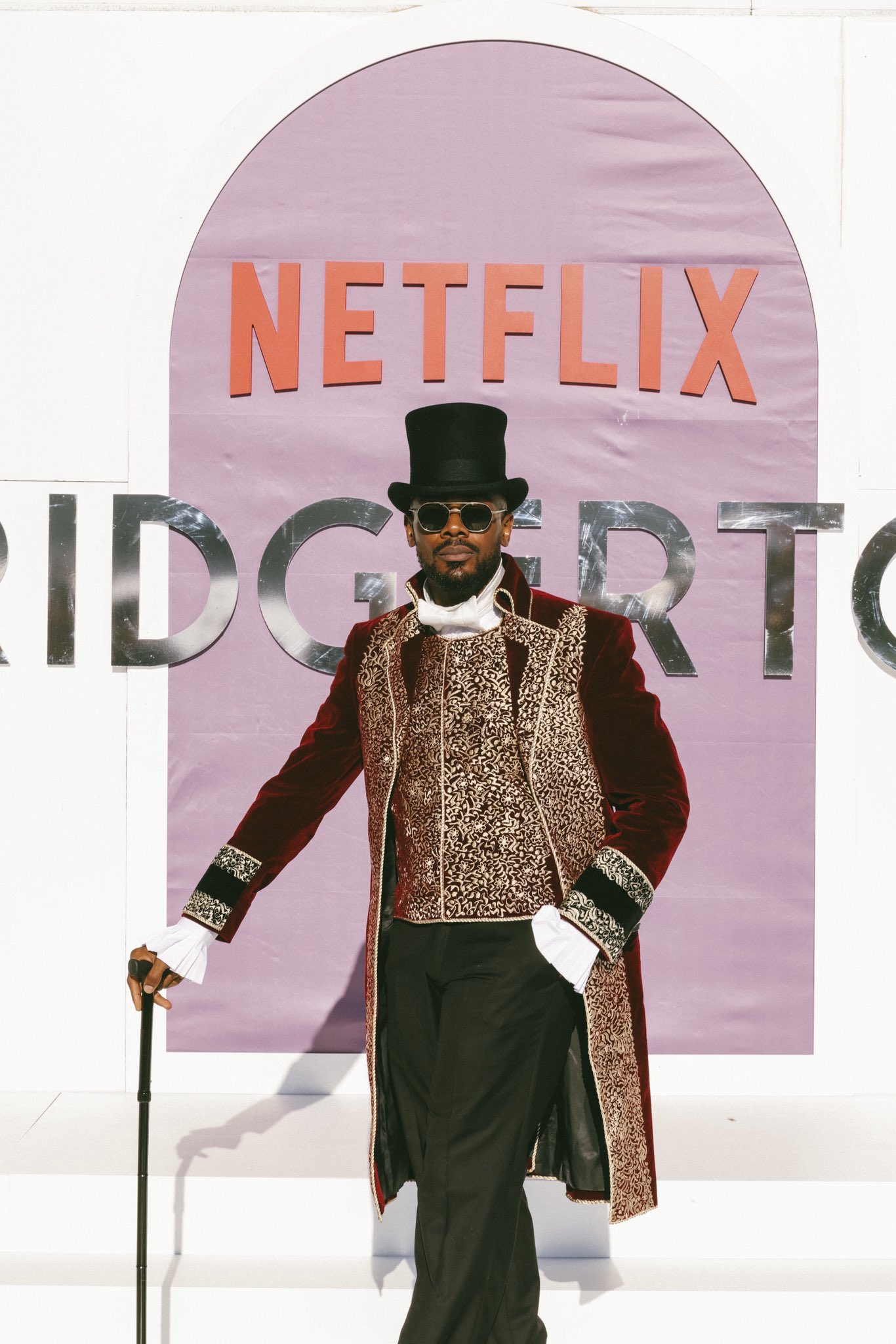
What Remains After the Night Ends
Daniel Etim-Effiong.

Long after the room emptied, what lingered was not the theme but the feeling of completion. The clothes did not rely on fantasy to justify themselves. They stood independently.

This is the quiet power of African fashion intelligence. It absorbs the reference, edits it, and releases it without announcement. Bridgerton 2026 did not become memorable because Africa was included in the fantasy.

It became memorable because Africa refined it. And in that refinement—measured, confident, unhurried—the intelligence revealed itself.

Stay ahead of the style conversation—explore Cover Stories on OmirenStyles

Frequently Asked Questions

  • What was the Bridgerton 2026 event in South Africa?

It was a Netflix-backed fashion event inspired by Bridgerton, interpreted through African styling, tailoring, and design sensibilities.

  • How did African fashion reinterpret the Bridgerton aesthetic?

African fashion reinterpreted the Bridgerton aesthetic by softening structure, prioritising movement, and editing romantic elements into wearable, contemporary silhouettes.

  • Did Netflix officially support the event?

Yes. Netflix South Africa hosted the event as part of the global Bridgerton brand.

  • Why did this fashion moment stand out?

It avoided costume-driven excess and instead focused on restraint, judgment, and design clarity.

  • What does this mean for African fashion globally?

It reinforces Africa’s position as an author of fashion language, not merely a participant in global trends.

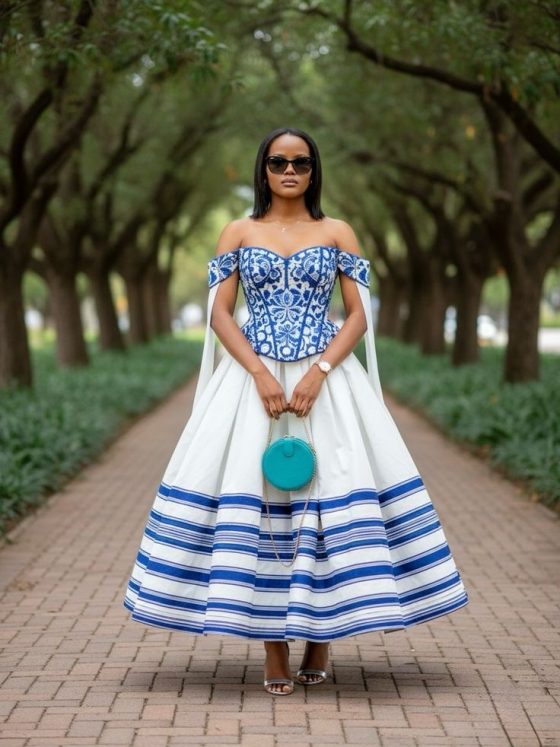
Post Views: 243
Total
0
Shares
Share 0
Tweet 0
Pin it 0
Related Topics
  • African Fashion Influence
  • Fashion and Media
  • Global Fashion Culture
Avatar photo
Ayomidoyin Olufemi

ayomidoyinolufemi@gmail.com

You May Also Like
The Geometry of Heritage: Why Shweshwe Still Defines South African Fashion
View Post
  • Cover Stories

The Geometry of Heritage: Why Shweshwe Still Defines South African Fashion

  • Ayomidoyin Olufemi
  • February 24, 2026
The Global Migration of Cotton: How One Fibre Connected Civilisations and Closets
View Post
  • Cover Stories

The Global Migration of Cotton: How One Fibre Connected Civilisations and Closets

  • Ayomidoyin Olufemi
  • February 23, 2026
Banana-Fibre Couture: How Uganda Is Rewriting Fashion From the Ground Up
View Post
  • Cover Stories

Banana-Fibre Couture: How Uganda Is Rewriting Fashion From the Ground Up

  • Ayomidoyin Olufemi
  • February 6, 2026
A Different Kind of Fashion Capital
View Post
  • Cover Stories

Harare Haute: Zimbabwe’s Afro-Minimalist Revolution

  • Ayomidoyin Olufemi
  • January 27, 2026
Fashion That Understands Time
View Post
  • Cover Stories

Swahili Futurism: How Dar es Salaam Is Rewriting Fashion’s Relationship With Time

  • Ayomidoyin Olufemi
  • January 23, 2026
Kinshasa Rising: How Congolese Women Are Claiming Fashion Authorship
View Post
  • Cover Stories

Kinshasa Rising: How Congolese Women Are Claiming Fashion Authorship

  • Ayomidoyin Olufemi
  • January 22, 2026
View Post
  • Cover Stories

Abidjan Ascendant: Inside Ivory Coast’s Quiet Fashion Renaissance

  • Ayomidoyin Olufemi
  • January 21, 2026
Nigeria Takes Lead in $500B African Fashion Bloc Under CAFA and Afroliganza
View Post
  • Cover Stories

Nigeria Takes Lead in $500B African Fashion Bloc Under CAFA and Afroliganza

  • Fathia Olasupo
  • November 14, 2025

Leave a Reply Cancel reply

Your email address will not be published. Required fields are marked *

The Omiren Argument

African fashion and culture are not emerging. They are foundational. We document, interpret, and argue for the full cultural weight of African and diaspora dress. With precision. Without apology.

Omiren Styles Fashion · Culture · Identity

All 54 African Nations
Caribbean · Afro-Latin America
The Global Diaspora

Platform

  • About Omiren Styles
  • Our Vision
  • Our Mission
  • Editorial Pillars
  • Editorial Policy
  • The Omiren Collective
  • Campus Style Initiative
  • Sustainable Style
  • Social Impact & Advocacy
  • Investor Relations

Contribute

  • Write for Omiren Styles
  • Submit Creative Work
  • Join the Omiren Collective
  • Campus Initiative
Contact
contact@omirenstyles.com
Our Reach

Africa — All 54 Nations
Caribbean
Afro-Latin America
Global Diaspora

African fashion intelligence, in your inbox.

Editorial features, designer profiles, cultural commentary. No noise.

© 2026 Omiren Styles — Rex Clarke Global Ventures Limited. All rights reserved.
  • Privacy Policy
  • Editorial Policy
  • Terms of Use
  • Accessibility
Africa · Caribbean · Diaspora
The Omiren Argument

African fashion and culture are not emerging. They are foundational. We document, interpret, and argue for the full cultural weight of African and diaspora dress. With precision. Without apology.

Omiren Styles Fashion · Culture · Identity
  • About Omiren Styles
  • Our Vision
  • Our Mission
  • Editorial Pillars
  • Editorial Policy
  • The Omiren Collective
  • Campus Style Initiative
  • Sustainable Style
  • Social Impact & Advocacy
  • Investor Relations
  • Write for Omiren Styles
  • Submit Creative Work
  • Join the Omiren Collective
  • Campus Initiative
Contact contact@omirenstyles.com

All 54 African Nations · Caribbean
Afro-Latin America · Global Diaspora

African fashion intelligence, in your inbox.

Editorial features, designer profiles, cultural commentary. No noise.

© 2026 Omiren Styles
Rex Clarke Global Ventures Limited.
All rights reserved.

  • Privacy Policy
  • Editorial Policy
  • Terms of Use
  • Accessibility
Africa · Caribbean · Diaspora

Input your search keywords and press Enter.