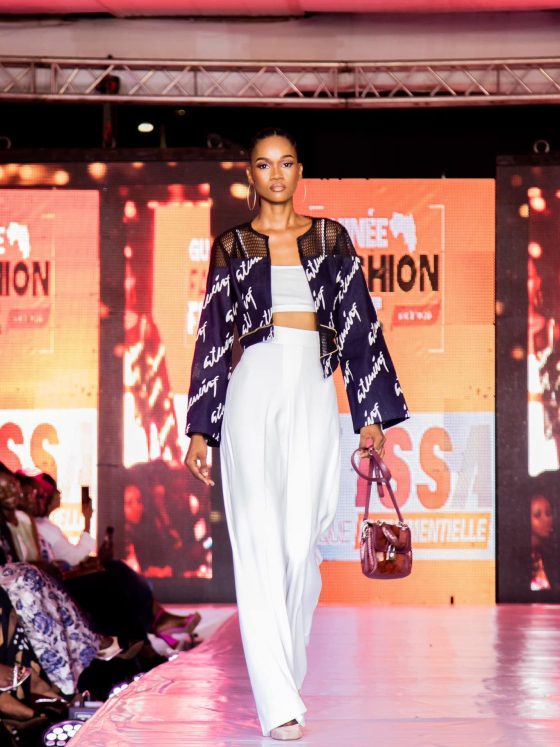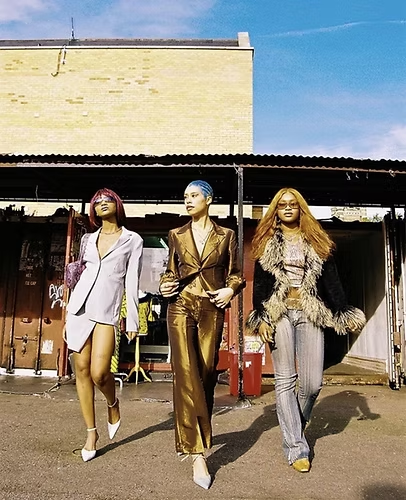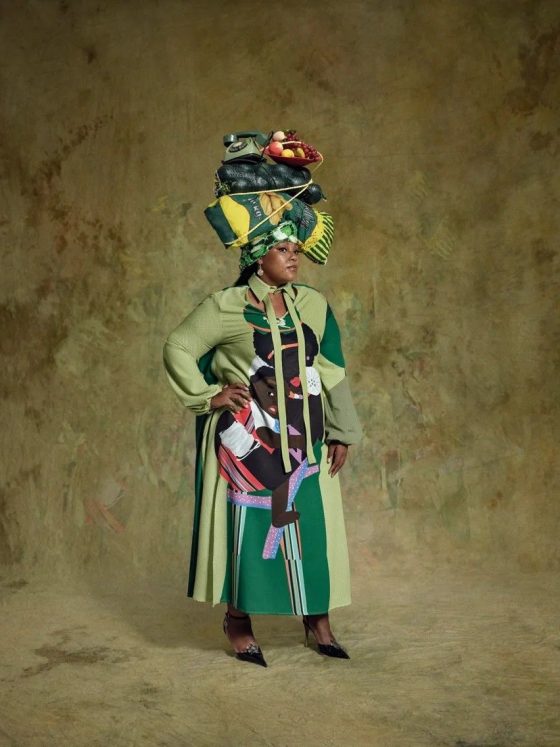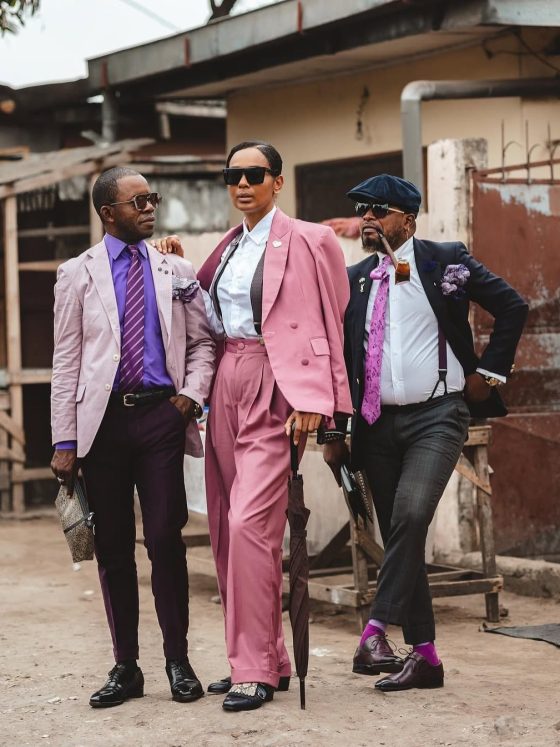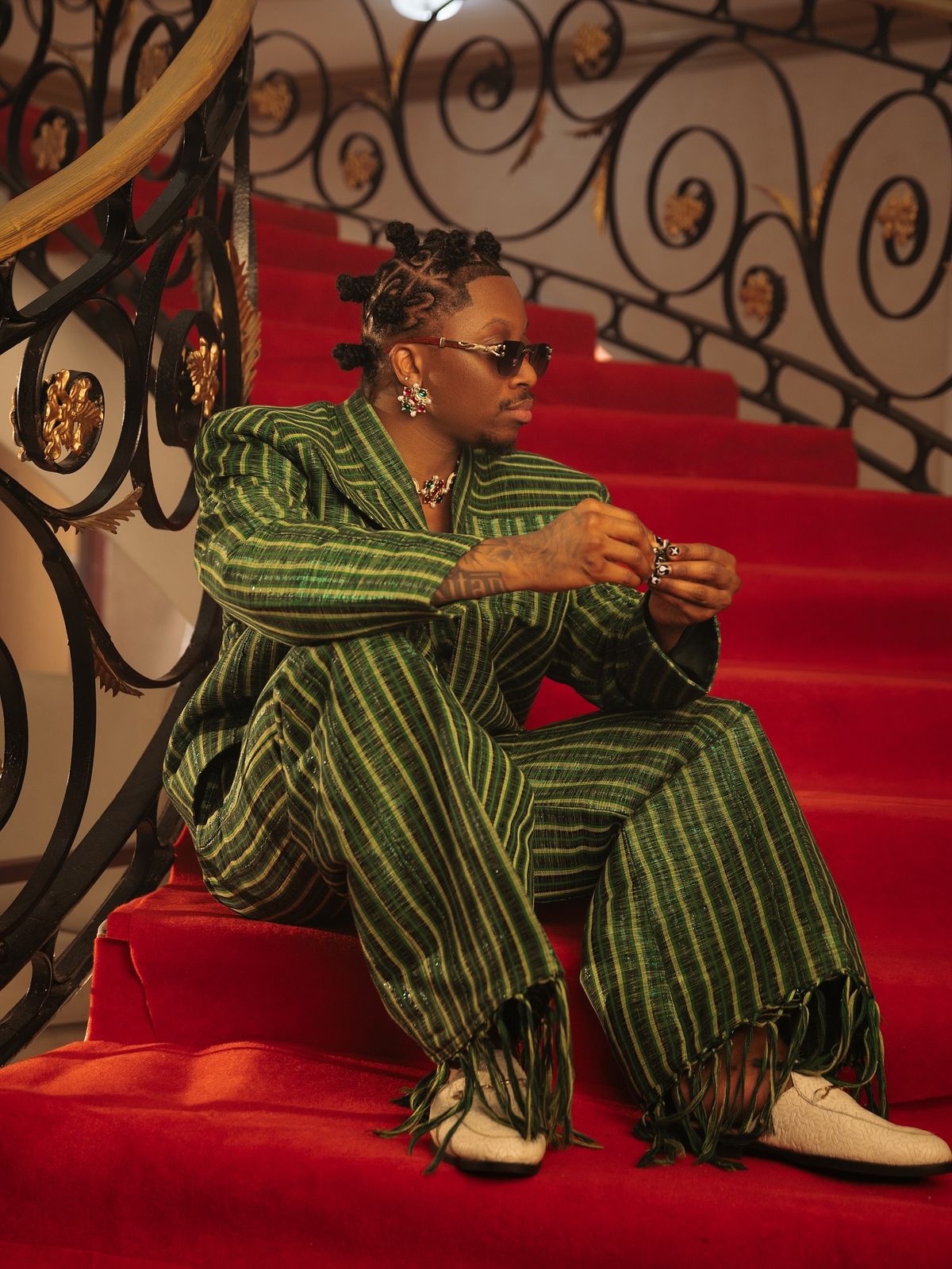
In April 2021, a music video was released for a song that had been circulating as a slow-burning fan favourite since 2020. The song was Essence. The artist was Wizkid, featuring Tems. The video, directed by Director K and shot in Ghana, ran for four minutes and fourteen seconds. In it, Wizkid wore open shirts and diamonds. Tems wore flowing robes and braided headpieces. The colour palette was muted, the lighting warm, the aesthetic one of quiet cultural ease rather than conspicuous display. Within weeks of the video’s release, Essence had reached the Billboard Hot 100 Top 10, making Wizkid the first African artist to achieve a major United States pop breakthrough as a lead performer. Fashion publications noted the styling. What they did not note was the structural implication: a four-minute Afrobeats music video had just put African fashion in front of a global audience of tens of millions, framed not as ethnic dress or exotic attire but as global chic. No African fashion magazine had done that, and no African fashion week had reached that scale. The Afrobeats music video had replaced them without announcing it.
This is the fashion argument that Omiren Styles has been advancing since its founding, and it is the one the global fashion industry is only now beginning to process. The Afrobeats music video is the dominant fashion editorial medium for Africa and the diaspora. It sets the aesthetic agenda. It determines what reads as aspirational. It introduces designers to audiences that no publication can reach. And it has been doing this for over a decade while fashion editorial continued to treat it as entertainment content that incidentally features clothing. The clothing is not incidental. The video is the editorial. The song is the reach mechanism.
A Burna Boy video reaches more people in 72 hours than any African fashion magazine reaches in a year. The Afrobeats video is the new fashion editorial. Here is what that means.
Afrobeats Music Video Fashion: How the Visual System Actually Works
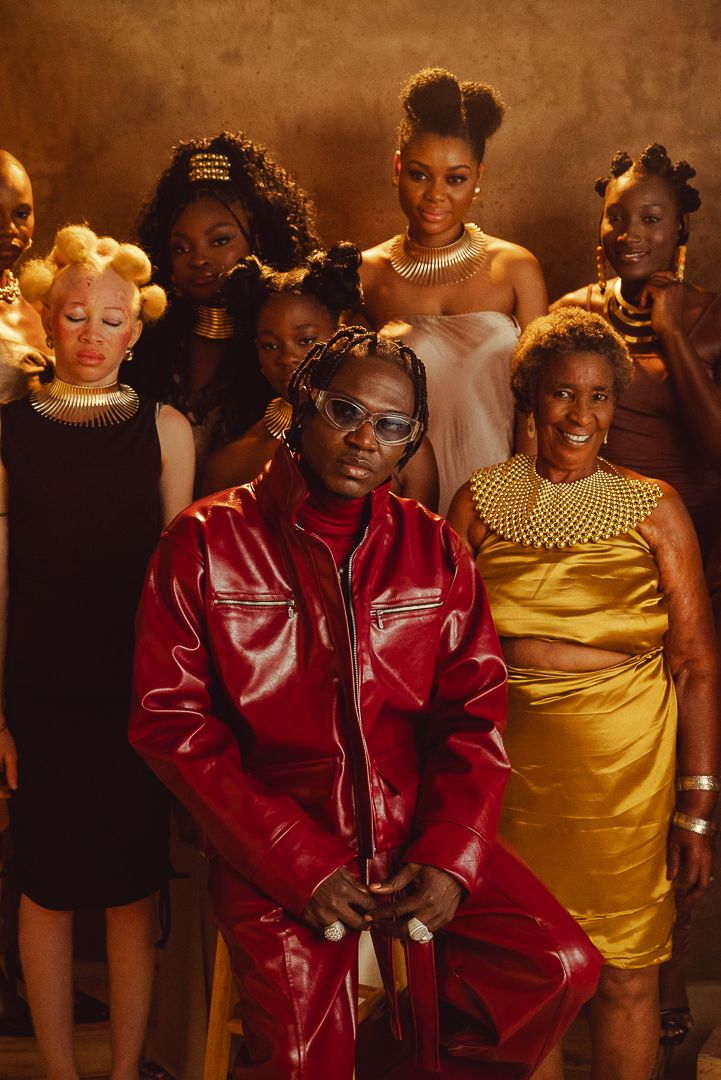
The fashion authority of Afrobeats music videos rests on a specific production infrastructure that the industry has not adequately documented. Behind every major video styling decision is a stylist whose creative intelligence shapes what the artist wears, how it is photographed, and what cultural argument the visual makes. As documented in research on Afrobeats fashion, stylist Swazzi, working with artists including Asake and Simi, creates bold, theatrical looks that make Afrobeats instantly recognisable as a visual category. This is editorial work. A fashion editor at a magazine commissions photographers and selects garments to create a visual argument about what is beautiful, powerful, or aspirational in the current moment. A music video stylist does the same thing for an audience that is orders of magnitude larger.
Tiwa Savage’s Koroba video is the most precisely documented example of how this system works at its most intentional. The video’s styling was handled by Daniel Obasi, one of Nigeria’s most respected fashion creatives. It featured a curated sequence of looks drawn from specific Nigerian designers: Deola Sagoe’s Komole collection, Bridget Awosika’s clean tailoring, and Tokyo James’s minimalist edge. Each designer brought a distinct position within Nigerian luxury fashion. Together they constituted an editorial argument about the range and depth of Nigerian womenswear at its most accomplished. Millions saw the video of people across Africa and the diaspora who would never read a Nigerian fashion magazine but who absorbed that argument in full because it arrived inside a song they were already listening to.
The directional power of the Afrobeats video extends beyond the styling of individual artists. It shapes the entire visual grammar of aspirational dress across the continent. When Burna Boy performs in custom tailoring that fuses Afrocentric silhouettes with European construction precision, the fusion is visible to audiences in Lagos, London, and Atlanta simultaneously. When Asake fuses Yoruba street culture with contemporary fashion codes across his video output, that fusion becomes the reference point for how his generation of Nigerian men understand the relationship between heritage dress and contemporary style. The video is not documenting a pre-existing fashion reality. It is creating the fashion reality that millions of viewers then enact in their own dressing.
How Afrobeats Music Videos Influence Fashion: The Evidence
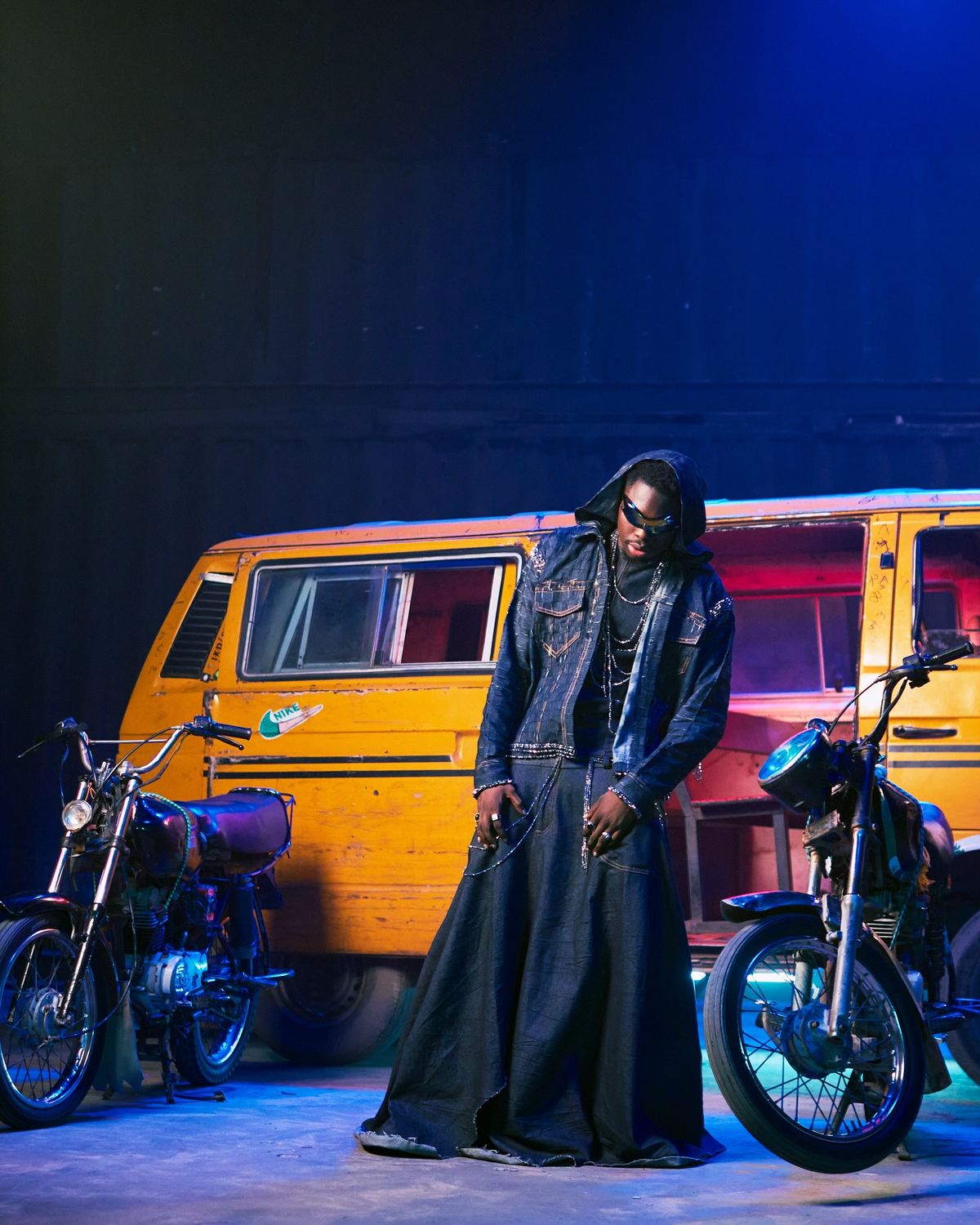
The structural evidence for the Afrobeats video’s fashion editorial authority is now substantial and cross-platform. Spotify’s September 2025 analysis of Afrobeats and style documented the shift explicitly: Tems wore a wax print look by Ozwald Boateng at the 2025 Met Gala; Burna Boy appeared at the Met Gala in Burberry; Asake showed at Jacquemus during Paris Fashion Week. These are not random celebrity fashion moments. They are the downstream consequences of a visual authority built through years of music video styling that positioned these artists as credible fashion presences before any international fashion institution acknowledged them.
The economics underlying the video’s fashion influence are equally significant. Burna Boy’s collaborations with Burberry and BOSS, Wizkid’s partnership with Nike, Tems’s collaboration with Tommy Hilfiger, Rema’s partnership with Jordan Brand in 2023: these are luxury and sportswear brands investing in Afrobeats artists because those artists command the precise demographic and cultural authority those brands are trying to reach. The investment did not precede the authority. The authority was built through music videos watched by audiences, and the brands then wanted access to. The fashion industry arrived after the editorial work was already done.
The MTV Video Music Award for Best Afrobeats Video, introduced in 2023, is an institutional acknowledgement of a category that the music industry itself has been slow to formalise. As the award’s documented history confirms, Tyla’s Push 2 Start won in 2025. Asake, Ayra Starr, and Burna Boy hold the most nominations with three each. The award exists because the videos being produced in this category reached an audience and generated a cultural impact that the institution could no longer ignore. That audience had been there, responding to the fashion intelligence in those videos, years before the category was formalised.
The Afrobeats video did not wait for fashion editorial to arrive. It built its own editorial system, with its own reach, aesthetics, and authority — and the fashion industry is still catching up.
What Afrobeats Fashion Aesthetics Communicate and Why It Matters
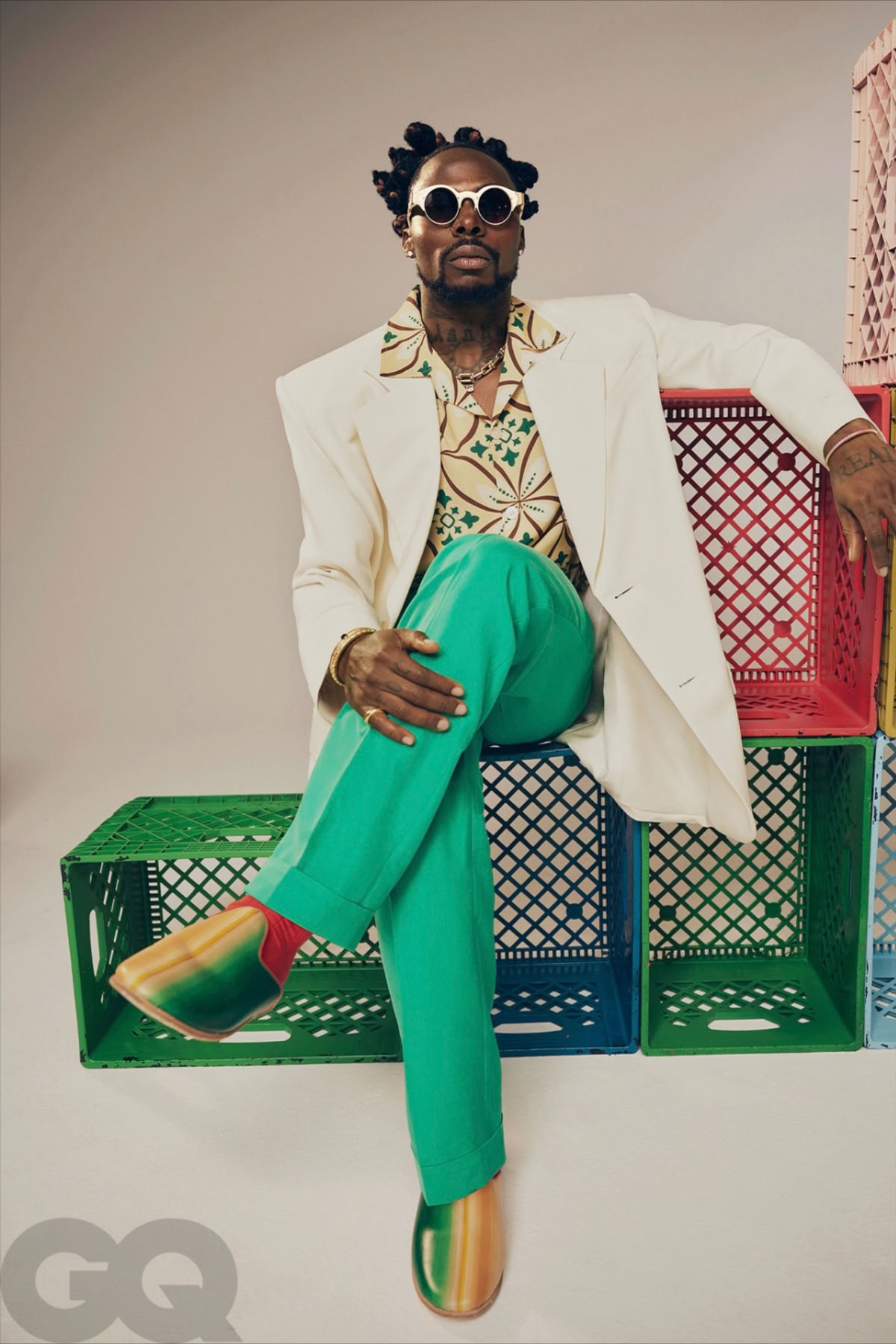
The fashion argument in Afrobeats music videos is not uniform. Different artists are making different arguments, and the combination of those arguments constitutes the most comprehensive public conversation about African fashion identity currently taking place in any medium.
Burna Boy’s aesthetic argument is one of civilisational confidence: Afrocentric luxury that refuses to choose between its Nigerian cultural inheritance and its claim to the highest tier of international dress. The custom tailoring, the bold silhouettes, the deliberate juxtaposition of African textiles and European construction precision all of it communicates that African fashion does not require translation for Western acceptance. It requires Western fashion to develop the vocabulary to receive it.
Tems makes a different argument. Her styling is defined by scale and structural drama: sculptural silhouettes, architectural headpieces, garments that claim physical and visual space with complete confidence. The Oscars dress that went viral in 2023, the Ozwald Boateng wax print at the 2025 Met Gala: these are not red carpet performances. They are fashion positions staked in the rooms where the global industry is most publicly watching, by an artist who understands that every public appearance is an editorial opportunity.
Asake’s argument is the one closest to the street-level fashion intelligence that Afrobeats music videos most distinctly carry. As African Leadership Magazine’s 2026 analysis confirms, Asake fused Yoruba street culture with contemporary fashion codes in a way that makes both immediately legible to audiences who have not grown up with either. That fusion is the Afrobeats fashion video’s most consistent achievement: it translates cultural specificity into a visual language that travels without losing what makes it specific. This is not what fashion editorials have historically done when covering African fashion. Fashion editorial has tended to strip the specificity in the service of legibility. The Afrobeats video maintains both simultaneously, because it is made by people who understand both from the inside.
Also Read:
- Fela Kuti’s Stage as Political Manifesto: How the Father of Afrobeats Used Fashion as Revolutionary Argument
- AMVCA 2026 Designers: How Nigerian Fashion Claimed the World Stage
- While the World Debates Vogue Africa, Veekee James Is Already Building It
- The Silence Around African Luxury: Why the Continent’s Most Expensive Fashion Is Almost Never Discussed
The Fashion Magazine Has Not Caught Up and May Not Need To
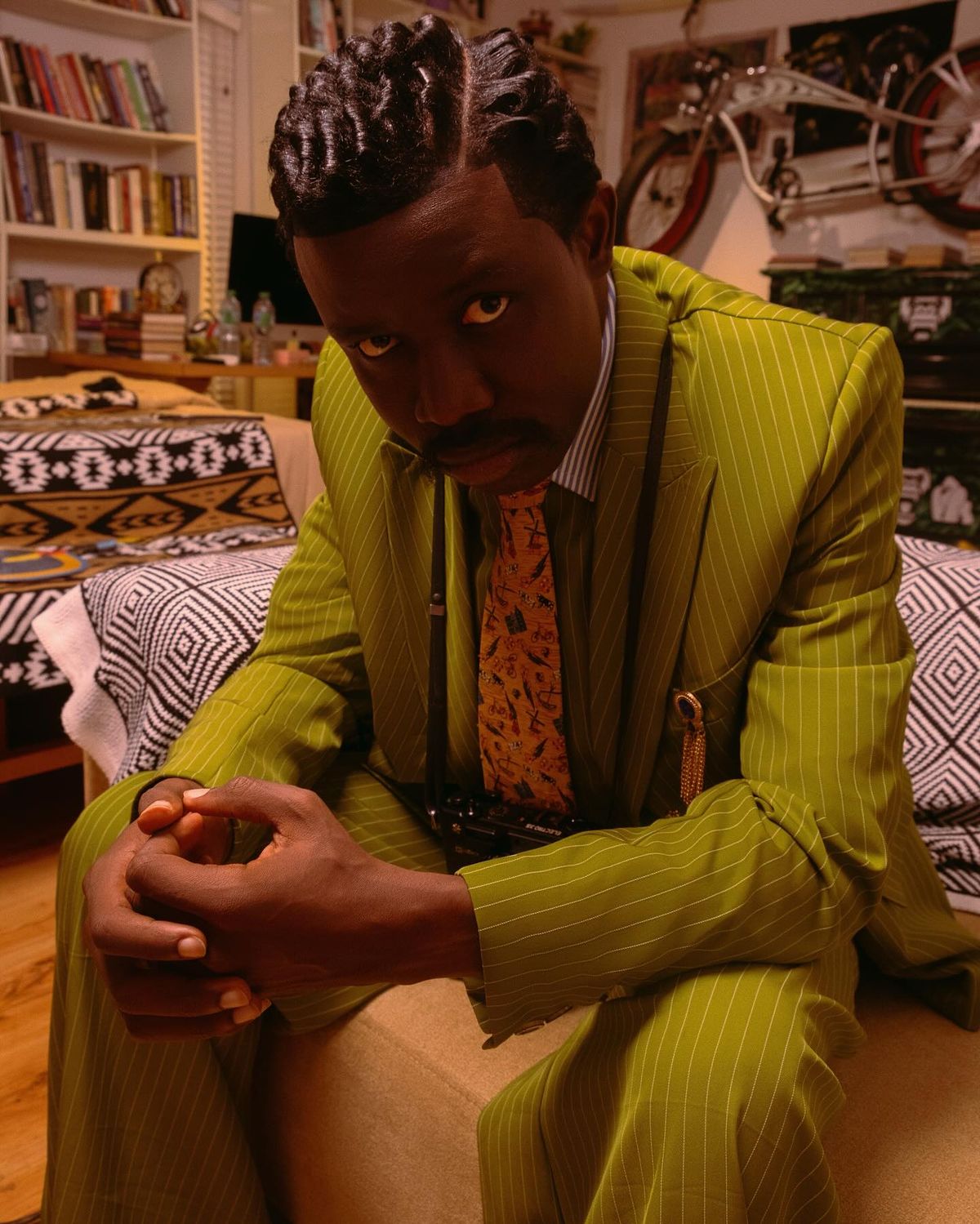
The question that the Afrobeats music video’s fashion authority raises for African fashion editorial is an honest and structurally significant one: if the video is already doing the editorial work at a scale no magazine can match, what is the magazine for? The answer is not obvious, but it is available.
The Afrobeats music video is the most powerful fashion distribution mechanism Africa has produced. It reaches tens of millions of people within seventy-two hours of release, across every digital platform simultaneously, without a cover price or a subscription barrier. It carries fashion arguments to audiences in Lagos, London, Atlanta, and Accra simultaneously. It generates social media conversation, TikTok recreations, and direct purchasing behaviour faster than any editorial cycle can keep up with. What it does not do is provide sustained, historically grounded, analytically precise documentation of what those fashion arguments mean, where they came from, and what they are building toward.
That is what African fashion editorial is for. Not to compete with the video on reach or speed, but to provide the cultural infrastructure that gives the fashion intelligence in those videos their full context. When Tems wears Ozwald Boateng’s wax print at the Met Gala, the video of that appearance circulates globally within hours. What circulates more slowly, and what Omiren Styles is built to provide, is the analysis of why that specific choice carries the specific authority it does: the history of wax print’s movement through African and diaspora fashion, the significance of Boateng as the first Black tailor to own a Savile Row shop, the specific argument that combination makes about the relationship between African heritage and global luxury. The video creates the moment. The editorial creates the meaning.
The Omiren Argument
The Afrobeats music video is the dominant fashion editorial medium for Africa and has been for over a decade. Its reach exceeds any African fashion publication. Its influence speed exceeds any fashion week cycle. Its audience includes every demographic that African fashion needs to reach, in every geography where that audience lives. The fashion industry’s slow recognition of this fact, visible in the gradual acquisition of Afrobeats artists as brand ambassadors and the 2023 creation of the MTV Best Afrobeats Video category, is institutional acknowledgement of authority that artists, stylists, and audiences had established years earlier. The video was the editorial before the editorial knew it was being displaced.
Omiren Styles covers the Afrobeats music video as fashion editorial because that is what it is. The styling decisions made for a Burna Boy video, the designer choices in a Tems red carpet appearance, the street-culture fusion in an Asake visual, the Daniel Obasi-curated sequence in Tiwa Savage’s Koroba: these are the most consequential fashion editorial acts being produced in Africa right now, measured by reach, influence, and the speed at which they move from screen to street. The African fashion magazine that covers music as entertainment and ignores fashion as incidental has made the wrong call. Omiren Styles is the publication that understands the video as the primary text. The music is how it travels. The fashion is what it says.
Frequently Asked Questions
How do Afrobeats music videos influence fashion trends in Africa?
Afrobeats music videos serve as the dominant fashion editorial medium for Africa and the African diaspora, reaching tens of millions of viewers within days of release across every digital platform. The styling decisions made for major videos, produced by identifiable stylists working with specific African designers, directly determine what reads as aspirational across the continent. Unlike fashion magazines with limited distribution or fashion weeks with geographically concentrated audiences, a single Afrobeats video reaches Lagos, London, Atlanta, and Accra simultaneously, creating immediate shifts in how audiences understand and adopt fashion aesthetics.
What is the Afrobeats fashion aesthetic?
The Afrobeats fashion aesthetic is not a single style but a range of arguments made by different artists through their visual output. Burna Boy represents Afrocentric luxury: custom tailoring that fuses Nigerian cultural heritage with European precision in construction. Tems represents structural drama and sculptural confidence: architectural silhouettes and headpieces that claim space with authority. Asake fuses Yoruba street culture with contemporary fashion codes. Wizkid’s Essence video established a vocabulary of quiet cultural ease and subtle luxury, positioning African fashion as globally chic rather than exotically dressed. Together, these aesthetics constitute the most comprehensive public conversation about African fashion identity currently happening in any medium.
Who are the stylists behind Afrobeats music video fashion?
Nigerian stylists and fashion creatives are the primary architects of the Afrobeats music video’s fashion authority. Stylist Swazzi, known for working with Asake and Simi, creates bold theatrical looks that have become central to Afrobeats’ recognisable visual identity. Daniel Obasi styled Tiwa Savage’s Koroba video, curating looks from Deola Sagoe, Bridget Awosika, and Tokyo James into a comprehensive editorial argument about Nigerian luxury womenswear. These stylists operate at the intersection of music and fashion editorial, producing work whose reach and influence exceed that of most dedicated fashion editorial operations in the region.
Why is Wizkid’s Essence video important for African fashion?
Wizkid’s Essence video, released in April 2021 and shot in Ghana, placed African fashion in front of a global audience of tens of millions during the song’s Billboard Hot 100 Top 10 run. The styling, which featured Tems in flowing robes and braided headpieces against a muted, warm visual palette, framed African dress as global chic rather than ethnic attire. This reframing reached audiences in the United States and Europe who had no prior engagement with African fashion editorial. The video’s fashion argument was not incidental to its cultural impact. It was central to the song: the visual language of quiet luxury and cultural ease made it feel simultaneously accessible and aspirational to its international audience.
How have Afrobeats artists changed their relationship with fashion brands?
Afrobeats artists have transitioned from wearing fashion brands to partnering with them on terms that reflect their cultural authority rather than their celebrity endorsement value. Burna Boy has collaborated with Burberry and BOSS. Wizkid has partnered with Nike and Moschino. Tems has collaborated with Tommy Hilfiger. Rema partnered with Jordan Brand in 2023. Asake showed at Jacquemus during Paris Fashion Week. These partnerships reflect fashion industry recognition that Afrobeats artists command a specific demographic and cultural authority that luxury and sportswear brands need access to, an authority built through music video styling that positioned these artists as credible fashion presences years before the brand collaborations arrived.
Explore More
Read the full Culture > Art & Music section for Omiren Styles’ analysis of the music, video culture, and performance traditions through which African artists have built the continent’s most consequential fashion editorial system — without calling it that.