The future of fashion in Niger will not be built by chasing global trends. It will be shaped by desert logic, cultural memory, and designers who understand that clothing in Niger has long treated climate and survival as the first design brief. Aesthetics are layered on top of that logic. That is where serious innovation begins.
In Niger, fashion is not only about appearance. It is about survival, movement, identity, and social meaning. The Sahel asks clothing to do more than look good. It must breathe in heat, bear dust, travel long distances, and still carry cultural authority. That is why the future of Nigerien fashion will come from a deep understanding of tradition rather than a rejection of it.
The strongest fashion systems are the ones that know what they are for. Niger’s future lies in that clarity.
Explore the future of fashion in Niger, where Nigerien tradition, Sahel climate logic, and design innovation are shaping a distinct Sahelian fashion identity.
Tradition as Design Intelligence
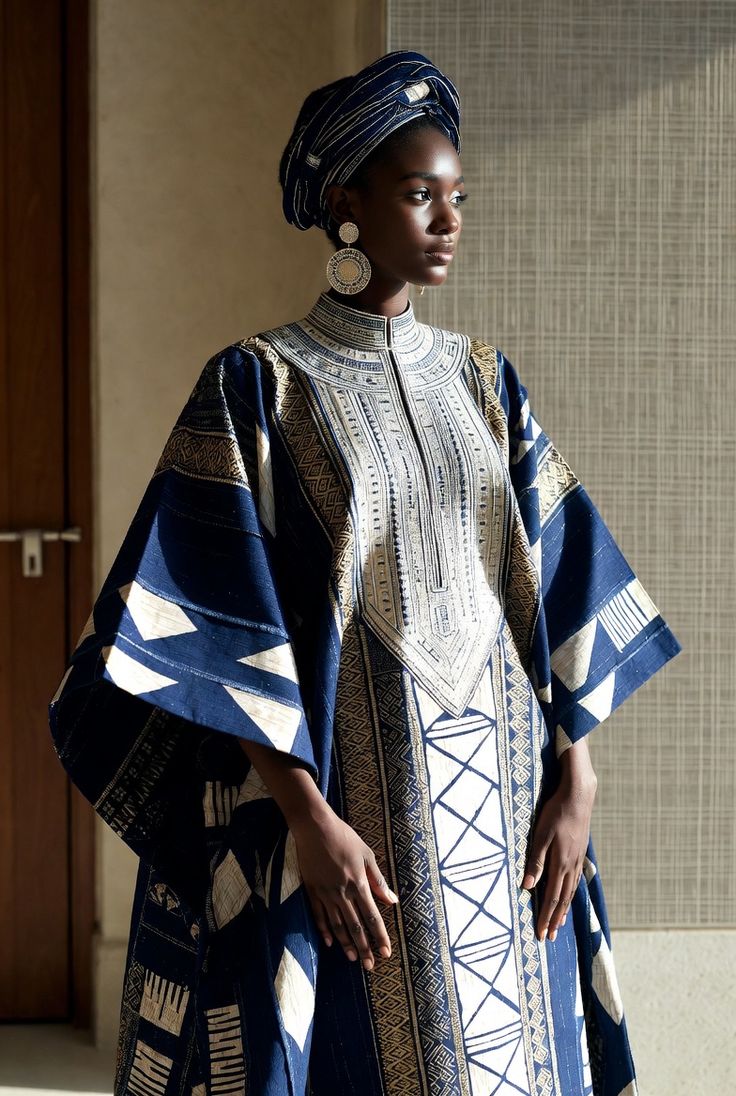
Traditional Nigerien dress already contains the logic of modern design. Tuareg garments, for example, use indigo, layering, and coverage in ways that reflect the demands of desert life while creating a recognisable visual identity. That is not a limitation. It is a design system refined over generations.
This matters because too much fashion commentary treats tradition as something designers must escape to innovate. Niger suggests the opposite. Tradition is not the obstacle to creativity here. It is the source of it. A robe, veil, or embroidered layer can be both culturally rooted and visually contemporary when the designer understands why it exists in the first place.
That is also why Nigerien fashion speaks strongly to younger audiences. They are not rejecting traditional forms wholesale. They are reworking them for urban life, social media visibility, and new ideas of self-presentation. This process is already visible in the career of Alphadi, Niger’s most internationally recognised designer, profiled by Omiren Styles in Alphadi: Niger’s Desert Couturier Shaping Global Style. Alphadi’s work demonstrates precisely this principle: Tuareg silhouettes, indigo palettes, and geometric embroidery translated into haute couture without losing the cultural authority of the original forms.
The future of fashion in Niger depends on whether designers can maintain this balance. If they do, tradition will not disappear. It will evolve with authority.
Climate as the Central Design Brief
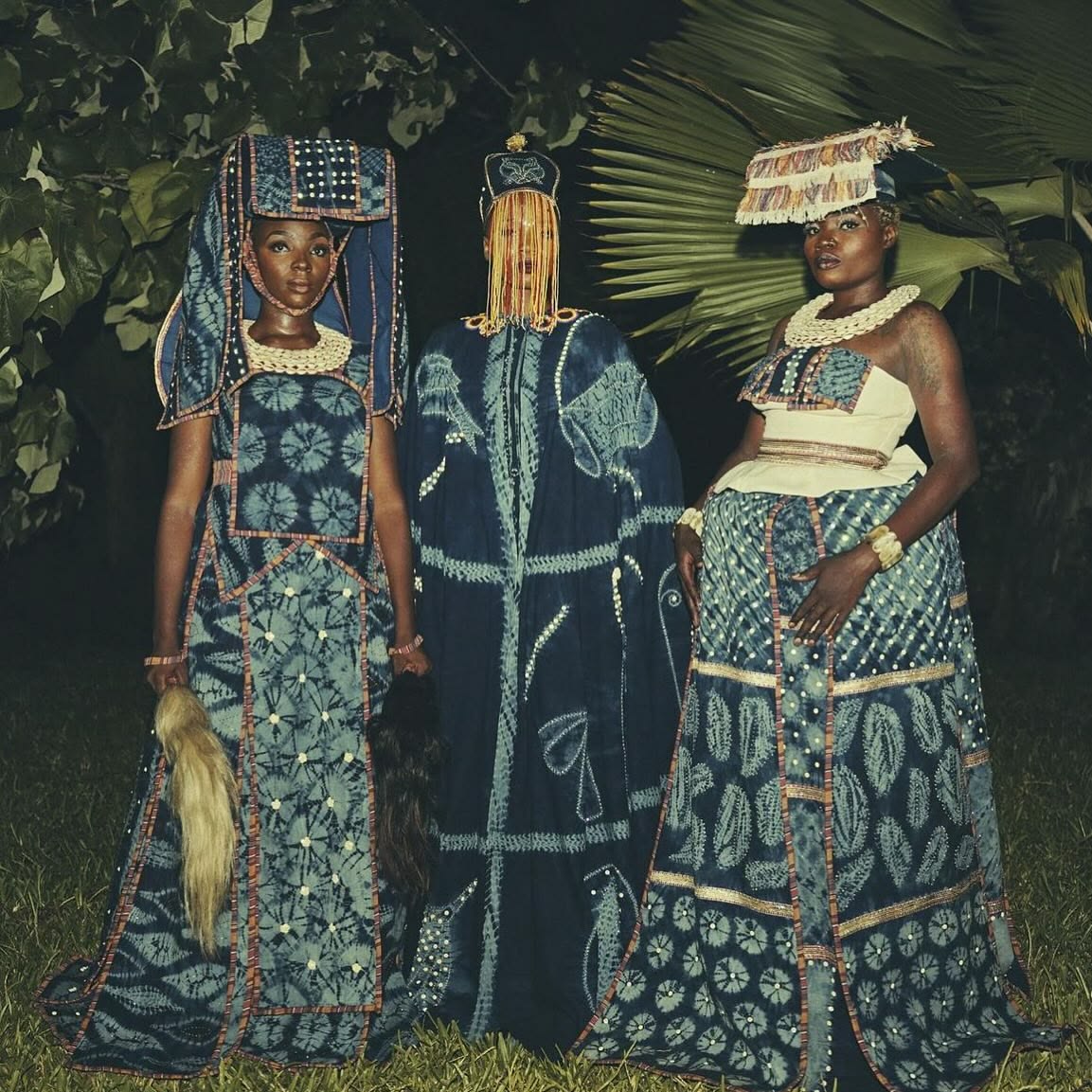
Climate is not a side issue in Nigerien fashion. It is the central design brief. The Sahel demands fabrics that handle heat, garments that allow movement, and silhouettes that protect the body without suffocating it. A fashion future that ignores this reality will not last.
This is where Niger has a structural advantage. The country already has a design culture that understands how to dress for the place. Loose silhouettes, breathable cloth, layered draping, and controlled coverage are not purely aesthetic choices. They are responses to the environment. That makes Nigerien fashion unusually well-positioned for a future where climate consciousness is no longer optional.
As Omiren Styles has examined in The Meaning of White: How Faith and Climate Shape Cultural Dress, white garments dominate Sahelian wardrobes not by convention but by environmental necessity: white reflects sunlight, loose silhouettes allow airflow, and the entire system functions as climate technology developed over centuries. Nigerian fashion already embodies that intelligence. The global industry is only now beginning to understand why it matters.
Globally, the fashion industry is being forced to confront its environmental impact. Fast fashion is under pressure, and more designers are thinking about durability, local sourcing, and lower-waste production. Nigerian fashion does not need to discover those values from scratch. They already exist in how many garments are made and worn. That gives local designers a strong foundation for climate-aware innovation without requiring them to import a sustainability framework from outside.
In Nigerien fashion, climate is not a footnote. It is the design brief.
ALSO READ
- Alphadi: Niger’s Desert Couturier Shaping Global Style
- The Meaning of White: How Faith and Climate Shape Cultural Dress
- Fulani Men’s Turbans and Robes: A Mark of Dignity and Identity
- The Afro-Arab Street Fashion Movement Reshaping Global Style
Innovation Will Come From Local Makers
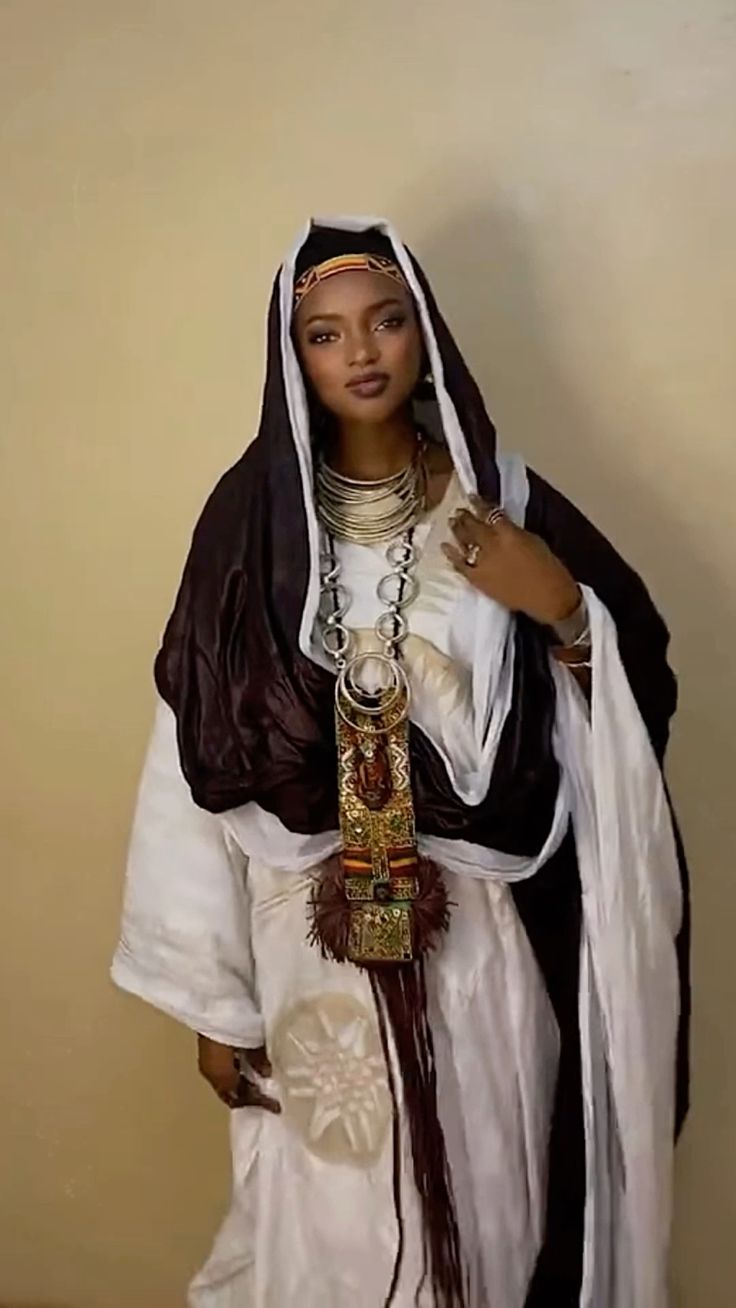
The most important part of Nigerien fashion’s future is that innovation need not look imported to be serious. It can come from local tailors, textile workers, and designers who already understand the relationship between fabric, movement, and place. In Niger, innovation is often about improving what already works rather than inventing something new from outside.
That may mean modernising traditional silhouettes without erasing them. It may mean using digital platforms to showcase clothes that were once seen only in local communities. It may mean turning handicraft into a more visible and better-resourced part of the fashion economy. What matters is that innovation remains accountable to context. A garment should still feel like it could live in Niger, even if it is destined for a runway abroad.
This is also where younger designers matter. They are less interested in the old separation between traditional and modern. They understand that a well-cut robe can sit beside sneakers, and that indigo cloth can live inside contemporary tailoring without losing meaning. As Omiren Styles has documented in The Afro-Arab Street Fashion Movement Reshaping Global Style, youth across the Sahel are already building a new visual language that respects heritage and faith while feeling globally connected, and they refuse the assumption that being contemporary requires copying the West. Nigerian designers are part of that movement, whether the global fashion calendar has noticed yet or not.
African brands show that this kind of local-rooted innovation has real commercial and cultural power. Tongoro in Senegal has built a recognisable brand identity around local craft and strong silhouettes. What those examples demonstrate is a principle, not a template: local knowledge becomes stronger when it is organised with purpose. Nigerien designers do not need to copy those brands. They need to apply the same principle to what Niger already has.
That flexibility is not a compromise. It is a sign that the fashion culture is alive.
What Niger Offers the Global Fashion System
The fashion world often talks about Africa as if it is waiting to be discovered. Niger is a useful correction to that habit. It shows that innovation can emerge from places the industry has ignored for too long, and that the future of fashion is not only about technology or spectacle. As Omiren Styles has traced in Fulani Men’s Turbans and Robes: A Mark of Dignity and Identity, the indigo robe and turban traditions of Sahelian communities already embody the values the global luxury market is now paying premium prices to access: durability, craft specificity, climate intelligence, and garments that carry social meaning. Niger has been producing that at scale for centuries without waiting for external validation.
Niger can offer the world a different idea of modern fashion. Not fashion as excess. Not fashion as imitation. Fashion as a response. Fashion as climate intelligence. Fashion as culture made visible through cloth. That is a more durable future than trend churn. Consider what a Niger-led capsule collection might look like: indigo-dyed robes in contemporary silhouettes, geometric Tuareg embroidery on structured tailoring, breathable layering systems designed for both Niamey’s heat and London’s winter. The vocabulary already exists. What it needs is a platform and an editorial record that takes it seriously.
The most important thing is that this future does not require Nigerien fashion to become something else. It requires the world to learn how to see it properly. That shift in perception may be the most powerful innovation of all.
THE OMIREN ARGUMENT
Nigerian fashion does not need to earn its authority by entering a global trend cycle. It already has its own. The Sahel has been producing climate-intelligent, culturally specific, technically sophisticated dress systems for centuries. Tuareg indigo garments, Fulani robes, and the layered formal dress of the Hausa and Zarma communities all represent a design logic that the global fashion industry is only now beginning to recognise as relevant because the climate crisis has made function unavoidable. Niger arrived there first.
The question is not whether Nigerian fashion has a future. It is about whether the editorial and commercial infrastructure surrounding African fashion will stop treating Niger as peripheral. Designers who build from Sahelian tradition are not working at the margins of global fashion. They are working at its most urgent frontier: clothing that survives the environment, carries cultural meaning, and does not require a seasonal replacement. That is not a niche argument. That is the strongest possible positioning for the next fifty years of fashion.
FREQUENTLY ASKED QUESTIONS
What is the future of fashion in Niger?
The future of fashion in Niger will be shaped by Sahelian tradition, climate-responsive design, and innovation rooted in local knowledge. Nigerian designers are already working with cultural forms and adapting them for contemporary audiences. The country’s deep expertise in climate-intelligent dress gives it a structural advantage as sustainability becomes a global priority.
How does climate affect fashion in Niger?
Climate affects everything from fabric choice to silhouette. The hot, dry conditions of the Sahel have historically produced loose, breathable garments, protective layering, and controlled coverage as practical responses to the environment. That design intelligence makes Nigerien fashion unusually well-positioned for a global fashion market increasingly focused on durability and climate-conscious production.
Who are the key designers shaping Nigerien fashion?
The most internationally recognised Nigerien designer is Alphadi, known as the Magician of the Desert, who has spent decades translating Sahelian textile tradition into haute couture recognised on Paris runways. He is also the founder of FIMA, the Festival International de la Mode Africaine, which has developed emerging talent in Niger and across the continent.
Why is tradition important in Nigerien fashion?
Tradition provides the design logic behind Nigerien clothing. It shapes how garments are cut, worn, and understood within their cultural and environmental contexts, making it a foundation for innovation rather than something to be avoided. In Niger, traditional silhouettes are already climate-optimised, culturally authoritative, and visually distinctive without needing external validation to prove their value.
How is Nigerien fashion relevant to the global luxury market?
Nigerian fashion offers something the global luxury market is increasingly seeking: climate intelligence, silhouette discipline, craft specificity, and cultural authenticity. Sahelian dress systems have been producing durable, purposeful, and visually distinctive garments for centuries. As the fashion industry faces pressure around sustainability and meaning, Niger’s existing design tradition becomes not a regional curiosity but a serious reference point.