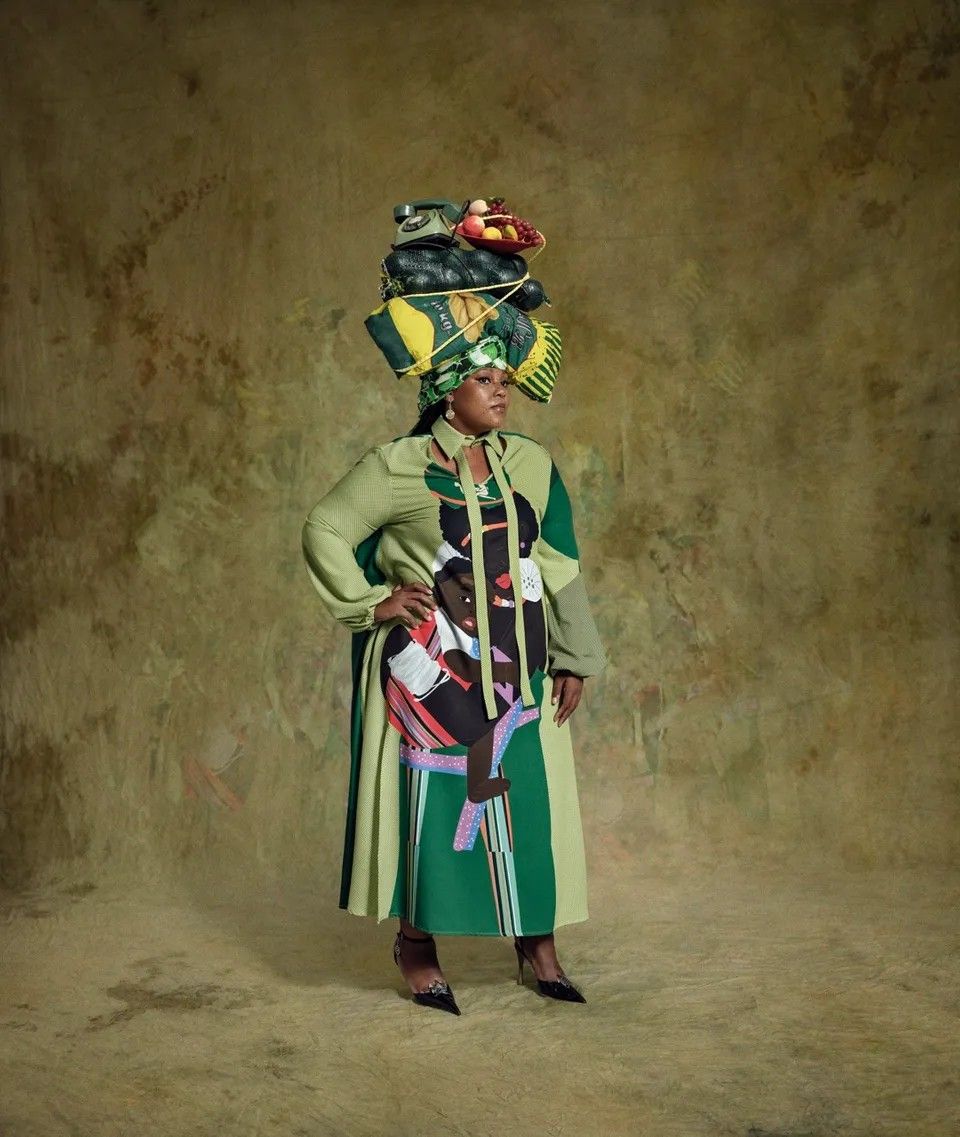
In the townships of Gauteng Province in the mid-2010s, a generation of young South African producers built a genre on pirated software, affordable personal computers, and files shared over Bluetooth and WhatsApp groups. The music they made was called Amapiano — the pianos in Zulu and Sotho, named for the jazz-influenced keyboard chords at its centre. It grew without radio support, without record label backing, and without the endorsement of a mainstream industry that, as multiple documented accounts confirm, initially shunned it as insufficiently high-class for its preferred venues. By 2019, it had taken over South African radio and streaming charts. By 2024, Tyla’s Amapiano-inflected Water had become the first song by a South African soloist to enter the United States Billboard Hot 100 in fifty-five years and won the Grammy for Best African Music Performance. The #Amapiano hashtag on TikTok has accumulated over 10 billion views. What the genre built in the same period, through the same channels, without any separate editorial commission or fashion industry acknowledgement, was a visual language. The fashion aesthetic of Amapiano did not keep pace with the music’s success. It grew alongside it, from the same places, through the same people, on the same social media feeds.
The Amapiano fashion aesthetic is not a dress code imposed by a brand. It emerged from the same township social infrastructure that produced the sound: house parties in Pretoria’s ekasi, taverns in Johannesburg, the parking lot sessions that became a cultural institution, the dance circles that generated the choreography challenges that carried the music global. DJ Sicelo Mabaso, speaking to Wits University in November 2025, described the phenomenon with the precision of someone who has been inside it since 2019: every Amapiano song has a dance, a trend, a look. It is a lifestyle. It is culture. It is fashion. It is a certain way of talking, of dressing, of showing up. That description is the article.
Amapiano built its fashion aesthetic the same way it built its sound: from the township outward, without asking permission. Here is what it looks like and how it got everywhere.
What Is the Amapiano Fashion Aesthetic and Where Did It Come From
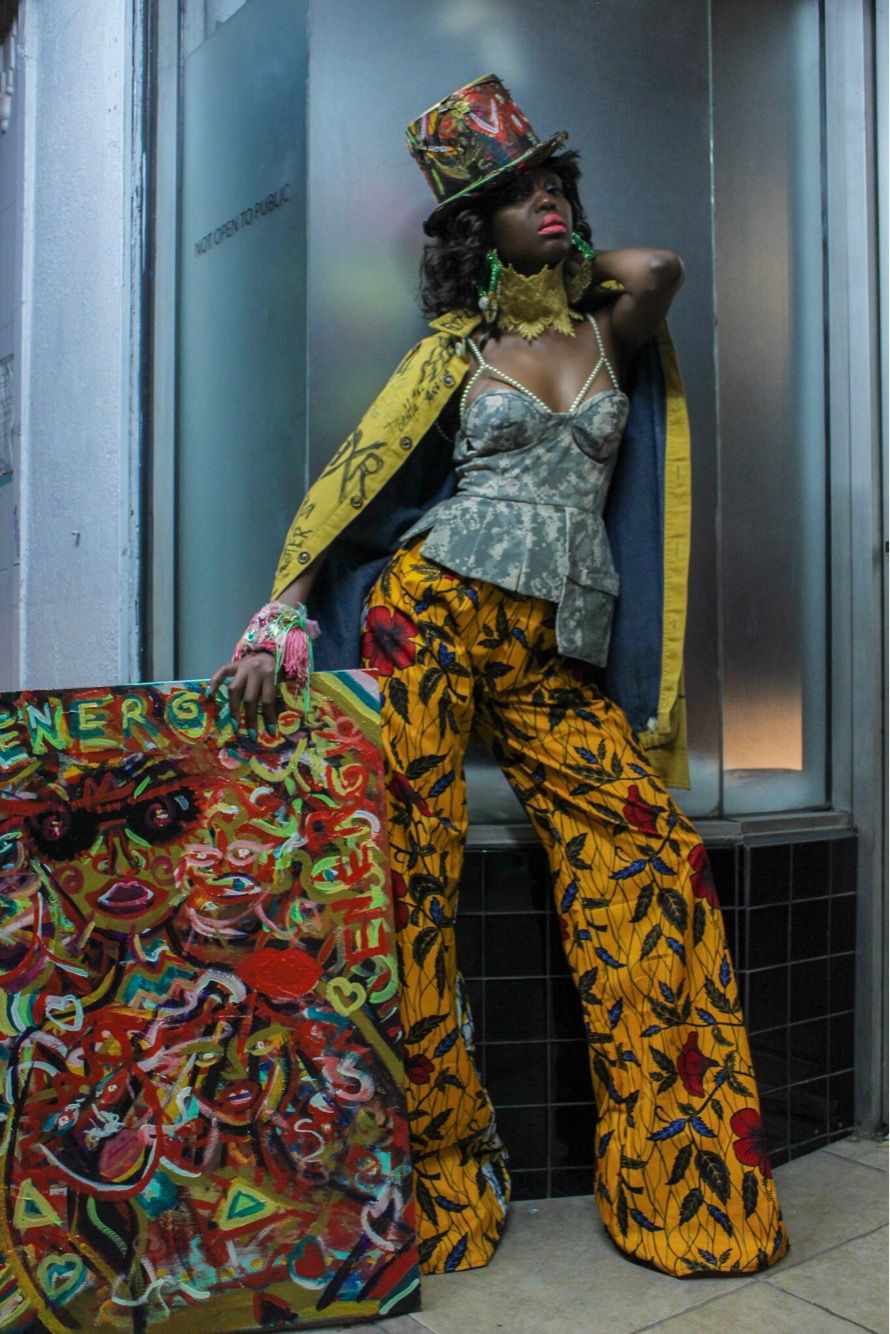
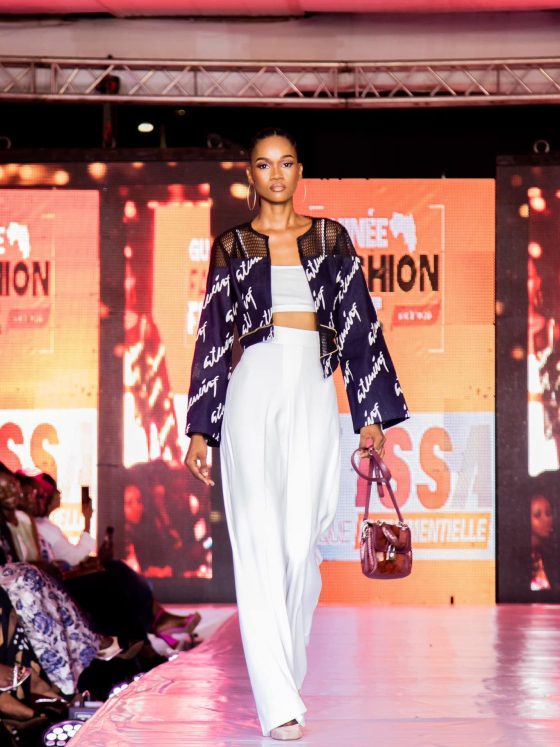
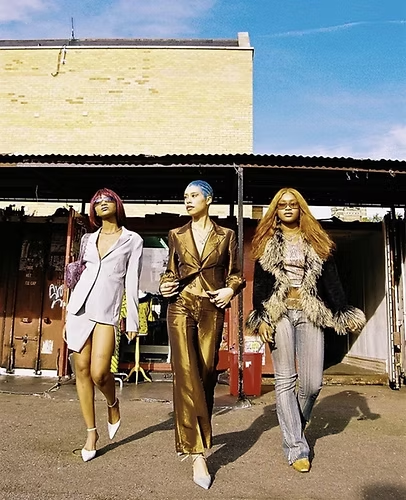
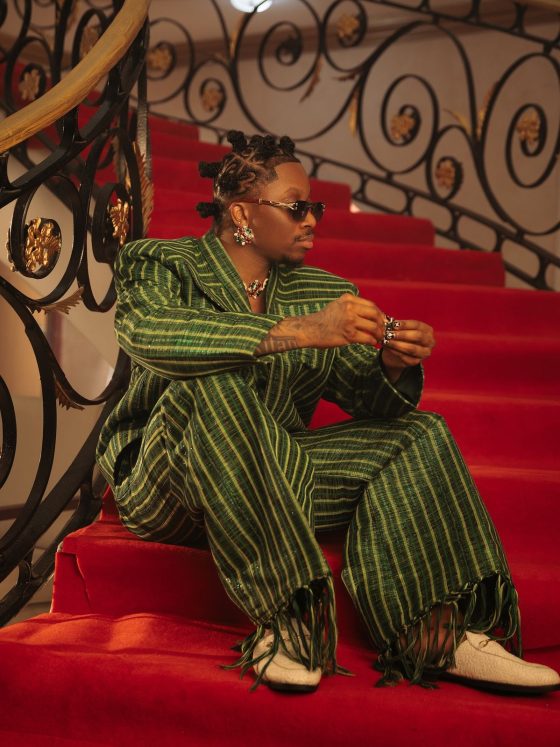
Amapiano’s fashion vocabulary is specific and consistent across the communities where the genre is practised. As PAUSE Magazine’s September 2025 analysis confirms, the dominant Amapiano aesthetic combines loose silhouettes, luxe streetwear, bucket hats, oversized sunglasses, and utility-inspired layers. Graphic football jerseys and relaxed cargos are the base. Luxury sneakers, particularly Air Force 1s in pristine condition, are non-negotiable. The boxy, cropped shirt is central. The look is unhurried and almost effortless: sportswear meets high fashion in a combination that references both the township parking lot and an international club night, because the music itself moves between the two spaces with the same ease.
The silhouette is deliberate. Amapiano requires movement. The log drum’s wide percussive bassline and the genre’s 110 to 120 BPM tempo produce a specific kind of body response: slow, deep, fluid, impossible in a fitted garment. The loose trousers and the relaxed shirt are not fashion choices that happen to suit the music. They are garments selected and evolved by communities whose primary use of clothing in this context is for dancing. The fashion aesthetic is shaped by the music’s physical demands, just as the requirements of the Yaake dance shape the Wodaabe Gerewol costume. The dress serves the movement. The movement defines the dress.
The designers whose work has grown closest to the Amapiano aesthetic are South African, locally grounded, and have built their audiences through the same social media channels that built the music. Rich Mnisi, whose Johannesburg-based practice draws on Tsonga cultural heritage and contemporary luxury, has become one of the most cited Amapiano-adjacent designers in the genre’s fashion coverage. Galxboy, a South African streetwear label, sits at the intersection of township youth culture and global streetwear with the specificity that the Amapiano aesthetic demands. Soweto Fashion Week, founded by Stephen Manzini and held twice yearly in Soweto, is the institutional platform that most directly connects the designers working in this aesthetic to the broader fashion industry. Its Autumn Winter 2026 edition ran 6 to 9 May 2026, rooted in Soweto itself — a place, as GQ South Africa documented in November 2025, that has long been a symbol of resilience, rebellion, and reinvention.
The DIY Origin That Explains the Fashion’s Independence
Amapiano’s fashion aesthetic cannot be understood without understanding how the music itself was built, because both were built the same way. As the Grammy.com documentation of Amapiano’s decade-long journey confirms, the genre emerged from young producers in Gauteng who used affordable personal computers and free music production software to blend deep house, kwaito, and jazz into something new. Tracks were shared on WhatsApp groups and flash drives. DJ sets happened at house parties and taverns. No label supported the early scene. No radio station played it initially. The music grew through local social networks long before any institutional structure acknowledged it existed.
The fashion that grew alongside this music followed the same model. There was no fashion week commission for an Amapiano aesthetic. No international brand arrived in Pretoria to document what people were wearing at parking-lot sessions and to propose a capsule collection. The dress code evolved organically within the communities that were creating the music and dancing to it, transmitted through the same platforms that transmitted the music itself: TikTok dance videos in which the clothing is visible, Instagram posts from Johannesburg’s nightlife, and the visual records of sets by Uncle Waffles, whose DJ performances are as much choreographic and sartorial events as they are musical ones. Uncle Waffles landed a BBC Radio 1 residency and performed at Coachella 2024 dressed in the specific visual language of Amapiano’s aesthetic carried to the world’s largest festival stages.
The peer-reviewed literature has begun to catch up with what the culture already knew. A February 2026 study published in the journal TWIST, drawing on thematic content analysis of Amapiano music videos and semi-structured interviews with artists and fans, confirmed what anyone closely watching the genre had understood for years: Amapiano fashion is not a passive aesthetic but an integral part of the youth’s collective identity. Fashion and language within Amapiano are interconnected, reinforcing the cultural identity that the genre represents. The academic documentation arrived years after the cultural fact. The music and the fashion were already operating as a unified system.
Every Amapiano song has a dance, a trend, a look. That is not a side effect of the music. That is the music — extended into the body, the wardrobe, and the street.
How the Amapiano Aesthetic Travelled From Soweto to Berlin to Lagos
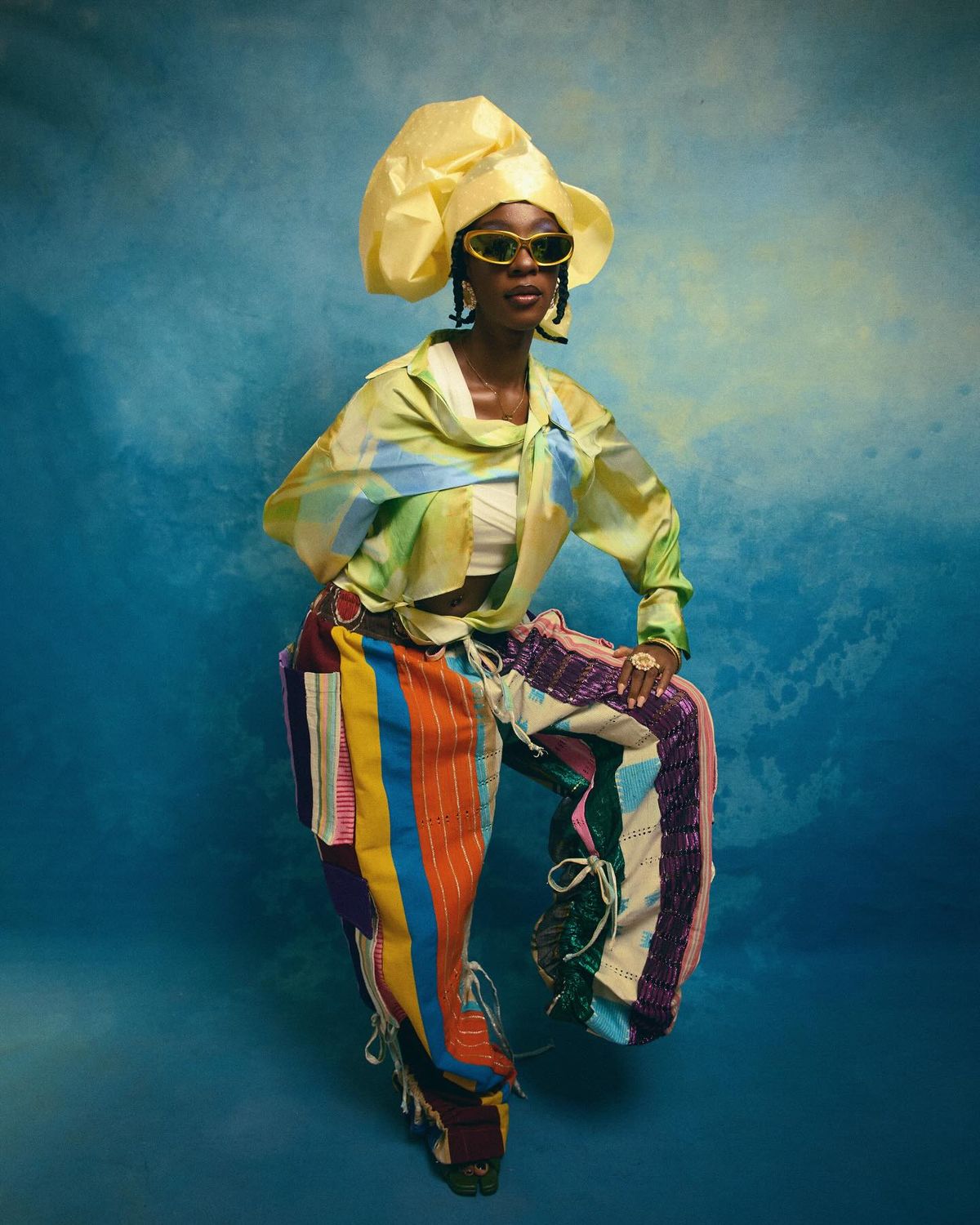
The global spread of the Amapiano fashion aesthetic closely followed the music’s distribution model. As documented by the African Music Library’s 2026 history of the genre, in less than a decade, Amapiano transitioned from taxis, townships, and informal lounges to clubs in London, dance floors in Lagos, and festivals in New York City, spreading through TikTok feeds worldwide. The fashion aesthetic spread through the same mechanism: the dance challenge video that went viral in 2024, the Boiler Room set that Uncle Waffles performed in full Amapiano visual register to a London audience, the club nights in Berlin where groovists wear utility vests over crisp white tees and pair wide shorts with pristine Air Force 1s.
In Lagos, the Amapiano aesthetic arrived alongside the music itself. It intersected with the existing streetwear culture of Nigerian youth, producing Afropiano, a fusion of Amapiano and Afrobeats rhythms that emerged in the early 2020s. Burna Boy and DJ Tarico’s “Yaba Bukulu” is a documented example. The fashion exchange went in both directions: Nigerian urban streetwear influenced the Lagos expression of the Amapiano aesthetic, and the Amapiano visual language influenced how Nigerian music video styling approached the genre’s leisured, unhurried look. The two aesthetics converged without either losing its specific origin.
The Wits University November 2025 analysis of Amapiano’s global reach documented a cultural shift that the fashion dimension makes visible: when I am abroad, people no longer say “South Africa” and think of Mandela. They say “South Africa” and think “Amapiano”. That shift is not only a musical phenomenon. It is a visual one. At Amapiano festivals in Europe, Tanzanian, Botswanan, and Ghanaian attendees wave their flags while dressed in the visual language of South African township culture, which has become the continent’s most globally recognised contemporary aesthetic export. Amapiano is now what people outside South Africa most immediately associate with South African cultural identity. Fashion and music built that association.
Also Read:
- Fela Kuti’s Stage as Political Manifesto: How the Father of Afrobeats Used Fashion as Revolutionary Argument
- Why Afrobeats Music Videos Are Now the Most Influential Fashion Editorials in Africa
- Congolese Rumba and La Sape: The Music That Dressed a Movement
What Fashion Editorial Has Still Not Understood About This
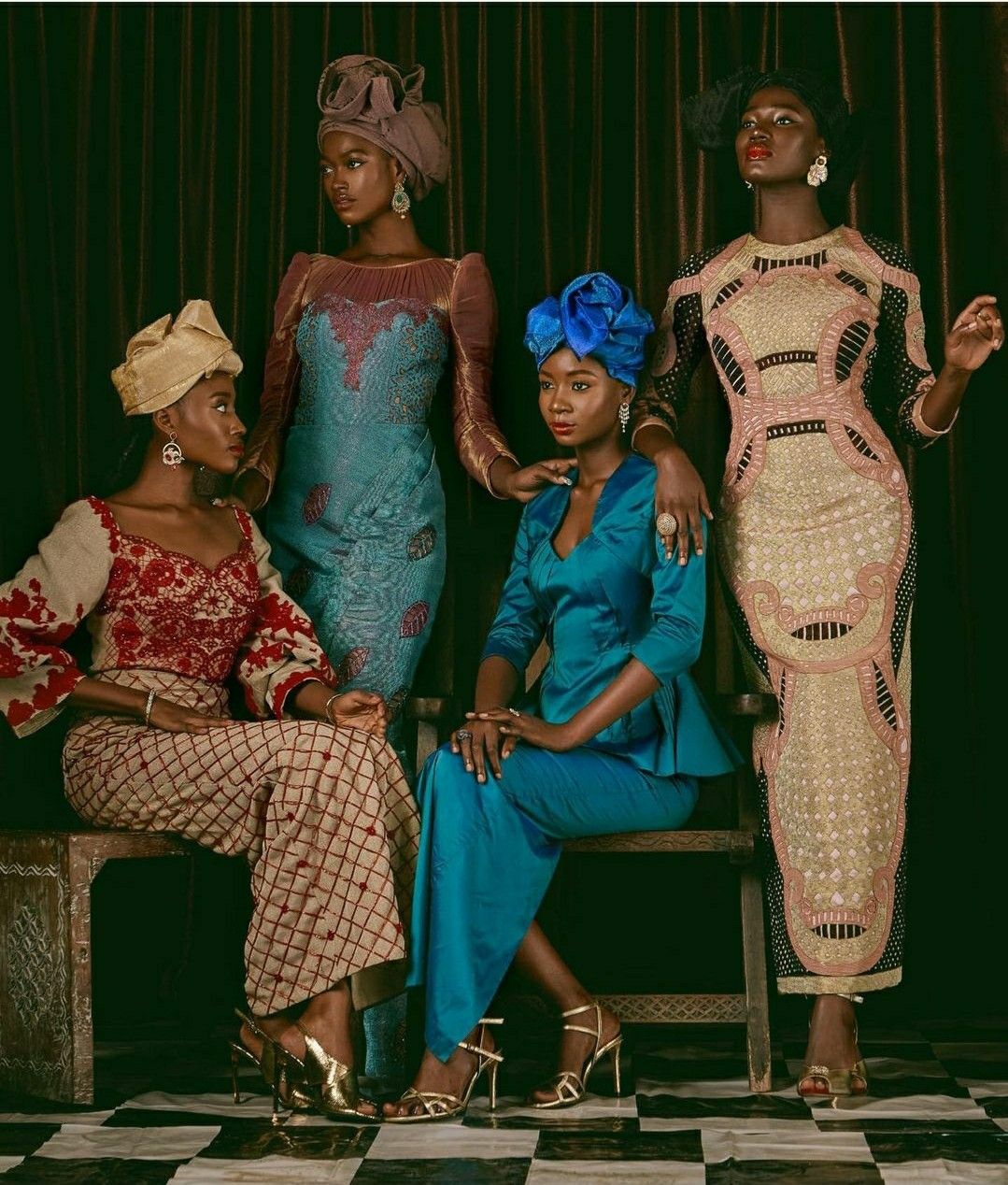
Fashion editorial has engaged with Amapiano’s visual language primarily through the lens of individual artists’ red carpet appearances and brand collaborations. The PAUSE Magazine analysis notes correctly that luxury brands are listening closely: looks blend sportswear influences with high fashion, drawing on local designers like Rich Mnisi or Galxboy, paired with Louis Vuitton, Amiri, or Gucci. This is accurate as far as it goes. What it does not do is engage with the origins of the fashion intelligence that luxury brands are now absorbing. It originated in the same South African townships as the music. Not in a designer’s studio. Not in a brand’s creative department. In the parking lots, taverns, and house parties of Gauteng Province, where young people built a complete cultural system because that is what they do, the fashion industry arrived years later to find the aesthetic already complete.
The Amapiano fashion aesthetic is the most visible contemporary demonstration of a principle Omiren Styles has been documenting throughout this archive: African cultural production builds its own aesthetic systems on its own terms, without waiting for external editorial validation to assign them value. Mainstream South African venues shunned the music before it dominated them. The fashion that accompanied it was built in the same spaces and transmitted through the same channels as the music. Both arrived globally on their own terms. Both are now being absorbed by a fashion industry that did not build either one.
The Omiren Argument
The Amapiano fashion aesthetic is not the visual branding of a successful music genre. It is a complete cultural system built by South African township youth, developed in parallel with the music rather than as its decoration, transmitted through the same DIY social infrastructure that carried the music from Pretoria’s house parties to Coachella’s main stage. Loose silhouettes, utility layers, bucket hats, oversized sunglasses, and pristine luxury sneakers are not aesthetic choices made in isolation. They are the garments of a community whose primary relationship to music is physical, whose fashion is shaped by the requirements of the dance, and whose cultural authority was established long before any fashion institution arrived to document it. The 10 billion TikTok views of the #Amapiano hashtag are as much a record of the fashion as they are of the music. The dance and the dress are the same text.
Omiren Styles documents the Amapiano fashion aesthetic in the Art and Music section because the fashion was never separable from the music to begin with. The Gerewol costume cannot be understood without the Yaake dance. The Fela Kuti stage aesthetic cannot be understood without the political argument the performance was making. The Amapiano aesthetic cannot be understood without the slow, deep log-drum groove that determines its silhouette, the township social geography that determined its budget, and the TikTok choreography challenge that carried both around the world simultaneously. African fashion built this system. The townships of Gauteng built it. The industry arrived after. Omiren Styles was already watching.
Frequently Asked Questions
What is the Amapiano fashion aesthetic?
The Amapiano fashion aesthetic emerged from the South African townships of Gauteng Province alongside the music genre of the same name in the mid-2010s. It is built around loose silhouettes, relaxed cargo trousers, graphic football jerseys, boxy cropped shirts, bucket hats, oversized sunglasses, utility-inspired layers, and luxury sneakers, particularly pristine Air Force 1s. The aesthetic blends sportswear and high fashion, referencing both the township parking lot and the international club night. The genre’s physical demands shape it: Amapiano requires movement, and the loose, relaxed garments serve the specific dance vocabulary the music produces.
What is Amapiano music?
Amapiano is a South African genre that emerged from the townships of Gauteng Province, particularly Pretoria and Johannesburg, in the mid-2010s. The word means “pianos” in both Zulu and Sotho, referencing the jazz-influenced keyboard chords central to the sound. It fuses deep house, kwaito, jazz, and lounge music at a tempo of 110-120 BPM, characterised by log drum basslines, wide synth pads, and shaker-driven rhythms. Key figures include Kabza De Small, widely called the King of Amapiano, DJ Maphorisa, and the Scorpion Kings collaboration. The genre broke into international markets through Tyla’s Water, which won the 2024 Grammy for Best African Music Performance and became the first song by a South African soloist to enter the US Billboard Hot 100 in fifty-five years.
How did Amapiano influence fashion globally?
Amapiano’s fashion aesthetic spread through the same DIY social media channels as the music itself: TikTok dance challenge videos in which the clothing is visible, Instagram documentation of set performances, and the global club circuit through which artists like Uncle Waffles, DBN Gogo, and Major League DJz carried the visual language to international audiences. The #Amapiano hashtag has accumulated over 10 billion TikTok views. In Berlin, groovists wear utility vests over crisp white tees, wide shorts, and pristine sneakers. In London, the aesthetic has influenced summer streetwear. In Lagos, the visual language merged with Nigerian streetwear to produce a distinct Afropiano aesthetic. The fashion arrived globally without a single fashion editorial commission.
Which South African designers are associated with Amapiano?
Rich Mnisi, whose Johannesburg practice draws on Tsonga cultural heritage and contemporary luxury, is among the most cited designers in the Amapiano fashion conversation. Galxboy, a South African streetwear label positioned at the intersection of township youth culture and global streetwear, sits closest to the aesthetic’s specific visual codes. Soweto Fashion Week, founded by Stephen Manzini and held twice yearly in Soweto, is the institutional platform that connects designers working in the Amapiano aesthetic to the broader fashion industry. Its Autumn Winter 2026 edition ran from 6 to 9 May 2026.
Why did Amapiano build its own fashion aesthetic without the fashion industry?
Amapiano’s fashion aesthetic emerged from the same conditions as the music: DIY infrastructure, township social networks, and distribution through WhatsApp groups, Bluetooth file-sharing, and social media platforms rather than through established industry channels. The mainstream South African music industry initially shunned Amapiano as insufficiently high-class. The fashion industry made no early investment in the aesthetic that grew alongside it. Both the sound and the visual language were built entirely within the communities that created them, transmitted through the same channels, and arrived globally already complete. The fashion industry and fashion editorial arrived to find an aesthetic that had been functioning for years without their involvement.
Explore More
Read the full Culture > Art & Music section for Omiren Styles’ analysis of the music, performance cultures, and visual systems through which African artists have built the continent’s most consequential fashion movements, on their own terms and from the ground up.