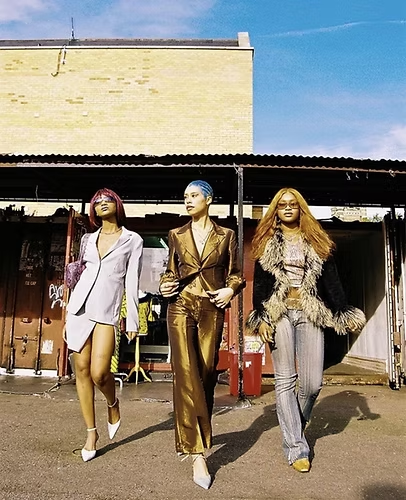
When Blood Sisters arrived on Netflix in May 2022, the fashion conversation it generated was immediate, specific, and entirely about the costumes. Viewers across Nigeria, the United Kingdom, and the United States documented the wedding looks, the Lagos elite party gowns, the tension between Sarah’s vulnerability and Kemi’s street-hardened grit encoded in the cut of each outfit. The show was discussed as a fashion reference for months. The person who made every single one of those decisions is Yolanda Okereke. Most viewers who had opinions about the costumes could not name her. That gap between influence and recognition is the subject of this article.
Nollywood reaches Nigerian audiences at a scale and frequency that no other fashion medium matches. A woman watching Castle and Castle across three series is receiving sustained fashion education about how a wealthy Lagos household dresses for different occasions, encoded into characters she cares about, in a format that does not require her to seek it out. A bride planning her ceremony is absorbing what Nollywood’s wedding scenes have normalised over the years of viewing. The mother, the student, the shopkeeper, the diaspora woman watching a WhatsApp-forwarded clip on a phone: all of these are receiving fashion information through film in the same hours they are being entertained by it. What Lagos Fashion Week produces for a press audience of a few thousand, Nollywood delivers to millions without announcing it. The costume department is the editorial desk. The screen is the magazine. The audience does not know it is being styled.
The most influential fashion decisions in Nigeria are made in Nollywood costume departments by people whose names most viewers never learn. This article names them.
Nollywood Costume Fashion and the Designers Who Shape It
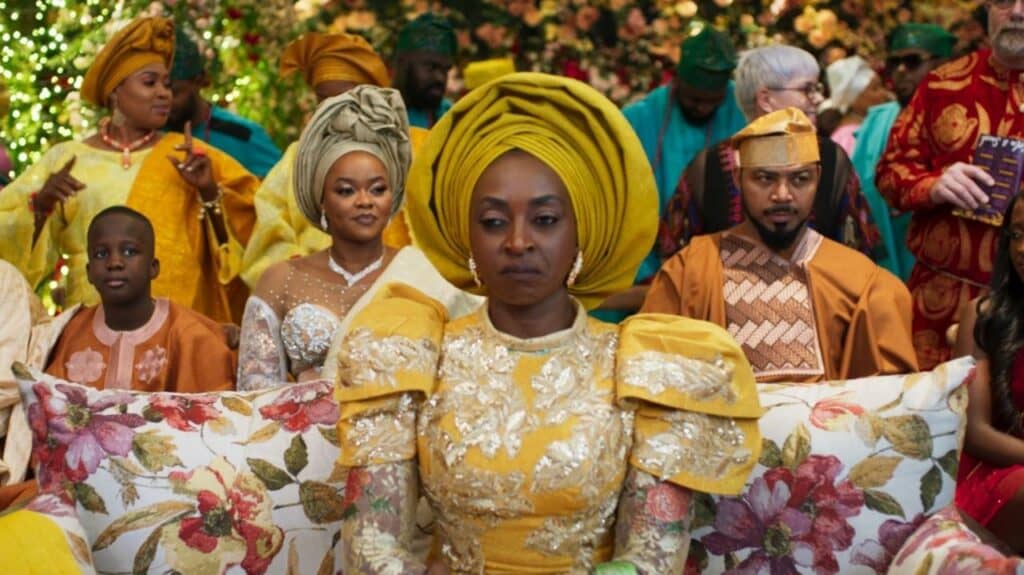
Yolanda Okereke began her career in 2009, styling celebrities for red-carpet events in Lagos. Her move into film came the way most significant careers do — sideways, through a door that was not the one she had been looking at. She delivered outfits to Nse Ikpe-Etim and Kate Henshaw on the set of The Meeting, the 2012 romantic comedy directed by Mildred Okwo, and was hired on the spot to style the entire film when the production team saw what she had brought. As Business Day’s documented interview with her confirms, she built from that first credit across twelve years of production work into the role she holds now: founder of The Rani Company, a leading costume design and styling firm, and The Wardrobe Shack, a costume rental house serving high-profile productions. In 2024, she was named Nollywood’s highest-grossing costume designer. Her credits span The Wedding Party, King of Boys, La Femme Anjola, Blood Sisters, Òlòtùré, Castle and Castle, Everybody Loves Jenifa, and Asoebi Diaries.
The credits tell one story. The cultural impact tells another. Blood Sisters, which Okereke costumed for Netflix, generated fashion reference content across social media for months after its release. She blended Lagos luxury fashion with pieces from Nigerian designers, including Orange Culture, ATAFO, and Banke Kuku, creating looks that felt aspirational and true to the city’s elite simultaneously. The party gowns communicated a specific tier of Lagos wealth. The casual daywear communicated a different tier. The tension between the two central characters was built partly through costume choices, so that a viewer could read Kemi’s history and Sarah’s vulnerability in their clothing without a line of dialogue to confirm it. This is the work of a fashion editor. It simply happens inside a film.
The Smithsonian National Museum recognised what the industry had been slow to formalise. Okereke was invited to host a masterclass on costume design and African fashion at the institution, an invitation that, as she described it in her Business Day interview, came because the Smithsonian team had seen her work and loved it. The international museum system arrived at Yolanda Okereke before most Nigerian fashion editors did. In September 2025, she was honoured at the Toronto International Nollywood Film Festival for her work on Asoebi Diaries. The Guardian Nigeria’s coverage of the award confirmed her status as a figure whose influence extends significantly beyond the domestic industry that produced her.
What the Costume Department Actually Decides
The costume department in a Nollywood production does not select clothing. It makes cultural arguments. In King of Boys, Kemi Adetiba’s crime drama, the lead character Eniola Salami, played by Sola Sobowale, is established as a political godmother with genuine power over life and death before she has delivered a single line of exposition. The aso-oke is dark and precisely structured. The jewellery is heavy, specific, chosen for authority rather than beauty. The headwrap signals seniority within a social order that the viewer recognises from their own cultural context. Every crease is deliberate. The costume department told the audience who this woman was before the script did.
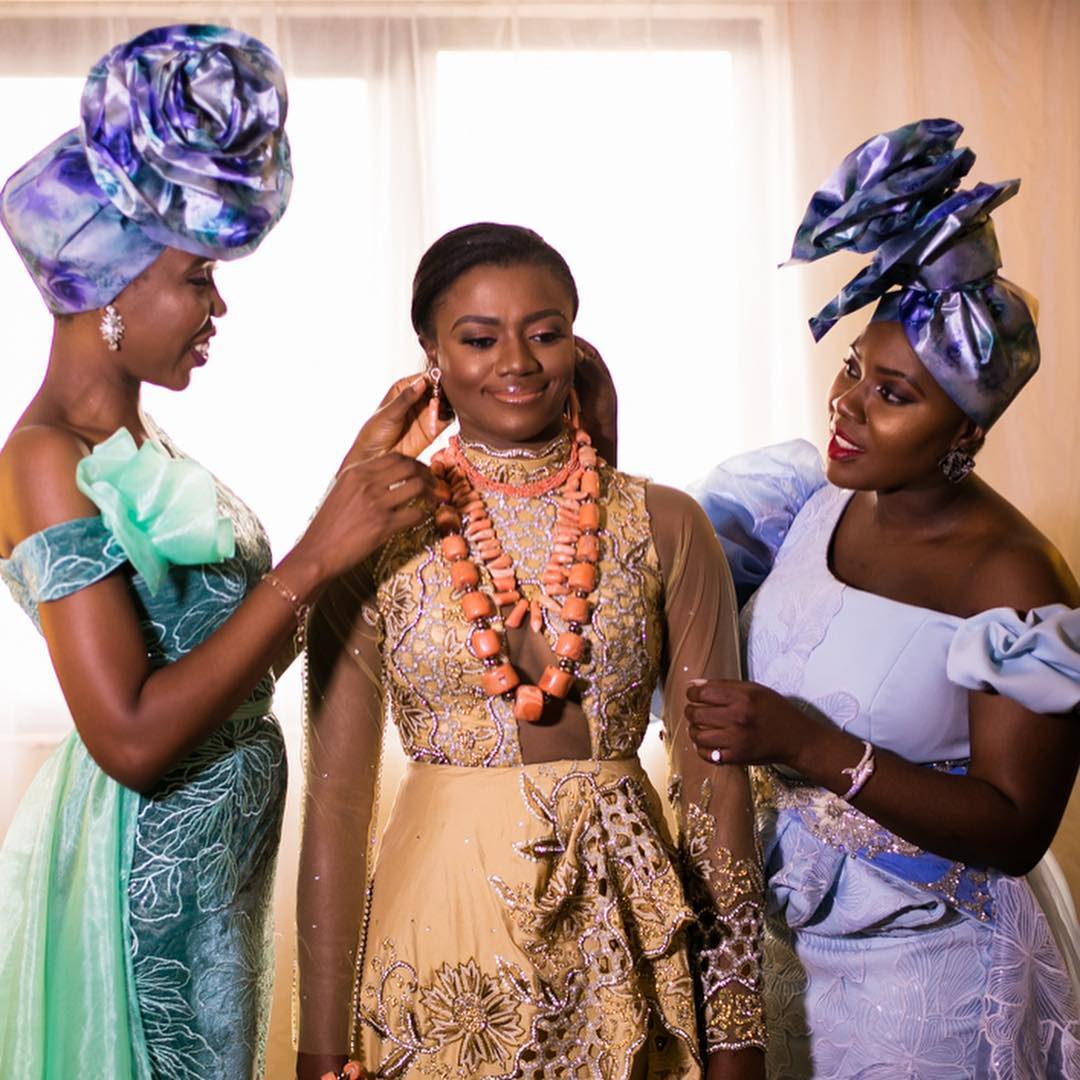
The Wedding Party, directed by Kemi Adetiba and costumed by Yolanda Okereke, did something that no Lagos runway show had managed to do: it took owambe fashion onto the big screen. It sent it back into Nigerian weddings, transformed. The film’s ceremony sequences established what an aspirational Lagos wedding looks like in fabric, headgear, and coordination — and Nigerian brides and their families spent the years following the film’s 2016 release reproducing and referencing those choices in their own celebrations. This is fashion influence in its most direct and least acknowledged form. The costume department made the decisions. The audience made the purchases. The connection between the two was invisible.
Kunle Afolayan’s Anikulapo went further, using costume as a form of historical scholarship. Every garment in the 2022 Netflix production was crafted to represent a specific period in Yoruba history: hand-loomed aso-oke, elaborate beads, and textile choices that communicated time, status, and cultural position with the precision of a museum curator. As documented analysis of the film’s fashion confirmed, the result was a global showcase of Nigerian textile culture that proved cultural accuracy can carry the same visual authority as fantasy. The costume department here was doing the work of a heritage textiles institution — and reaching a streaming audience of millions rather than a gallery visitor count of thousands.
The costume department decides what a wealthy Lagos woman wears to a wedding, what a politician’s wife wears to a funeral, what power looks like on a woman who holds it. That decision reaches more people in a week than any fashion week runway in a year.
The Other Names the Fashion Industry Has Not Yet Properly Documented
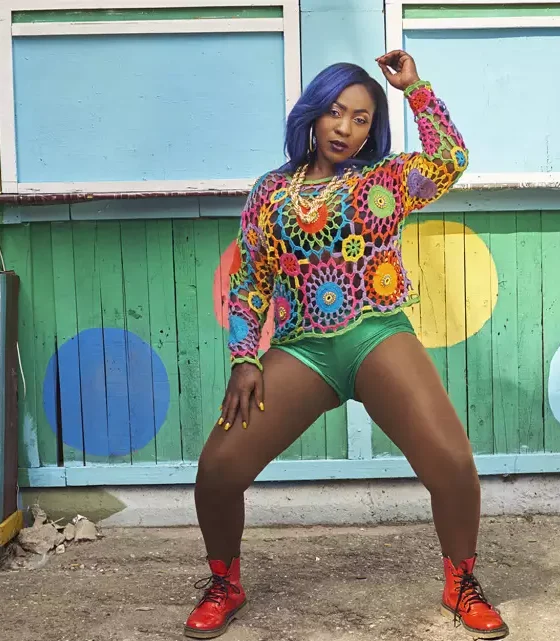
Yolanda Okereke is the most documented Nollywood costume designer, but she is not the only one whose work has shaped how Nigerians dress. Swanky Jerry, born Jeremiah Ogbodo, launched his styling brand, Swanky Signatures Styling, in 2012 and built a practice that spans film, celebrity, and international fashion with the same ease. Nollywood Reporter’s documentation of the industry’s most influential stylists confirms his international reach: he has styled Grammy-nominated dancehall artist Spice for the BET Awards, dressed Claire Sulmers for the Met Gala, and in 2025 was named GQ Canada’s Most Stylish African Man Alive. He is also a regular cast member on Netflix’s Young, Famous and African, turning his styling practice into screen content that extends his influence to yet another Nollywood-adjacent audience.
Zack Styling is the costume and styling intelligence behind Funke Akindele’s screen presence and the cast of Everybody Loves Jenifa, the sequel to Jenifa’s Diary that became one of the highest-grossing Nigerian films at the domestic box office. Akindele’s films operate at the intersection of everyday Nigerian life and fashion aspiration: the characters dress in ways that feel reachable rather than exclusive, and it is Zack’s knowledge of how ordinary Nigerians dress for specific occasions that makes those choices land without condescension. Emmanuel Goodnews, an industry icon, costumed Priscilla Ojo’s full wedding looks for both the bride and groom when she married Tanzanian footballer Juma Balinya in May 2024 — an event that generated days of fashion documentation across Nigerian media and was watched by audiences far beyond the guest list.
What these practitioners share is the absence of the international press profile that their influence warrants. Their work reaches Nigerian and diaspora audiences at a scale that Lagos Fashion Week press days do not approach. Their creative decisions shape what reads as aspirational, what reads as appropriate for a specific ceremony, what fabrics signal which class position in which context, for viewers who take those visual codes and reproduce them in their own wardrobes, at their own tailors, in their own markets. The influence is real, consistent, and largely undocumented.
Also Read:
- How Nollywood Became One of the World’s Most Powerful Fashion Influencers
- Why Afrobeats Music Videos Are Now the Most Influential Fashion Editorials in Africa
- Fela Kuti’s Stage as Political Manifesto: How the Father of Afrobeats Used Fashion as Revolutionary Argument
What the Y2K Nollywood Moment Confirms About the Fashion System’s Depth
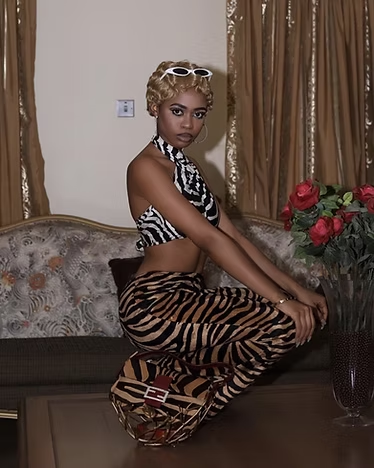
The Y2K Nollywood aesthetic that has driven themed parties in Lagos, New York, London, and Toronto since 2019 is the clearest evidence that Nollywood’s costume decisions have a cultural half-life that no fashion week trend can match. The bucket hats, thin drawn brows, camisole tops, and specific fabric choices of late 1990s and early 2000s Nollywood productions are now generating a global party circuit in which diaspora Nigerians dress as their favourite characters from films that are twenty years old. As Nylon’s documentation of the Y2K Nollywood trend confirms, the first Nollywood Y2K-themed party was hosted in Lagos in December 2019 by the sisters who co-own Nolly. babes. By 2021, the format had gone viral across the Nigerian diaspora. The costume decisions made by uncredited wardrobe departments on films shot with modest budgets in the late 1990s are driving international party aesthetics in 2026. That is fashion influence at a generational scale.
The Y2K Nollywood phenomenon is not nostalgia in the conventional sense. It is a generation rediscovering that the visual codes of their upbringing were specific, coherent, and powerful enough to serve as a cultural reference point across three continents. The films that produced those codes were made on limited budgets by costume departments working with constrained resources. The fashion they produced was not designed to be iconic. It became iconic because it accurately documented how a specific class of Nigerian families dressed at a specific moment. That accuracy is what makes it legible across time and geography. The costume department was doing cultural documentation. It did not know that either.
The Omiren Argument
The Nollywood costume department is the dominant fashion editorial system in Nigeria. It reaches audiences that no fashion publication can match in scale, frequency, or demographic breadth. It shapes what reads as aspirational across class lines, from the Lagos elite wedding guest to the middle-class family watching a drama series. It determines which fabrics signal which social positions, which garments signal authority, vulnerability, or aspiration, and which styling choices read as appropriate for which ceremony or occasion. It does all of this without a press list, without a fashion week slot, without an international editorial team, and without the institutional recognition that any equivalent influence in another creative field would receive.
Yolanda Okereke is the most consequential fashion decision-maker in Nigeria that most Nigerians cannot name. The Smithsonian and the Toronto International Nollywood Film Festival recognised her before the Nigerian fashion press gave her the sustained profile coverage her work demands. Swanky Jerry has dressed artists for the Met Gala and been named GQ Canada’s Most Stylish African Man Alive. Zack Styling and Emmanuel Goodnews are producing fashion content for the screen audiences that are most reliably large in the Nigerian market. All of these practitioners are working within the most underreported fashion system on the continent. Omiren Styles is the publication that gives it that name. The costume department built Nigerian fashion taste. The fashion press is still catching up.
Frequently Asked Questions
How does Nollywood influence Nigerian fashion?
Nollywood shapes Nigerian fashion through sustained, embedded visual education delivered inside stories that audiences already care about. The costume decisions made for Nigeria’s most-watched television dramas and streaming films determine what reads as aspirational across class lines, which fabrics signal which social positions, and which styling choices are appropriate for which ceremonies and occasions. This influence operates at a scale that Lagos Fashion Week cannot match: millions of viewers receive costume-based fashion information across series, films, and streaming platforms that reach domestic audiences and the diaspora simultaneously, without the viewers recognising that they are being styled.
Who is Yolanda Okereke, and what has she designed for Nollywood?
Yolanda Okereke (also Yolanda Okereke-Fubara) is a Nigerian costume designer born in Anambra State on 14 August 1985. She entered film in 2012 when she was hired on set to style Rita Dominic’s The Meeting after impressing the production team with celebrity styling work. She founded The Rani Company, a costume design and styling firm, and The Wardrobe Shack, a costume rental house. In 2024, she was named Nollywood’s highest-grossing costume designer. Her credits include The Wedding Party, King of Boys, La Femme Anjola, Blood Sisters (Netflix), Òlòtùré (Netflix), Castle and Castle, Everybody Loves Jenifa, and Asoebi Diaries. She was invited by the Smithsonian Museum to host a masterclass on costume design and African fashion, and was honoured at the 2025 Toronto International Nollywood Film Festival.
Which Nigerian film has the most significant fashion legacy?
Several films hold distinct fashion legacies. The Wedding Party (2016), costumed by Yolanda Okereke, established the visual standard for aspirational Lagos wedding fashion and directly influenced how Nigerian brides and their families styled ceremonies in the years following its release. King of Boys (2018) demonstrated how costume can communicate character and power without dialogue. Blood Sisters (Netflix, 2022) generated sustained fashion-reference content across social media for months and introduced international audiences to Lagos’s luxury fashion through specific Nigerian designers. Anikulapo (Netflix, 2022) used historically accurate textile costuming to document Yoruba traditional dress at a global streaming scale.
What is the Nollywood Y2K fashion aesthetic?
The Nollywood Y2K aesthetic refers to the visual codes of Nigerian films produced in the late 1990s and early 2000s: bucket hats, thin, drawn-on brows, camisole tops, and specific fabric choices that documented how a particular class of Nigerian families dressed at the time, since 2019, when the Nolly. Babes’ sisters held the first Nollywood Y2K-themed party in Lagos; this aesthetic has driven a global party circuit across Nigerian diaspora communities in Lagos, New York, London, and Toronto. The costume departments that produced those films did not design for longevity. The fashion they documented became iconic because it was accurate, and that accuracy has travelled across time and geography with the communities who lived within it.
Who are the most influential Nigerian fashion stylists working in film?
Yolanda Okereke is the most extensively credited and internationally recognised Nigerian costume designer, named Nollywood’s highest-grossing costume designer in 2024 with credits across major Netflix productions and domestic blockbusters. Swanky Jerry (Jeremiah Ogbodo), who launched Swanky Signatures Styling in 2012, crosses between film, celebrity, and international fashion: he was named GQ Canada’s Most Stylish African Man Alive in 2025 and has styled for the BET Awards and the Met Gala. Zack Styling is known for his work with Funke Akindele and the cast of Everybody Loves Jenifa. Emmanuel Goodnews costumed Priscilla Ojo’s full wedding in 2024 and has built a practice around Nollywood’s most-watched personalities.
Explore More
Read the full Culture > Art & Music section for Omiren Styles’ analysis of the musicians, filmmakers, costume designers, and visual practitioners whose work shapes African fashion through the most consequential media the continent produces.