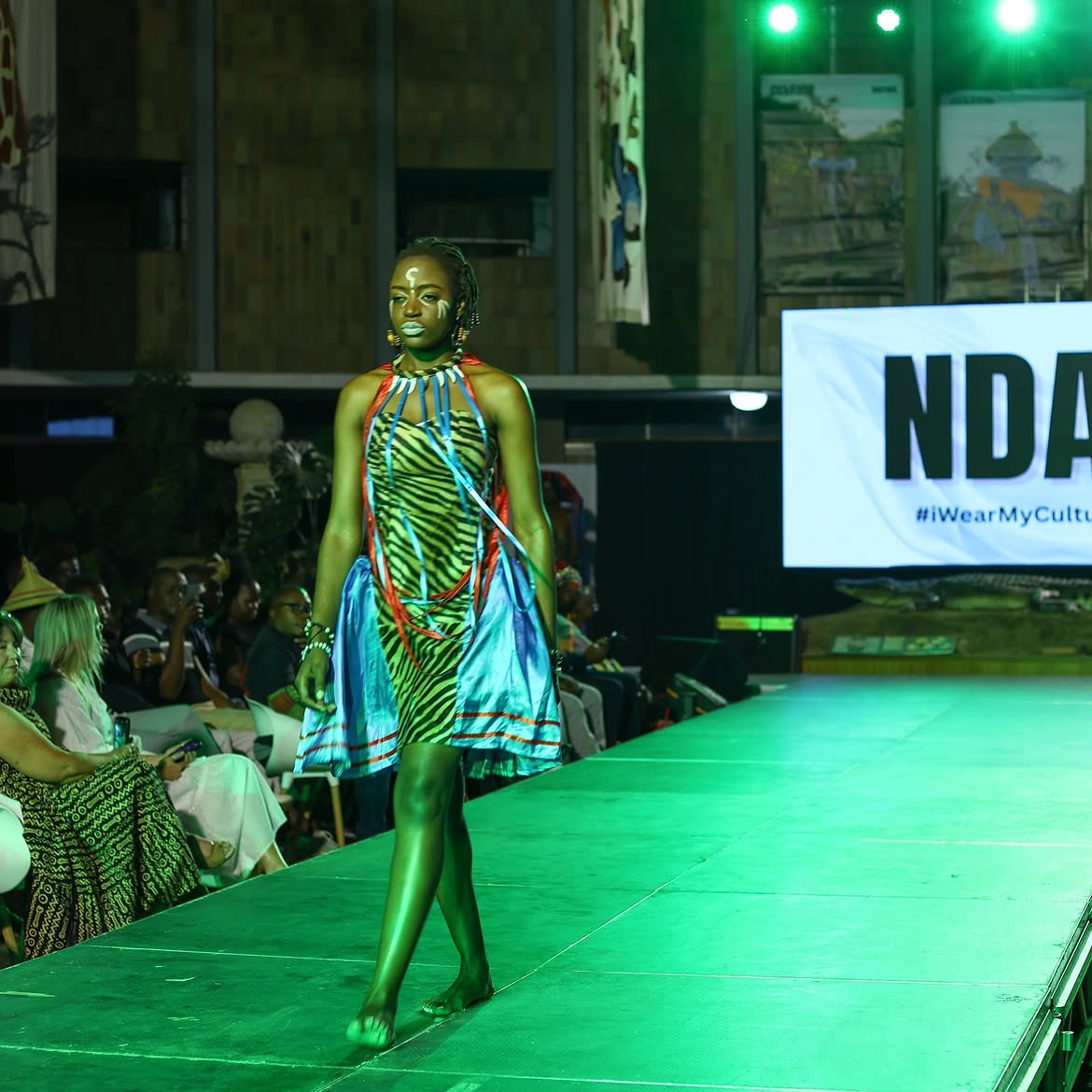
In most dress traditions, the garment communicates to the people in the room. In Ndau dress culture, the garment communicates to the people who are no longer in the room, and this distinction changes everything about how the clothing is made, what it means, and why getting it wrong carries consequences that go beyond social embarrassment.
The Ndau people of southeastern Zimbabwe, concentrated in the districts of Chipinge and Chimanimani in Manicaland Province, with significant communities across the border in central Mozambique, have built one of southern Africa’s most elaborate and specific dress systems around the central fact of their spiritual cosmology: that the dead do not leave. They remain, they watch, they intervene, they possess, and they require specific forms of acknowledgement that include specific forms of dress. The spirit world in Ndau culture is not a distant metaphysical realm. It is the room next door, and the ancestors in it have opinions about what you are wearing.
This is the foundation on which the Ndau dress culture is built. And it is the reason that the Ndau dress, when it is approached seriously rather than aesthetically, is one of the most intellectually demanding traditions in this series.
The Ndau of southeastern Zimbabwe dress for the living and for the dead. Their n’anga wears black at the threshold between two worlds. Fashion has no language for this. Here is the language.
Who the Ndau Are
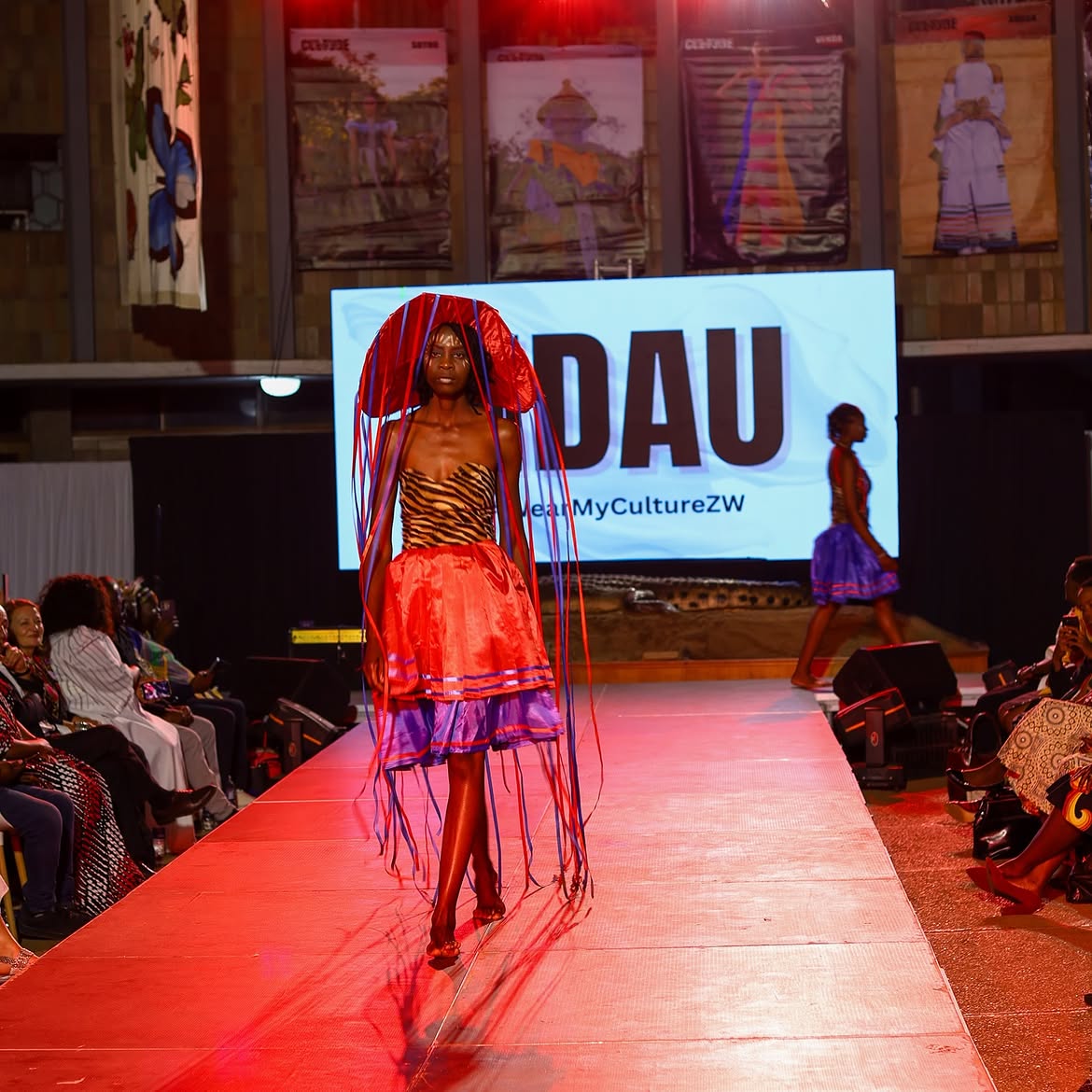
The Ndau are an ethnic group indigenous to southeastern Zimbabwe and central Mozambique whose documented history stretches to at least the 1500s, when Portuguese missionary Joao dos Santos recorded their presence in the region. In Zimbabwe, they are primarily concentrated in Chipinge and Chimanimani districts, with smaller communities in Bikita and along the Zambezi valley. In Mozambique, the territory covers significant parts of Sofala Province. The Ndau have approximately 2.4 million speakers across both countries.
Linguistically, ChiNdau sits at an extraordinary intersection. It is classified simultaneously as a Shona dialect and as a language with deep Nguni influences. As documented in the Wikipedia article on the Ndau people, which draws on longstanding linguistic scholarship, ancient Ndau may be among the oldest forms of modern-day Nguni languages, as reflected in the wealth of Nguni words and naming conventions embedded in ChiNdau. A 2026 peer-reviewed study on the Ndau Festival of the Arts and ChiNdau language revitalisation, published in the journal, documents how participants themselves articulate this identity: one male participant stated, ‘We are not Shona; our culture differs significantly. Practices such as muchongoyo and doro rekufa are specific to the Ndau in Chipinge, who speak ChiNdau, part of our heritage from our ancestors (Interview, Bangwe Village, 20/09/2022). From 1931, Ndau speakers were gradually encouraged to accept Shona as their primary identity under colonial language policies. Still, the 2013 constitutional recognition of Ndau as one of Zimbabwe’s sixteen official languages contributed to the rejuvenation of a distinct Ndau cultural identity that had never fully disappeared.
The most formative period of Ndau cultural history, in terms of the dress tradition this article concerns, is the nineteenth-century Gaza Nguni occupation. Between approximately 1830 and 1869, the Ndau heartland in both Zimbabwe and Mozambique was subjected to Nguni conquest and occupation. This conquest had a paradoxical cultural effect: it gave the Ndau a foil against which to define themselves with precision. The Ndau identity that emerged from the Gaza Nguni occupation was sharper, more deliberate, and more consciously maintained than the one that preceded it.
The muchongoyo dance, one of the most visible expressions of Ndau identity, is itself disputed in its origin. Scholars attribute it to Zulu/Nguni influence; members of the Ndau community contest this attribution directly. James Garahwa, aide to Chief Garahwa of Chipinge South, stated plainly in a documented interview: ‘I challenge you to visit communities even in Zululand and see if you can find Muchongoyo there.’ The dismembers of the pute is itself g: the Ndau are a community that has absorbed Nguni influences while insisting on the distinctness of what they made from those influences. Their dress tells the same story.
The Body as the First Garment: Pika and Male Ear Piercing
Before cloth and beads, the Ndau dress the body itself, and this is where the tradition begins that has no parallel elsewhere in this series.
The pika are tattoo-like body markings applied to young women during puberty as beauty marks and rites of passage. The pika are typically placed on the cheeks, forehead, and stomach, visible locations that mark the young woman’s transition into adulthood as legible to anyone who encounters her. The practice is understood as enhancing the woman’s appearance while simultaneously communicating her social position, making it a precise parallel to the beadwork traditions documented elsewhere in the Omiren Zimbabwe series, including the biographical beadwork of Ndebele women, in which each garment permanently and publicly records life events. The pika place Ndau women’s dress culture in a tradition that predates textile and bead adornment: the inscription of social information directly onto the body’s surface, permanent and unremovable, with a meaning in life.
This is not a record of life events, in the contemporary Western sense of personal aesthetic choice, either. It is a communal act of inscription, performed at a specific life stage, communicating specific information to the community that will read it for the rest of the woman’s life.
For men, the equivalent body-adornment tradition was ear piercing, specifically large-gauge piercings that left a clearly visible hole. A man’s pierced ears were a sign of being Ndau. The male ear piercing and the female pika together constitute an Ndau body-marking system that communicates ethnic identity on the most permanent possible surface, not a garment that can be removed, but the body itself. In a context of Nguni occupation and political pressure toward assimilation, these body markings were the most unassimilable form of cultural identity the Ndau possessed.
You can take a community’s cattle. You can restrict their ceremonies. You can suppress their language. You cannot remove the pika from a woman’s cheek.
ALSO READ
- Top 5 Traditional Styles for Ndebele Women in 2026: History, Beadwork, and Ceremony
- Maasai Beadwork: Meaning, Symbolism, and the Language of Identity
- African Hair Rituals: The Cultural Meaning of Hair Across the Continent
- Clothing as Cultural Identity: What African Communities Wear and What It Means
The Spirit World’s Wardrobe: N’anga and Spirit Medium Dress
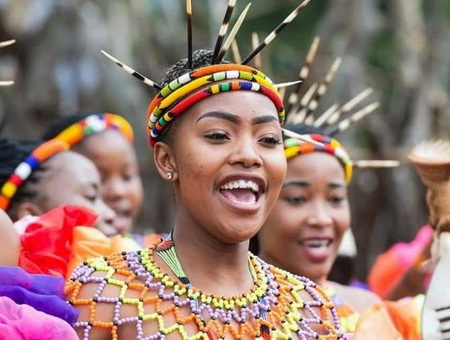
The most distinctive and spiritually significant dimension of Ndau dress is its connection to the community’s elaborate spirit cosmology, and specifically to the n’anga (traditional healer/spirit medium) who mediates between the living and the dead. As Omiren Styles has documented in the study of how Ghanaian funeral dress operates as a social theology in the form of fabric, each garment doing work that is simultaneously aesthetic and metaphysical, the Ndau take this principle to its furthest available expression: their ceremonial dress is designed not merely for a gathering of the living, but for the direct attention of the dead.
The Ndau spirit world is populated by several categories of spirits, each with different attributes and different dress requirements for those who interact with or are possessed by them. The most prominent good spirits are the vadzimu, family ancestral spirits who enter a family member’s body to communicate with the living. A person possessed by a mudzimu typically becomes an n’anga dedicated to helping and protecting the family. The mashavi are a second category of spirit: beneficial but less powerful than vadzimu, they include mermaid-like water spirits (nzuzu), rain spirits (zvipunha), and crucially, the spirits of dead warriors (madzviti).
The madzviti, the spirits of Nguni warriors who died in Ndau territory during the nineteenth-century occupation, represent one of the most remarkable cultural phenomena in the series. A Ndau community member possessed by a madzviti spirit may dress and behave like a Zulu warrior while in possession, wearing the dress vocabulary of the occupying culture as channelled through the ancestral world. This is not imitation. It is metabolisation. The Ndau ancestral world contains the very warriors who occupied the like, and the n’anga’s dress to possession communicates to those warrior spirits in the language those spirits recognise: the dress of the Gaza Nguni. The conquered community has absorbed the conqueror not only into its bloodline and language but into its spirit world, and the dress of possession is the evidence. No other tradition in this series presents its ability in this way: a dress practice that enacts, in real time, the full history of a people’s most traumatic encounter.
The most feared spirits are the ngozi, spirits of murdered people who return for vengeance. The ceremonies for appeasing or exorcising ngozi require specific dress for the n’anga conducting the ritual and specific offerings, including clothing, given to the spirit. The spirit world in Ndau culture actively consumes dress as part of its relationship with the living.
The n’anga’s ceremonial attire is characterised by black as the dominant colour. Black skirts called imisisi and black beads are worn during spirit possession ceremonies, including the chinyambera ritual dance performed by women believed to be possessed. The colour black does not carry the Western association with mourning. It signals the n’anga’s access to the spirit world, their position at the boundary between the living and the dead, and the seriousness of the ritual they are conducting.
Black is not mourning. Black is the threshold. The n’anga who crosses it wears that threshold on their body.
The beads worn by n’anga and spirit mediums constitute a precise communicative system that distinguishes them from purely decorative beadwork. Each bead configuration communicates the specific spirits the medium works with, the nature of their power, and the protection ancestral forces have granted them. This is the same communicative principle that governs Maasai beadwork, in which each colour and configuration in a beaded ornament communicates age, social position, and identity to anyone in the community who shares the visual vocabulary. The difference is that Ndau spirit beads are read not only by the living who understand the vocabulary but also by the spirits themselves, as evidence of the medium’s authority and alignment.
ALSO READ
- The Dress That Survived a Genocide: How Herero Women Turned Colonial Cloth Into Cultural Defiance
- The Invisible Thread: How African Oral Tradition Shapes Fashion and Heritage Textiles
- African Textile Museums: Preserving Memory in an Age of Fast Fashion
- The Zulu Reed Dance and the Dress That Carries a Nation’s Dignity
Muchongoyo: The War Dance That Became a National Symbol
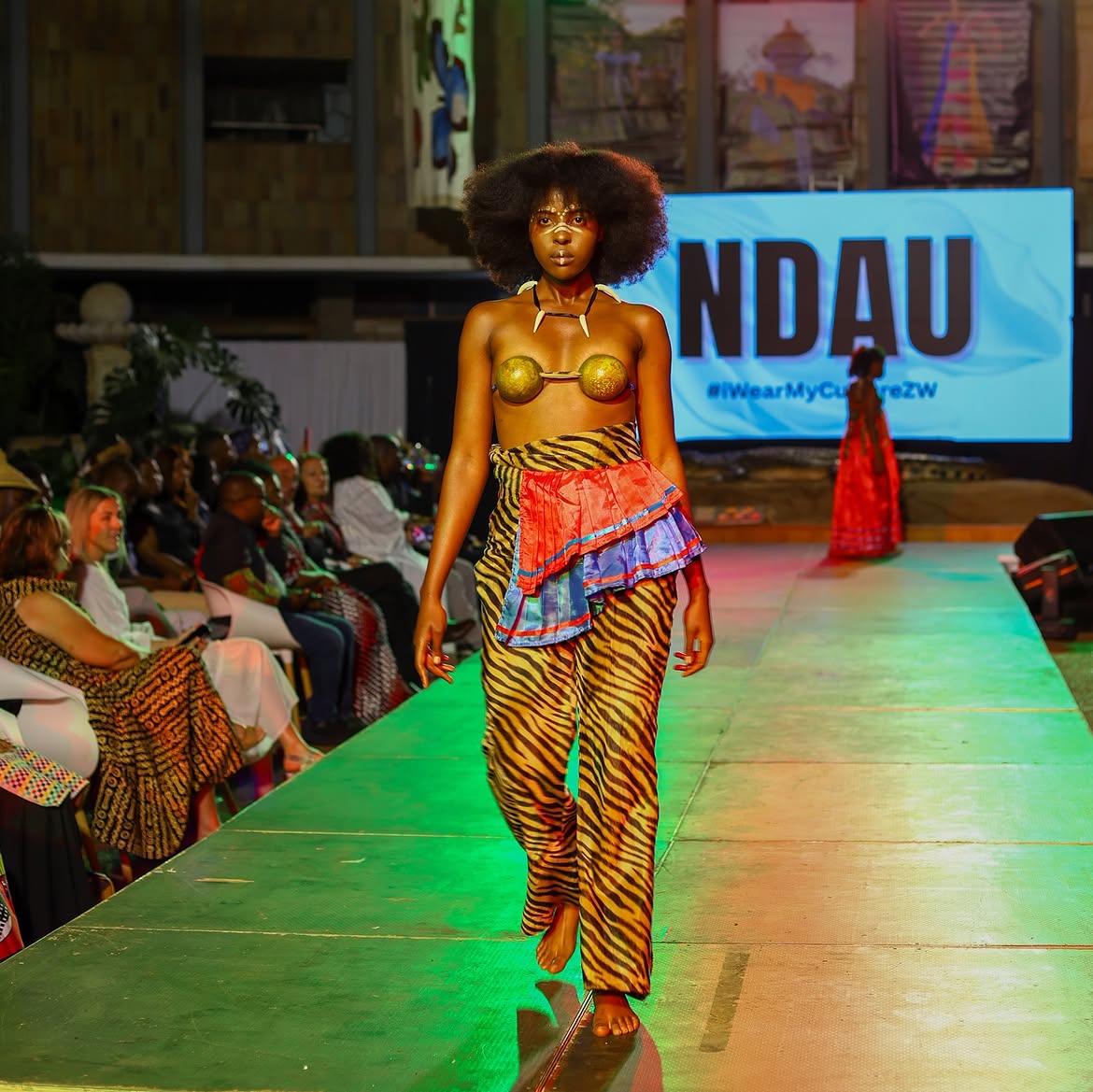
The muchongoyo is the most publicly visible expression of Ndau dress culture. It is a presentational dance emphasising acrobatic sequences and emphatic foot stomping: the name derives from the Ndau verb kuchongoya, meaning to stamp or stomp one’s feet. Historically performed as a warrior-preparation dance before battle and a celebration dance after victory, the muchongoyo survived colonial suppression by being performed clandestinely in rural Ndau strongholds such as Chipinge district. As Omiren Styles has documented across this series, the warriors most likely to survive colonial suppression are those embedded so deeply in community life that removing them would require dismantling the community entirely. Such asongoyo is the clearest illustration of this principle in the ten-part series. In 2017, the National Arts Council of Zimbabwe selected Muchongoyo as the official act for that year’s Jikinya Dance Festival, with ten provincial winning schools competing in national finals at Bulawayo’s Amphitheatre on November 24. A recognition that came nearly forty years after independence, a testament to how long the political establishment took to acknowledge what the Ndau had been doing all along, formally.
The dress for muchongoyo is as precise as the dance itself. Men wear animal skins, goat-skin skirts, and wild animal skins draped across the body, alongside grass, cowrie shells, and porcupine-quill headdresses and armbands. Gourd leg rattles worn at the ankles provide the percussion of the dancer’s own body. The stick and shield that mark the dance’s warrior origins are carried throughout the dance. The overall effect is a complete ceremonial warrior ensemble in which every element has a function: the rattles keep the rhythm, the animal skins convey the warrior’s connection to the natural world, and the headdress signals status and ceremonial authority.
Chinyambera: The Spirit Dance and Its Dress
The chinyambera is the Ndau dance specifically associated with women, believed to be possessed by sconveyike, the muchongoyo, which is a social and ceremonial dance. The signalsaalsa is a ritual performance conducted specifically for spiritual purposes, and the dress worn during it reflects that context.
Women performing the chinyambera wear the black-dominant attire of the spirit medium: the imisisi, the black beads, combined with the specific adornments that communicate the nature of the possessing spirit. The dance is performed at healing ceremonies, ancestral rituals, and the bira, the annual feast of thanksgiving for the care of the ancestors, at which beer and dancing are offered to the vadzimu in exchange for their continued protection and guidance.
The bira is the central ceremonial occasion in Ndau spiritual life, and its dress requirements for both the n’anga who lead the ceremony and the community members who participate constitute the fullest expression of Ndau dress culture. This is the context in which the phrase dressed for the dead is not metaphorical. The garments worn at the bira are selected and arranged with the specific intention of being seen and approved of by the ancestral spirits whose attention the community seeks.
The Language of Beads and What It Says to the Invisible World
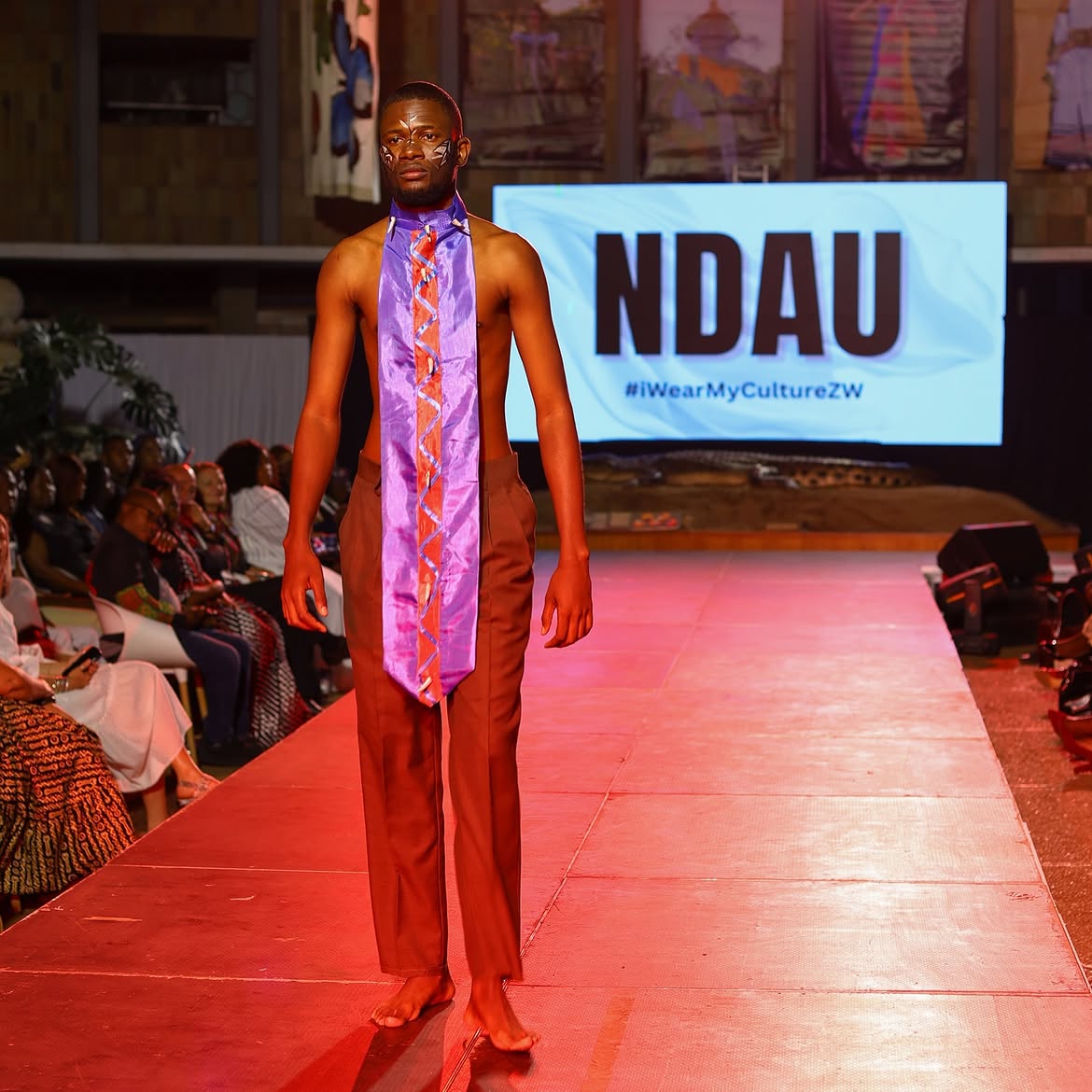
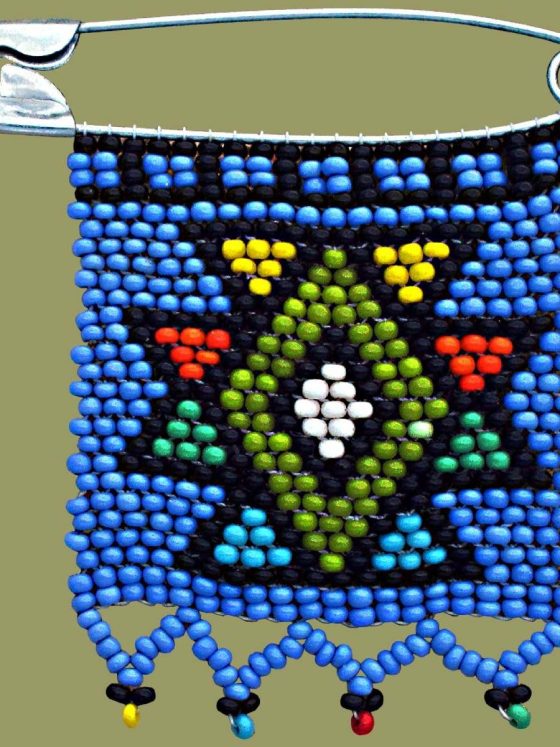
Ndau spirit beads deserve particular attention because they constitute a communicative system operating with a precision that distinguishes them from purely decorative beadwork. The TikTok market for Ndau spirit clothes and Ndau beads for sale attests to a contemporary demand for these items that has crossed into the broader southern African spiritual marketplace. Still, the demand is precisely for the beads’ spiritual properties, not their aesthetic ones.
Different configurations of Ndau spirit beads communicate different things: the identity of the spirit the wearer is aligned with, the nature of the protection they have. Still, the specific healing work they have been called to do. The beads are not worn to look a particular way. They are worn to say a particular thing to an audience that includes the dead as much as the living.
This is the most radical proposition of the Ndau dress tradition: that clothing is not primarily for the living. The most important audience for what you wear may be invisible to anyone untrained to communicate with it, that the n’anga who dresses in black imisisi and specific bead configurations is not making a fashion statement. She is making a theological one. Global fashion has no vocabulary for this. Its entire critical apparatus, aesthetics, silhouette, material, colour theory, and cultural reference, operates on the assumption that the garment’s audience is visible. As Omiren Styles has argued in the analysis of how African identity operates differently for diaspora and home communities when dress becomes the primary medium of cultural communication, the gap between the garment’s intended audience and the audience that fashion media imagines is the gap that Omiren exists to close. The Ndau dress tradition is the sharpest point of that gap available anywhere in the series.
The Dress System That Exceeds Fashion’s Vocabulary
This is the penultimate article in the Zimbabwe tribal attire series, and it is the one that most directly challenges the premise of fashion coverage itself. Each previous article has made the case that minority tribal dress is a civilisational act rather than a cultural curiosity. The BaTonga beadwork survived a dam. The Venda nwenda holds a cosmology—the Kalanga dress in the colours of rain. The Nambya petition their ancestors in the ruins of the stone capital. The Sotho crossed a continent with their blankets. The Tswana transformed a German cloth into a national identity.
The Ndau do something that all of these traditions approach, but none of them state as directly: they dress for an audience that the living cannot see. Their ceremonial clothing is designed to be read by the dead. Their body markings are inscribed by a community that understands the pika as a lifetime communication about who this woman is and where she belongs. Their spirit medium attire is a wardrobe maintained for the ancestors’ inspection. Their spirit beads speak to forces that the fashion media has never imagined as an audience.
Fashion media has never found a way to write about this without reducing it to exoticism. The correct approach is to acknowledge it as what it is: a dress tradition with a more sophisticated understanding of what clothing communicates and to whom than anything currently discussed on the global runway.
THE OMIREN ARGUMENT
Omiren Styles notes that this article draws on published academic literature, Herald of Zimbabwe reporting, and community documentation from the Ndau Festival of the Arts archive. Named Ndau voices include James Garahwa, aide to Chief Garahwa of Chipinge South, as documented in the Herald of Zimbabwe, and anonymous community participants, as documented in the 2026 peer-reviewed study on the Ndau Festival of the Arts and ChiNdau language revitalisation, published in Cogent Arts and Humanities (Taylor & Francis Online). Omiren Styles has nas ot yet secured a named n’anga or ceremonial practitioner to authenticate the ashe spirit dress descriptions in this article. The spirit cosmology documentation draws on academic anthropology, other sources and community documentation. Taylor & Francis Online is committed to adding a named ceremonial practitioner’s voice in a future update. A tradition this serious demands both the academic record and the living voice.
FAQs
Who are the Ndau people and where do they live?
The Ndau are an ethnic group indigenous to southeastern Zimbabwe and central Mozambique, with approximately 2.4 million speakers across both countries. In Zimbabwe, they are primarily concentrated in Chipinge and Chimanimani districts in Manicaland Province, with smaller communities in Bikita and along the Zambezi valley. Their documented history stretches to at least the 1500s. The 2013 constitution of Zimbabwe recognised Ndau as one of the country’s sixteen official languages, contributing to a rejuvenation of distinct Ndau cultural identity that had never fully disappeared under colonial language policies.
What are pika’s body markings and what do they mean?
The pika are tattoo-like body markings applied to young Ndau women during puberty as beauty marks and rites of passage. They are typically placed on the cheeks, forehead, and stomach, permanent and visible locations that communicate the woman’s social position and transition into adulthood to everyone who encounters her for the rest of her life. For men, the equivalent tradition was large-gauge ear piercing that left a clearly visible hole, recognisable as a sign of being Ndau. Together, the pika and the male ear piercing constitute a body-marking system that communicates ethnic identity on the most unassimilable surface available, not a garment that can be removed, but the body itself.
What is an n’anga, and what do they wear during ceremonies?
An n’anga is a traditional healer and spirit medium in Ndau who mediates between the living and the dead. The n’anga’s ceremonial attire is characterised by black as the dominant colour: black skirts called imisisi and black beads are worn during spirit possession ceremonies and dances. In this context, “black” does not carry a Western association with mourning in Ndau. It signals the n’anga’s access to the spirit world and their position at the boundary between the living and the dead. Each bead configuration the n’anga wears communicates the specific spirits they work with, the nature of their power, and the protection they have received from ancestral forces. The beads are not decorative. They are theological.
What is the muchongoyo dance, and why was it designated Zimbabwe’s national festival dance?
Muchongoyo is a presentational dance identified with the Ndau people of Chipinge, Chimanimani, Chiredzi, and Buhera districts, characterised by emphatic foot stomping and acrobatic sequences. The name derives from the Ndau verb kuchongoya, meaning to stamp or stomp one’s feet. Historically, a warrior preparation and victory dance, it survived colonial suppression through community-embedded practice in rural Ndau strongholds. In 2017, the National Arts Council of Zimbabwe selected Muchongoyo as the official act for the Jikinya Dance Festival, with ten provincial winning schools competing in national finals at Bulawayo’s Amphitheatre on November 24. The 2017 recognition came nearly forty years after independence. James Garahwa, aide to ChMuchongoyoa of Chipinge South, disputed scholarly claims of Zulu origin: ‘I challenge you to visit communities even in Zululand and see if you can find Muchongoyo there.’
What are Ndau spirit beads, and how are they used?
Ndau spirit beads are specific bead configurations worn by n’anga and spirit mediums during ceremonies. Each configuration communicates the specific spirits the medium is aligned with, the nature of the protection they have been granted, and the healing work they have been called to do. They are not worn for aesthetic purposes. They are worn to communicate with the spirit world, which in Ndau cosmology is an audience as real and attentive as any living gathering. The demand for Ndau spirit beads has spread beyond the broader southern African spiritual marketplace, with TikTok markets attesting to contemporary demand, particularly for the beads’ spiritual properties rather than their appearance.
What is the bira ceremony in the Ndau culture?
The bira is the central ceremonial occasion in Ndau spiritual life: an annual feast of thanksgiving for the care of the ancestors, at which beer and dancing are offered to the vadzimu (family ancestral spirits) in exchange for their continued protection and guidance. It is the moment when the living and the dead are most actively in communication, and the dress worn at the bira communicates to both audiences simultaneously. The n’anga who leads the bira wears black imisisi skirts and specific bead configurations. Community members attending dress with the specific intention of being seen and approved by the ancestral spirits whose attention the community is seeking.