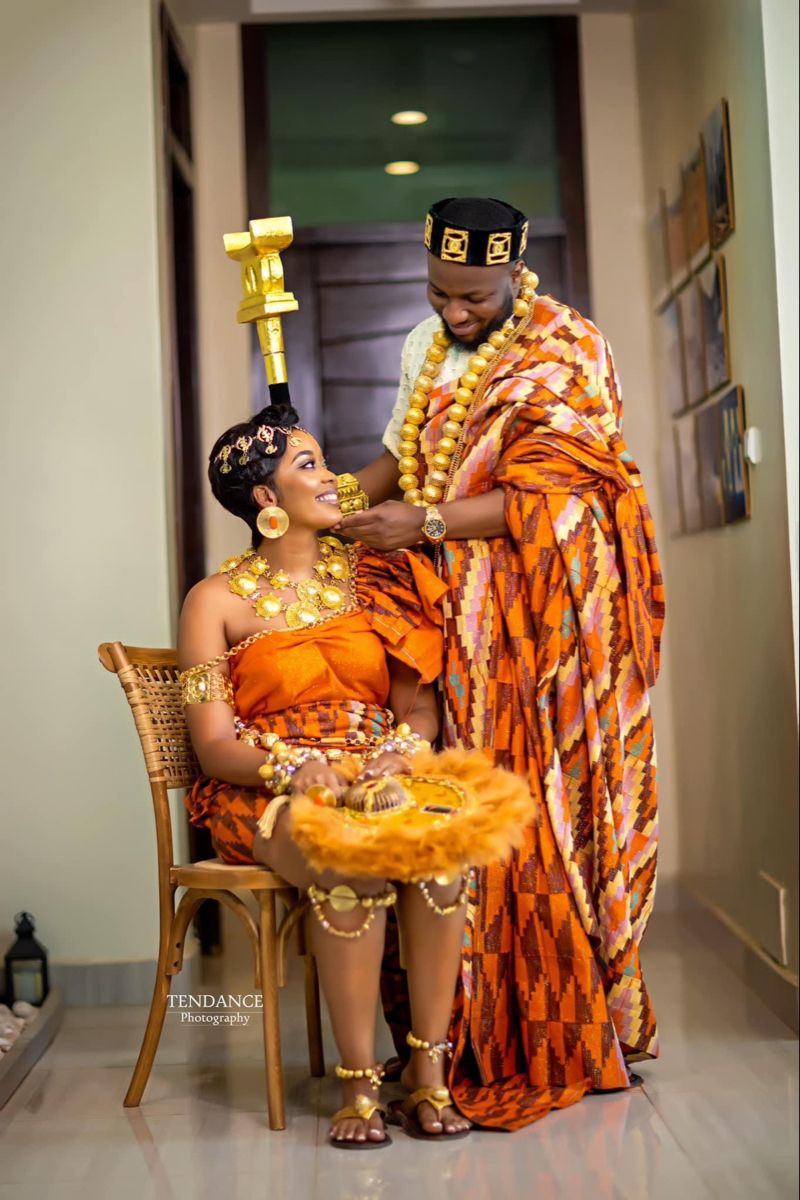
Long before colonial borders shaped the contemporary Togolese state, Togo’s traditional clothing evolved through migration, trade, spirituality, ceremony, and ethnic identity. Clothing has historically conveyed social status, regional affiliation, religious affiliation, family identity, and cultural memory throughout the nation’s various communities. Clothes served as social language, ingrained in daily life and ceremonial structure, in addition to being a means of appearance.
International conversations about African fashion frequently flatten that complexity. Without acknowledging how closely clothing is linked to ethnic history, regional craftsmanship, and community identity throughout the nation, Togolese dress traditions are often reduced to wax prints and ceremonial robes. Togo’s traditional attire does not originate from a single, cohesive national style. Geographical location, trade routes, political organisation, and spiritual practices all influenced the development of distinctive clothing styles among the Ewe, Kabye, Tem, Mina, Moba, and several other communities.
Over centuries, Togolese clothing culture was also altered by the textile trade throughout West Africa. Fabrics, weaving techniques, dyeing practices, and tailoring systems spread throughout the region thanks to trade networks connecting modern-day Togo to Ghana, Benin, Burkina Faso, and Nigeria. Later, colonial trade brought imported materials into Togolese markets, but local consumers continued to modify those fabrics into culturally specific garments associated with identity and ceremony.
Because Togolese communities have consistently reinterpreted clothing customs while maintaining their associated meanings, traditional clothing in Togo has survived, rather than remaining unaltered. This harmony between continuity and reinvention still shapes today’s Togolese fashion culture.
Traditional clothing in Togo reflects cultural identity, ethnic heritage, ceremonial practices, and textile traditions shaped over generations of Togolese history.
Ethnic Communities Shaped Traditional Clothing in Togo
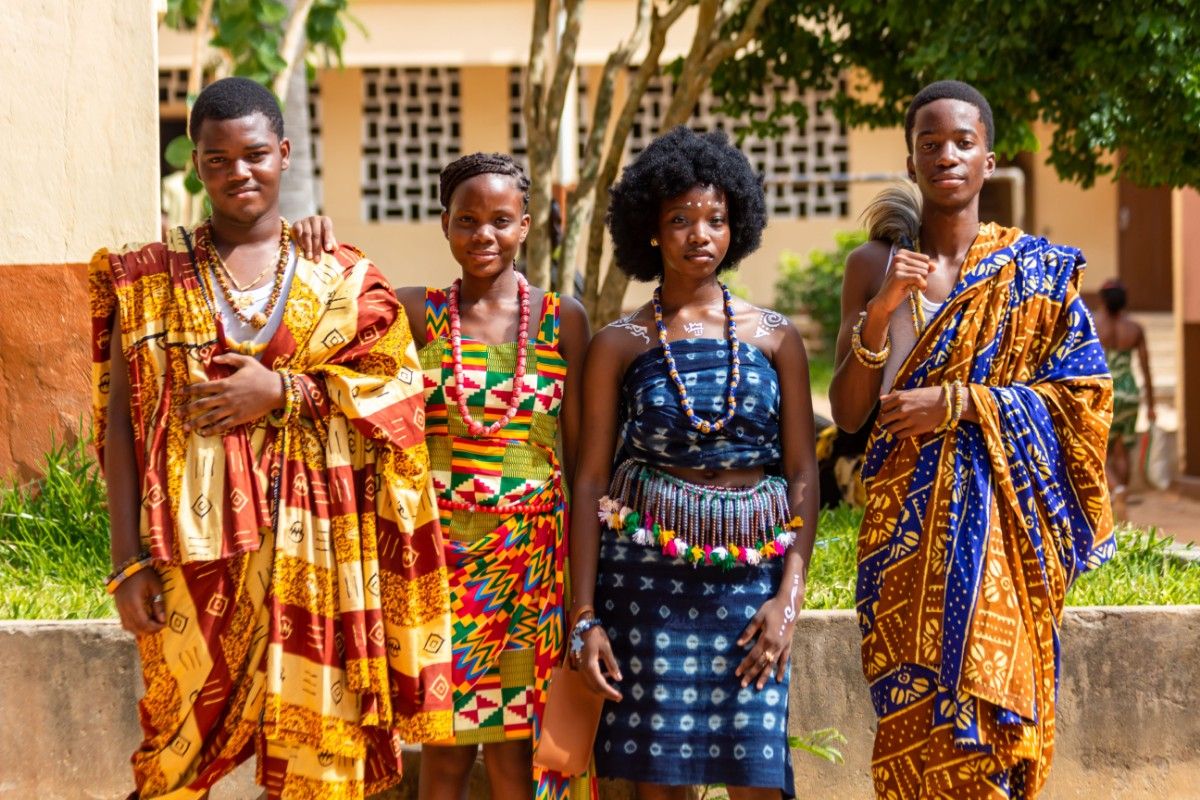
More than any single national fashion identity, Togo’s traditional attire reflects the nation’s ethnic diversity. Local culture and historical movement throughout the region influenced the development of various communities’ own clothing systems, textile aesthetics, ceremonial attire, and forms of adornment.
Southern Togo’s Ewe communities continue to have a significant influence on Togolese fashion customs. Woven textiles, wrappers, embroidered clothing, layered jewellery, and ornate head ties worn at religious ceremonies, festivals, weddings, and funerals are common components of their ceremonial dress. In many Ewe communities, clothing has historically served as a symbol of dignity, maturity, family status, and involvement in group activities.
Local weaving techniques, agricultural life, and regional trade ties all influenced the development of clothing customs among Kabye communities in northern and central Togo. While ceremonial dress during festivals and rites of passage introduced more elaborate textile presentations tied to identity and social respectability, men frequently wore practical woven garments adapted to climate and labour conditions.
Flowing robes, embroidered kaftans, layered clothing, turbans, and modest tailoring customs linked to scholarship, religious authority, and trade culture throughout the Sahelian corridor were also influenced by Islam in northern Togo. In these areas, clothing often represented ties to broader West African spiritual and commercial networks that transcended contemporary national boundaries.
Therefore, rather than cultural homogeneity, Togo’s traditional attire developed through overlapping systems of identity. This distinction is important because African clothing customs are frequently portrayed in international narratives as if entire nations had a single, unchanging visual culture.
Togolese ceremonial culture exhibits the same relationship between clothing and political identity as described in Traditional Clothing in Benin Republic: Culture, Royalty, and Identity, albeit through distinct ethnic structures and social systems.
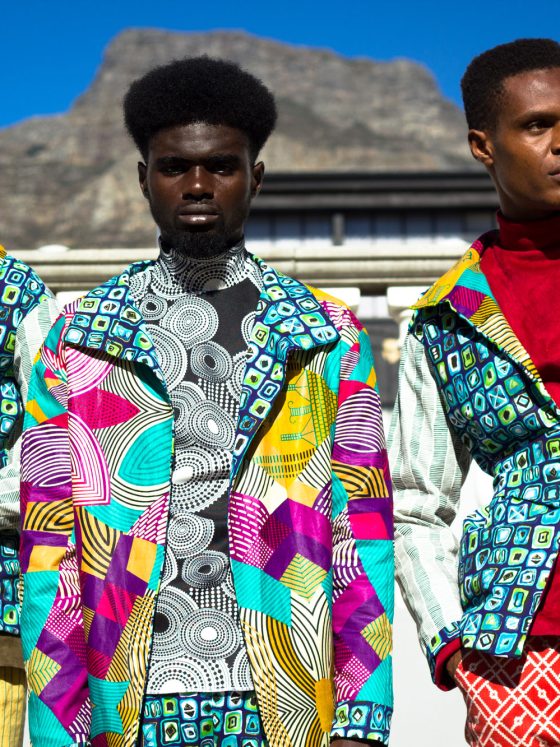
Through contemporary Afrocentric fashion, Togolese designers are continuing to revisit these traditions. Through contemporary tailoring targeted at younger African consumers, brands like Onulii Togolese Fashion reinterpret traditional silhouettes and woven-textile aesthetics.
Because communities continue to associate identity and memory with clothing, even as styles change over time, traditional clothing in Togo retains cultural significance.
Textile Traditions and Regional Trade Built Togolese Fashion Heritage
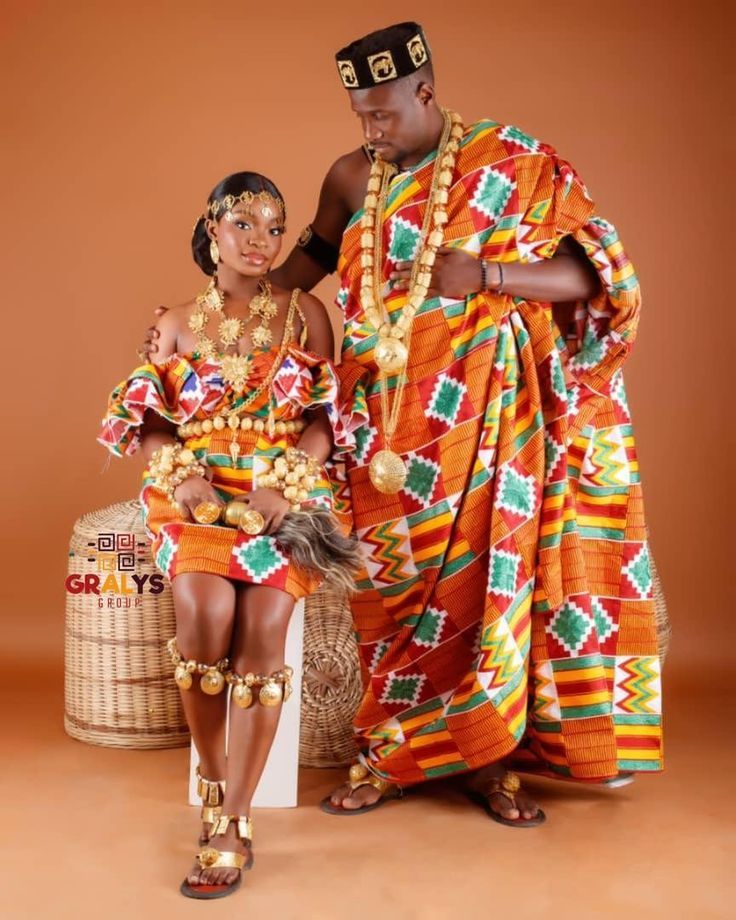
Togo’s traditional apparel evolved alongside textile economies influenced by regional trade, weaving, dying, tailoring, and embroidery. In addition to serving as a means of artistic expression, fabric production also served as a labour infrastructure that linked West African communities economically and culturally.
One of the most historically important facets of Togolese fashion heritage is still handwoven textiles. Traditions of narrow-strip weaving produced fabrics for ceremonies, festivals, marriages, and significant social events. As a specialised craft requiring technical accuracy and cultural awareness, weaving knowledge is often passed down through families and artisan communities.
Trade routes connecting Togo to neighbouring regions were also crucial to the movement of textiles. Lomé’s markets developed into significant commercial hubs where traders and customers exchanged ceremonial clothing, local and imported textiles, and tailoring services. Because they influenced the distribution of fabrics and consumer trends throughout communities, women traders in particular played crucial roles in these economies.
Later, rather than being passively adopted, imported wax prints were reinterpreted locally and incorporated into Togolese dress culture. Customers chose fabrics based on their preferences for tailoring, social symbolism, ceremonial significance, and colour meaning. Despite their industrial manufacturing roots, these textiles eventually became an integral part of Togolese fashion identity.
This procedure is indicative of a wider West African trend in which imported textiles acquired cultural significance. A similar textile adaptation can be found in Traditional Clothing in Liberia: Culture, History, and Identity, where local tailoring and social interpretation enabled the incorporation of imported materials into Liberian ceremonial and urban fashion traditions.
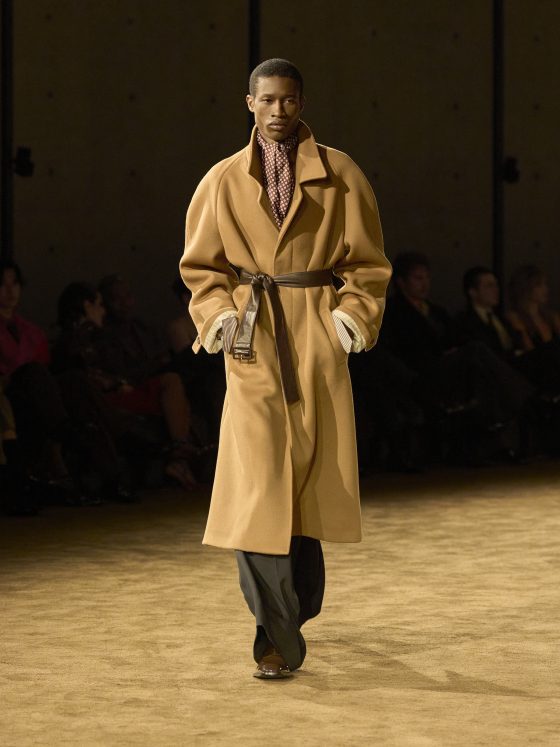
Urbanisation also led to a significant expansion of Togolese tailoring culture. Modern tailors are increasingly combining ceremonial fabrics with fitted cuts, structured silhouettes, and contemporary styling systems influenced by both global contemporary design and Afrocentric fashion.
Brands like David Tlale and Awa Meï have contributed to broader Afrocentric discussions about modernising traditional African tailoring aesthetics while conserving textile heritage.
Therefore, rather than being the result of isolated cultural preservation, Togo’s traditional attire represents centuries of migration, trade, labour, and adaptation.
ALSO READ:
- Traditional Clothing in the Benin Republic: Culture, Royalty, and Identity
- Top 5 Tie-Dye Styles for Mandinka Women in 2026
Ceremonial Dress Still Shapes Modern Identity in Togo
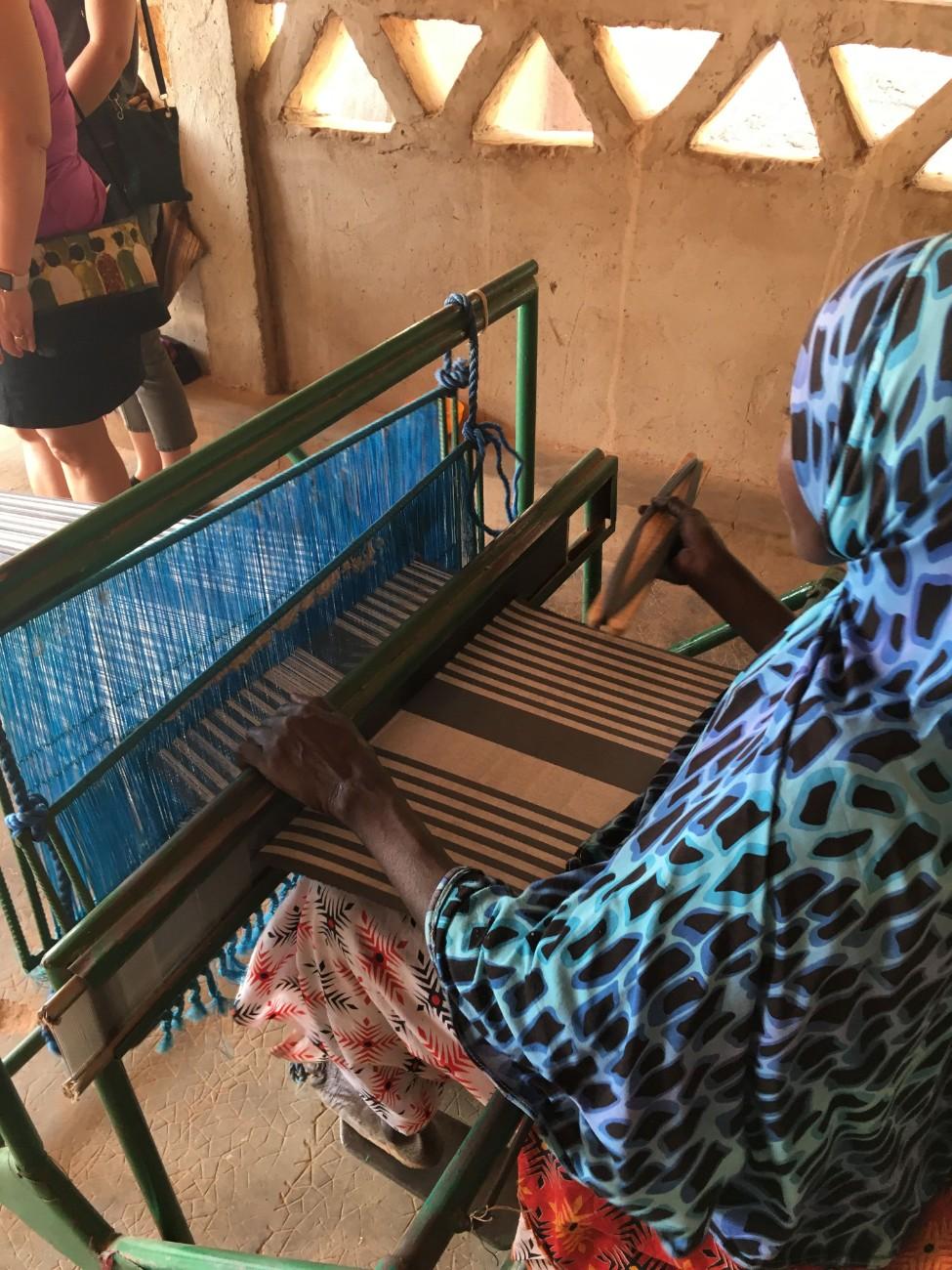
Because ceremonial life in Togo still relies heavily on outward displays of identity through clothing, traditional attire continues to hold social significance. Clothing customs that link contemporary communities to historical memory are essential for events such as weddings, funerals, initiation ceremonies, religious gatherings, harvest festivals, and national celebrations.
Traditional fashion expression is still particularly important during marriage ceremonies. Family unity and respect for cultural traditions are often expressed through coordinated family fabrics, ceremonial wrappers, embroidered robes, jewellery, and ornate headwear. During these rituals, clothing serves as a social declaration of continuity and belonging.
In many Togolese communities, funeral customs also uphold robust clothing systems. Certain hues, textiles, and clothing styles can represent religious identity, family status, or mourning customs. In these settings, ceremonial attire conveys social solidarity and respect for one another.
The way younger Togolese generations interact with traditional attire has changed due to urban youth culture. Younger consumers in cities like Lomé are increasingly fusing traditional textiles with modern silhouettes, sneakers, fitted tailoring, and global fashion aesthetics influenced by diaspora culture, music, and social media. However, because traditional clothing still holds emotional and communal significance, it continues to play a major role in cultural events.
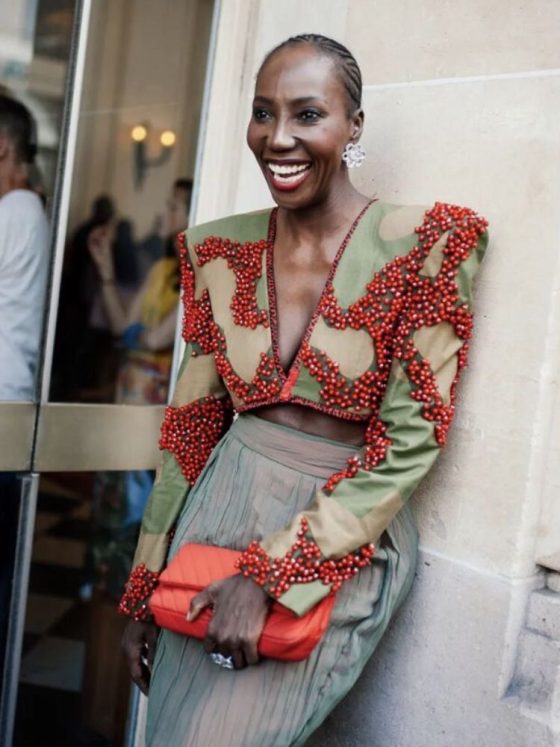
Traditional fashion is now being reinterpreted by contemporary Togolese designers in ways that go beyond ceremonial nostalgia. Togolese clothing traditions are increasingly being positioned by modern creatives as the basis for luxury design, editorial fashion, and contemporary Afrocentric identity, rather than as costumes saved only for festivals.
This cultural continuity also reflects broader Afro-diasporic fashion histories examined in Colombian Traditional Fashion: What the Mola, the Pollera, and Cartagena’s Dress Culture Actually Are, in which clothing customs similarly developed through migration, cultural exchange, and reinterpretation while maintaining historical identity.
Because Togolese communities continue to use clothing as social infrastructure rather than treating it as a symbolic legacy unrelated to daily life, traditional clothing in Togo survives.
The Omiren Argument
Togo’s traditional attire is often portrayed as a static cultural legacy, but its true history reveals a dynamic system shaped by regional exchange, trade, ethnic diversity, labour economies, and spirituality.
International coverage often reduces Togolese fashion to generic West African aesthetics, overlooking how various ethnic communities have developed unique clothing customs tied to social identity, commerce, and ceremony. This simplification eliminates the structural role that clothing has historically played in Togolese society.
In Togo, traditional attire has never served only as ornamentation. Textile systems organised labour economies. Clothes worn for ceremonies strengthened the sense of community. Trade routes transformed the circulation of fabric throughout the region. Only after communities incorporated imported textiles into regional ceremonial, tailoring, and social meaning systems did they become culturally Togolese.
This distinction modifies the definition of authenticity in African fashion. Maintaining clothing in its most archaic form is not necessary for cultural authenticity. It depends on whether or not communities maintain control over the meanings associated with clothing as fashion changes over time.
Because Togolese communities have consistently adapted fashion traditions to shifting political, economic, and cultural realities without sacrificing identity, traditional clothing in Togo has survived. The clothing is kept relevant through reinvention grounded in memory and collective significance rather than mere preservation.
Frequently Asked Questions (FAQs):
1. What is the traditional clothing in Togo?
Traditional clothing in Togo includes woven garments, ceremonial wrappers, embroidered robes, flowing kaftans, head ties, and regionally specific attire worn across different ethnic communities such as the Ewe, Kabye, Tem, and Moba peoples. These garments are commonly worn during weddings, funerals, festivals, religious ceremonies, and cultural celebrations.
2. Why is traditional clothing important in Togo?
Traditional clothing remains important in Togo because garments communicate identity, social belonging, spirituality, family heritage, and cultural continuity. Clothing traditions continue shaping ceremonies, communal gatherings, and formal events while preserving connections between modern Togolese society and historical cultural systems.
3. Which ethnic groups influence traditional clothing in Togo?
Several ethnic groups influence traditional clothing in Togo, including the Ewe, Kabye, Tem, Mina, Moba, and Fulani communities. Each group developed distinct garment traditions shaped by geography, religion, labour systems, trade routes, and ceremonial practices.
4. Is wax print considered traditional clothing in Togo?
Wax print fabrics became culturally significant in Togo through local adoption and reinterpretation. Although industrial wax prints originated in European textile manufacturing, Togolese communities have integrated these fabrics into ceremonies, tailoring traditions, and everyday fashion over generations.
5. How has modern fashion changed traditional clothing in Togo?
Modern fashion has transformed traditional clothing in Togo through contemporary tailoring, urban streetwear influence, and Afrocentric fashion design. Younger generations increasingly combine traditional textiles with modern silhouettes and contemporary styling while still preserving cultural meaning during important ceremonies and celebrations.
Explore More
Omiren Styles Editorial Team covers Afrocentric fashion, textile heritage, and African creative industries through research-driven editorial focused on identity, craftsmanship, history, and cultural analysis. Explore more Afrocentric fashion history, textile culture, and contemporary African style analysis at Omiren Styles.