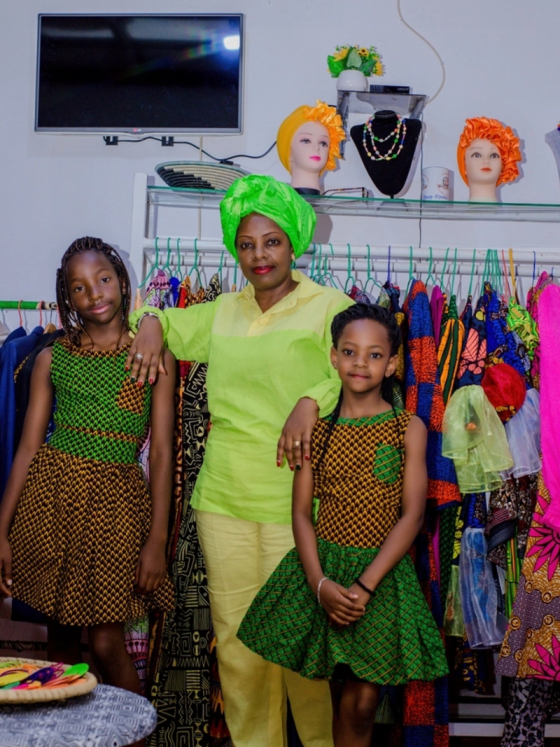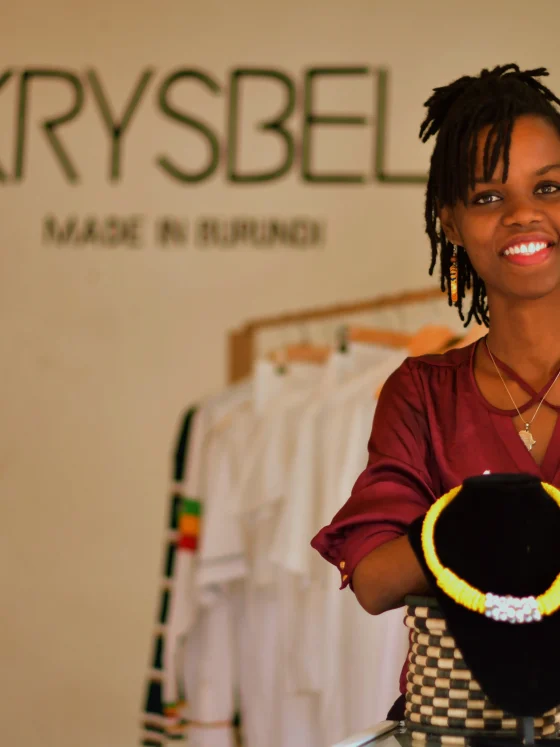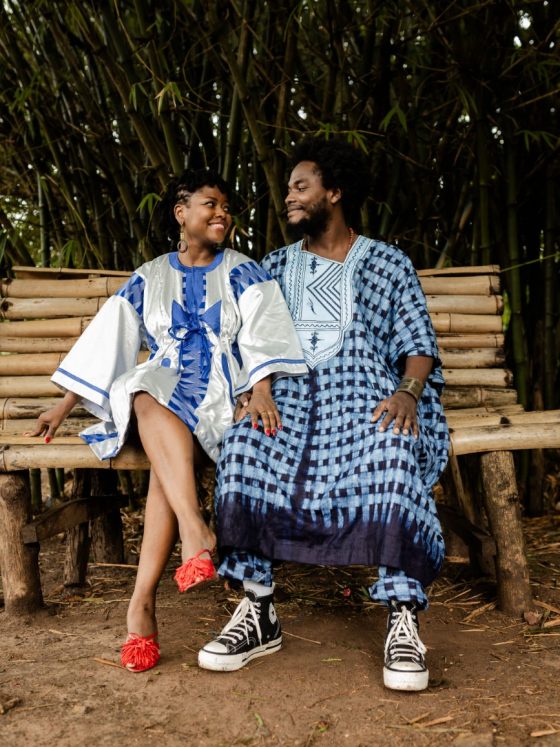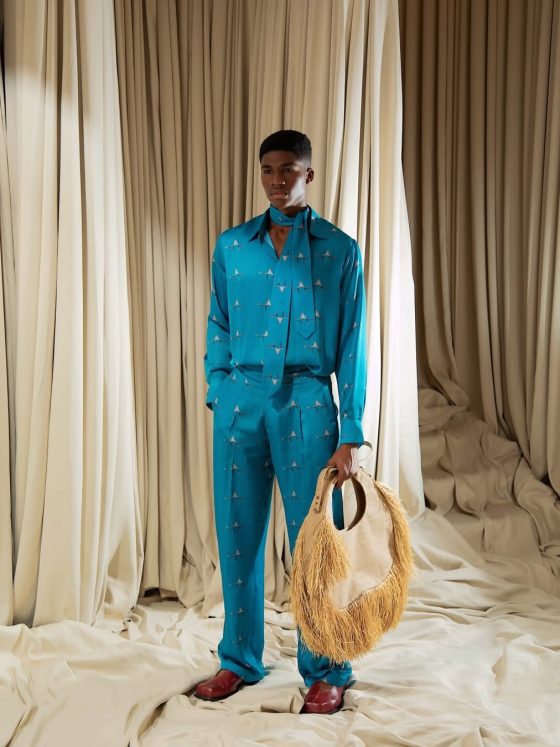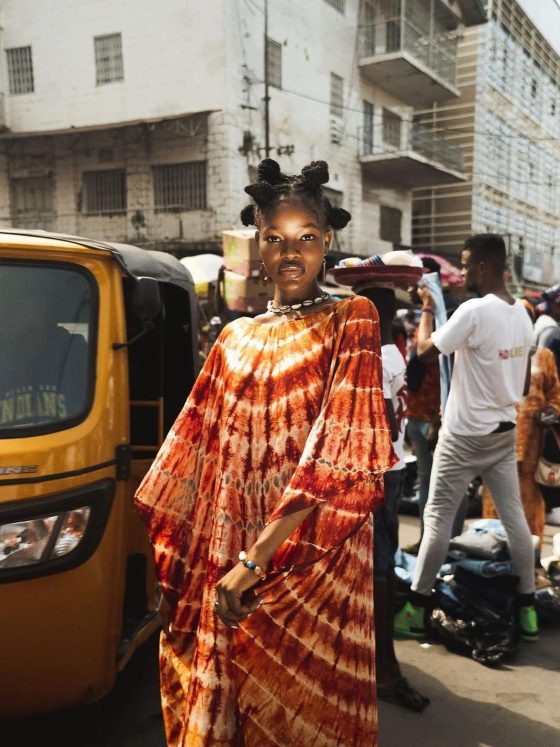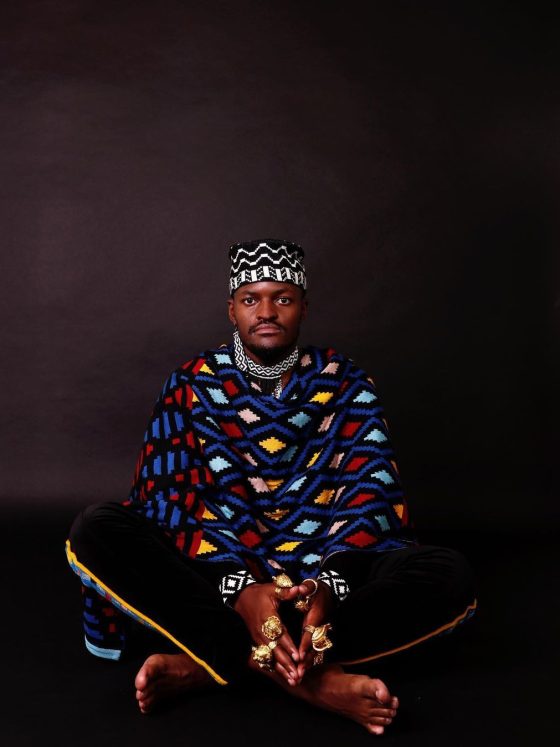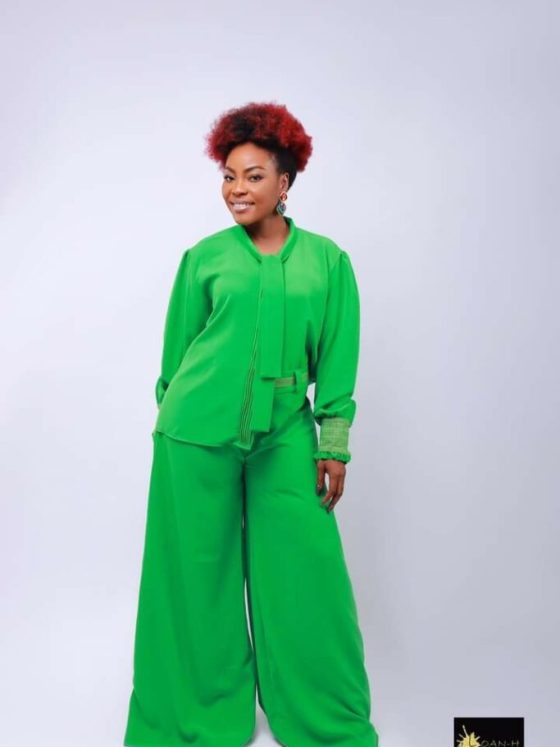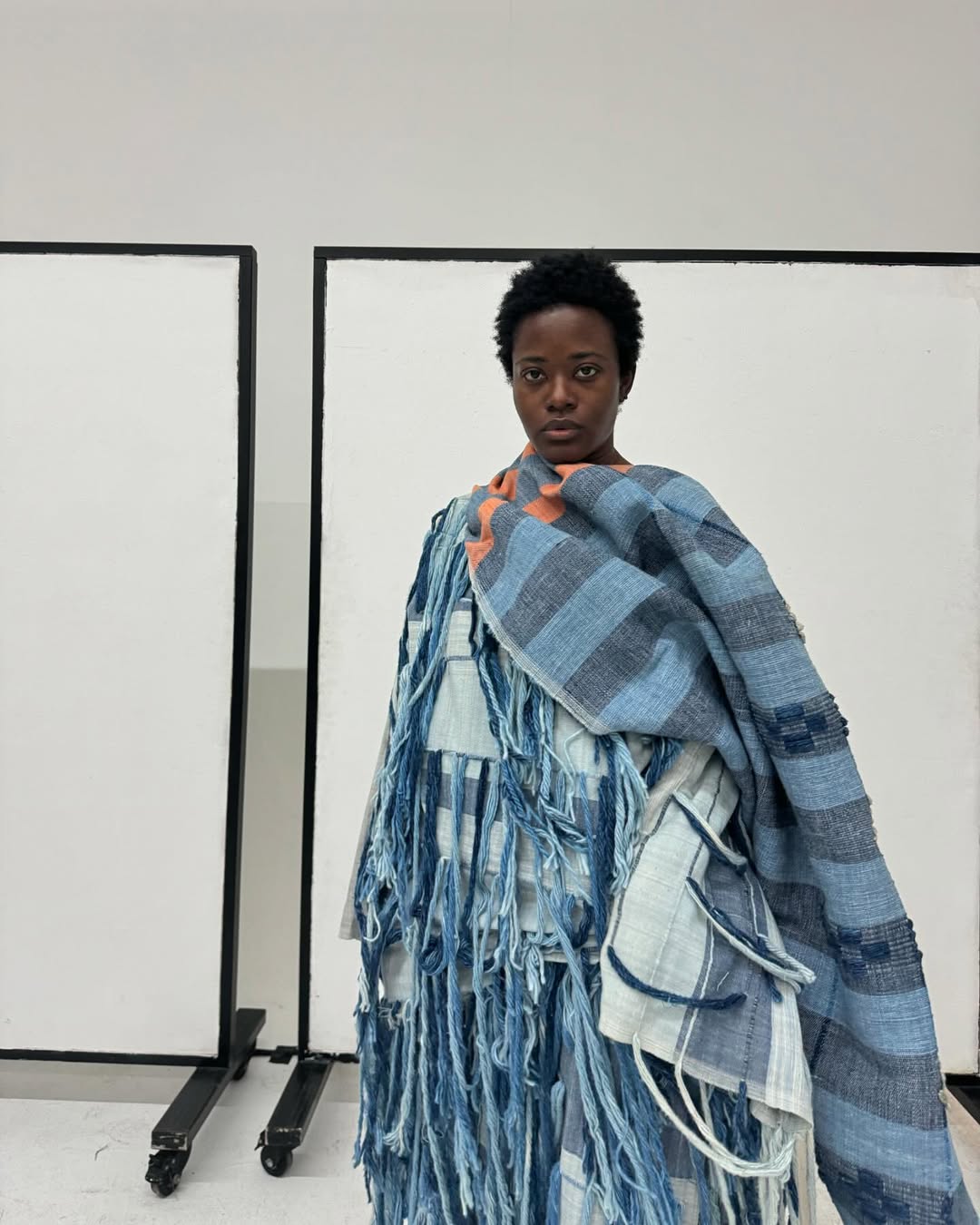
Malian fashion designers are actively shaping a distinctive path by preserving deep cultural knowledge while pushing creative boundaries in their work.
They operate from studios in Bamako and beyond, drawing from centuries of textile tradition and material expertise to inform contemporary collections.
This dual commitment defines much of the professional practice in Mali today. Rather than choosing between heritage and modernity, Malian fashion designers treat both as essential parts of their creative process.
This approach requires constant negotiation between cultural responsibility and artistic freedom.
The result is a growing body of work that feels grounded in Malian realities yet speaks confidently to wider audiences.
Malian designers aren’t simply reviving the past or copying global trends. They are building a living fashion language that reflects the complexity of contemporary Mali.
Malian fashion designers are redefining tradition through contemporary fashion. This article examines how they balance identity and innovation.
Malian Fashion Designers Balancing Heritage and Contemporary Practice
Malian fashion designers approach their work with a clear understanding that cultural knowledge and modern demands must coexist in every collection.
They draw from Mali’s rich textile traditions, particularly bogolan and bazin, not as decorative elements but as foundational materials that carry historical and symbolic weight.
At the same time, they adapt construction techniques, silhouettes, and finishing methods to address contemporary expectations from both local clients and international markets.
This balancing act requires constant decision-making. Many Malian fashion designers maintain small ateliers in Bamako.
These ateliers are where they collaborate directly with artisans who still practise traditional weaving and dyeing methods. They then reinterpret these materials with updated patterns, structured tailoring, and functional designs suited to urban life.
This process allows them to preserve technical expertise while creating garments that feel relevant to the present generation of Malian consumers. The approach reflects a professional philosophy rather than nostalgia.
Established Malian Fashion Designers and Their Long-Term Contributions
Malian fashion designers who have built careers over several decades have created a foundation for the industry through consistent professional practice and atelier development.
These designers have maintained operations in Bamako while preserving technical knowledge passed down through generations of artisans.
Chris Seydou
Chris Seydou is widely recognised as one of the foundational figures in modern Malian fashion. He built his design language around bogolan, a hand-dyed mudcloth tradition from Mali.
He brought it into structured, modern clothing such as jackets, dresses, and suits. Instead of treating traditional fabric as separate from modern fashion, he combined both in a way that made Malian design visible on international platforms.
His work also helped establish early fashion studio systems in Bamako. This studio treated tailoring and design as professional career paths rather than informal crafts.
Lamine Badian Kouyaté (Xuly.Bët)
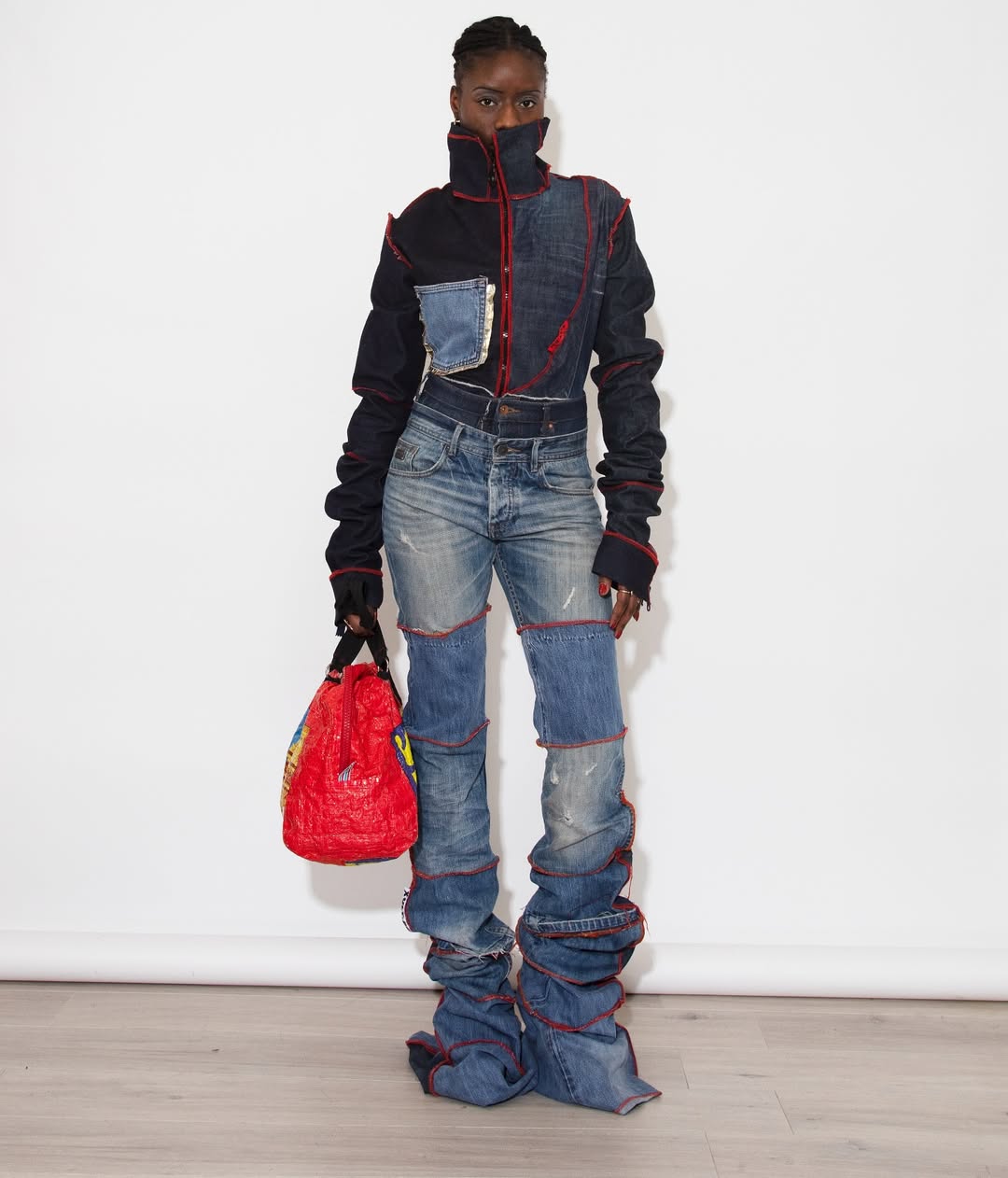
Lamine Badian Kouyaté is the founder of Xuly. Bët is one of the most influential Bamako fashion designers and figures in innovation, working between Mali and Paris.
He is known for rebuilding second-hand clothing into new fashion pieces using cutting, stitching, and visible construction techniques. His approach to design is strongly linked to reuse, where old garments aren’t treated as waste but as raw material for new collections.
This method helped position Malian design within global conversations on sustainable fashion. The design still stayed connected to everyday creative practices in Bamako and its wider cultural environment.
Awa Meité
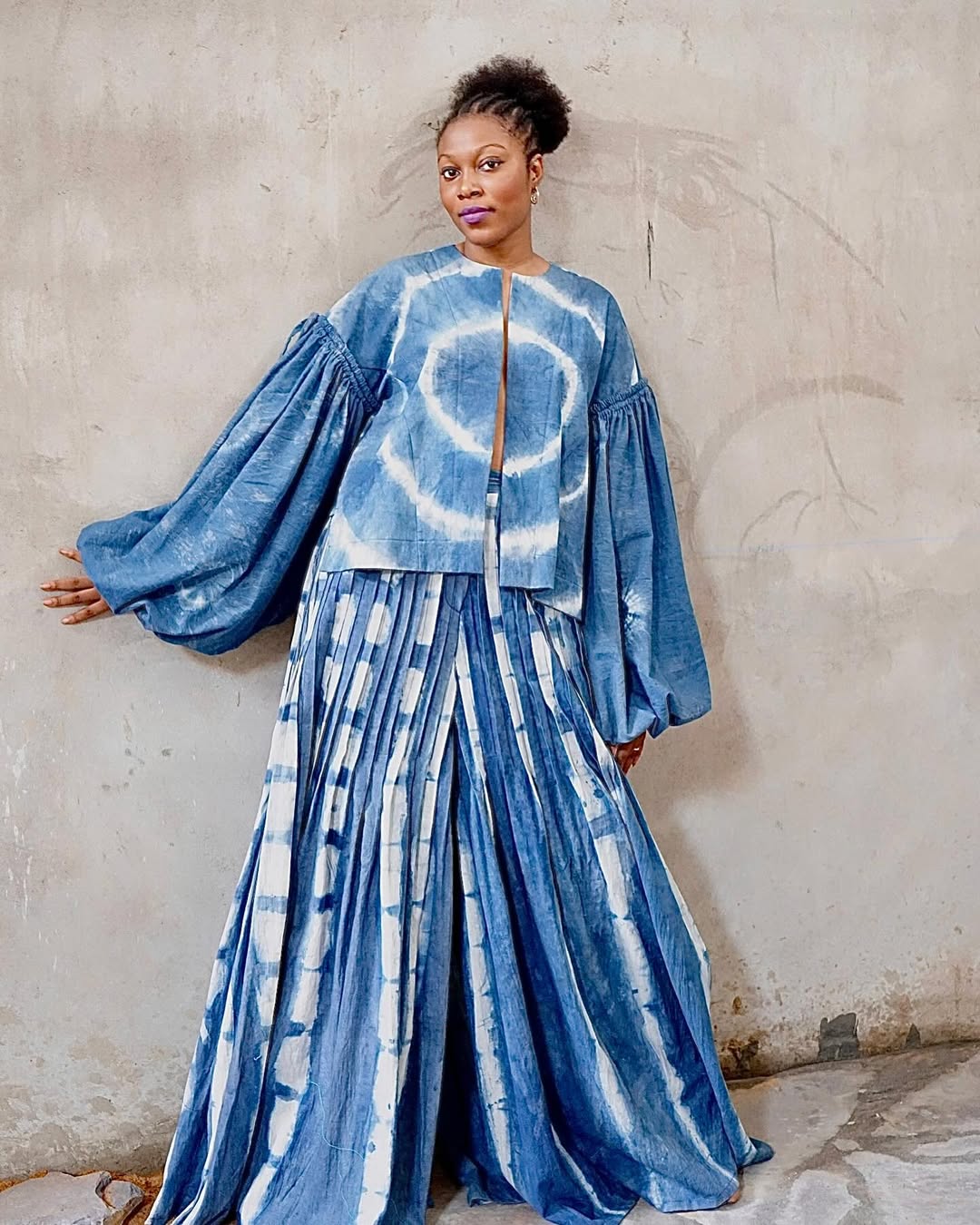
Awa Meité is a Bamako-based designer and textile practitioner whose work focuses on cotton, handwoven fabrics, and local artisan production systems. She builds clothing through close collaboration with weaving communities and small-scale producers in Mali.
Her practice connects design to the cotton value chain, where fabric production and garment creation are linked through local labour. This positions her work within a system in which Malian textiles are not only used but also actively sustained through design practice.
Boubacar Doumbia
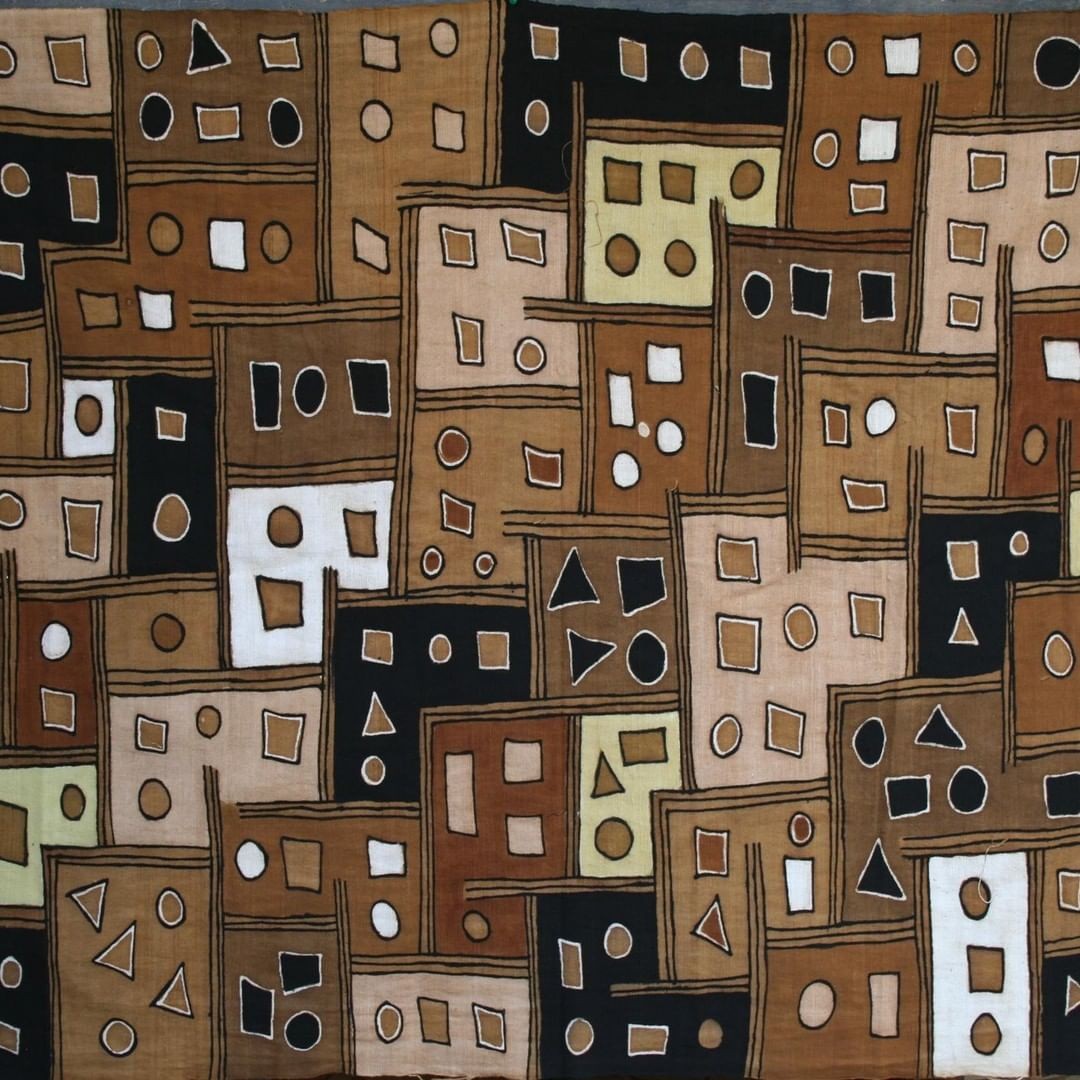
Boubacar Doumbia is a Malian textile practitioner based in Bamako and Ségou. He is known for his work in natural dyeing and bogolan production systems.
He is a member of the Groupe Bogolan Kasobané collective and runs Ndomo, a workshop focused on textile training and artisan development.
His work centres on natural dye processes using local materials and the transfer of technical knowledge to younger artisans. Rather than focusing solely on garment design, his practice strengthens the production infrastructure supporting Malian fashion.
This is achieved through training systems that preserve and transmit traditional textile skills.
Emerging Approaches in Malian Design
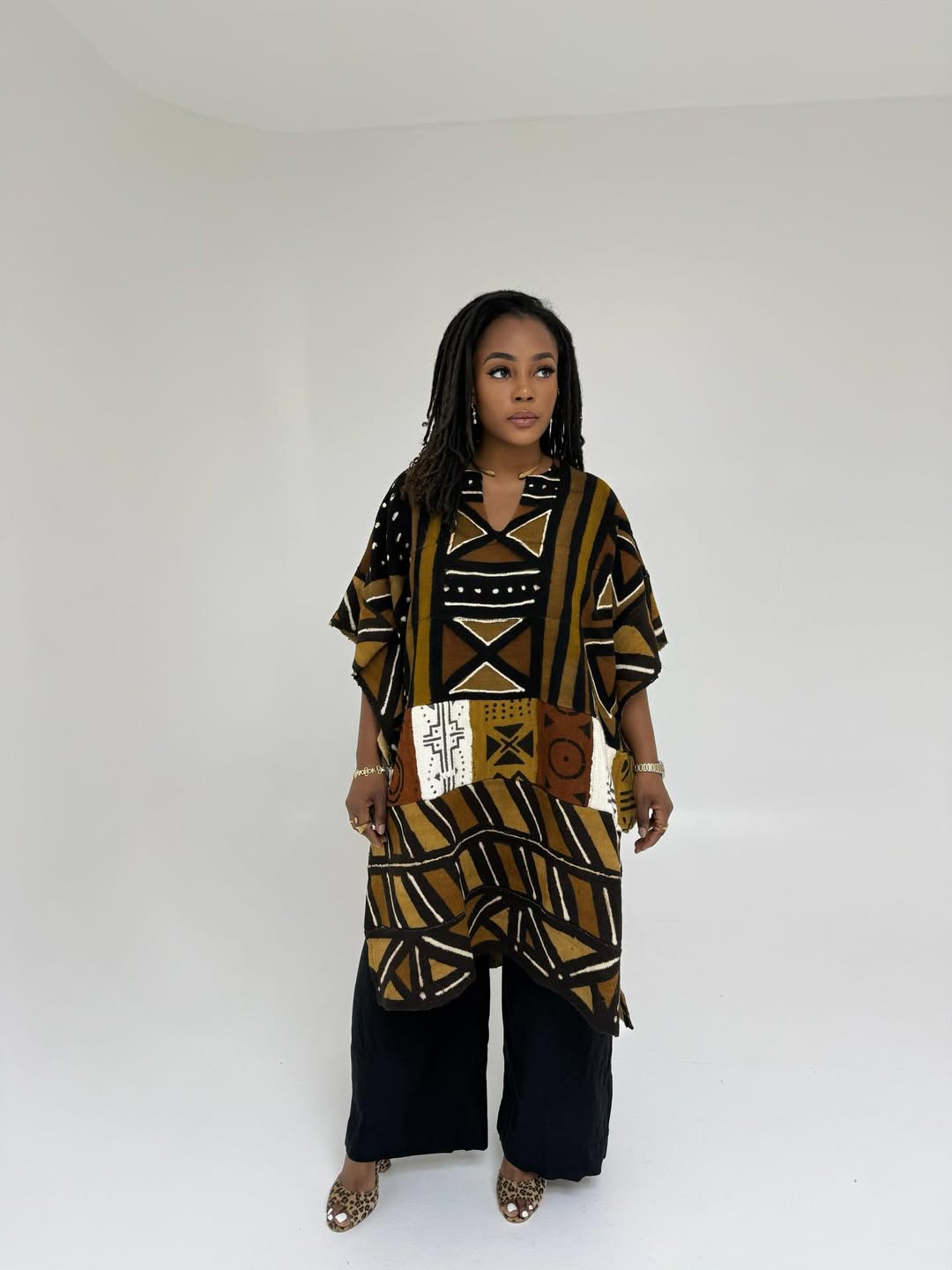
A growing number of Malian fashion designers are reshaping the use of traditional materials in contemporary clothing, especially bogolan and cotton-based fabrics such as bazin.
Instead of treating these textiles as fixed cultural symbols, they are being reworked into practical garments that fit urban life in cities like Bamako.
In recent times, bogolan is no longer limited to ceremonial use. Designers are cutting it into structured shirts, relaxed jackets, and matching sets designed for everyday wear.
Cotton-based fabrics such as bazin are also being adapted into lighter silhouettes and less rigid forms.
This moves the fabric away from only formal or highly decorative styling toward more flexible clothing.
This shift isn’t driven by trend language but by professional decisions around cost, material access, and production limits.
In Bamako, fashion designers’ innovation, many studios work within local supply chains where efficiency in fabric use and consistency in production are necessary conditions.
Malian textiles remain central, but they are now shaped by modern tailoring needs and changing urban lifestyles.
Also Read:
- Street Style in Bamako: Where Tradition Meets Modern Expression
- Traditional Clothing in Mali: The Cultural Significance of Boubou and Bogolan
- Top Senegalese Fashion Designers Influencing Global Style
Challenges and Strategies in the Malian Fashion Industry
Malian fashion designers operate within a system shaped by uneven infrastructure, limited textile industrial production, and heavy reliance on small-scale artisan networks.
For many Malian fashion designers, production is closely tied to local weaving communities and informal supply chains. This can affect consistency, pricing, and delivery timelines.
One major constraint is access to large-scale manufacturing. Most garments are produced through ateliers in Bamako.
In these ateliers, designers manage cutting, sewing, and finishing with limited machinery. This slows production and makes scaling difficult, especially for designers trying to serve both local and international markets.
Another challenge is market access. While Malian designers are increasingly visible in regional fashion events, distribution networks remain limited.
Also, international retail entry often depends on external partnerships rather than local systems.
In response, Bamako fashion designers’ innovation strategies focus on adaptability. Designers often diversify income through custom orders, collaborations, and small-batch production.
Many also rely on strong relationships with artisan groups to maintain material supply and preserve technical skills.
These strategies show that sustainability in the Malian fashion industry is shaped less by expansion and more by careful management of resources, labour, and production scale.
The Omiren Argument
Malian fashion designers aren’t primarily preservers of tradition but active engineers of production systems.
These systems continuously reshape how materials like bogolan and cotton function in contemporary design practice.
This challenges the assumption that Malian fashion exists mainly to safeguard heritage. Instead, its defining feature is technical adaptation within constraint-driven environments in Bamako and beyond.
Designers such as Chris Seydou redefined bogolan through structured tailoring, and Lamine Badian Kouyaté turned garment reuse into a construction method.
On the other hand, Awa Meité embedded cotton into organised artisan production chains, and Boubacar Doumbia built training and dyeing systems that sustain textile knowledge at scale.
What connects these practices isn’t cultural preservation as an end in itself. But the professional management of material, labour, and knowledge within local fashion economies. This reveals Malian fashion as an operational industry in which continuity is produced through redesign rather than repetition.
Frequently Asked Questions
- What is the traditional fashion of Mali?
Traditional Malian fashion includes garments such as the boubou (grand boubou), flowing robes, wrapped skirts, and headscarves made from locally produced textiles. Many outfits feature bogolan (mudcloth) and handwoven cotton fabrics that reflect regional identities and artisan traditions.
- Who are the top 5 fashion designers?
There is no universally accepted top five, but designers most frequently cited among the greatest are Coco Chanel, Christian Dior, Yves Saint Laurent, Giorgio Armani, and Ralph Lauren. Their influence comes from innovations that reshaped modern fashion and luxury brands.
- Who is the most innovative fashion designer?
There is no single official answer, but Alexander McQueen is often regarded as one of the most innovative designers because of his experimental designs, theatrical runway presentations, and use of new technologies. Many fashion historians also place innovators such as Coco Chanel and Hussein Chalayan in this discussion.
- Which designer is known for introducing the concept of ready-to-wear fashion culture?
Pierre Cardin is widely credited with pioneering designer ready-to-wear fashion when he launched one of the first ready-to-wear collections by a major couturier in the late 1950s. His move helped make high-fashion design accessible to a broader market.