Sustainable fashion in Mali builds directly on longstanding local systems of textile production. For generations, artisans have used natural materials and low-impact methods.
Some of these include bogolan and handwoven cotton, which minimise waste and rely on local resources. These practices remain central to how clothing is made across workshops in Bamako, Ségou, and Djenné.
Rather than following industrial models, production stays rooted in small-scale artisan systems and community knowledge.
Sustainable fashion in Mali today must balance the preservation of these traditional techniques with the pressures of modern markets, climate change, and economic realities. This creates a distinct path forward shaped by Mali’s own material culture.
Explore traditional clothing in Mali through the cultural significance of boubou and bogolan, artisan textile systems, and sustainable fashion practices.
The Foundation of Handmade Textiles in Malian Production
Sustainable fashion in Mali draws strength from foundational practices refined over centuries. Artisans cultivate cotton on small family plots, particularly around Ségou.
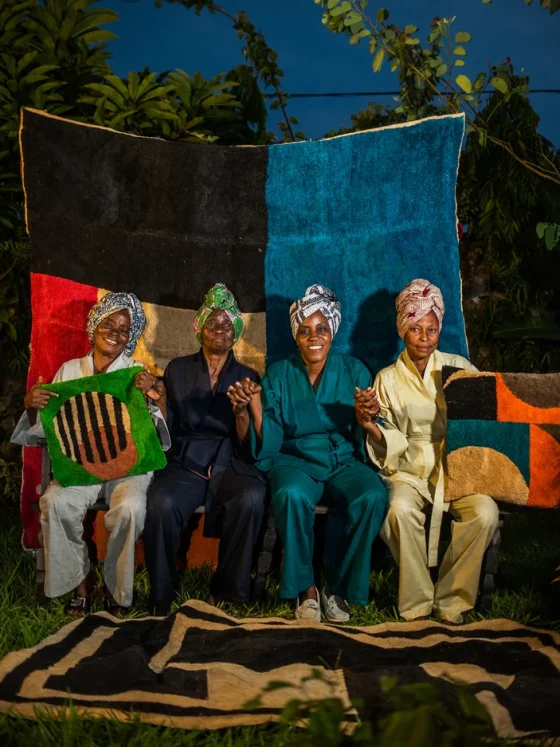
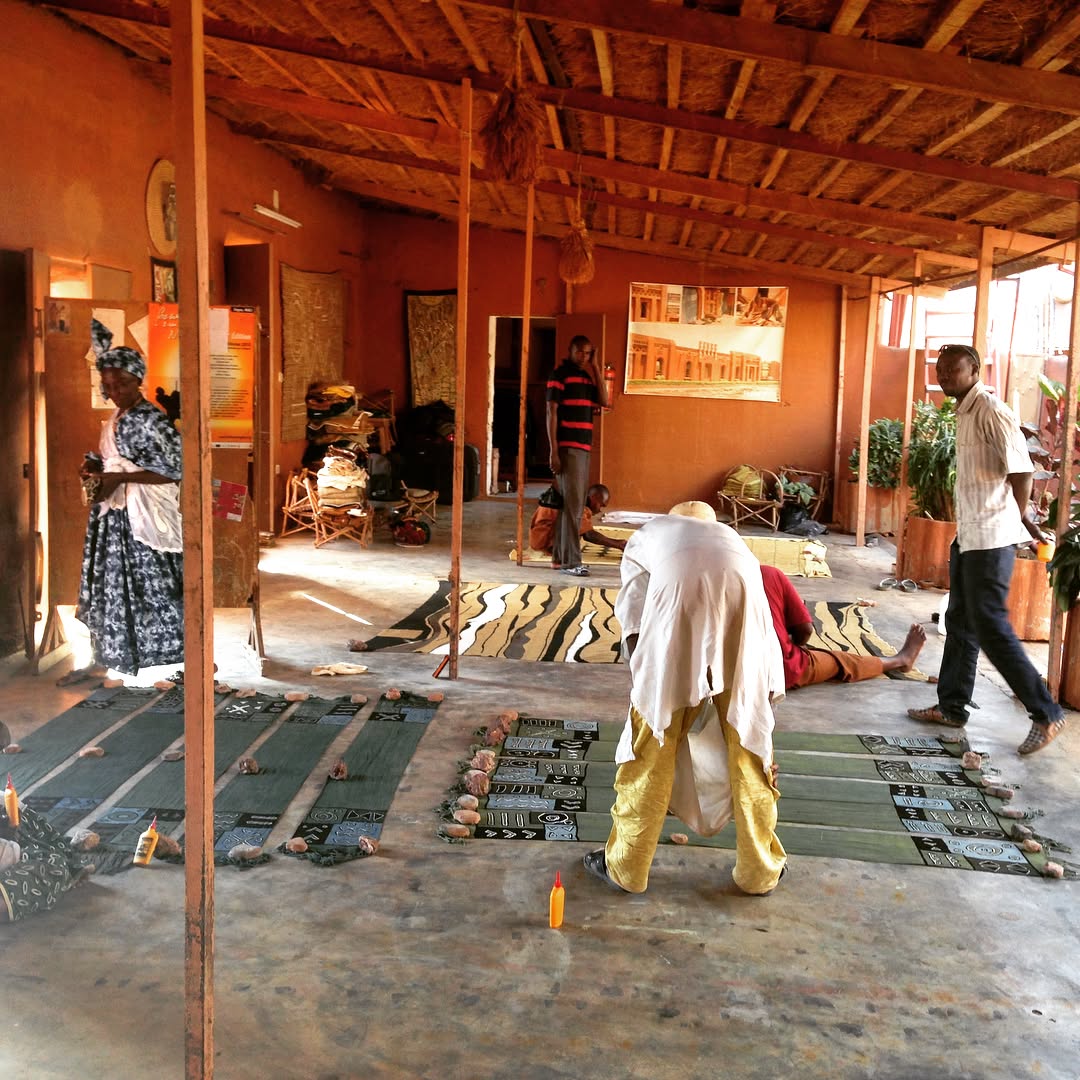
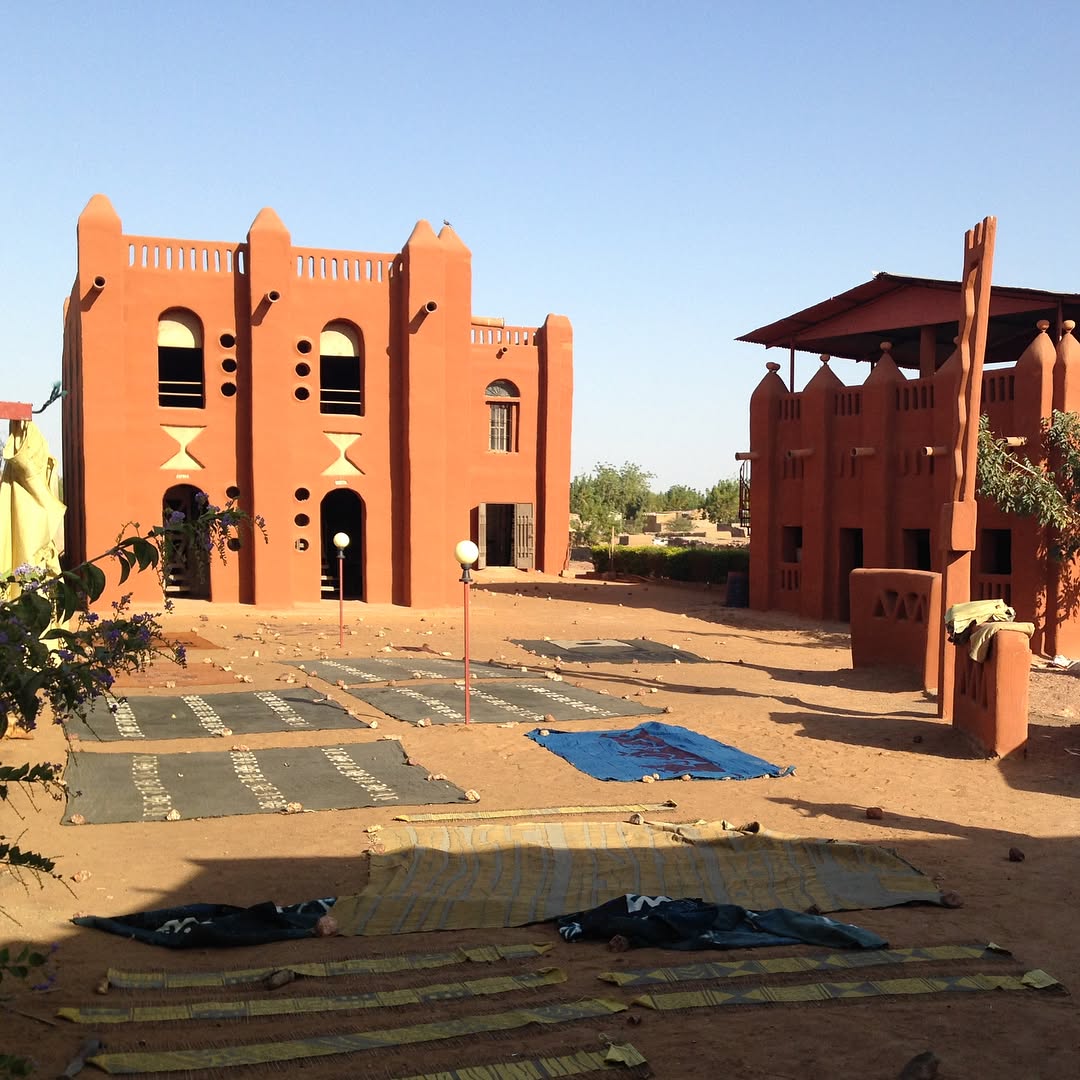
Women hand-spin the fibre, and men weave it into narrow strips on double-heddle looms. These strips are sewn together to create larger cloths. Natural dye techniques at the Mali Future Design Centre on Bogolan production.
Artisans soak cloth in tannin-rich solutions from local plants such as n’gallama, then apply fermented mud from the Niger River banks. The iron-rich mud binds permanently through repeated applications, yielding deep earth tones while keeping the fabric biodegradable.
Sustainable cotton weaving in Mali cooperatives operates as a closed-loop system. It uses renewable local materials, modest water volumes, and solar energy, generating almost no toxic waste.
Handmade textiles, the Mali artisan economy rests on this ecological logic, embedding generations of knowledge about soil, plants, and seasonal cycles among Bamana communities.
These systems provide the material base for expanding sustainable fashion in Mali on its own terms.
Artisan Economies and Workshop Models
Handmade textiles in the Mali artisan economy operate through family workshops and cooperatives located in Bamako, Ségou, and Djenné. These structures combine cultural preservation with practical livelihood strategies.
In Ségou, the Ndomo workshop, founded by Boubacar Doumbia, serves as a social enterprise. It trains young people in bogolan techniques while teaching literacy and business skills. This model tackles youth unemployment and sustains traditional knowledge.
Sustainable cotton weaving in Mali cooperatives, such as the Tanti Bogolan Women’s Association in Djenné, allows women to pool resources, secure better prices, and pass expertise to new generations through apprenticeships.
Artisans divide labour across spinning, weaving, dyeing, and finishing stages. Income flows through collective or piece-rate systems. Daily operations align with seasonal cotton harvests and river mud cycles.
These workshop models keep economic activity rooted in social relations. They produce steady revenues from local sales and selective exports. Community control takes priority over fast expansion.
This foundation strengthens the artisan systems essential to sustainable fashion in Mali.
Innovation Within Traditional Techniques
Bogolan sustainable fashion in Mali advances when artisans refine existing methods to meet current needs without compromising core processes.
Makers experiment with pattern composition, scale, and application while retaining handwoven cotton and natural fermentation techniques.
Some combine bogolan panels with other local fibres or adjust designs for contemporary clothing cuts and interior products that appeal to both local and international buyers.
Natural dye techniques in Mali’s future design receive focused attention through improved mordant formulations. These are made from local plants and controlled fermentation periods that enhance colour fastness.
Artisans test variations in mud consistency and plant extracts to achieve subtle new shades while preserving the fabric’s biodegradability and low environmental impact.
This practical innovation keeps decision-making with the producers themselves. It allows bogolan to serve modern wardrobes and design contexts while strengthening the ecological foundation of Malian production.
Such grounded experimentation supports the long-term growth of sustainable fashion in Mali on authentic terms.
Key Challenges Facing Traditional Clothing in Mali
Malian bogolan production challenges stem from several structural pressures that test the resilience of artisan systems.
Climate variability disrupts cotton yields through erratic rainfall, higher temperatures, and soil degradation in key growing areas. These shifts affect both the quantity and quality of raw cotton available for handweaving.
There’s also competition from inexpensive imported textiles floods local markets and undercut prices for handmade pieces. Limited access to finance restricts cooperatives from investing in better storage, equipment, or consistent raw material supplies.
Market access remains difficult for many producers who rely on inconsistent tourism and export orders.
Security concerns in parts of the country further complicate supply chains and the movement of goods.
These barriers slow the expansion of sustainable fashion in Mali despite strong cultural foundations. Without targeted interventions, the economic viability of these artisan practices faces ongoing strain.
Also Read:
- Senegalese Textiles and Craftsmanship: The Art Behind West African Fashion
- Traditional Fashion in Côte d’Ivoire: Culture, Colour, and Identity
- Wax Prints and Beyond: Fabrics Defining Ivorian Fashion
Pathways for Scaling Sustainable Fashion in Mali
Sustainable fashion in Mali gains momentum through targeted strategies that build on existing artisan strengths. One of these strategies is strengthening cooperatives.
They’ll provide shared infrastructure for storage, quality control, and collective marketing. This approach improves income stability and allows sustainable cotton weaving in Mali cooperatives to respond more effectively to demand.
Domestic market development in urban centres such as Bamako creates reliable outlets less dependent on tourism fluctuations.
Educational campaigns that highlight the cultural and ecological value of bogolan can shift consumer preferences toward local handmade products.
Ethical export models that connect artisans directly with fair trade buyers ensure better returns while maintaining production standards.
Policy support focused on protecting dye plant sources, subsidising organic cotton suited to traditional methods, and integrating textile skills into cultural economy programmes will prove essential.
These practical pathways support the Mali handmade fashion future by expanding reach without undermining community control. They position bogolan sustainable fashion in Mali as a competitive force grounded in proven local systems.
The Omiren Argument
Rather than sustainable fashion in Mali shifting toward industrial or externally driven models, it will progress meaningfully only by reinforcing and professionalising.
This will happen through its existing artisan-controlled handmade systems. Many observers assume that Malian textile practices are outdated.
Also, it must be replaced by large-scale industrial approaches to achieve real sustainability and economic impact. In truth, bogolan and handwoven cotton systems already demonstrate superior environmental performance.
This happens through renewable local resources, minimal waste, and closed-loop processes. These methods embody centuries of refined ecological knowledge developed by Bamana and other communities.
They also keep control and benefits within the producing societies. For the next decade, targeted investment in cooperatives, protection of raw material sources, youth apprenticeships, and supportive policies will determine success.
This path builds on proven strengths rather than risking them through external models.
Frequently Asked Questions
- What is the traditional clothing of Mali?
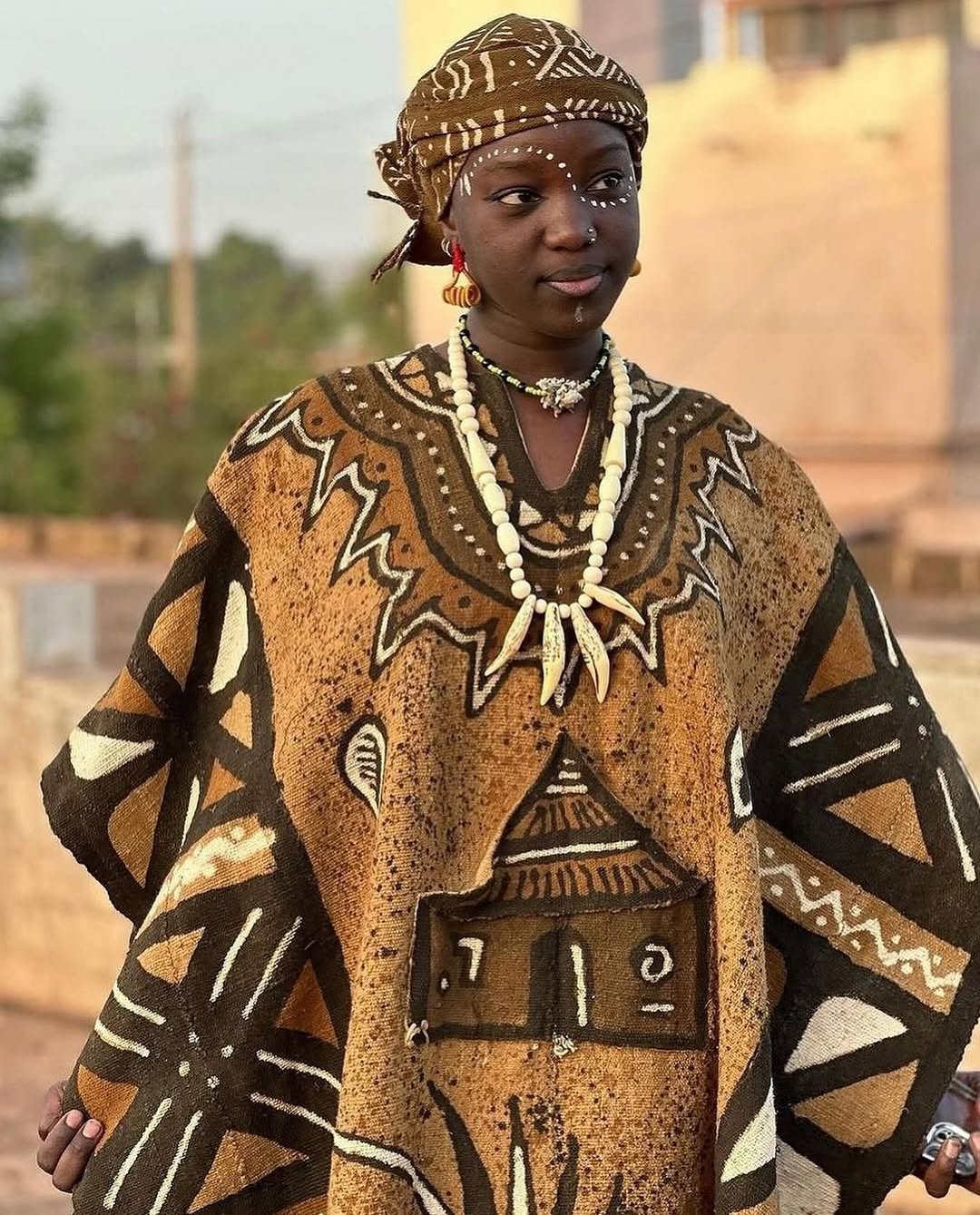
The traditional clothing of Mali includes the boubou, a wide, flowing robe worn by both men and women, often made from handwoven cotton or bogolan. Among the Bamana and other ethnic groups, specific garments and patterns also signal social status, identity, and cultural affiliation, with regional variations across the country.
- What is bogolan?
Bogolan, also known as mud cloth, is a traditional Malian textile created by applying fermented river mud to handwoven cotton fabric. It represents a sophisticated artisanal process that uses natural materials and produces durable, symbolically rich cloth deeply connected to Bamana cultural heritage.
- What is a boubou gown?
A boubou gown is a long, loose-fitting robe that serves as a staple garment in Malian dress for both everyday wear and formal occasions. It is typically made from cotton, bogolan, or other local fabrics and allows for personal expression through fabric choice, embroidery, and colour.
- What is the meaning of bogolanfini?
Bogolanfini literally translates as “mud cloth” in the Bamana language, where “bogo” means mud or earth and “fini” means cloth. The term refers not only to the material but also to the cultural significance of the patterned textile, which often carries symbolic meanings related to protection, identity, and life events.
- What is the process of bogolanfini?
The process of bogolanfini begins with handweaving cotton into cloth, followed by soaking it in a tannin-rich plant solution before applying fermented mud from the Niger River. Artisans build up layers through repeated applications and rinses to create permanent earth-toned patterns, resulting in a fully natural and biodegradable textile.