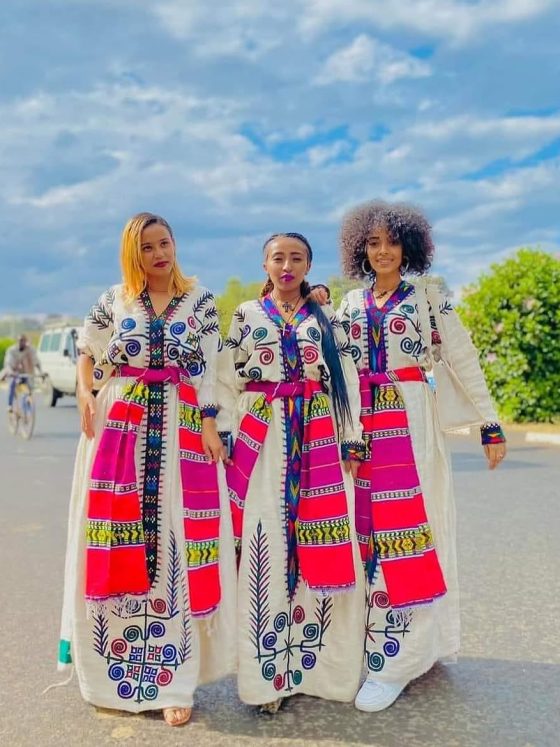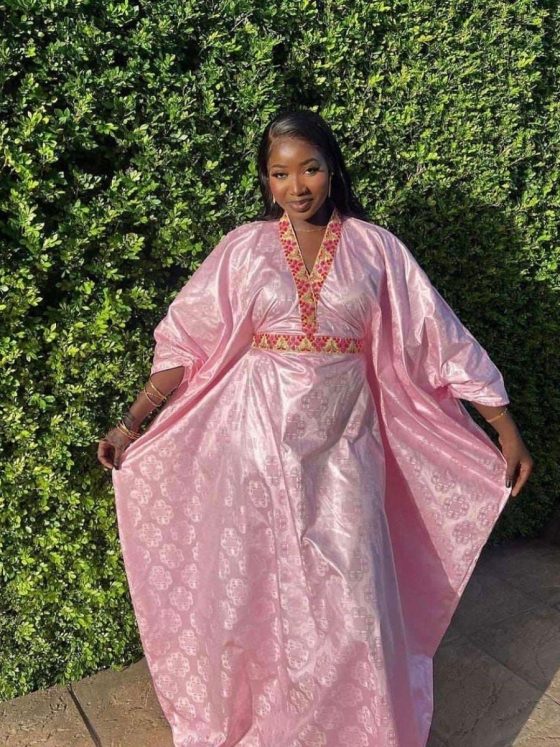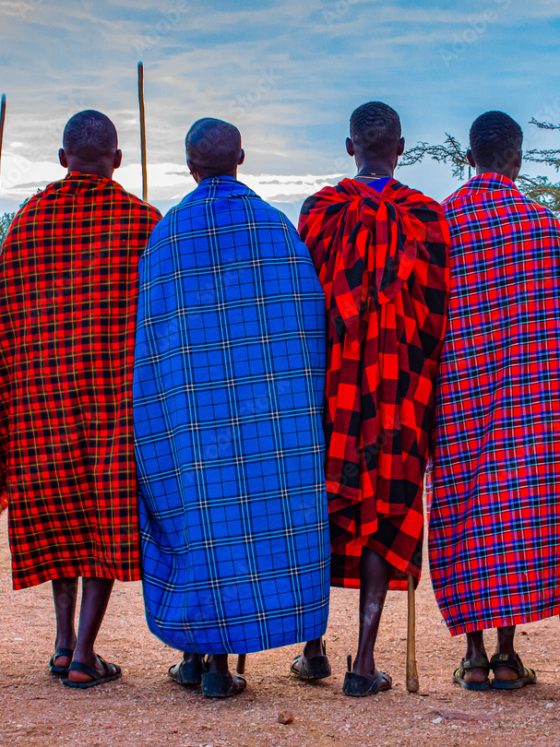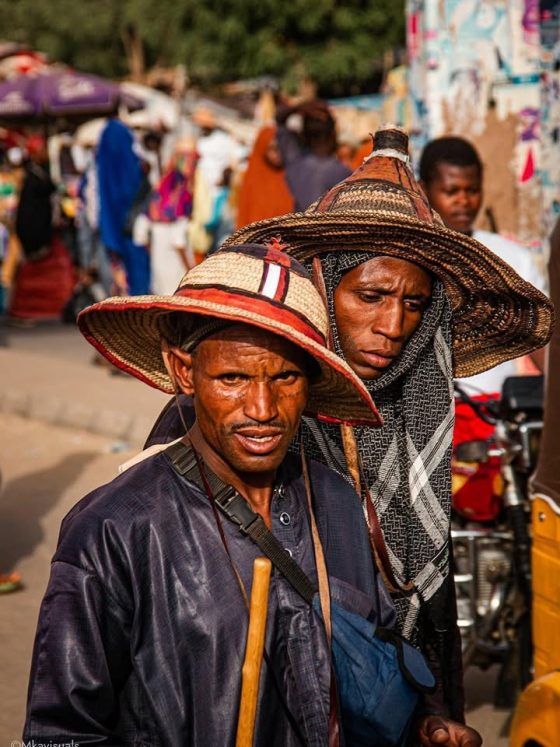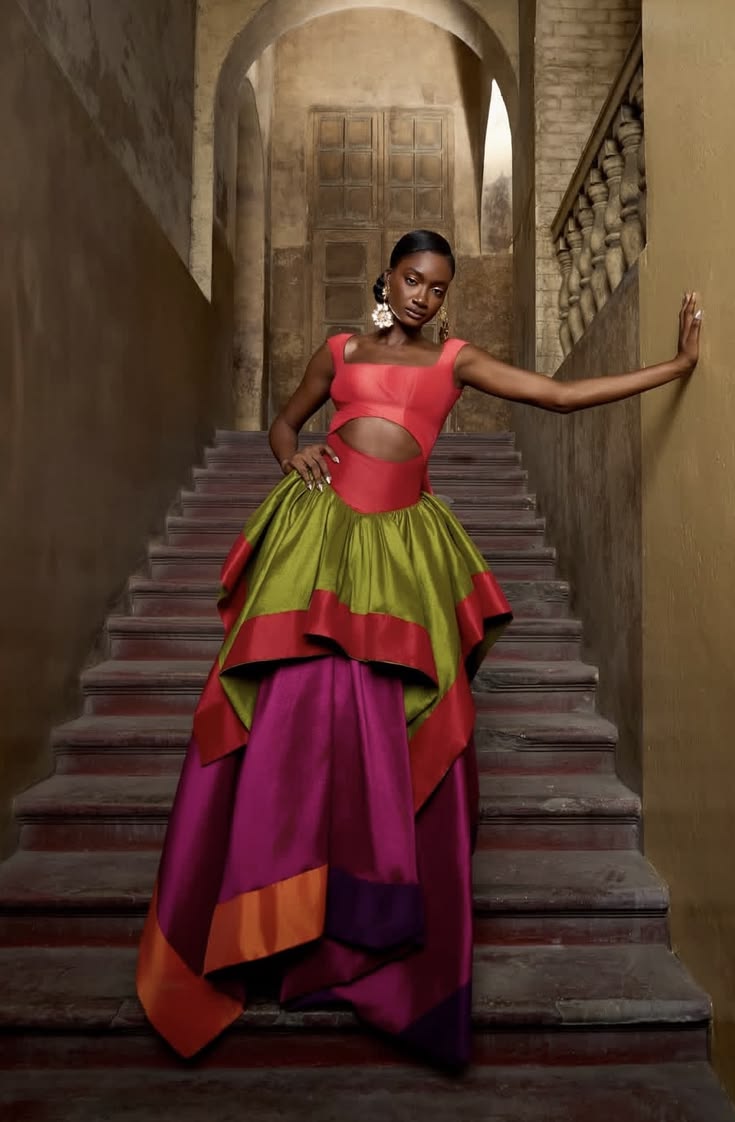
Across cultures, the idea of being “well-dressed” is rarely about fashion alone. It is about awareness of self, of context, and of others. Clothing becomes a way of signalling that you understand where you are, who you are with, and what the moment requires.
In many African, Caribbean, and Black diaspora communities, dressing well is closely tied to respectability and presence. It is not simply about looking good. It is about showing up correctly.
This is why the same person may dress differently for a family gathering, a religious event, a professional setting, or a public appearance, not out of inconsistency, but out of cultural intelligence.
Across cultures, dressing well signals respect, identity, and awareness. Explore the unspoken rules that shape style across African and diaspora communities.
The Unspoken Rules Everyone Understands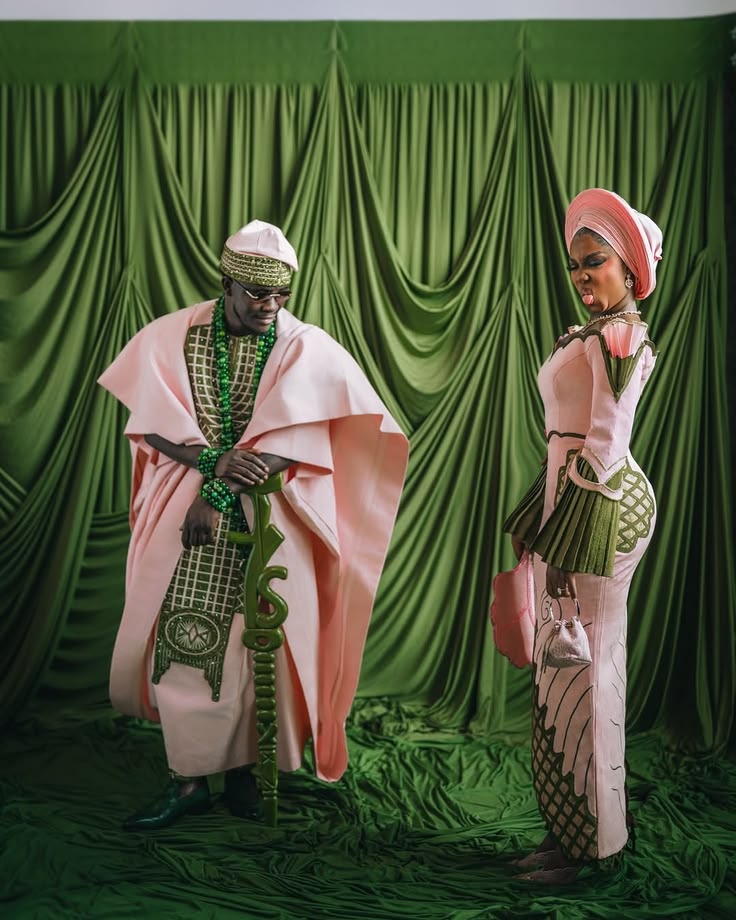
Every society has its own standards, but certain principles remain consistent across cultures. These are rarely written down, yet widely understood:
1. Effort Signals Respect
Being underdressed in an important setting is often interpreted as a sign of disregard.
In many African households, showing up properly dressed, whether in carefully pressed clothing, coordinated outfits, or well-maintained garments, is a sign that you value the occasion and the people present. The same applies in Caribbean communities, where “Sunday best” is less about religion alone and more about presentation as a form of discipline.
Effort is visible. And it communicates intention.
- Context Determines Appropriateness
What is considered “well-dressed” is not fixed; it shifts depending on where you are and what is happening.
- A look that works in a creative industry may feel out of place in a formal setting.
- Clothing suitable for a casual gathering may not translate to ceremonial spaces.
- Even within the same culture, expectations change across generations and environments.
Understanding this is what separates style from mere clothing. It reflects social awareness, not just personal taste.
- Neatness Is Non-Negotiable
Across cultures, one rule remains constant: cleanliness and order matter.
Well-dressed does not always mean expensive. It often means:
- Clothes are clean and well cared for
- Fit is considered, even if the garments are simple
- Presentation is intentional, not careless
This is why someone in a modest outfit can appear more “put together” than someone in expensive but poorly maintained clothing.
Cultural Expressions of “Looking Put Together”
While the principles may overlap, the expression of dressing well varies across regions:
- In West Africa, dressing well often includes coordination, structure, and presence, whether through flowing garments, tailored fits, or layered ensembles.
- In Caribbean contexts, elegance is often expressed through colour, sharpness, and confidence, with a strong emphasis on grooming and detail.
- In Black diaspora communities globally, style becomes a blend that balances heritage, modern influences, and personal identity.
What connects these expressions is not sameness, but intentionality. The goal is not to copy a standard but to meet it within your own cultural language.
Dressing as Social Awareness
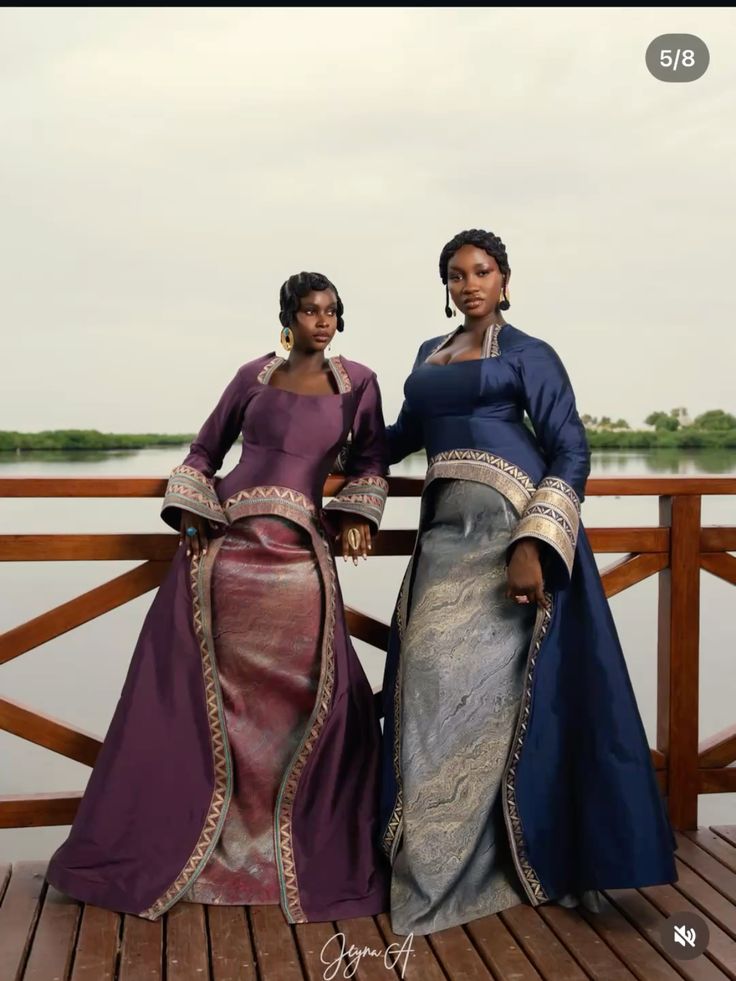
To dress well is to understand that clothing exists within a social ecosystem.
It acknowledges that:
- People read meaning into what you wear
- Certain environments come with expectations
- Style can either create ease or discomfort in shared spaces
This does not mean abandoning individuality. It means knowing when to adapt and when to assert.
For example, wearing culturally rooted pieces in global or professional spaces can be a powerful statement, but how they are styled, combined, and presented determines whether they are read as intentional or out of place.
This balance is what defines cultural fluency in style.
When Cultural Codes Begin to Shift
Globalisation, digital culture, and creative industries are slowly reshaping traditional dress codes. Boundaries are becoming more flexible. What was once considered inappropriate may now be accepted or even celebrated.
However, the underlying principles remain:
- Awareness still matters
- Effort is still visible
- Context still shapes perception
What is changing is not the existence of these codes, but how they are interpreted and negotiated.
Younger generations, especially within African and diaspora communities, are redefining what it means to be well-dressed, blending traditional expectations with contemporary expression.
READ ALSO:
- Dressing for Transition: How Style Evolves When Your Life Is Changing
- What the World Lost When Hand-Weaving Gave Way to Mass Production
The Risk of Ignoring Cultural Codes
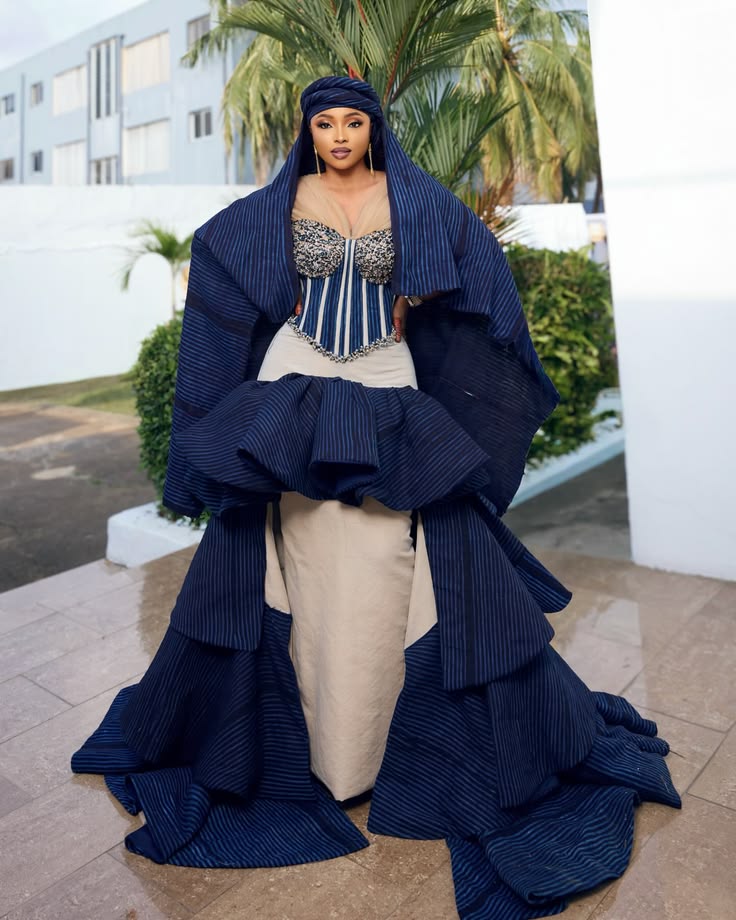
Rejecting all dress codes in the name of individuality can sometimes create a disconnect.
Without awareness of context:
- Clothing may send unintended signals
- Opportunities may be affected by perception.
- Cultural meaning can be lost or misunderstood.
True style is not about ignoring rules entirely. It is about understanding them deeply enough to decide when to follow, adapt, or challenge them.
Dressing Well as a Form of Respect
At its core, dressing well is about respect for yourself, for others, and for the spaces you enter.
It reflects:
- Self-respect: how you value your own presence
- Social respect: how you acknowledge others and shared environments
- Cultural respect: how you engage with traditions, expectations, and identity
When these elements align, style becomes more than appearance. It becomes a form of communication that requires no explanation.
What It Means to Be Well-Dressed Today
Being well-dressed today is not about following a single global standard. It is to:
- Understand the cultural codes around you
- Dress with awareness and intention
- Maintain consistency in presentation
- Balance individuality with context
- Communicate identity without confusion
The most stylish people are not those who wear the most expensive clothes or follow every trend. They are those who understand the language of dressing and speak it fluently across different spaces.
FAQs
- What does it mean to be well-dressed across different cultures?
Being well-dressed means aligning your clothing with cultural expectations, context, and social awareness while maintaining personal identity.
- Why is dressing well considered a sign of respect?
It shows effort, awareness of the occasion, and consideration for the people and environment you are engaging with.
- How do cultural differences influence fashion choices?
Different cultures define appropriateness, elegance, and presentation differently, shaping how individuals dress for various occasions.
- Can you express individuality while following cultural dress codes?
Yes. True style comes from balancing personal expression with an understanding of cultural expectations and context.
- What are the key elements of looking put together?
Cleanliness, proper fit, intentional styling, and awareness of context are the core elements of a well-dressed appearance.