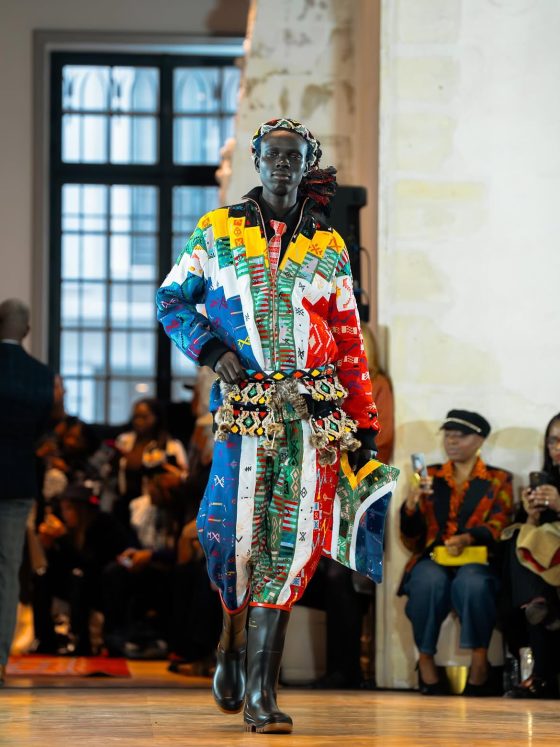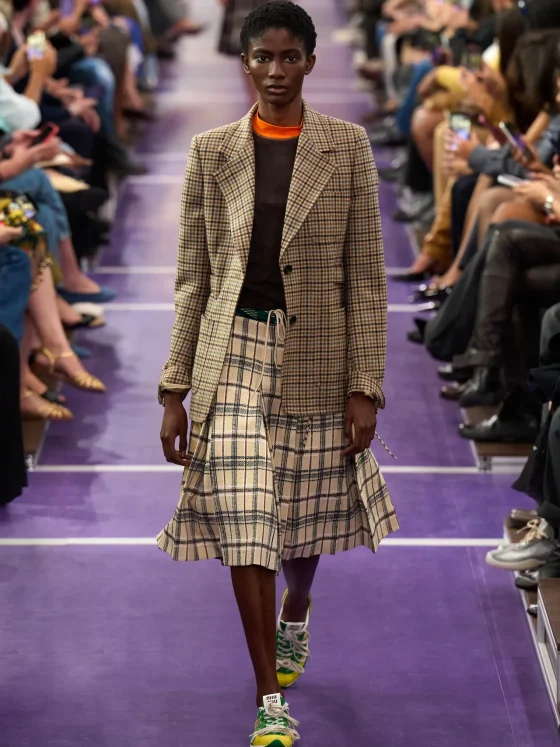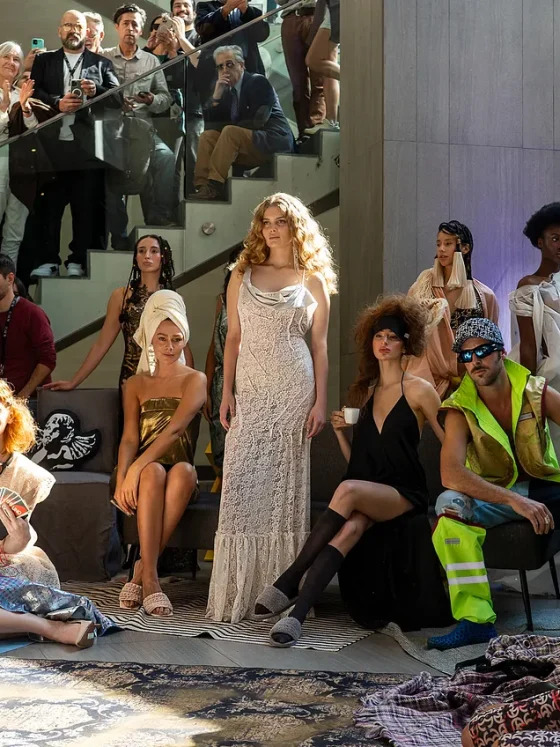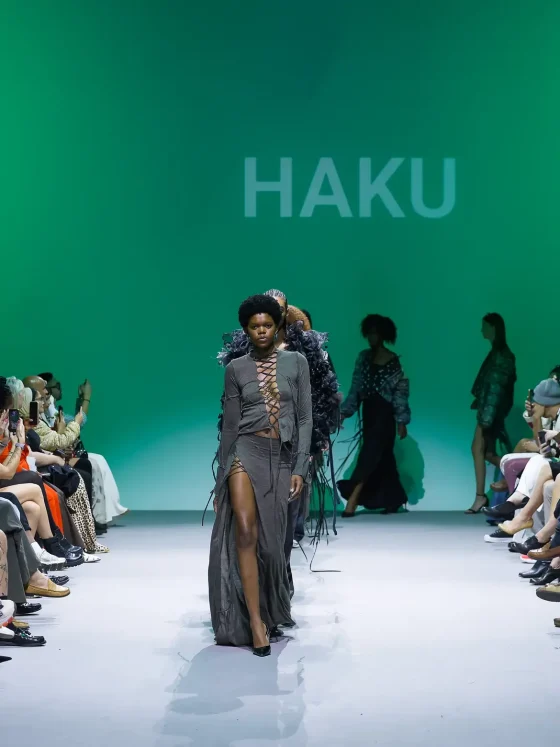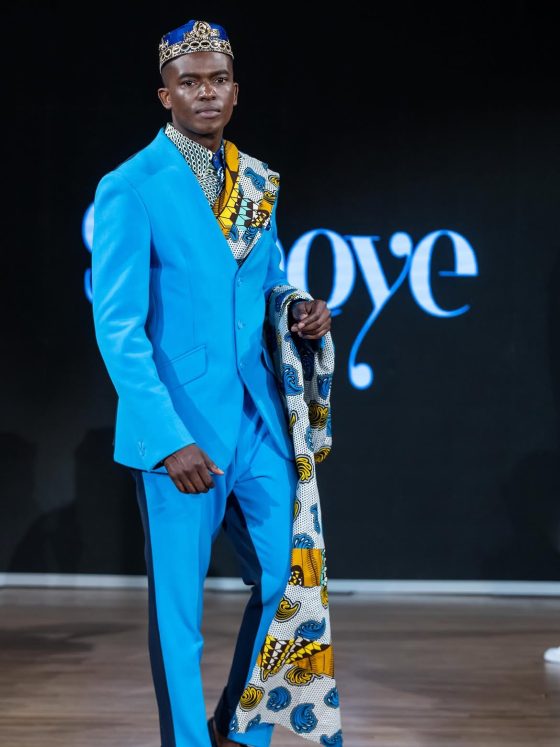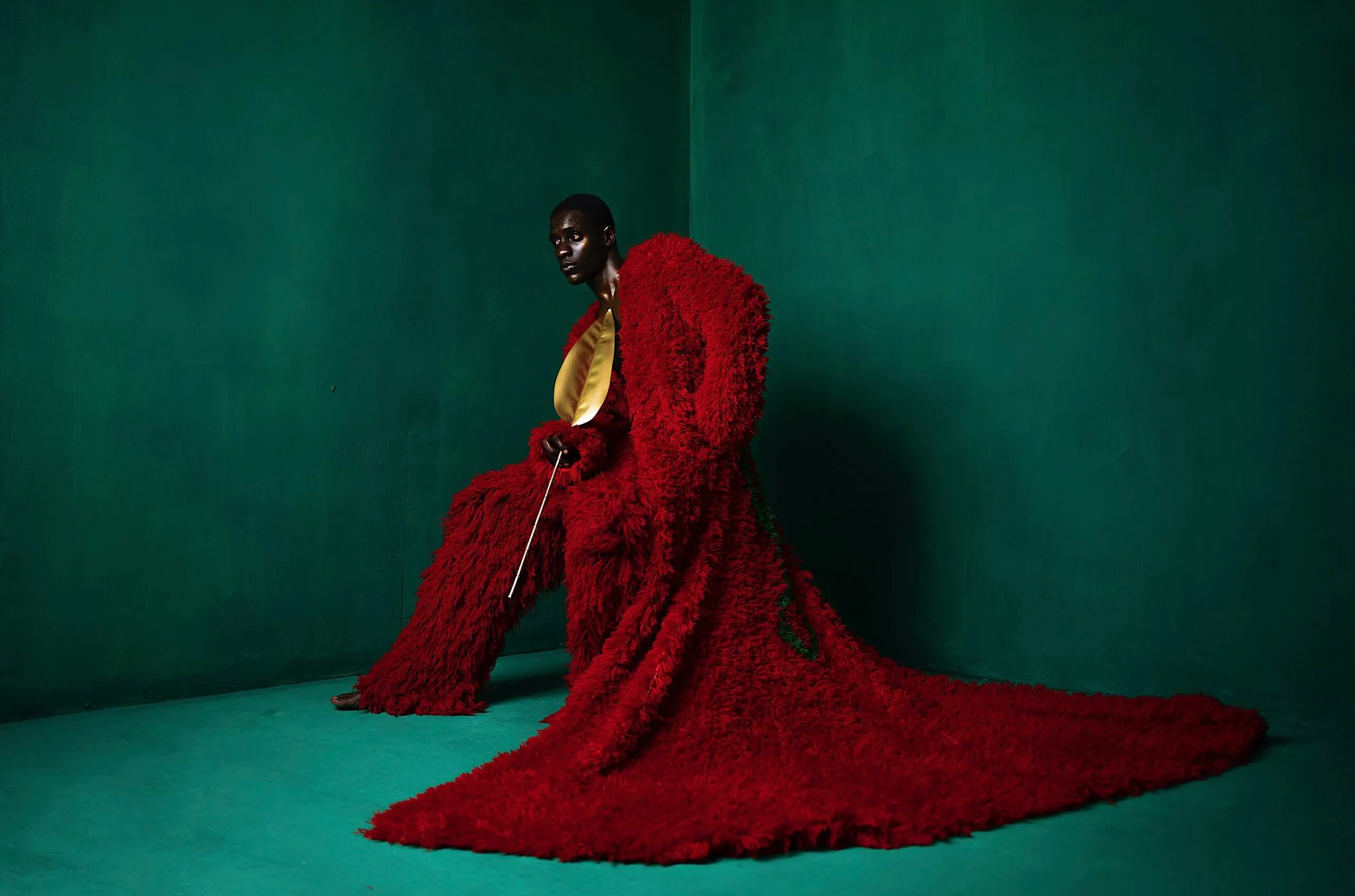
Peter Odion’s Oshobor brought a collection rooted in Edo ceremonial tradition to Paris Fashion Week in 2025, and the international press did what it often does with African ritual references: it reached for words like “ethereal,” “mystical,” and “striking” while leaving the cultural substance under-explained. The result was praise without context and visibility without meaning. That is exactly the gap this Omiren Styles article is meant to close.
The central question is not whether the collection was beautiful. It was. The question is: what happens when ceremonially specific dress enters a Paris runway context, is celebrated for its atmosphere, and is not properly explained to readers who are asked to admire it? What is being seen, what is being missed, and who defines the meaning of the clothes?
What is the Edo masquerade? Explore Oshobor’s Paris Fashion Week collection, Peter Odion’s cultural references, and why the fashion press called it ethereal without explaining the tradition behind it.
What Oshobor Is
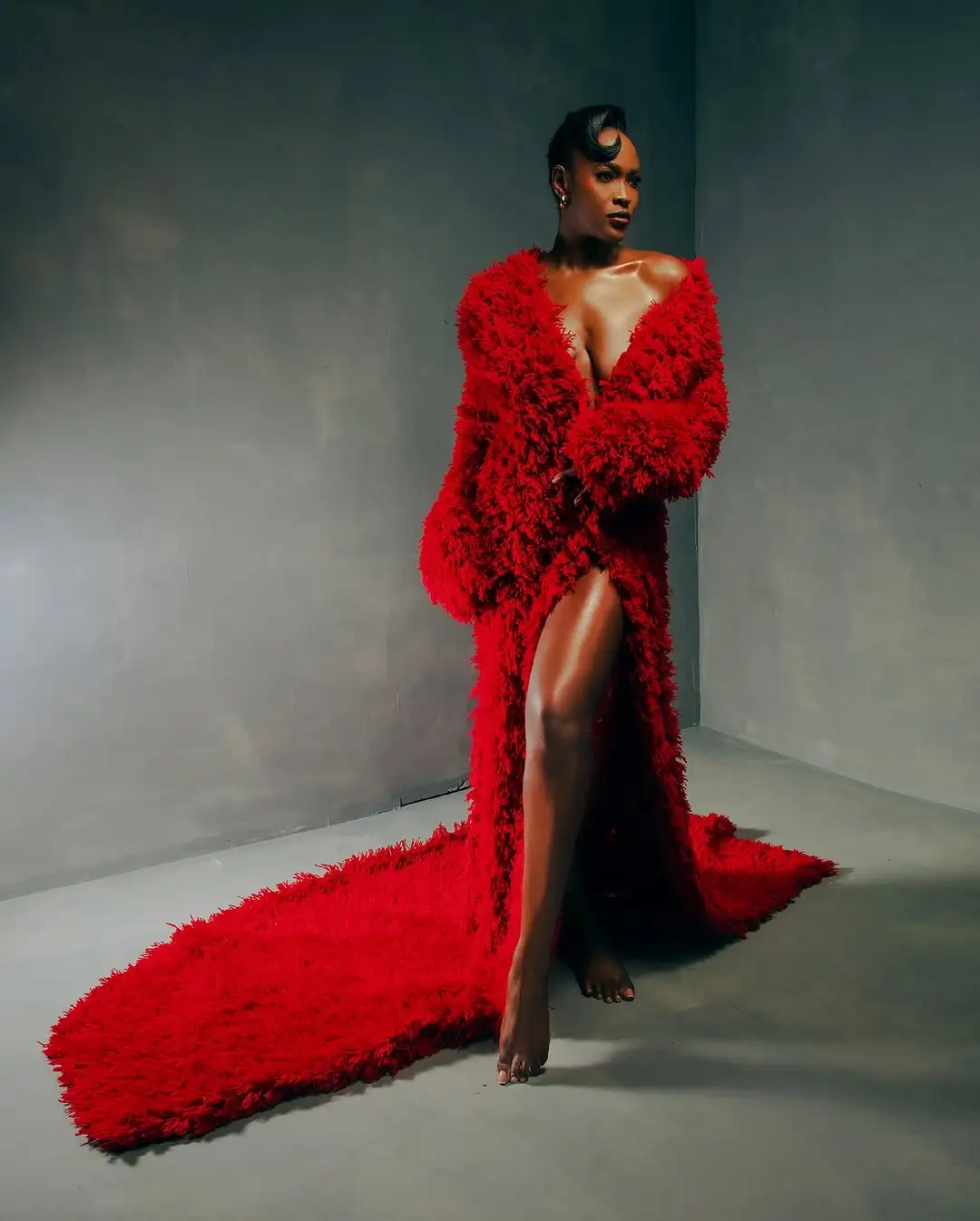
Oshobor is the fashion project of Peter Odion, a Nigerian designer from Edo State who grew up in Ejigbo, Lagos and launched the brand on 1 November 2020, initially from a practice of mending torn fabric by hand during one of the hardest periods of his life. He studied at the University of Benin, where he also ran a modelling agency before committing fully to fashion. The name Oshobor means “the one that God protects” in Edo. From the beginning, the brand was built around slow fashion, indigenous production, and emotionally layered storytelling rooted in Edo cultural heritage.
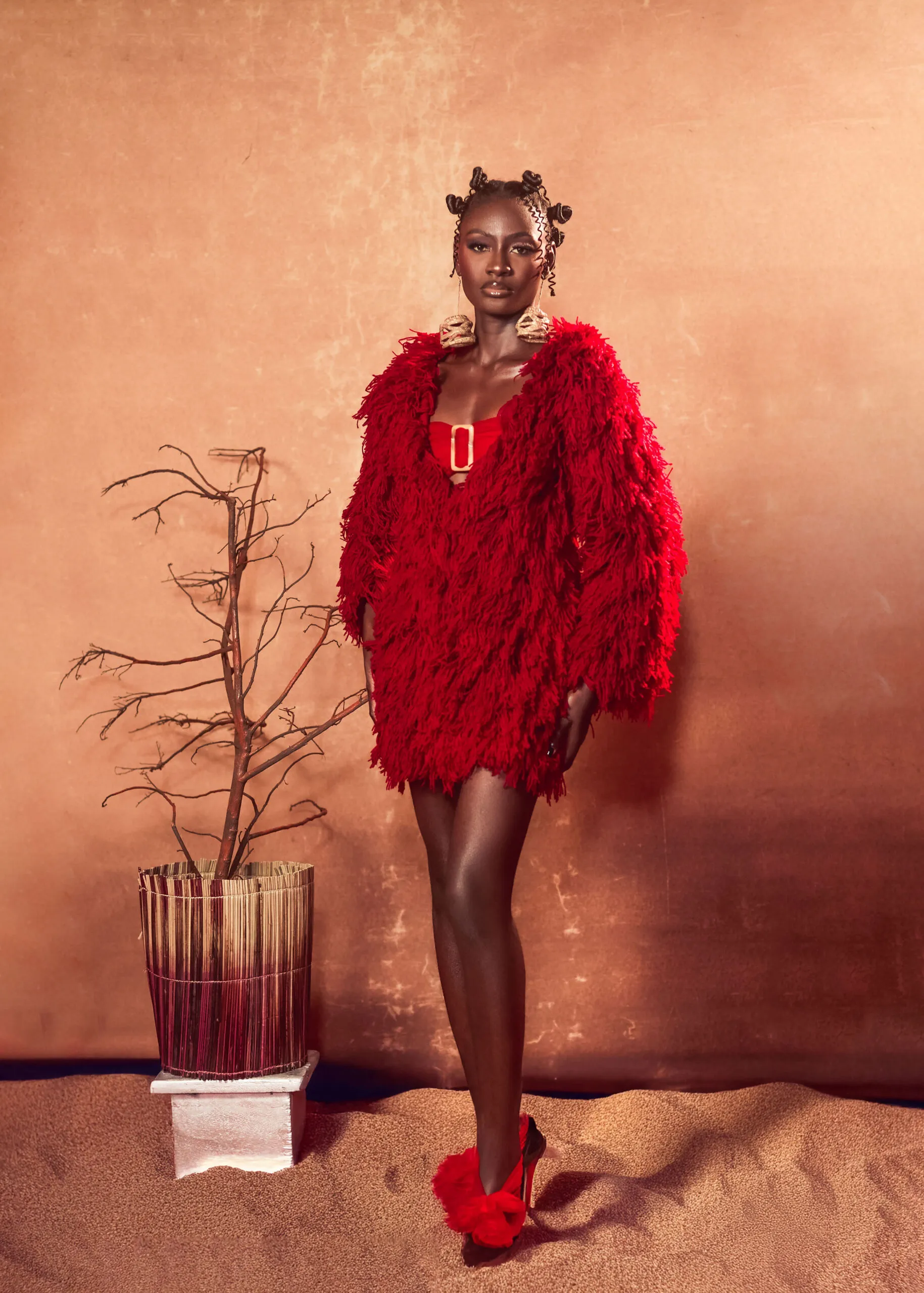
Across nine collections, Odion has developed what he calls a visual and emotional language grounded in process and place. He earned the nickname “the masquerade designer” when the first look in his Lagos Fashion Week debut appeared: a striking red two-piece with intricate hand-stitched wool detailing and a deep crimson wooden mask, the organic, irregular lines of the wool moving with the body. In contrast, the mask gave the model what reviewers immediately described as an otherworldly presence. Red has remained central to the brand since. Odion says it stands for blood, specifically the blood that connects him to a long line of succession, from his sister to his father to his great-grandfather.
The 2025 Paris collection, Edo Odion, was the most expansive body of work to date. It reimagined historic icons from the Edo Kingdom, including figures from the Benin Kingdom, Esan, and Estako sub-cultures, using androgynous cuts, coral embellishments sourced from artisans in Benin City, and wool thread as a primary medium. The standout piece was a floor-length dress with a structured bodice that gave way to a hand-crocheted lower half, which took three months to complete. For the Paris presentation at Africa Fashion Up, Odion added a reimagined version of the ivory mask, this time as a necklace. The collection won an eco award at Africa Fashion Up, the competitive Paris-based platform for African sustainable and contemporary fashion.
What Edo Masquerade Means
Edo masquerade traditions are not simply costumes or visual motifs. They belong to a ceremonial world in which dress, performance, identity, and social meaning are deeply connected. To call the references “ethereal” without explaining that the world is to strip the work of its grounding and turn ritual into mood. As Omiren Styles has documented in The Egungun Masquerade: What the Yoruba Ancestral Festival Tells Us About Fashion and the Spirit World, masquerade traditions across West Africa are structured theological and material systems, not aesthetic archives. They come with rules, meanings, community authority, and social functions. The Edo masquerade tradition is specific: it belongs to a region whose royal court, the Kingdom of Benin, is among the most extensively documented examples of dress as statecraft in African history, with coral beads, ivory masks, and ceremonial regalia functioning as political and spiritual instruments rather than decoration.
That is why the question of who has the right to wear or reinterpret the language of the masquerade matters. Ceremonial dress is not a visual archive to be sampled freely. It comes from a community and is shaped by inherited codes. If a designer reworks it for fashion, that act needs to be understood as an interpretation of a cultural form, not a neutral stylistic choice. Odion’s claim to this tradition is not borrowed or abstract. He is Edo, educated at the University of Benin and rooted in Benin City, and the collection draws directly on the historic figures of his own heritage. That matters. The authority to reinterpret is not the same across all designers, and it is worth naming who holds it and why.
Why Paris Changed the Reading
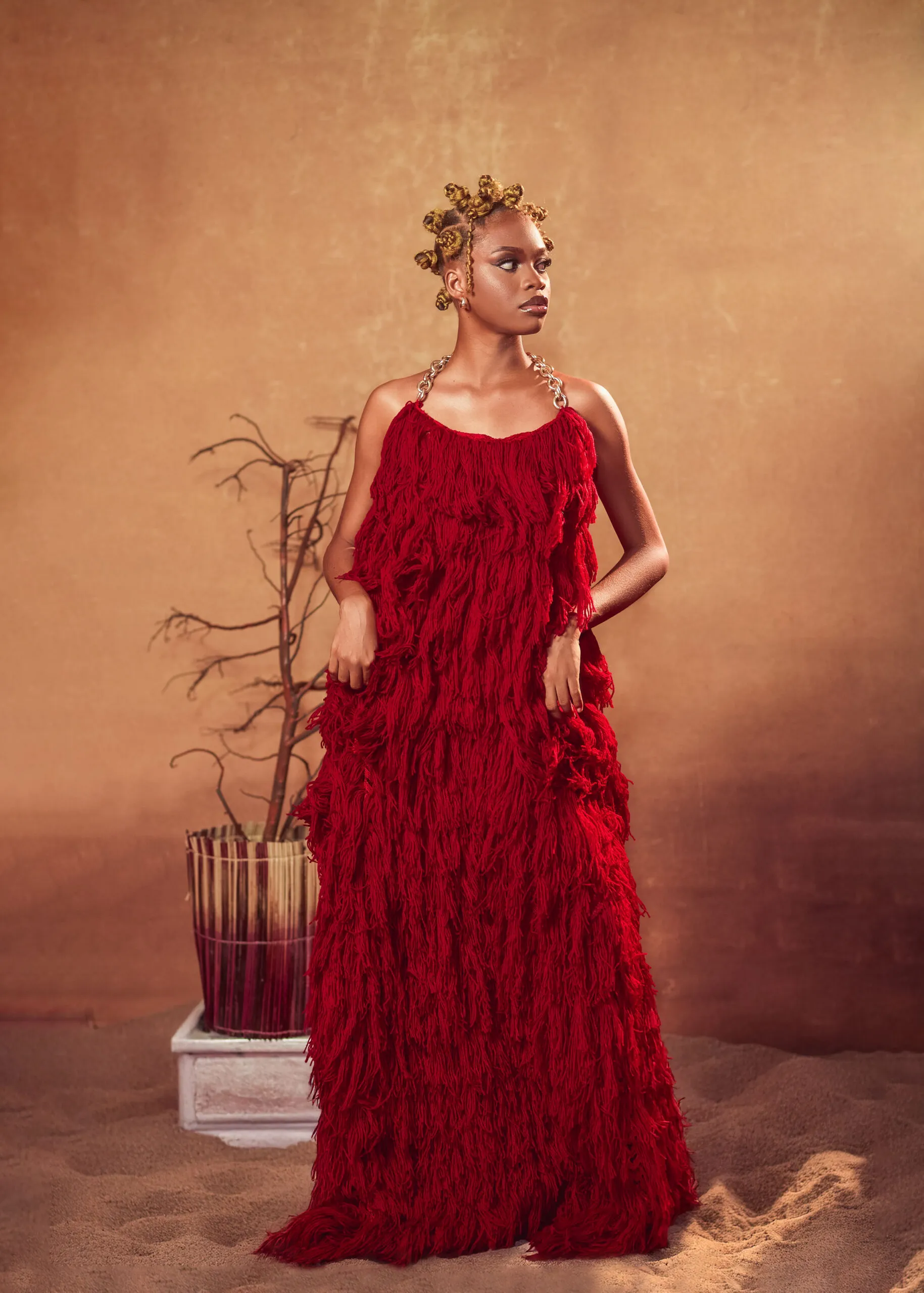
Paris Fashion Week is a powerful machine for turning cultural specificity into global style content. Once a collection enters that space, the language around it often shifts. Ritual becomes “concept.” Tradition becomes “inspiration.” Ceremonial reference becomes “ethereal.” The meaning is often diluted in translation, even when the clothes are being celebrated. As Omiren Styles has documented in Fashion and Ritual: How Celebrations Shape African Style Practices, when designers adapt ceremonial fabrics, embroidery, and symbolism into contemporary garments for global audiences, the fashion press is responsible for explaining the source system rather than simply admiring the result. That explanation rarely arrives with the praise.
When international coverage describes Edo masquerade references as mystical or visually striking, it may be flattering the surface while bypassing the substance. The collection is then often read as an art object rather than understood as a cultural argument. Paris still functions as a gatekeeper in fashion culture. What is seen there gets validated differently. But validation should not come at the cost of explanation. Bringing Edo masquerade traditions to Paris and winning an eco award is not a story that should be reduced to a mood board with a trophy attached.
The word floats. The tradition disappears. That is not criticism as admiration. That is admiration as erasure.
ALSO READ
- The Egungun Masquerade: What the Yoruba Ancestral Festival Tells Us About Fashion and the Spirit World
- Fashion and Ritual: How Celebrations Shape African Style Practices
- The Significance of White in African Mourning: Why the Continent’s Grief Dress Is Not What the West Assumes
- Traditional Clothing in the Benin Republic: Culture, Royalty, and Identity
Why the Eco Award Matters, and Where Its Limits Are
The eco award from Africa Fashion Up signals that the collection was also evaluated against sustainability criteria, aligning with slow fashion principles, indigenous production, and the material ethics of Oshobor’s practice. That is significant and accurate: the brand operates as a slow fashion, indigenous label based in Benin City, with practices that predate the eco-fashion conversation in global markets. What those principles mean in the Edo context, specifically the connection to coral, wool thread, and hand-crocheting as material choices rooted in place, is documented in part in Omiren Styles’ exploration of The Significance of White in African Mourning: Why the Continent’s Grief Dress Is Not What the West Assumes, which traces how coral beads in Edo ceremonial dress carry the same institutional and spiritual authority at a funeral as at a celebration, the materials are never incidental.
The risk is that eco-framing becomes the easier headline to use. Sustainability language travels smoothly through the fashion press, while cultural explanation travels less easily. The stronger reading of Oshobor’s Paris collection holds both the material ethics of the work and the cultural authority of the source tradition. Allowing the award to overshadow the ceremonial argument would be a second form of the same omission that the original press coverage made.
What the Press Missed
What the press missed was not just a detail. It has a missing structure. Edo masquerade is not a visual theme but a system of knowledge, with rules about who performs, what is communicated, and what the community recognises as legitimate. “Ethereal” is the clearest example of the problem: it makes the work seem elevated while leaving the reader unable to discern the design’s actual source. As Omiren Styles has traced in the broader history of Traditional Clothing in the Benin Republic: Culture, Royalty, and Identity, the coral embellishments and structured ceremonial silhouettes that appear in Oshobor’s collection belong to a region-wide ceremonial vocabulary that the Benin Kingdom systematised over centuries. Calling that vocabulary “ethereal” is not generous. It is inaccurate. It mistakes the effect for the cause.
The better criticism would have asked: what exactly is being drawn from Edo masquerade tradition? How has it been translated into runway form? What does the ivory mask necklace mean as an adaptation? What does Odion say the coral beads signify? Those questions are not hostile. They are respectful. They treat African cultural forms as intellectual subjects, not as atmospheric shorthand for luxury fashion photography.
That standard, explanation before admiration, is what separates genuine visibility from the kind that leaves the tradition unnamed in the caption.
THE OMIREN ARGUMENT
Oshobor’s Paris collection matters because it exposed a familiar weakness in fashion media: the habit of calling African ceremonial-inspired design “ethereal” while failing to explain the cultural knowledge underneath. The Edo masquerade is not a decorative mood or a fantasy texture. It is a ceremonial language with meaning, authority, and boundaries. When Peter Odion brought that language to Paris and won an eco award at Africa Fashion Up, the collection deserved more than admiration. It deserved interpretation.
The real issue is not whether the clothes were beautiful. It is whether the fashion press was willing to do the work of naming what the beauty was actually made from. African ritual or ceremonial forms should not be flattened into an atmosphere when they enter global fashion spaces. They deserve explanation, context, and cultural seriousness. The standard Omiren Styles holds is simple: cultural authority must travel with the image, not be stripped from it in translation.
FREQUENTLY ASKED QUESTIONS
What is Oshobor?
Oshobor is the fashion project of Peter Odion, a Nigerian designer from Edo State based in Benin City, Nigeria. Launched on 1 November 2020, the brand operates as a slow-fashion indigenous label whose work draws on Edo cultural heritage, personal history, and the symbolism of repair. Odion earned the nickname “the masquerade designer” at his debut Lagos Fashion Week show, where the first look featured a red two-piece with a deep crimson wooden mask.
What did Oshobor show at Paris Fashion Week in 2025?
Oshobor presented the Edo Odion collection at Africa Fashion Week in Paris. The collection reimagined historic figures from the Edo Kingdom, including the Benin Kingdom, Esan, and Estako subcultures, using androgynous cuts, coral embellishments sourced from artisans in Benin City, and wool thread. The standout piece was a floor-length dress with a structured bodice dissolving into a hand-crocheted lower half. The collection won an eco award at Africa Fashion Up.
What is the Edo masquerade, and why does it matter in this story?
The Edo masquerade is a ceremonial tradition rooted in the Edo Kingdom of present-day Nigeria, where dress, performance, identity, and social meaning are deeply connected. It is not simply an aesthetic reference. The Benin Kingdom, which sits at the heart of Edo culture, systematised the use of coral beads, ivory masks, and ceremonial regalia as political and spiritual instruments over centuries. When Oshobor drew from this tradition, the collection carried that full history. The press coverage should have named and explained it rather than reducing it to “ethereal.”
Why was the media coverage problematic?
Because the international fashion press described the collection in atmospheric terms like “ethereal” and “mystical” without explaining the cultural system those terms were pointing at. That omission left readers admiring the surface without understanding the source. African ceremonial forms deserve explanation, not just atmosphere. Calling something ethereal when it comes from a specific, historically documented ceremonial tradition is not a celebration. It is erasure by flattery.
What is the Omiren Styles argument here?
African ritual and ceremonial forms should not be flattened into an atmosphere when they enter global fashion spaces. They deserve explanation, context, and cultural seriousness. The standard is simple: cultural authority must travel with the image. When fashion press celebrates an African designer’s use of ceremonial language, the first responsibility is to name what that language is and where it comes from before calling it beautiful.