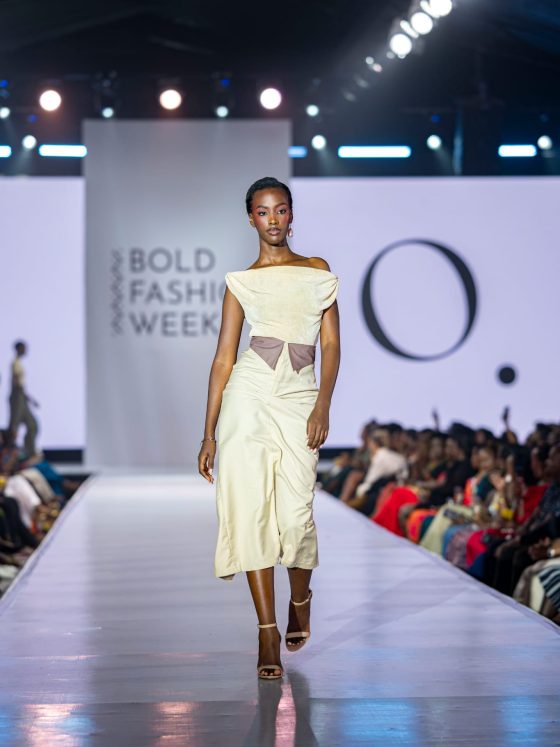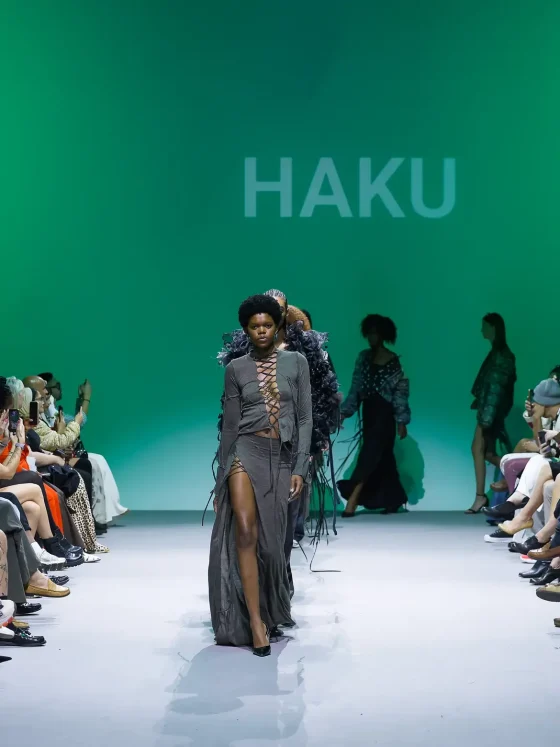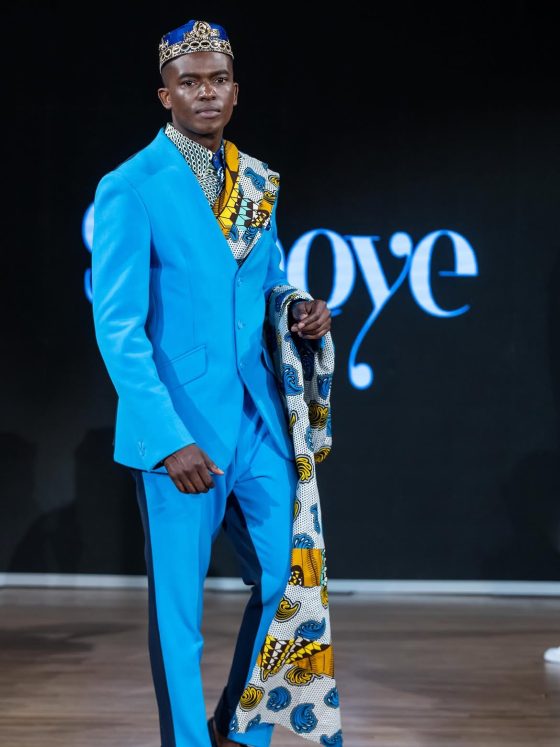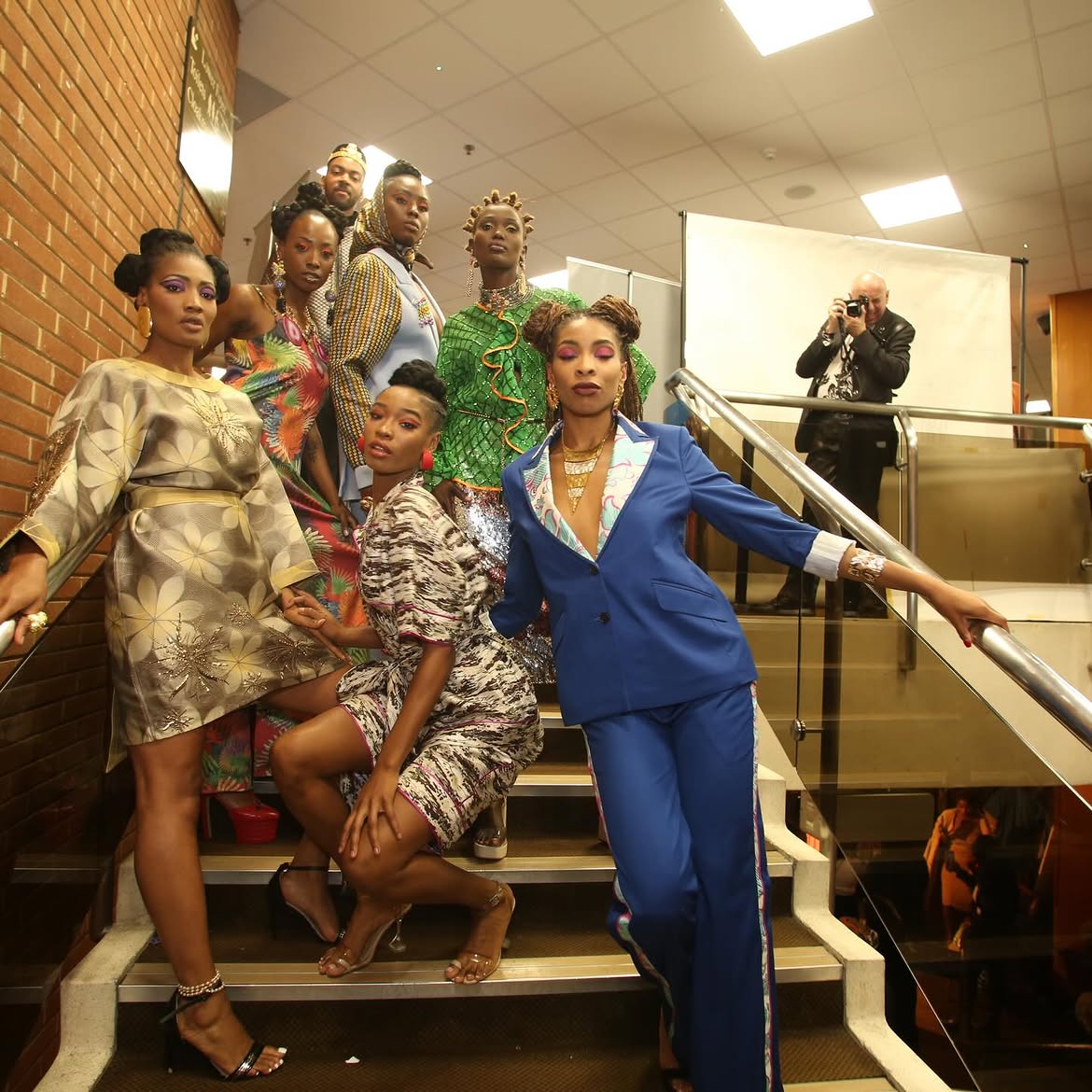
Africa Fashion Week London 2026 returns on 22 and 23 August at 8 Northumberland Avenue in central London, with this year’s programme placing textile identity, cultural specificity, and diaspora fashion at the centre of the conversation. The 16th edition, founded in 2011 by Queen Ronke Ademiluyi-Ogunwusi and confirmed by The British Blacklist’s coverage of the anniversary announcement as “Design Beyond Borders”, is the most commercially ambitious edition AFWL has staged. The move to 8 Northumberland Avenue, one of London’s most prominent central event venues, signals an intentional step into the institutional tier of the city’s fashion calendar.
Since 2011, AFWL has showcased more than 3,000 designers and creatives from Africa and the diaspora, as confirmed by the same source, cementing its position as one of the UK’s longest-running African fashion platforms. What this edition adds to that track record is a new commercial mechanism: Shop The Runway, launching Sunday 23 August, which for the first time allows visitors, buyers, stylists, and media to experience catwalk collections directly and purchase from participating designers on the day. That is not an aesthetic addition to the programme. It is a structural change in how AFWL connects runway to retail, and it makes this edition worth watching with a different level of commercial attention.
Africa Fashion Week London 2026 runs 22-23 August at 8 Northumberland Avenue under the theme Design Beyond Borders. Inside the programme, the designers, and why its 16th edition is the most commercially ambitious yet.
AT A GLANCE
- Dates: 22–23 August 2026
- Venue: 8 Northumberland Avenue, London WC2N 5BY
- Theme: Design Beyond Borders
- What Omiren is covering: Runway trends, African textiles, designer spotlights, diaspora identity, sustainability, and street style
- New this edition: Shop The Runway (Sunday 23 August) — first direct purchase opportunity from catwalk collections
- Why it matters: AFWL is the UK’s longest-running African fashion platform — 16 editions, 3,000+ designers since 2011, now moving into institutional venue territory in central London.
The Programme: What Design Beyond Borders Actually Means
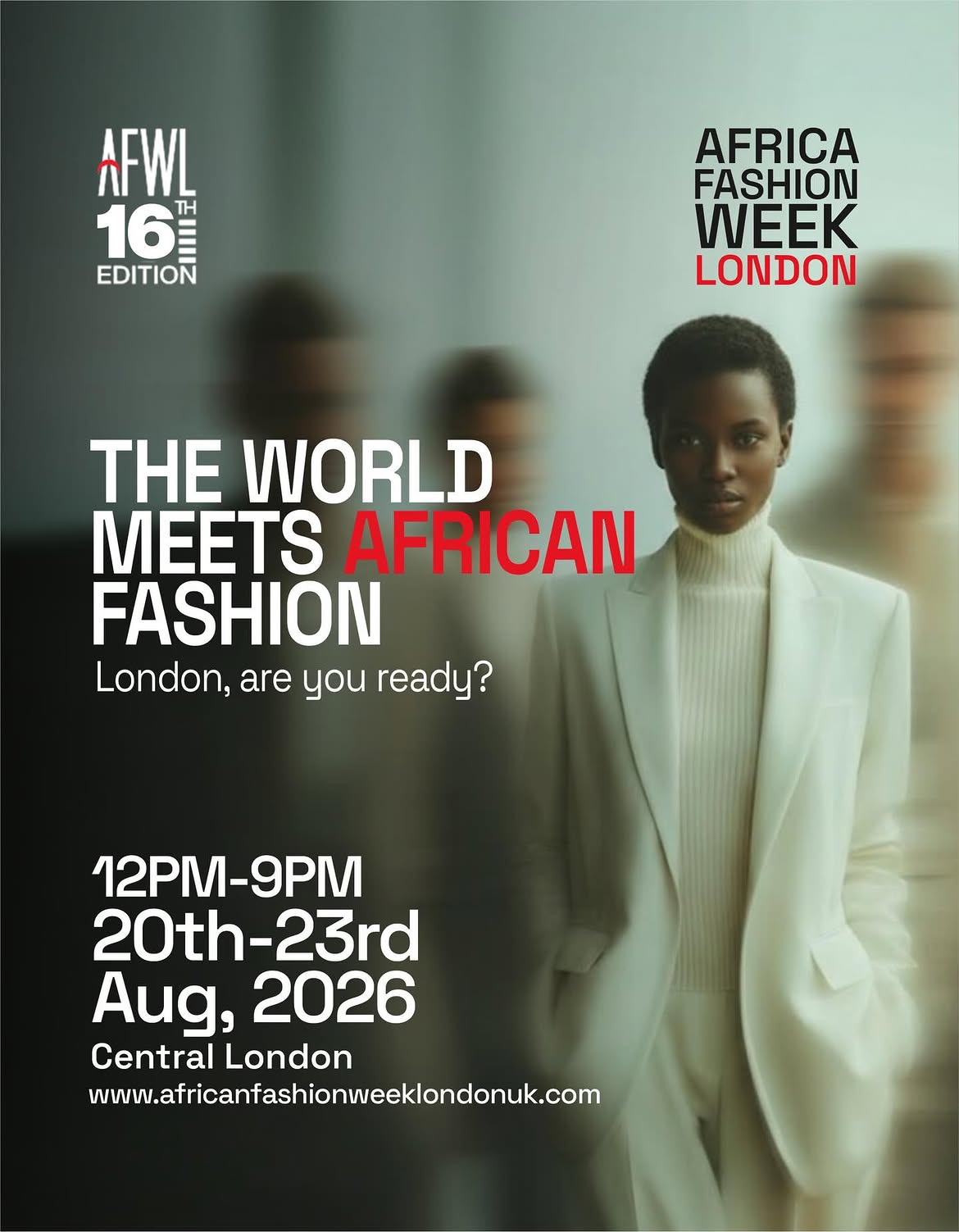
The theme Design Beyond Borders is not aspirational language without content. As confirmed by the official AFWL 2026 programme announcement, the 2026 programme will explore fashion business, sustainability, AI and design innovation, international collaboration, and creative entrepreneurship through a combination of runway shows, industry talks, DJ workshops, and creative collaborations. The British Council Creative DNA cohort, representing Ethiopia, Kenya, Rwanda, Uganda, Zimbabwe, Ghana, and Nigeria, joins the programme as a confirmed partner. That partnership is significant: the British Council’s Creative DNA programme has a documented track record of supporting African designers to build international commercial relationships, and its presence at AFWL 2026 connects the runway to a professional development infrastructure that most fashion weeks at this scale do not provide.
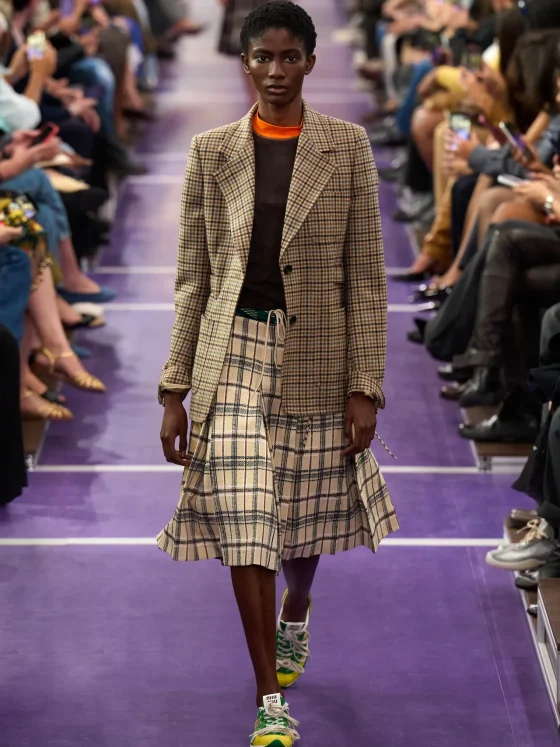
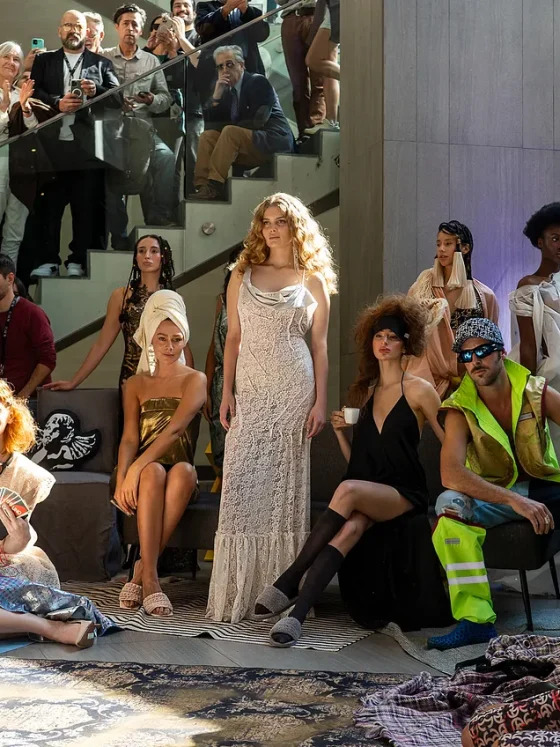
Saturday 22 August is the day of catwalks, shopping, and entertainment at 8 Northumberland Avenue. Sunday 23 August is when Shop The Runway launches. The two-day structure deliberately separates spectacle from commerce: the Saturday show creates the editorial and visual record; the Sunday showroom creates the commercial transaction. As Omiren Styles has documented in its analysis of the African fashion ecosystem in London, the gap between runway recognition and retail revenue is the structural challenge that most UK African fashion platforms have not yet resolved. Shop The Runway is AFWL’s direct attempt to close it.
AFWL 2026 Runway Trends: What the Catwalk Is Saying
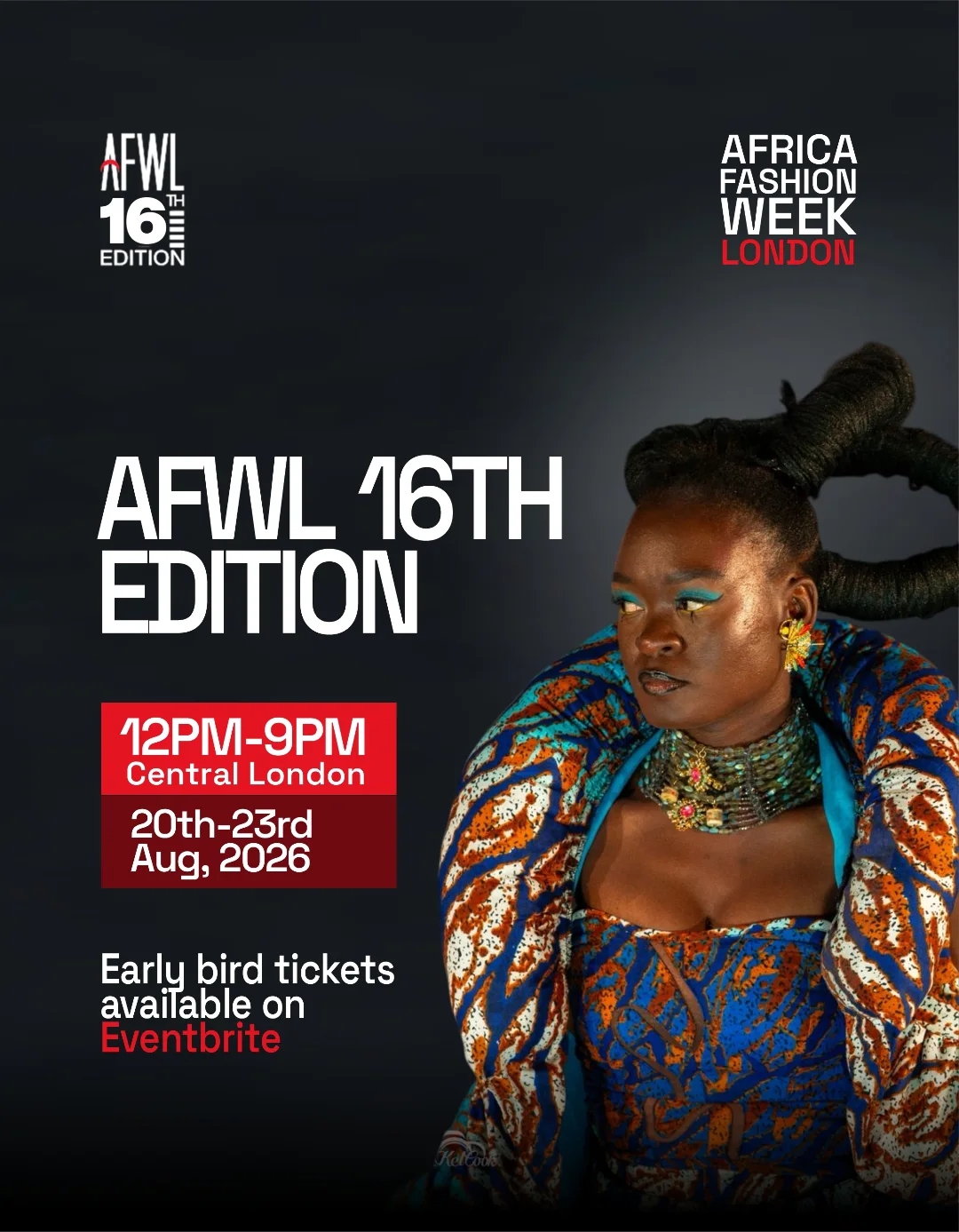
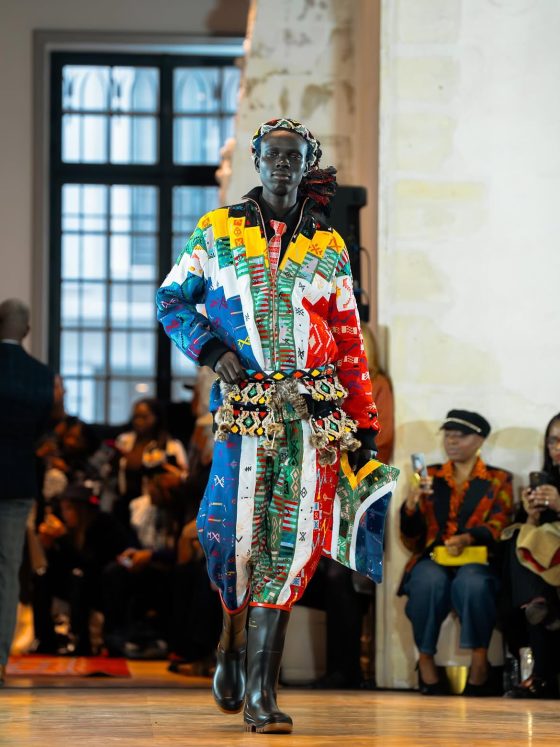
Based on the programme’s stated priorities, the 2026 runway is likely to foreground three design conversations that are consistent with the broader trajectory Omiren Styles has documented in African fashion. First, textile identity: the presence of the British Council Creative DNA cohort from seven African countries signals that fabric traditions, from Ethiopian hand-loomed textiles to Ghanaian kente and Rwandan umushanana material culture, will be present on the runway as active design resources rather than as heritage reference. As Omiren Styles has documented in its analysis of Setswana wedding dress traditions, Southern and East African textile practices carry design complexity that the fashion press routinely underestimates. AFWL 2026 is one of the few UK platforms where those practices appear as runway propositions rather than as ethnographic display.
Second, sustainability as design logic: the programme explicitly places sustainability within its thematic framework, and the Green Access model that Lagos Fashion Week has developed, as Omiren Styles has documented, demonstrates that sustainability framing in African fashion contexts is typically more materially specific than the equivalent European fashion industry discourse. Circular materials, locally sourced textiles, and artisan production models are the sustainability argument in African fashion. Expect the AFWL 2026 runway to demonstrate that argument rather than simply assert it.
Third, diaspora identity in contemporary dress: the Design Beyond Borders theme makes diaspora identity an explicit design subject rather than an implicit one. Designers working in the UK who draw on African heritage, and African-based designers showing in London, are both addressed by that theme. The tension between roots-based design authority and contemporary market legibility is the creative problem the best collections at AFWL 2026 should be solving.
The Designers to Watch
Omiren Styles will publish individual designer spotlights as the programme details are confirmed. Based on the British Council Creative DNA cohort countries confirmed, which include Ethiopia, Kenya, Rwanda, Uganda, Zimbabwe, Ghana, and Nigeria, watch for designers working in adire and aso-oke from Nigeria, kente-informed contemporary ready-to-wear from Ghana, and hand-loomed textile-based collections from East Africa. The programme’s emphasis on entrepreneurship and international collaboration also suggests that some designers in the AFWL 2026 cohort will be at the stage of building the commercial infrastructure, production consistency, pricing architecture, and buyer relationships that Omiren Styles has documented as the conditions for international market access.
As Omiren Styles has argued in its buyer shortlist of African designers to act on in 2026, the window between first international buyer attention and commercial saturation is short. AFWL 2026, with its new Shop The Runway commercial mechanism, is one of the spaces where that window is most directly visible. Buyers attending on Sunday 23 August are not only seeing collections: they are meeting designers who have already passed AFWL’s curatorial threshold and who are ready for the next commercial conversation.
Shop The Runway: What the New Format Changes
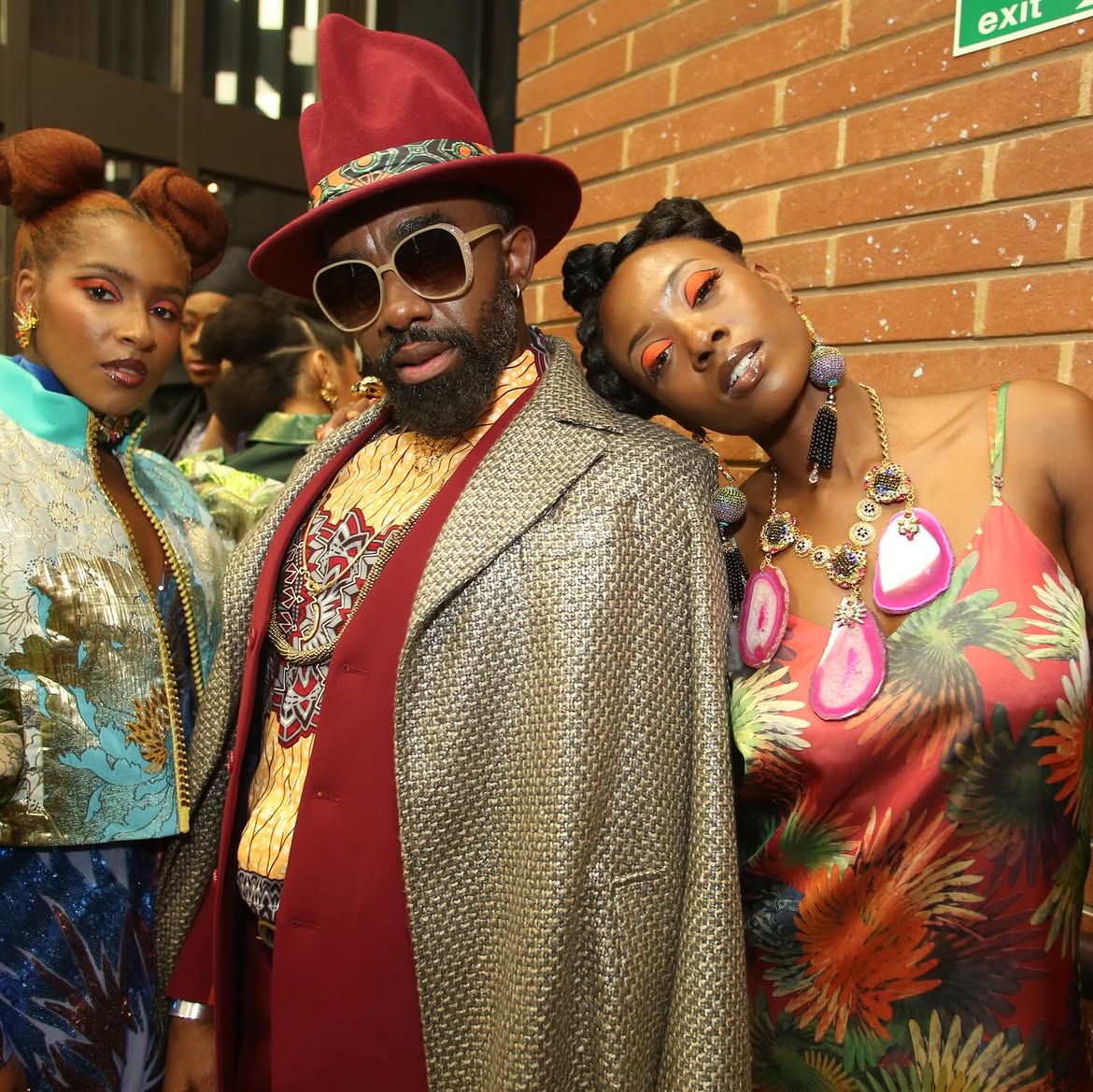
Shop The Runway is the most commercially significant structural addition to AFWL in its 16-year history. Its launch on Sunday 23 August turns AFWL from a runway-only platform into a runway-plus-retail event within the same two-day format. As The British Blacklist confirms, “for the first time, visitors, buyers, stylists and media will have the opportunity to experience catwalk collections up close and purchase directly from participating designers.” That closing of the gap between seeing and buying is not a small logistical change. It is a different commercial model for how an African fashion week connects runway to revenue.
The comparison to Lagos Fashion Week’s XRETAIL initiative, as Omiren Styles has documented, is instructive: XRETAIL created a curated shopping experience alongside the runway, demonstrating that African fashion weeks can function as retail events as well as editorial ones. AFWL’s Shop The Runway takes a similar approach in a UK context where the buyer audience includes diaspora consumers, international retail scouts, and the kind of style-conscious London consumer who follows fashion week coverage but cannot access the invite-only shows. Making the designers directly purchasable on the Sunday after the Saturday runway is the mechanism that converts AFWL’s editorial credibility into commercial revenue for the designers it platforms.
Queen Ronke and the 16th Edition: What the Milestone Means
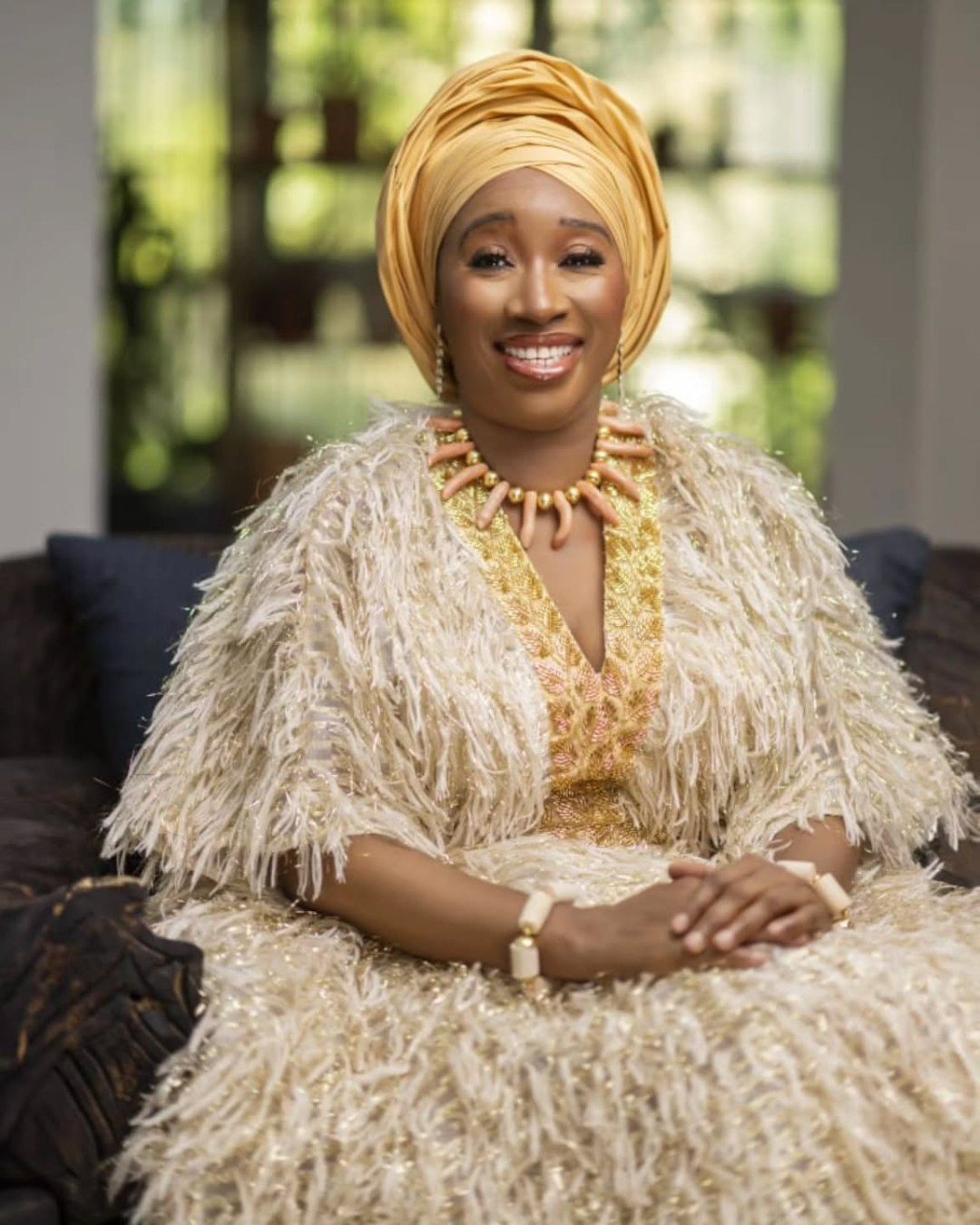
Queen Ronke Ademiluyi-Ogunwusi founded AFWL in 2011 at a moment when there was no comparable UK platform for African fashion. As Omiren Styles has documented in its analysis of Africa Fashion Week London’s institutional role, she funded the platform personally through periods when its survival was uncertain. The 16th edition at 8 Northumberland Avenue is not simply an anniversary. It is the evidence that the platform’s model has proven itself over time: 3,000+ designers, 15 editions completed, and now the commercial ambition of Shop The Runway and the institutional partnership with the British Council.
As Omiren Styles has argued in its analysis of diaspora fashion diplomacy in Britain, the cultural hubs of Black and African-heritage fashion in London extend far beyond any single institution. AFWL is one of those hubs: not the only one, but the one with the longest documented runway-format track record. The 16th edition, with its new venue and its new commercial mechanism, is the clearest statement yet of what the platform intends to be in the next decade of its operation. Whether the runway lives up to that statement is what Omiren Styles will be watching on 22 and 23 August.
Why This Edition Is Different
Three things make AFWL 2026 distinctly worth watching beyond the standard reasons any African fashion week in London merits coverage. The venue change, from the Kemble Street space used in 2025 to 8 Northumberland Avenue, is a step into the institutional tier of London’s event geography that few UK African fashion platforms have previously occupied. The Shop The Runway commercial mechanism creates a direct connection between runway and revenue that the platform has historically lacked. And the British Council Creative DNA partnership brings an internationally recognised professional development infrastructure into the programme, connecting AFWL’s curatorial function to a network of African designer development that extends beyond the UK.
The Design Beyond Borders theme is, in this context, a precise statement rather than a vague aspiration. The borders it is referencing are the ones that have historically separated African fashion runway events from the commercial conversations that determine which designers build sustainable international businesses. As Omiren Styles has documented in its analysis of African designers building lasting brands in America, the commercial infrastructure that converts runway recognition into sustained revenue requires specific conditions: production consistency, pricing architecture, buyer relationships, and the kind of institutional credibility that a platform like AFWL, in its 16th edition at a central London venue, can begin to provide in ways that smaller or newer platforms cannot.
AFWL 2026 is not a fashion week to attend for spectacle alone. It is a fashion week to engage with commercially. Shop The Runway on Sunday 23 August is the signal that this edition understands the difference.
ALSO READ
- Africa Fashion Week London Recap: Standout Collections and Designer Highlights (2025)
- African Fashion in London: Mapping UK-Based Designers, Boutiques and Cultural Hubs
- African Designers Buyers Should Act On in 2026: A Three-Tier Shortlist
- African Fashion Intelligence in the UK: Designers, Retail and Diaspora Style
Frequently Asked Questions
When and where is Africa Fashion Week London 2026?
Africa Fashion Week London 2026 takes place on 22 and 23 August 2026 at 8 Northumberland Avenue, London WC2N 5BY. Saturday 22 August is the day of runway shows, shopping, and entertainment. Sunday 23 August is the launch of Shop The Runway, the new direct-purchase showroom platform. Tickets are available via Eventbrite.
What is the theme of AFWL 2026?
The theme is Design Beyond Borders, as confirmed by the official AFWL 2026 programme announcement. The programme will explore fashion business, sustainability, AI and design innovation, international collaboration, and creative entrepreneurship. The British Council Creative DNA cohort, representing Ethiopia, Kenya, Rwanda, Uganda, Zimbabwe, Ghana, and Nigeria, joins the programme as a confirmed partner.
What is Shop The Runway?
Shop The Runway is a new initiative launching at AFWL 2026 on Sunday 23 August, confirmed by The British Blacklist. For the first time, visitors, buyers, stylists, and media will be able to experience catwalk collections directly and purchase from participating designers on the day. It extends the runway experience beyond the Saturday shows into a commercial showroom format, closing the gap between runway visibility and retail revenue for participating designers.
Who founded Africa Fashion Week London?
AFWL was founded in 2011 by Queen Ronke Ademiluyi-Ogunwusi, a Yoruba Nigerian-British entrepreneur and lawyer. As Omiren Styles has documented in its 2025 recap of the 15th edition, she funded the platform personally through periods when its survival was uncertain. Since 2011, AFWL has showcased more than 3,000 designers and creatives from Africa and the diaspora. AFWL 2026 is the 16th edition.
Why is AFWL 2026 significant?
Three things distinguish it. The move to 8 Northumberland Avenue places AFWL in the institutional tier of London’s event geography for the first time. The Shop The Runway mechanism creates a direct runway-to-retail commercial connection that the platform has historically lacked. And the British Council Creative DNA partnership brings an internationally recognised professional development framework into the programme. Together, as Omiren Styles argues in its analysis of the London African fashion ecosystem, these changes make AFWL 2026 the most commercially structured edition in the platform’s 16-year history.