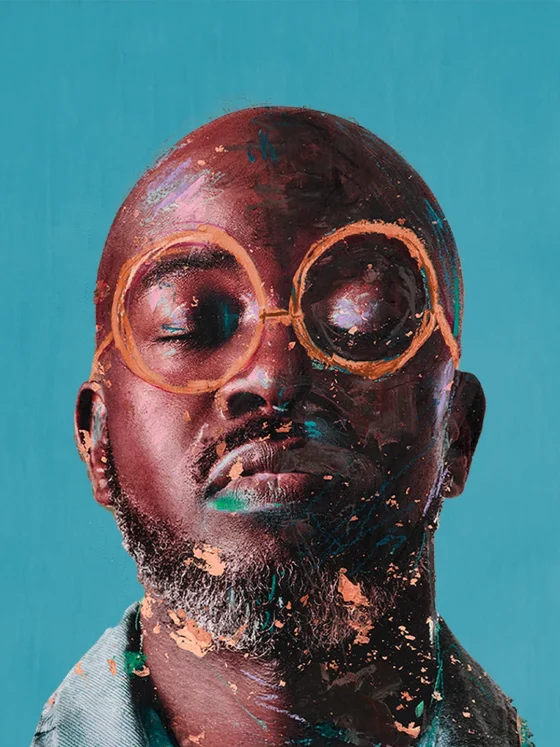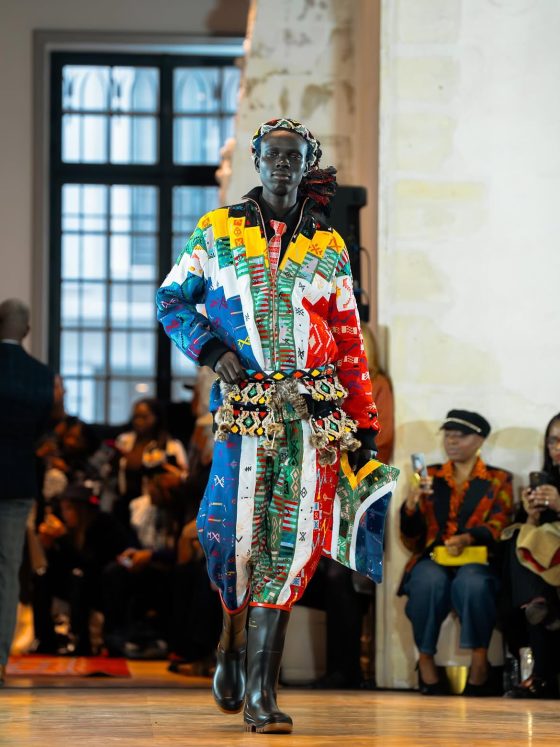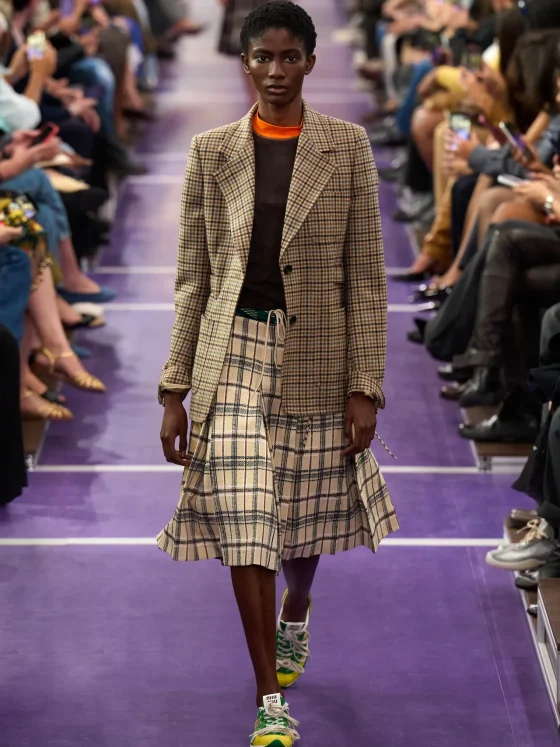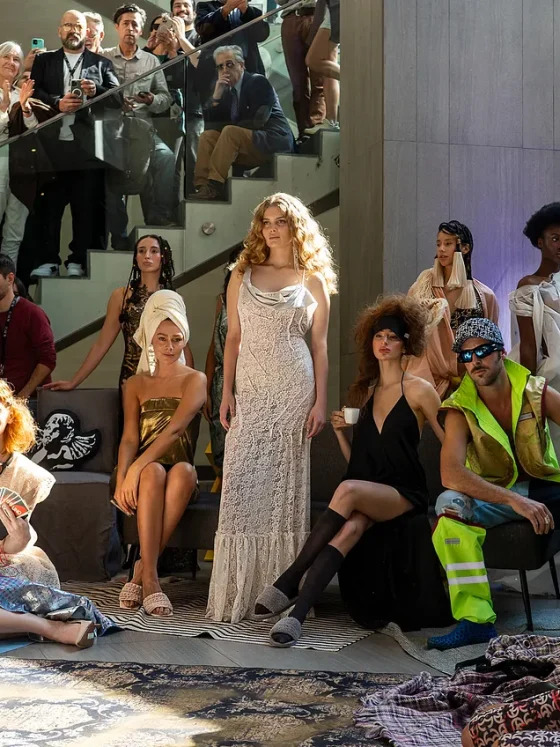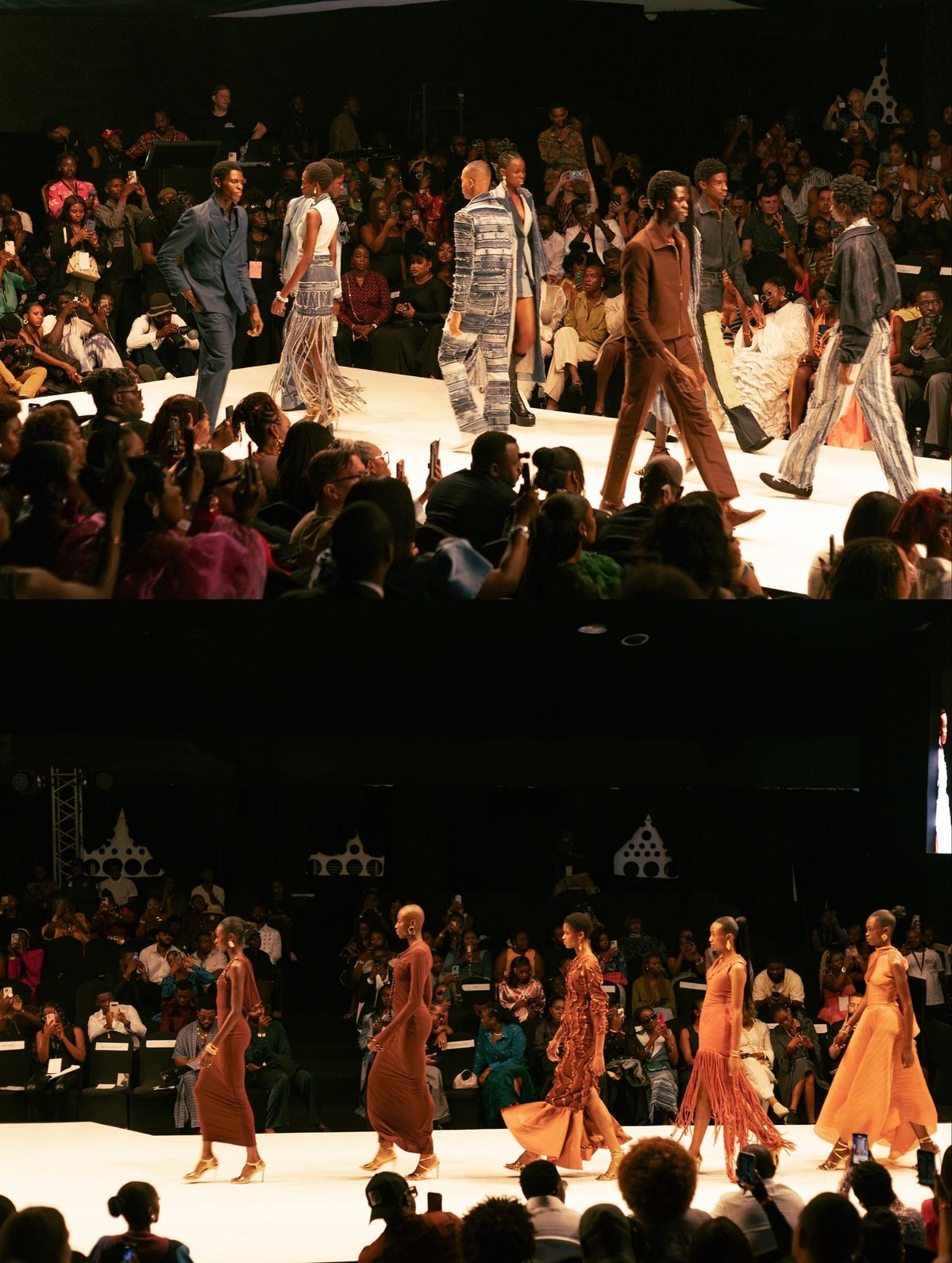
Africa Fashion Week London is not a hidden event. Founded in 2011 by Queen Ronke Ademiluyi-Ogunwusi, it is described by its own documentation as Europe’s largest platform for promoting and nurturing African and African-inspired design talent. Its 15th edition took place at Space House on Kemble Street in London on 9 and 10 August 2025, drawing designers from over 24 African nations, VIP guests including the First Ladies of Kwara and Imo States, and a runway that covered heritage dress, tailored menswear, evening glamour, and experimental textile work across two days. This recap does not attempt to cover everything on the programme. It documents what stood out, why, and what it says about African fashion’s visual range.
What stood out most across the 15th edition was not a single dominant trend but the clarity of individual collections. Each of the four recapped here made a specific argument about what African fashion is and what it is for. Together, they make a stronger case for the event than any single summary statistic could. As Omiren Styles has documented in its analysis of Africa Fashion Week London’s institutional role, AFWL functions as an ongoing pipeline for African designers seeking UK institutional credibility, having produced designers who later moved onto the main London Fashion Week schedule. The 15th edition’s runway demonstrated why that pipeline continues to matter.
A focused recap of standout collections from Africa Fashion Week London’s 15th edition: heritage, glamour, menswear polish, and the most joyful runway moment of the year.
Soboye Lifestyle: Black Majesty as a Design Argument
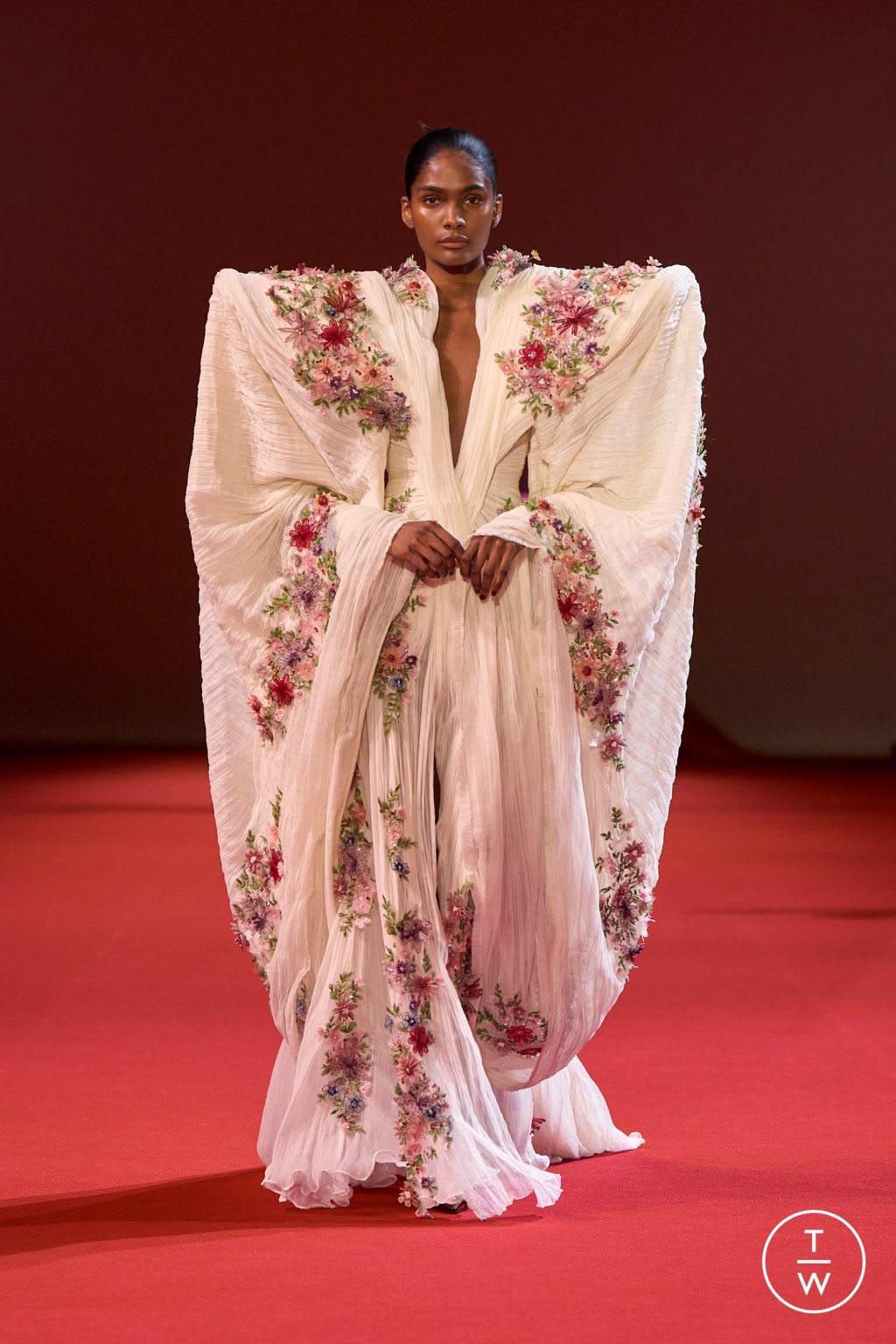
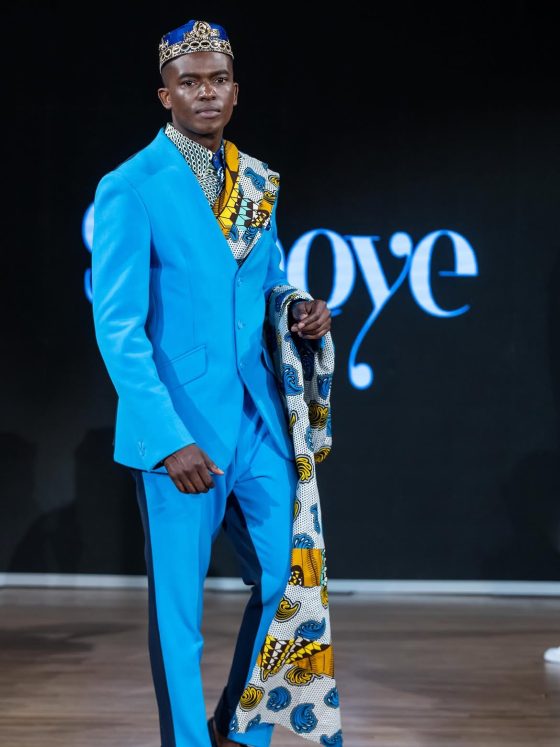
Samson Soboye, founder and creative director of Soboye Lifestyle, closed the VIP catwalk with a collection he described as “a reminder of our African Kings and Queens.” The collection translated African royalty into contemporary dress through patterns drawn from African visual culture, tailored cuts that carried the garment’s formality in their construction rather than their embellishment, and gold accessories and embroidery that placed the collection’s argument about regality in its materials rather than in its silhouette. As Shift London’s review documents, Soboye “takes a look at African royalty and interprets this theme uniquely through various patterns evocative of African culture and tailored cuts fit for a king,” with the collection serving as a “reminder of our African Kings and Queens” through the “Black cultural lens.”
Isis Magazine’s review noted the collection’s relationship to sapeurism, the Congolese subculture in which elegance functions as an act of self-assertion and dignity in contexts that have sought to deny both. That parallel is precise rather than decorative: Soboye’s design argument is that dressing with the precision of royalty is a political act, not a stylistic preference. The collection was beautiful. It was also a claim about who Black men are when they dress on their own terms. Soboye himself put the institutional frustration at the heart of his public remarks at the event: he was, he said, “tired of knocking on the door.” His collection on the 15th edition’s closing runway demonstrated what it looks like when someone decides to kick it down instead.
“Soboye’s collection reminded me of sapeurism, the Congolese subculture where style is a form of resistance. It’s a way to reclaim dignity and express individuality. The collection served as another reminder that African fashion can embody protest, while remaining beautiful, soft, and multifaceted.” — Isis Magazine, Africa Fashion Week London review.
David Wej Lagos: African Dandyism in Menswear
David Wej Lagos presented sleek menswear and streetwear that operated at the intersection of British tailoring precision and West African aesthetic confidence. The brand, whose Lagos address signals its rootedness in the Nigerian fashion economy, brought a collection that worked across formal and casual registers without requiring the wearer to choose between them. As documented by Isis Magazine, the collection was modelled by actors Charles Venn and Dami Hope, a casting decision that signalled the brand’s positioning at the crossroads of fashion, entertainment, and Black British cultural visibility.
The David Wej collection at AFWL was the clearest demonstration in the 15th edition’s programme of what Omiren Styles has documented in its analysis of Black British style in 2026 as African dandyism: the specific inheritance of a dress tradition in which elegance is understood as presence and self-determination rather than conformity to mainstream fashion’s standards. A Lagos-based brand showing polished menswear in London, modelled by recognisable Black British faces, is making an argument about the continuity of African aesthetic tradition across geographies. The argument was made quietly and precisely. That is the dandyist register.
Bouqui Glam House: Nigerian Royal Fashion as Spectacle
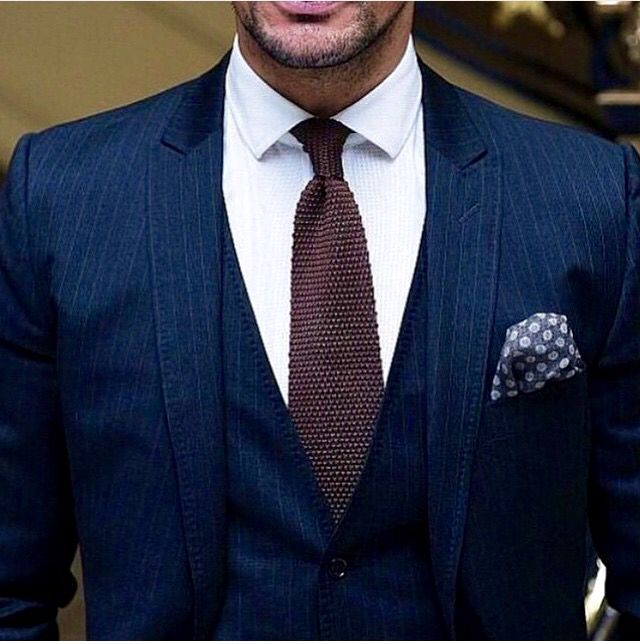
Bouqui Glam House brought Nigerian-inspired gowns that the 15th edition’s programme needed: formal evening wear whose spectacle was proportional to its ambition. The collection’s standout moment, documented by Isis Magazine’s review, was a princess gown whose model walked in tandem with a male model dressed in garments inspired by Nigerian royal fashion. That pairing was not decorative. It was the collection’s argument: that Nigerian royal dress codes carry an aesthetic authority that belongs on a runway in central London as naturally as it belongs at a ceremony in Lagos.
Bouqui Glam House’s evening gowns operated in the register that formal fashion awards dinners and gala occasions increasingly require from African designers: garments that are formally legible to international audiences while being culturally specific to Nigerian heritage. As Omiren Styles has documented in its analysis of the London African fashion ecosystem, the occasion-wear economy that the Nigerian diaspora has built across London is one of the most commercially significant underdocumented fashion systems in the city. Bouqui Glam House at AFWL was a runway argument that the aesthetic intelligence driving that economy deserves a stage commensurate with its quality.
Tuntop Fashion House: The Most Joyful Runway Moment of the Year
Tuntop Fashion House, founded by Temitope and described by StyleAfrique as “an award-winning brand that seamlessly blends the richness of African culture with contemporary fashion” through its stated mission of “Africanising modern garments,” produced the single most memorable runway moment of the 15th edition. As documented across both Isis Magazine and Darling Magazine’s AFWL 15th edition review, the models did not simply walk the runway. They danced to Pharrell’s Happy, transforming the catwalk into a celebration.
That description could read as a light flourish. Still, Isis Magazine’s account of what it meant is precise: Tuntop brought “pure joy to the runway,” with the dancing embodying “African fashion in its truest form, saluting joy, defiance, and the healing power of celebration.” The distinction between joy as a superficial aesthetic choice and joy as a political argument is exactly what Tuntop’s runway moment demonstrated. African fashion has been forced to argue for its seriousness in contexts that have consistently questioned it. Choosing joy as the collection’s register, publicly, on a runway, in the 15th year of a platform built specifically to assert African design’s right to be taken seriously, is not a light choice. It is a specific position. The models clapped and danced. The audience understood what they were celebrating.
Tuntop’s design practice, working in Ankara-based pieces whose dark cherry patterns, rhinestone details, and yellow feather trims create the contrast of textured and smooth, bold and structural, is documented by BellaNaija Style from the 2024 edition as presenting five pieces that together “embodied the richness of African heritage while embracing modern design sensibilities.” The joyful runway moment was not decoration on top of the collection. It was the collection’s final statement, made in movement rather than in cloth.
Beyond the Four: What the Wider Programme Showed
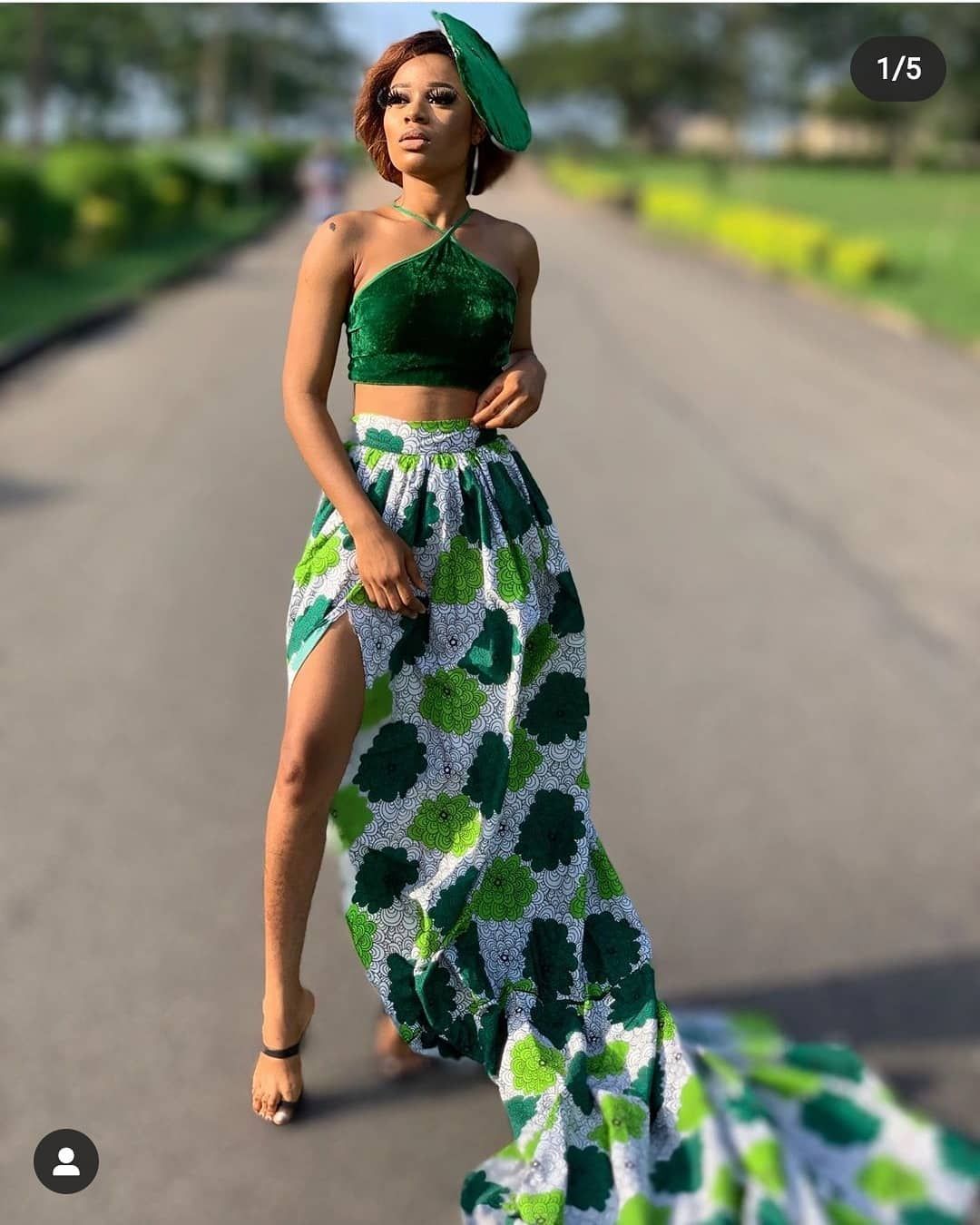
The four collections recapped above were standouts, but the 15th edition’s programme was wider and worth noting in its fuller shape. Queen Ronke Ademiluyi-Ogunwusi showed her own collection, the Àdìrẹ Oodua Textile Hub, directly on the runway: pieces inspired by the stolen Yoruba bronze heads, produced using the adire tradition (the Yoruba “tied and dyed” fabric technique) that the Hub supports by training women and young people who cannot afford to import fabric from overseas. As documented by Isis Magazine, the collection was “bold, elegant, and a testament to sustainable fashion long before it became a buzzword.” The Àdìrẹ Oodua Textile Hub is also, as Omiren Styles has documented in its analysis of the London African fashion ecosystem, a direct structural intervention in the fabric access problem that faces independent African designers: Queen Ronke has trained over 1,000 women and young people, for free.
Hidden Queen, one of the other collections noted across the event’s documentation, produced a concept as precise as its execution: garments inspired by Queen Idia of Benin, the “hidden Oba,” that concealed queens within their construction. Sierra Leonean designers IZELIA and Tesmaraneh showed locally sourced fabrics and traditional dyeing techniques, connecting the AFWL platform explicitly to source-country craft production. Winchester School of Art students mentored by Samson Soboye showed futuristic pieces that demonstrated, as Isis Magazine noted, “the universal appeal of African fashion” through work produced by students who were predominantly not African themselves.
The Omiren Argument
Africa Fashion Week London’s 15th edition at Space House was not a single-note event. It held regal restraint and joyful spectacle, tailored menswear precision and textile experimentation, within a programme that covered designers from over 24 African nations and produced moments that individual reviews have documented across multiple platforms. The four collections recapped here are not the full story of the event. They are the cases that made the most specific arguments, in the clearest visual language, about what African fashion is and what it is for.
As Omiren Styles has argued, African fashion’s right to be taken seriously on its own terms is not something that needs to be established from scratch each season. It is something that has always existed, and that platforms like AFWL make visible to the audiences that have not previously encountered it. The 15th edition’s clearest achievement was not any single collection but the breadth of the programme: heritage and innovation, spectacle and restraint, joy and argument, all within two days at Space House on Kemble Street. That breadth is the evidence that the platform is working. That it took 15 years of Queen Ronke Ademiluyi-Ogunwusi’s own money and determination to build it is the evidence that the institutional support structure around it still needs to grow.
Soboye kicked the door—David Wej dressed with precision. Bouqui Glam House brought the palace to the runway. Tuntop made the audience clap. This is African fashion doing what it has always done, on the terms it has always set.
ALSO READ
Frequently Asked Questions
What is Africa Fashion Week London?
Africa Fashion Week London (AFWL) was founded in 2011 by Queen Ronke Ademiluyi-Ogunwusi, a Yoruba Nigerian-British entrepreneur and lawyer. It is described as Europe’s largest platform for promoting and nurturing African and African-inspired design talent. Its 15th edition took place at Space House on Kemble Street in London on 9 and 10 August 2025, drawing designers from over 24 African nations. As Omiren Styles has documented, AFWL has functioned as a documented pipeline to the main London Fashion Week schedule and has been identified as a Tier 1 target for brands seeking UK institutional credibility.
Which designers stood out at AFWL 2025?
Four collections made the most specific arguments in the clearest visual language. Soboye Lifestyle by Samson Soboye presented a Black Majesty collection translating African royalty through tailored cuts and gold embroidery, closing the VIP catwalk. David Wej Lagos showed sleek menswear and streetwear modelled by actors Charles Venn and Dami Hope. Bouqui Glam House showed Nigerian-inspired gowns including a princess gown paired with Nigerian royal menswear. Tuntop Fashion House had models dancing to Pharrell’s Happy on the runway, producing, as Isis Magazine documented, “pure joy” that embodied “African fashion in its truest form, saluting joy, defiance, and the healing power of celebration.”
What did Soboye Lifestyle show at AFWL?
Soboye Lifestyle, the brand founded by Samson Soboye, presented a collection at AFWL that Soboye described as “a reminder of our African Kings and Queens.” As documented by Shift London, the collection used patterns evocative of African culture, tailored cuts, and gold accessories and embroidery to translate African royalty into contemporary dress. Soboye also teaches at Winchester School of Art, where his students showed at the same event, demonstrating the universal appeal of African fashion through their work.
What is Tuntop Fashion House?
Tuntop Fashion House is a fashion brand founded by Temitope, described by StyleAfrique as “an award-winning brand that seamlessly blends the richness of African culture with contemporary fashion” through its mission of “Africanising modern garments.” The brand has been a regular participant at AFWL and is known for Ankara-based pieces that use bold patterns, rhinestone detail, and mixed textures. At AFWL 2025, their models danced to Pharrell’s Happy on the runway, as documented by Darling Magazine’s 15th edition review, in what became the event’s most widely noted runway moment.
Who founded Africa Fashion Week London and what is her background?
Africa Fashion Week London was founded in 2011 by Queen Ronke Ademiluyi-Ogunwusi, a Yoruba Nigerian-British entrepreneur, lawyer, and cultural advocate. As documented across the AFWL’s own site and multiple independent profiles, she funded AFWL personally through periods when the event’s survival was uncertain. The 15th edition’s programme included her own collection, the Àdìrẹ Oodua Textile Hub, which she also operates as a training programme that has equipped over 1,000 women and young people with textile skills at no cost. As Omiren Styles has documented, AFWL is a recurring annual platform building commercial infrastructure for African designers year on year, not a one-off institutional event.