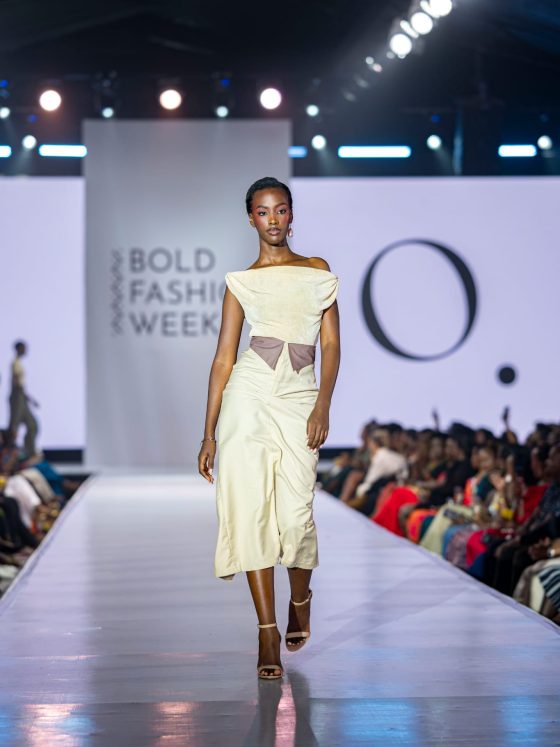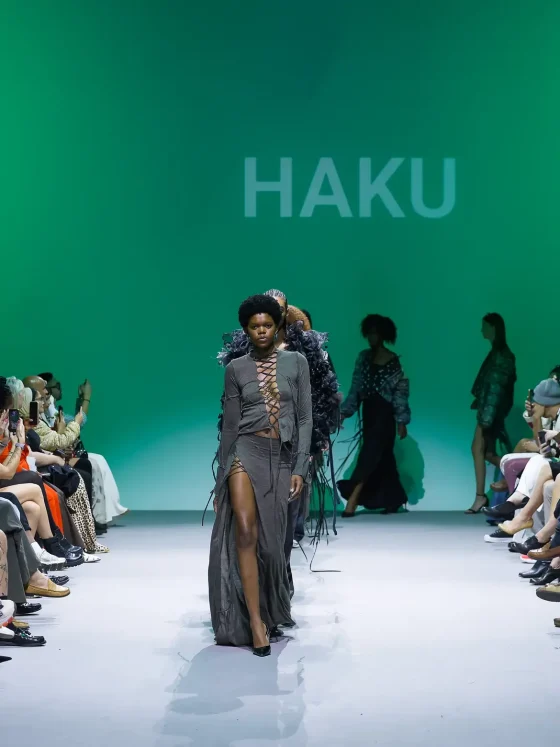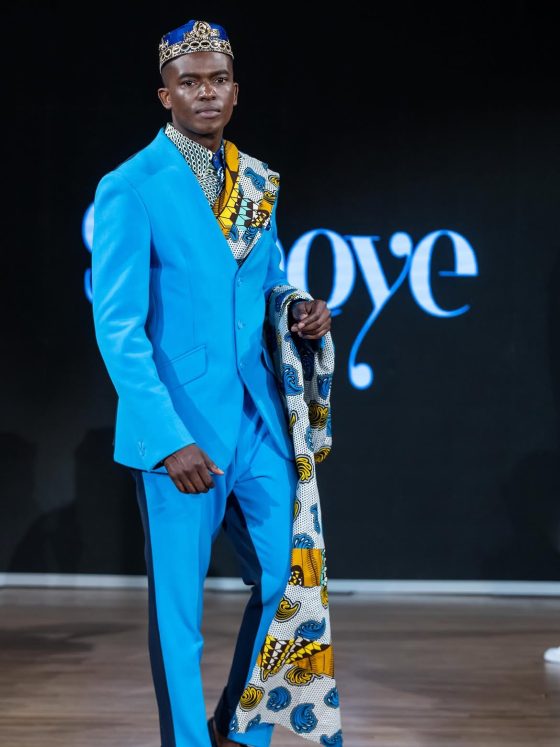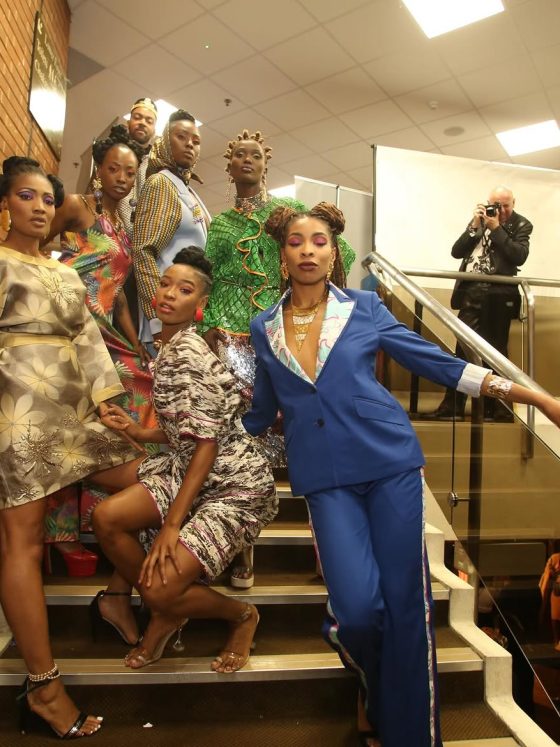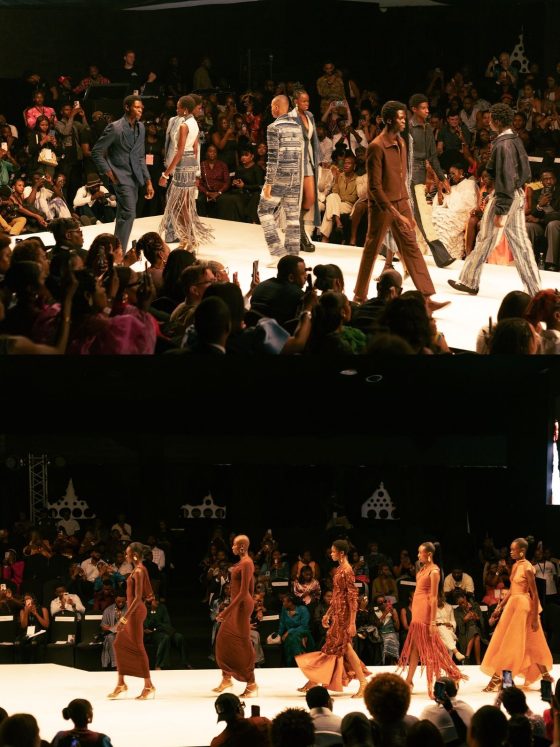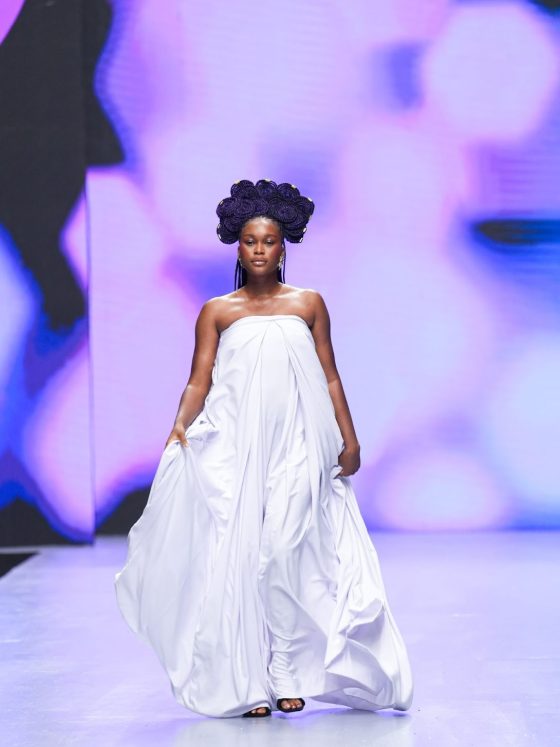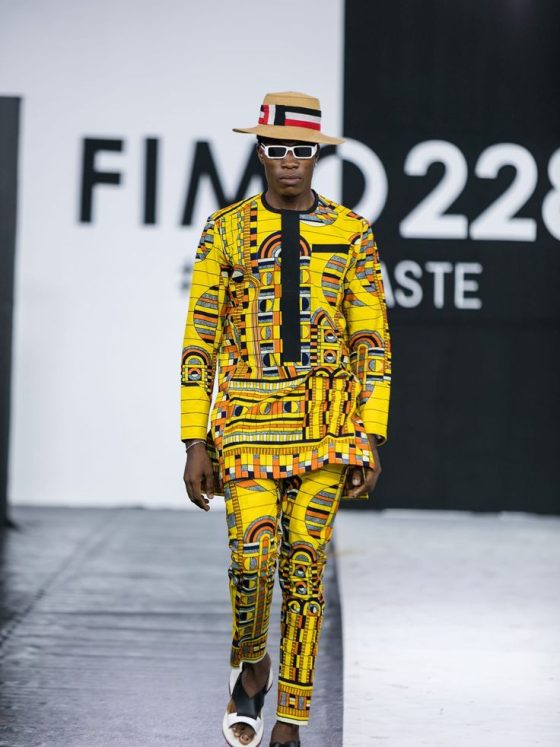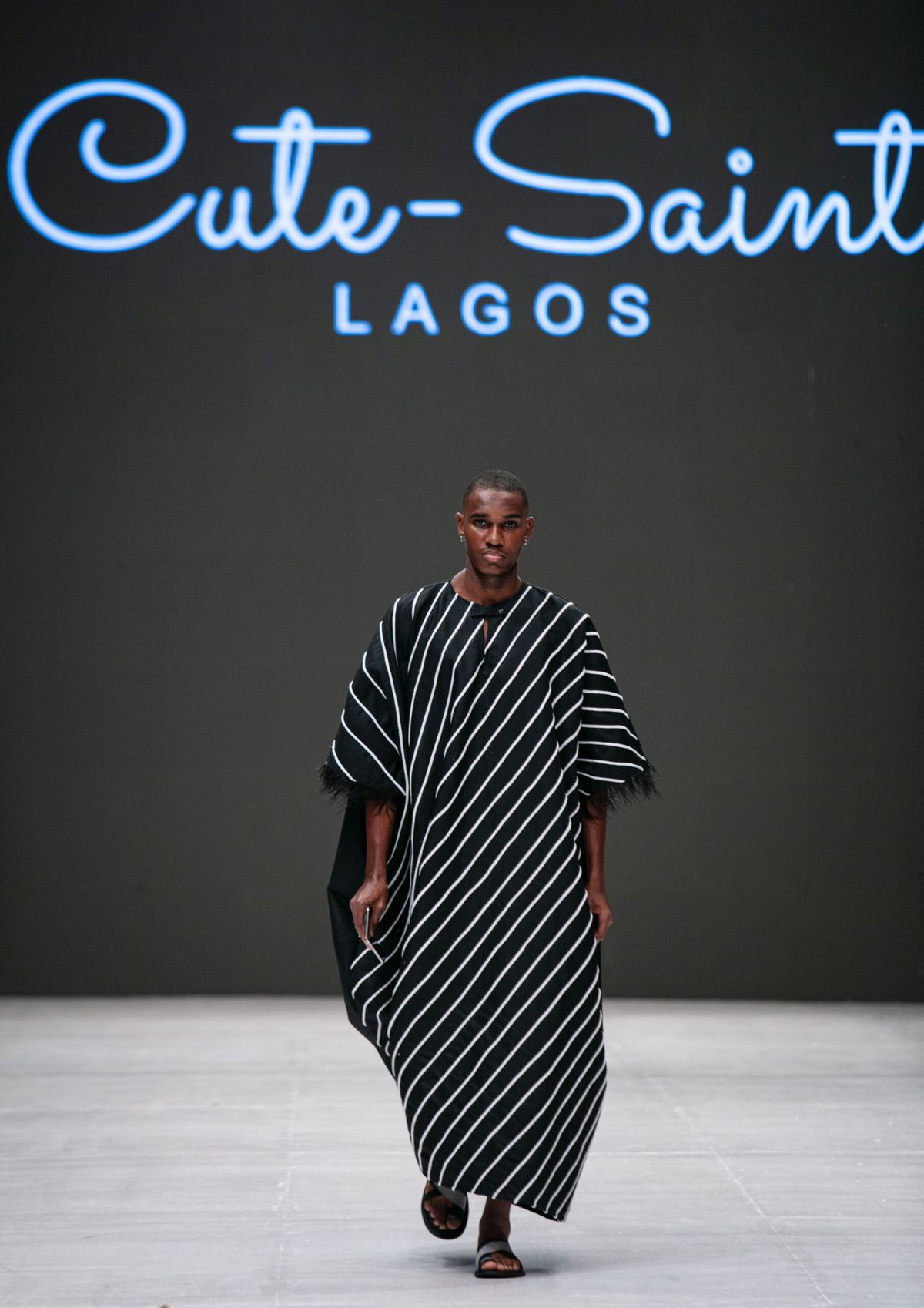
In November 2025, Lagos Fashion Week received international recognition that extended far beyond the fashion industry. The organisation was named one of the winners of the Earthshot Prize in the Build a Waste-Free World category, an award established by Prince William to recognise solutions to some of the world’s most urgent environmental challenges. Lagos Fashion Week beat more than 2,500 nominees from 72 countries to receive £1 million in prize funding. The citation was not for putting on impressive runway shows. Earthshot does not back boutique experiments. It backs models with reach.
For Omoyemi Akerele, the lawyer-turned-fashion entrepreneur who founded Lagos Fashion Week in 2011, the recognition was something larger than a successful event. Accepting the prize at Rio de Janeiro’s Museum of Tomorrow, she was direct: ‘For generations, global South artisans have sustained global creativity with little recognition while the fashion system has rewarded extraction over care.’ Standing on that stage, she said, ‘felt like a moment of collective visibility for everyone who believes that fashion can be a tool for transformation.’
That moment reflected a broader shift taking place across the continent. For decades, conversations about success in African fashion usually began with Paris, Milan, London, or New York. Designers were expected to prove themselves in one of those cities before they were considered part of the global industry. Today, that assumption is becoming increasingly difficult to defend. Not because African fashion weeks are competing with European ones. Because they are building something entirely different.
Lagos Fashion Week just won an Earthshot Prize. Kenneth Ize is weaving Aso Oke into international luxury. The question was never whether African designers could compete with Europeans. It was whether global fashion would notice what was already being built.
Lagos Fashion Week Has Redefined What Success Looks Like
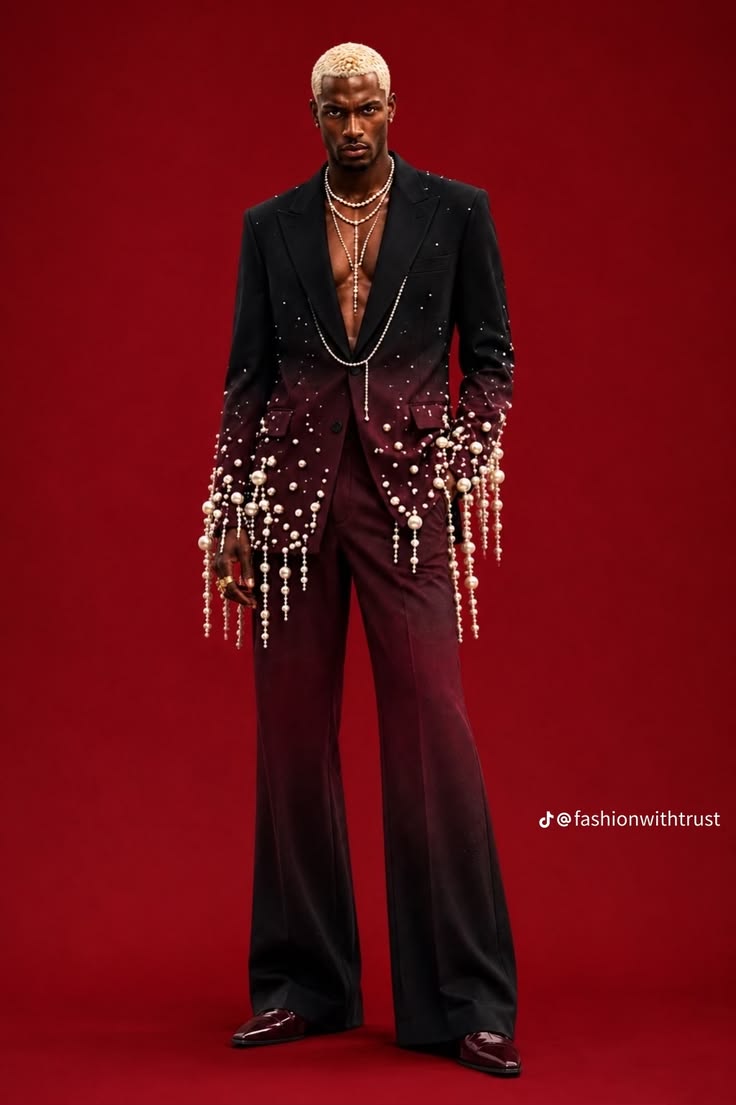
When Akerele launched Lagos Fashion Week, the ambition was never limited to organising runway shows. The platform was designed to strengthen every part of the fashion value chain. Designers needed access to buyers. Young creatives needed mentorship. Textile producers needed greater visibility. Manufacturers needed stronger relationships with emerging brands. ‘Fashion has the power to create jobs, preserve culture, and transform lives,’ Akerele has stated. ‘That is why we do this work.’ As Omiren Styles has documented in its full analysis of what a decade of Lagos Fashion Week runways has actually produced for Nigerian designers’ revenue, the platform’s most important contribution is not the runway itself. It is the year-round ecosystem that it reinforces.
The Green Access programme encourages designers to explore responsible production through recycled materials, indigenous textiles, artisan craftsmanship, and circular design. Woven Threads creates space for conversations about African textile production, manufacturing, and the future of sustainable fashion on the continent. The £1 million Earthshot Prize will fund the first fully functional circular fashion hub in Lagos, with plans to replicate the model across fashion weeks in Kigali, Dakar, and Accra by 2030. These are not runway enhancements. They are an industrial infrastructure for a sustainable fashion ecosystem that Paris was never designed to build and never needed to.
ALSO READ
- The Lagos Fashion Week Effect: What a Decade of Runway Has Actually Done for Nigerian Designer Revenue
- Omoyemi Akerele and the £1 Million Argument
- Senegal Fashion Future: What Dakar Is Building and Why It Matters for Africa
- African Textile Museums: Preserving Memory in an Age of Fast Fashion
The Designers Are Expanding the Meaning of Global Fashion
The changing role of African fashion weeks is perhaps most visible in the designers themselves. Nigerian designer Kenneth Ize has built an international reputation without distancing himself from the artisan communities that produce handwoven Aso Oke. His collections demonstrate that traditional weaving techniques belong in contemporary luxury fashion, not as nostalgic references but as living forms of craftsmanship capable of shaping modern menswear at the highest level.
South African designer Thebe Magugu has taken a different approach. His collections are built around extensive historical research, exploring subjects such as family memory, political history, education, and identity. Winning the LVMH Prize in 2019 brought global recognition. ‘My goal is to create clothes that merge my South African heritage with a modernity that speaks to a global audience,’ he has said. The stories he tells remain firmly rooted in South African experience and have not needed to leave it to reach international audiences.
Rich Mnisi has redefined African luxury through sculptural tailoring and contemporary design that refuses to rely on familiar stereotypes. Laduma Ngxokolo’s Maxhosa Africa has transformed Xhosa cultural traditions into one of the continent’s most recognisable knitwear brands. Emmy Kasbit continues to reinterpret Nigerian textile traditions through refined menswear using hand-dyed fabrics and traditional techniques.
Beyond Nigeria and South Africa, the argument’s geographic range extends across the continent. Adama Paris, founder of Dakar Fashion Week and a contributor to the Manifesto for a Regenerative Fashion Future, convened by Lagos Fashion Week in 2026, has been building West African fashion infrastructure from Senegal for two decades. Mahlet Teklemariam, founder of Hub of Africa Fashion Week, has been building an equivalent institutional platform for East African designers based in Addis Ababa. Both have been building something that the comparison-with-Paris framework consistently misses: continental infrastructure for a regional industry, not a satellite operation waiting for Western validation.
Craftsmanship Is Africa’s Strongest Competitive Advantage
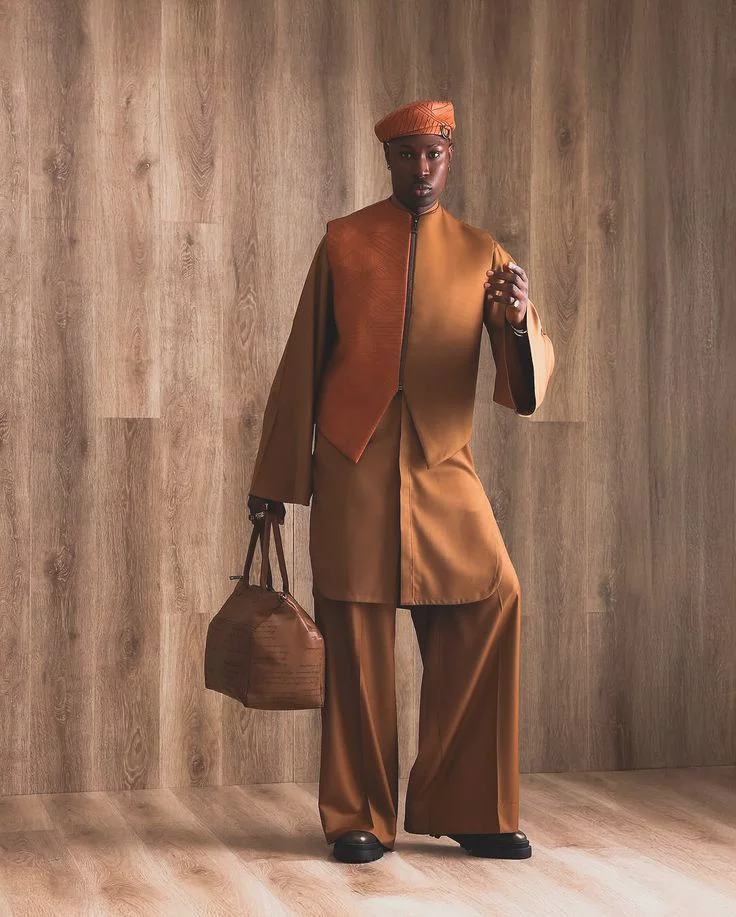
For decades, the global luxury industry built its reputation on craftsmanship. Italian leather workshops, French couture houses, and British tailoring traditions became symbols of quality because they represented specialised skills refined over generations. African fashion possesses its own craft traditions, yet they have often been discussed as cultural curiosities rather than technical achievements.
Across the continent, designers work with handweavers, indigo dyers, embroiderers, leatherworkers, and bespoke tailors whose techniques have been preserved through apprenticeship and community knowledge. Kenneth Ize’s collaboration with Aso Oke weavers demonstrates this clearly. Every length of cloth reflects hours of skilled labour that cannot be replicated by industrial machinery. Emmy Kasbit’s collections draw on hand-dyed fabrics and traditional textile techniques. Maxhosa Africa’s knitwear draws on Xhosa initiation-ceremony patterns. It is produced in South Africa by a team that understands the visual language because they are part of the culture that produced it.
Their competitive advantage lies not in producing clothing faster than everyone else, but in producing garments whose value comes from the knowledge embedded within them. As luxury consumers increasingly ask where garments are made, who made them, and how they were produced, African designers are holding something the industry has been searching for: visible craftsmanship backed by cultural depth.
African Fashion Weeks Are Solving Different Problems
Comparisons between Lagos Fashion Week and Paris Fashion Week often miss an important point. Although both present collections, they were created to address different realities.
Paris emerged within an established luxury industry supported by centuries of textile production, manufacturing, and global retail networks. African fashion weeks developed in environments where designers often face limited manufacturing capacity, fragmented supply chains, restricted access to finance, and intense competition from imported clothing. That is not a gap to close before African fashion weeks can be taken seriously. It is the context in which those fashion weeks were designed to operate, and the reason they developed capabilities that European fashion weeks never needed and do not have.
Many African fashion weeks have assumed responsibilities that extend far beyond organising runway shows. They bring together manufacturers looking for new clients, textile producers seeking commercial partnerships, policymakers discussing the future of local production, and entrepreneurs exploring investment opportunities. Sustainability forums, educational workshops, and business mentorship programmes sit alongside runway presentations because they respond to challenges that directly affect the industry’s future. Lagos Fashion Week’s 15th anniversary edition presented more than 60 designer collections to approximately 15,000 guests while simultaneously running industrial programming that won a global environmental prize. No European fashion week has been designed to do this because no European fashion week needed to.
Fashion Is Becoming an Economic Development Story
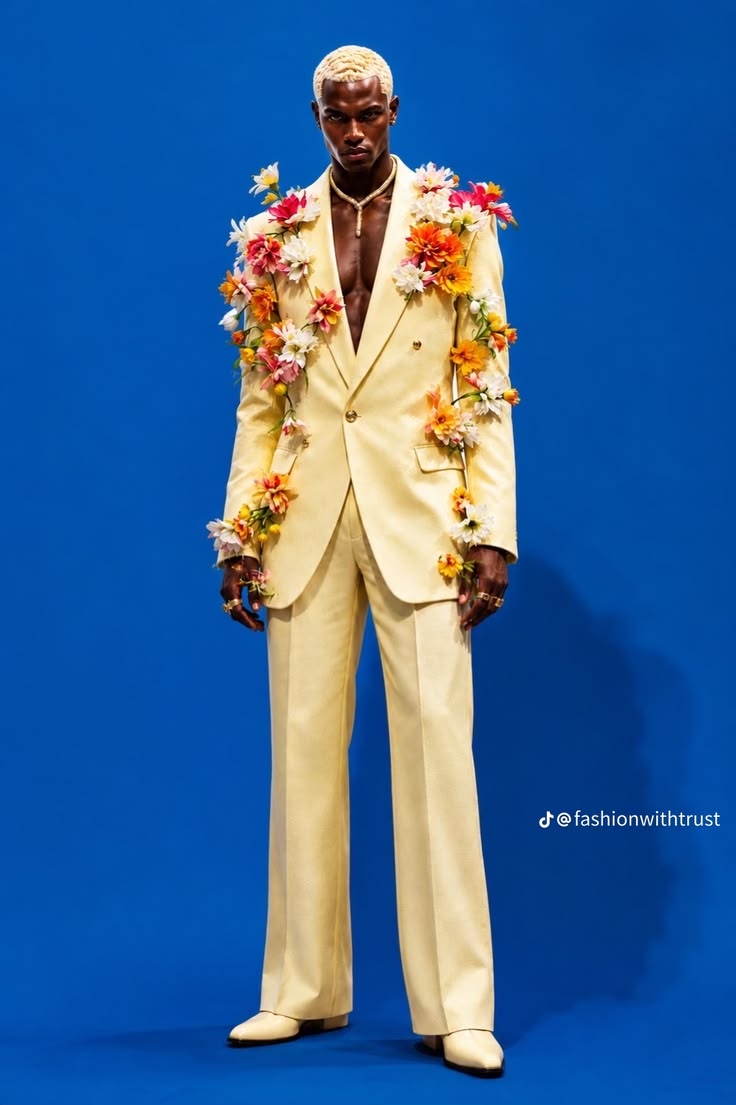
The growing influence of African fashion is changing how governments, investors, and development organisations view the sector. For many years, fashion was treated primarily as part of the creative industries. Today, it is increasingly recognised as an area capable of simultaneously supporting manufacturing, generating employment, strengthening exports, and preserving cultural heritage.
Behind every tailored jacket, woven textile, or embroidered garment stands a network of pattern cutters, weavers, dyers, machinists, leatherworkers, photographers, stylists, marketers, and retailers. When local brands grow, the benefits extend far beyond individual designers. Lagos Fashion Week’s emphasis on manufacturing and sustainability reflects this wider perspective. The objective is not simply to produce successful collections but to strengthen the ecosystem that allows African fashion businesses to grow while keeping more economic value within the continent.
A New Map, Not a New Rivalry
The history of modern fashion has often been told through a small number of cities. Those cities remain enormously influential, but they no longer hold an exclusive claim to defining the industry’s future. Lagos has emerged as a centre for sustainable fashion conversations and creative entrepreneurship. Johannesburg continues to produce designers whose work shapes international discussions around identity and contemporary luxury. Dakar’s growing fashion scene, anchored by Adama Paris and the Dakar Fashion Week ecosystem, celebrates West African craftsmanship while strengthening regional collaboration. Nairobi has become an important platform for East African designers exploring tailoring, textile innovation, and modern African aesthetics. As Omiren Styles has documented in their argument about what African menswear designers are proving about the future of luxury, influence is becoming more geographically diverse, and African fashion is helping to redraw the map rather than waiting to be placed on it.
For years, African fashion was discussed in terms of potential. The continent was described as an emerging market, an untapped opportunity, or the next frontier for luxury. That language always located the power of definition somewhere else. Akerele’s Earthshot acceptance statement located it precisely: ‘The resources are ours. The value is theirs.’ The argument she has been making for twenty years is not that African fashion deserves a seat at the table Europe built. Africa is building a different table, and the most important question is what the rest of the industry can learn from the systems being built across the continent.
ALSO READ
- They Are Not Exceptions. They Are the Standard: African Menswear Designers Reshaping Global Fashion
- Thebe Magugu and the African Heritage That Won the LVMH Prize
- European Luxury Houses Invest in Afrobeats Stars but Not African Fashion Infrastructure
- The Impact of Lagos Fashion Week on the African Fashion Industry
FAQs
How are African fashion weeks changing the global fashion industry?
African fashion weeks are expanding the global fashion landscape by building institutional infrastructure designed for challenges that European fashion weeks were never created to address: limited manufacturing capacity, fragmented supply chains, restricted designer access to finance, and intense competition from imported clothing. Lagos Fashion Week, founded in 2011 by Omoyemi Akerele, won the 2025 Earthshot Prize in the Build a Waste-Free World category, beating more than 2,500 nominees from 72 countries, and will use its £1 million prize to build the first fully functional circular fashion hub in Lagos. Events such as Dakar Fashion Week and Hub of Africa Fashion Week are building equivalent continental infrastructure for West and East African designers, respectively.
Why is Lagos Fashion Week considered one of Africa’s most influential fashion events?
Lagos Fashion Week combines fashion showcases with programmes that strengthen the industry’s value chain: Green Access supports responsible production, artisan craftsmanship, and textile innovation; Woven Threads creates space for manufacturing and supply chain conversations. The platform’s 15th anniversary edition in 2025 presented more than 60 designer collections to approximately 15,000 guests while simultaneously running industrial sustainability programming that Earthshot Prize judges selected from 2,500 nominees across 72 countries. Akerele has committed to replicating the model across fashion weeks in Kigali, Dakar, and Accra by 2030.
How are African menswear designers gaining international recognition without relying on European fashion weeks?
Many African menswear designers are building global reputations by developing strong brands at home while participating selectively in international events. Kenneth Ize built an international reputation without leaving the Aso Oke handweaving communities that produce his cloth. Thebe Magugu won the LVMH Prize in 2019 with research-driven collections rooted entirely in South African history, stating his goal as creating ‘clothes that merge my South African heritage with a modernity that speaks to a global audience.’ Laduma Ngxokolo’s Maxhosa Africa, built on Xhosa initiation patterns, is now stocked internationally. None of these outcomes required relocation or compromise with European fashion week expectations.
What makes African fashion different from European luxury fashion?
Many African fashion brands integrate indigenous textile knowledge, artisan production, cultural heritage, and community-based manufacturing as the foundation of their work rather than as stylistic additions. Kenneth Ize’s Aso Oke cloth represents hours of skilled handweaving that cannot be replicated by industrial machinery. Emmy Kasbit uses hand-dyed fabrics and traditional textile techniques. Maxhosa Africa’s knitwear is produced by a team that is part of the Xhosa cultural tradition it draws from. African fashion’s competitive advantage lies not in producing clothing faster than others, but in producing garments whose value comes from the knowledge embedded in them.
Why are international buyers paying more attention to African fashion weeks?
International buyers are attending African fashion weeks because they offer original design perspectives, skilled craftsmanship, sustainable production methods, and emerging luxury brands whose approaches are distinct from those of conventional European luxury. As demand grows for transparent, responsible fashion with authentic cultural grounding, African designers are proving that these qualities are not additions to contemporary fashion but its most credible future direction. Lagos Fashion Week’s international buyers’ hub directly connects European, Asian, and American buyers with African brands; the 2024 Rising Stars showcase produced 30 international retail partnerships for 15 emerging designers.
Which African menswear designers are shaping the future of global fashion?
Several designers are redefining contemporary menswear from African cities. Kenneth Ize (Nigeria) works with handwoven Aso Oke to produce luxury menswear, with craftsmanship as its primary competitive advantage. Thebe Magugu (South Africa) builds research-driven collections that draw on South African history and identity. Rich Mnisi (South Africa) redefines African luxury through sculptural tailoring. Laduma Ngxokolo’s Maxhosa Africa (South Africa) transforms Xhosa cultural traditions into internationally recognised knitwear. Emmy Kasbit (Nigeria) reinterprets traditional Nigerian textiles through refined menswear. Adama Paris has built Dakar Fashion Week into a major platform for West African design. Together, they demonstrate that global influence can be developed from Lagos, Johannesburg, and Dakar as confidently as from any traditional fashion capital.
Why is African craftsmanship becoming more important in luxury menswear?
African craftsmanship is gaining recognition because it aligns with growing consumer demand for quality, transparency, and responsible production, while offering what the global luxury industry is actively seeking: visible, unmediated human skill embedded in the garment itself. Handweaving, natural dyeing, bespoke tailoring, embroidery, and artisan textile production create garments with cultural significance and lasting value. As Omoyemi Akerele stated, in accepting the Earthshot Prize, African artisans have, for generations, sustained global creativity with little recognition. That work is now being acknowledged as the competitive advantage it always was.