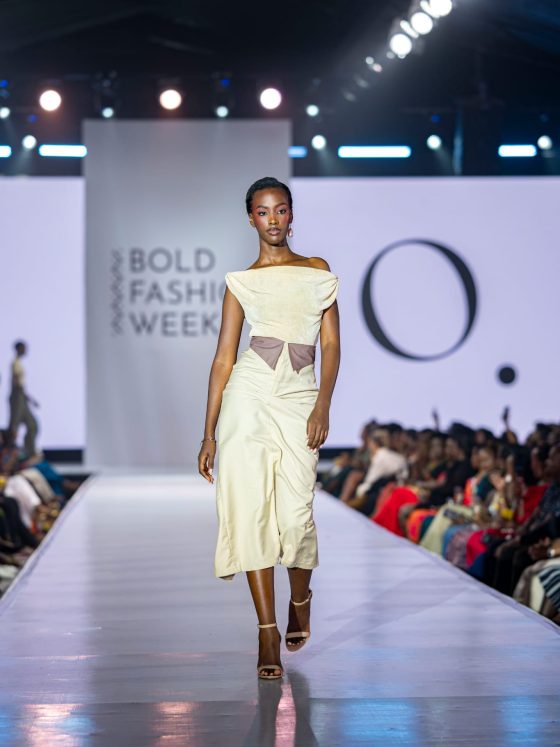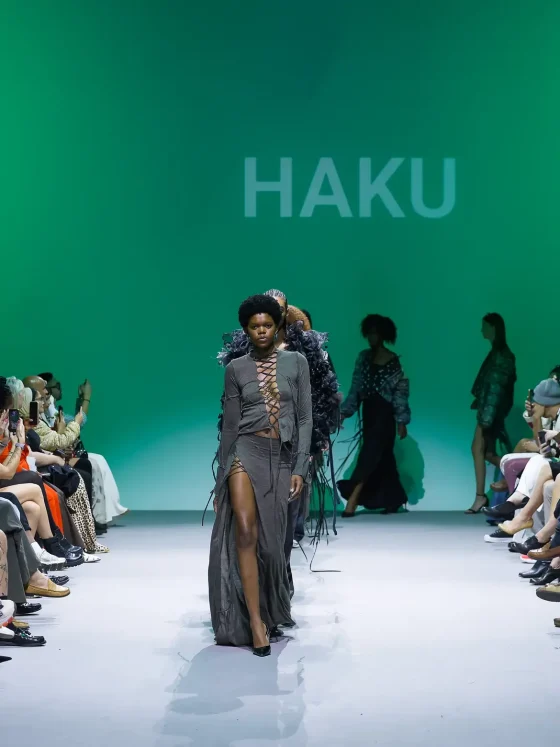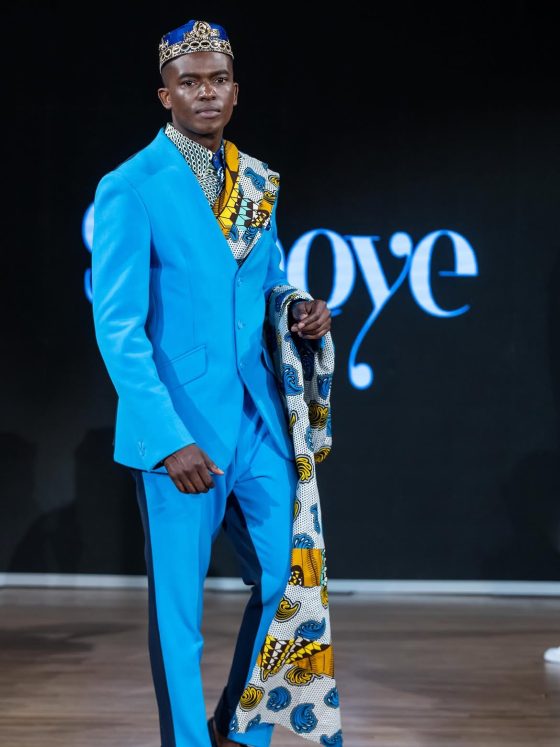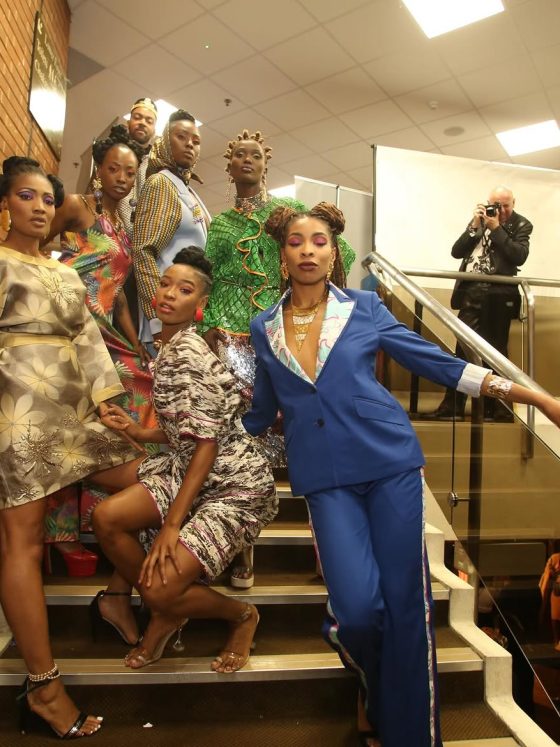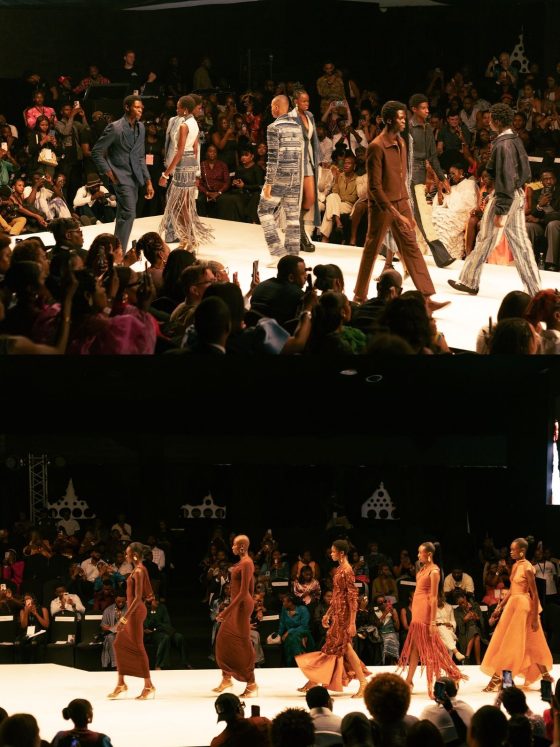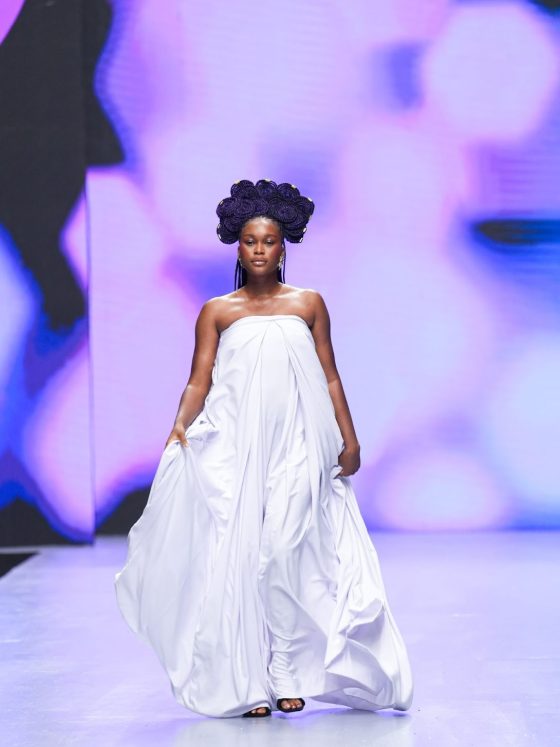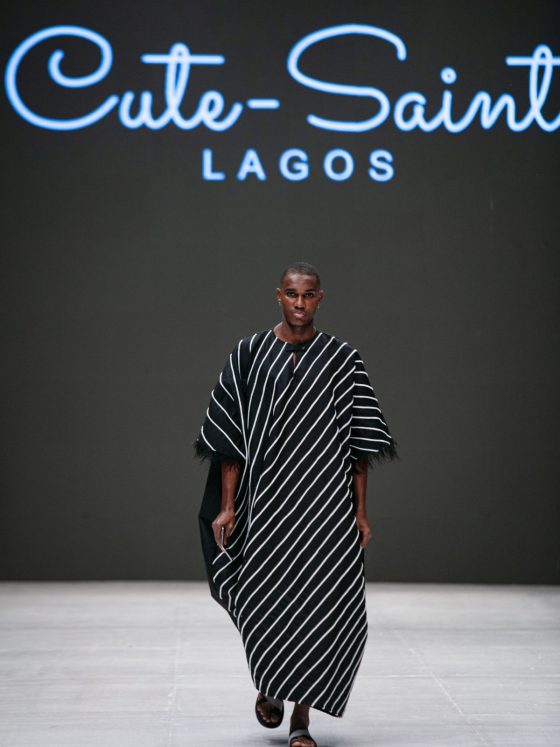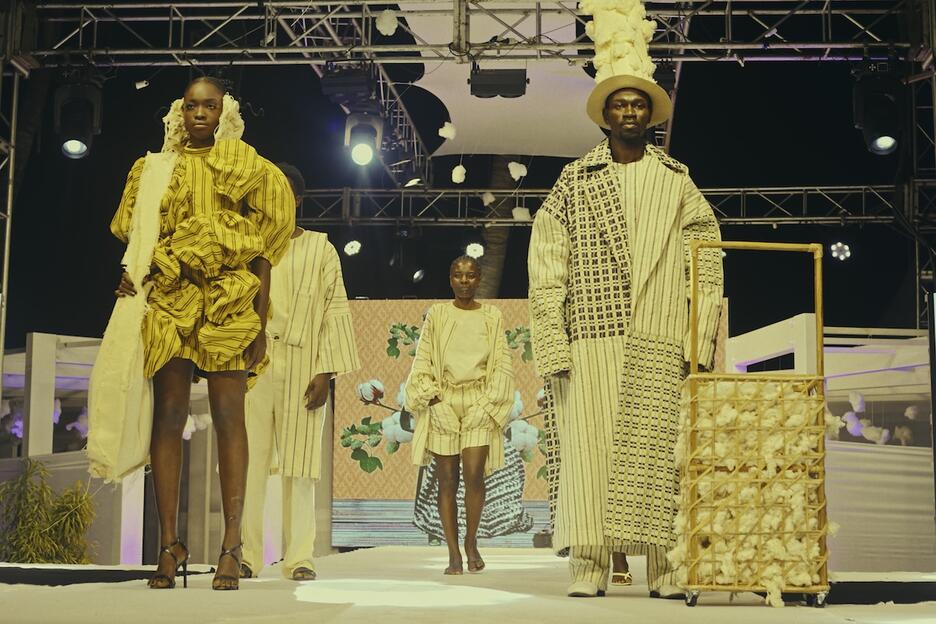
On 26 July 2025, at the Sofitel Cotonou Marina, American singer Ciara walked into the closing ceremony of Benin’s seventh Fashion Month. She had been granted Beninese citizenship that same day under a new law extending citizenship to descendants of the transatlantic slave trade. Her presence at La Nuit de la Mode — the closing runway show — was not coincidental. It was the most visible signal yet that Benin’s fashion infrastructure is doing something the international fashion press has not yet fully registered: it is building cultural diplomacy through the runway, deliberately and systematically, one edition at a time.
Benin Fashion Month, known in French as Le Mois de la Mode, has run every year since its launch in 2018. It is organised by the Ministry of Tourism, Culture and Arts through ADAC, the Agence de Développement des Arts et de la Culture. Seven editions in seven years, in a country that the international fashion press has not once made a destination. The absence of coverage is not evidence of absence. It is evidence of a gap in the record that Omiren Styles is here to close.
The Omiren Argument: Benin Fashion Month is not West Africa’s best-kept secret. It is West Africa’s most deliberately constructed fashion infrastructure, built by a government that understood the runway as an economic argument before the international fashion press decided to pay attention.
Seven editions in, Benin’s government-backed Fashion Month is quietly building West Africa’s next fashion capital. Here is what you need to know.
What Benin Fashion Month Actually Is
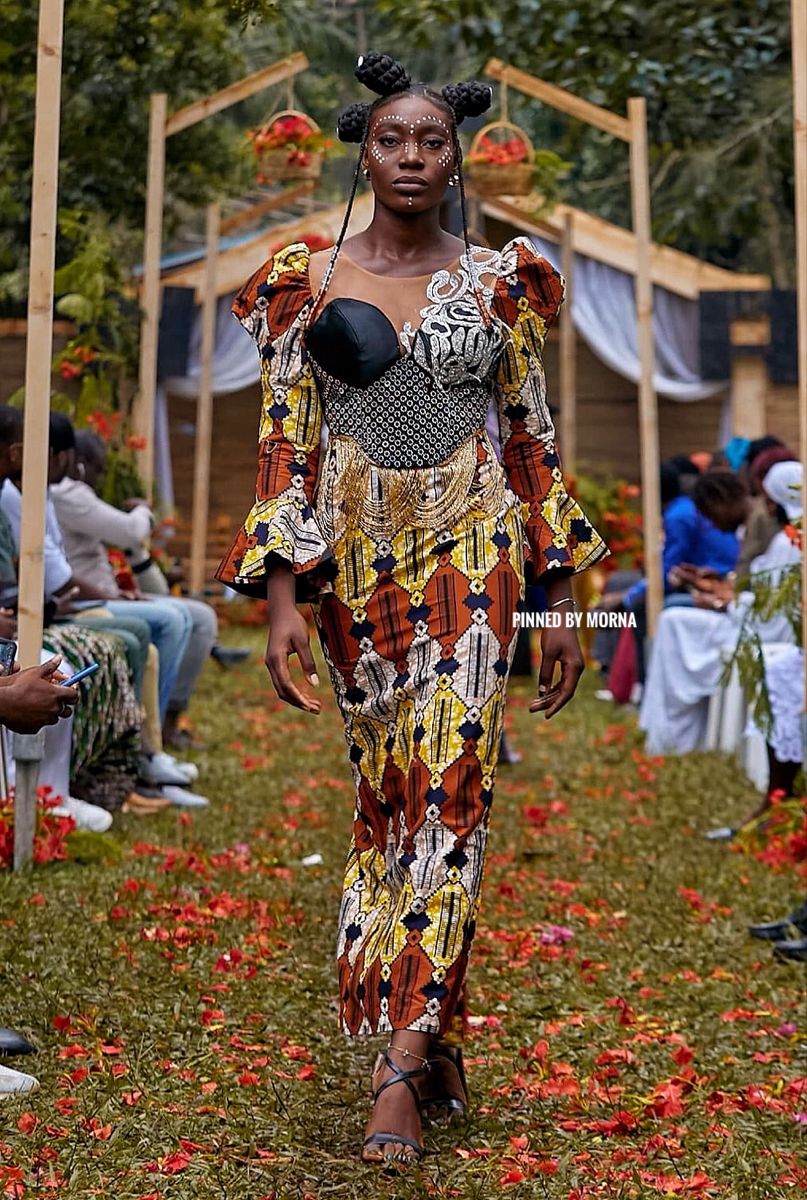
Benin Fashion Month is a state instrument for structuring a creative economy. This is not a description imposed from outside. It is the government’s own framing. The event was institutionalised as part of a policy to make fashion a structured economic sector generating growth and employment, as stated in official government communications. The seventh edition, launched on 23 July 2025 by Minister of Tourism, Culture and Arts Jean-Michel Abimbola, ran under the theme Racines et Futur — Roots and Future — and lasted four days from 23 to 26 July at the Sofitel Cotonou Marina.
The programme of the seventh edition illustrates the event’s scope. It included an immersion visit to the Glo-Djigbé Industrial Zone (GDIZ), where designers saw the cotton-to-garment pipeline that processes 40,000 tonnes of Beninese cotton annually. It included panels on structuring the fashion-textile sector, featuring representatives from SIPI-BENIN, GDIZ, ADAC, and APIEX. It included masterclasses on entrepreneurship, durability, and responsible brand development. It included a textile exhibition titled Trames et Talents. And it closed with La Nuit de la Mode, the grand runway show in the Sofitel garden.
This is not a fashion week in the sense of a series of designer shows for buyers and the press. It is a full-spectrum industry development event, with the runway as the public-facing finale of a week’s worth of policy, training, and institutional activity. ADAC director William Codjo has publicly stated that the ambition is to elevate Le Mois de la Mode to the rank of a major international fashion week. The eighth edition is already planned for 2026. That ambition is being backed by resources, institutional partnerships, and a track record of seven consecutive editions that no English-language fashion publication has documented.
La Nuit de la Mode: The Runway as Institutional Argument
The closing show of the seventh edition brought together approximately fifteen Beninese designers at the Sofitel Cotonou garden on 26 July 2025. Jerry Sinclair Aguénoukoun, newly elected president of ACMB (the Association des Créateurs de Mode du Bénin), served as the show’s artistic director. Among the brands that showed was FARE, the sustainable fashion label founded by Peter Toni-Basengula at the Sème City innovation hub. FARE presented its Tailoring Ring capsule collection: six silhouettes built from botanical indigo, symbolic beads, reassembled pagnes, and fabrics woven in Abomey by artisans from the royal lineage of King Agonglo’s weavers. Sinclair described FARE publicly as “a brand with spirit.”
Other brands confirmed at La Nuit de la Mode included LOLO ANDOCHE, COULEUR INDIGO, SENZALA, UNCOMMON, WE ARE EVERYONE, ELYON DESIGN, TEED, and ZE DIGITAL FASHION ROOM. The show featured both emerging designers and established names on the same runway, a deliberate curatorial decision. Codjo described the resulting dynamic as a “melting pot” in which the younger generation pushed the established designers to reinvent themselves. This is not an aesthetic observation. It is a succession and mentorship strategy enacted through a runway show.
Ciara’s presence at the closing event that evening added a diaspora dimension that the event’s architects could not have planned but were positioned to absorb. She had received Beninese citizenship earlier that day as one of the first public figures to do so under the country’s new diaspora citizenship law. Her attendance at La Nuit de la Mode placed Beninese fashion at the centre of a story about ancestral return, cultural identity, and the African diaspora’s reconnection with the continent. That story is now global.
The Institutional Architecture Behind the Runway
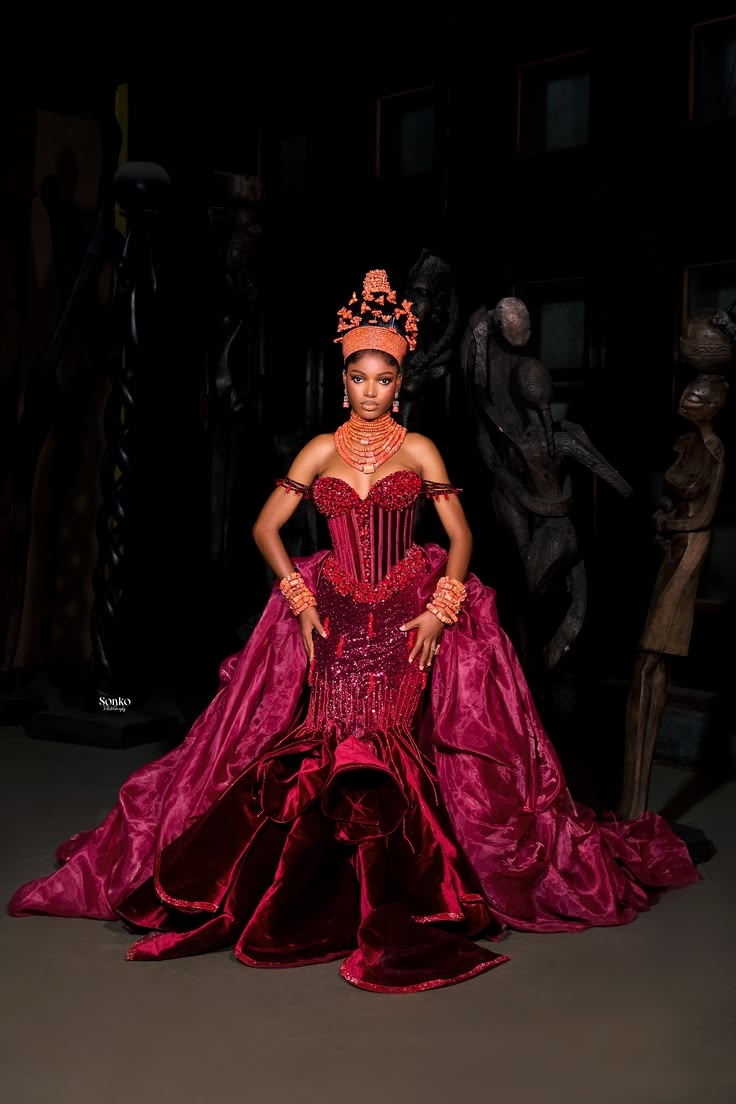
Benin Fashion Month does not operate in isolation. It is the public face of an institutional ecosystem that includes GDIZ, Benin’s $1.5 billion vertically integrated cotton-to-garment industrial zone that produces 7 to 10 million garments annually; the FLY incubator, a 12-month programme run by Sème City in partnership with France’s Institut Français de la Mode and the World Bank, which graduated its first cohort of 19 brands in June 2025; and ACMB, the designers’ association that has advocated for the professionalisation of Beninese fashion since its founding in 2016.
The visit to GDIZ during the seventh edition was not incidental programming. It was a deliberate signal: this is where the fabric comes from. This is the supply chain that makes “Made in Benin” more than a label. The designers who showed at La Nuit de la Mode and the industrial zone that processes Benin’s cotton are part of the same national strategy, and Benin Fashion Month is the annual event that brings them together.
The seventh edition also coincided with a broader Creative Week that included the Design Week driven by Africa Design School. This positioning of fashion within a larger creative economy moment is not accidental. The government’s objective, as stated by the minister, is to transform Beninese fashion into “a dynamic sector of cultural and creative industries” that generates employment, promotes local talent, and positions Benin as a reference creative hub in Africa. The MoonLook Africa coverage of the event described the Creative Week as evidence of Benin’s emergence as a new frontier for design and fashion on the continent.
The Ambassador: Olouwa G and the Cotonou-Paris Axis
The official ambassador of the seventh edition was Ibrahim Abdel Fadel, known professionally as Olouwa G. He is a Beninese stylist, artistic director, content creator, and influencer based between Cotonou and Paris. His international collaborations include Valentino, Ralph Lauren, Prada, Diesel, Lacoste, and Hermès. He was described by multiple Beninese press outlets as a “gardener” of Beninese talent, making Africa visible on the international scene.
His appointment as ambassador is a deliberate decision to position him. Olouwa G represents what Benin Fashion Month is trying to produce: a practitioner who moves between Cotonou and Paris with fluency, who works with the world’s most prestigious fashion brands, and who carries a specifically Beninese aesthetic identity into international contexts. He is not a celebrity endorsement. He is a proof of concept.
His statement on accepting the role is instructive: “Le Mois de la Mode n’est pas seulement un événement, c’est une tribune. Un espace où nos héritages rencontrent nos aspirations et où la jeunesse créative béninoise peut s’exprimer librement, avec fierté et ambition.” Fashion Month is not just an event. It is a platform. A space where our heritage meets our aspirations, and where Benin’s creative youth can express themselves freely, with pride and ambition. This is the event’s own definition, stated by its ambassador in the year of its seventh edition.
ALSO READ
- Kanvô: Benin’s Royal Handwoven Fabric, Fully Explained
- Egungun Masquerade Costume: When Fabric Becomes a Portal to the Ancestors
- The Future of Fashion in Togo: Creativity and Cultural Preservation
From Cotonou to New York: The International Expansion
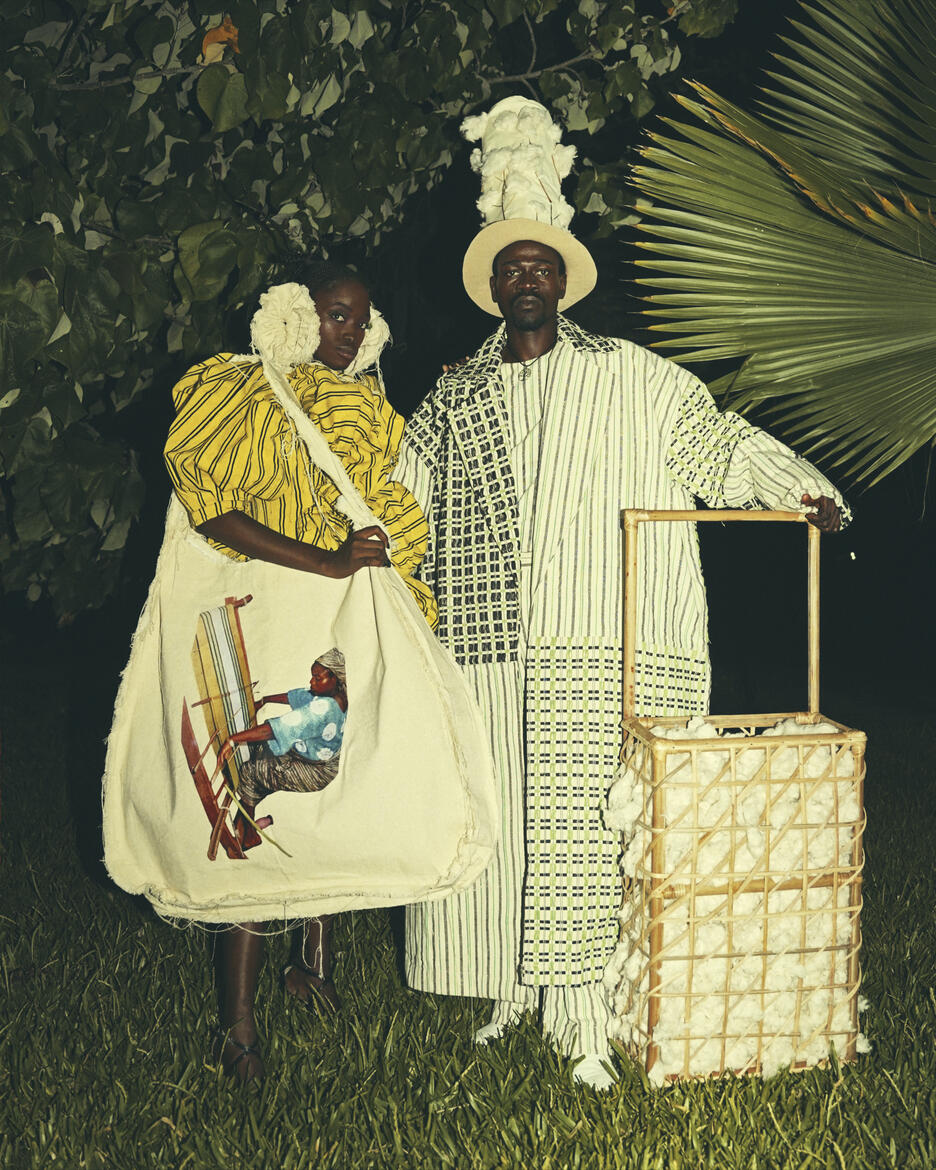
Six weeks after La Nuit de la Mode, ADAC took Beninese fashion to New York Fashion Week. On 12 and 13 September 2025, facilitated by ORUN, an Ivorian agency specialising in the promotion of African creative talent, Benin was the focus at NYFW. The 13 September programme included a designer runway show, a Mastertalk with African designers and cultural leaders, and the ORUN x Designers pop-up showroom. Four stated objectives: valorise Beninese heritage; position Beninese creativity as a driver of African cultural influence; give international visibility to Made in Benin textiles and designers; and create strategic meetings with investors.
This is a government-organised international expansion of a national fashion event. ADAC moved from La Nuit de la Mode in Cotonou on 26 July to New York Fashion Week on 13 September in less than seven weeks. The infrastructure that made this possible was built across seven editions of Benin Fashion Month. The New York appearance was not a debut. It was the next step.
The event also appeared at the World Expo in Osaka. Benin’s fashion strategy is not limited to one axis. It is operating simultaneously on multiple international fronts, using the cultural credibility built through seven domestic events as a basis for access to international platforms. Charlemagne Andoche Amoussou, who has been a leader in African ready-to-wear since 1993 and served as the 2024 edition’s godfather, and younger designers, including FARE’s Peter and Toni-Basengula, are all part of this expansion. The intergenerational transmission that Benin Fashion Month was designed to achieve is visible in its international representation.
What Seven Editions Have Built
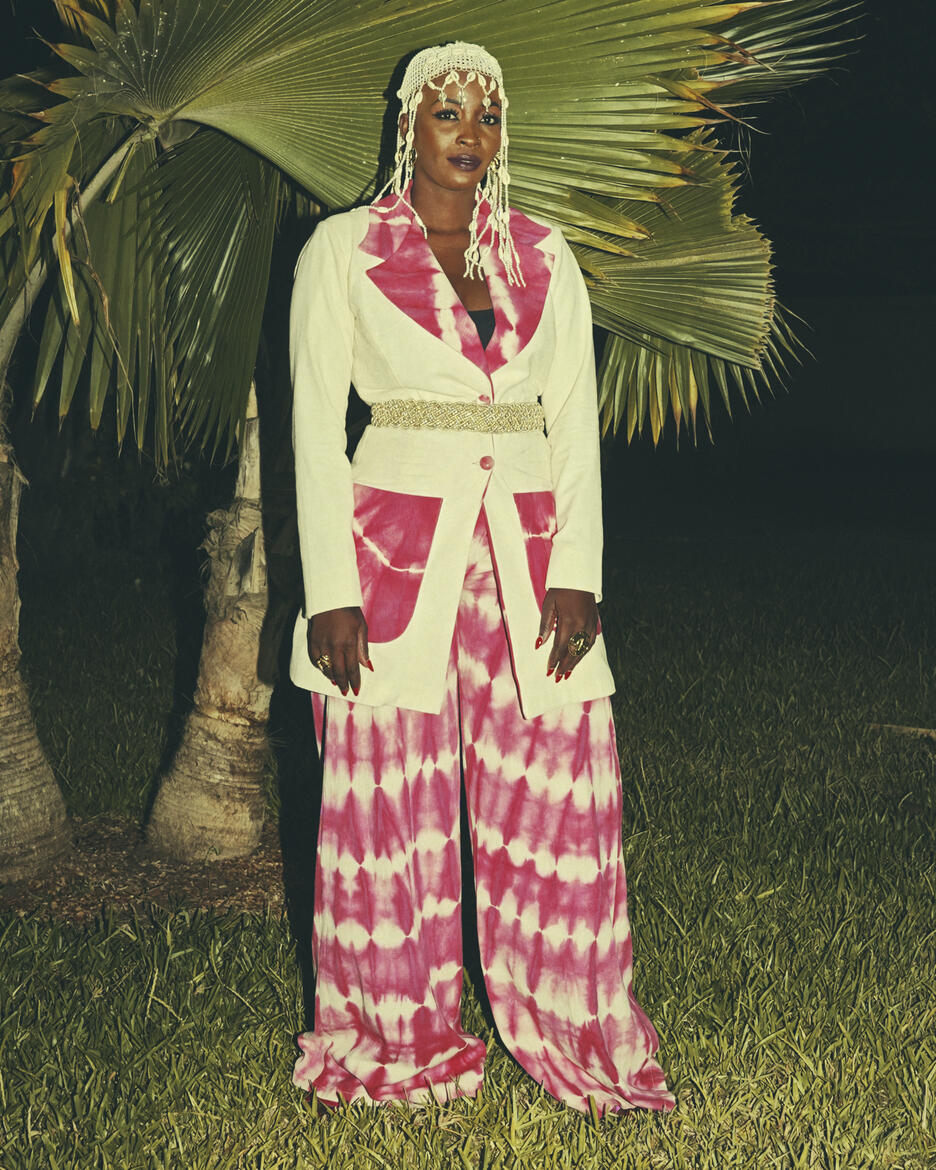
Seven consecutive annual editions of a government-backed fashion event represent a commitment of resources, institutional attention, and political will that is rare in West Africa. Benin Fashion Month has run through a global pandemic, the country’s political turbulence, and years when international fashion media paid it no attention. It did not need international coverage to continue. It had a ministry behind it.
What those seven editions have built is an ecosystem. FARE emerged from Sème City and showed at La Nuit de la Mode. ACMB designers visited GDIZ and connected artisan production to industrial infrastructure. Emerging designers competed on the same runway as thirty-year practitioners. A Cotonou-Paris stylist became an ambassador. An American singer with new Beninese citizenship attended the closing show. Benin went to New York Fashion Week. None of these things happened accidentally. They happen because the event exists, year after year, creating the conditions for them.
The eighth edition is planned for 2026. When it happens, it will be the most internationally visible Benin Fashion Month yet, because the seventh edition built the platform on which visibility becomes possible. The English-language editorial record is only now beginning to catch up to what the event has been doing since 2018. This article is part of that catching up.
“Benin Fashion Month is not West Africa’s best-kept secret. It is West Africa’s most deliberately constructed fashion infrastructure, built by a government that understood the runway as an economic argument before the international fashion press decided to pay attention.”
Frequently Asked Questions
What is Benin Fashion Month?
Benin Fashion Month, known in French as Le Mois de la Mode, is an annual government-backed fashion industry event held in Cotonou, Benin Republic. It is organised by the Ministry of Tourism, Culture and Arts through ADAC (the Agence de Développement des Arts et de la Culture). It has run every year since 2018 and reached its seventh edition in July 2025. The event includes panels, masterclasses, designer exhibitions, artisan training, and the closing runway show La Nuit de la Mode.
When does Benin Fashion Month take place?
Benin Fashion Month is held annually in July in Cotonou. The seventh edition ran from 23 to 26 July 2025 at the Sofitel Cotonou Marina under the theme Racines et Futur (Roots and Future). The eighth edition is planned for 2026.
Who organises Benin Fashion Month?
Benin Fashion Month is organised by the Beninese Ministry of Tourism, Culture and Arts through its state agency ADAC (Agence de Développement des Arts et de la Culture). The minister, Jean-Michel Abimbola, officially launches each edition. ADAC director William Codjo has stated the ambition is to elevate the event to the rank of a major international fashion week. ACMB, the Association des Créateurs de Mode du Bénin, serves as a co-delivery partner for activities including expo-ventes, boutiques éphémères, and training sessions.
What happened at Benin Fashion Month 2025?
The seventh edition (23–26 July 2025) ran under the theme Racines et Futur and included an immersive. It included the GDIZ cotton-to-garment industrial zone, panels on structuring the fashion-textile sector, masterclasses on entrepreneurship and sustainability, and the textile exhibition Trames et Talents. The closing show, La Nuit de la Mode, featured approximately 15 designers including FARE, LOLO AN, DOCHE, COULEUR INDIGO, SENZALA, and WE ARE EVERYONE, E at the Sofitel Cotonou garden. American singer Ciara, who received Beninese citizenship earlier that day, attended the closing show. Six weeks later, ADAC took Beninese fashion to New York Fashion Week on 13 September 2025.
Who was the ambassador of Benin Fashion Month 2025?
The official ambassador of the seventh edition was Ibrahim Abdel Fadel, known as Olouwa G, a Beninese stylist and artistic director based between Cotonou and Paris. His international collaborations include Valentino, Ralph Lauren, Prada, Diesel, Lacoste, and Hermès. He described the event as “a platform where our heritage meets our aspirations, and where Benin’s creative youth can express themselves freely, with pride and ambition.”
How does Benin Fashion Month connect to GDIZ and the wider fashion ecosystem?
Benin Fashion Month is the annual public event of an institutional ecosystem that includes GDIZ (the Glo-Djigbé Industrial Zone, a $1.5 billion cotton-to-garment industrial complex), the FLY incubator (a World Bank-funded 12-month programme run by Sème City with France’s Institut Français de la Mode), and ACMB (the designers’ association). During the seventh edition, ACMB designers visited GDIZ to connect artisan production to industrial infrastructure. FARE, a brand incubated through FLY, showed at La Nuit de la Mode 2025. The runway is the public face of a policy architecture that links cotton farming to garment manufacturing to designer development.
Explore more from our Industry section, where Africa’s fashion infrastructure is reported with the precision it deserves.