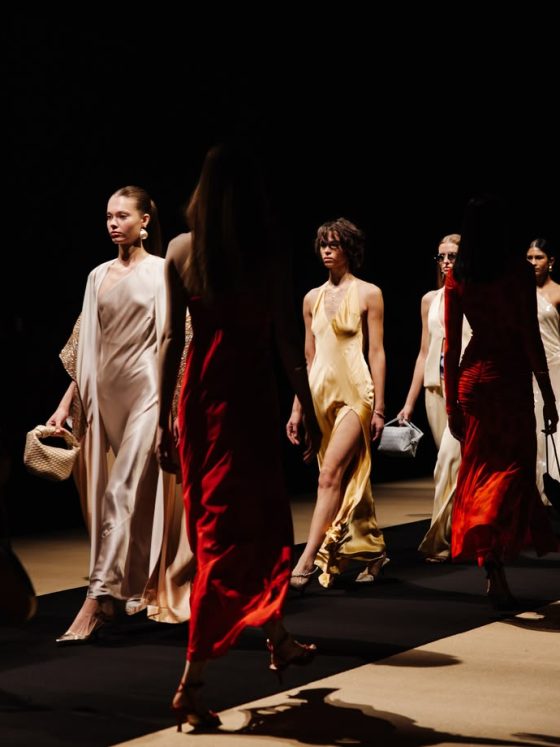
A fashion launch and a fashion show are not the same event; they differ in scale. A runway show produces visibility: images that communicate the collection to audiences who were not in the room. A launch or showcase is a conversation environment: specific people leave with a specific understanding of the brand or product, and that understanding translates into commercial or relational outcomes.
Confusing the two produces events that achieve neither. The most common mistake in African fashion launch production is investing in a launch with runway-show values: models, formal presentation, seating, and an audience dynamic. The event is well executed but commercially ineffective. The organiser who understands the distinction plans accordingly.
What African and diaspora fashion organisers need to consider when producing a launch or showcase event: audience outcomes, venue, atmosphere, press strategy, and commercial intent.
The Three Outcomes a Launch Must Produce
Before any production decision is made, the organiser needs to identify which outcomes this specific launch is designed to produce. The three primary audience outcomes require different planning.
Press outcome: a specific feature, review, or coverage in a specific publication or platform. Requires: time with the collection, designer access, and press materials to leave with
Buyer outcome: a commercial conversation that advances toward a stockist relationship. Requires: clear sight of the full collection, garment handling, pricing information, and direct conversation with someone who has the authority to discuss terms
Community outcome: an experience that deepens connection to the brand and converts guests into advocates. Requires: an atmosphere that feels considered and specific, where the guest feels the brand put thought into every element
Most launches need to produce at least two of these outcomes simultaneously. Planning for them separately, because each requires different management on the day, is the difference between a launch that works and one that entertains without converting.
A runway show produces visibility. A launch produces understanding. A brand that needs the second should not produce the first and call it a launch.
What the Difference Looks Like in Practice
The runway-shaped mistake
A growing Lagos accessories brand decides to launch its new leather goods collection. The team books a large event space in Victoria Island, hires four models, sets up a short walk, and invites eighty guests.
The evening is impressive. The models walk. The guests applaud. The event photographs well. Afterwards, the three buyers in the room had not handled a single piece. Two press guests left early to file before their deadline and did not receive press materials until the following week. The creative director of a major stockist spent forty-five minutes in the room and had no substantive conversation with anyone from the brand.
The team calls it a success. Six weeks later, none of the buyers has followed up.
The same brand, planned as a launch
The brand books a private studio space in Ikoyi, sized for forty guests. No runway. The collection is displayed on minimal rails and stands with clear product information. The guest list is built backwards from two outcomes: one press feature and two buyer conversations.
Each buyer is assigned to a team member on arrival. The creative director of the potential stockist has a forty-minute conversation with the brand founder while handling three pieces. Both press guests leave with a full press pack. A follow-up email is sent to each buyer before 9 am the next morning.
One buyer commits to a trial order within three weeks. The press feature is published within the month.
The collection was identical. The production logic was entirely different.
Launch versus Show: The Fundamental Difference
A runway show is a performance. The collection moves through space at a controlled pace, the audience watches from designated positions, and the experience is designed to produce a specific emotional and aesthetic impression across a large group simultaneously. The garment is seen but not touched. The brand communicates but does not converse.
A launch or showcase is a conversation environment. The collection is present in the space, and the guests move through it. There is time to look closely. The brand’s team is accessible. Questions can be asked and answered.
This distinction has direct implications for production. Scale, spatial logic, timing, and guest management all need to be planned for the launch format rather than borrowed from runway show conventions.
The Outcomes of a Launch Must Produce
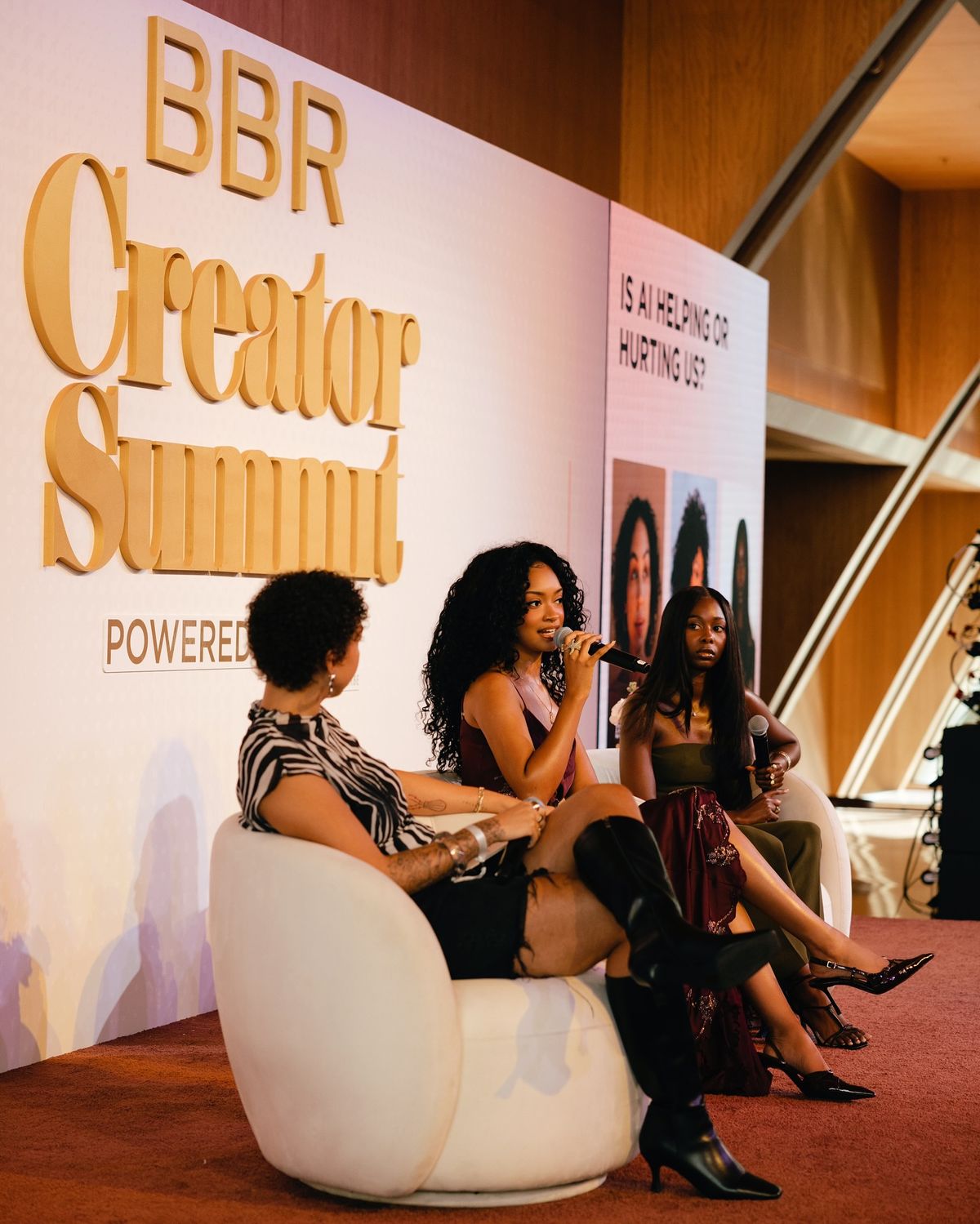
The press outcome
Press guests need three things: time with the collection, access to the brand, and materials to file with.
The time should be structured into the run of show: a period when the founder or designer is available for a press conversation, not just visible across the room.
The press pack should be distributed at the event, not promised afterwards. Every press guest who leaves without materials may file before those materials arrive. Include high-resolution images, a collection story, designer notes, and availability information.
Think about what imagery the press will capture on the day. The showcase space, the garments in context, the brand environment: these are the images that will accompany coverage. An event not visually prepared for press photography will generate less coverage than the collection quality warrants.
The buyer outcome
Buyers need to see the full collection, understand the pricing structure, and have a substantive commercial conversation with someone who has the authority to discuss terms.
Identify the buyers in the room before the event. Assign a team member to manage each one through the experience.
Buyers who are well managed at launch are significantly more likely to move toward a commercial relationship than those who navigate the event without specific attention. The difference is not the quality of the collection. It is whether the buyer left with the information and the relationship they need to make a decision.
The community outcome
For community guests, the specific outcome is an experience of the brand that deepens their connection to it. This outcome is the least commercially direct but often the most durable.
The quality of the experience itself produces it: the atmosphere, the space, the curation of the guest list, and the sense that the brand put thought into every element. There is no specific structured activity that produces it. The environment is the activity.
For African fashion brands pursuing international stockist relationships, the launch is often the first direct contact with buyers from new markets. The e-commerce infrastructure that African fashion brands are building means buyer relationships increasingly begin online. Still, the in-person launch remains the context in which those relationships are most efficiently established. A buyer well-managed at launch will respond to a follow-up email.
Press needs time, access, and materials. Buyers need the collection, the pricing, and a commercial conversation. Managing both audiences well at the same event requires planning for both in the pre-production.
ALSO READ
- How Fashion Events Are Produced from the Guest List to the Final Run of Show
- Why African Fashion Brands Fail After Year Three
- What the Numbers Say About Lagos, Accra, and Nairobi as Fashion Business Cities
- African Fashion Brands and the E-Commerce Question
Designing the Showcase Space

The showcase environment is the physical context within which all the event’s outcomes are either made possible or foreclosed. Its design is a production decision with direct commercial consequences.
The collection as a spatial argument
In a showcase, the collection is not on a runway. It is in the room. The decisions about how garments are positioned, how they are lit, how much space surrounds each piece, and the order in which a guest encounters them are editorial decisions about how the collection is understood.
A collection on crowded rails with inadequate lighting is being asked to work harder than the environment supports. A collection with considered spacing, deliberate lighting, and supporting information helps a guest understand what they are looking at.
The question in designing the showcase environment is not what looks impressive. It is the arrangement of the collection that produces the understanding the brand needs guests to form.
Intimacy and access
The showcase space should be calibrated against the guest list, not against a general standard of event impressiveness.
A space too large for the guest list produces an atmosphere of emptiness. For African fashion brands producing their first or second launch event, the temptation to book a large venue to signal ambition is one of the most consistently counterproductive decisions available.
The most commercially effective African fashion launch environments are almost always intimate rather than spectacular. A space of thirty to fifty guests in a venue sized for that number produces the relational density that allows the kind of conversations that build lasting business relationships. A space of thirty guests in a venue sized for three hundred produces an event that feels like an early admission of failure.
The garment experience
In a showcase, guests should be able to handle the garments. This is one of the most powerful differentiators between a showcase and a runway show, and one frequently underused by organisers still thinking in runway terms.
A buyer who has handled a garment, felt the textile, and examined the construction has formed a direct physical understanding of the product that no image or runway presentation can replicate.
Plan for garment handling: the garments need to be accessible without creating a crowded environment, with space for guests to examine them up close and brand team members available to answer questions about construction, sizing, and production.
What Scale Is Right for a First-Collection Showcase
The most common mistake for a first- or early-stage African fashion brand at its launch is overscaling.
A first-collection showcase well-calibrated to its actual guest list, budget, and operational capacity will produce better outcomes than one calibrated to the brand’s aspirations.
A first showcase of twenty to thirty carefully chosen guests, in a space sized for that number, with production values consistent with the collection’s quality, is a stronger brand statement than a showcase of eighty guests in a space sized for two hundred with improvised production values.
The first showcase is not a declaration of what the brand will become. It is a demonstration of what the brand already is. The most powerful thing it can communicate is control: the brand knows what it is, who it is for, and how to present itself to the people who matter to it.
The right scale for a first showcase is the scale the brand can execute with control. An event delivered with control on a small scale is more persuasive than one that overreaches on a large scale.
What a Well-Produced Launch Produces
A well-produced fashion launch yields a specific kind of outcome no other brand marketing activity can replicate: direct, lasting impressions formed in a context the brand controls, by people whose opinions determine the brand’s commercial and editorial trajectory.
The press guest who spends 40 minutes with the collection, speaks directly to the designer, and leaves with everything they need to file is more likely to file that feature than any press guest who received an email press release. The buyer who leaves having seen the full collection, handled the garments, and had a substantive commercial conversation is closer to a stocking decision than any buyer who received a lookbook in their inbox.
For African fashion brands at the stage where every relationship matters and every impression counts, the launch is the most efficient use of the available production budget. The brands that have built the most durable presence in African fashion are almost invariably the ones that invested early in controlled, intimate events that served their specific audiences well, rather than attempting large-scale spectacle, which their commercial stage could not yet support.
The launch is not a smaller show. It is a different and, for many brands, more powerful instrument. The organiser who understands this plans it accordingly.
FAQs
How is a fashion launch different from a fashion show?
A runway show produces visibility: images and coverage reaching audiences who were not in the room. A launch or showcase produces understanding and relationship: specific people leave with a specific impression of the brand or product that translates into commercial or relational outcomes. The production logic differs accordingly. A launch requires garment accessibility, intimate scale, and managed audience experiences. Applying runway show logic to a launch, with models, a formal presentation, and a seated audience, produces an event that generates neither the reach of a real show nor the commercial intimacy of a real launch.
What elements make a showcase environment effective at selling garments?
The three most consequential decisions are garment accessibility, space calibration, and the provision of supporting information. Garment accessibility means guests can handle the pieces and form a direct physical understanding of the product, which is one of the most important factors in a commercial stocking decision. Space calibration means the venue is sized for the actual guest list. Supporting information means the fabric, sizing, price, minimum order, and availability accompany each piece. A practical addition: have one team member per four or five rail sections whose only job is to facilitate garment conversation with guests, not general hosting.
How do brands manage press and buyer attendance at fashion launches?
By planning for each audience separately before the event day. For press: structure a specific period in the run-of-show when the designer or founder is available for press interviews, prepare press packs in advance, and brief the team on which press guests to prioritise for introductions. For buyers: assign a named team member to each priority buyer before doors open, brief that team member on the buyer’s market and likely questions, and ensure they know who has authority to discuss commercial terms. Treating both audiences as a single group serves neither adequately.
What is the right scale for a first-collection showcase in an African city?
Twenty to thirty carefully chosen guests in a venue sized for that number, with production quality consistent with the collection’s quality. The right question to ask when sizing a first showcase is not how many people the brand can invite, but how many people the brand can serve well. A guest who has a considered, specific experience of the brand at a small showcase is a more valuable outcome than a guest who attends a larger event that feels thin or improvised. The first showcase’s job is to demonstrate control, and control is harder to demonstrate at a scale the brand cannot yet manage with precision.
CONTINUE READING