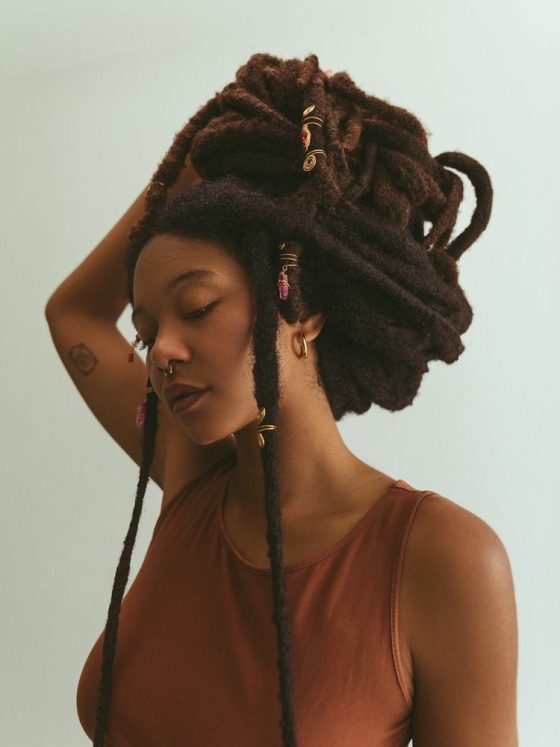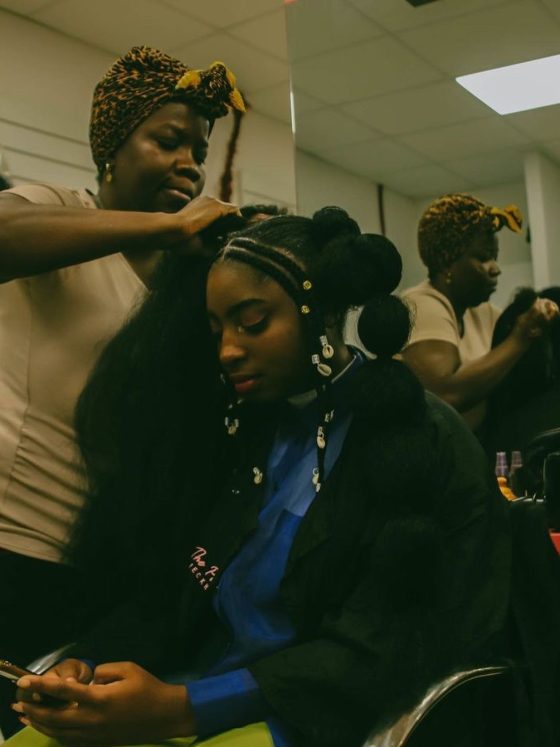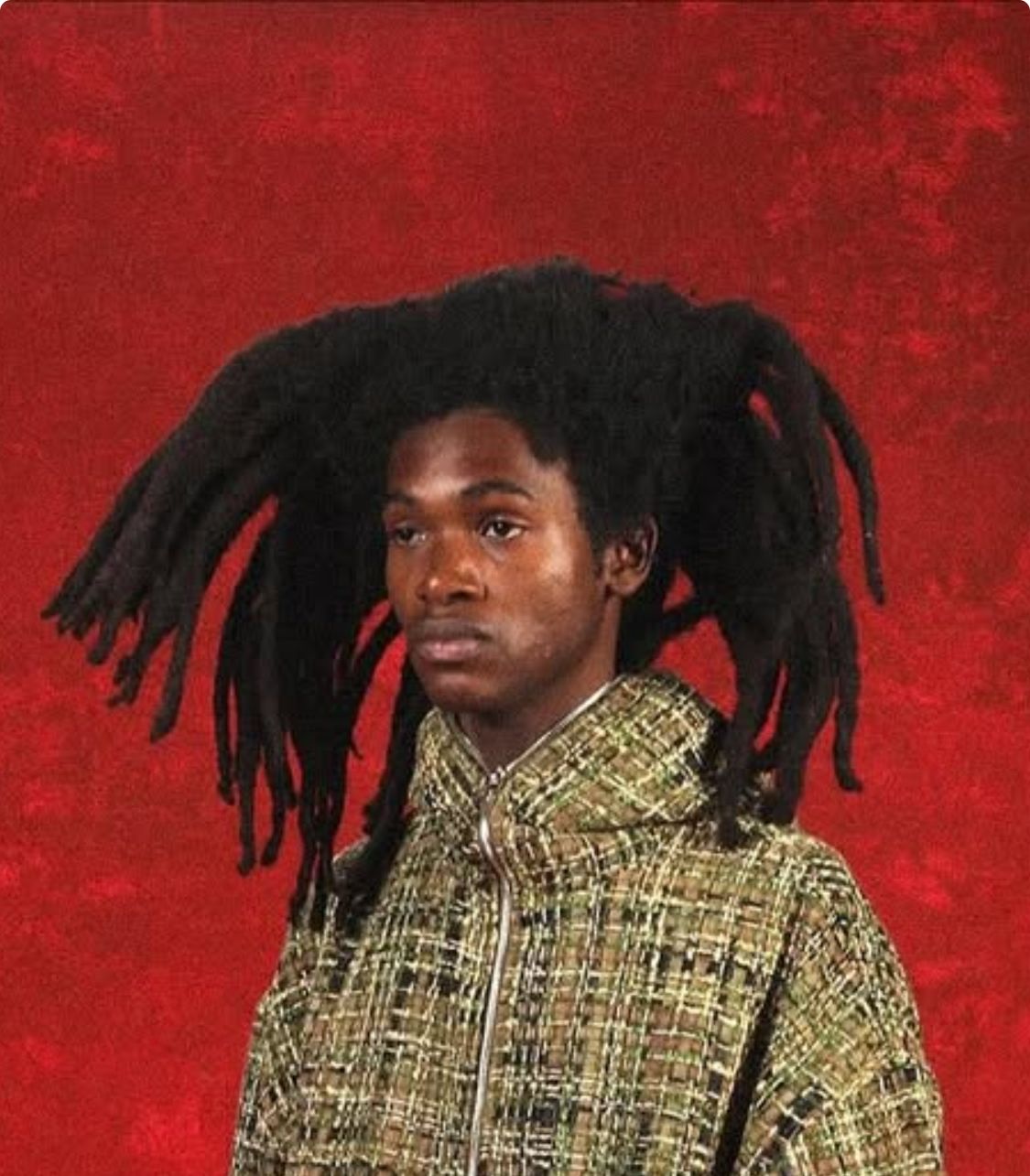
For many people outside Africa, the story of locs begins in Jamaica. The image is familiar: reggae music, Rastafari symbolism, and the global influence of Bob Marley. This association is so widespread that it has become the dominant explanation for a hairstyle whose history stretches much further back.
Across Africa, locked hair has existed in different forms for centuries. It has appeared among warriors, spiritual leaders, ascetics, and ordinary community members. The meanings attached to it have never been identical from one region to another. In some societies, it marked a stage of life. In others, it reflected religious commitment or social identity across regions. The understanding that hair can communicate something about a person’s place within a community.
A note on language: many people now prefer the term “locs” rather than “dreadlocks,” since the word “dread” carries colonial connotations that originally framed African and Afro-diasporic hair as frightening or disorderly. In this article, “locs” is used as the default term, with “dreadlocks” appearing mainly in historical or institutional contexts where that specific word is relevant.
Discover the history of locs in Africa, from ancient depictions to modern spiritual and social traditions, and how different communities use locked hair to express identity and belonging.
The Global Story of Locs Often Starts in the Wrong Place
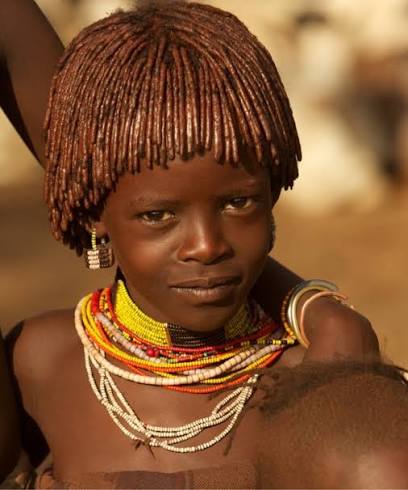
The international conversation about locs is heavily shaped by the influence of the Rastafari movement. There is a good reason for this. Rastafari transformed locs into one of the most recognisable symbolic expressions in the twentieth century. Through music, activism, and religious practice, the movement gave global visibility to a hairstyle that had previously been understood within local contexts.
The problem is not that Rastafari receives attention. The problem is that earlier African histories are often left out. When locs are presented solely as a Caribbean phenomenon, African traditions become an afterthought rather than part of the foundation. This creates the impression that the hairstyle travelled to Africa through global culture when the historical record points in the opposite direction.
African societies developed their own relationships with locked hair long before the emergence of modern reggae culture. Local ideas about age, spirituality, and community life shaped these traditions. The result was not one shared continental meaning but multiple cultural interpretations of a similar hairstyle.
Locs in Ancient and Pre-Colonial African Traditions
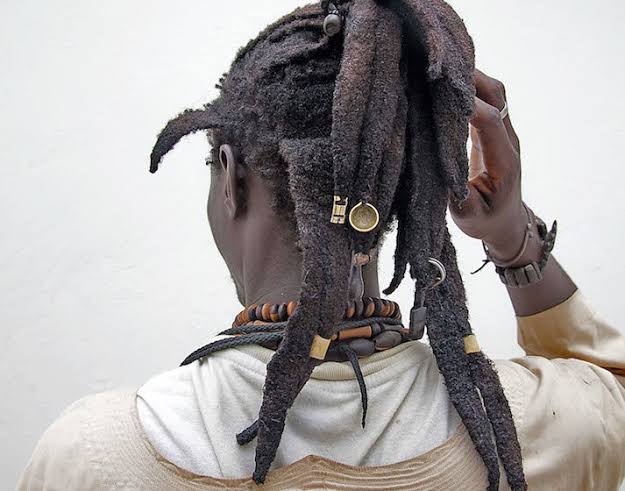
Historical records indicate that locked or matted hair existed in parts of Africa long before the rise of modern Rastafari culture. Ancient Nile Valley depictions, including some Egyptian tomb art and preserved remains, show figures with braided or locked hair, suggesting that complex protective styles were part of elite and everyday life rather than a marginal practice. Ethnographic notes from European and African observers describe warriors, spiritual specialists, and ordinary community members in regions of West, East, and Southern Africa wearing various forms of locks or matted hair. Among peoples such as the Akan, Fulani, Wolof, Kikuyu, and Maasai, hair was grown long and formed into distinct strands that communicated status or religious vocation. As Omiren Styles has documented in Ritual Before Routine: The African Hair Traditions Shaping Modern Beauty, the relationship between hair and identity in African communities is grounded in generations of accumulated knowledge about what particular styles communicate, not just aesthetically but socially and spiritually. These early examples anchor locs within a much older African visual and cultural archive, one that predates their emergence as a global symbol by centuries.
Hair as Identity in Pre-Colonial African Societies
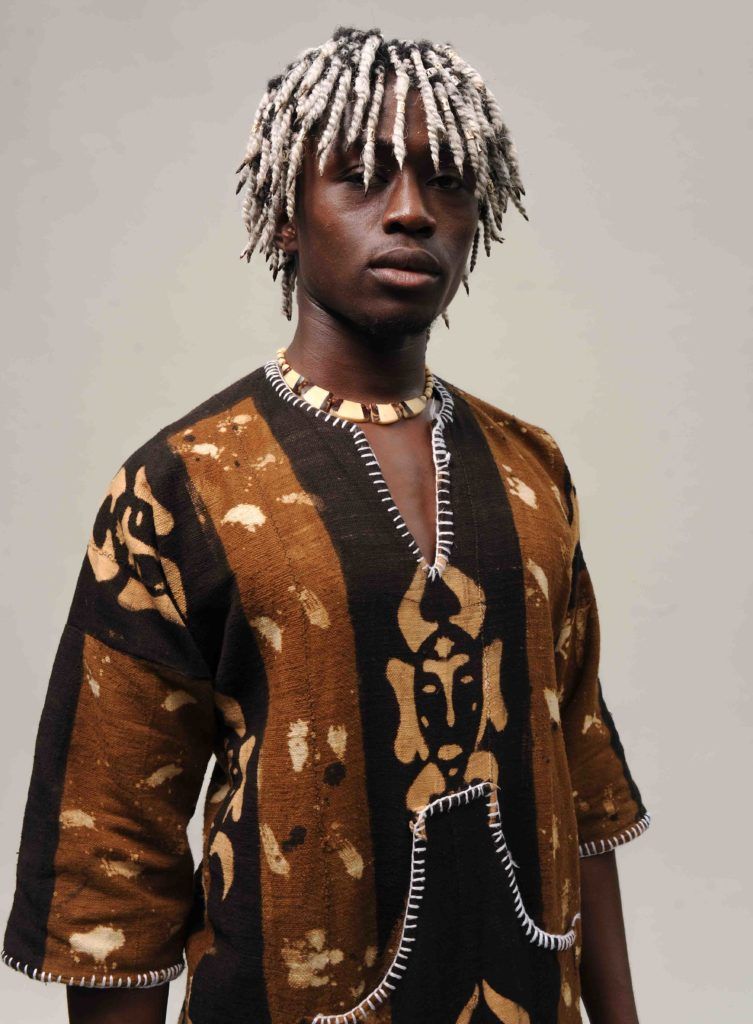
Throughout Africa, hair has long carried social meaning. Hairstyles could indicate age, marital status, religious affiliation, or membership within a particular community. They helped people understand where an individual stood within the wider social structure.
This helps explain why locs were never simply about appearance. In many cases, they reflected a process of becoming. Hair was allowed to grow, change, and mature alongside the individual wearing it. The hairstyle became part of a broader story about identity and social responsibility.
Unlike clothing, which can be changed quickly, hair often requires time and commitment. Because of this, it can function as a visible record of personal choices, social obligations, and cultural values. Locs fit naturally into this tradition because they develop gradually and demand ongoing care. Hair is never just hair. It carries stories about who people are, where they come from, and how they choose to be seen.
The Maasai and the Relationship Between Hair and Warriorhood
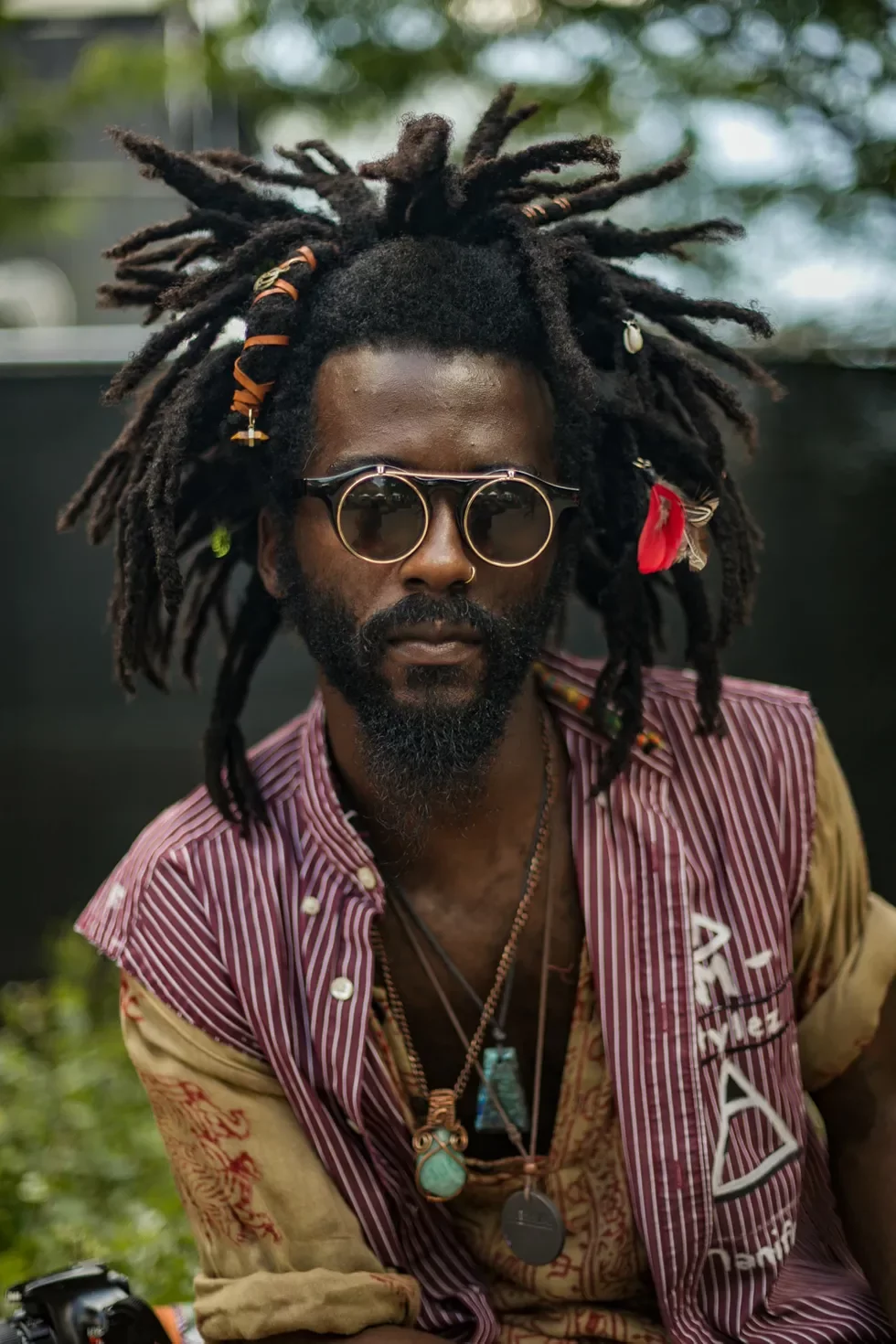
Among the Maasai of Kenya and Tanzania, hair has historically been connected to age-grade systems that organise community life. Young men entering warriorhood occupied a distinct social position, and appearance traditionally played a role in marking that transition. Maasai warriors often wore long hair treated with red ochre and other materials, styles that varied over time and place but shared an important function: signalling membership within a recognised stage of life associated with courage, discipline, and service to the community. As Omiren Styles has documented in the wider context of Maasai identity systems, the visual grammar of Maasai dress encodes meanings tied to ecology, social structure, and lived experience rather than aesthetics alone. The same logic applies to hair. When a man moved into a different age category, changes in appearance reflected that transition. In this sense, hair functioned as a visible language understood by the wider community.his and Locs have changed to reflect thety
Among the Himba people of Namibia, women’s hair is treated as a living register of age, status, and belonging. Styles often combine long locs coated with a mixture of red ochre, butter, and herbs called otjize, which protects the hair while visually marking stages of life such as childhood, marriage, and motherhood. The deep red-orange tone produced by the otjize coating is one of the most visually distinctive elements of Himba identity, applied to both hair and skin as part of a unified aesthetic system.
Grooming among the Himba is a communal practice. Women maintain and renew the coating on their locs together, reinforcing social bonds and affirming shared identity through hair. The style itself is not worn for external audiences. It is worn for the community, marking a woman’s position within it. This is one of the clearest examples of locs functioning not as fashion but as a living identity document.
Spiritual Commitment and Locked Hair
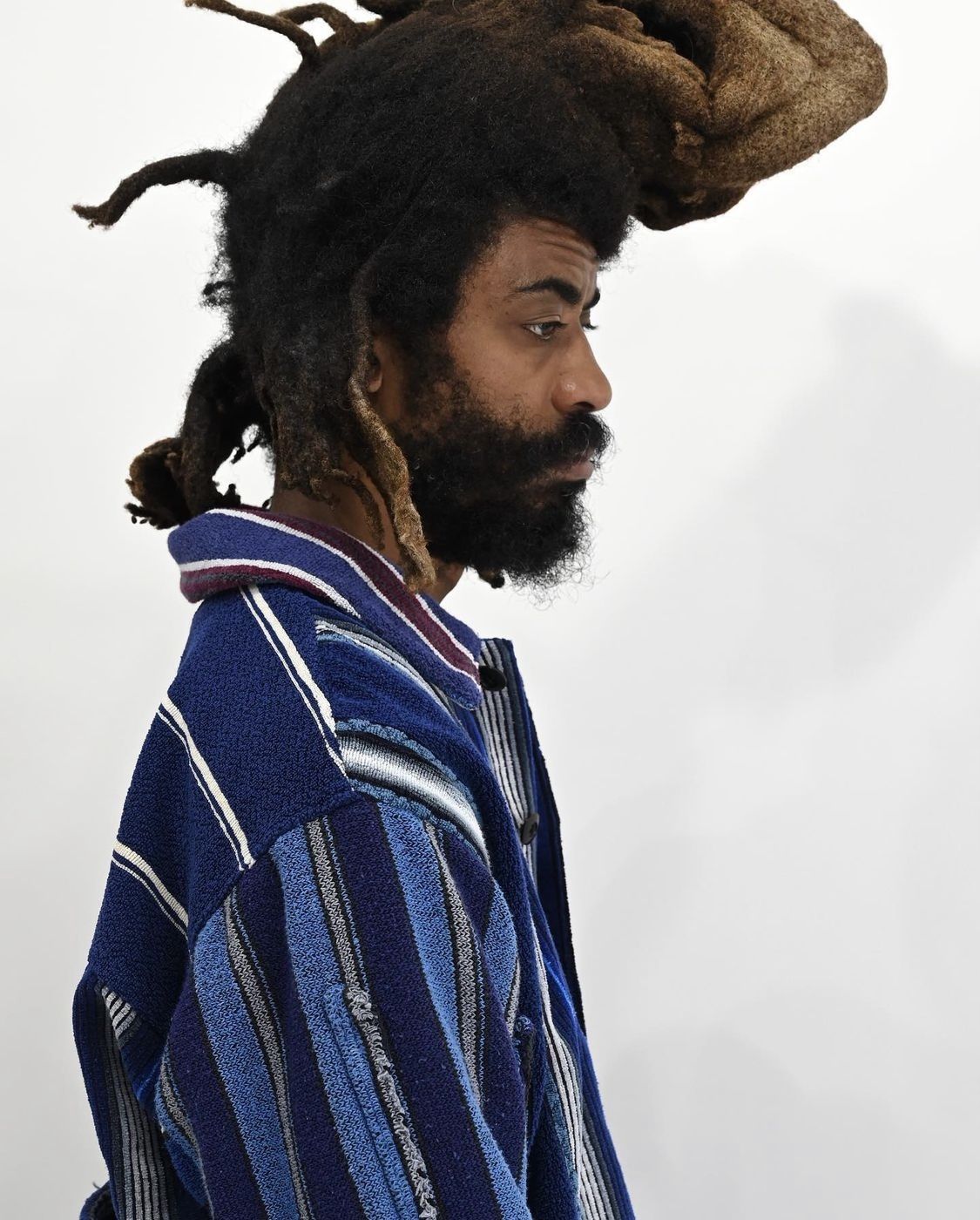
Religious traditions have also shaped the meaning of locs in different African contexts. In some communities, long or locked hair has been associated with spiritual devotion, separation from ordinary life, or dedication to religious practice.
Ethiopia provides an important example because of its long history of Christian religious traditions. Certain ascetics and religious figures have historically worn long hair as an expression of commitment and discipline. These practices emerged from local spiritual traditions and existed independently of the Rastafari movement that would later draw inspiration from Ethiopia.
In parts of Nigeria, Yoruba communities recognise children born with naturally matted or locked hair, known as dada, as having spiritual significance. These children are often treated with special reverence, and customary rules govern who may cut their hair, a spiritually significant belief that their locs carry protective or sacred power. Similar ideas appear in some Igbo communities, where unusual hair at birth is read as a sign of spiritual connection rather than a cosmetic characteristic. The dada tradition is a reminder that locked hair in West Africa carries spiritual authority that belongs to the community’s own system, not to any imported framework.
The connection between hair and spirituality appears in different forms across the continent. In these contexts, locs are not worn because they are fashionable. They are worn because they communicate a relationship to belief, discipline, or sacred obligation.
ALSO READ
- Ritual Before Routine: The African Hair Traditions Shaping Modern Beauty
- How the Comb Became a Symbol of Liberation in Black Hair History
- When Dressing Becomes Declaration: Clothing as Cultural Identity
- Reclaiming the Narrative: How Cultural Resistance Shaped the World’s Most Powerful Style Movements
Colonialism and the Politics of Appearance
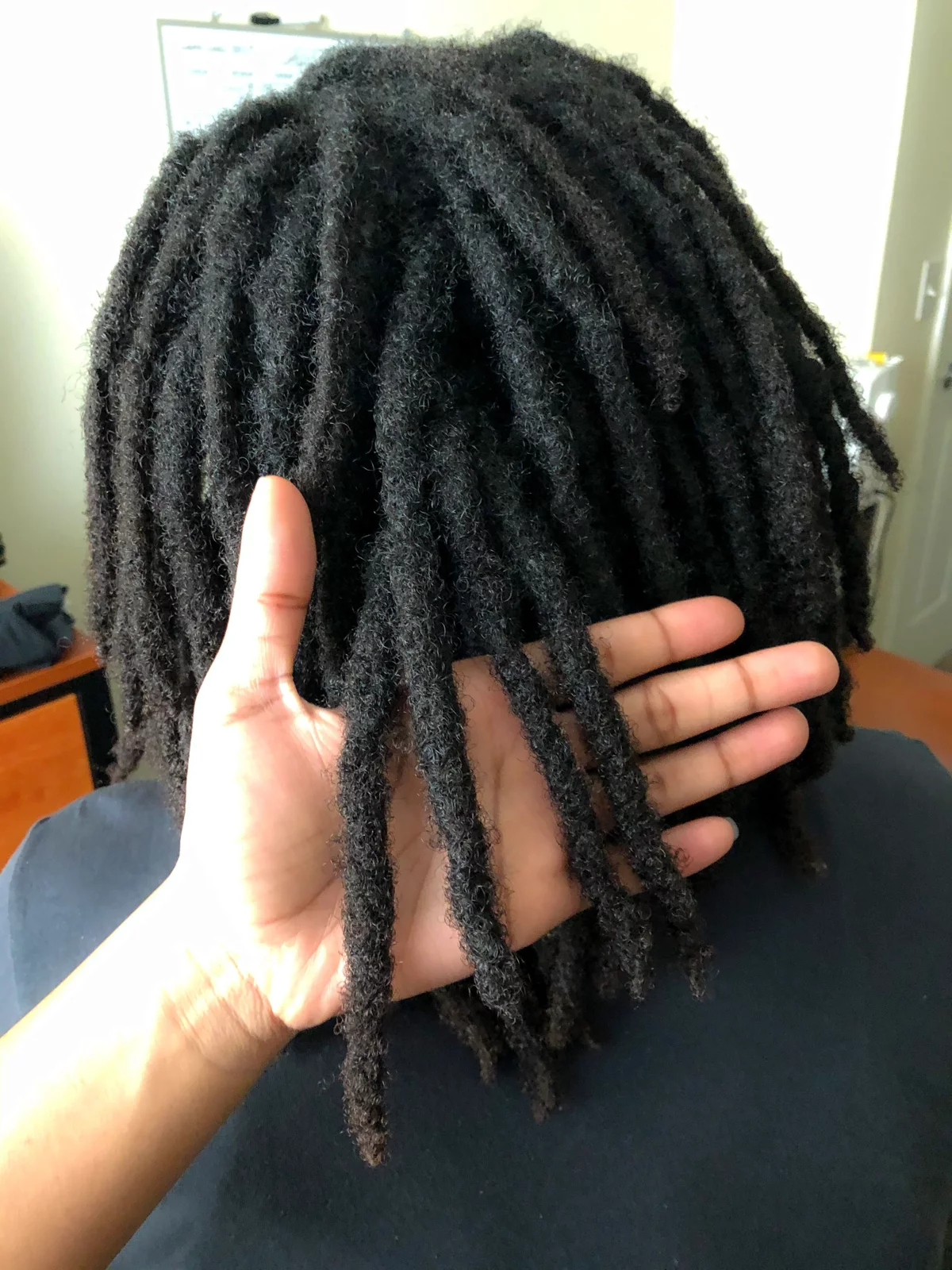
Colonial administrations, mission schools, and state institutions introduced grooming codes that explicitly favoured short, combed hair as a sign of discipline and modernity. Traditional African styles, locs, braids, cornrows, and other protective patterns were often reclassified as untidy, uncivilised, or rebellious, even when they carried clear cultural and spiritual meaning. As Omiren Tyles has documented in How the Comb Became a Symbol of Liberation in Black Hair History, this colonial intervention into natural African hair was never simply about grooming. It was about whose standards governed public respectability and whose histories were recognised as legitimate. These expectations influenced schools, government institutions, and workplaces in many African countries, gradually shifting perceptions of what appropriate appearance looked like in formal environments. The impact varied by region, but the overall pattern linked indigenous hairstyles with disorder and le short hair with professionalism.
The contemporary reach of these attitudes is visible in modern Nigeria, where recent reports have described local officials empowering law enforcement to target people with locs, treating the hairstyle as a marker of deviance despite its deep cultural and spiritual roots. These policies echo colonial-era assumptions that natural and traditional African hairstyles are incompatible with respectable modern citizenship. Arguments over locs in 2026 are rarely about aesthetics alone. They are about whose standards govern public life and whose histories count as legitimate.
Across the continent and in the diaspora, this legacy lingers in school regulations, workplace dress codes, and informal hiring biases that treat locs as unprofessional rather than as an expression of identity. As Omiren Sty has traced in Reclaiming the Narrative: How Cultural Resistance Shaped the World’s Most Powerful Style Movements, the act of wearing natural hair in public spaces has historically been a corrective gesture, rejecting the enforcement of assimilation through appearance and insisting on the legitimacy of Black identity without European validation.
What Locs Mean in Contemporary African Society

Contemporary Africa contains many different interpretations of loc culture. For some people, locs represent a deliberate connection to ancestral traditions or spiritual practice. For others, they are located in creative expression, political identity, or a refusal to conform to Eurocentric grooming norms. Musicians in Lagos, visual artists in Accra, entrepreneurs in Nairobi, and spiritual practitioners in Addis Ababa may all wear locs, each doing so with a distinct personal narrative that sits inside wider local histories of hair and social belonging. As Omiren Styles has noted, Dressing Becomes Declaration: Clothing as withinal Identity, the decision to wear natural hair in corporate environments remains a declaration, one that carries the weight of every earlier moment when that same choice was policed or penalised.
What these individuals share is participation in a tradition that extends far beyond modern fashion cycles. Locs continue to function as a way of communicating identity, even when the specific message varies from one individual to another. This diversity is important because it challenges the search for one definitive meaning. Locs have survived precisely because they can carry different meanings across different contexts.
THE OMIREN ARGUMENT
The story of locs in Africa cannot be reduced to either a fashion trend or a single Caribbean-origin narrative. Locked hair has appeared in different African societies for centuries, embedded in local systems of spirituality, age-grade organisation, warrior ethics, and social identity. From the Himba women of Namibia who maintain red ochre-coated locs as a living record of life stage, to the Yoruba dada tradition that reads naturally locked hair as a sign of sacred connection, to the Ethiopian ascetics whose long hair expressed spiritual discipline centuries before Rastafari reframed the symbol, the evidence is consistent: locked hair was already a meaningful African practice before it became a global one.
Recognising this history restores Africa to the centre of loc culture and reveals how Black communities have long used hair as a language of belonging and belief. It also exposes the colonial logic still operating in contemporary institutions that police locs as deviant or unprofessional. Those restrictions are not neutral aesthetic preferences. They are the continuation of a project that tried to make European grooming standards the measure of African respectability. The stronger argument, the one loc wearers across the continent have been making with their hair for generations, is that cultural authority does not require outside permission to be legitimate.
FREQUENTLY ASKED QUESTIONS
What do locs mean in different African cultures?
The meaning of locs varies across Africa. Among the Maasai, hair historically marked stages of life and warrior identity. Among the Himba of Namibia, locs coated in red ochre and herbs mark age, marriage, and community belonging. In Yoruba communities, children born with naturally matted hair, known as dada, are considered spiritually significant and treated with special reverence. In Ethiopia, certain ascetics and religious figures have worn long hair as an expression of spiritual discipline. What connects these traditions is the understanding that hair communicates social position, spiritual commitment, or community belonging rather than personal fashion preference.
Did locs originate in Africa before the Rastafari movement?
Historical evidence indicates that forms of locked and matted hair appeared in multiple African societies long before the emergence of Rastafari in 1930s Jamaica. Ancient depictions from Egypt and ethnographic records from communities such as the Maasai, Himba, and Fulani point to a long history of loc styles associated with spirituality, warriorhood, and social identity. Rastafari later reframed locs as a powerful pan-African and anti-colonial symbol, but it built on a much older African practice rather than originating the hairstyle.
What is the significance of locs among the Maasai?
Among the Maasai of Kenya and Tanzania, hair has traditionally been connected to age-grade systems and warrior identity. Young warriors wore distinctive long hairstyles treated with red ochre that communicated their social role and stage of life within the community. Hair changes often accompanied transitions between life stages, functioning as a visible language of social belonging.
What is the Yoruba dada tradition?
In communities in Nigeria, children born with naturally matted or locked hair are known as dada and are considered to carry spiritual significance. Customary rules govern who may cut their hair and when, reflecting the belief that their locs hold protective or sacred power. The dada tradition is one of several West African examples of locked hair carrying spiritual authority within an indigenous cultural system rather than through any external framework.
How did colonialism affect the hairstyles of African people, such as locs?
Colonial governments and mission institutions promoted European grooming standards that treated short, straight or closely cropped hair as the norm for respectable citizens. Longstanding African hairstyles, including locs, braids, cornrows, and other protective styles, were sometimes punished or discouraged in schools, workplaces, and churches despite their deep cultural significance. This history helps explain why debates over locs in modern institutions still carry strong emotional and political weight. Contemporary policies in some African countries that target locs as markers of deviance are a continuation of the same colonial logic.
Why do many Africans wear locs today?
People across Africa wear locs for different reasons: cultural pride, spiritual practice, artistic expression, personal identity, and conscious refusal of Eurocentric grooming norms. The meaning depends on the individual, community, and social context rather than a single shared explanation. What loc wearers share is participation in a tradition that has carried cultural authority for centuries, long before it became a global symbol.
Are locs considered professional in modern African workplaces?
Attitudes vary across industries and countries. While some workplaces and institutions have historically viewed locs as unconventional or inappropriate, this is a colonial inheritance rather than a culturally grounded position. Changing conversations around cultural identity and natural hair have led to greater acceptance in many professional environments, though discriminatory policies persist in some institutional settings across Africa and the diaspora.