A fashion event is not a moment. It is a sequence of decisions, each made weeks or months before the event itself, each locking in or foreclosing specific outcomes.
For African fashion brands, an event is one of the highest-leverage investments available. It concentrates press, buyers, collaborators, and community in one space. The brands that extract maximum value from that concentration are the ones that approached the event as a production discipline from the first planning meeting, not from the week before.
The full production process of a fashion event in Africa and the diaspora: from guest list strategy and venue decisions to the final run of show and post-event management.
The Four Questions Every Event Brief Must Answer
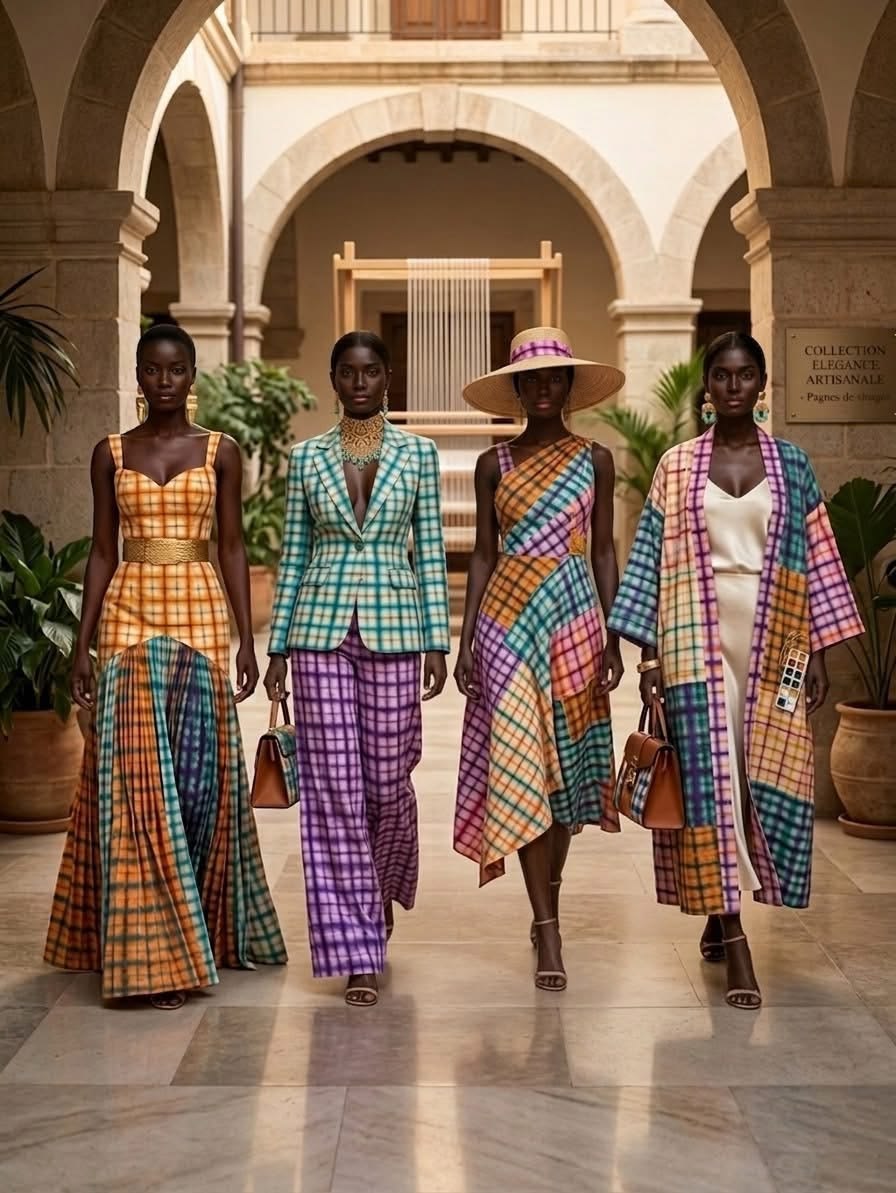
Before any production decision is made, the organiser and the brand need clear answers to four questions. The answers determine every subsequent decision, from the guest list to the post-event follow-up.
- What commercial or relational outcomes does this event need to produce?
- Who needs to be in the room for those outcomes to be possible?
- What needs to happen during the event to make those outcomes more likely?
- What follows the event to convert the room’s energy into lasting relationships or commercial results?
These are not answered by the production team alone. They are answered in collaboration with the brand, and the answers shape every production decision that follows. An event brief without clear answers to these four questions will produce unclear outcomes regardless of production quality.
Every element of the event either serves the outcome or fills space. The producer’s job is to know which is which.
What Production Discipline Looks Like: A Lagos Scenario
A Lagos womenswear brand is launching its third collection. The primary outcomes are two: a feature in a respected Nigerian fashion publication and an initial commercial conversation with three buyers from the Lagos and Accra markets.
Guest list decisions
The guest list is built backwards from those two outcomes. The press tier includes the fashion editor and one staff writer from the target publication, two freelance journalists who cover the Lagos fashion scene, and three content creators whose audiences align with the brand’s customer profile. Forty general guests round out the room.
The buyer tier includes the three specific buyers the brand has identified, plus two buyers from related Lagos boutiques who may become future targets. Each buyer is assigned to a team member who will manage their experience during the event.
Venue and timing decisions
The venue is a private architectural space in Ikoyi: clean, specific to Lagos, sized for sixty guests. The brand chose it because it makes the same argument as the collection: that this is contemporary African work, produced with care, and that it belongs in this city.
Doors open at 7 pm. The collection moment is scheduled for 7.45, after guests have had time to settle and the room has reached its energy. The event closes at 9.30.
Post-event follow-up
By 9 am the following morning, the fashion editor has received a press pack with fifteen high-resolution images and a collection story. The three primary buyers have received a follow-up email from the brand founder, inviting them to a commercial conversation. Within forty-eight hours, two of the three buyers have responded.
The feature publishes three weeks later.
The outcomes were produced by the pre-production decisions, not the event-day execution. The event-day execution was already determined.
The Guest List as an Editorial Decision
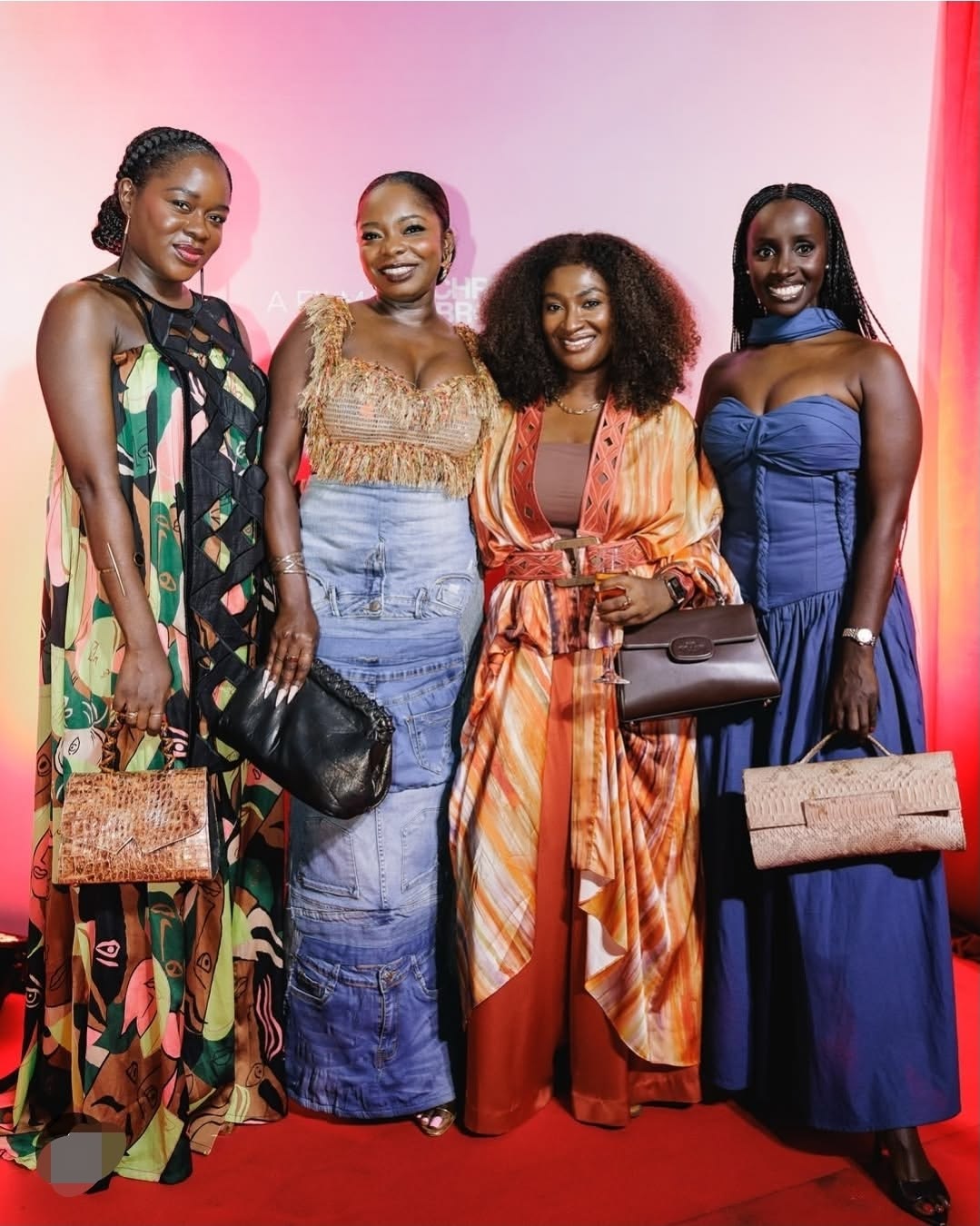
The guest list is the single most consequential pre-production decision in fashion event planning. It determines who is in the room, which means it determines what outcomes are possible.
A guest list assembled by default, inviting everyone who has shown interest in the brand, plus a general press list, produces a room that is full and purposeless. A guest list assembled editorially, where every name represents a specific relationship the brand wants to build or deepen, produces a room with clear potential energy.
Categories of guests
Press and editorial: journalists, editors, and content creators whose coverage extends the brand’s reach beyond the room. They need access to the right story angles, the right people to speak to, and the right visual material to work with.
Buyers and commercial contacts: buyers and stockists whose attendance creates opportunities for commercial conversations. They need to see the product clearly, meet the commercial team, and have time for a substantive conversation.
Community and creative collaborators: designers, artists, photographers, and cultural figures whose presence signals the brand’s position within a creative ecosystem.
General audience: brand followers, loyal customers, and interested observers whose presence creates an atmosphere.
The strategic guest list
Building a strategic guest list means working backwards from the event’s desired outcomes. If the primary commercial outcome is securing three new stockist relationships, the guest list needs to include those specific stockists and people who can make introductions.
The guest list is also an editorial statement. Who is invited, and to what tier of the event, communicates the brand’s sense of its own community and commercial priorities.
For African fashion brands building presence across multiple cities, the guest list is often the clearest expression of the brand’s geographic strategy. As African fashion cities develop distinct retail and press ecosystems, the choice of which cities to include on a brand’s event guest list is a market-positioning decision, not just a logistical one.
How Venue Shapes Brand Meaning
The venue is the first argument the event makes about the brand. Before a guest has seen a single garment or spoken to a single person, the space has already communicated something about the brand’s register, its ambitions, and its cultural positioning.
Venue selection as an editorial decision
The question in venue selection is not whether the space is beautiful or functional. The question is whether it makes the right argument about the brand.
A Lagos brand that holds its event in a generic hotel ballroom is making an argument about conventionality and accessibility. The same brand in a specific architectural space in Victoria Island or Ikoyi makes a different argument about cultural specificity and aesthetic authority. Both decisions are legitimate. Neither is neutral.
The venue should be selected based on the event’s desired outcomes and the brand’s visual identity, not on a general standard of event quality.
Atmosphere as a production decision
The atmosphere of a fashion event is produced, not discovered. Scale and density: a room too large for its guest list produces an atmosphere of under-attendance regardless of how many people are present.
Sensory environment: light, sound, temperature, and visual environment all contribute before any programming begins. These decisions need to be made in relation to the brand’s visual identity and the event’s register.
The arrival experience
The arrival experience, the thirty seconds between a guest entering the venue and their first conversation, is when the event’s argument is either made or lost.
It should be designed as deliberately as any other element: what does a guest see first, what does the space communicate immediately, and what action does it invite them to take?
ALSO READ
- The African Fashion Week Circuit Is Broken — Here Is How to Fix It
- What the Numbers Say About Lagos, Accra, and Nairobi as Fashion Business Cities
- Why African Fashion Brands Fail After Year Three
- The State of African Fashion 2026: Investment, Manufacturing, Retail, and Export
How the Run of Show Shapes the Event
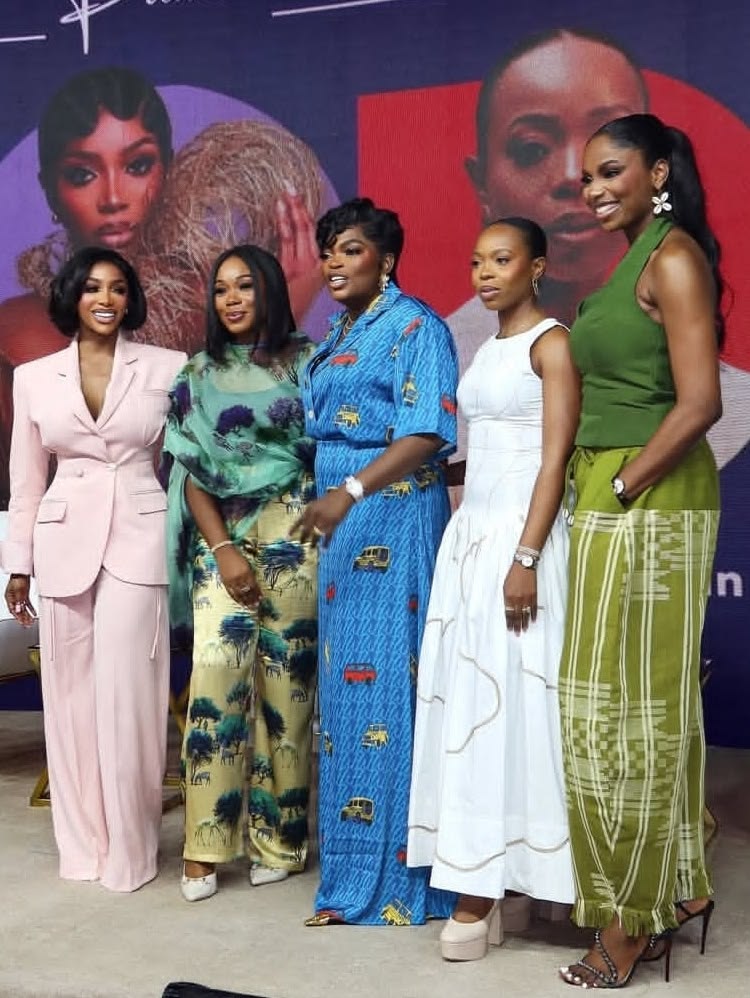
The run of show sequences every element of the event from doors opening to the final guest departing. It is the most concrete expression of the event’s production intelligence, and the document that determines whether the event’s energy builds toward its intended outcomes or dissipates into the general atmosphere.
What are the run-of-show controls?
A complete run-of-show covers the timing and sequencing of every significant element: arrival and registration, presentations or show elements, key introductions or speeches, the opening and movement of different spaces, catering service timing, and the departure sequence.
It also allocates time for unstructured conversations. A run-of-show that programmes every minute of a two-hour event leaves no space for the buyer to find the brand founder, for the editor to spend fifteen minutes with the collection, or for the creative relationship that will be the most valuable outcome of the evening to develop.
The opening sequence
The first thirty minutes establish the register and energy of everything that follows. A too-formal opening makes a relationship-focused event feel stiff. An unstructured opening makes a premium brand event feel unmanaged.
The opening sequence needs to be calibrated against the event’s register and guest composition. A press-heavy event needs an opening that gives the press access and orientation to do their job. A buyer-heavy event needs the commercial content surfaced early.
Managing the collection moment
The placement of the collection presentation within the run of show is one of the most consequential production decisions. Too early, guests have not settled. Too late, early impressions have already formed.
The conventional placement, thirty to forty-five minutes after doors open for an evening event, exists because it gives the room time to fill and settle before the primary brand statement is made.
The run of show does not just sequence the event. It sequences the guest’s experience. Every transition is an argument about what matters next.
Post-event management
The event does not end when the last guest leaves. Most of the commercial and relational outcomes a brand needs from an event are produced in the follow-up, not in the room.
Every significant conversation needs a follow-up action: those who expressed interest need materials the next morning; buyers who asked about terms need a follow-up meeting request within 24 hours; collaborators need a specific next step within the week.
Plan the post-event actions before the event begins. Assign responsibility for each one. Set the timeframes. The brands that convert the highest proportion of event conversations into lasting outcomes execute structured follow-up within 48 hours, before the room’s energy dissipates.
What Production Discipline Produces
A fashion event produced with genuine discipline produces outcomes that no other marketing channel can replicate in the same timeframe: direct relationships with press, buyers, and collaborators, built in a context the brand controls, in a room the brand has specifically composed for the purpose.
The production discipline is what determines whether those relationships form at all. An event that brings the right people into a room but gives them no reason or opportunity to connect with the brand will be remembered as a pleasant evening and nothing more.
The brands that extract maximum value from events invest in production discipline because they understand that the event is not a cost. It is a mechanism for building the relationships and reputation on which the brand’s commercial future depends. The African fashion week circuit demonstrates this compression at scale: brands that show consistently at respected events build institutional relationships with buyers and press that individual direct outreach cannot replicate.
An event is the brand in the room. The production discipline is what ensures the brand in the room is the brand the brand means to be.
FAQs
What does a fashion event run-of-show document contain?
A complete run-of-show sequence for every significant element, with specific timings: arrival, registration, presentations, key speeches, catering service points, and the departure sequence. Beyond the schedule, it assigns a named team member to each transition so no moment depends on someone working it out in real time. The most effective run-of-show documents are also annotated with contingency notes: if the collection presentation runs 10 minutes long, which element gets compressed and who makes that call.
How is a fashion event’s guest list curated strategically?
By working backwards from the event’s desired outcomes. Each name on the list should represent either a relationship the brand wants to build or a relationship it wants to deepen. The guest list should also be reviewed against what the full room will communicate: who is present signals the brand’s sense of its own community and market priorities. A useful final check before sending invitations is to ask whether the room, if photographed, would communicate exactly what the brand intends.
What production elements have the biggest impact on a fashion event’s atmosphere?
Scale and density are the most controllable and most commonly miscalibrated. A room sized for its actual guest count produces intimacy and energy. An oversized room produces a sense of emptiness regardless of the absolute numbers. The arrival experience is the second most consequential: the first thirty seconds determine the frame through which a guest interprets everything that follows. Getting both right costs less than most production line items and matters more than almost all of them.
How far in advance should a fashion event production timeline begin?
Eight to twelve weeks is the minimum for a well-managed production. The most commonly lost lead time is at the venue and guest list stage: venues at the quality level most brands want are often booked four to six weeks out, and a guest list assembled in the final two weeks will miss the confirmations and preparation time that produce a well-managed room. Building the guest list in the first two weeks of the production timeline, not the last two, is the single change that most improves event outcomes.
What post-event management practices convert event attendance into lasting outcomes?
Structured, specific follow-up is assigned before the event ends, not at a debrief the following week. Before doors close, the team lead should have a named action against each priority guest: press with expressed interest, buyers who asked about terms, and collaborators who indicated appetite. The follow-up emails and meeting requests should be drafted during the production phase and sent the following morning. The brands that convert the highest proportion of event conversations into commercial outcomes are the ones that treat post-event follow-up as part of the production brief, not as a separate task.
CONTINUE READING