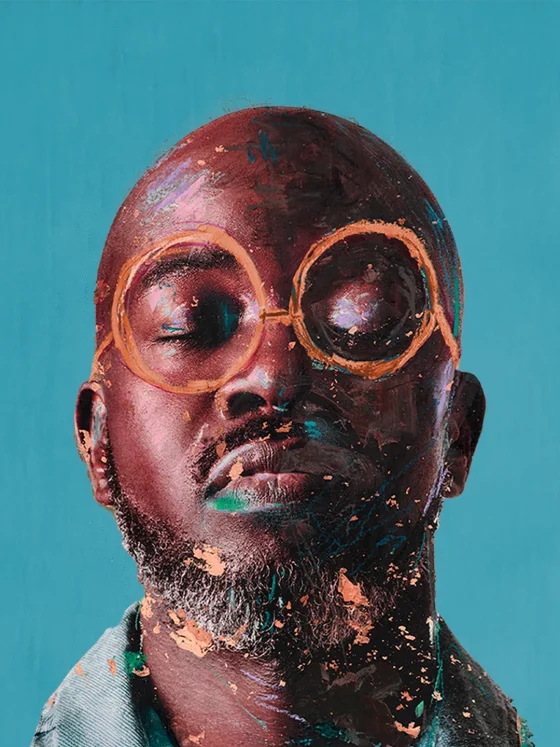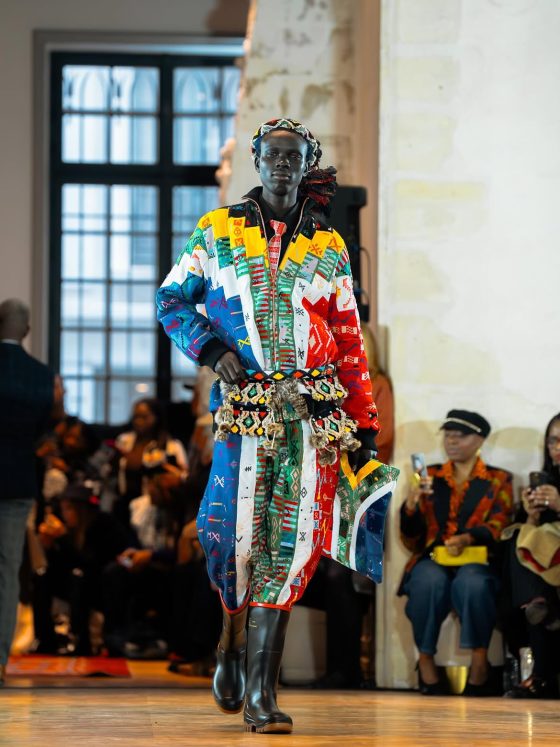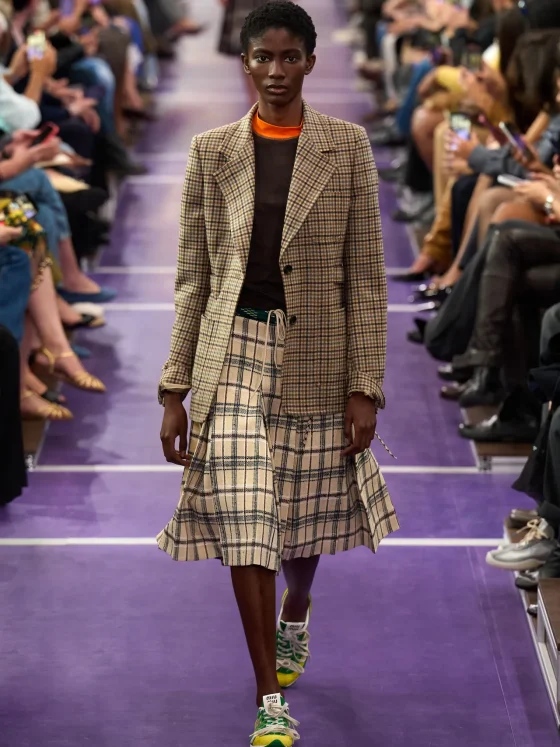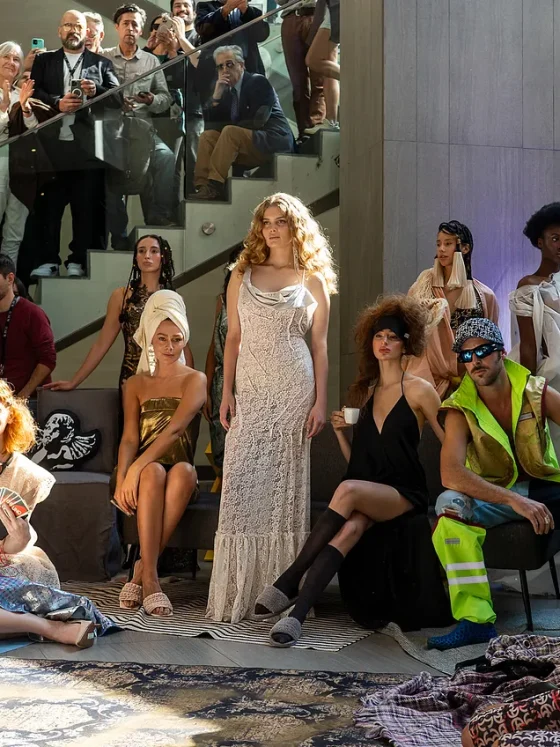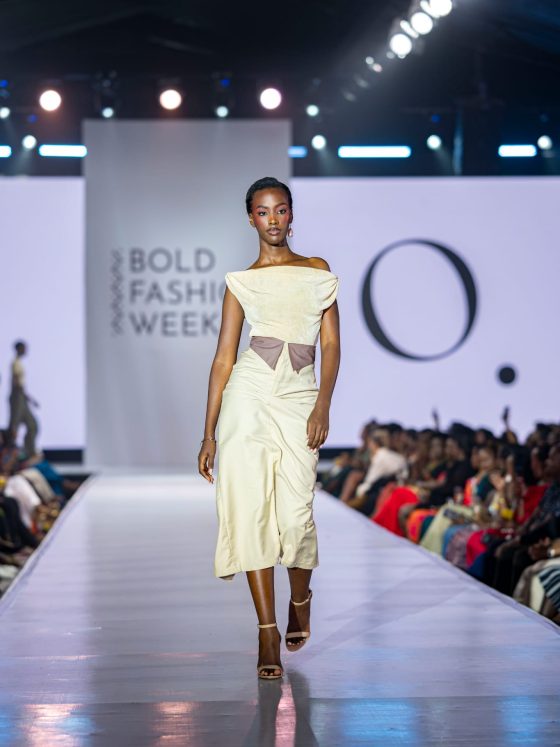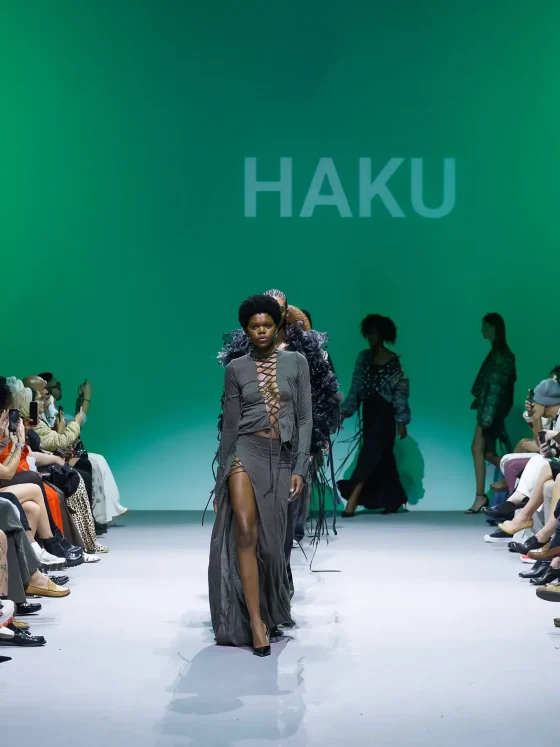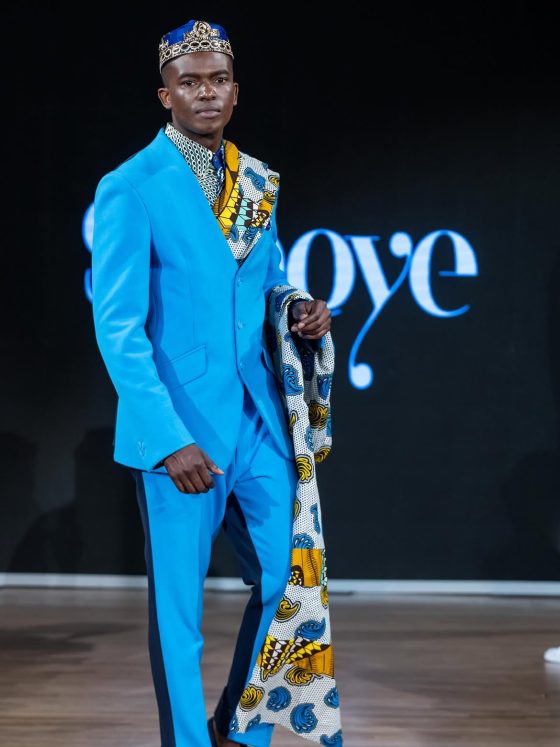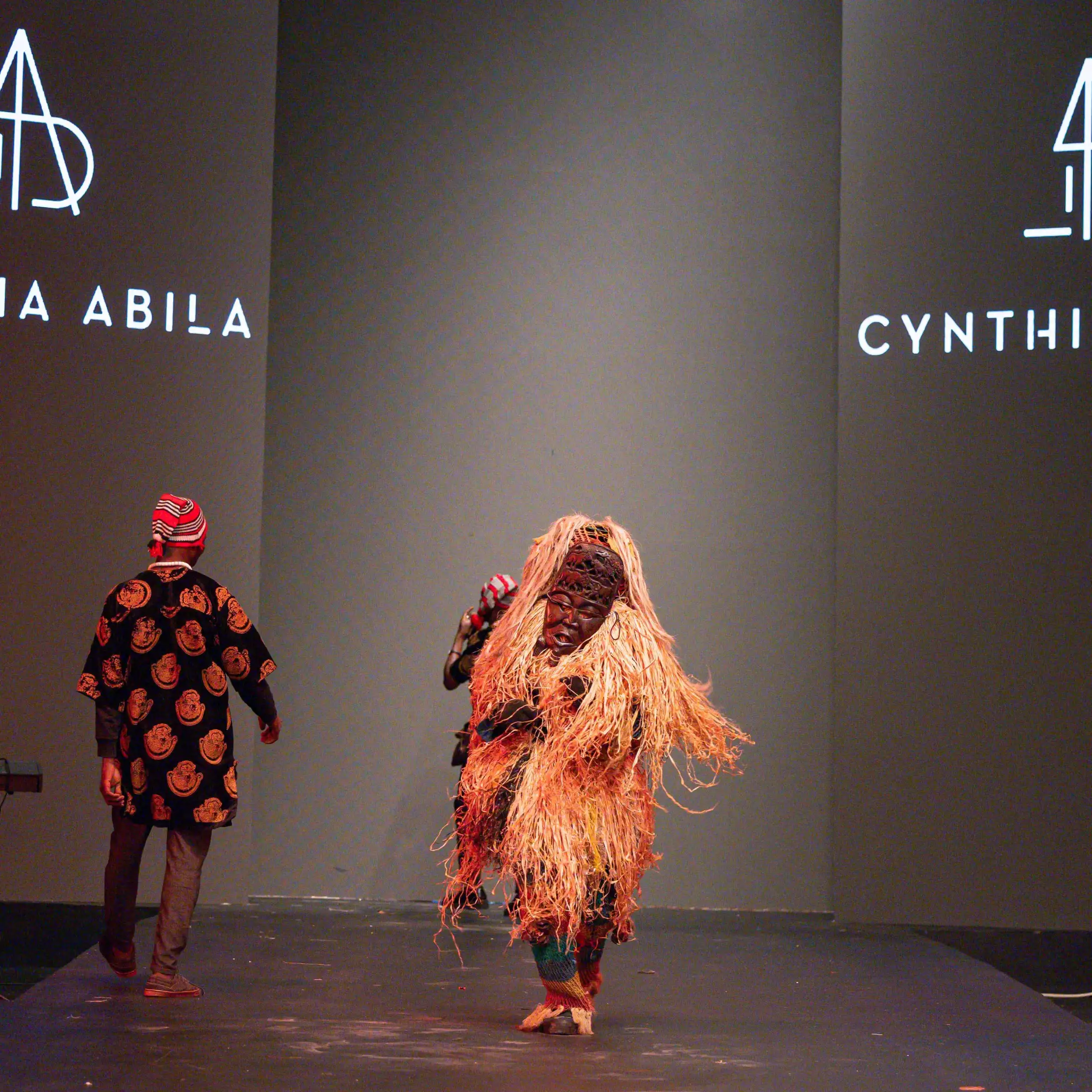
Lagos Fashion Week is a Lagos-based fashion platform whose activities extend beyond runway presentations into designer development, industry conversations and commercial connections. Omiren’s account of the institution behind the event explains that broader role.
Our coverage brings three perspectives together: criticism of the collections, recognition of creative contributions and examination of the business relationships surrounding the work.
These perspectives answer different questions. What did a designer propose? Who contributed to its development? What were buyers looking for? And what can be established about the opportunities created?
This page connects the current edition’s coverage with institutional background, practical reference guides and official resources.
Explore Omiren’s Lagos Fashion Week coverage, connecting collections and designers with craft, collaboration, retail and the business behind the shows.
Explore the 2026 Coverage.
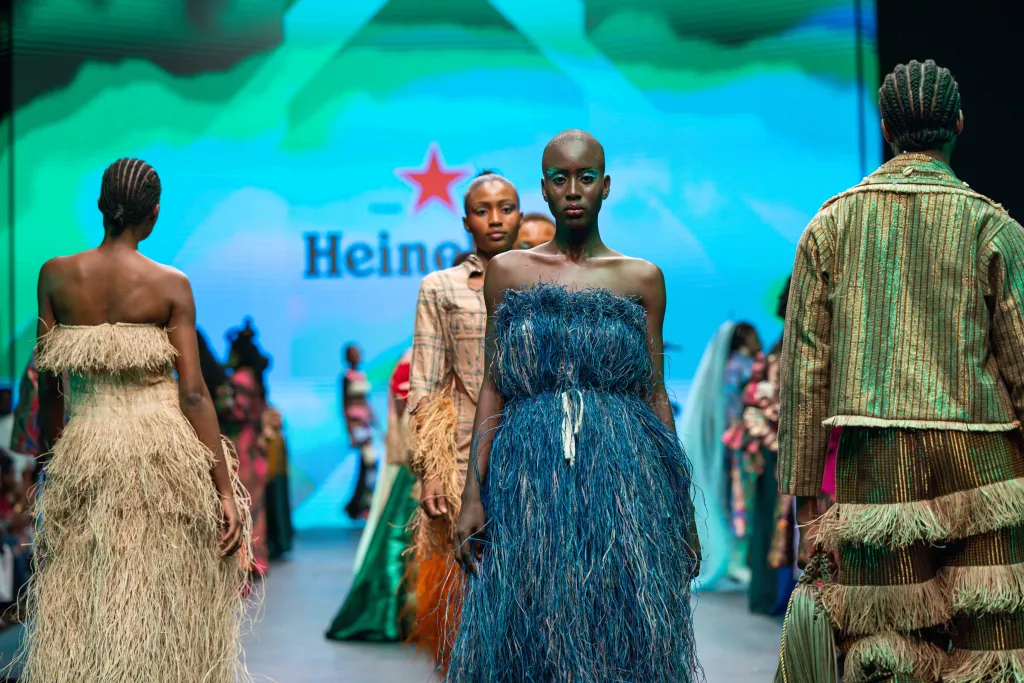
Lagos Fashion Week 2026 ran from October 28 to November 1 under the theme “CRAFTED: Heritage. Innovation. Circular Futures.” Its official programme combined presentations with showroom access, citywide retail activity and business sessions.
Omiren’s 2026 dossier examines three parts of that programme’s wider story.
The Business Behind the Craft
Our opening analysis connects craft-led collections with the edition’s retail and business agenda. It considers material experimentation, the ALÁRA showroom and designers’ stated commercial intentions, while distinguishing those developments from verified sales results.
Read this first for the overarching argument: creative distinction and commercial infrastructure need to be examined together, without treating one as proof of the other.
What Buyers Were Buying For
The second article focuses on published accounts from ALÁRA’s Arinola Fagbemi and Viva Accra’s Sacha Okoh. Their comments foreground customer expectations, availability, purchasing arrangements and the place prospective labels might occupy within their stores.
The analysis asks what buyer interest means in a particular retail context and why attendance alone cannot explain a designer’s commercial opportunity.
Paciencia’s Role in Cute Saint’s Collection
The third article examines the documented collaboration between Paciencia founder Joy Fache James and Cute Saint founder Femi Ajose on handbags for MO SA, MO WO.
It considers what naming a creative collaborator adds to the collection’s record, while keeping that contribution distinct from a complete account of production, ownership or compensation.
Understand the Institution and the Edition
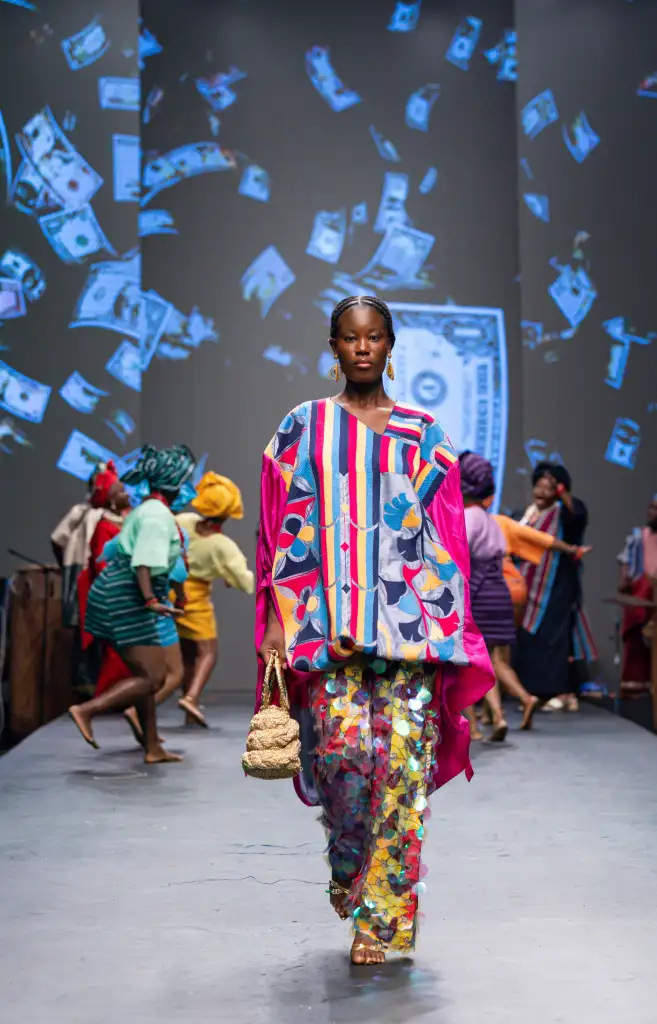
The institution behind the event
Start with Lagos Fashion Week: The Institution Behind the Event for the platform’s background and the relationship between its annual presentations and wider activities.
This provides context for reading individual collections and programme announcements without reducing the institution to a few days of runway images.
The pre-event record
Lagos Fashion Week 2026: What Is Announced, Verified, and Still Outstanding records what was known before the edition began.
It remains a dated preview. Reading it alongside post-event coverage separates announced intentions from what was subsequently presented or documented.
Follow-up reporting will examine retail, production and collaboration outcomes as supporting evidence becomes available.
Reference Guides
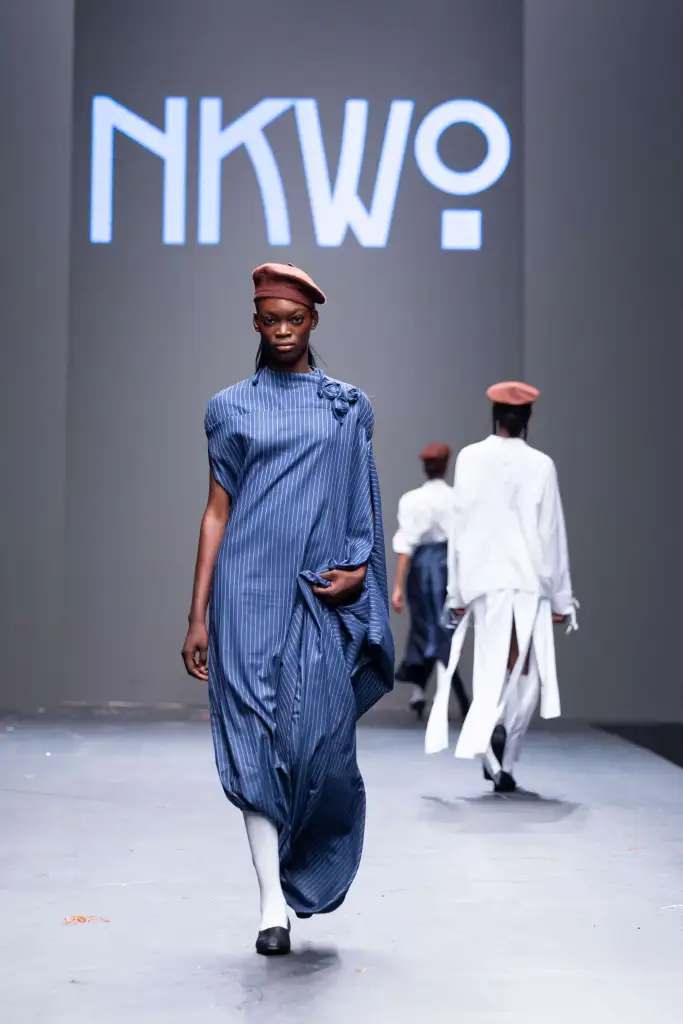
The following guides explain concepts used across the coverage.
Reading collections and presentations
A Collection Is Not a Campaign: How to Read Fashion’s Different Presentations distinguishes the designed collection from the formats used to introduce or promote it.
Use it when assessing how runway staging, imagery and communication relate to the clothes themselves.
Understanding the buying conversation
What Buyers Need Before They Place an Order examines the information that allows a retailer to assess a collection commercially.
It provides background for the buyer-priorities article without implying that any particular Lagos Fashion Week participant secured an order.
Preparing an orderable offer
How to Create a Fashion Line Sheet Buyers Can Use addresses the document used to communicate product options and commercial details.
This is the narrower practical resource for readers moving from the coverage into wholesale preparation.
The Omiren Argument
A fashion week’s significance lies in both the work it presents and the relationships it enables.
Omiren connects those subjects through authorship: the designer’s decisions, the collaborator’s contribution and the business arrangements through which a product reaches its customer.
That does not mean every collection must be judged primarily by its sales potential. Fashion criticism has its own responsibility to examine form, materials and ideas. Business reporting asks different questions about capacity, terms and outcomes. Reporting on craft must identify contributions as precisely as the available evidence allows.
Together, these approaches build a more useful record than either celebration or commercial statistics alone. They explain what was made, how it was presented and what can responsibly be said about what followed.
Official Resources and Source Reporting
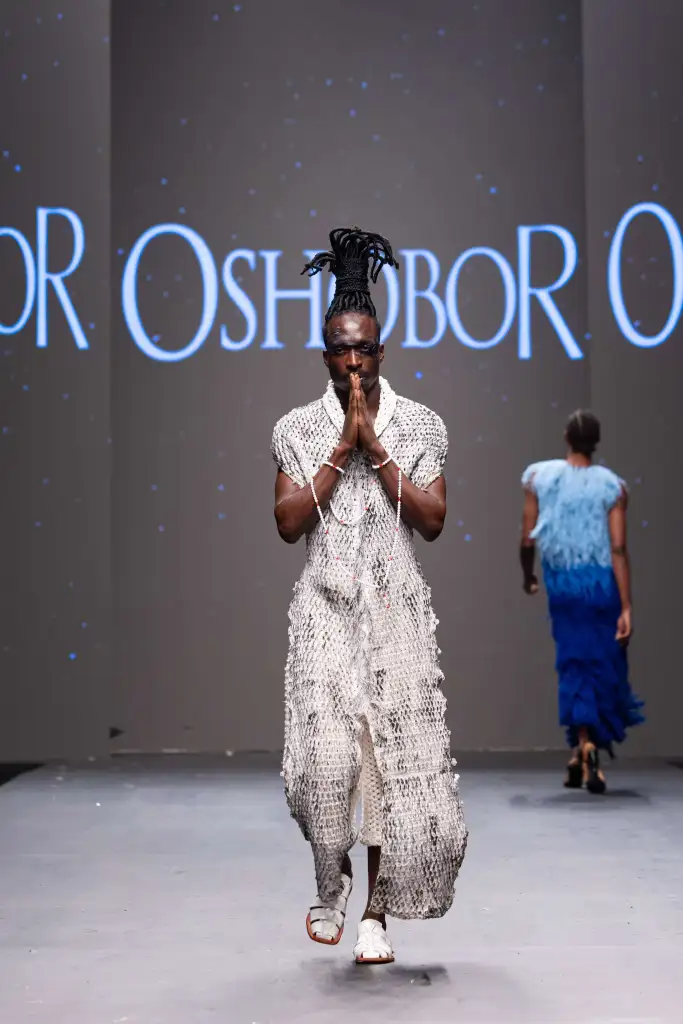
For programme information and presentation material, consult:
- The official 2026 event schedule, covering presentations, showroom activity and business sessions.
- The organiser’s 2026 season archive, containing its published presentation material.
- The wider seasons directory, providing access to previous editions.
- Green Access 2026, outlining the organiser’s stated approach to craft, material experimentation and designer development. Programme objectives should be distinguished from independently verified outcomes.
External reporting underpinning parts of the dossier includes Vogue’s buyer and designer interviews and ThisDay’s account of the Paciencia–Cute Saint collaboration.
Also Read:
- The Lagos Fashion Week Effect: What a Decade of Runway Has Actually Done for Nigerian Designer Revenue
- Omoyemi Akerele and the £1 Million Argument
- Lagos Fashion Designers Who Stay Are Not Compromising. They Are Winning.
- Lagos Is the New Fashion Capital Nobody in the West Will Officially Admit
Frequently Asked Questions
What is Lagos Fashion Week?
It is a Lagos-based fashion platform whose activities extend beyond annual runway presentations into designer development, industry conversations and commercial connections. Omiren’s institutional background article explains its development and role, and helps readers interpret individual collections and announcements without reducing the institution to a few days of runway images.
When did the 2026 edition take place?
The official programme ran from October 28 to November 1, 2026, under the theme “CRAFTED: Heritage. Innovation. Circular Futures.” It combined presentations with showroom access, citywide retail activity and business sessions, according to the organiser’s schedule. Omiren’s coverage treats those dates and programme details as the organiser’s published information.
Where can I find the official programme and presentation archive?
Consult the organiser’s 2026 schedule for the official programme, covering presentations, showroom activity and business sessions, and its 2026 season archive for published presentation material. The wider seasons directory provides access to previous editions. Programme objectives should be distinguished from independently verified outcomes.
What does Omiren’s coverage examine?
The dossier connects collection analysis with creative collaboration and retail priorities. Its three articles cover craft and business, buyer accounts from ALÁRA and Viva Accra, and the Paciencia and Cute Saint handbag collaboration. Each article cites its sources and distinguishes documented developments from questions that require further reporting.