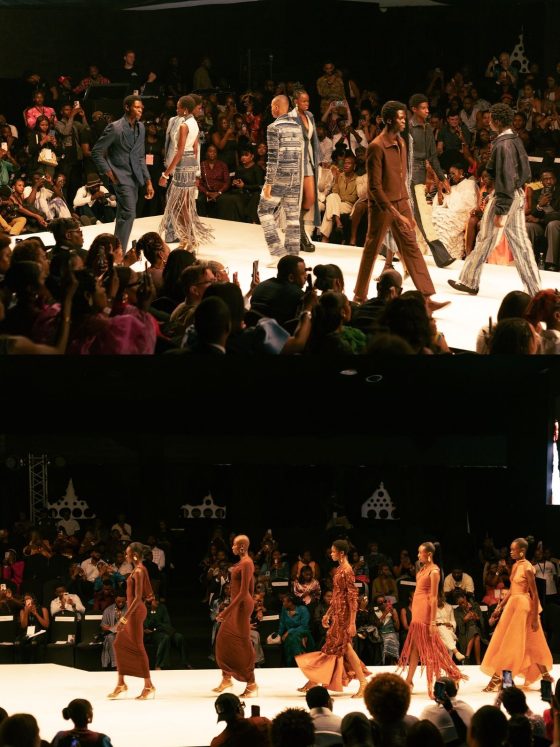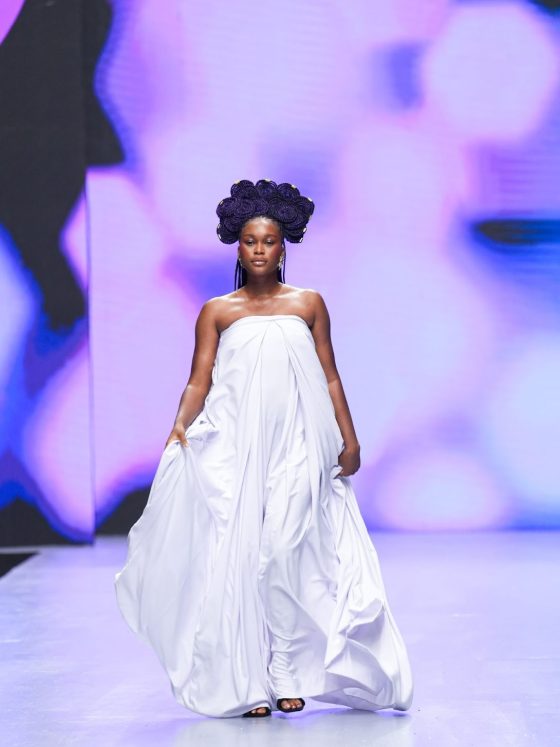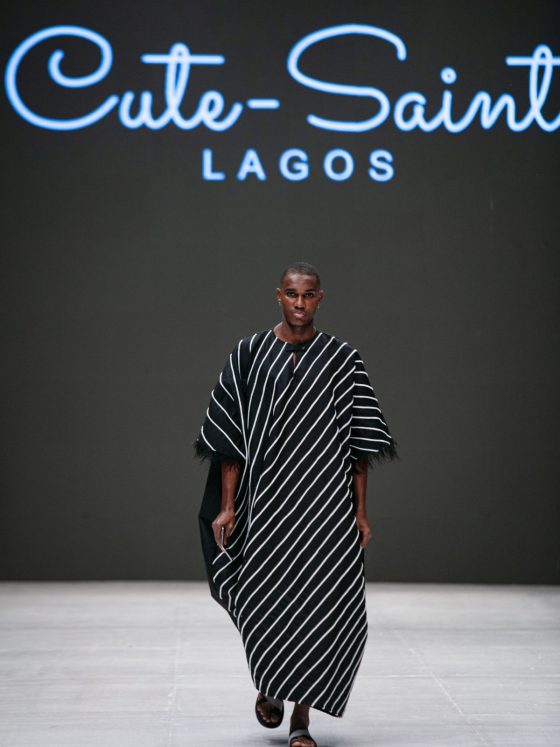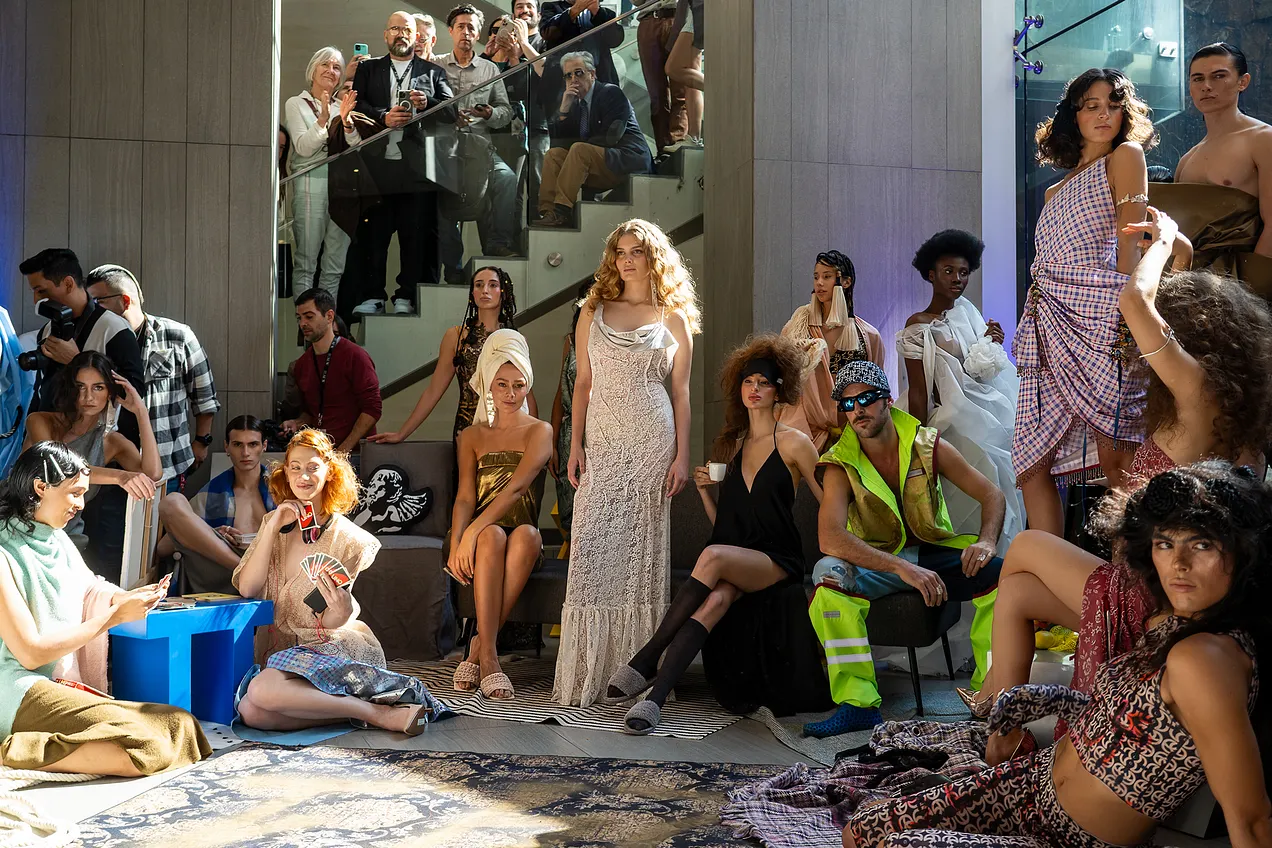
Fashion events operate across two registers simultaneously. In the first, they are cultural and aesthetic productions: platforms that give designers a stage, attract press and create a visual record of the creative work being done in a specific time and place. In the second, they are commercial infrastructure: mechanisms that connect designers with buyers, facilitate orders, generate stockist relationships and convert the runway into revenue. Most fashion event coverage addresses only the first register. This analysis examines the second.
Chile’s fashion industry generated US$2.39 billion in e-commerce revenue in 2025, making it one of South America’s more substantial fashion markets. Domestic demand exists. This article examines the infrastructure connecting that demand to independent Chilean designers. Two events in particular, Chile Fashion Week and Andes Fashion Week Chile, have become the primary fashion event platforms in Santiago over the past three years. This analysis examines what each event publicly offers participating designers commercially.
The methodology is straightforward: this article reviews each event’s public-facing documentation, including websites, press releases, participant listings, and media coverage, and identifies the commercial support mechanisms described. Where a mechanism is present in the public record, it is described. Where it is absent, the article notes that absence. The gaps between what is claimed and what is documented are the article’s evidence.
Chile Fashion Week and Andes Fashion Week Chile both describe themselves as platforms for visibility and regional positioning. This analysis examines what each publicly documents about commercial support for participating designers.
Chile Fashion Week
What does the event describe?
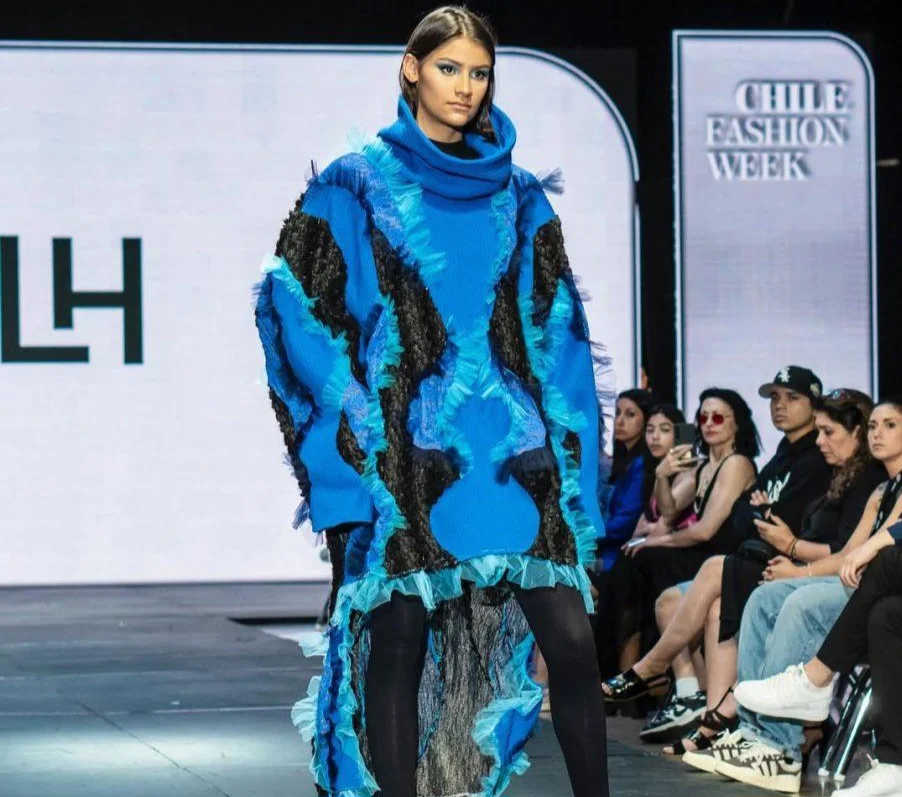
Chile Fashion Week (CHFW), organised by PW Producciones and directed by designer Lennin Villarroel, held its third edition on 25 and 26 April 2026 in Santiago. Its stated purpose, as described in its public communications, is to position Chile as an epicentre of fashion in Latin America. The 2026 edition described a focus on the regional fashion network alongside designers from Argentina, Peru, Brazil, Venezuela and Chile. Its previous editions reunited more than 30 designers and more than 100 models on the runway.
The event’s stated goals are primarily visibility-focused: giving space to emerging and established designers, positioning Chile within the regional fashion calendar and combining runway presentations with experiential activations. The phrase ‘regional fashion network’ appears in the event’s 2026 communications, suggesting an awareness of the networking function alongside the aesthetic one.
Designer applications for participation are publicly documented: the process requires a portfolio and presentation submitted to the event’s production contact. This is standard for a runway event accepting participants. What the application process does not describe, in any public documentation reviewed for this analysis, is the commercial infrastructure the event provides to accepted designers: whether buyers are invited and credentialed separately from the general audience, whether a showroom or ordering mechanism accompanies the runway presentations, or what commercial tools are available to designers after the show concludes.
What is publicly documented?
The public record for Chile Fashion Week 2026 documents three things with specificity: the event format (runway presentations over two days), the scope of participation (Latin American designers alongside Chilean designers, three days of shows and activations in prior editions), and the application mechanism for designers. It does not publicly document a buyer registration system, a showroom operating alongside the runway, a post-event order facilitation mechanism, sales data from previous editions or testimonials from participating designers on commercial outcomes achieved through the event.
The event’s description of a fashion network regional focus in its 2026 communications is the closest it comes to describing a commercial infrastructure function. Networking is a precondition for commercial relationships, not a commercial outcome in itself. Whether the networking at Chile Fashion Week converts into orders, stockist agreements or other commercial outcomes for participating designers is a question the event’s public materials do not answer.
A runway presentation and a buyer meeting are two different commercial instruments. Attending a runway show tells a buyer what a designer is making. A buyer meeting, with line sheets and order forms available, tells a buyer what they can purchase. The first is what Chile Fashion Week publicly documents. The second is not in the public record.
Andes Fashion Week Chile
What does the event describe
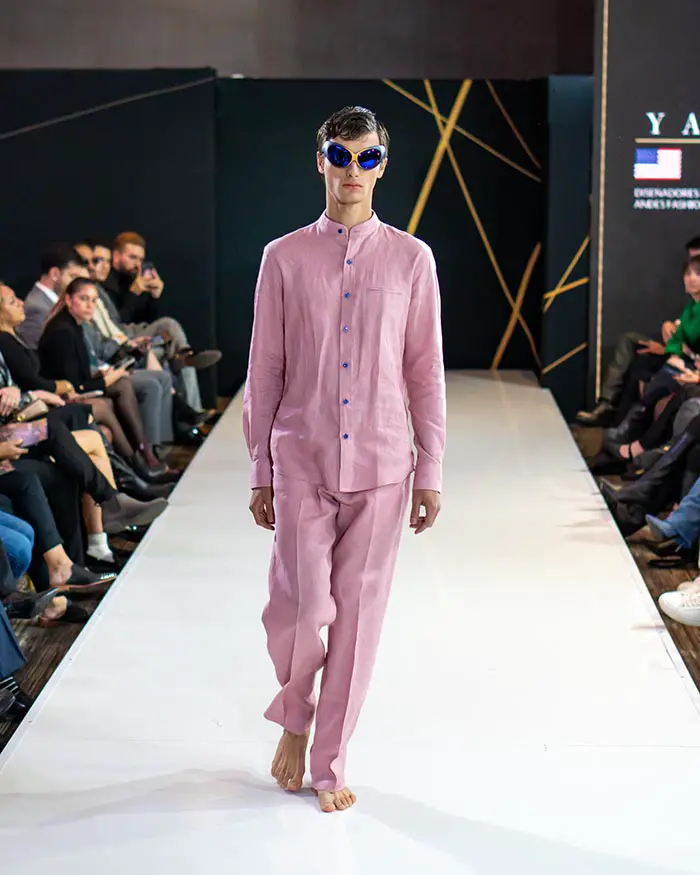
Andes Fashion Week Chile (AFW Chile), founded by Venezuelan designer and entrepreneur Leticia Faviani, describes itself in its public communications as a fashion event, art and networking. Its second edition, held in April 2024 at the DoubleTree by Hilton Hotel in Santiago’s Vitacura district, attracted more than 1,000 attendees across three days. Participants included established and emerging designers from Argentina, Colombia, Venezuela, Peru, Mexico, the Dominican Republic and Chile, as well as representatives from embassies, industry figures and influencers.
AFW Chile’s explicit inclusion of networking in its self-description positions it differently from a pure runway event. The event’s communications name relationship-building as a stated function alongside the fashion shows. Representatives from Durango Fashion Week Mexico and Runway Fashion Design Chile attended the second edition, suggesting that the event is developing connections with other regional fashion platforms. This infrastructure-building has commercial value for participating designers only if those connections produce commercial referrals, booking opportunities, or stockist introductions.
The Runway Fashion Design Chile competition, a separate national design competition whose winners showed at Andes Fashion Week Chile’s second edition, represents another dimension of the event’s activity: scouting and platform-building for emerging talent, with a route to AFW’s stage as the competition’s top prize—the 2024 winner, Wuarmi Pacha, presented at the event. The public record does not describe whether the competition’s prize also includes commercial development support, buyer introductions, or post-event facilitation.
What is publicly documented?
The public record for Andes Fashion Week Chile documents attendance figures, the designer roster, the venue, and the networking format with reasonable specificity. What is not publicly documented: a buyer-specific registration mechanism, a wholesale showroom operating alongside the runway, post-event order data, commercial outcomes from previous editions or a line sheet preparation requirement for participating designers.
The event’s explicit networking language is its most commercially specific claim. Networking produces relationships; those connections can produce commercial outcomes. The step between the two requires mechanisms the event’s public materials do not describe: scheduled buyer-designer meetings, matchmaking between designers and regional retailers, introductions to press on behalf of participating designers or post-event follow-up infrastructure. The networking claim describes possible commercial outcomes without documenting the tools to produce them.
The Comparison Case: Latin Fashion Week
Latin Fashion Week, a global platform for Latin fashion, offers a useful comparison because its public-facing architecture explicitly separates designer and buyer access. Its homepage presents separate entry points for designers and buyers, with the buyer portal described as an opportunity to discover Latin designers and emerging brands. The event describes itself as a platform where fashion becomes visibility, relationships and commercial opportunity, naming commercial opportunity explicitly alongside visibility and relationships as stated outcomes rather than implied aspirations.
The explicit buyer portal is a specific commercial infrastructure feature that the Chilean events reviewed here do not publicly replicate. Its significance is not that it guarantees commercial outcomes for participating designers – it does not, and a portal is not an order. Its significance is that it publicly documents the event’s intention to facilitate the buyer-designer connection as a designed function of the platform rather than an incidental result of attendance. The designer knows the event has a mechanism. The buyer knows where to enter. The documentation creates an expectation that can be held against the event’s actual delivery.
The absence of equivalent public documentation from CHFW and AFW Chile does not mean those events do not facilitate informal buyer connections. It means that if they do, the mechanism is not visible from the outside, which means participating designers and potential buyers cannot assess it before committing to the event.
What the Public Record Shows and What It Does Not
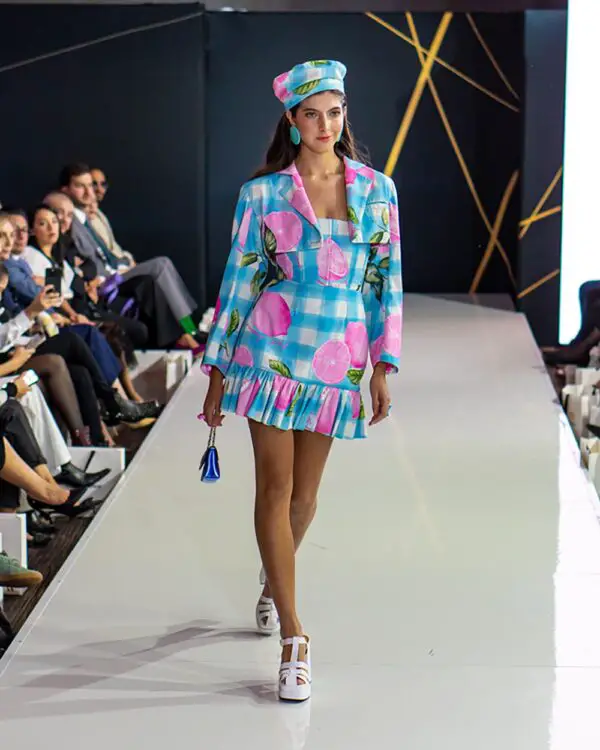
Across the two Chilean fashion events examined here, the public record is consistent: aesthetic ambition and regional positioning are described with specificity; commercial infrastructure for participating designers is described with considerably less.
Both events describe the connections they create between designers and industry figures. Neither event publicly documents how those connections convert into orders, stockist relationships, press placements, or other commercially measurable outcomes. Neither event publicly documents a buyer registration and credentialing process separate from general attendance. Neither event publicly documents post-event commercial support for participating designers: mentorship on wholesale terms, introductions to buyers in the Chilean retail market, assistance with line sheet preparation or follow-up outreach to attending industry contacts on behalf of designers.
This pattern is not unique to Chile. It describes the default model for fashion events across most markets: the event produces the show, attracts the audience, creates the cultural moment and leaves the commercial conversion to the participating designers, whose capacity to execute that conversion varies widely and whose resources for doing so are typically more limited than those of established brands that already have buyer relationships and wholesale infrastructure in place.
As Omiren Styles established in its analysis of what fashion show outcomes an editor can actually verify, the conversion gap between a fashion event and its commercial consequences is real and rarely reported. The events examined here describe the inputs: the designers, the runway, the networking, and the regional platform. They do not publicly document the outputs in commercial terms. The outputs are what participating designers need the event to produce, and the public record provides no basis for assessing whether they have.
What Stronger Commercial Documentation Would Look Like
This analysis is not a critique of the events themselves. Both CHFW and AFW Chile are producing something real: stages for Chilean and regional designers, attendance that demonstrates appetite for Santiago as a fashion city and regional connections that strengthen Chile’s position in the Latin American fashion calendar. The question is whether those aesthetic and relational outputs are supported by commercial infrastructure that is visible, consistent and documented.
Stronger commercial documentation from a fashion event would include a buyer registration and credentialing process that is separate from general attendance and publicly described; a showroom or order meeting mechanism operating alongside runway presentations, with line sheets required from participating designers as a condition of inclusion; post-event reporting on commercial outcomes from prior editions, including aggregate data on orders placed, press placements achieved and stockist relationships initiated; and testimonials from participating designers on the commercial outcomes the event produced for their specific practice.
None of these requires the event to guarantee commercial outcomes, which would be both impossible and misleading. They require the event to document the mechanisms it uses to facilitate those outcomes and to be transparent about what it has produced in commercial terms for the designers who have trusted it with their work and their resources.
As Omiren Styles established in its buyer order test for fashion collections, the gap between what a fashion brand communicates and what a buyer needs to place an order is a structural feature of fashion communication whose consequences fall on the brand. The same structural gap applies to fashion events: the gap between what an event communicates about its commercial offer to designers and what a participating designer needs to assess whether the event is worth their investment is a documentation gap whose consequences fall on the designer.
The Omiren Argument
Chile’s fashion industry is substantial and growing. Its fashion event infrastructure is young and developing. The two events examined here are building something real in Santiago: a regional platform, a professional network and a stage for Chilean design talent at home rather than only abroad. Both show the ambition and regional reach a nascent fashion event ecosystem needs to establish itself.
This article does not ask whether those ambitions are genuine. They appear to be. The question is whether the commercial infrastructure that would turn those ambitions into results for participating designers is being built alongside the aesthetic infrastructure and whether that commercial infrastructure is being documented publicly so designers can assess the event’s value before committing.
The public record for both events does not yet answer that question. What it shows is the cultural and aesthetic dimension of what is being built. The commercial dimension, if it exists and is developing, is not yet visible from the outside. For the designers who participate and for the buyers who might attend, that visibility is not an optional extra. It is the evidence base for an investment decision.
As Omiren Styles has argued throughout its coverage of fashion commerce and the Global South, the Global South made fashion and never got credit. Chilean designers who show at home rather than travelling to New York, London or Paris to access international buyers are making a specific choice: to build a regional infrastructure that serves them rather than serving someone else’s established market. That infrastructure deserves commercial documentation that makes it credible to the buyers and designers deciding whether to build with it.
ALSO READ
- Could a Buyer Order This Collection? A Transparently Fictional Document Test
- The Maker-Credit Test: What a Heritage Fashion Product Page Should Clarify
- After Africa Fashion Week London 2026: What Converted Into Orders, Stockists, Press or Partnerships?
- The Global South Made Fashion. It Just Never Got Credit.
EXPLORE MORE
Read the full Buyer Intelligence coverage at Omiren Styles for ongoing analysis of fashion event infrastructure, buyer access mechanisms, and the commercial documentation gap in independent and regional markets. Discover travel and heritage intelligence across Latin America, the Caribbean and Africa at Rex Clarke Adventures.