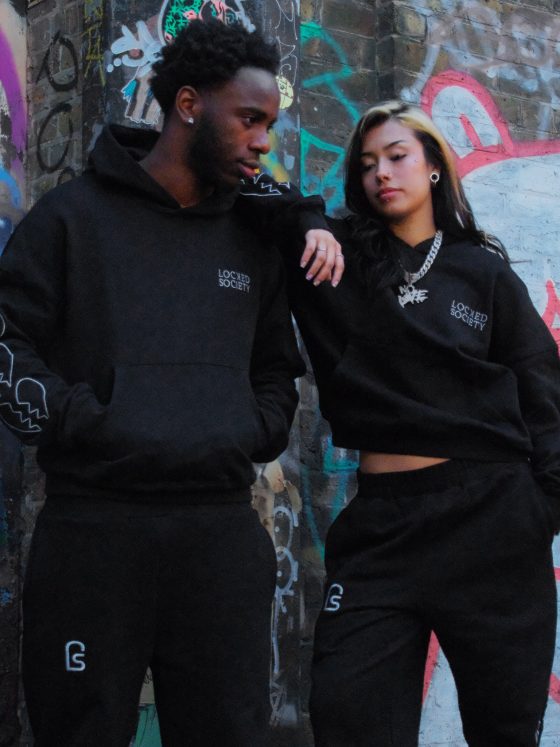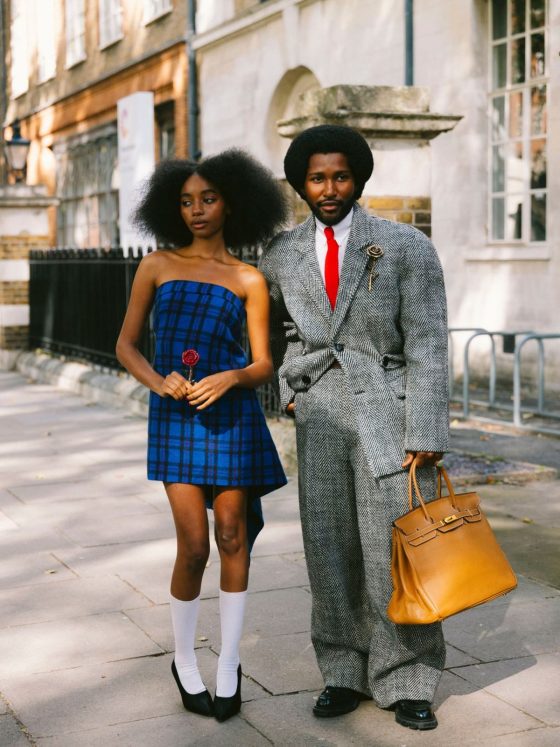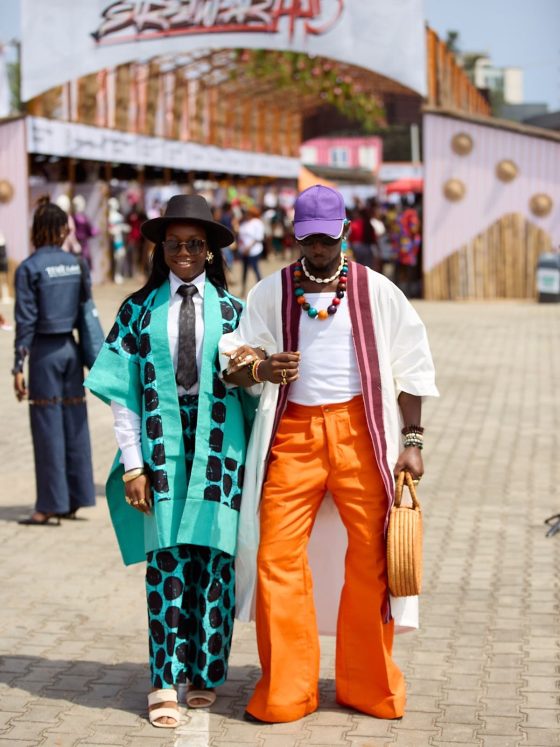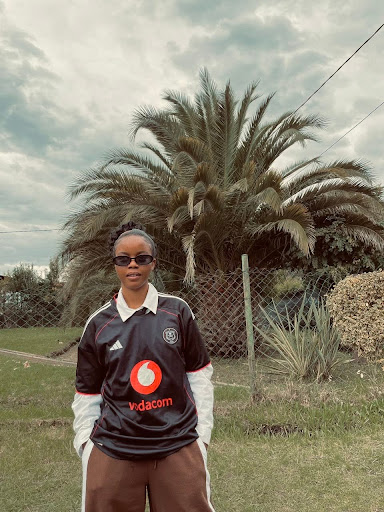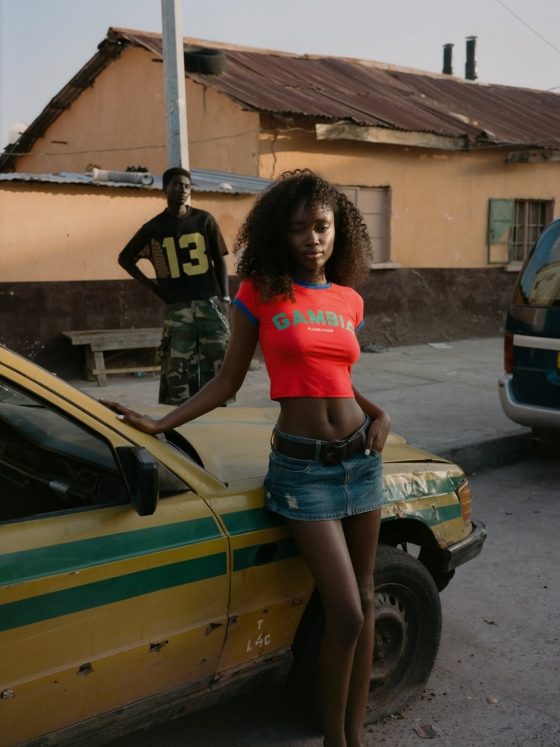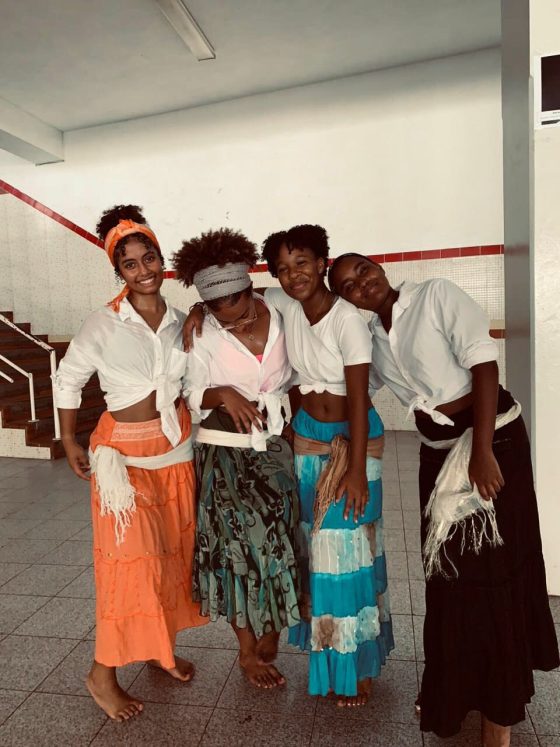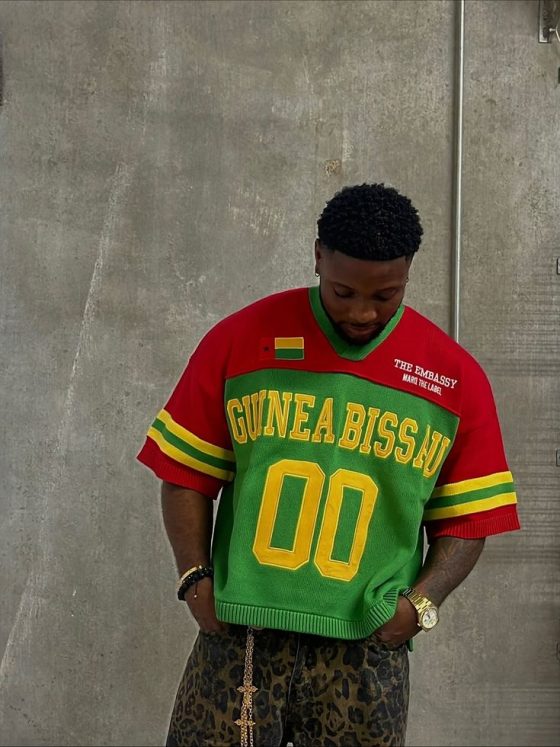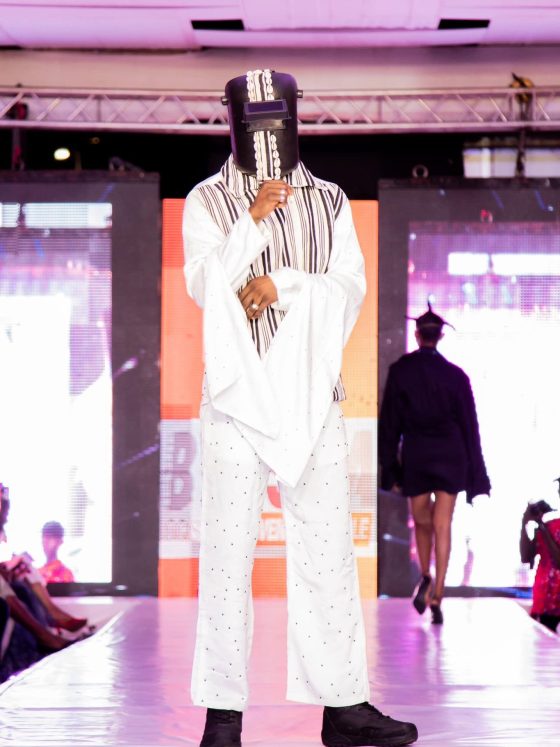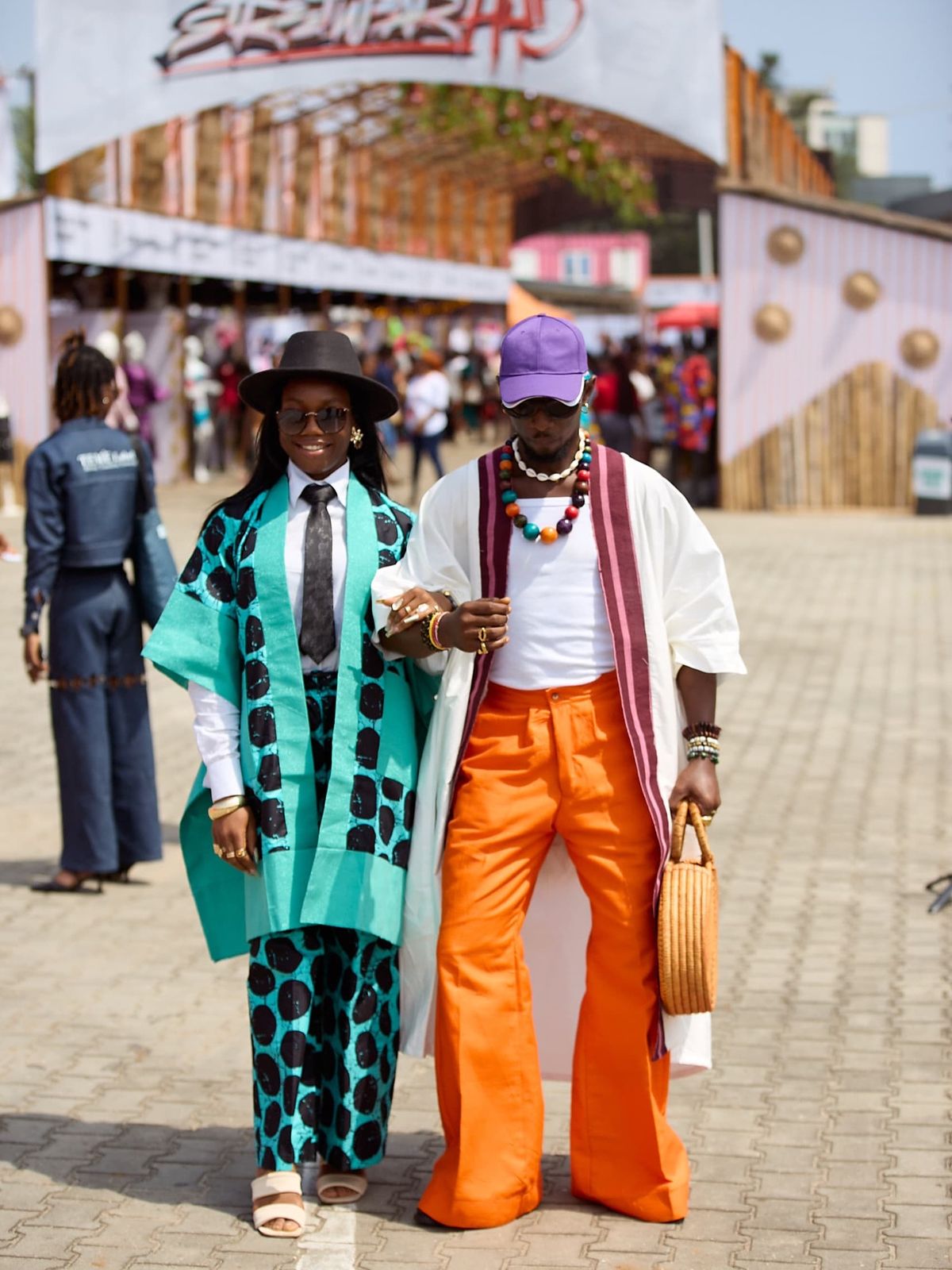
Stand at Victoria Island on a Thursday evening. Watch what walks past. The looks are assembled with intent, designed to be read before a word is spoken. Then go to Accra. Stand outside Osu on a Saturday afternoon. The looks there are also assembled with intent. But the grammar is different. The register is different. What the clothes are saying and who they expect to say it to are not the same.
Lagos and Accra dominate the conversation about West African fashion. They appear on the same lists, get grouped in the same features, and are occasionally treated as interchangeable expressions of the same cultural moment. They are not. They are two distinct fashion cities operating from two distinct dress philosophies, and understanding that difference tells you more about where African style is heading in 2026 than any runway report.
This is not a competition between Nigeria and Ghana. That framing flattens what is actually a sharp editorial argument. The question is not which city produces better fashion. The question is what each city is doing with fashion, what it values, and what that reveals about the direction West African dress is taking from the street up.
Lagos dresses to claim space. Accra dresses to hold its lineage. Two cities, two dress philosophies, one argument about what West African fashion is actually doing in 2026.
Lagos: The City That Dresses to Be Seen
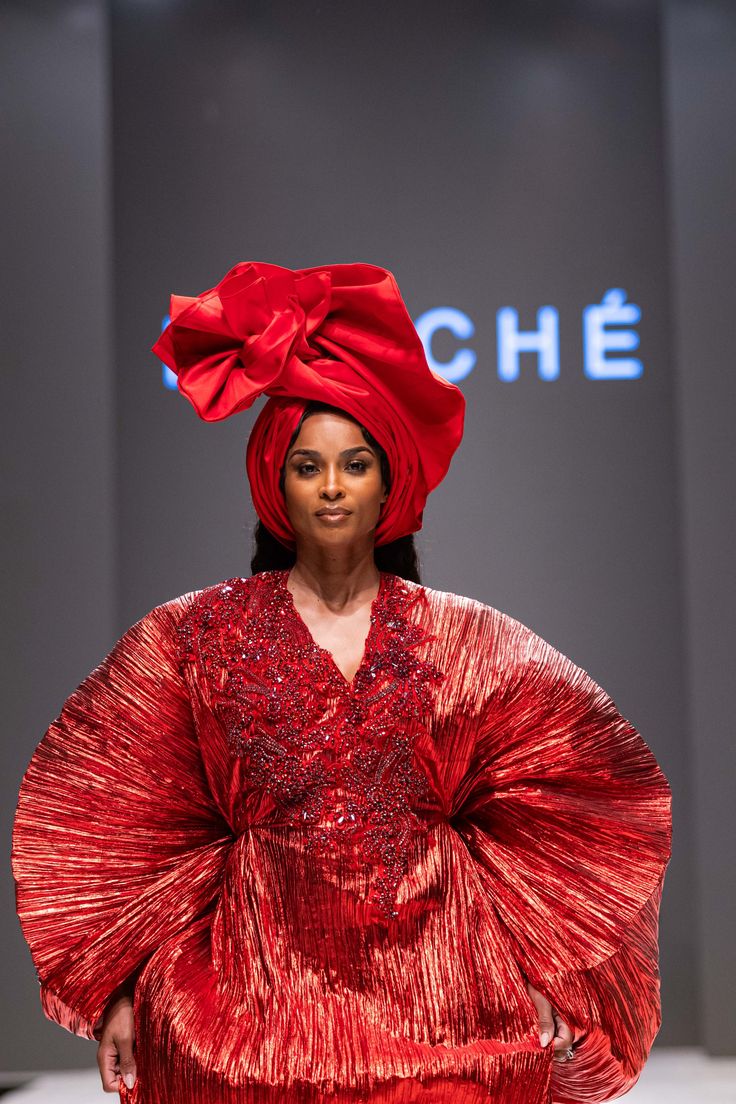
Lagos does not produce fashion quietly. The street style operates at volume: bold silhouettes, layering that references Afrobeats visual culture, luxury signals placed deliberately beside artisan-made pieces. In Lagos, the street and the runway are in constant conversation. Lagos Fashion Week, founded in 2011 by Omoyemi Akerele, has spent fifteen years building institutional infrastructure that keeps that conversation structured. By the 2025 edition, over 60 designers showed over five days at the Federal Palace Hotel, and international buyers and press attended from across the continent and beyond.
Street Souk, the platform founded by Iretidayo Zaccheaus, brought seven independent streetwear designers to the formal runway for the first time in years. As Lagos Street Style and the Global Trend Cycle: Who Is Really Leading Whom?, Lagos no longer simply absorbs global influence — it refracts it outward through its own cultural logic. That logic is now shaping fashion conversations well beyond Victoria Island.
On the street, the Lagos aesthetic runs on visibility. The city’s dress culture has always been shaped by who is watching. Social media accelerated this, but did not create it. The owanbe tradition, dressing with formal intentionality for public celebrations, built a culture of spectacular public presentation long before Instagram existed. That tradition now runs alongside a streetwear underground anchored by WafflesnCream, Nigeria’s first skate brand, founded by Jomi Marcus-Bello, and Severe Nature, whose founder, Ize Udoh, produces garments that read as cultural commentary and wearable objects simultaneously.
What Lagos street style argues is that fashion is a form of social currency. The person who enters a room dressed well in Lagos makes a claim on that room before saying a word. This is not vanity. It is a considered cultural position about how identity is communicated in a city of over 20 million people, where competition for attention, resources, and opportunity is constant. The clothes carry the argument. The argument is about presence.
Accra: The City That Dresses to Hold Its Lineage
Accra’s dress philosophy is grounded in different values. Where Lagos dresses to claim space, Accra dresses to locate itself within a lineage. The Ghanaian capital’s relationship with fashion is grounded in a cultural confidence that does not require volume to assert itself. Accra Fashion Week, which returned in December 2025 at Trust Sports Emporium, drew designers from across West Africa. The event has never tried to match Lagos’s institutional scale. It positions itself as a distinct creative platform with its own logic, and that distinction is its strength.
The distinction shows most clearly on the street. Accra’s youth fashion integrates Kente references with minimal silhouettes in a way that reads as culturally self-possessed rather than culturally demonstrative. As Five Kente Styles Fante Women Wear and the Living Grammar Behind Each One, Kente is not a static heritage object but a living dress language with distinct grammar for each occasion, community, and social statement. Ghanaian designers on the street understand this. David Kusi Boye-Doe of BOYEDOE became the first Ghanaian brand selected as a 2025 LVMH Prize semi-finalist, building garments that use slow production and Ghanaian handweaving as a primary creative argument. His success did not happen despite staying in Accra. It happened because of it.
In 2025, Jude Dontoh of Tribe of God styled Lauryn Hill at the Met Gala in a butter-yellow tuxedo gown featuring Kente-inspired embroidery and a Benkyinie umbrella symbolising Ghanaian royalty. The moment circulated globally. Its register was precise, culturally specific, and legible to those who knew what they were looking at without requiring explanation for those who did not. That is the Accra dress philosophy in its most concentrated form: carry meaning without announcing it.
Lagos earns attention in motion. Accra earns it in stillness. Both are right. Neither is the whole story.
The Infrastructure Behind the Street
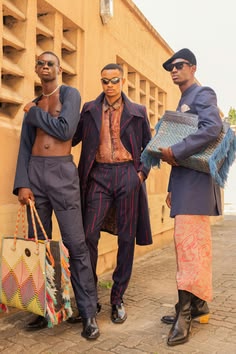
The gap between the two cities is not only aesthetic. It is structural. Lagos has a longer, better-documented institutional history in fashion. Lagos Fashion Week carries fifteen years of runway archives, international press relationships, and an alum list that includes Lisa Folawiyo, Orange Culture, and Mai Atafo. The event has also openly absorbed its contradictions: the pressures of currency fluctuations, infrastructure costs, and limited capital that make building a fashion business in Nigeria genuinely difficult. Designers who have survived the Lagos ecosystem have done so through resilience; the runway alone does not fully show it.
Accra’s institutional infrastructure is younger but accelerating. UNESCO’s December 2024 inscription of Kente as intangible cultural heritage elevated Kente’s global legal standing and gave Ghanaian designers a concrete cultural property argument when engaging international markets. As the Top 5 Ewe Kente Styles for Ewe Women in 2026, that inscription placed both Ashanti and Ewe weaving traditions on the same globally protected register, a recognition with direct commercial implications for every designer working with Ghanaian cloth.
Both cities face the same structural challenge: converting creative influence into sustainable economic infrastructure at scale. Lagos has more institutional weight. Accra has more cultural specificity working in its favour. Neither has solved the conversion problem completely. What the peer-reviewed research on redefining fashion cities confirms is what the streets of both cities already demonstrate: value in African fashion is increasingly determined outside Global North-led production frameworks, and the cities building their own infrastructure from the ground up are the ones that will lead.
Also Read
- Lagos Street Style and the Global Trend Cycle: Who Is Really Leading Whom?
- Nairobi Street Style: How Kenya’s Fashion Capital Builds Its Own Aesthetic Without Asking Permission
- Five Kente Styles Fante Women Wear and the Living Grammar Behind Each One
- African Print as Modern Armour: Identity, Belonging, and Cultural Authority
Lagos vs Accra Fashion: What the Street Actually Shows
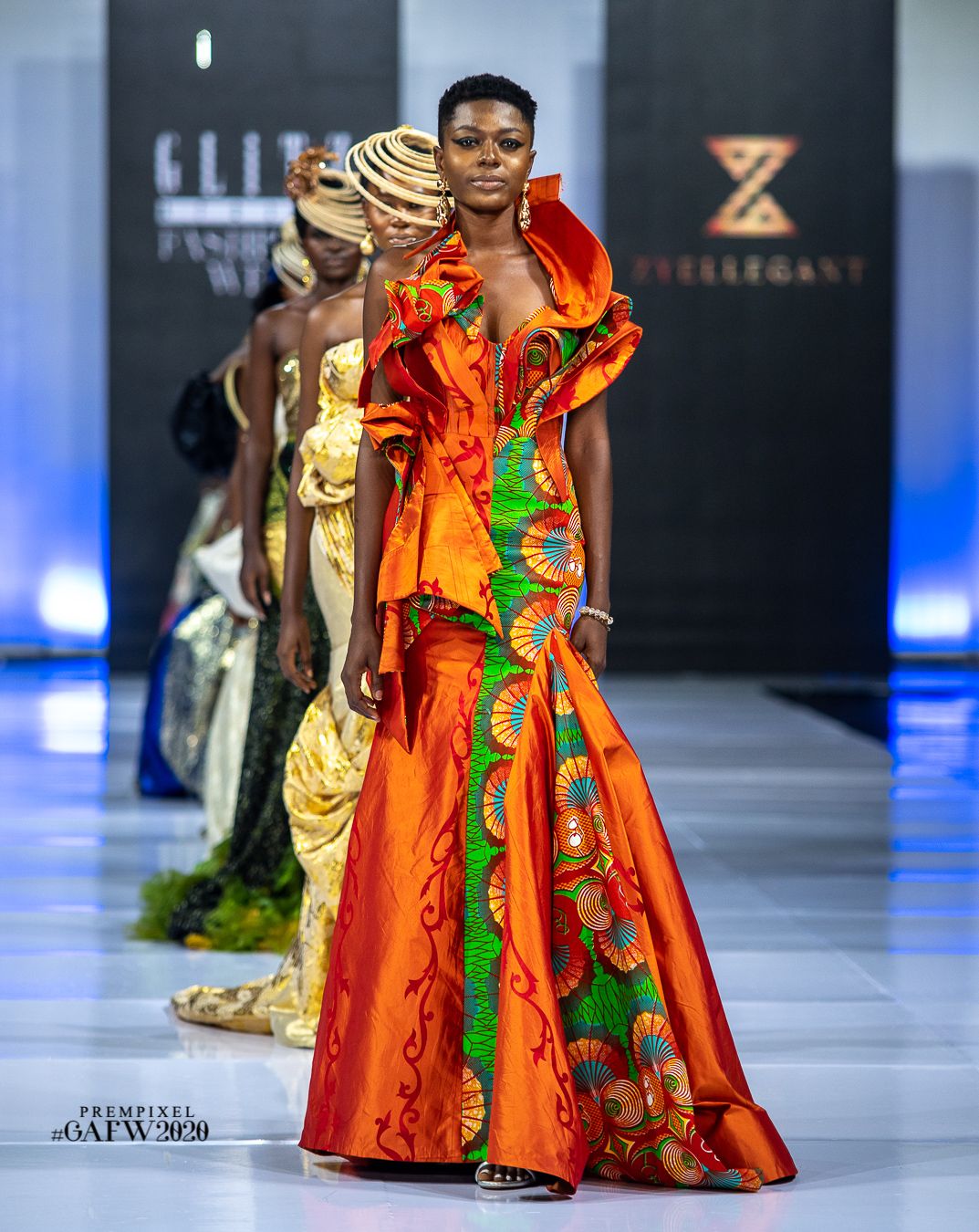
Visit both cities without a press pass, and the comparison sharpens. In Lagos, the street absorbs and refracts influence faster than anywhere else in West Africa. What an artist wears in a music video circulates through the city’s dress culture within weeks. The Yaba market ecosystem means fast adoption is economically accessible across a wide range of incomes, producing a street style culture that is democratic in its source material while remaining selective in how pieces are assembled and worn. The result reads as distinctly Nigerian, regardless of the individual references.
In Accra, the street moves at a different rhythm. Chop Bar and Ghanaian Streetwear, the two urban styles most associated with Accra’s youth dress, blend traditional motifs with oversized silhouettes and utilitarian layering. CNN’s documentation of West Africa’s streetwear generation confirms what is visible on the street. Both cities have produced youth-led design movements that synthesise global streetwear codes with local cultural knowledge, but the synthesis operates from different starting points. Accra’s street is more likely to reference local craft traditions directly. Lagos’s street is more likely to reference everything simultaneously and produce something new.
Neither approach is superior. Both are responses to different histories, different economies, and different understandings of what fashion is for. The cities that flatten this distinction in search of a single West African fashion identity will miss what actually makes both cities worth writing about. And the publications that treat them as interchangeable are still working from an incomplete map.
The Omiren Argument
The comparison between Lagos and Accra has always been framed as a competition, and that framing does a disservice to both. Lagos and Accra are not competing for the same crown because they are not wearing the same kind of crown. Lagos has built the continent’s most institutionally visible fashion ecosystem: one that operates at volume, absorbs global influence quickly, and produces creative output that travels. Accra has built something structurally quieter but culturally more precise: a fashion identity grounded in specific textile traditions, specific craft economies, and a design language that does not require translation to carry authority. These are two different bets about what fashion is for. Both bets are paying off.
What this means for West African fashion in 2026 is not that one city will overtake the other. It means the continent’s fashion conversation is being shaped by two cities that have made fundamentally different choices about where creative authority comes from. Both choices are producing work that the rest of the world has not yet fully accounted for. Lagos knows how to make fashion loud enough to travel. Accra knows how to make fashion specific enough to last. Publications and buyers that have not learned to read both are still working from an incomplete map.
Frequently Asked Questions
Is Lagos or Accra more important to West African fashion in 2026?
They are not competing for the same position. Lagos leads in institutional scale, runway infrastructure, and the volume of designers producing for international markets. Accra leads in cultural specificity, textile grounding, and the depth of its craft tradition that informs its design output. Both are significant. The significance is of a different kind, and treating the question as a ranking misunderstands what each city is doing.
What makes Lagos street style distinct from other African cities?
The city’s social economy shapes Lagos street style: a public culture where appearance carries weight, a music industry that moves visual codes at speed, and a market ecosystem that makes fast, deliberate dressing economically accessible across income levels. Afrobeats visual culture and the owanbe ceremonial tradition both inform how Lagos residents dress in public spaces. The result is a dress culture that synthesises references quickly and produces something that reads as distinctly Nigerian regardless of the individual source materials.
How has Accra Fashion Week positioned itself differently from Lagos Fashion Week?
Accra Fashion Week does not attempt to match Lagos Fashion Week’s institutional scale. Its December 2025 edition introduced cross-sector programming that connects fashion to Ghana’s food and hospitality economy, positioning itself as a lifestyle-destination platform rather than a purely trade-facing event. Its competitive advantage is cultural specificity: a deep bench of Ghanaian textile traditions, including UNESCO-inscribed Kente, that give its designers a design argument no other city can replicate.
Who is BOYEDOE, and why does the brand matter to understanding Accra’s fashion scene?
BOYEDOE is the label of David Kusi Boye-Doe, the first Ghanaian designer selected as a semi-finalist for the 2025 LVMH Prize. The brand uses Ghanaian handweaving, slow production, and the Sankofa framework as its primary creative argument. It demonstrates that building a globally recognised label from Accra, by staying in Accra and working with Ghanaian craft traditions, is a viable path rather than a limitation.
Can the Lagos and Accra fashion scenes learn from each other?
They already do. Designers from both cities show at each other’s fashion weeks, follow each other’s output, and collaborate across borders. The point is not that the cities are separate worlds. The point is that their distinct dress philosophies are each producing creative intelligence that the other can draw from, and that this difference is the continent’s strength rather than a problem to be resolved into a single West African fashion identity.
Explore More
Omiren Styles is the leading editorial platform for African fashion, culture, and identity. Browse the full Street Fashion in Africa archive, and read the complete African Style collection for in-depth coverage of how African cities dress, what drives their creative economies, and why it matters.