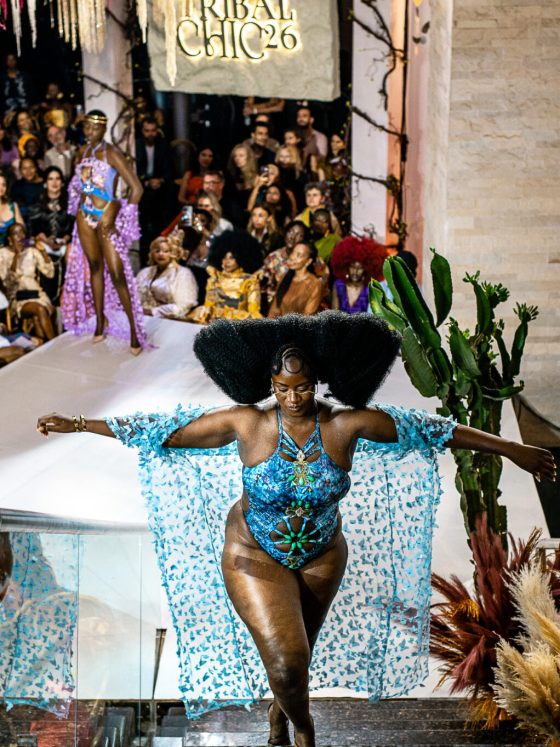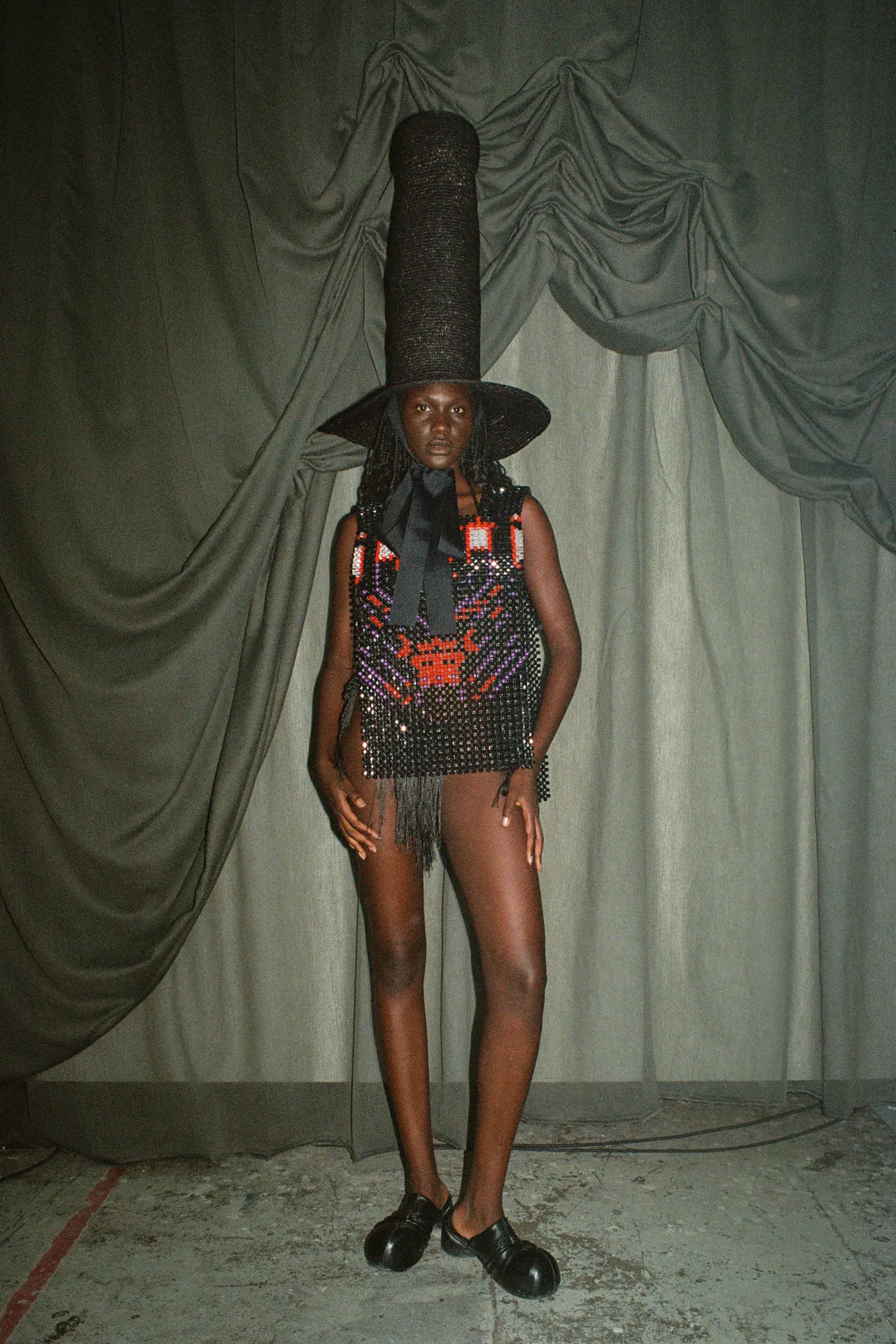
Lagos Fashion Week’s reported 2026 window is October 28 to November 1, with runway shows scheduled for October 29 to 31. Two media accounts — BellaNaija Style and Marie Claire Nigeria — identify the same overall dates, which is a useful starting point. Official pages from the organiser independently confirm preparations through designer applications, media-accreditation guidelines and the Green Access programme. What they do not supply — in the material retrieved as of October 14 — is a complete confirmed schedule or a verified public ticket offer for 2026. This preview separates what is established from what is reported and flags what deserves close attention when collections become available.
“CRAFTED: Heritage, Innovation, Circular Futures.” — Lagos Fashion Week 2026 season theme
That theme gives the season a stated direction: craftsmanship, design heritage and responsible production working together rather than in tension. It is a well-chosen frame, and it deserves as much scrutiny as it does coverage. The work of any fashion week preview is to separate what is announced from what the evidence actually allows us to say — and to flag clearly where the two things are still different.
Check the reported Lagos Fashion Week 2026 dates, verified programme information, access distinctions and the questions that deserve independent attention.
The Current Status
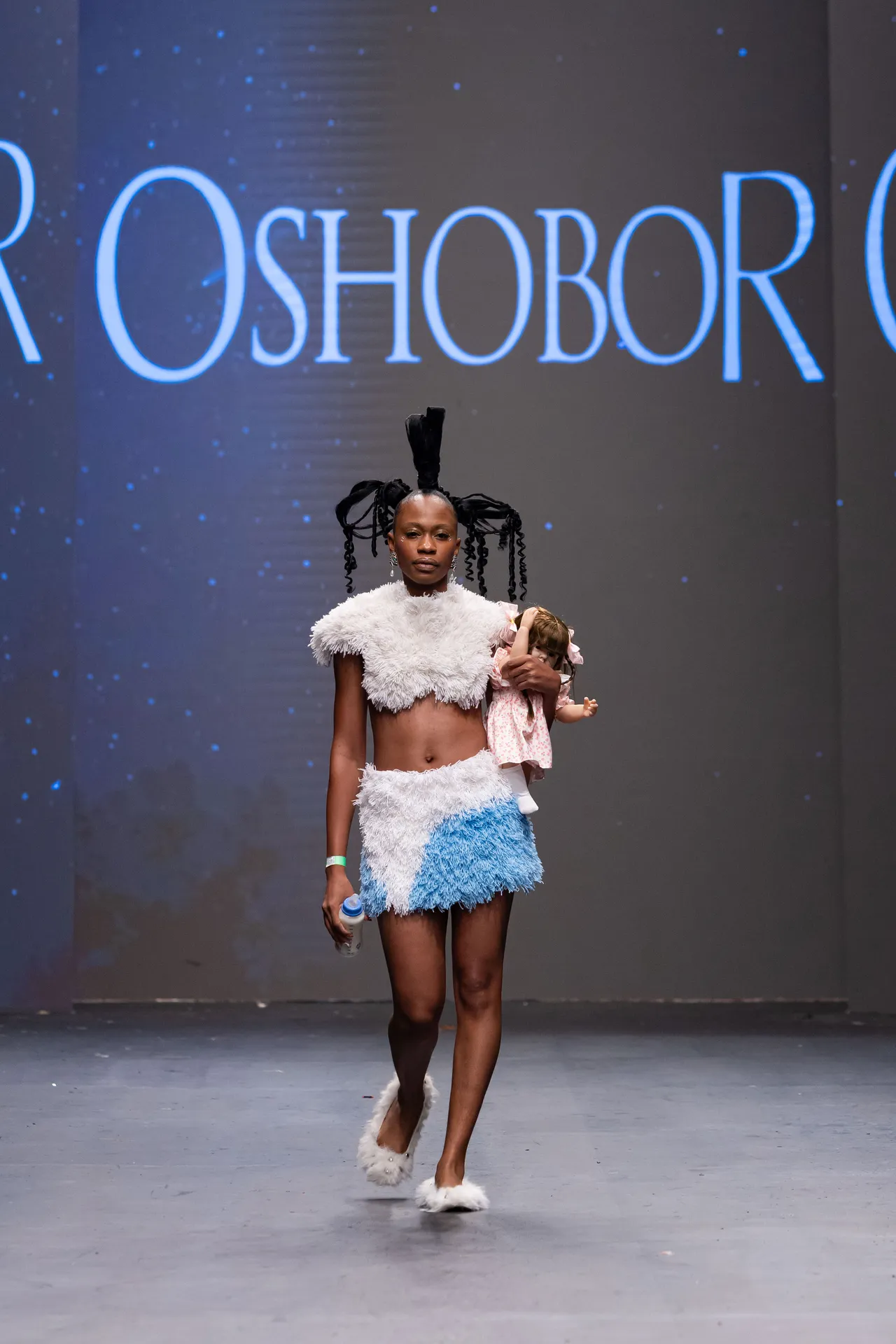
The two media accounts that identify the overall dates reproduce the same save-the-date information and programme outline, but research did not directly retrieve the original organiser announcement. Their agreement is useful, but it should not be described as independently verified primary-source confirmation. With that caveat, the table below separates each finding by evidence level as of October 14, 2026.
| Detail | Status at the research check (October 14, 2026) |
|---|---|
| Overall dates | October 28–November 1, reported by BellaNaija Style and Marie Claire Nigeria. |
| Runway dates and venue | October 29–31 at the Federal Palace Hotel, Victoria Island, reported by Marie Claire Nigeria. |
| Opening and closing programme | October 28 welcome party; November 1 offsite shows and special presentations, reported by Marie Claire Nigeria. |
| Designer lineup and daily timings | Not verified in this research. |
| Green Access 2026 | Directly documented on the organiser’s website. |
| Media accreditation | Directly documented; applications require review and approval. |
| Public ticketing | Current route not verified; the retrieved official page remained labelled 2025. |
The table is a reporting status summary, not a final itinerary. Each row reflects what the research established on the date checked. Scheduling, access and ticketing details may have been updated since then, and the article does not claim otherwise.
Dates, Locations and Access
The reported five-day outline should not be read as five identical runway days. Marie Claire Nigeria’s programme outline separates the welcome party, three days at the LagosFW Tents and a closing day of offsite activity. That distinction matters because dates, locations and access conditions can differ significantly between components of one fashion week. A reported welcome party does not mean the public can enter freely. An offsite listing is not a complete set of attendance instructions. Anyone planning to attend should get current organiser confirmation before building a visit around media reports alone.
The Federal Palace Hotel on Victoria Island is named as the runway venue — useful orientation, but it does not establish individual show times or every offsite address. Media access has a separate route on the official accreditation page, which covers editorial work and requires approval. The ticket page retrieved on October 14 remained labelled 2025, so this article provides neither a verified 2026 purchase link nor a ticket price. That finding concerns the specific page checked, not every possible sales channel — readers should go directly to lagosfashionweek.ng for the most current information.
What the Official Pages Establish
The designer application page explicitly identifies the 2026 edition and welcomes brands across Africa and the diaspora. Its categories include womenswear, menswear, accessories, jewellery and footwear — which establishes the scope of applications, but not a final participant list or confirmation that every category will have a dedicated runway presentation. These distinctions are important to keep separate. A category being open for applications does not mean every designer who applied has been selected, and selection does not pre-confirm the format of any individual presentation.
The review criteria reflect the organiser’s stated values: creative vision, craftsmanship, originality, commercial readiness, and responsible practice. Applicants are asked to supply information about design identity and production capabilities. Those requirements are useful context for understanding what the platform says it looks for. An independent editorial assessment still needs to examine the clothes themselves, rather than treating selection as a quality certificate. Accreditation and application are processes; they are not the same thing as a published review.
The accreditation guidelines establish a separate process for approved editorial coverage, available to eligible journalists, critics, photographers and other editorial practitioners who can demonstrate supporting work or affiliation. Approval is discretionary, and badges are individual. Successful applicants receive collection details. These are reporting arrangements — distinct from the public admission route and not transferable.
Green Access and the Questions It Raises
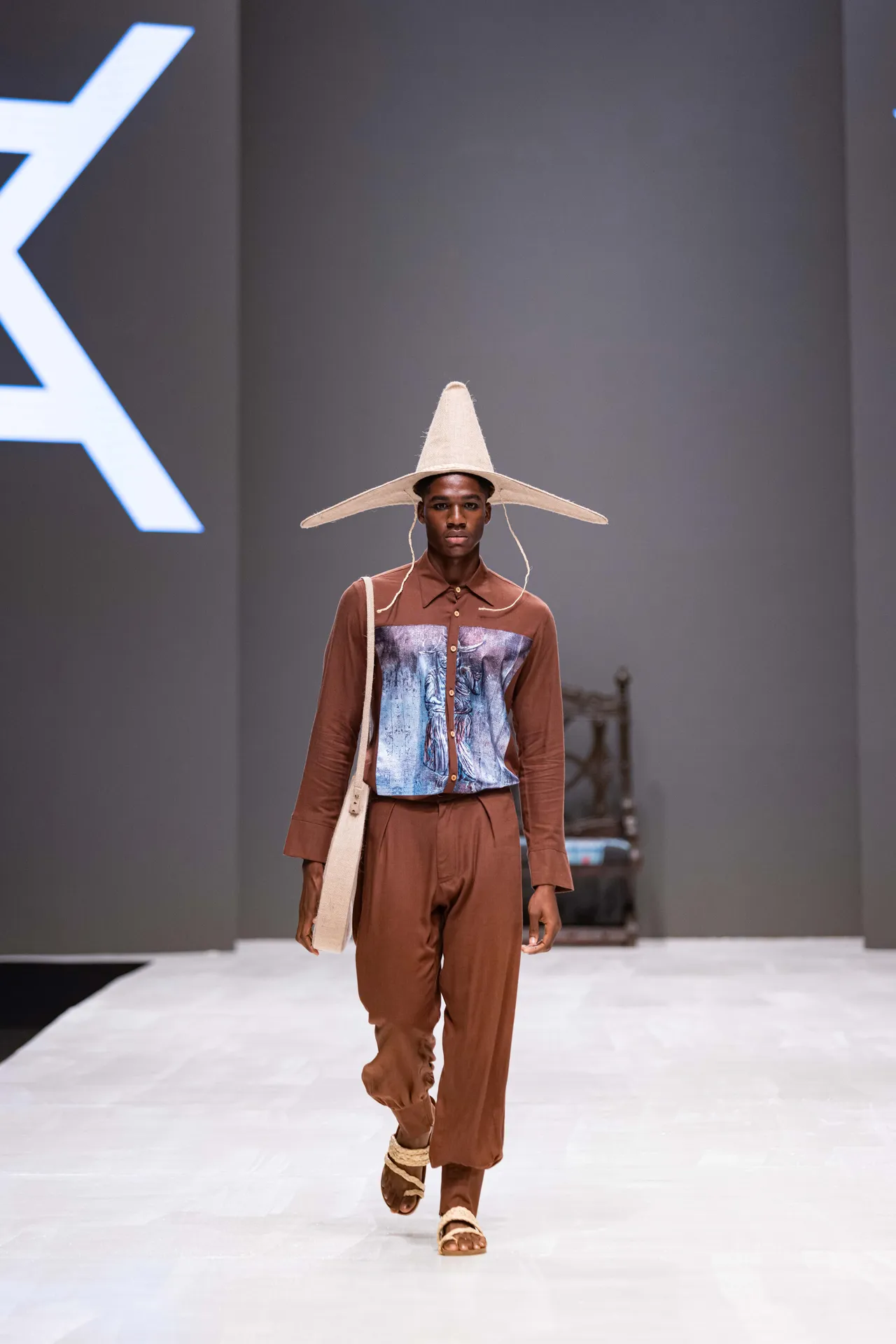
The Green Access 2026 page is the most detailed content available on the official site as of this research. It describes the programme’s eighth edition under the heading “CRAFTED IN PRACTICE: Reimagining Craft for a Circular Future.” Green Access is an accelerator programme with its own brief, not the complete fashion-week schedule, and the distinction matters. It combines material experimentation, heritage techniques, responsible production, and collaboration with makers and producers.
The activities described are substantive: prototype reviews, artisan visits, production tours, workshops, mentorship and business clinics. The proposed culmination is a presentation of collections alongside their research, materials and craftsmanship process. For editorial coverage, this gives a concrete starting point: the development process is part of the story, not just the finished garments on the runway. The invitation is to examine how something was made alongside what it looks like. That is a more useful editorial frame than trend prediction.
The programme’s circular-design language deserves precision when it appears in coverage. Durability, repairability, modularity and zero-waste production describe meaningfully different propositions, and grouping them risks making the claim harder to evaluate. Coverage should ask which specific claim a designer makes and what supports it. A stated priority is worth investigating, but the programme description alone, however well-written, cannot establish a garment’s actual environmental performance or how it behaves over time and repeated use.
What Deserves Independent Attention
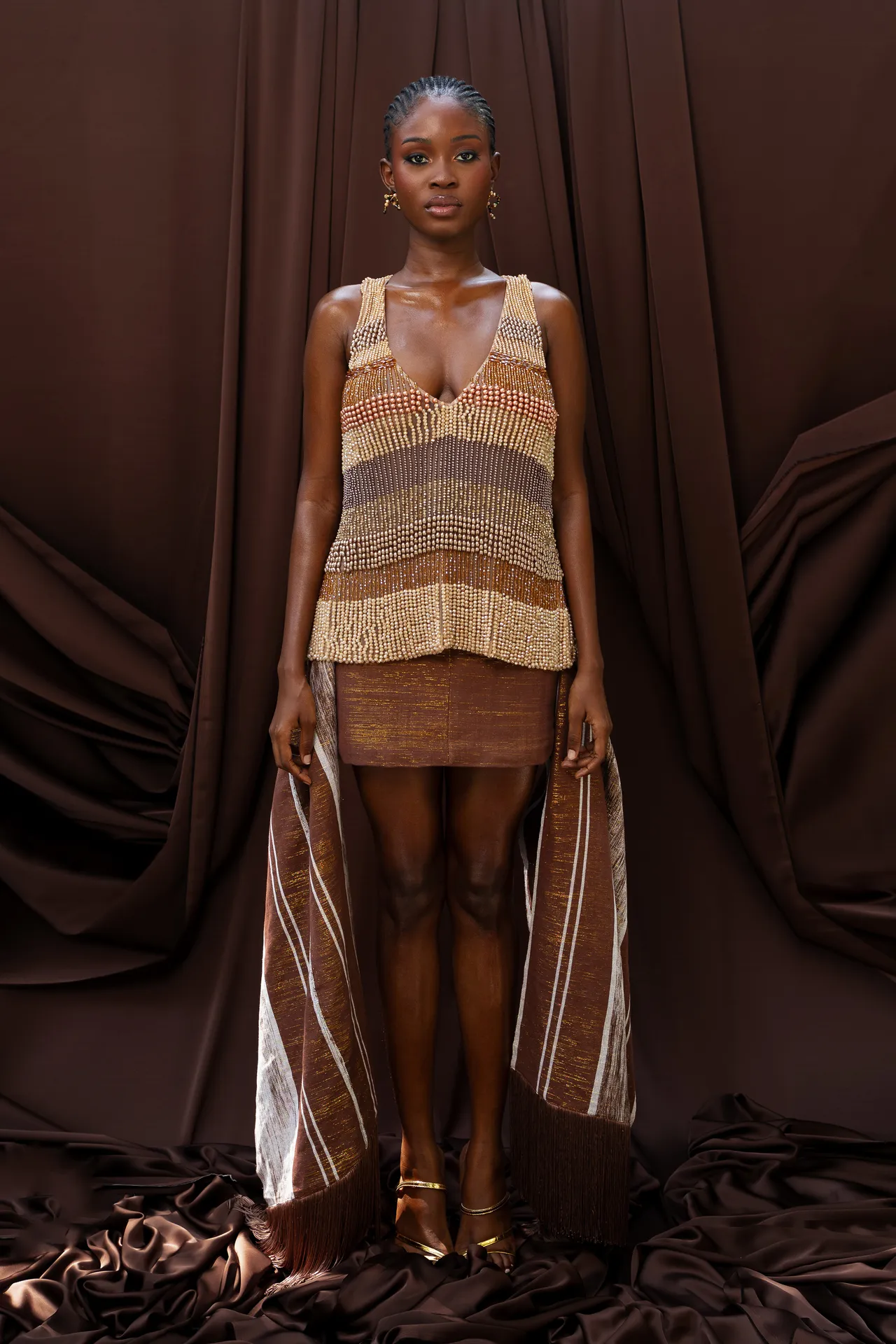
The organiser’s stated priorities and an editorial agenda need not be identical. The first identifies what the platform promotes; the second asks what the evidence allows readers to understand. When collections become available, the most useful analysis begins with identifiable looks and relationships between garments — not a predetermined thematic verdict applied before the clothes are seen.
A useful comparison might follow repeated proportions, changing layers or different treatments of a garment category across a verified collection sequence. Materials and construction should be described through documented information from the brand or the organiser, not inferred from a campaign photograph. Campaign images can provide presentation context, but they should not stand in for unseen runway garments or establish construction techniques not directly documented.
Attribution is another priority worth naming before the season begins. If coverage names weaving, embroidery or a community collaboration, it should establish who contributed and what that contribution involved. General heritage language isn’t enough on its own. The goal isn’t to prescribe one production model as correct but to avoid dissolving specific makers and processes into an anonymous account of African craftsmanship. Named contributors matter — to accuracy and to the people doing the work.
For more on how Omiren approaches Lagos Fashion Week’s institutional context, see our feature “Lagos Fashion Week: The Institution Behind the Event”. For the broader question of how to read different fashion presentations accurately, see “A Collection Is Not a Campaign: How to Read Fashion’s Different Presentations”.
Claims, Contributions and Representation
The Green Access brief names artisan communities, manufacturers and textile producers among potential collaborators. Those categories suggest questions to ask, not confirmed relationships for every programme participant. A designer’s own account, named collaborators, or documented production information will clarify this. Where those details are absent, the limits should remain visible rather than being filled in through assumption or general statements about craft traditions.
The eventual programme also merits examination on its own terms: which practices appear, through which formats, and with what documentation? Emerging and established designers may need different contextual explanations. Answers should come from a verified lineup and attributable information, not inferred status based on a name or speculation about who has or has not been included.
What the Available Record Means
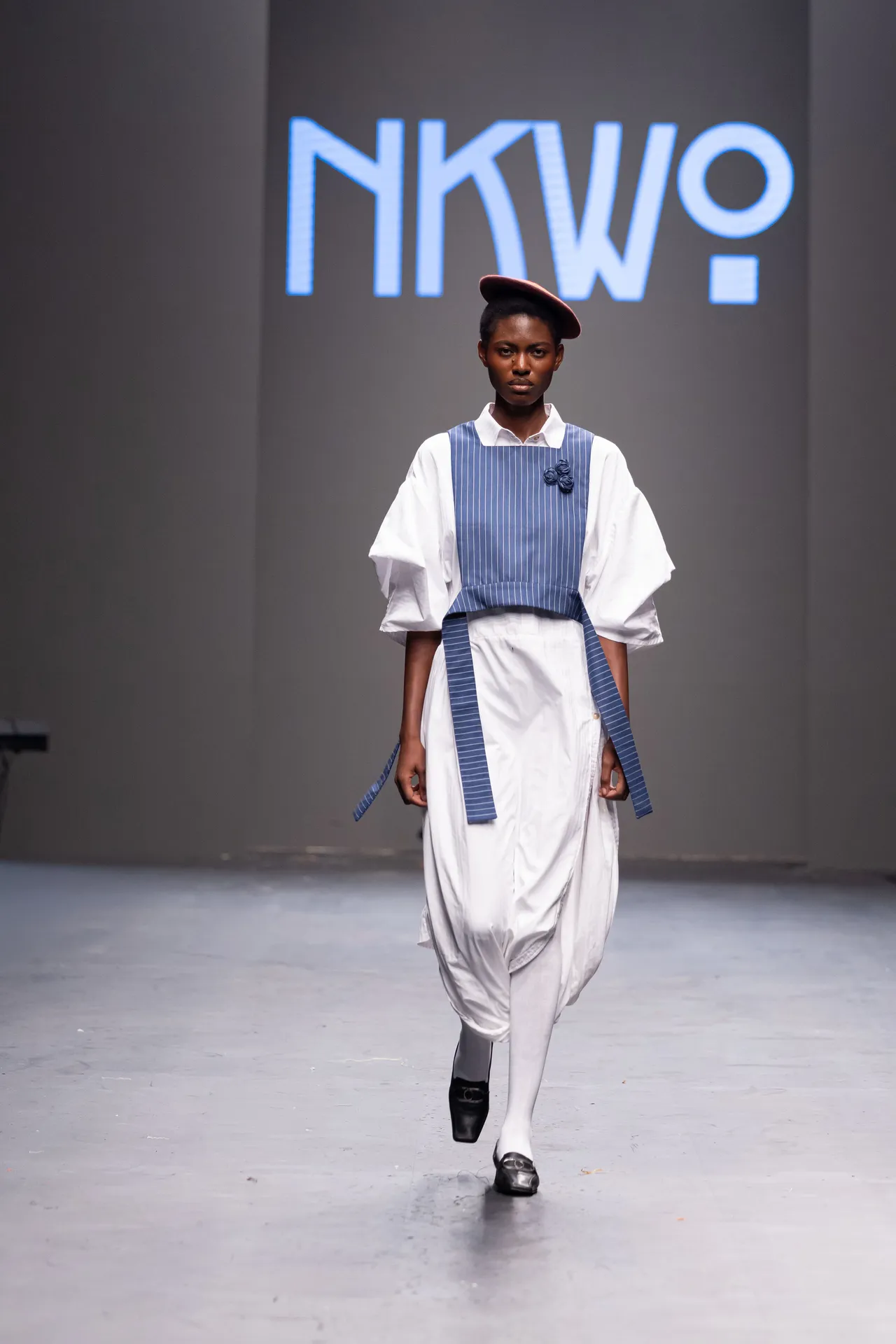
The media reports describe a season themed “CRAFTED: Heritage. Innovation. Circular Futures.” Official pages establish application criteria, an accreditation route and a detailed Green Access proposition. Together, they provide useful orientation, while final scheduling and public admission remain to be confirmed through primary information from the organiser.
The next substantive stage for editorial coverage is collecting evidence. Named garments, documented materials, identified techniques, and credited collaborators will let readers examine the season’s stated ambitions rather than simply repeat them. That examination deserves attention: not a predicted trend, but the relationship between a claim and the specific work offered to support it. Lagos Fashion Week has built an institution worth covering carefully — and careful coverage means being precise about what the evidence actually shows.
Also Read:
- Lagos Fashion Week: The Institution Behind the Event
- A Collection Is Not a Campaign: How to Read Fashion’s Different Presentations
- Five Black British Designers Who Are Building the Future of London Fashion
Frequently Asked Questions
Is the Final Designer Schedule Verified?
Not in this research. The official application page describes eligibility and review criteria, not a confirmed participant list or a daily running order. That does not mean no schedule exists elsewhere — check the organiser’s latest communications at lagosfashionweek.ng before assigning a designer a particular show time or presentation format.
How Does Accreditation Differ from Public Admission?
Accreditation covers approved editorial coverage. The organiser reviews applications and issues individual badges; an application does not guarantee approval or admission for accompanying guests. Public attendance needs its own current instructions. Do not treat a media application, an older ticket listing or a reported programme date as a valid public booking. Go directly to the organiser for current ticket information.
What Is Green Access?
Green Access is Lagos Fashion Week’s accelerator programme for responsible and craft-led design. Its 2026 edition is the eighth, themed “CRAFTED IN PRACTICE: Reimagining Craft for a Circular Future.” It runs alongside the main fashion week and includes prototype reviews, artisan visits, workshops and a culminating presentation. It is a separate programme with its own application and format, not a description of the full fashion week schedule.