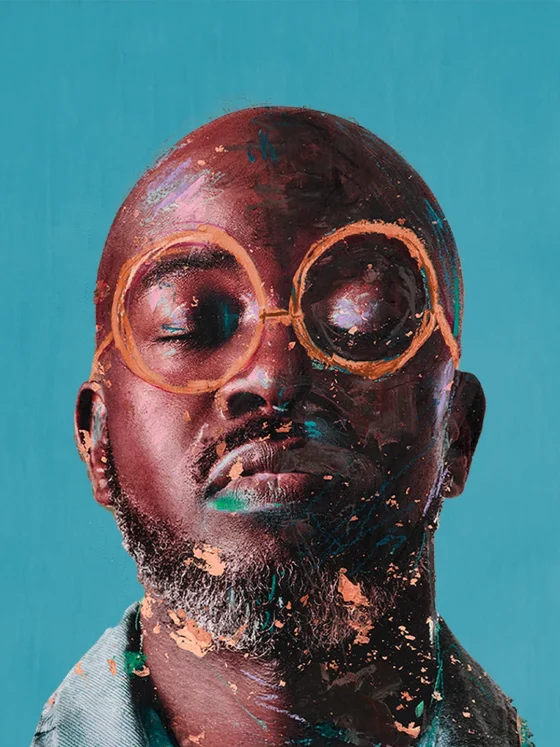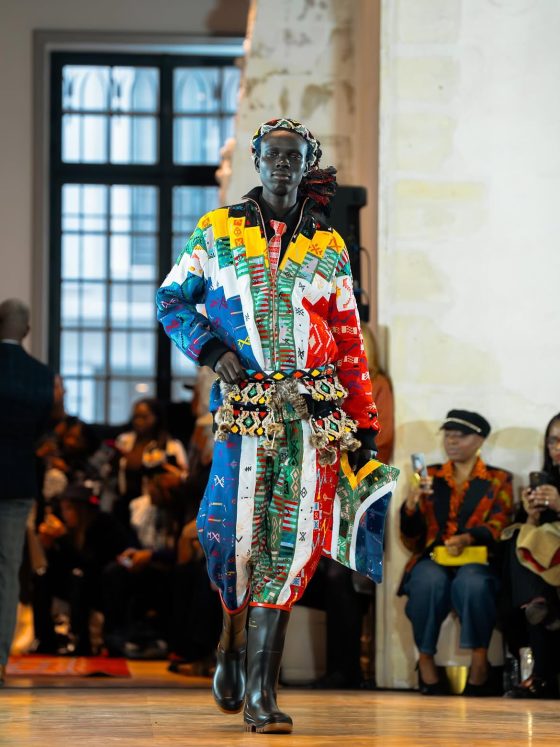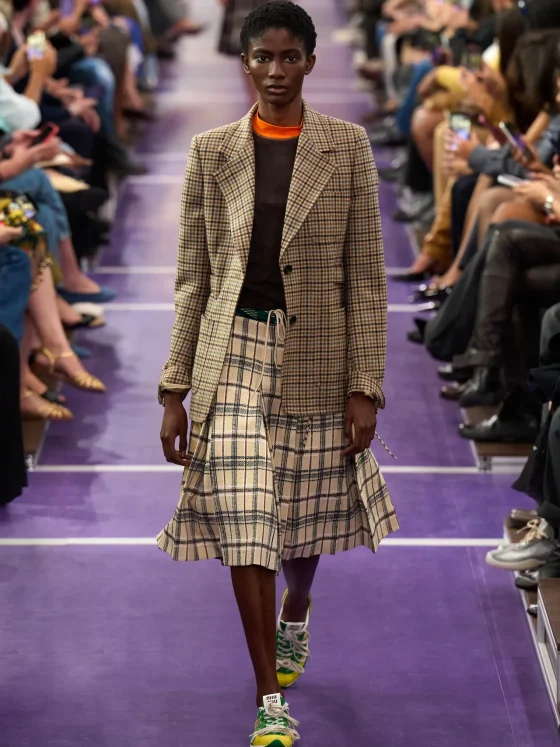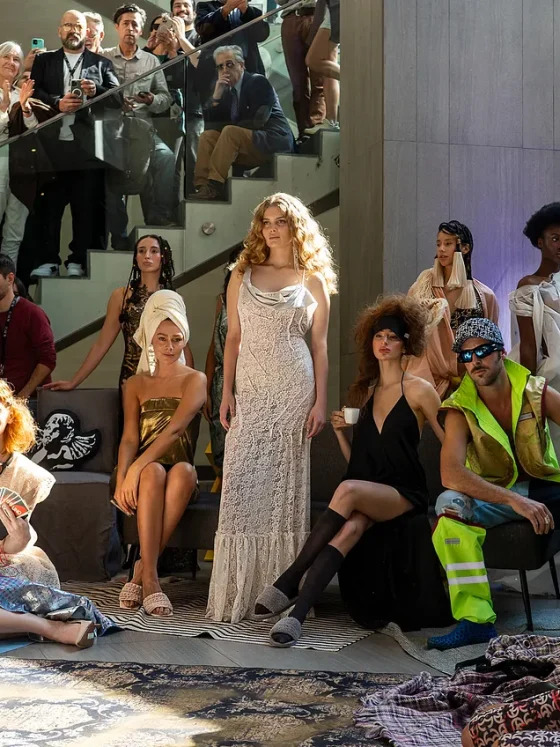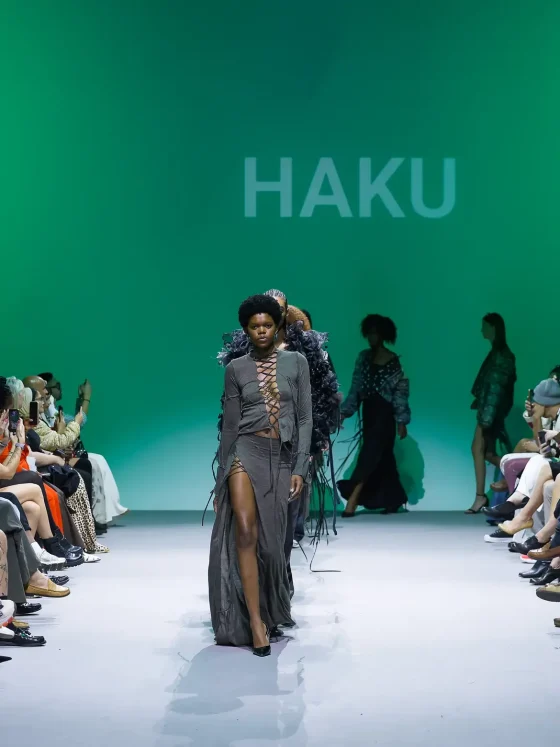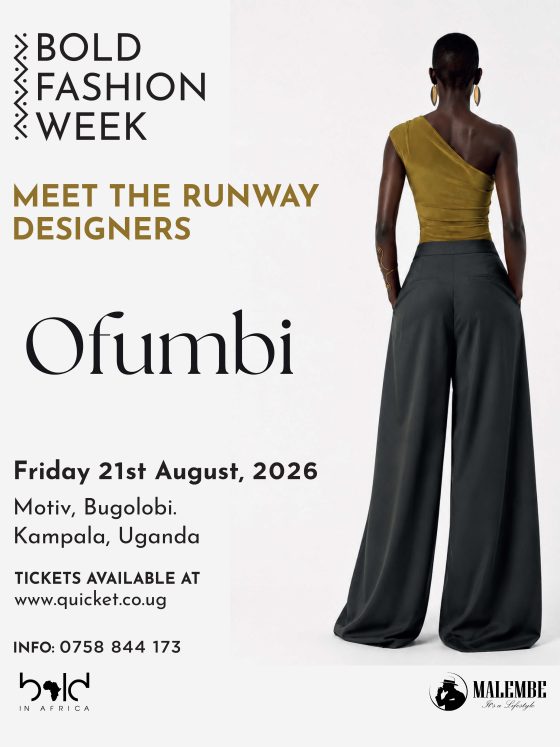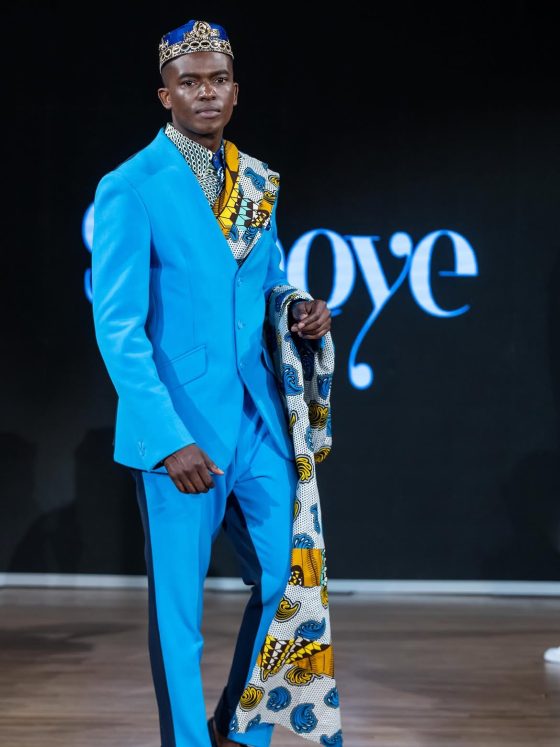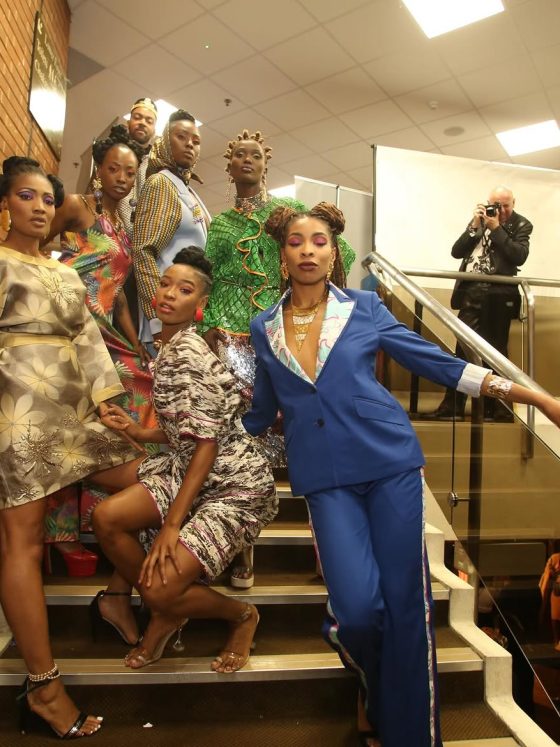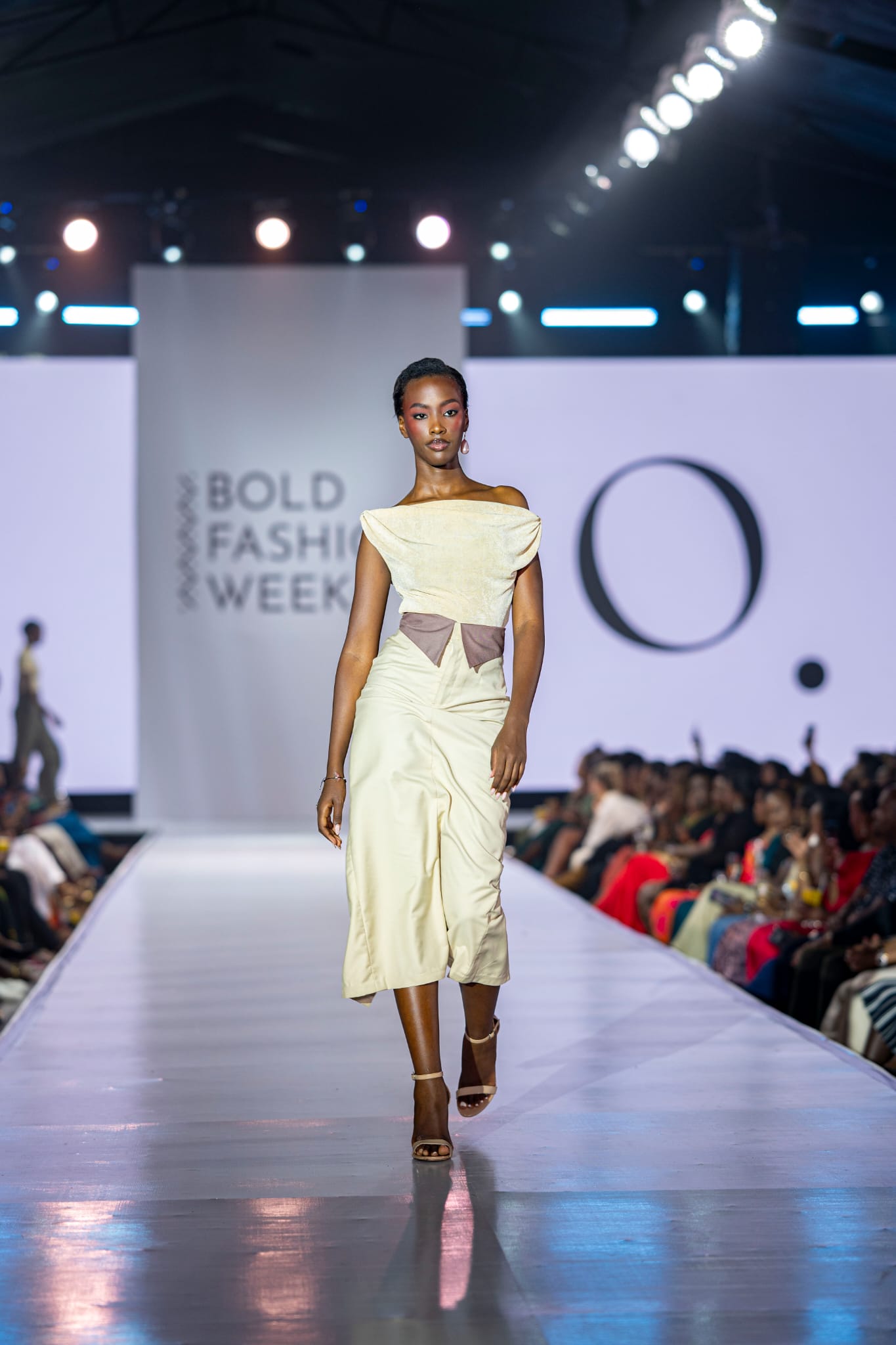
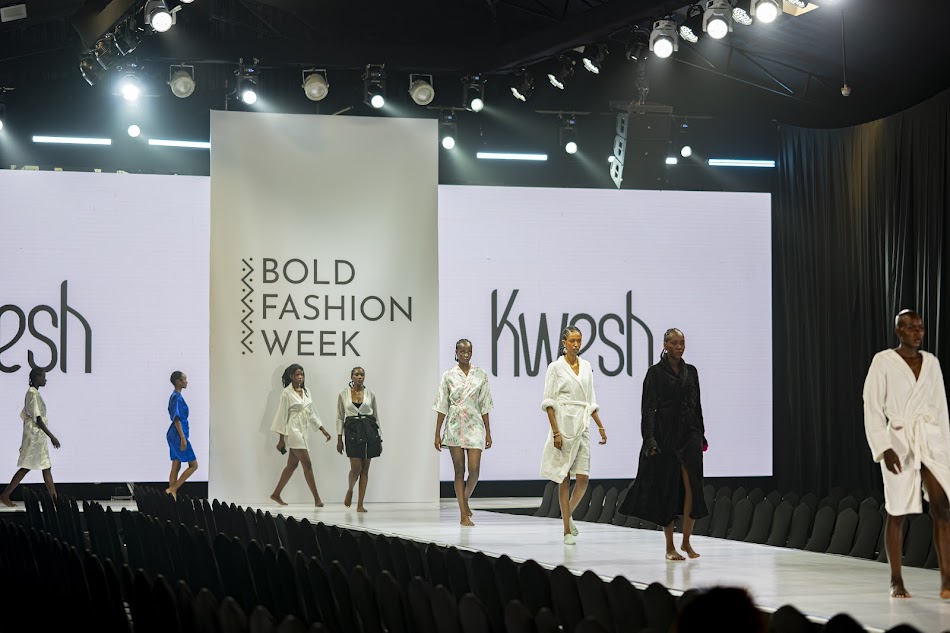
On 21 August 2026, the runway lights came on at Motiv in Bugolobi, Kampala, and Bold Fashion Week held its inaugural edition. Nine Ugandan brands and one Nigerian designer showed. The retail marketplace ran the following day, 22 August, in partnership with the Kampala Artisan Market, giving buyers and consumers direct access to collections off the runway. The mentorship sessions and panel discussions that ran alongside the runway programme covered design, branding, business development, and market access. The event was produced by Bold in Africa and Malembe Lifestyle with Johnnie Walker as the headline corporate partner.
The African fashion market is worth 31 billion dollars. Bold Fashion Week’s inaugural edition demonstrated something important: that Kampala can build fashion infrastructure. A runway. A retail marketplace. A business programme. A corporate partnership. A curated designer selection. A venue. These are the components of a functioning fashion platform, and the debut delivered them all. As SatisFashion Uganda’s post-event review confirms, the successful debut demonstrated Kampala’s potential as an emerging destination for African fashion and creative enterprise. The word potential is doing important work in that sentence. Demonstrated potential is not confirmed capacity. The infrastructure test begins now.
Bold Fashion Week’s inaugural Kampala edition ran 20-22 August 2026. The debut succeeded. The infrastructure test begins with whether there is a second edition.
What the Inaugural Edition Built
Bold in Africa was founded in 2012 as a retail incubator and fashion platform dedicated to helping emerging African labels develop into sustainable, globally competitive businesses. Its co-founder, Nunu Mugyenyi, described the event as created to give African designers greater visibility while strengthening connections between fashion talent and consumers. As Pulse Uganda’s pre-event documentation confirms, for Bold in Africa, the event marks the next stage of its 14-year journey to support designers and create opportunities for African creatives to turn their ideas into sustainable businesses. That 14-year foundation is the most important contextual fact about Bold Fashion Week’s debut. This was not the first attempt at building a fashion platform. It was the first attempt at a Kampala fashion week from an organisation that has been doing related work for 14 years.
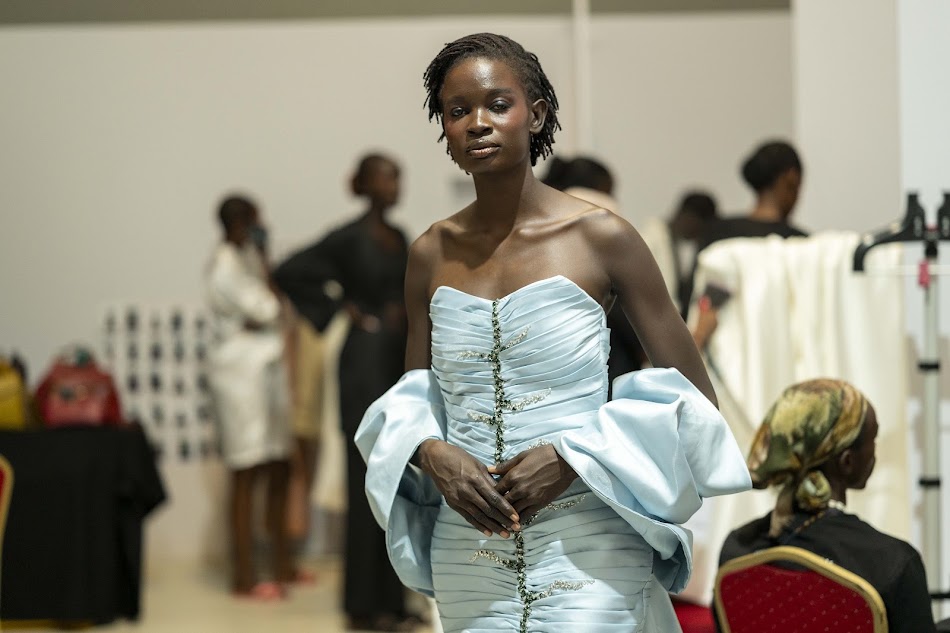
The designer selection documented by allAfrica and SoftPower’s post-event coverage included Ugandan brands Axarya, Discreet Street x Local, Good Fibre, Joan Jade, Kifahari, Kwesh, Lamara, Ofumbi, and Shurea Yasmin, as well as Nigerian designer Yemi Shoyemi. The combination of a Ugandan majority and a single Nigerian guest designer positions the event as primarily a Ugandan platform with aspirations for continental reach, rather than a pan-continental event built on geographic breadth. That focus is commercially intelligent for a first edition: knowing what the platform is primarily for, and for whom, is a stronger foundation than attempting a continental claim that the production infrastructure cannot yet support.
Lincoln Axarya, whose brand showed in the debut edition, told SoftPower that the fashion scene across Africa is improving and becoming more profitable. As SoftPower’s post-event coverage confirms, for the designers, the opportunity did not end when the final model left the runway. The retail marketplace and business programme components extended the commercial purpose of the event beyond the runway moment, which is exactly the design that serious fashion platforms require.
The inaugural edition demonstrated that Kampala can produce a credible fashion week: a curated selection of designers, a functioning retail marketplace, a business programme, a corporate partner, and a venue capable of hosting the event. What it cannot demonstrate, because it cannot be demonstrated in a single edition, is whether the platform compounds or peaks.
The Retail Marketplace: The Most Important Infrastructure Test
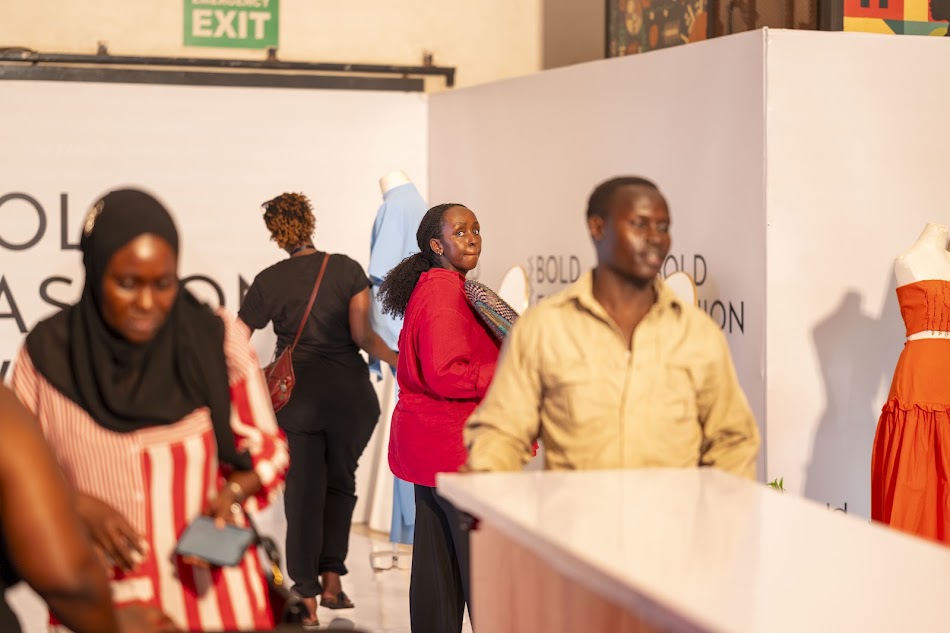
Of all the components Bold Fashion Week delivered in its inaugural edition, the retail marketplace in partnership with the Kampala Artisan Market on 22 August is the most commercially significant. As Sqoop Uganda’s pre-event documentation of the marketplace confirms, the retail marketplace allows fashion lovers to interact directly with designers and purchase pieces from their collections, creating a direct runway-to-revenue conversion that most African fashion weeks have not consistently provided. Most African fashion weeks and trade events generate visibility for the designers who show on the runway and produce significantly less in direct commercial transactions. A retail marketplace that runs the day after the runway is an attempt to fix that.
The partnership with the Kampala Artisan Market is significant beyond the single event. The Kampala Artisan Market is an established trading infrastructure with its own audience, operational systems, and commercial relationships. By partnering with it rather than building a parallel retail operation from scratch, Bold Fashion Week has gained access to a supply-side marketplace relationship it did not have to create. Whether that partnership produces repeat editions of the marketplace, sustainable revenue for the participating designers, and useful commercial data about which price points, product categories, and customer profiles respond to Kampala’s fashion week consumer is the retail infrastructure test that only the second and third editions can answer.
The Corporate Partner Question
Johnnie Walker’s role as the headline corporate partner for Bold Fashion Week’s inaugural edition raises a structural question that every African fashion platform built on corporate partnership must answer: what happens to the platform if the corporate partner does not return? This is not a criticism of Johnnie Walker’s involvement. Corporate partnerships fund events that community and government money alone cannot sustain, and Johnnie Walker’s Afro Exchange platform represents a genuine investment in African creative industries rather than a single-event marketing activation.
But the structural question is real. A platform whose funding model depends primarily on a single corporate partner’s annual renewal decision is institutionally fragile in a way that a platform with diverse revenue streams, growing ticket income, sustained retail marketplace revenue, and increasing designer and buyer fees is not. The sustainability test is partly a question about how Bold Fashion Week’s funding model develops across its second, third, and fifth editions. Does it evolve toward a model with multiple revenue sources, each contributing to a platform that can withstand the withdrawal of any single partner? Or does it remain primarily dependent on a corporate patron whose commitment is renewed annually?
What the Mentorship Programme Can Build
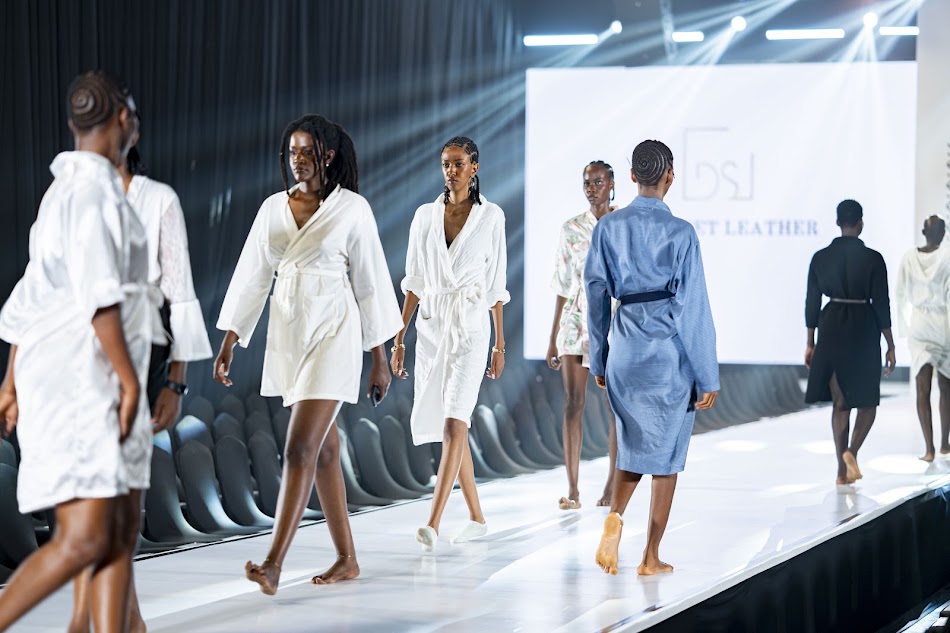
The mentorship sessions and panel discussions that ran alongside the Bold Fashion Week runway programme addressed design, branding, business development, and market access. As Omiren Styles’ pre-event analysis of Bold Fashion Week’s strategic purpose confirmed, the business programme component is what distinguishes a fashion platform that builds infrastructure from one that produces runway spectacle. A designer who attends three seasons of mentorship sessions, who receives structured feedback on their brand positioning, who develops relationships with buyers through the platform’s network, and who accesses the retail marketplace twice is a different kind of designer after those three seasons from the one who attended a single runway show and went home with a photograph.
The compounding value of a sustained mentorship programme is slow and not photogenic. It does not produce the immediate post-event media coverage that a successful runway does. It produces the designers who are commercially ready for international buyers in three years. Bold in Africa’s 14-year history of designer development work means it understands this timeline better than most inaugural event producers would. The question is whether the Bold Fashion Week format gives it enough time and sustained contact with each designer to reproduce the development outcomes that its longer-term incubator programmes have historically achieved.
Kampala’s Position in East African Fashion
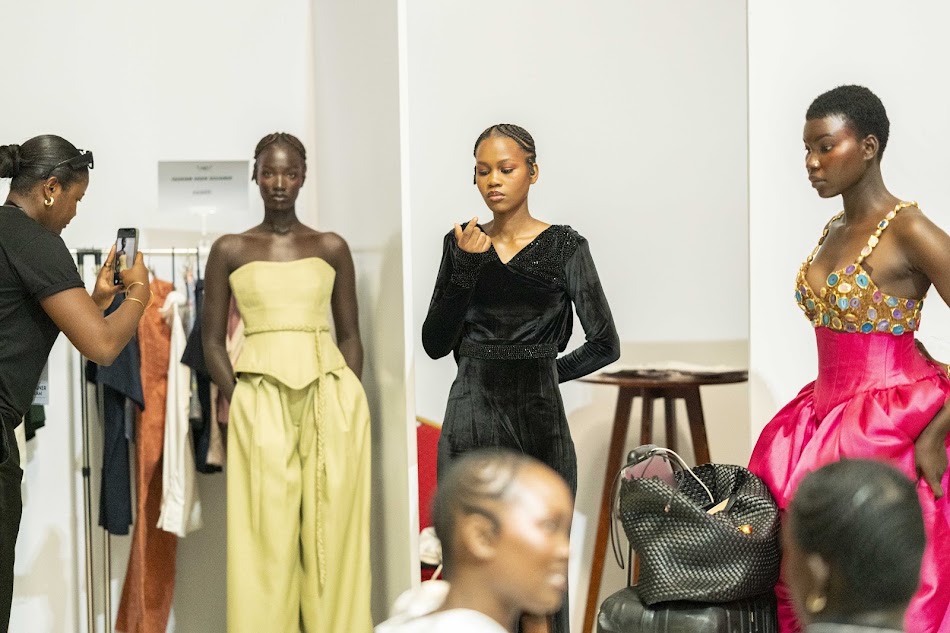
Bold Fashion Week arrives in Kampala at a moment when East African fashion infrastructure is developing across multiple cities. As Omiren Styles’ previous analysis of Bold Fashion Week’s Kampala ambition confirms, Kampala has a design talent base that is not proportionally represented in the international fashion conversation relative to Nairobi. Bold Fashion Week’s explicit positioning is to provide the platform infrastructure that converts that talent into commercial visibility. The first edition confirms that the platform can be built. The sustainability question is whether Kampala’s fashion economy has the depth of buyers, consumers, sponsors, media, and institutional support to sustain an annual fashion week event at the standard set at its debut, Bold Fashion Week.
The comparison with South African Fashion Week is useful for understanding what sustainability requires. South African Fashion Week was founded in 1997 and has maintained annual editions through multiple economic cycles, political changes, pandemic disruption, and the structural evolution of the South African fashion market. It has done so by developing multiple revenue streams, building sustained relationships with both domestic retailers and international buyers, maintaining media partnerships across multiple fashion publications, and developing an institutional identity that is recognised as part of South Africa’s fashion infrastructure rather than as a single event. Kampala does not need to replicate that specific model. It does need a comparably durable foundation.
The Omiren Argument
Bold Fashion Week proved that Kampala can build fashion infrastructure in a single weekend. The African fashion market is worth 31 billion dollars. Nine Ugandan brands and one Nigerian designer showed. The retail marketplace ran. The mentorship programme delivered. Johnnie Walker showed up. Motiv opened the doors. The post-event coverage from allAfrica, SoftPower, SatisFashion, and Sqoop documents a debut that met the minimum standard for a credible first edition. The harder work begins with the second. The second edition will answer whether the retail marketplace generated repeat customers, whether the buyers who attended the first edition return with orders, whether the designers who showed are commercially stronger twelve months later, whether the funding model has diversified, and whether the mentorship programme has produced outcomes that can be pointed to as evidence that the platform develops designers rather than simply displaying them. Bold in Africa has 14 years of work behind the debut. The debut has proven that the work translates into event infrastructure. The platform’s next obligation is to demonstrate that the event infrastructure translates into sustainable designer development and access to the commercial market. That is the infrastructure test that no single edition can pass.
Also Read:
- Bold Fashion Week Kampala: Platform Preview and Designer Programme
- African Fashion Trade Show Timeline: A 30-Year Record of Platforms, 1997-2026
- African Designers in London Need More Than Visibility: The Infrastructure Test for Fashion Power
Frequently Asked Questions
What is Bold Fashion Week Kampala?
Bold Fashion Week is a fashion platform launched in Kampala, Uganda, by Bold in Africa and Malembe Lifestyle with support from Johnnie Walker. Its inaugural edition ran from 20 to 22 August 2026 at Motiv in Bugolobi, Kampala. It features a runway showcase of African designers, a retail marketplace in partnership with the Kampala Artisan Market, and a business programme of mentorship sessions and panel discussions covering design, branding, business development, and market access. Bold in Africa, founded in 2012, is a retail incubator and fashion platform with 14 years of experience developing African design talent in Uganda and across the continent.
Who are the Bold in Africa founders?
Bold in Africa’s co-founder, Nunu Mugyenyi, has been publicly named in coverage of Bold Fashion Week’s inaugural Kampala edition. Founded in 2012, Bold in Africa describes itself as Uganda’s premier fashion retail and curation platform, operating as a retail incubator dedicated to helping emerging African labels develop into sustainable, globally competitive businesses through mentorship, platform access, and retail infrastructure.
What designers showed at Bold Fashion Week Kampala 2026?
The inaugural Bold Fashion Week Kampala edition, held on 21 August 2026 at Motiv in Bugolobi, featured nine Ugandan brands and one Nigerian designer. Ugandan brands included Axarya (Lincoln Axarya), Discreet Street x Local, Good Fibre, Joan Jade, Kifahari, Kwesh, Lamara, Ofumbi, and Shurea Yasmin. The Nigerian guest designer was Yemi Shoyemi.
How does Bold in Africa support African designers?
Bold in Africa supports African designers through a retail incubator and platform model developed over 14 years since its founding in 2012. Its work includes retail curation, platform development, mentorship, business development support, and access to market infrastructure. Bold Fashion Week adds a runway showcase and retail marketplace component to this support model, aiming to provide designers with both visibility and direct commercial transactions in the same event format.
What is Motiv Kampala?
Motiv is a venue in the Bugolobi neighbourhood of Kampala, Uganda, that serves as a creative and events space. It was the host venue for the inaugural Bold Fashion Week Kampala, which ran 20-22 August 2026. The venue was used for the runway showcase on 21 August and associated event activities.
Explore More
Read the full Fashion > Industry section for Omiren Styles’ intelligence on African fashion platform development, East African fashion infrastructure, and the commercial conditions that determine whether fashion weeks build lasting market access or peak at their inaugural edition.
Discover travel and heritage intelligence across Uganda and East Africa at Rex Clarke Adventures.