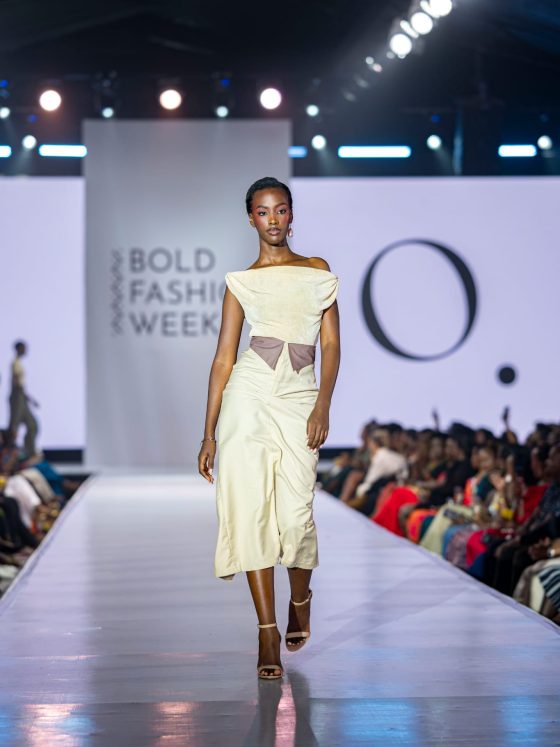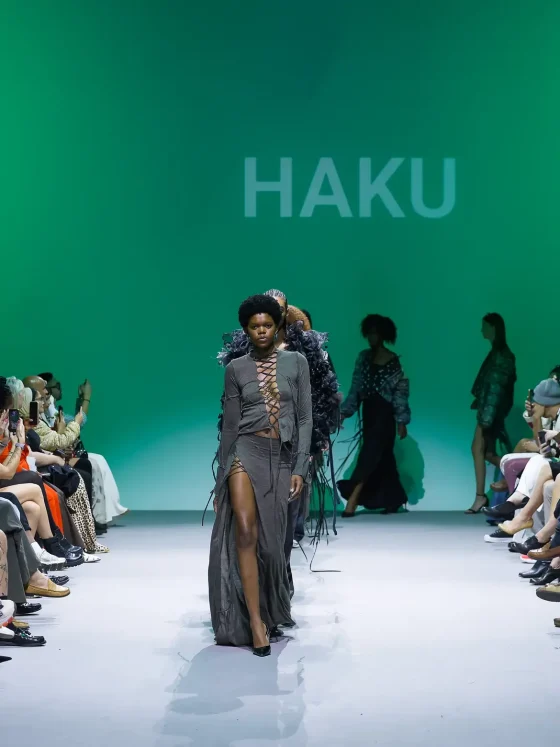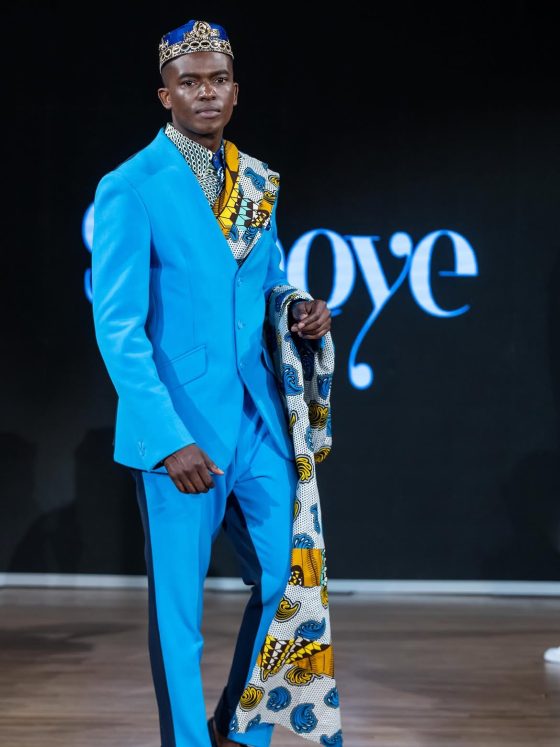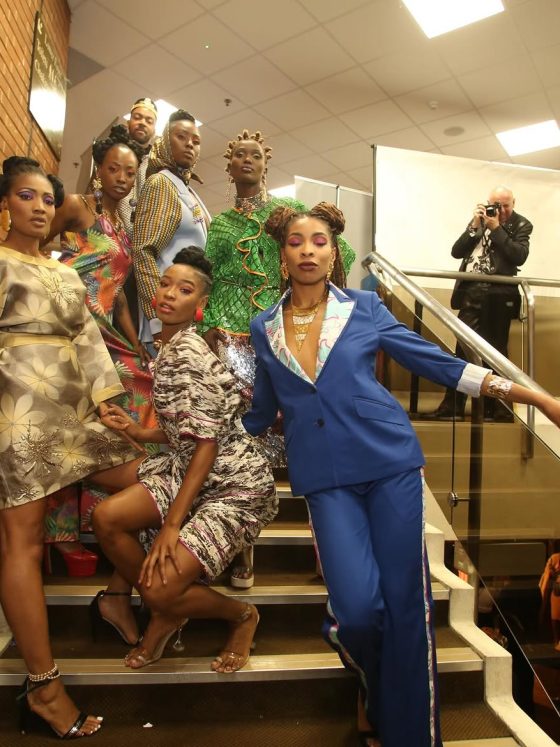
Kampala has been producing serious fashion talent for as long as anyone has been paying attention. The problem has never been the designers. It has been the infrastructure surrounding them. A designer in Kampala who produces exceptional work may lack consistent access to the kind of professional platform that merges high-quality production with commercial visibility, that connects creative output to media, buyers, corporate partners, and the market access that converts craftsmanship into a sustainable business. That gap is documented. It is not new. And it is exactly what Bold Fashion Week is designed to close.
The African fashion market is worth 31 billion dollars. Uganda’s creative economy has been recognised for its innovation and dynamism for over two decades, from the early editions of Uganda International Fashion Week launched in 2003 by Santa Anzo through Arapapa, to the emergence of Gloria Wavamunno’s Kampala Fashion Week, to the steady output of individual designers working without the support structures that their talent justifies. As Bold in Africa’s documentation of its inaugural Bold Fashion Week 2026 confirms, the inaugural Bold Fashion Week 2026 takes place in Kampala on 19, 21 and 22 August 2026, bringing together designers, creatives, media, buyers, and fashion enthusiasts for a celebration of contemporary African fashion, craftsmanship, and innovation.
Kampala has produced serious fashion talent for decades, yet lacks the infrastructure to sustain it. Bold Fashion Week is building that infrastructure. Here is why it matters.
Bold Fashion Week Kampala: What Bold in Africa Has Built
Bold in Africa was founded in June 2012 by Angel Nkwaya, Janet Mugume, and Nunu Mugyenyi, three women who had studied in South Africa, returned to Kampala, and saw the same problem: exceptional designers scattered across the city without a single, consistent platform that made them findable, sellable, and professionally presented. As Digest Africa’s documentation of Bold in Africa’s founding confirms, the aim was to create exposure for African designers while making affordable, high-quality African apparel and accessories available to consumers. The organisation opened at Acacia Mall, Kampala’s highest-traffic retail point, and subsequently expanded to Kigali.
In the fourteen years since that founding, Bold in Africa has evolved from a retail and visibility initiative into a recognised fashion incubator. It has collaborated with more than 40 designers, artisans, and creators from over 10 African countries. It has run the Bold Woman Fellowship, a programme that equips women designers and artisans with the business tools, marketing knowledge, and financial systems that have sustained the organisation itself for over a decade. Nunu Mugyenyi, now the driving force behind Bold Fashion Week, has articulated the mission with precision: Bold Fashion Week is more than a runway event. It is a strategic step toward building a stronger, highly professionalised fashion ecosystem in Uganda.
The Bold Fashion Week is more than a runway event. It is a strategic step toward building a stronger, highly professionalised fashion ecosystem in Uganda. The talent has always been there. The infrastructure is what Bold Fashion Week is building.
What the Event Programme Delivers
Bold Fashion Week 2026 spans three days in August and is structured around three distinct elements that together constitute the ecosystem intervention that Bold in Africa has designed.
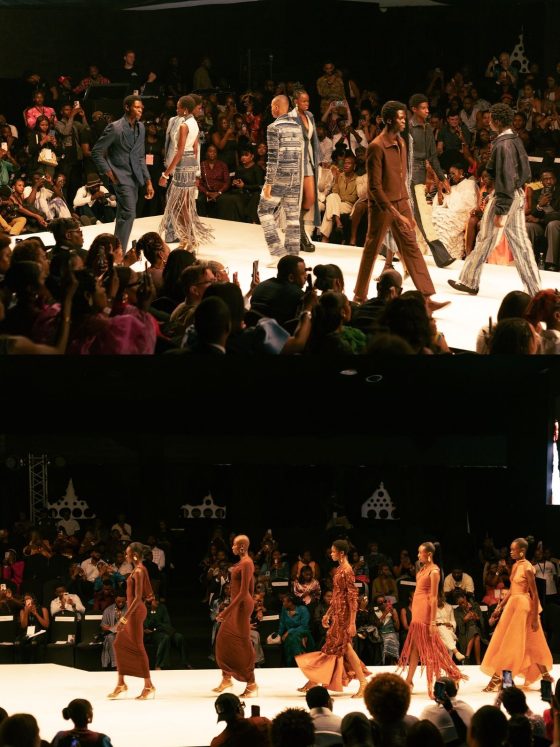
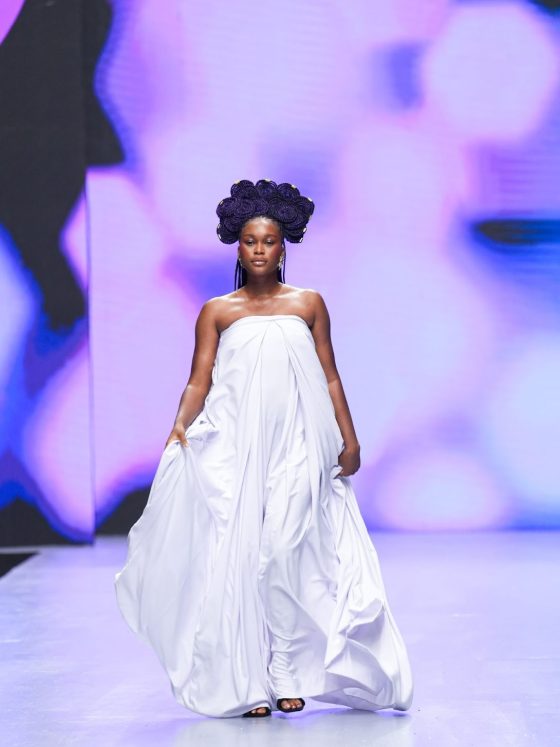
The runway showcase is the most visible element: ten African designers presented on a single, elevated runway. The curation of ten designers for the inaugural edition is a deliberate choice. A tightly curated runway creates the conditions for each designer’s work to receive full attention from media and buyers rather than being diluted across a larger show. The production standard of the presentation is itself a statement about what the Ugandan fashion industry deserves: not the makeshift conditions that talented designers have often been asked to present within, but a professional, polished environment that communicates the seriousness of the work being shown.
The retail marketplace runs alongside the runway as a public experience where guests can discover, purchase, and engage directly with participating brands and their creators. This is not a secondary element. It is the mechanism through which the runway translates into commercial activity. A designer whose collection is seen on a professional runway but who has no mechanism for direct consumer engagement at the same event walks away with press coverage. A designer whose runway appearance is immediately connected to a retail encounter walks away with revenue, relationships, and the beginning of a customer base. Bold Fashion Week’s integration of these two elements is the ecosystem thinking that separates this event from a pure showcase.
The mentorship and panel discussions programme connects participating designers with experienced industry voices across design, business development, branding, and market access. This is the dimension of the event that most directly addresses the infrastructure gap Bold in Africa identified in 2012 and has been working to close ever since: the gap between creative talent and the business knowledge required to sustain it.
The Featured Designers
The ten designers showing at Bold Fashion Week 2026 represent a cross-section of contemporary African fashion: established Kampala labels with track records across East Africa, Lagos-based talent extending its reach, and emerging makers building their first major platform presence. Each brings a distinct design argument to the runway.
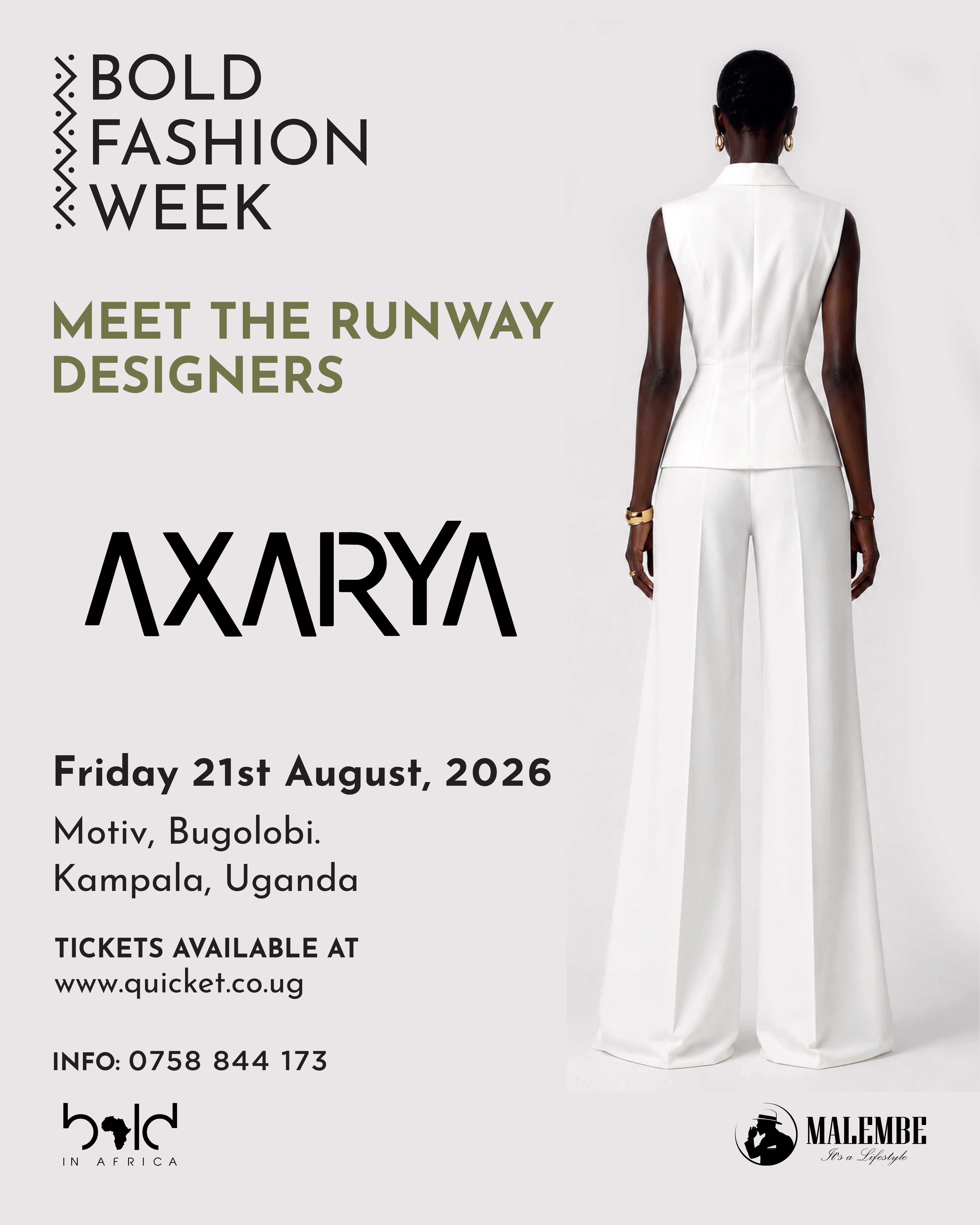
Axarya (@axarya_ug) is a Kampala-based conscious-creation brand focused on ready-to-wear, featuring bold colours and high-quality craftsmanship. The MoMentuM collection has established the brand’s signature edge within the Ugandan market.
Discreet Street x Local (@discreetstreetug) is a homegrown Kampala leatherwear and festival-wear brand, formerly known as Biika Ug, known for handmade leather goods with Ugandan-inspired pieces and a commitment to refining the African narrative. The brand has been stocked at Bold in Africa and at international pop-ups in Washington, DC.
Good Fibre is one of the newer names in the Bold Fashion Week 2026 lineup, with a minimal public profile ahead of the event, which is precisely the kind of opportunity the platform exists to create: a professional debut that builds visibility from the ground up.
Joan Jade is a Ugandan fashion brand founded in 2021 by Joan Nantege, creating contemporary womenswear inspired by African heritage, art, and culture. Joan Jade has shown at Kigali Fashion Week 2026 and Africa Fashion Week London 2026, building an international profile built on bespoke craftsmanship and sustainable materials.
Kifahari is another debut presence at Bold Fashion Week 2026. Like Good Fibre, the brand enters the event building from scratch: a first professional platform that can define a career trajectory. Watch the Bold in Africa channels after the event for full coverage.
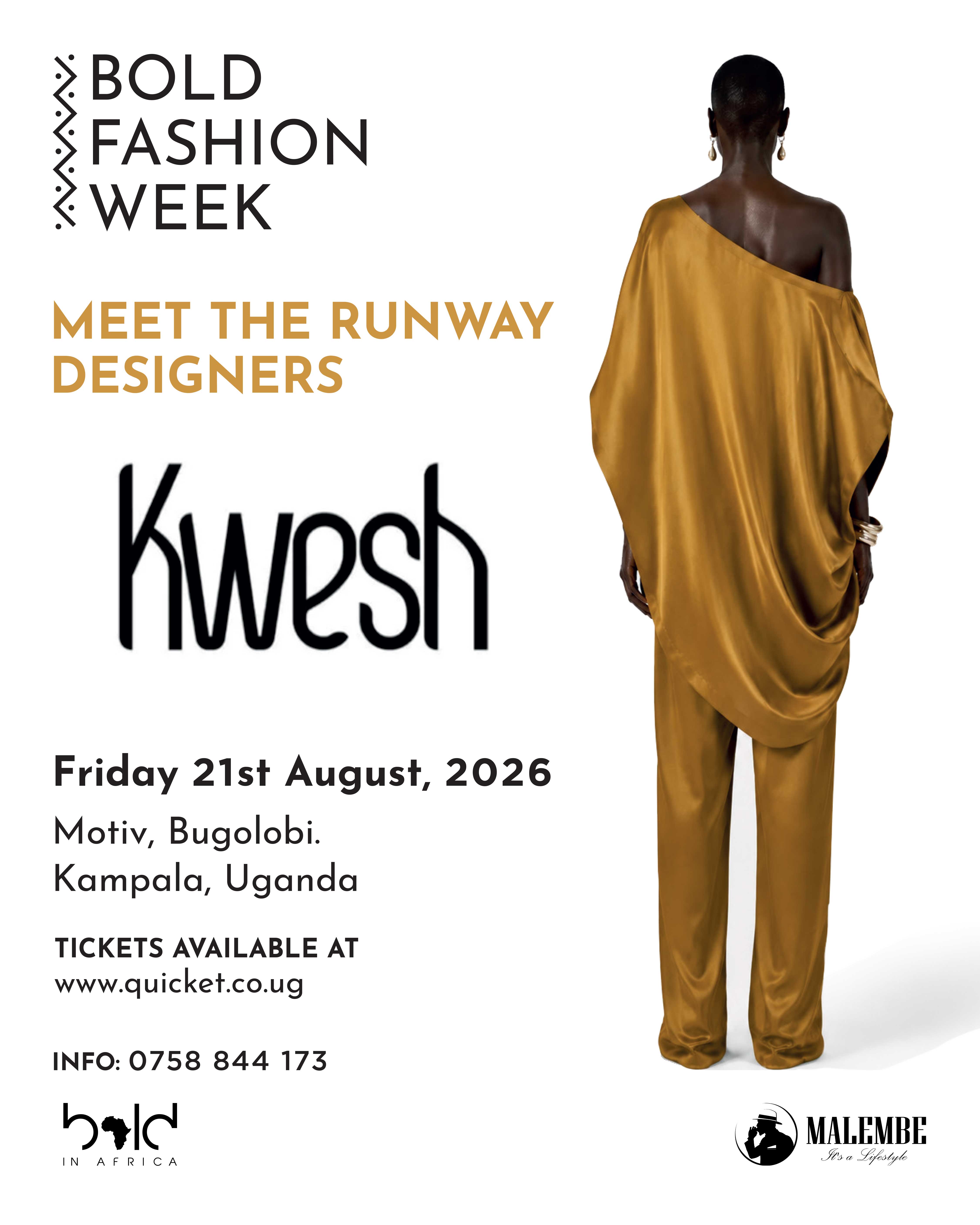
Kwesh (@kwesh.ug) is one of the most established names in the lineup. Founded in 2012 by Juliana Nasasira Karumuna and nominated for Designer of the Year at the Abryanz Style and Fashion Awards, Kwesh has built a more than decade-long reputation for minimalist, African-inspired ready-to-wear and bespoke, with stores across East Africa.
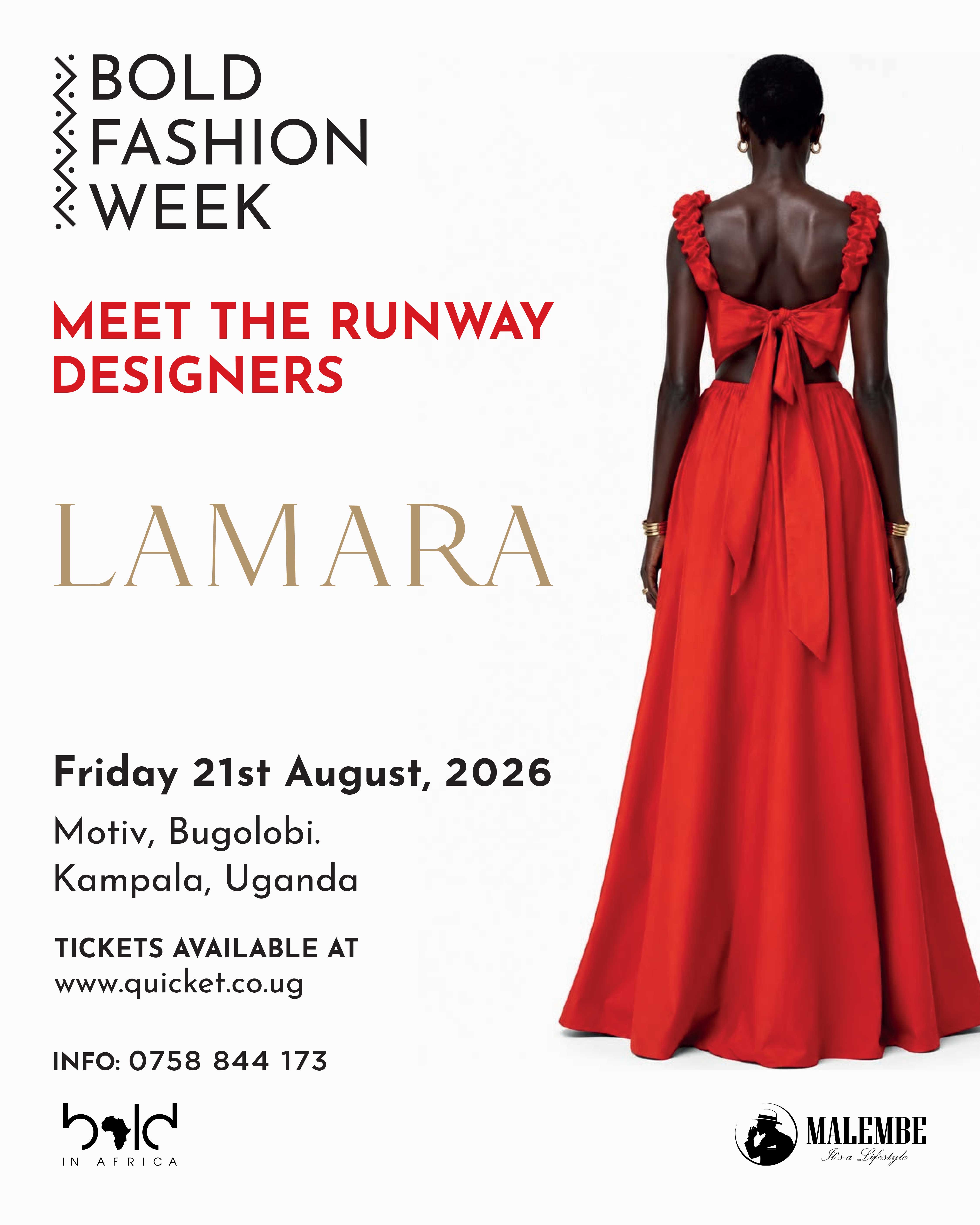
Gisella Nadia Abwoyo founded Lamara and is a graduate of the Bold Woman Fund programme, an eight-week training programme whose pitch competition Abwoyo won. The brand builds effortless ready-to-wear that positions Ugandan-made fashion for everyday elegance, and its inclusion in Bold Fashion Week is a direct continuation of the incubation work Bold in Africa has been doing for over a decade.
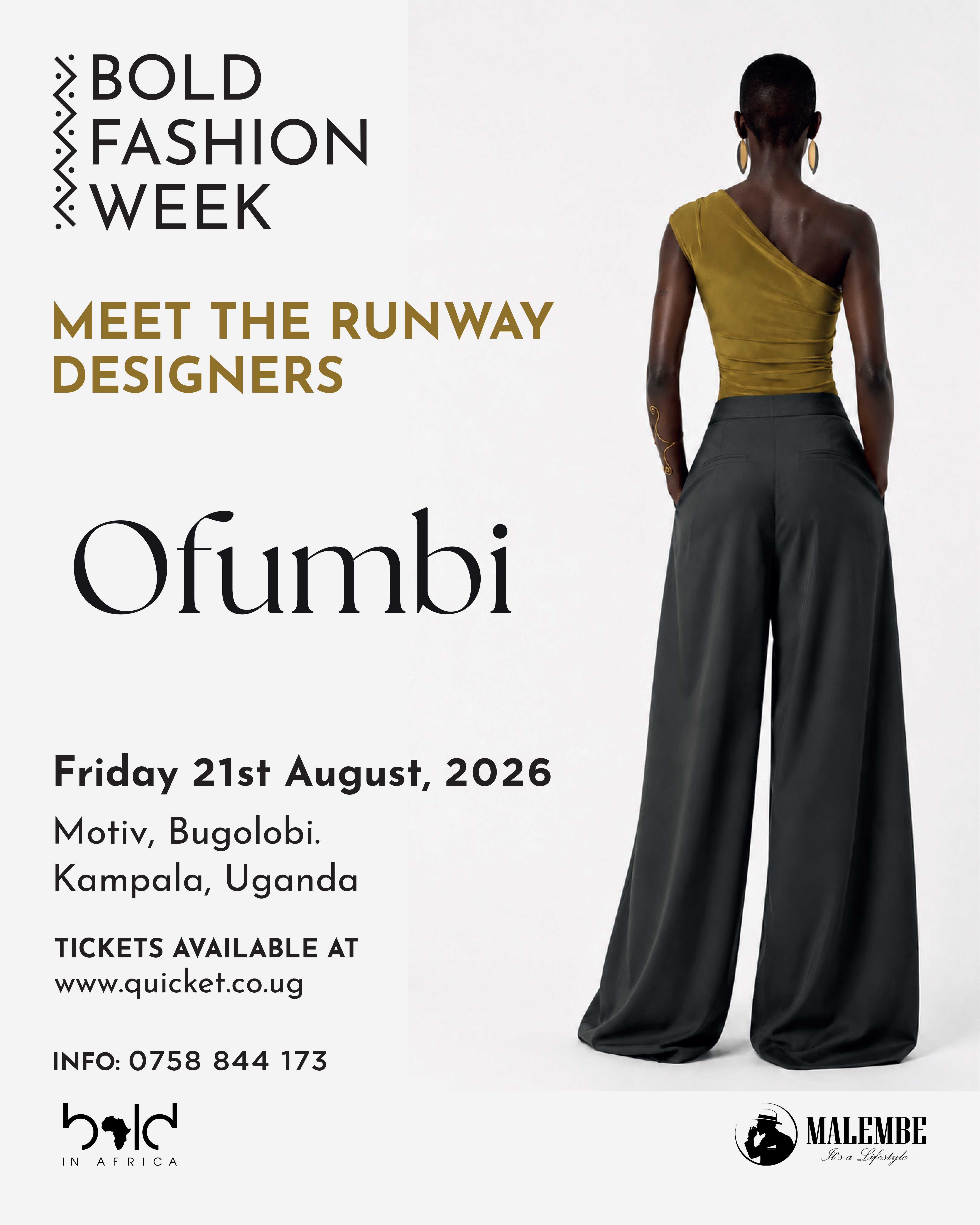
Ofumbi (@ofumbiofficial) produces effortless, versatile, and elevated pieces made in Uganda with worldwide shipping. The brand’s own framing of effortless, versatile, and elevated positions it within the premium-everyday register that is increasingly competitive among East African labels building international reach.
Shurea Yasmin is another emerging presence whose profile ahead of Bold Fashion Week is deliberately understated. The event is the platform.
Yemi Shoyemi (@yemishoyemi), the international name in the lineup, is a Lagos-based couture designer with over 56,000 Instagram followers and a practice covering bridal, occasion, and ready-to-wear. With bookings open through 2027, Yemi Shoyemi’s presence at Bold Fashion Week signals the event’s ambition to connect Kampala’s fashion platform to the broader West and East African design conversation.
Kampala’s Design Tradition
Kampala’s fashion culture is experimental, bold, and resistant to the homogenising pressure of global trend cycles. Gloria Wavamunno, founder of Kampala Fashion Week, described it directly: people are bold and embrace mixing different concepts. Growing up, witnessing this freed me from the pressure to follow fashion trends. That freedom from trend pressure has produced a design culture in Kampala that is genuinely original in its visual language: bold prints, reimagined traditional tailoring, and garments that carry cultural specificity without being folkloric or heritage-frozen.
The East African textile tradition that underpins Kampala’s design scene is among the most diverse on the continent. The region’s textile culture represents distinct traditions and design vocabularies. Kampala’s designers work within and across these traditions, producing work that is rooted in East African material culture while engaging with global fashion language on its own terms. The Uganda bark cloth tradition, a UNESCO Intangible Cultural Heritage element; the kitenge printing culture shared across the region; and the skilled tailoring tradition that has been developing in Kampala for decades: these are the material and cultural resources that Bold Fashion Week’s participating designers draw from.
Why the Infrastructure Question Is the Right Question
The argument that Kampala has always had the talent is not a compliment in isolation. It is a challenge. Talent without infrastructure is a resource that depletes rather than compounds. A designer who produces excellent work without access to professional presentation, commercial platforms, buyer networks, and business development support cannot build the kind of brand that sustains itself and creates the employment, mentorship, and supply chain activity that makes a fashion ecosystem rather than a collection of individual practitioners. The cities that will define African fashion are those actively constructing infrastructure: manufacturing capacity, institutional support, professional platforms, and market access mechanisms. Kampala has the design culture. Bold Fashion Week is the infrastructure investment.
The inaugural edition of Bold Fashion Week is happening in August 2026, at the same time that Uganda International Fashion Week returns after a six-year hiatus and Kampala’s fashion calendar experiences a significant resurgence of institutional activity. The timing is not coincidental. It reflects a city and a creative economy that have reached a moment of organised momentum: the recognition that the talent has been there long enough and that what is required now is the professional ecosystem that allows that talent to compound rather than disperse.
The Omiren Argument
Bold Fashion Week is the infrastructure argument that Kampala’s fashion talent has long needed. The African fashion market is worth 31 billion dollars. Uganda’s share of that figure is not determined by the quality of its designers, which has never been in question. The platforms determine it: professional production standards, buyer relationships, mentorship structures, and retail mechanisms that enable excellent design to become a sustainable business rather than a series of individual moments of creativity without commercial continuation. Bold in Africa’s fourteen-year record of working with over forty designers from ten African countries, running the Bold Woman Fellowship, and building retail infrastructure at Acacia Mall and in Kigali is the foundation on which Bold Fashion Week stands. The inaugural event’s structure- ten designers on a professional runway, a retail marketplace where buyers and designers engage directly, mentorship and panel discussions connecting creative talent to business knowledge- is the blueprint for what happens when fashion infrastructure is built with the designer’s sustainability in mind rather than the event’s visibility alone. Omiren Styles documents Bold Fashion Week here as what it is: the most considered attempt yet to build around Kampala’s design talent the professional ecosystem that talent has always deserved.
ALSO READ:
- Dakar Is Building Its Own Luxury Fashion System
- KikoRomeo: The Nairobi Brand That Turned Kenyan Craft Into Global Fashion Authority
- The African Cities That Will Define Global Fashion by 2030
Frequently Asked Questions
What is Bold Fashion Week Kampala?
Bold Fashion Week is an inaugural fashion event in Kampala, Uganda, launched by Bold in Africa in August 2026. It takes place on 19, 21 and 22 August 2026 and combines three programme elements: a curated runway presentation featuring ten African designers; a public retail marketplace where guests can discover and purchase directly from participating brands; and mentorship sessions and panel discussions connecting designers with business development expertise. Bold Fashion Week marks a new chapter for Bold in Africa, expanding its fourteen years of fashion incubation work into a full fashion week platform.
Who founded Bold in Africa?
Bold in Africa was founded in June 2012 in Kampala, Uganda, by three women who had studied together in South Africa and returned to Kampala to build a platform for African designers: Angel Nkwaya (Operations Director), Janet Mugume (Marketing Director), and Nunu Mugyenyi (Business Development Director). The organisation opened at Acacia Mall in Kampala and subsequently expanded to Kigali, Rwanda. Nunu Mugyenyi is the driving force behind Bold Fashion Week 2026.
What happens at Bold Fashion Week 2026?
Bold Fashion Week 2026 runs for three days in Kampala on 19, 21 and 22 August 2026. The programme includes: a curated runway presentation featuring ten African designers selected for high-quality production and commercial visibility; a public retail experience where guests can discover, purchase, and engage directly with participating brands and their creators; and mentorship and panel sessions that connect designers with business knowledge. Media accreditation closed on 17 August 2026.
What does Bold in Africa do for Ugandan designers?
Bold in Africa provides Ugandan and African designers with retail infrastructure, professional visibility, and business development support. Since its founding in 2012, it has collaborated with over 40 designers, artisans, and creators from more than 10 African countries. The Bold Woman Fellowship programme equips women designers and artisans with marketing knowledge, financial systems, and business tools. The retail stores at Acacia Mall in Kampala and in Kigali provide consistent market access for designers who would otherwise be scattered across the city without a unified commercial presence.
How is Kampala’s fashion industry developing?
Kampala’s fashion industry has deep creative roots, with Uganda International Fashion Week, founded in 2003 by Santa Anzo through Arapapa; Kampala Fashion Week, founded by Gloria Wavamunno; the Abryanz Style and Fashion Awards, celebrating African fashion excellence; and a design culture characterised by bold experimentation and independence from global trend cycles. The current moment is one of organised momentum: Uganda International Fashion Week returned in 2026 after a six-year hiatus under a Creative Economy Programme backed by the Mastercard Foundation and the International Trade Centre, while Bold Fashion Week represents a new platform built on fourteen years of Bold in Africa’s fashion incubation work.
Explore More
Read the full Fashion > Industry section for Omiren Styles’ documentation of African fashion cities, industry platforms, and the ecosystem infrastructure that is building the next phase of Afrocentric fashion.