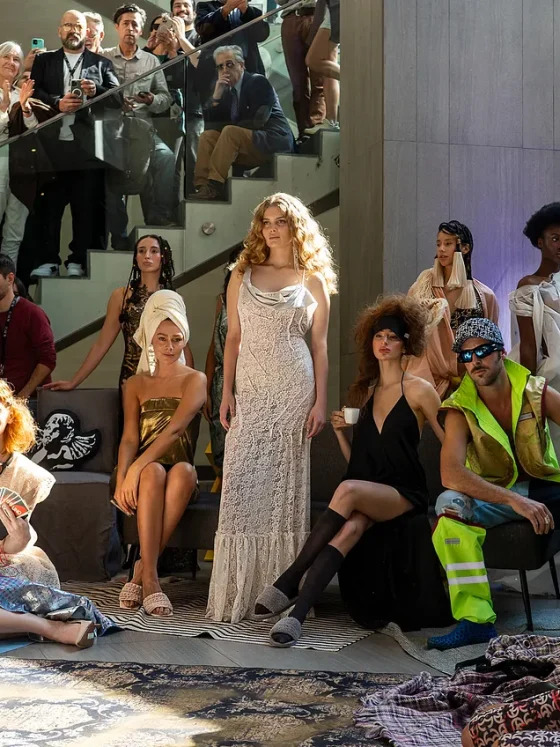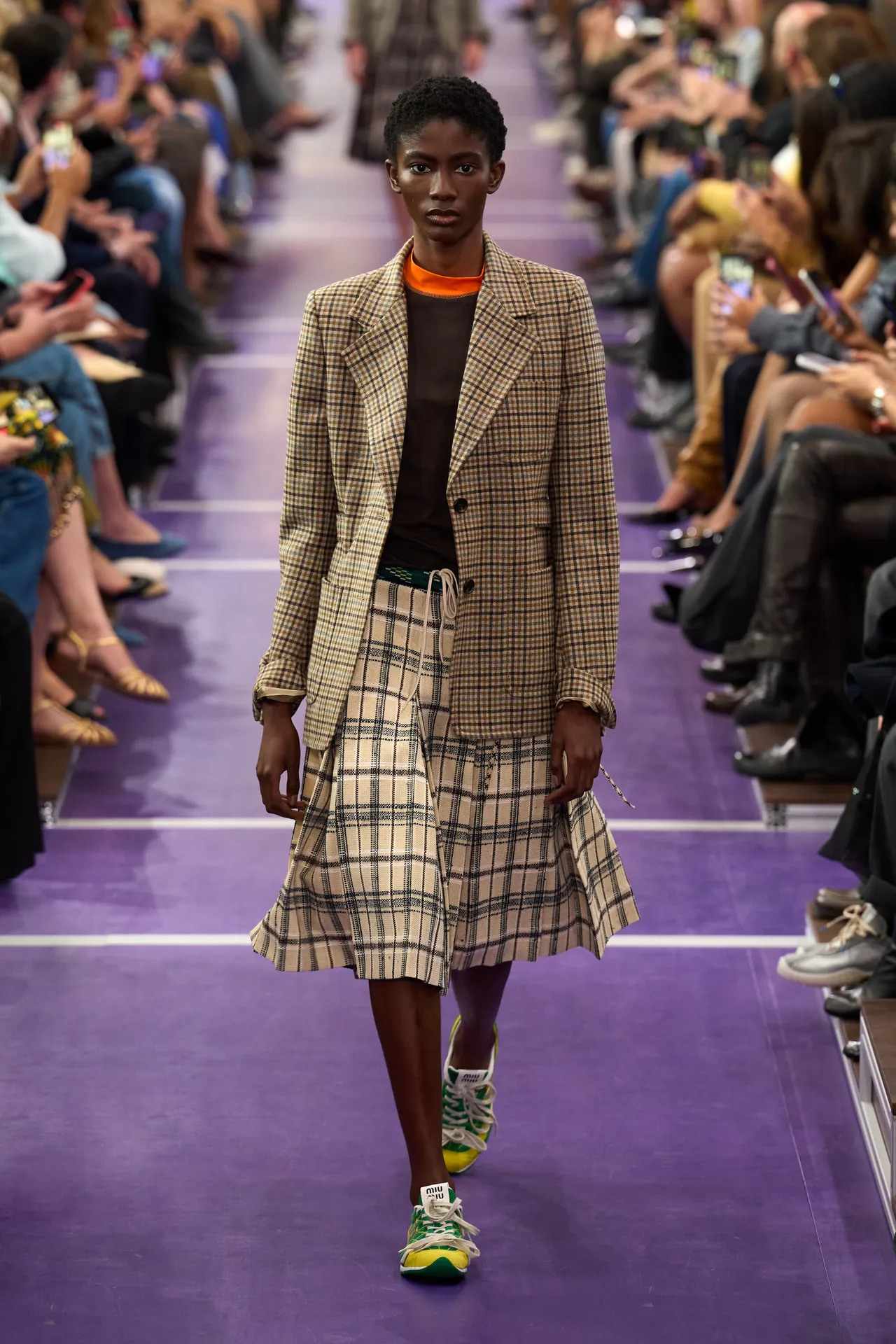
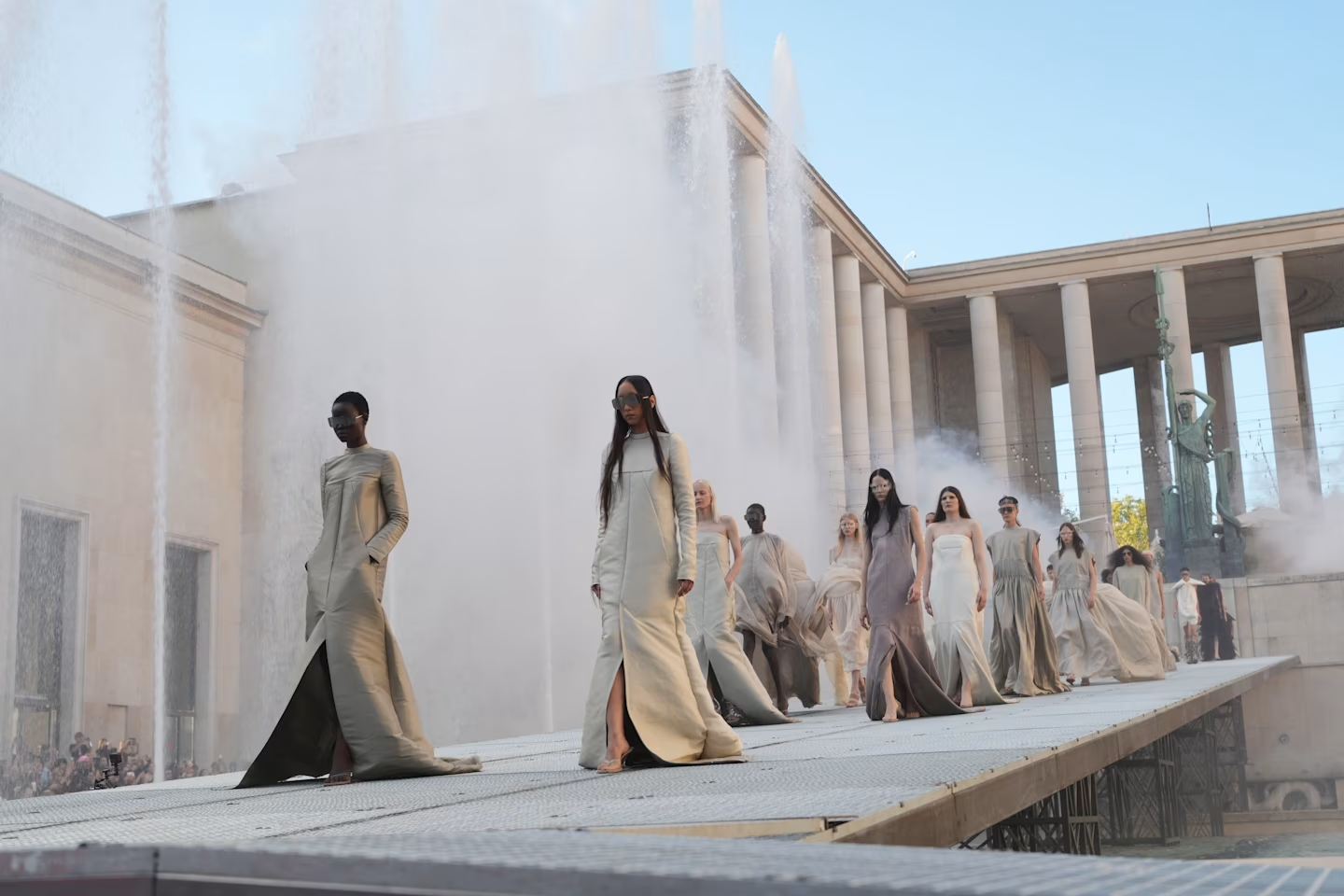
New York Fashion Week draws over 230,000 attendees each season. Add trade shows and showroom appointments, and that number exceeds 500,000. The runway shows- the ones that generate the media coverage and the Instagram content and the celebrity front rows – are one part of what New York Fashion Week actually is. The other part is the commercial circuit that runs alongside the runway: the showrooms where buyers spend their appointments, the trade floors where wholesale deals happen, and the meetings between designers and stockists that produce the orders that make the season commercially real.
As Stacker’s 2026 analysis of fashion week economics confirms, NYFW generates nearly $900 million annually for New York City, with around $547 million of that attributed to direct visitor spending. Paris Fashion Week contributes an estimated $1.36 billion to the French economy. London and Milan follow. These numbers don’t come from the aesthetic event of the shows. They are numbers produced by the full commercial ecosystem that fashion week creates: the buyers who fly in, the showroom appointments they take, the orders they place, the editorial decisions they make that drive consumer behaviour for the next six months.
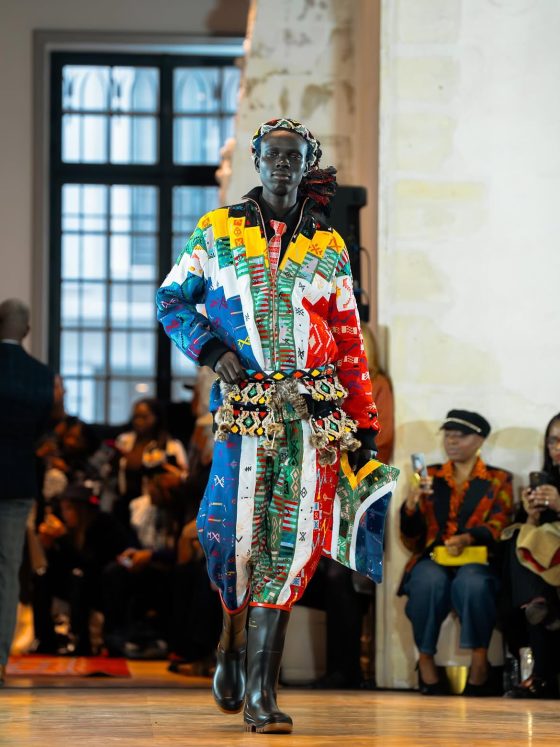
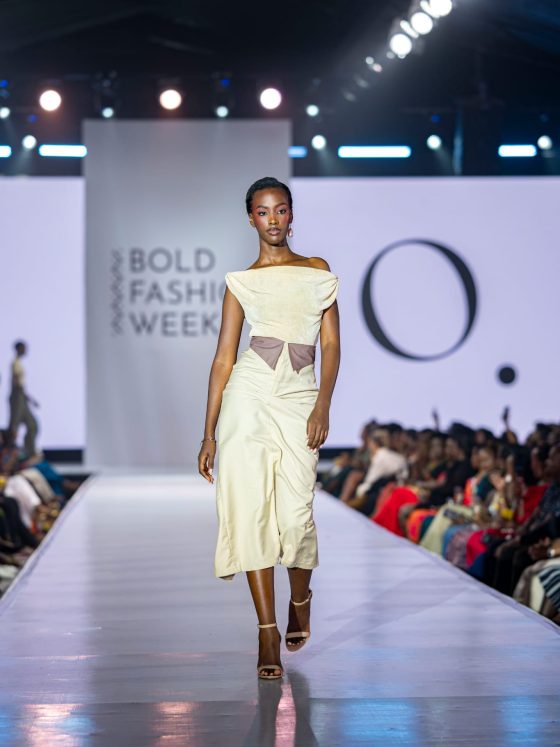
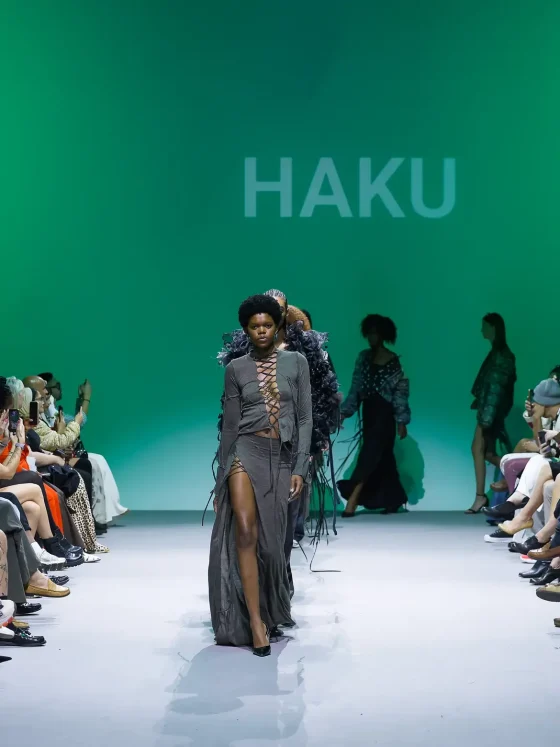
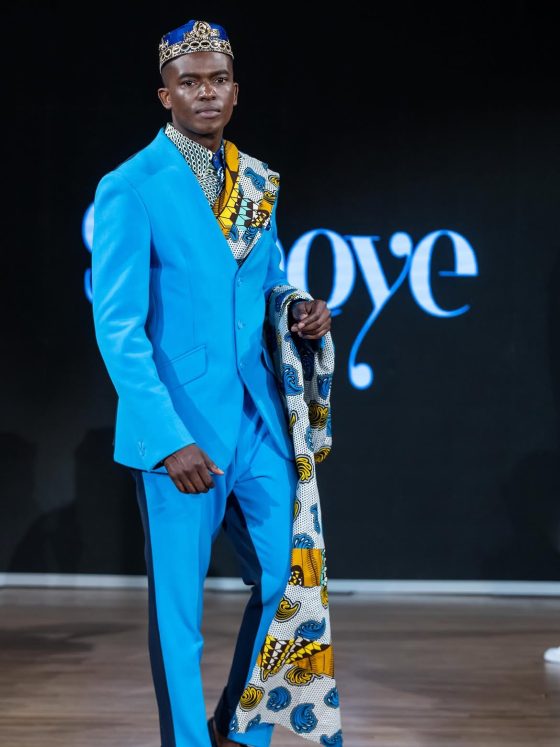
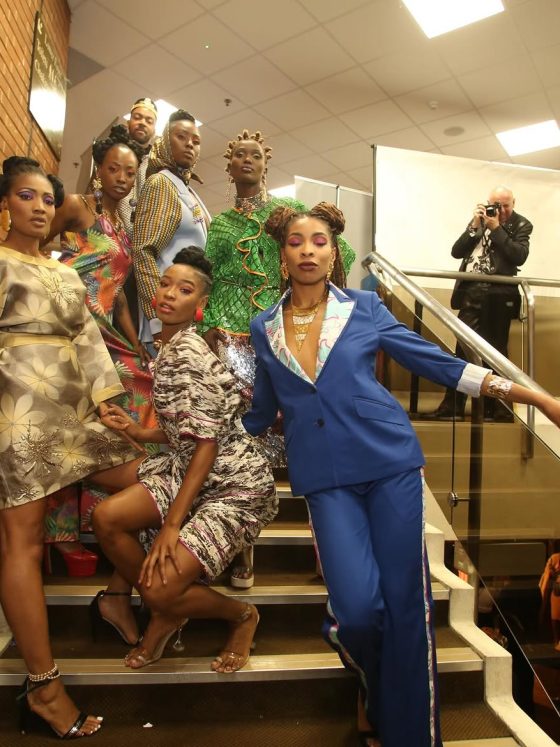
African fashion weeks have built extraordinary runways. Lagos Fashion Week is one of the most credible fashion platforms in the world for creative quality, cultural authority, and international attention. The same is true, in different registers, of Dakar Fashion Week, South Africa Fashion Week, Accra Fashion Week and the smaller but rapidly developing platforms across the continent. What has not grown at the same rate is the commercial infrastructure that runs alongside those runways. And that infrastructure is the part that produces the revenue.
New York Fashion Week generates $900 million, most of it from showrooms, not shows. African fashion weeks have built impressive runways. This piece asks whether the commercial infrastructure around the runway is growing at the same rate.
What Fashion Week Economics Actually Look Like
Understanding how fashion week economics work in established markets matters, because the African fashion week model has largely reproduced the visible part of the formula without yet building the structural part that makes it commercially productive.
In New York, Paris, London and Milan, the fashion week runway show is the public face of a commercial event that is primarily about the buyer and press circuits that run alongside it. Designers show on the runway, but they close deals in the showroom. Showroom appointments, which buyers schedule weeks in advance, are where wholesale orders happen. A buyer who attends a runway show and likes a collection doesn’t place an order from their seat. They take the showroom appointment, see the collection up close, review the line sheet, confirm the pricing and the minimums, and place the order in that meeting.
The runway generates the desire. The showroom closes the deal. A fashion week with a well-attended runway and no functional showroom circuit can generate desire; it cannot convert. That is the structural gap many African fashion weeks currently occupy: impressive runways, limited showroom infrastructure, and the conversion gap that results.
NYFW reaches 500,000 people when showroom appointments are counted alongside show attendance. The shows are the part that generates the content. The showrooms generate the revenue. African fashion weeks have the shows. The showroom circuit is the gap.
What a Buyer’s Fashion Week Actually Looks Like
A buyer who invested $3,200 in a New York Fashion Week trip returned with a first-year impact exceeding $25,000, according to a 2026 case study documenting buyer ROI from fashion week attendance. The return came from a $15,000 order placed with a new accessories brand discovered at the event, plus early identification of trend signals that positioned the buyer ahead of competitors, plus three new supplier relationships initiated during the week. The 8x return on investment came not from watching the shows but from the commercial activity that ran alongside them.
A buyer’s fashion week schedule in an established market looks nothing like the editorial version of fashion week that appears in coverage. It is a structured sequence of showroom appointments, line sheet reviews, sample assessments, and commercial conversations booked in advance. The shows are appointments buyers attend when they have a gap in their commercial schedule, not the primary reason they are in the city. The commercial reason they are in the city is the appointments.
For a buyer attending Lagos Fashion Week, the experience is currently different. The shows are excellent. The commercial infrastructure around them is developing but not yet equivalent. There is no established showroom circuit comparable to the New York or Paris model. Emerging initiatives include the Green Access accelerator programme, which supports selected designers in building commercial readiness, and the evolving post-show commercial engagement that Lagos Fashion Week is building. But a buyer who flies to Lagos for the fashion week cannot currently replicate the structured commercial week that a New York or Paris fashion week provides. The shows are there. The appointment infrastructure is not yet built at the same scale.
What Lagos Fashion Week Is Building
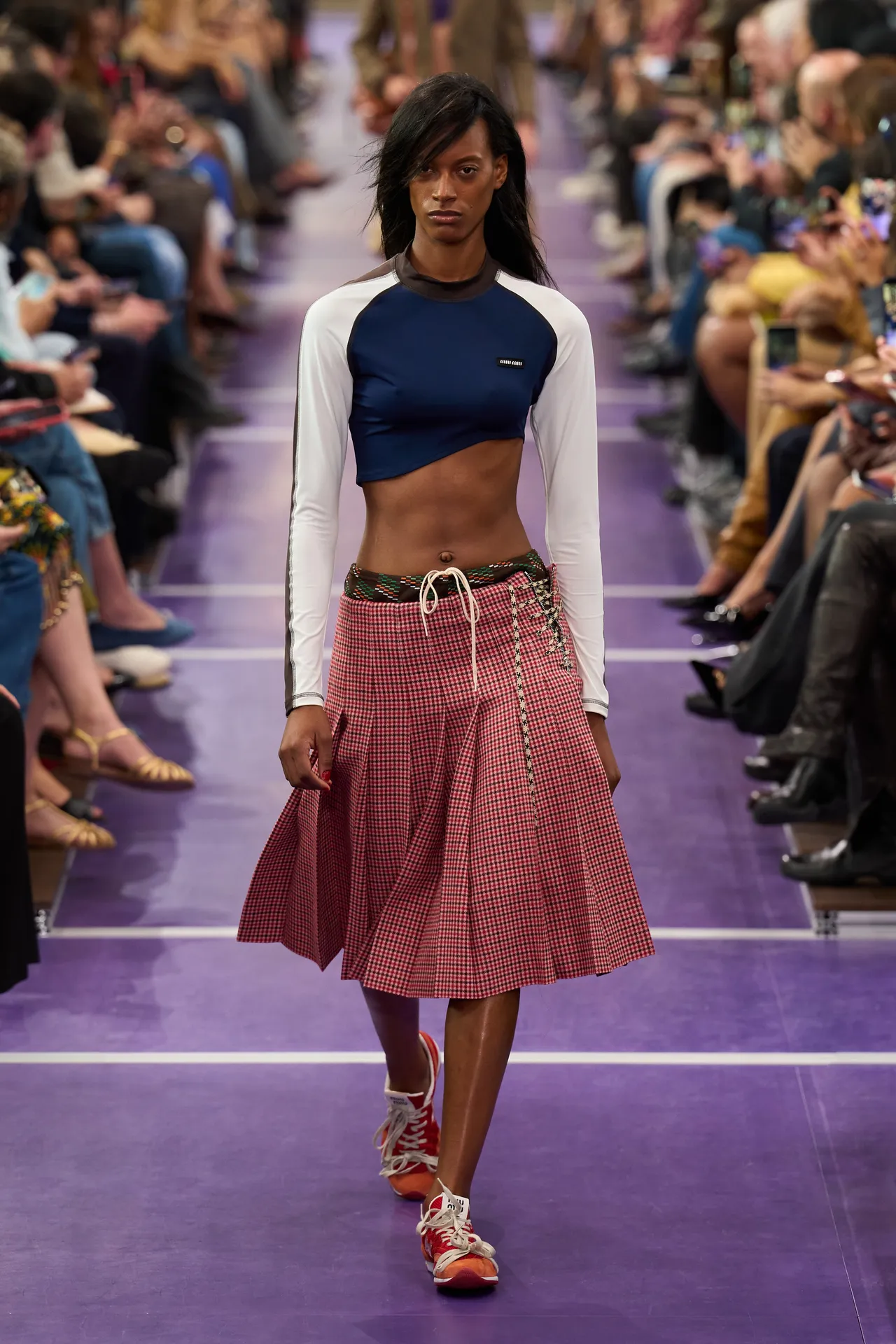
It would be wrong to describe Lagos Fashion Week as simply a runway event that has not yet addressed its commercial function. That would miss what the platform is actively doing. The Green Access accelerator, now in its 8th edition, uses the fashion week as the culminating platform for a programme that has been building designers’ commercial readiness across the preceding months. The designers who show through Green Access are not just showing on a runway. They have been through a programme designed to ensure they are commercially ready for the buyer conversations the show creates.
Lagos Fashion Week also has an established relationship with international buyers and press programmes that have brought credible international commercial attention to the platform. Moda Operandi sent buyers to Lagos Fashion Week for the first time in 2024. That is a meaningful commercial signal. A luxury multi-brand retailer does not commit the resources to send buyers to a fashion week unless it believes there is a purchasing opportunity there, not just editorial content.
Africa Fashion Week London’s 2026 Shop the Runway format is another model worth examining. The format allowed buyers, stylists and media to purchase directly from participating designers on the day of the show, closing the gap between runway visibility and retail revenue in the moment rather than relying on a follow-up appointment cycle. That is a structural intervention, not a promotional addition. It changes the event’s commercial logic by making conversion immediate rather than deferred.
The Showroom Question
The showroom is where wholesale fashion is bought. Not the runway. The runway is the argument for why a buyer should take the showroom appointment. Without a showroom, the argument has nowhere to go. A buyer who sees a collection on the runway and cannot follow it up with a showroom appointment, where they can review the samples, examine the quality, confirm the pricing and place the order in a structured commercial conversation, is a buyer who returns home without having completed the transaction the runway invited them to make.
As Omiren Styles has established through its analysis of what constitutes a genuine fashion access point, a runway show is Tier 1 access: it generates awareness, but it has low convertibility, the probability that an interested buyer can complete a transaction through it. A showroom with samples, line sheets and ordering capability is Tier 4 access: it connects the buyer directly to a commercial transaction through a third-party retail mechanism. Fashion weeks that only operate at Tier 1 are producing awareness events. Fashion weeks that build the infrastructure for Tier 4 are producing revenue events.
The showroom infrastructure does not have to be in Lagos or Accra or Dakar to serve the designers who show there. Some African fashion platforms have experimented with showroom extensions in London or Paris, where the international buyer community is physically present, and the commercial infrastructure is already in place. This model, shown in Lagos and converted in London, is not a failure of the African platform. It is a pragmatic use of where buyers already are while the African showroom infrastructure is being built. The criticism is when the London extension exists, but the Lagos commercial infrastructure is not being built alongside it.
What Post-Show Evidence Would Tell Us
As Omiren Styles’ post-show evidence log framework establishes, a fashion event that cannot produce, three months after the shows, the number of buyer appointments held, the number of orders placed, the total wholesale value of those orders, and the number of new stockist relationships initiated, is an event that does not know whether it is producing commercial value alongside its cultural value. That is not a small omission. It is the information that determines whether the investment in the event is producing a commercial return for the designers who participated.
African fashion week organisers who can answer those questions can make the case for the investment their events require. The cultural argument for African fashion weeks is already won. The creative quality, cultural authority, and international attention are not in dispute. The commercial argument, the one that attracts the international buyers, the corporate sponsors and the institutional investment that would allow African fashion weeks to build the commercial infrastructure that currently separates them from NYFW’s $900 million economic model, requires the data that post-show commercial tracking produces.
Lagos Fashion Week 2025 generated $1.7 million in media value and 44 million in digital reach. Those are impressive numbers for a visibility metric. The order volume number for the same event is not publicly documented. The gap between the visibility metric and the commercial metric is one the event’s organisers, sponsors, and participating designers all have an interest in closing.
Three Things Fashion Weeks Must Build
This piece does not argue that African fashion weeks are failing. It is that they are succeeding at the visible part of the formula and now need to build the structural part at the same speed. Three specific things distinguish fashion weeks that generate commercial value from fashion weeks that generate cultural value only.
First, a functional showroom circuit. This can be physical, digital, or both. Digital showroom packages at established fashion weeks currently cost $500 to $2,000 per season, offering buyers streams, virtual showrooms, 360-degree views and video meetings. The technology exists. The question is whether African fashion week organisers are investing in it as a core part of the event rather than an optional add-on.
Second, buyer credentialing that is separate from general attendance. A fashion week that counts buyers and general audience members in the same attendance figure cannot tell whether buyer attendance is growing or declining. Credentialing buyers separately, measuring attendance, which sessions and showroom events they engage with, and what follow-up commercial activity they report is the infrastructure that turns a fashion week from a cultural event into a commercial platform.
Third, post-show commercial tracking and reporting. The fashion weeks that will attract sustained corporate and institutional investment are the ones that can demonstrate, with documented figures, that their events produce orders, stockist relationships and export revenue for participating designers. The cultural case does not need to be made again. The commercial case requires data, and data requires infrastructure. Building that infrastructure is not a distraction from the creative mission of African fashion weeks. It is the thing that makes the creative mission financially sustainable.
ALSO READ:
- African Fashion Has Visibility – But Where Are the Buyers?
- What Buyers Need Before They Place an Order
- After a Fashion Show, Which Outcomes Can an Editor Actually Verify?
- What Counts as a Fashion Access Point? The Omiren Index Classification Test
- The Global South Made Fashion. It Just Never Got Credit.
The Omiren Argument
New York Fashion Week generates $900 million a year. Almost none of that comes from the shows themselves. It comes from the entire commercial ecosystem: the shows anchor the buyers who travel for the showroom appointments, the retailers who stock what the buyers order, and the consumers who buy what the retailers stock. The shows are the hook. The infrastructure behind them is the economy.
African fashion weeks have built extraordinary hooks. The runways are compelling, the designers are exceptional, and the cultural authority is undeniable. What the continent’s fashion week infrastructure needs now is the investment in everything that happens after the last model walks off the last runway: the showroom appointments, the buyer follow-up, the order documentation, and the commercial tracking that turns a great week of shows into a measurable return on the investment that made it possible.
African fashion has the creative quality, the cultural authority and the international attention. What it needs now is the commercial architecture that converts those three things into sustained revenue. Fashion weeks are the most powerful platform African fashion has for building that architecture. The runway is the beginning. The commercial infrastructure around it is the argument that the runway was worth making.