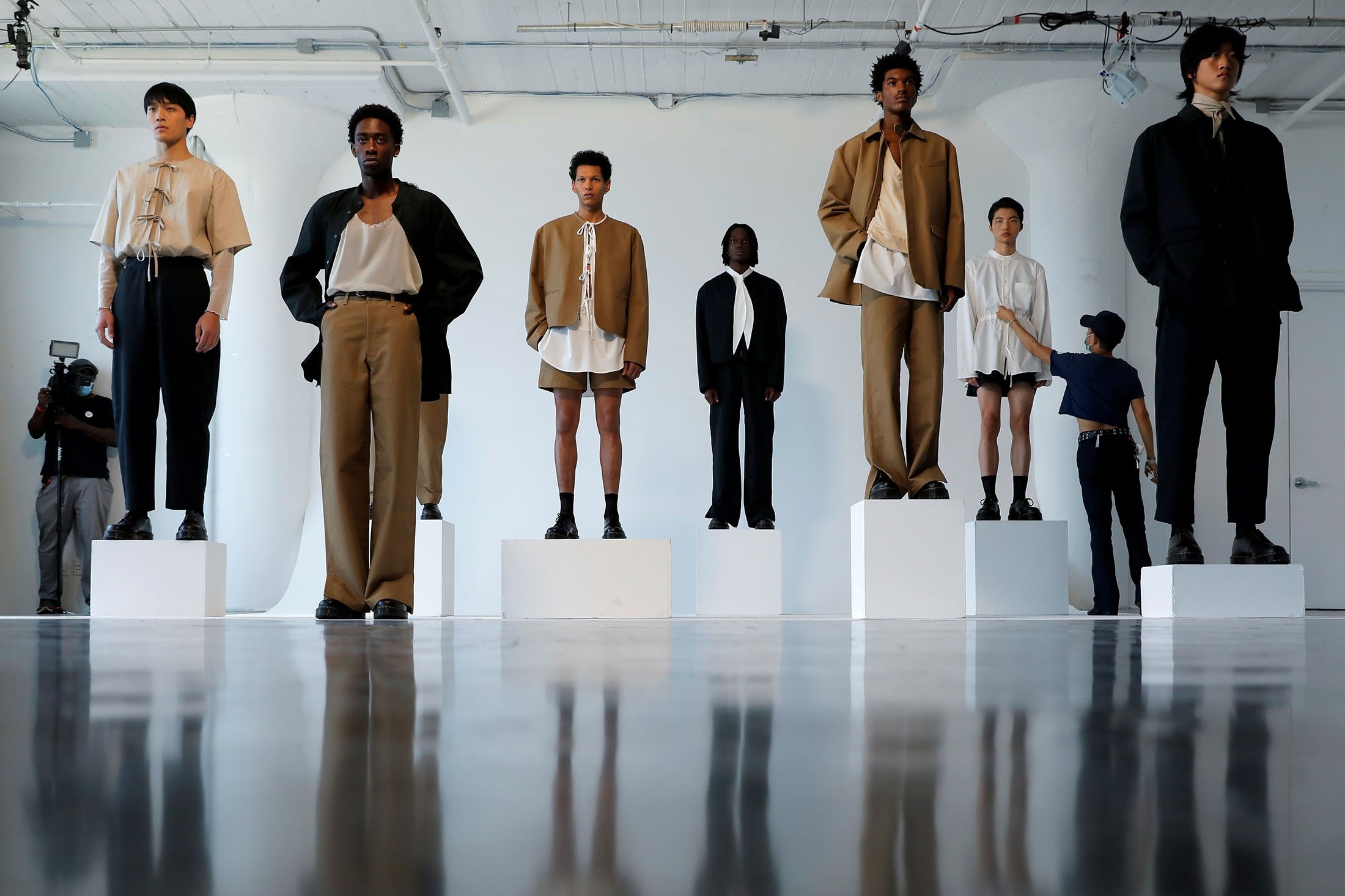
A dramatic photograph can introduce a collection without documenting every garment. A catwalk can present selected archive pieces rather than a new seasonal range. A collection announcement can arrive months before the clothes become available. These distinctions change what an image, show report, or brand page tells us—yet fashion writing, social media captions, and even press materials regularly collapse them into one another. The result is not a small confusion. It is the difference between knowing what you are reading and believing you know something you do not.
“The clothes and the photographs are connected, but designing the garments and producing the images are not the same activity.” — Working principle, Omiren editorial standard.
The point here is not to rank one format above another or to suggest that campaigns are somehow less important than collections. It is simply about identifying what kind of material you are looking at before concluding. Three documented examples provide a practical guide: Thebe Magugu’s Autumn/Winter 2023 lookbook, the V&A’s Fashion in Motion events and Bianca Saunders’s Spring/Summer 2027 collaboration announcement. Each describes a different relationship between clothes, presentation and audience. Read together, they show why collection, campaign, lookbook, show and release should not be treated as automatic synonyms — even when they overlap.
Learn how to distinguish fashion collections, campaigns, lookbooks, runway presentations and releases through documented examples from Thebe Magugu, Bianca Saunders and the V&A.
Start with the Collection, Then Identify Its Presentation
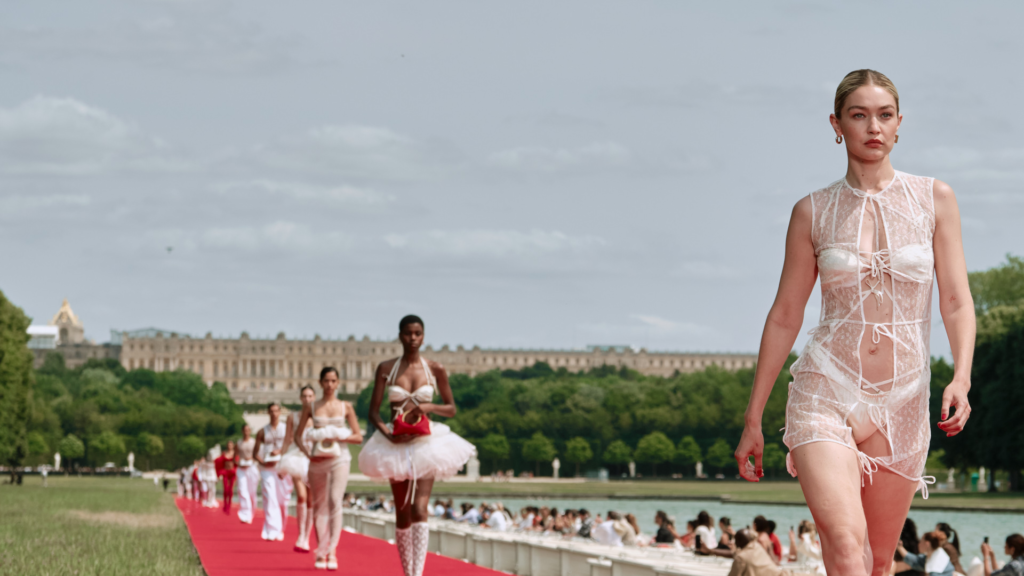
The most useful starting point is a working distinction between the collection itself — the named body of designs under discussion — and the presentation, which is the way those designs are made visible to an audience. This is a practical distinction, not a claim that every brand uses identical terminology or that the two are always clearly separated in practice. What it gives you is a question to ask before interpretation begins: which of these two things am I actually looking at right now?
Thebe Magugu’s official Autumn/Winter 2023 page is a clear example of the distinction made explicit. The page names the collection Folklorics and discusses its silhouettes, print motifs, pleating and knitwear. It then identifies the accompanying photographs as a lookbook. The two are presented together, but they aren’t the same thing. The official source treats garment design and image production as related but separate activities—and that separation is exactly what makes the page a reliable starting point.
Establish that distinction before you begin any interpretation. A collection description may establish a material or technique that a photograph cannot prove. An image may show a combination that the accompanying text does not describe. Neither should be used to silently supply information that is absent from the other — such as current stock levels, a construction method not visible in the image, or every available colourway. Both contribute something; neither replaces the other.
A Lookbook Can Explain Outfits and Build a World
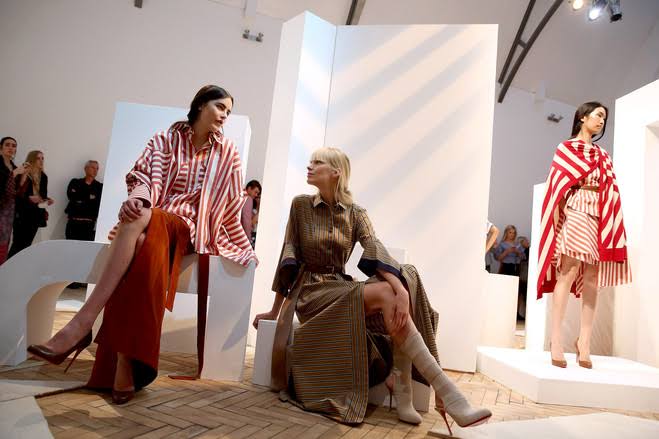
Magugu’s Folklorics page credits photographer Pieter Hugo and stylist and art director Chloe Andrea Welgemoed. The designer describes the photographs as taking place against rocks, sand, concrete, and water, linking those elements to the collection’s account of shared stories and folk memory. The official source therefore identifies both the format and its conceptual setting, and the two are in productive conversation rather than kept at arm’s length.
This corrects the assumption that a lookbook must be a plain product catalogue photographed against a neutral background. This particular example combines clothing presentation with a developed setting, a credited creative team and a stated conceptual framework. The atmospheric quality of the images does not make the photographs irrelevant to the garments. The arrangement should be read as a deliberate brand choice, and that choice is part of what the lookbook communicates.
What the Image Sequence Does Not Establish
A sequence of lookbook images can help readers compare recurring proportions, garment combinations and visible construction details. Magugu’s page shows 24 image positions, but that number shouldn’t automatically translate into a count of individual products or be treated as a complete commercial inventory. One photograph can contain several items. A photographed item may appear more than once across the sequence. Neither observation criticises the lookbook format; both are reasons to be precise about what the sequence actually shows.
The same caution applies to how combinations are read. A shown outfit establishes that those pieces were presented together in this context. It does not prove that every garment in the collection is interchangeable with every other, or that the pictured combination will be comfortable for a particular wearer, or that the proportions shown will read the same way on every body. Those are separate questions, and they require further, independently verified information — product specifications, wearer testimony, or material descriptions from the brand itself. The image is a starting point, not a final answer.
A Campaign Communicates Through a Chosen Presentation
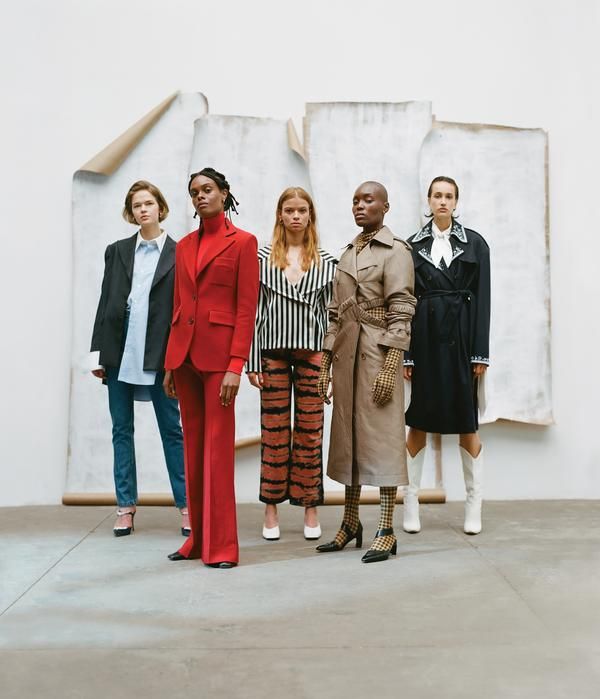
FashionUnited’s July 13, 2026 report on Bianca Saunders’s Meet You Before Sunrise shows how the relationship between a collection and its campaign can become more complex when the same collaborators develop both. The report identifies the project as Saunders’s Spring/Summer 2027 collaboration with The Midnight Club—a multidisciplinary creative company involved in both the collection’s concept and design and the creation of its promotional material.
That role is broader than the more conventional arrangement in which a photographer or agency receives a completed range and creates images to communicate it separately. Here, the same collaborator helped define the collection and shape how it is shown. That does not make the collection and the campaign identical, but it does mean the division between them is less clean than the standard model assumes. A campaign should not be treated as detached decoration applied after the fact, nor should its imagery be read as a complete technical account of the underlying designs.
Saunders’s statement about the project — describing transitional moments, shadows and silhouettes that appear in motion — establishes a stated concept. It does not establish every garment’s material composition, the number of commercial versions, or how a photographed effect would look under different lighting conditions. Both kinds of information are useful; neither replaces the other. For Omiren’s more detailed analysis of that collection specifically, see our Bianca Saunders SS27 feature.
A Runway Is an Event, Not Necessarily a New Season
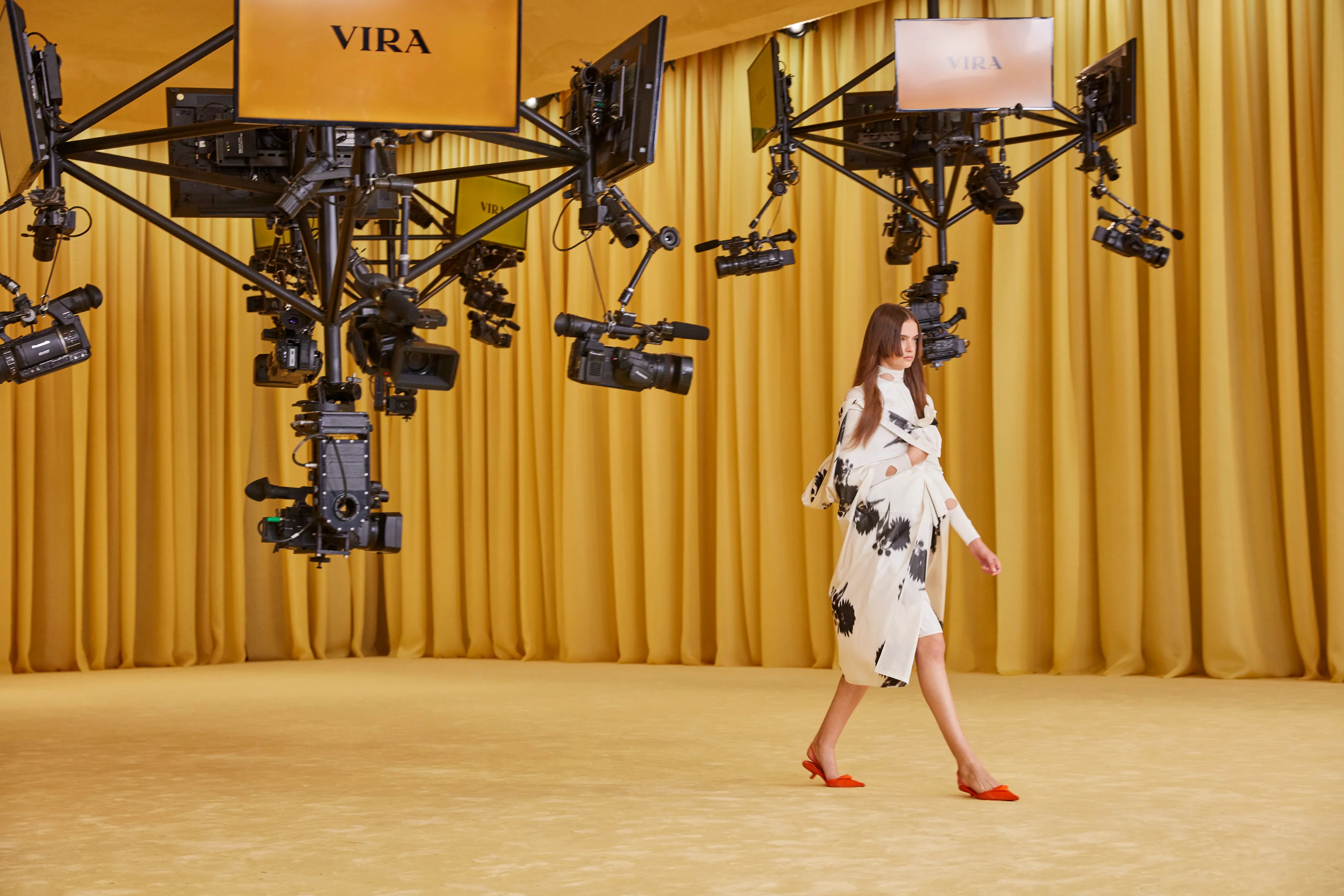
The V&A’s Fashion in Motion programme is a series of live fashion events that bring the catwalk experience to a wider audience. It’s a useful example because its programme spans multiple relationships between the event and the clothes being presented. Some events introduce new work. Others present selections, archive pieces or retrospectives. The format — a live presentation — is consistent across the programme. The clothes’ relationship to time is not.
The museum describes Holly Fulton’s presentation as a retrospective marking the label’s tenth anniversary. It describes Kansai Yamamoto showing new and archived pieces spanning four decades, including recreations of designs associated with David Bowie. Neither event should be rewritten as the launch of a newly designed seasonal collection, because the V&A’s own documentation says neither event was. The format carries enough authority to feel like a seasonal announcement — a catwalk, a live audience, a major institution — but the programme description is clear about what each event actually presents.
This matters for anyone writing about or researching fashion history through institutional records. A live event at a major museum is not automatically evidence that the garments shown were designed in the year of the event. The presentation date and the garment’s original design date are separate facts that must be established independently. For more on how institutional records frame dress history, see Omiren’s piece on what a museum record can and cannot tell us about dress.
Presentation Dates and Release Dates Answer Different Questions
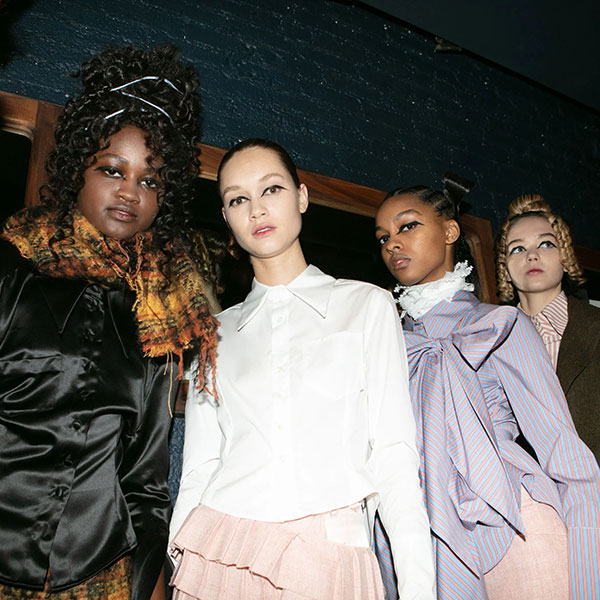
The Saunders collaboration report makes the timing question concrete. It describes a 30-piece collection, with two pieces launching on July 13, 2026 and a planned full collection launch in January 2027. That account contains three separate moments: the announcement, the initial release and the proposed wider availability. Spring/Summer 2027 is the season designation for the collection itself, not the date of the announcement or the date of the initial release. Those are three different facts, and treating any one of them as a substitute for the others produces an inaccurate account.
This is one of the most common sources of confusion in fashion reading. Seeing a campaign — however complete and polished it looks — does not establish that the entire range is available to purchase immediately. Treat a report of a planned launch as a plan until later evidence confirms the launch actually happened. And a publication date on an article is not a substitute for either a launch date or a current availability check. When in doubt, go directly to the brand’s official channel for current stock information rather than working backwards from press coverage.
Read the Caption Alongside the Picture
A useful caption identifies the source’s description of the format, the collection or project, the relevant date and the credited image-maker. When an event is retrospective or an image is promotional, that context keeps the photograph from being mistaken for something it isn’t. Keep credits and dates attached to images as they are discussed, rather than dropping them once the image is in circulation.
The surrounding text is equally important and often gets skipped. In the Magugu example, it supplies material and technique descriptions that the photographs cannot prove on their own. In the Saunders example, it supplies launch timing that shapes how availability is understood. In the V&A programme, it establishes whether an event presents new work or archive material. The image alone cannot reliably carry all that information—and expecting it to does create gaps that assumptions fill.
The practical approach is to ask precise questions of each piece of material in front of you: What is actually visible here? What does the source explicitly state? What is an editorial interpretation of what is shown? Keeping those three categories distinct yields a stronger reading than uncritically repeating promotional language or claiming that a photograph proves every aspect of a garment’s construction, availability, or wearability.
Match the Question to the Evidence
Different questions require different kinds of evidence, and the main risk in fashion reading is reaching for the most visually compelling material instead of the most appropriate source. For outfit relationships and styling combinations, look for an identifiable sequence and clear views of how pieces are worn together. For design intentions and concepts, seek attributable statements from the designer or brand. For construction or materials, use documented specifications from the brand itself or from reviewed independent sources. For availability, consult current ordering information directly from the brand or an authorised retailer.
None of those sources is a shortcut to another. A campaign can offer compelling imagery about a collection’s concept and mood. A lookbook can show a developed clothing proposition across multiple combinations. A live runway event can reveal scale, movement, and proportion that still photography cannot. None of those formats automatically establish a full product range, document every available option, or describe a universal wearing experience across different bodies and contexts. The strongest interpretation identifies what the format makes visible — and is honest about where additional information is still needed.
That honesty is not a weakness in fashion writing. It is what gives a reading its staying power. The formats will keep changing. The underlying question — what does this source actually show, and what does it leave open? — stays relevant across all of them.
Also Read:
- What a Museum Record Can – and Cannot – Tell Us About Dress
- Bianca Saunders SS27: Meet You Before Sunrise
- Five Black British Designers Who Are Building the Future of London Fashion
Frequently Asked Questions
Is a Lookbook Always a Plain Product Catalogue?
No. Magugu’s documented example uses a developed setting and conceptual imagery alongside its garment presentation. The lookbook label does not mean the photographs are neutral or exhaustive. Read the brand’s description and garment information together, and don’t assume a fixed photographic style or a complete inventory from the format’s name alone.
Does a Runway Date Establish a Garment’s Design Date?
Not necessarily. The V&A’s Fashion in Motion programme includes retrospective and archive presentations, where the event and the garment’s original design belong to different moments in time. Use the source’s own chronology. If a source identifies only the presentation date, retain that date without inventing the garment’s original season or release history.
If I See a Campaign, Can I Buy the Collection?
Not automatically. As the Saunders example shows, an announcement and a full release can be separated by months. Seeing a campaign, reading a press report or finding a brand page does not confirm that every piece is currently available in every size. Check current stock directly with the brand or an authorised retailer before drawing any conclusion about availability.