Most conversations about fashion start at the end. The finished garment. The campaign image. The runway moment. What rarely gets discussed is the sequence of decisions that produced it, and what that sequence tells you about the designer who made them.
For buyers, editors, and collaborators working with African and diaspora designers, learning to read a designer’s process is one of the most useful skills available. It is more reliable than a mood board. It is more informative than a press release. And it is far more honest than the finished collection, because a process cannot be styled or retouched. What you see is what the designer actually does when the work gets difficult.
The three stages that matter most are the sketch, the sample, and the fitting. Each one carries specific information. Knowing how to read them changes how you assess designers, how you commission work, and how you decide where to invest editorial attention.
What a designer’s sketches, samples, and fitting sessions reveal about craft, consistency, and commercial readiness. A guide for buyers, editors, and collaborators.
What the Sketch Reveals Before the Fabric Is Cut
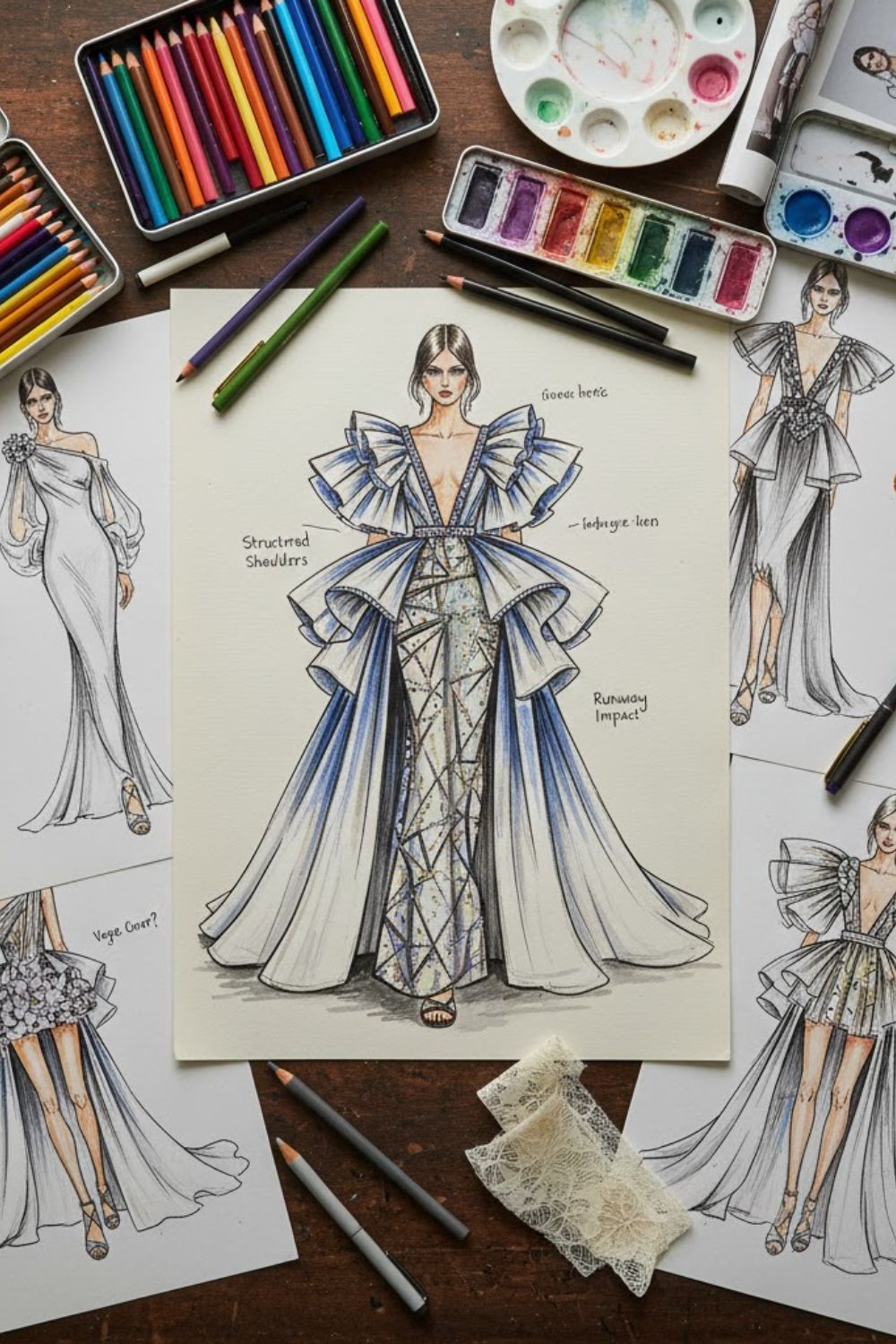
A sketch is not a picture of a garment. It is a record of how a designer thinks.
The level of detail in a working sketch tells you whether a designer is solving construction problems on paper or deferring them to the cutter. A sketch that shows only a silhouette suggests the designer works intuitively and relies on the pattern maker or tailor to translate intention into structure. That is not necessarily a weakness, but it is information. It means the quality of the finished garment depends on the relationship between the designer and whoever interprets the sketch. If that relationship is strong, the work is strong. If the designer changes makers frequently or works with whoever is available, the work will be inconsistent.
A sketch that includes seam placement, fabric grain direction, and construction notes tells a different story. It tells you the designer has already worked through how the garment will be built before a single toile is cut. The detail is not decoration. It is evidence of technical thinking happening at the right stage.
What matters equally is what the sketch does not show. Many African and diaspora designers work with fabrics that carry their own logic: handwoven textiles, resist-dyed cloth, fabrics with directional patterns that behave differently depending on how they are placed on the body. A designer whose sketches account for this, whose drawings show awareness of how a specific cloth will move or read at scale, is working with the material rather than against it. The Crafts Council of Nigeria and similar bodies across the continent have documented the construction properties of traditional textiles in ways that inform serious designers working within those traditions.
The sketch also reveals process discipline. A designer who arrives at a meeting with organised, dated sketchbooks is demonstrating how they manage a collection from concept to delivery. A designer who sketches on whatever is nearby and cannot trace the development of an idea across time may produce brilliant individual pieces and struggle to build a coherent collection across seasons. Neither is a verdict. Both are data.
The sketch is where the work either begins honestly or defers its problems to someone else.
None of this is about aesthetic judgment. A loose, gestural sketch can come from a designer with exceptional craft. A technically detailed drawing can come from someone whose finished work is lifeless. The sketch is one data point, and it is most useful when read alongside what comes next.
The Sample as the Designer’s Most Honest Statement
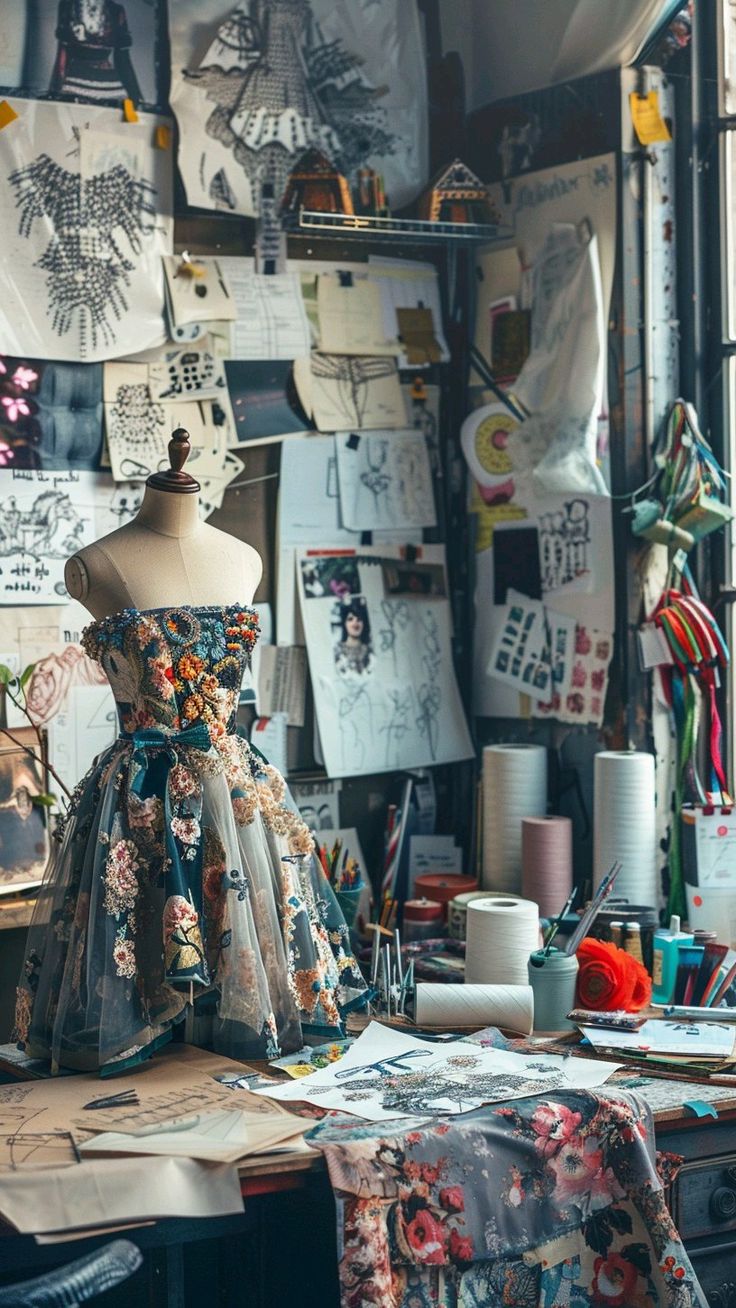
If the sketch shows how a designer thinks, the sample shows what they can actually do.
The first sample is rarely the point. What matters is what happens between the first sample and the approved production version. How the designer navigates that gap is where discipline becomes visible.
A designer who receives feedback on a first sample and returns with a second sample that precisely addresses the structural issues has demonstrated two things: they listened, and they know how to translate feedback into construction decisions. A designer who returns with a second sample that looks different but does not resolve the original problem is telling you something about how they handle corrections. That pattern, if it repeats, will follow the label into production, into delivery, and into the relationship with anyone who stocks or publishes the work.
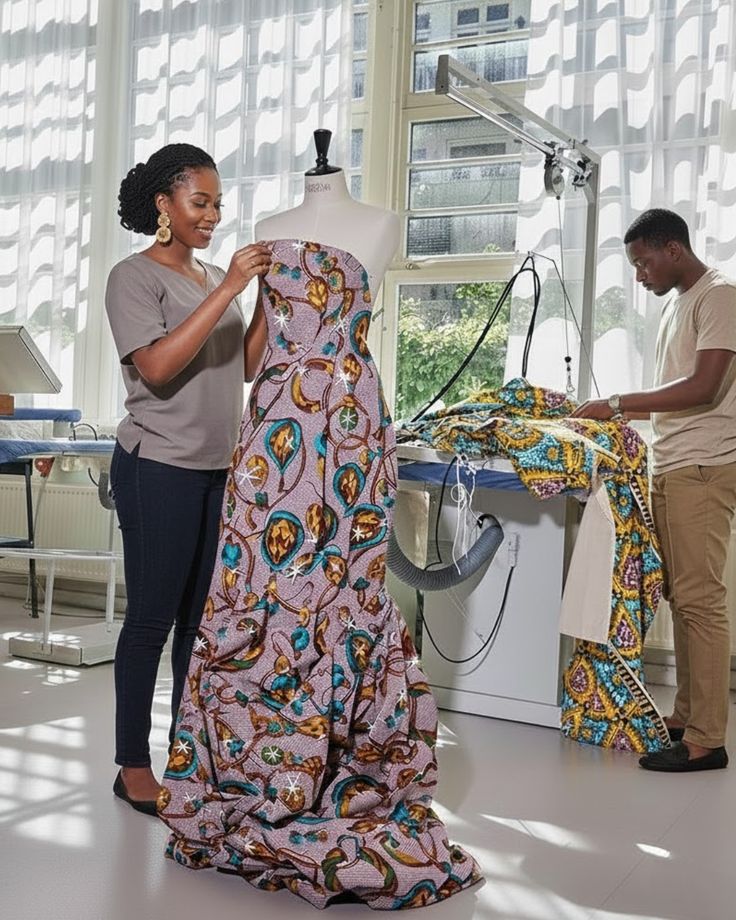
The sample also reveals a designer’s relationship with their maker or production team. When a sample comes back with clean internal finishing, consistent seam allowances, and fabric cut correctly on the grain, it indicates that the designer either has a strong working relationship with a skilled maker or is technically capable themselves. The African Fashion Foundation has been among the organisations tracking the development of production infrastructure across the continent, noting that the labels with the most consistent output are those with the most stable maker relationships, not necessarily the largest budgets.
This matters particularly for African and diaspora designers navigating production in contexts where skilled makers are not always easy to find or retain. The designers who build durable labels invest in those relationships over time. They work with the same makers across multiple collections. They communicate construction requirements clearly enough that the knowledge accumulates rather than restarting with each season.
The fabric choice in the sample is also worth a careful read. A designer who samples in the actual production fabric is absorbing the cost and complexity of that decision early. It produces a more accurate picture of the finished garment and demonstrates a commitment to getting the proportions and drape right before placing the bulk order. Sampling in a substitute fabric is a common shortcut and sometimes a practical one, but it increases the risk of surprises in production. Knowing which approach a designer takes tells you something about their production discipline and financial management.
ALSO READ
- Dakar Street Style: How Senegalese Youth Are Redefining African Fashion
- Kigali’s Quiet Dress Revolution: How Rwanda’s Capital Built a Fashion Identity Without Noise
- Abidjan After Dark: How Ivory Coast’s Night Economy Produces Its Most Honest Fashion Moments
Fitting and Refinement: Where Process Becomes Product

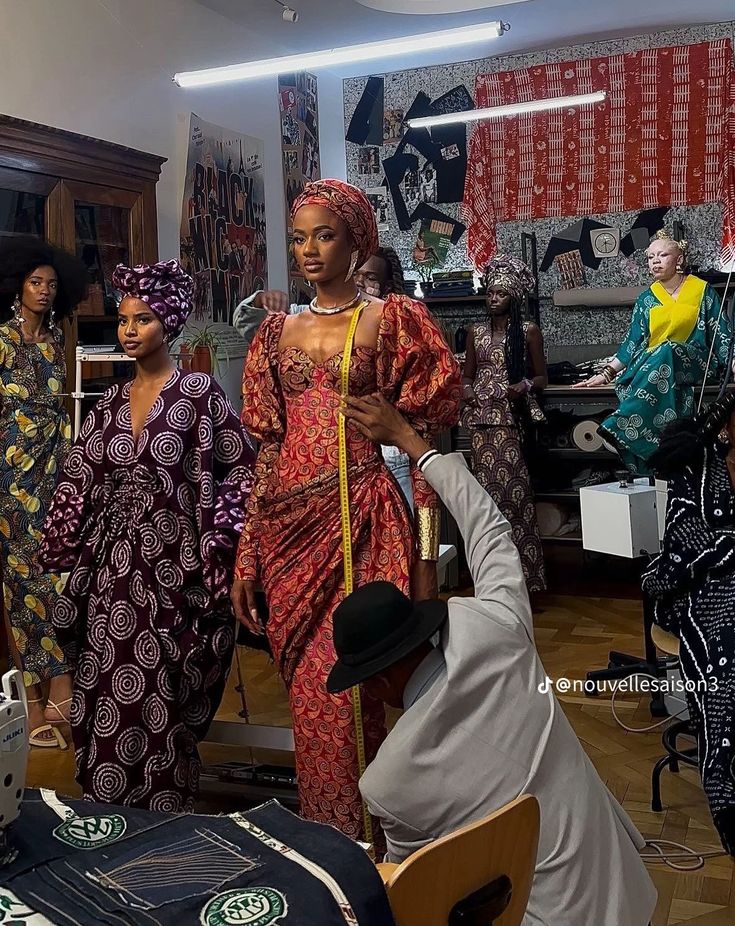
The fitting session is the point at which everything abstract becomes physical. The sketch was an intention. The sample was a test. The fit is where the garment meets the body, and the designer has to decide in real time what to keep and what to change.
How a designer conducts a fitting is one of the clearest indicators of craft maturity available. A designer who stands back, observes the garment on the body, and asks specific questions about where it is pulling, sitting incorrectly, or losing its intended line is demonstrating a clear visual standard and the technical vocabulary to pursue it. A designer who pins adjustments without being able to articulate why, or who defers all fit decisions to the tailor without engaging with the logic, is working at a remove from their own product.
The refinement stage, meaning the revisions that follow the fitting, is where the commercial discipline of a label becomes visible. A designer who can complete a collection within two fitting rounds and has built enough process knowledge to anticipate most fit issues before they reach the body is operating efficiently. A designer who requires five or six rounds to arrive at an approved sample is either working with unusually complex construction, which is a legitimate reason, or has not yet built the feedback loop between design intention and production reality that sustained output requires.
For African fashion specifically, the fitting stage carries additional complexity. Bodies across the continent and its diaspora are not uniform, and the size-and-proportion assumptions built into Western pattern grading systems do not apply. The British Fashion Council has increasingly acknowledged the need for the industry to move beyond Eurocentric grading standards, a conversation that African designers have been having practically, in their fitting rooms, for years. The designers who have built their own grading logic based on the actual bodies their work is made for are producing garments that fit better and sell with fewer returns.
Refinement is also where a designer’s editorial intelligence is tested. Not every detail that works in a sketch or a sample belongs in the final garment. The ability to remove a feature that is technically accomplished but visually distracting is as important as the ability to construct it. The designers who produce the cleanest, most considered work are usually the ones who have learned to take things away as readily as they add them. That restraint is a craft skill. It is also, in the context of building a label with a recognisable point of view, a strategic one.
THE OMIREN ARGUMENT
The fashion industry has built a culture of presentation around the finished object. Campaigns, lookbooks, and runway shows are all designed to show the garment at its most controlled and most compelling. What they cannot show is whether the designer who made that garment has a process capable of producing it again, at the same standard, next season and the season after.
For buyers and editors working with African and diaspora designers, this matters more than it might elsewhere. Many of the labels producing the most interesting work are still building the infrastructure that sustains consistent output. The sketch, the sample, and the fitting session are where that infrastructure is visible before any commitment is made. Reading them well is not scepticism about the work. It is the most direct form of respect for it.
A designer with a strong process can survive a weak collection. A designer without one cannot consistently produce a strong one.
FAQs
What should a buyer look for when reviewing a designer’s samples?
Look at the internal finishing first. It is the part of the garment the customer never sees, which makes it the most honest indicator of production standards. Clean seams, consistent allowances, and correct grain placement all suggest a maker and designer working to a clear standard. Then assess whether the garment matches the original sketch in proportion and construction logic, not just in silhouette.
How many sampling rounds are normal for an African fashion label?
Two to three rounds is standard for a well-run label working with experienced makers. More than three suggests either an unusually complex construction, a communication gap between the designer and the production team, or a design process that has not yet stabilised into a reliable methodology. Fewer than two can indicate that corners are being cut on fit refinement.
Why does fit matter differently for African and diaspora fashion?
Western grading systems were built around specific body proportion assumptions that do not reflect the diversity of African and diaspora bodies. Designers who have built their own fit standards, based on the actual bodies their work is intended for, produce garments that fit better, return less, and build greater customer loyalty. It is a technical decision with direct commercial consequences.
What does a designer’s sketchbook tell an editor or collaborator?
It tells you how the designer thinks before the work becomes physical. The level of construction detail, the organisation of ideas over time, and the relationship between the sketch and the finished garment all provide insight into how the designer manages the distance between intention and execution. That distance is where most production problems originate.
How do you assess a designer’s refinement process without being in the fitting room?
Ask to see two or three consecutive sample versions of the same garment and compare them. The changes between versions tell you how the designer responds to feedback and whether their revisions are purposeful or reactive. A designer who can articulate why each change was made understands their own process well enough to repeat and improve it.