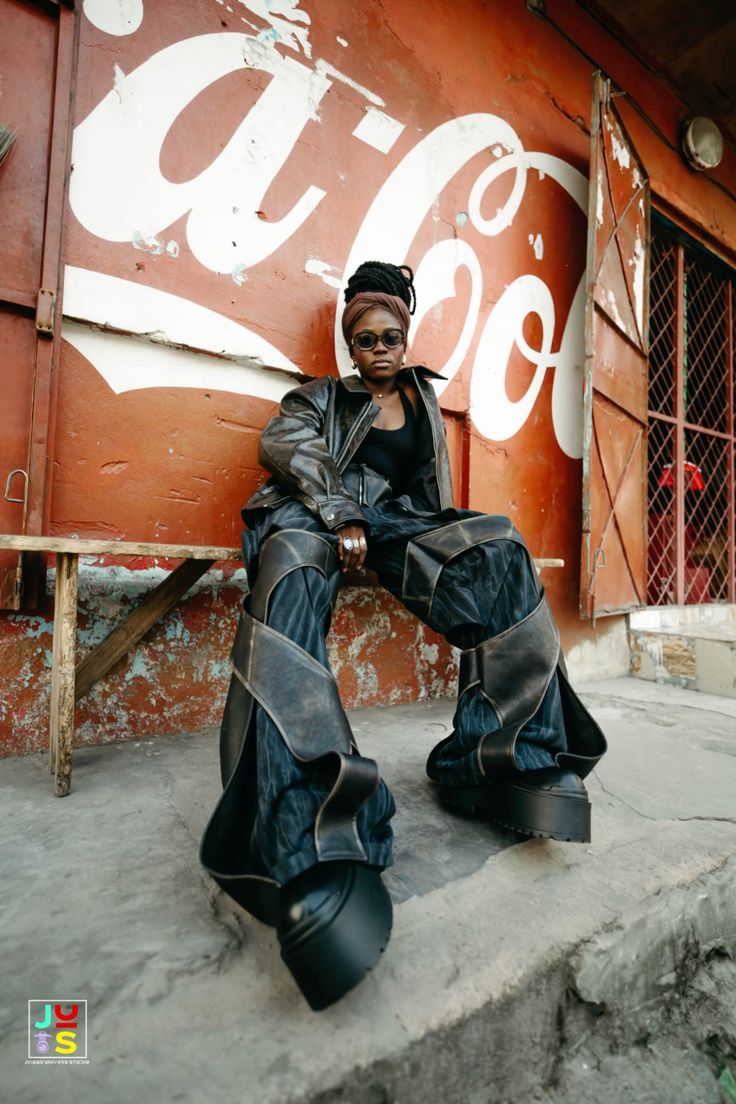
The dress code has a name in Abidjan. Ivorians call it le dress code, and it is not a suggestion. Arrive at Zone 4 on a Friday night in jeans and a polo shirt, and you have met the minimum. Arrive in anything less, and the door has a different answer for you. This is not the kind of dress code that fashion publications usually discuss. It is not a runway directive or a designer brief. It is a social contract negotiated nightly between a city, its music, and the people who move through it after dark. Understanding it is understanding something about Abidjan that its fashion weeks, however credible, cannot fully show you.
Abidjan is West Africa’s most economically productive city. Its Plateau district handles the banking. Its port handles the trade. But what the city produces after dark, in the maquis of Yopougon, the clubs of Zone 4 in Marcory, and the rooftop lounges of Cocody, is a fashion argument that operates independently of any formal creative industry. The night economy is where Abidjan dresses for itself, without the framing of international press, without the curation of a fashion week, and without any obligation to be legible to anyone outside the room.
That is why it is the most honest register the city has.
Abidjan’s most honest fashion moments do not happen on a runway. They happen after dark in Zone 4, Yopougon, and Cocody. Omiren Styles goes to where the city dresses for itself.
Abidjan Street Style After Dark: The Zones and What They Produce
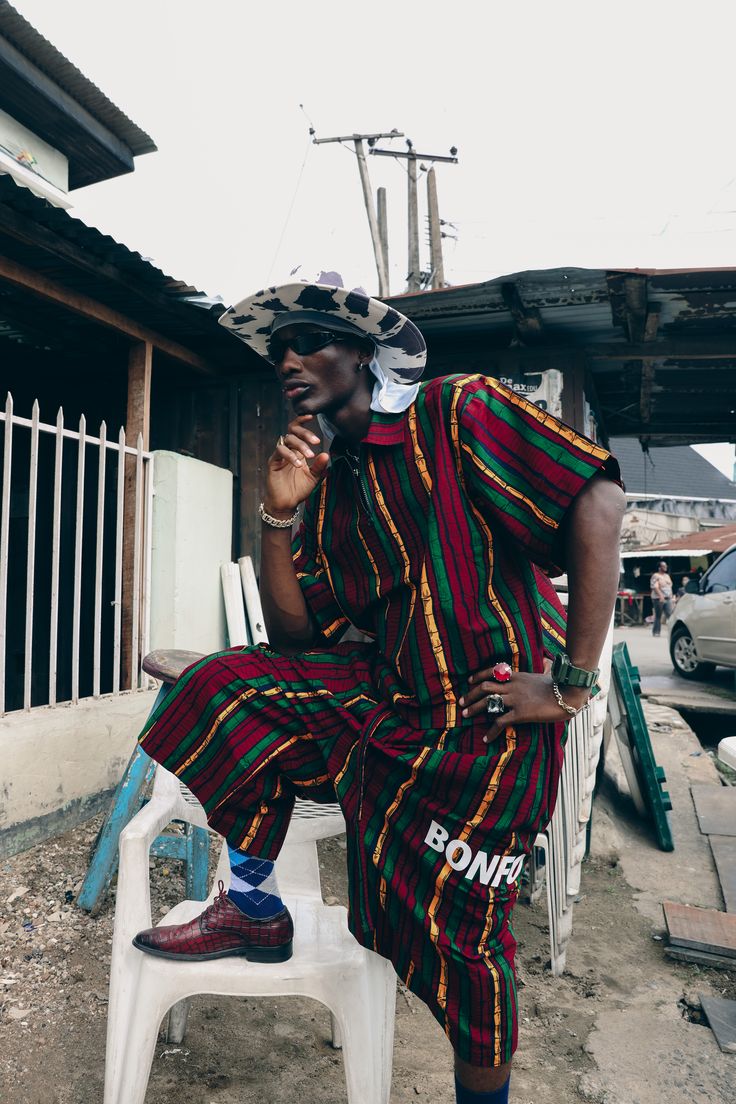
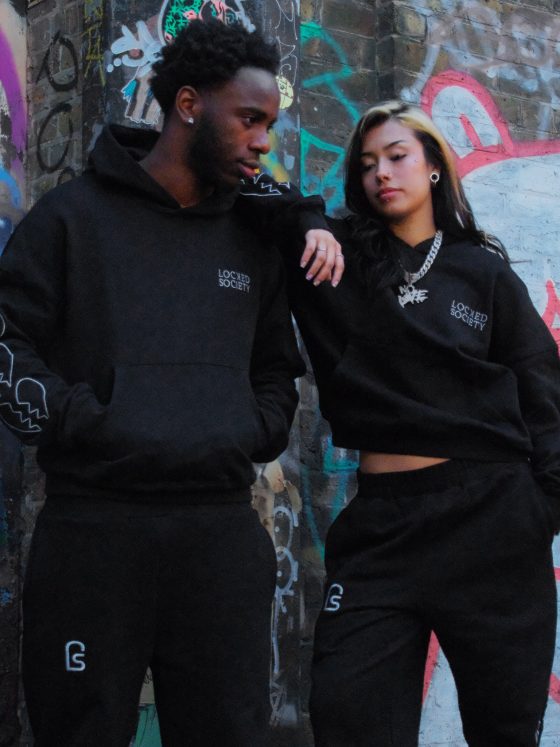
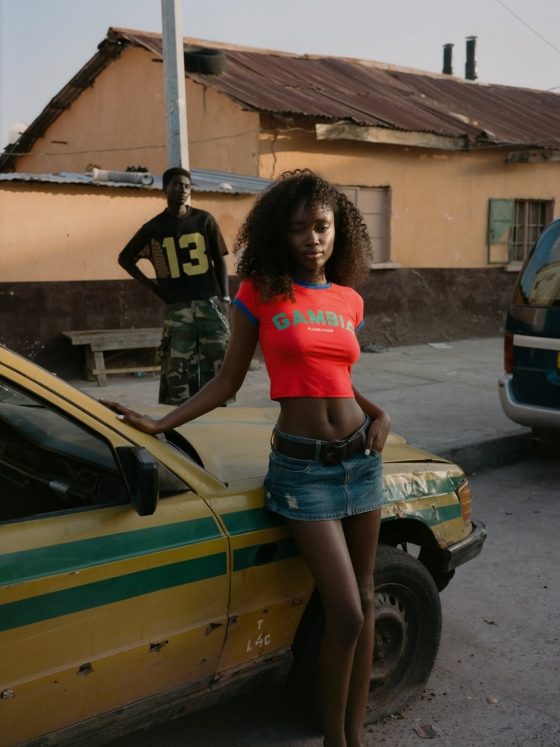
Zone 4 in Marcory sits along Boulevard de Marseille and Boulevard Latrille, a stretch lined with clubs, lounge bars, and restaurants that stay open until three or four in the morning on weekends. Code Barre on Boulevard de Marseille, open until 05:00 on weekends, and Le Warehouse are among the addresses that structure the neighbourhood’s nightlife geography. The dress culture that these spaces produce is specific: tailored trousers, sharp footwear, structured tops in deep colours, and, on occasion, the pagne Baoulé or wax print integrated into an otherwise contemporary silhouette. What the travel documentation from the Zone 4 scene confirms is that Ivorians treat nightlife attire as a serious practice. The dress code is enforced because the city believes that the standard is required wherever you go. The standard is internally defined, not imported.
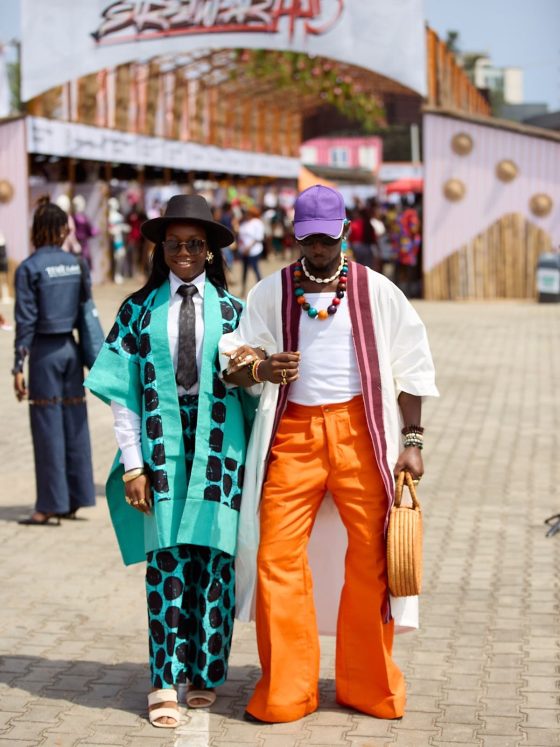
Yopougon, which sits farther west, is the most populous district in the city, and its nightlife register differs from that of Zone 4. Rue des Princes, which succeeded the older Rue Princesse as Yopougon’s primary nightlife corridor, is where coupé-décalé lives at its most concentrated. The music genre, born in Abidjan’s clubs in the early 2000s and built on a philosophy of flamboyant display, conspicuous spending, and rhythmic provocation, produced a dress culture that matched its sonic register. Bright colours. Statement silhouettes—deliberately provocative combinations. The coupé-décalé aesthetic was never about restraint. It was about the opposite: a declaration that the person wearing the outfit is present, accounted for, and unwilling to be ignored.
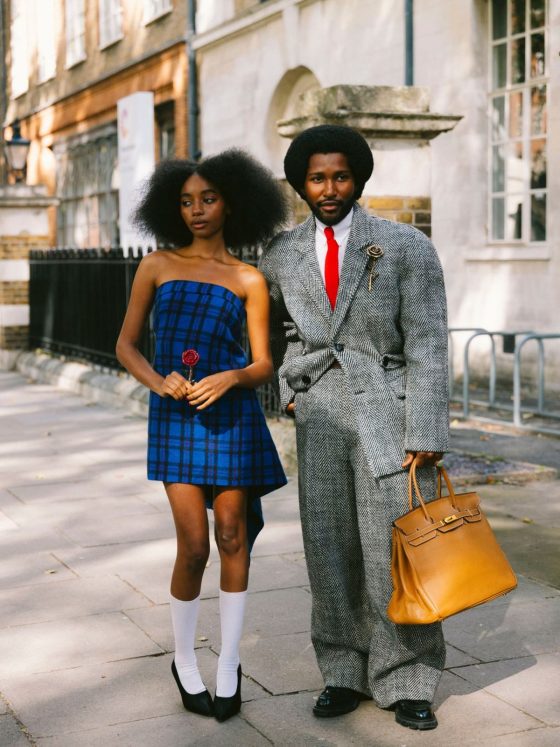
Cocody, the leafy district north of the lagoon where embassies and the university sit alongside upscale restaurants and rooftop bars, produces a third register. Jazz a Cocody, Espace Acoustic on Rue des Jardins, and the rooftop bars along Rue 11 in Cocody’s Deux Plateaux draw a professional, educated crowd whose dress culture leans toward what Abidjan’s fashion industry describes as the smart-casual-Ivorian register: French tailoring sensibility inflected with wax print detailing, quality leather, and the kind of understatement that communicates confidence without requiring volume.
Coupé-Décalé and the Dress Logic It Built
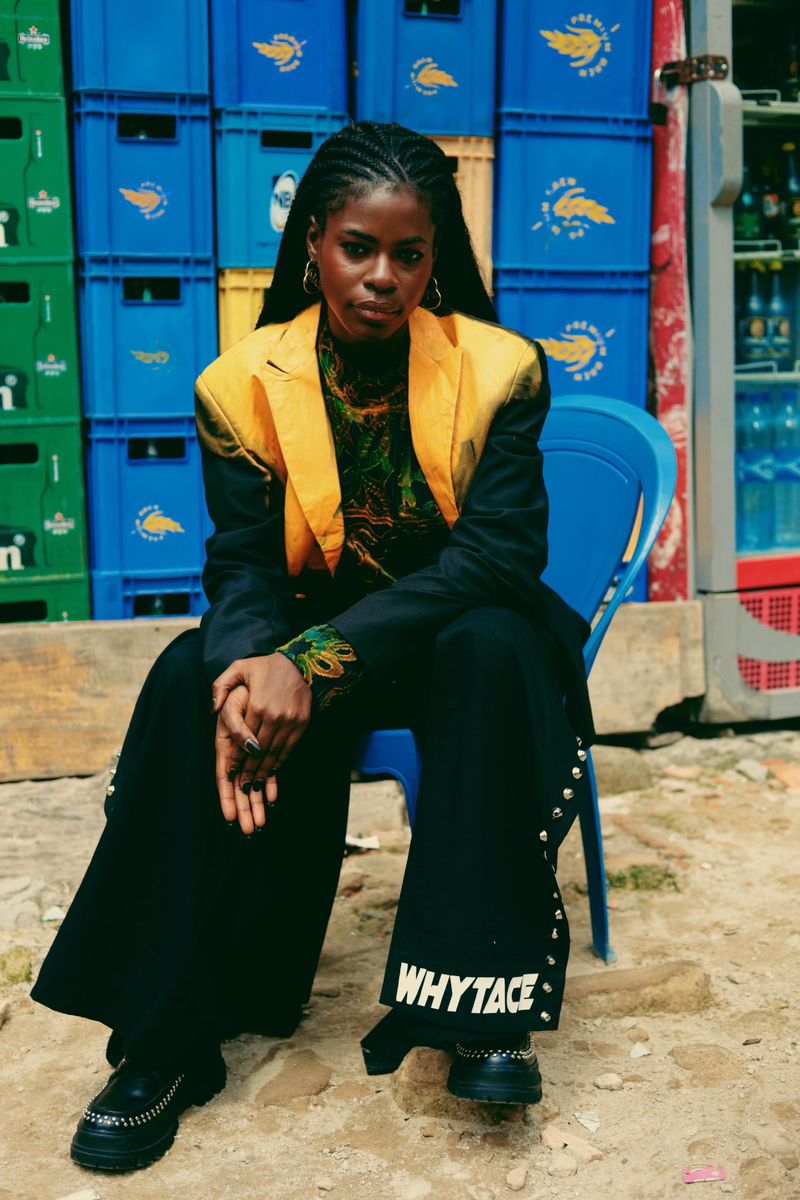
Coupé-décalé is the foundation of Abidjan’s most internationally recognised contribution to West African popular culture. The genre emerged from the Ivorian diaspora in Paris in the early 2000s, built around DJs Douk Saga and the Jet Set crew. It returned to Abidjan as a cultural force that restructured not just nightlife but also the visual economy of the street. The music’s name comes from Nouchi slang: coupé, meaning to cheat or take, and décalé, meaning to run or disappear with the proceeds. The aesthetic it produced matched its etymology: display, show, make an impression, and make it fast. Ivorian fashion history, documented by researcher Joelle Firzli, places coupé-décalé within the longer arc of Ivorian dress culture: a country with over 60 ethnic groups, each with its own textile traditions, that has been negotiating between heritage dress and contemporary urban expression since independence in 1960.
What the coup d’état did was accelerate that negotiation. The genre’s visual economy, documented on stages, in clubs, and in music videos that circulated across West Africa, made flamboyance a legitimate street mode rather than a special-occasion exception. Designers like Pathé O, the Burkina Faso-born designer who built a four-decade career in Abidjan using hand-woven bogolan, indigo, and printed loincloth fabric, understood this early. His work moved between the ceremonial and the social without treating them as separate registers. The night economy absorbed his aesthetic and simultaneously distributed it across Yopougon and Cocody.
The dress culture coupé-décalé produced is not static. By 2026, the genre’s influence has softened into the broader Ivorian street-style conversation: the flamboyance is still present, but it sits alongside a growing minimalist current driven by the younger professional class in Cocody and Plateau. The result is a city whose night fashion contains at least two fully developed aesthetic positions that exist simultaneously, without cancelling each other.
Abidjan’s runway tells you where the city wants to go. Zone 4 after midnight tells you where it already is.
What the Formal Industry Does and Does Not Capture
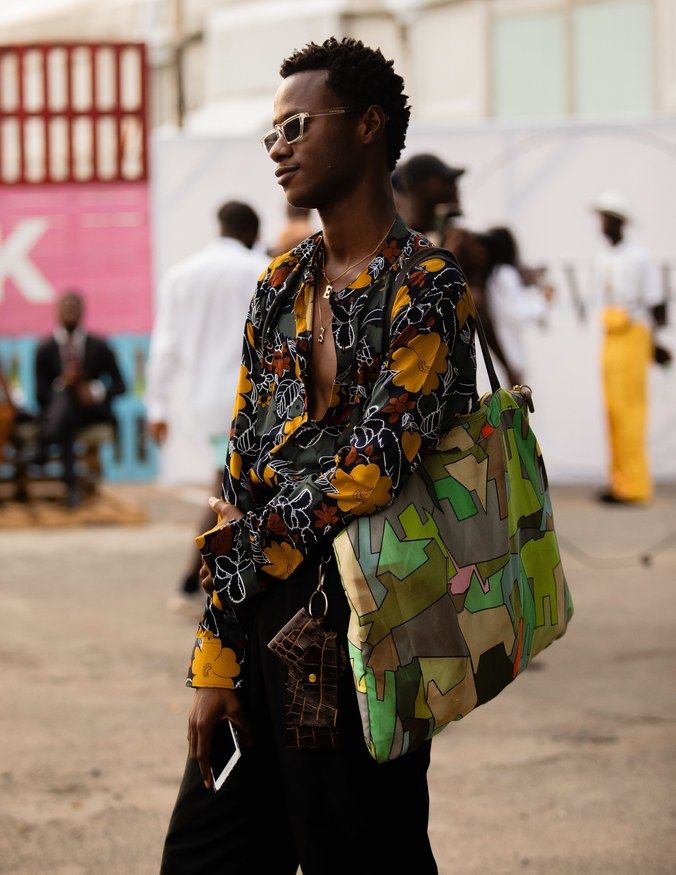
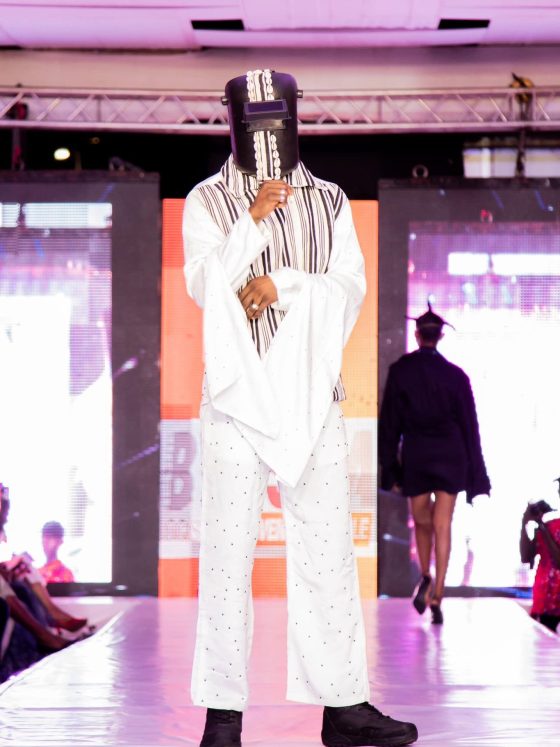
Abidjan held its first dedicated Fashion Week in October 2024, hosted over four days and, in the words of its organisers, aspiring to reclaim the city’s position as the fashion capital of West Africa. The Fashion Week by Elie Kuame, which ran its December 2025 edition from the 8th to the 14th in Abidjan, has positioned itself around a Born in Africa label philosophy: promoting local artisans and designers through a platform that links creative output to commercial strategy and investor awareness. Its objectives are institutional: uniting industry players, raising awareness among public authorities, and building infrastructure for a fashion economy that can sustain itself beyond seasonal events.
These are important goals. The designers being developed within this formal infrastructure, including Gilles Touré, Ciss St Moïse, and the legacy of the late Eloi Sessou, represent a genuine creative tradition. As documented in the existing Omiren Styles Abidjan feature, Abidjan’s fashion identity does not depend on validation from fashion week. The city’s influence circulates through designers, stylists, and image-makers who carry its sensibility into global spaces without requiring a formal platform. What the fashion week does is give that influence an institutional address. What it does not do is generate the dress culture that is already operating in Zone 4 on a Thursday night.
The gap between the two is not a failure. It is how fashion cities work. The formal industry provides language, structure, and international legibility. The night economy provides the raw material: real dress decisions made by real people under real social pressure, without a stylist or a brief. Abidjan is unusual in that both conversations are operating at high quality simultaneously. Most cities have one or the other. Abidjan has both, and they do not always speak to each other, which is precisely what makes the night economy worth documenting separately.
Also Read
- Abidjan Ascendant: Inside Ivory Coast’s Quiet Fashion Renaissance
- Lagos vs Accra: Two Cities, Two Dress Philosophies, One Contested Crown
- Kigali’s Quiet Dress Revolution: How Rwanda’s Capital Built a Fashion Identity Without Noise
- What Addis Ababa’s Street Style Owes to Its Fashion Week — and What It Doesn’t
The Continuity That Makes Abidjan’s Night Fashion Distinctive
What the research on Abidjan’s nightlife consistently shows is that the city’s dress culture does not fracture between day and night. The outfit that carries someone through a professional day in Plateau does not require reinvention for a Friday evening in Cocody. It adapts: colours deepen, silhouettes tighten, footwear sharpens, and a pagne wrap that was folded into a bag during working hours comes out for the evening. This continuity is culturally specific. It reflects an Ivorian dress philosophy in which clothing carries a single identity across contexts rather than producing different performances for different audiences.
This has influenced how Ivorian design is produced. Pathé O’s decades of ready-to-wear production for both casual and socialite markets reflect the same understanding: the garment must work across the day’s arc without requiring the wearer to change who they are. Côte d’Ivoire’s fashion evolution, as documented by Right for Education, confirms that younger Ivorian designers are increasingly building on this continuity principle: designing for the full day rather than for a specific occasion. The night economy is where this principle is tested most honestly. A garment that works at 02:00 in Zone 4 and also reads correctly at a Monday morning meeting in Plateau is not an accident. It is a design argument, and Abidjan’s designers understand it.
The city that coined le dress code did so because it believes appearance carries weight in every hour, not just the formal ones. That belief is the foundation of Abidjan’s fashion identity, and the night economy is where it is most visibly and most honestly expressed.
The Omiren Argument
Abidjan’s fashion weeks provide institutional infrastructure. Its designers provide creative depth. But neither fully captures what the city’s dress culture actually produces, because neither operates in the conditions where that culture is most honestly expressed. The night economy of Zone 4, Yopougon, and Cocody is where Abidjan dresses without an audience that needs to be educated about what it is seeing. The people in those spaces know the dress codes, the references, the quality signals, and the cultural weight of what they and those around them wear. They are dressing for each other, not for a press release. That is where the real argument lives.
What Abidjan demonstrates for West African fashion more broadly is that a city’s most significant fashion production does not always happen in the spaces the industry has designed to capture it. The runway at Elie Kuame’s Fashion Week is an important platform. The maquis of Yopougon on a Saturday night is a different kind of platform, unmediated and unedited, running on entirely internal standards. Both matter. The one that fashion journalism has consistently underreported is the second one, and the city’s creative identity is not fully legible without it.
Frequently Asked Questions
What is le dress code in Abidjan?
Le dress code is the informal but widely enforced standard for nightlife dress in Abidjan. For men, it begins with jeans and a polo shirt for entry to the nightlife zones of Zone 4 and Cocody—the standard increases with the venue’s formality. The term reflects a city-wide understanding that appearance carries social weight in every context, not only formal ones, and that public dress in the night economy is a form of social communication with real stakes.
What is coupé-décalé, and how does it shape Abidjan’s street fashion?
Coupé-décalé is a music genre born in the Ivorian diaspora in Paris in the early 2000s, built around DJs Douk Saga and the Jet Set crew before returning to Abidjan as a dominant cultural force. Its name comes from Nouchi slang, meaning to take and run, and its aesthetic philosophy centres on display, flamboyance, and conspicuous presence. The dress culture it produced, bright colours, statement silhouettes, and deliberately provocative combinations, has shaped Abidjan’s street fashion for over two decades, particularly in Yopougon, where the genre originated.
Which are the main nightlife districts in Abidjan, and what dress cultures do they produce?
Zone 4 in Marcory produces a sharp, tailored register, integrating wax print into otherwise contemporary silhouettes. Yopougon, the most populous district, runs on the coupé-décalé aesthetic: bold colour, statement volumes, and deliberate visual provocation. Cocody’s Deux Plateaux and Riviera areas produce a smart-casual Ivorian register: French tailoring sensibility, inflected with quality leather and pagne detailing. All three coexist and cross-pollinate through the movement of Abidjan residents who live across districts and code-switch between their dress registers accordingly.
Who are the key designers shaping Abidjan’s fashion identity?
Pathé O, originally from Burkina Faso and based in Abidjan for four decades, is one of the city’s foundational figures, using hand-woven bogolan, indigo, and printed loincloth fabric for ready-to-wear across casual and formal markets. Gilles Touré has dressed Miss Côte d’Ivoire and built an international profile. Elie Kuame founded the Fashion Week by Elie Kuame, now in its second edition, which has positioned itself as the continent’s premier Born in Africa fashion platform. The late Eloi Sessou is acknowledged as a pioneer of contemporary Ivorian fashion, reinventing traditional fabrics in modern cuts.
How does Abidjan’s night fashion relate to its daytime and formal fashion scenes?
Abidjan’s fashion culture is defined by continuity rather than compartmentalisation. The city’s dress philosophy holds that clothing carries a single identity across contexts rather than producing different performances for different audiences. An outfit worn professionally during the day adapts for the evening through sharpened details and deeper colours rather than a complete change. This continuity is reflected in how Ivorian designers produce: for the full arc of the day rather than for occasion-specific categories. The night economy tests this principle most directly, which is why it reveals the most about how Abidjan actually understands dress
Explore More
Read the full Street Fashion in Africa archive for ongoing coverage of how African cities dress, what drives their creative economies, and what the spaces fashion journalism rarely enters reveal about the cultures it claims to document.