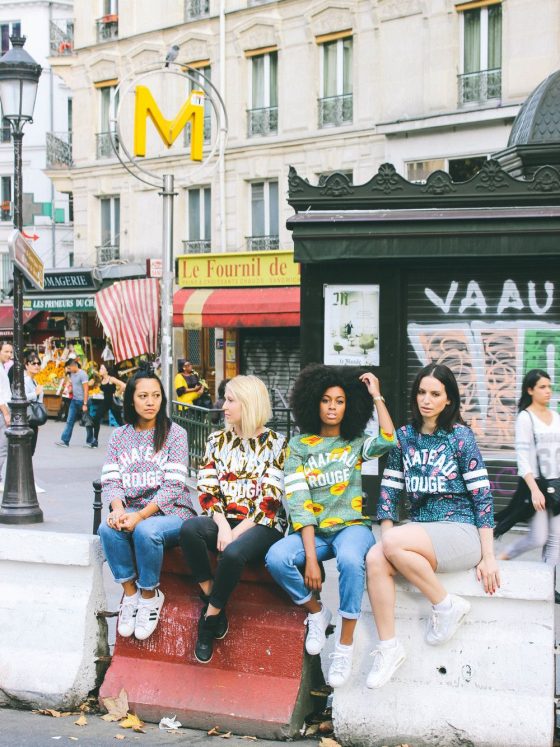
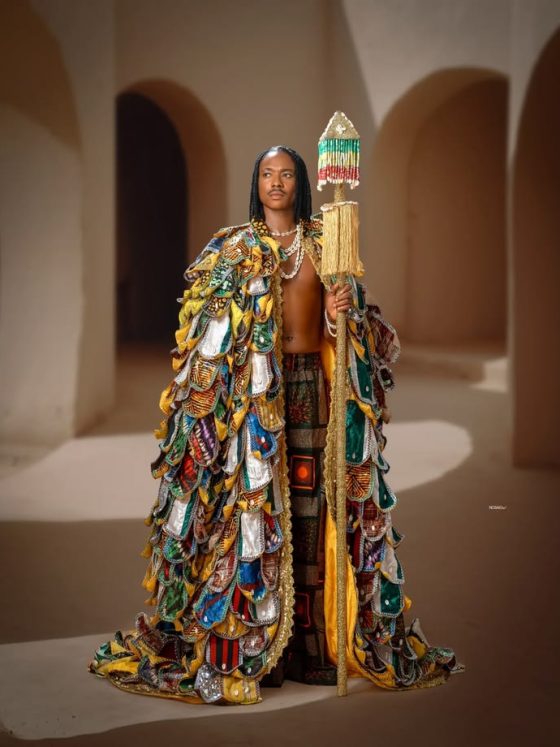
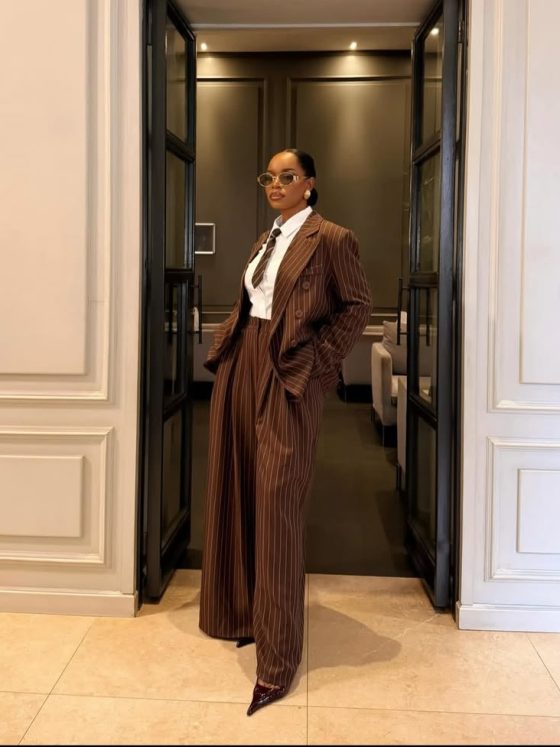
African tailoring is not a side economy waiting to be upgraded by global fashion. In many cities, it already functions like luxury: it creates status, delivers custom service, moves money through local networks, and gives people a way to dress with precision and cultural fluency.
The problem is that fashion language often reserves the word “luxury” for European houses, even when local ateliers deliver the intimacy, craft, and social value that luxury is supposed to embody. That is the contradiction this article corrects. African tailoring is not merely “custom clothing.” It is an economy of capital, in which money, reputation, and cultural authority are simultaneously valued.
Discover how the African tailoring industry and local ateliers operate as a true luxury system, rivalling global fashion houses in craftsmanship, service, and cultural capital.
What the African Tailoring Industry Is
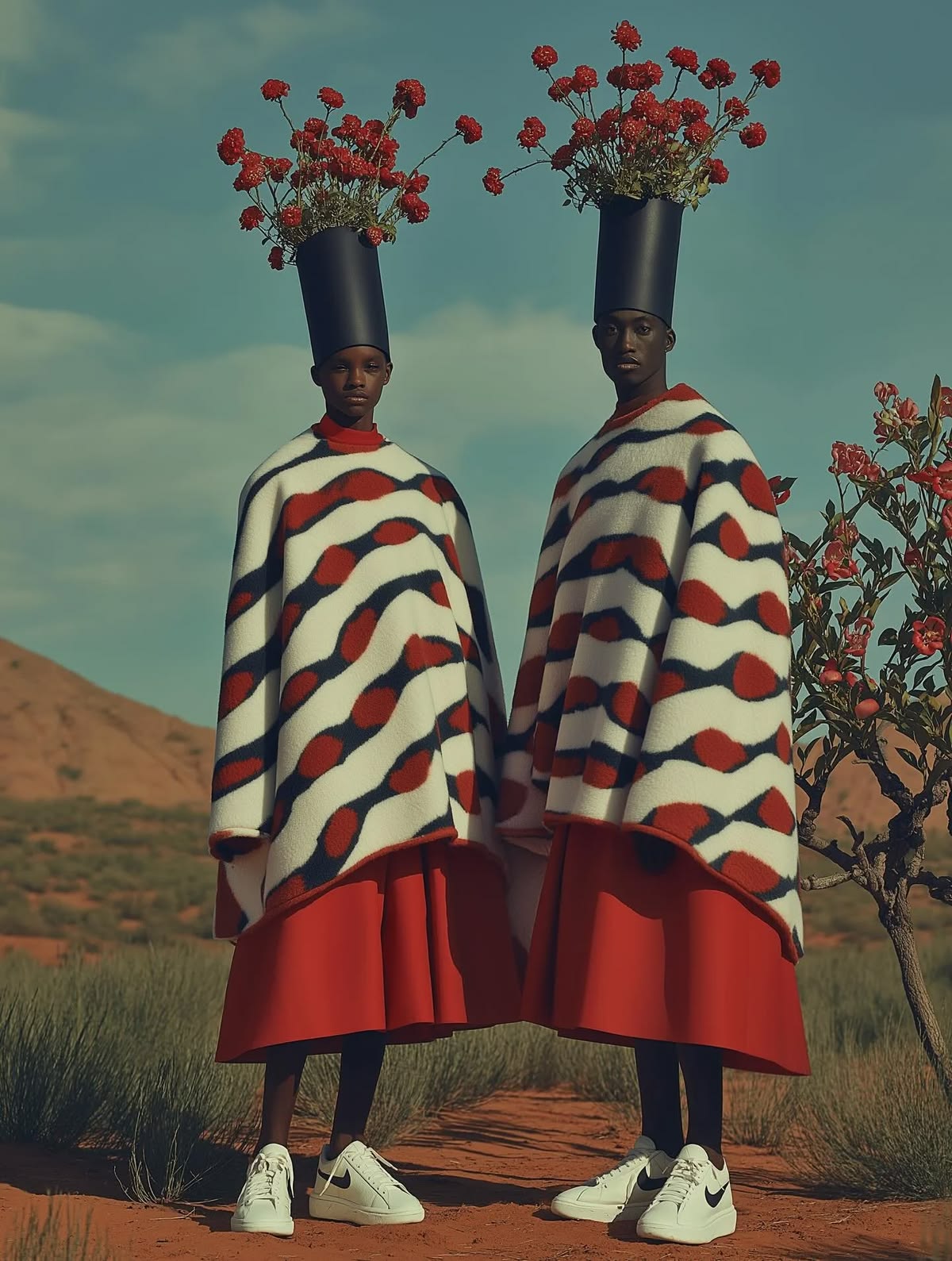
The African tailoring industry is a broad ecosystem of tailors, apprentices, cutters, fabric sellers, bead workers, and small ateliers that produce clothing for everyday life, ceremonies, work, and prestige. In cities such as Lagos, Accra, Johannesburg, and Nairobi, these tailoring networks form part of the backbone of fashion production rather than a marginal alternative to it. As Omiren Styles has documented in the case of Kenya’s fashion economy, the most accurate description is not a formal fashion industry in the brand-collection-retail cycle sense, but rather a distributed atelier economy in which skilled practitioners serve specific clients with specific needs. That description applies across the continent. For the full context of how this plays out in one national economy, see Kenyan Menswear: Bespoke Tailoring, Olympic Kits, and the Designers Rewriting the Rules.
What makes this industry powerful is its relationship to locality. Customers do not just buy a garment. They enter a working relationship with a tailor who understands body shape, occasion, fabric behaviour, social context, and budget. That means tailoring is not only production. It is a service.
This is why the industry deserves to be described in economic terms, not only cultural ones. The presence of tailors across African fashion districts sustains jobs, apprenticeships, vendor networks, and repeat commerce. A single garment feeds a larger system of labour and exchange. That system often gets overlooked because it does not always look like the glossy infrastructure of global luxury houses. The absence of glass storefronts does not mean the absence of value. It means value is being organised differently.
Why African Ateliers Are Luxury Systems
Local ateliers compete with global luxury houses because they do many of the things luxury is supposed to do well. They provide bespoke fit, personal attention, material expertise, discreet service, and a sense that the client is being seen rather than processed. In practice, this is not a lesser version of luxury. It is luxury in a more immediate form.
This is especially evident in African cities, where tailored clothing is central to public dress. Weddings, funerals, church events, state occasions, and social weekends all create demand for garments that are specific, well-fitted, and socially legible. The atelier becomes the place where status is translated into cloth.
Global luxury houses sell distance as value: the brand name, the imported finish, and the prestige of foreign origin all contribute to the price. Local ateliers, by contrast, sell closeness, the ability to adjust quickly, to interpret a brief accurately, and to produce clothing that fits both the body and the social moment. The ceremonial pressure driving that demand is documented in Omiren Styles’ analysis of how African celebrations shape fashion in Fashion and Ritual: How Celebrations Shape African Style Practices: a Yoruba naming ceremony, a Ghanaian funeral, or a Nigerian state occasion creates the kind of dressing brief that only a culturally fluent local tailor can answer with speed and precision. That is a different luxury logic, but not a weaker one.
Local ateliers sell closeness: the ability to adjust quickly, interpret a brief accurately, and produce clothing that fits both body and social moment.
The Hidden Economics of Prestige
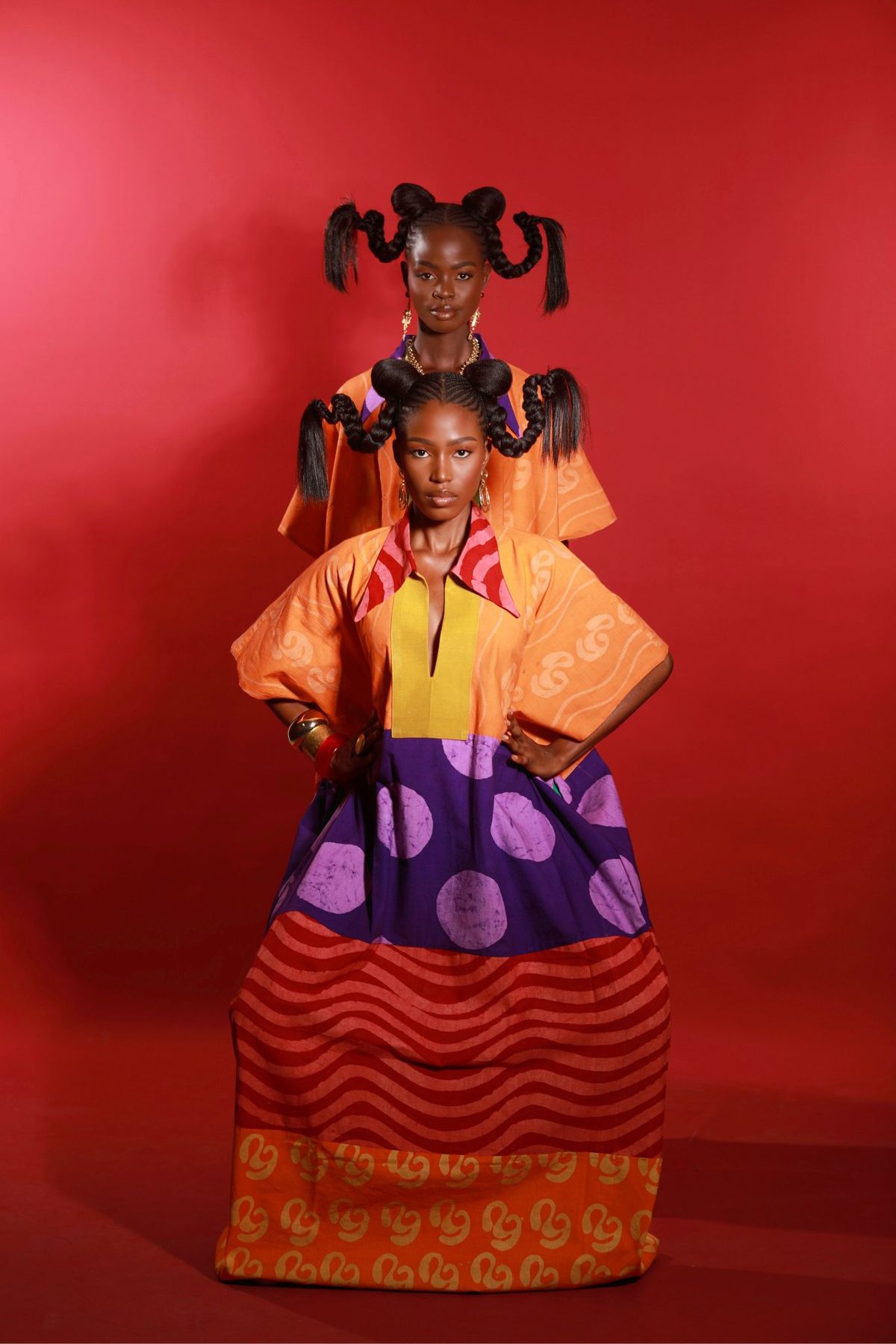
Prestige in tailoring is built differently from prestige in global luxury. It grows through reputation, referrals, repeated fittings, and the visible success of clients at important events. One excellent garment can generate years of business if the right social circle trusts the tailor.
This is where tailoring becomes capital in the fullest sense. It produces income, yes, but also symbolic value. A highly regarded tailor is not just a service provider. They are a social interpreter, a style adviser, and sometimes a gatekeeper of occasion dressing. Their name carries weight in the same way a luxury house name carries weight elsewhere.
In many African cities, that prestige is also deeply networked. Fabric vendors, embroidery specialists, button sellers, dyers, and cutters all benefit from the movement of tailoring money. The atelier is not an isolated shop. It is a node in a local economy that keeps style circulating. This helps explain why local tailoring competes so effectively with imported luxury: a global brand can offer status, but it cannot always offer cultural fit. A local tailor can offer both.
How Global Luxury Falls Short
Global luxury houses compete with African tailoring through branding power, but they often fall short on responsiveness, local understanding, and price-value logic. They may sell a dream, but local ateliers sell relevance. For many customers, relevance is the highest luxury.
This becomes obvious when clients want clothes for weddings, formal events, or social milestones that require speed and specificity. A global house may be aspirational, but a local atelier can often do the job faster, with more precision, and with a better understanding of the social code the clothing must satisfy.
There is also a question of cultural authorship. Global luxury houses have historically drawn inspiration from many places without necessarily being accountable to them. African tailoring, by contrast, usually works inside the culture it serves. That gives it a different kind of legitimacy. None of this means global luxury is irrelevant. It means its dominance is often built on marketing rather than on a better service model. African ateliers are not trying to imitate that system. They are competing with it by offering something more grounded.
ALSO READ
- The Egungun Masquerade: What the Yoruba Ancestral Festival Tells Us About Fashion and the Spirit World
- Fashion and Ritual: How Celebrations Shape African Style Practices
- The Significance of White in African Mourning: Why the Continent’s Grief Dress Is Not What the West Assumes
- Traditional Clothing in the Benin Republic: Culture, Royalty, and Identity
Why Tailoring Is Capital
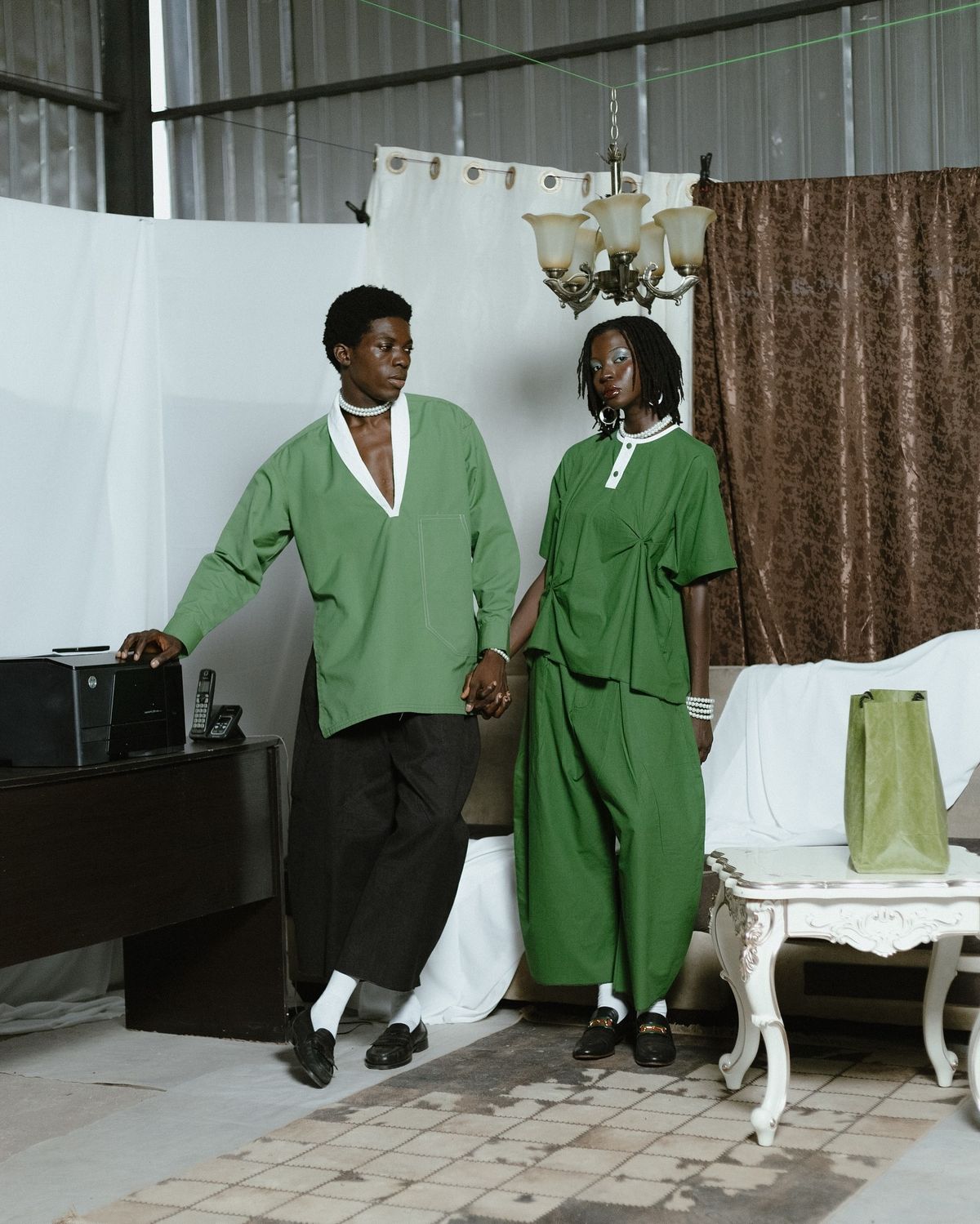
Tailoring is capital because it creates and concentrates value in multiple ways at once: as money, reputation, and cultural authority. It is financial capital when it generates income. It is cultural capital when it helps define how a community dresses itself. It is social capital when clients recommend the tailor to others. And it is symbolic capital when the tailor’s name becomes associated with taste and authority.
This is why the phrase “African tailoring industry” should be taken seriously as a category rather than just a description. It names an organised field of value creation, not a collection of small businesses. The same principle runs across the continent: as Omiren Styles has documented in How to Shop African Fashion: The Complete Guide for the Culturally Literate Consumer, the most powerful African fashion wardrobes are built around anchor objects produced by master tailors rather than mass-produced imports. A correctly sourced agbada from a Yoruba master tailor signals cultural literacy in a way that ten mass-produced ankara pieces cannot. The tailor is not just the maker. The tailor is the authority.
The industry’s strength lies in its adaptability. Tailors adjust to changing trends, evolving silhouettes, shifting fabrics, and social demands without losing their local anchoring. That flexibility is an asset, not a weakness. It allows the industry to remain culturally relevant while continuing to generate value.
What the Industry Needs Next
The next step is not to romanticise African tailoring. It is to recognise it properly. That means better documentation, stronger business structures, clearer pricing, and more serious attention from investors, institutions, and the fashion press. African ateliers do not need to abandon their local advantages to grow. They need to protect the parts of the model that make them valuable: proximity, trust, responsiveness, and craft intelligence. Growth should strengthen those qualities, not erase them. This is partly a question of how African identity itself is understood in fashion contexts: as Omiren Styles has examined in How African Identity Is Styled Differently Across Continents, the same elements that function as everyday cultural expression in African cities take on heightened meaning in diaspora and global contexts. African ateliers are beginning to serve both simultaneously.
There is also room for more deliberate brand-building. Some ateliers already operate like private luxury houses, offering bespoke services, premium fittings, and high-end client experiences. Those models show that African tailoring can scale without surrendering its identity.
The real challenge is perception. As long as people treat luxury as something that begins abroad, African tailoring will continue to be underestimated. Omiren Styles’ position is to change that perception by naming the atelier as what it already is: an engine of capital, culture, and style.
THE OMIREN ARGUMENT
African tailoring is already a luxury economy, even if the fashion world has not consistently described it that way. Local ateliers compete with global luxury houses not by copying their branding, but by offering something luxury is supposed to mean in the first place: precision, service, distinction, and cultural intelligence. The mistake is assuming that luxury must look foreign to be legitimate. In many African cities, the real prestige system is already at work in the tailor’s workshop, where labour becomes value, reputation becomes capital, and clothing becomes a serious form of economic and cultural power.
The tailor’s value is built from the inside out, not from the outside in. It accumulates through trust, through the visible success of clients, through the network of fabric vendors, embroidery workers, and apprentices whose livelihoods depend on the atelier staying in good standing. That is what capital formation actually looks like. The fashion press has not always had the vocabulary for it. Still, the vocabulary exists: this is a luxury economy, organised on African terms, accountable to African communities, and competitive with any system that has the honesty to compare itself directly.
FREQUENTLY ASKED QUESTIONS
What is Oshobor?
Oshobor is the fashion project of Peter Odion, a Nigerian designer from Edo State based in Benin City, Nigeria. Launched on 1 November 2020, the brand operates as a slow-fashion indigenous label whose work draws on Edo cultural heritage, personal history, and the symbolism of repair. Odion earned the nickname “the masquerade designer” at his debut Lagos Fashion Week show, where the first look featured a red two-piece with a deep crimson wooden mask.
What did Oshobor show at Paris Fashion Week in 2025?
Oshobor presented the Edo Odion collection at Africa Fashion Week in Paris. The collection reimagined historic figures from the Edo Kingdom, including the Benin Kingdom, Esan, and Estako subcultures, using androgynous cuts, coral embellishments sourced from artisans in Benin City, and wool thread. The standout piece was a floor-length dress with a structured bodice dissolving into a hand-crocheted lower half. The collection won an eco award at Africa Fashion Up.
What is the Edo masquerade, and why does it matter in this story?
The Edo masquerade is a ceremonial tradition rooted in the Edo Kingdom of present-day Nigeria, where dress, performance, identity, and social meaning are deeply connected. It is not simply an aesthetic reference. The Benin Kingdom, which sits at the heart of Edo culture, systematised the use of coral beads, ivory masks, and ceremonial regalia as political and spiritual instruments over centuries. When Oshobor drew from this tradition, the collection carried that full history. The press coverage should have named and explained it rather than reducing it to “ethereal.”
Why was the media coverage problematic?
Because the international fashion press described the collection in atmospheric terms like “ethereal” and “mystical” without explaining the cultural system those terms were pointing at. That omission left readers admiring the surface without understanding the source. African ceremonial forms deserve explanation, not just atmosphere. Calling something ethereal when it comes from a specific, historically documented ceremonial tradition is not a celebration. It is erasure by flattery.
What is the Omiren Styles argument here?
African ritual and ceremonial forms should not be flattened into an atmosphere when they enter global fashion spaces. They deserve explanation, context, and cultural seriousness. The standard is simple: cultural authority must travel with the image. When fashion press celebrates an African designer’s use of ceremonial language, the first responsibility is to name what that language is and where it comes from, before calling it beautiful.