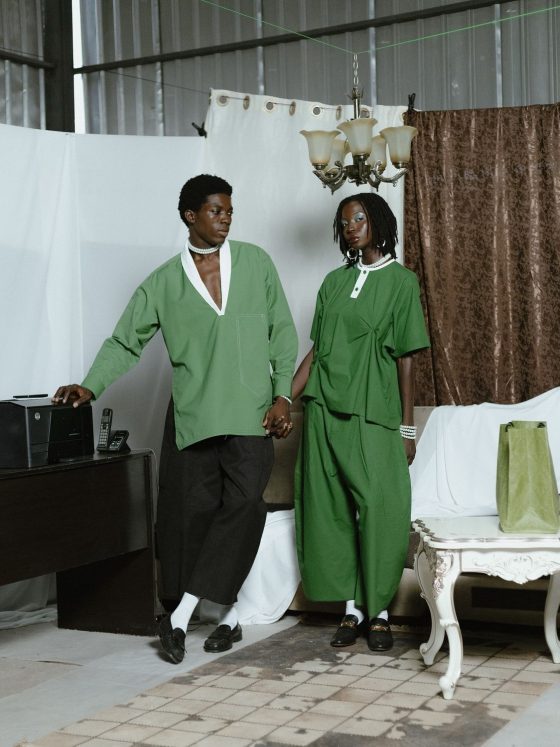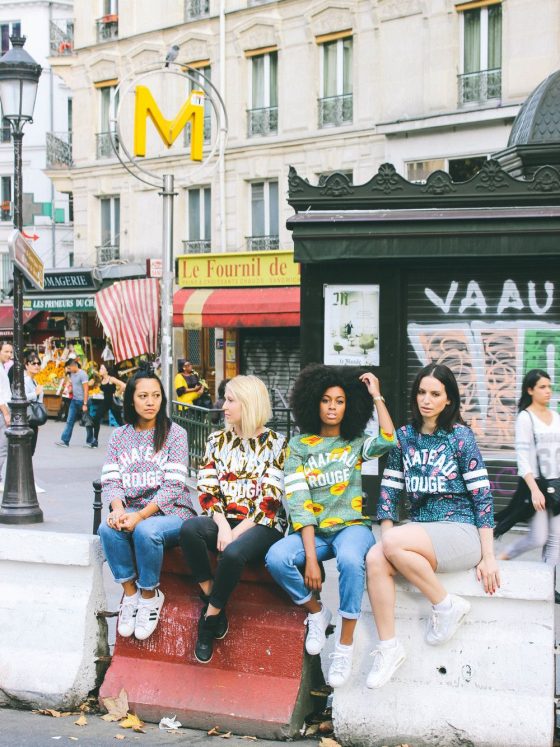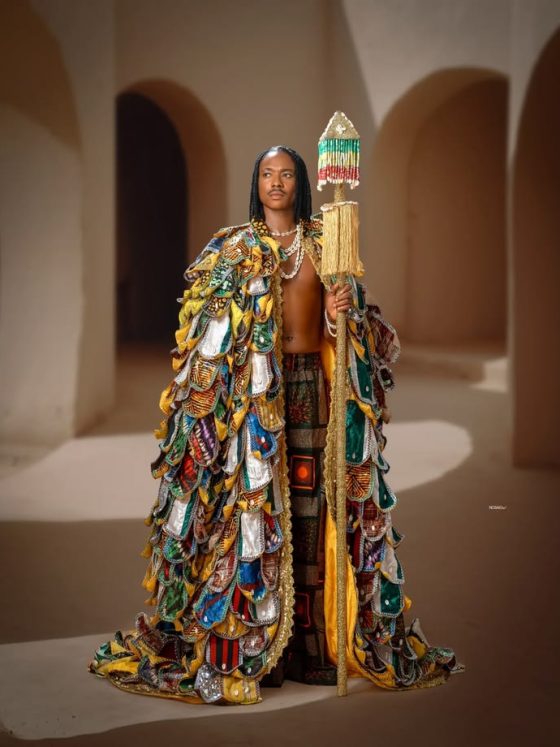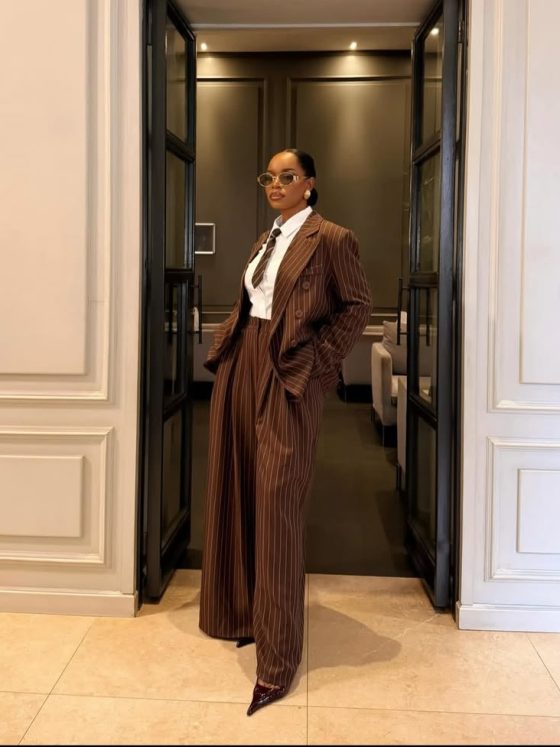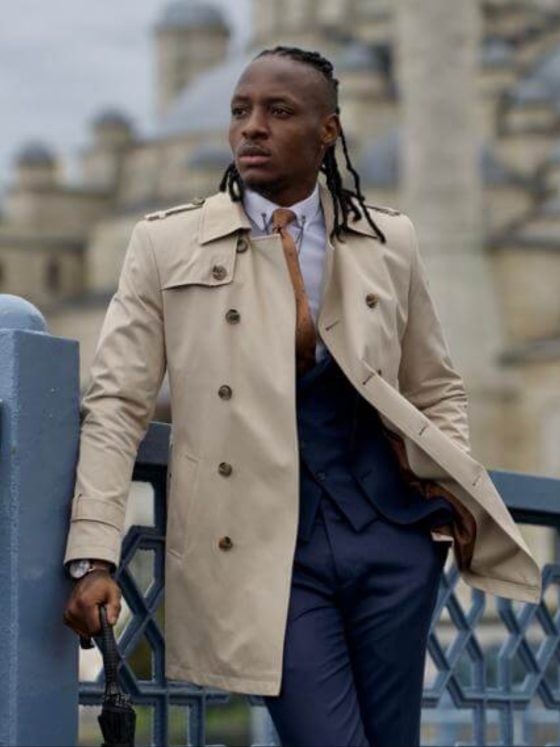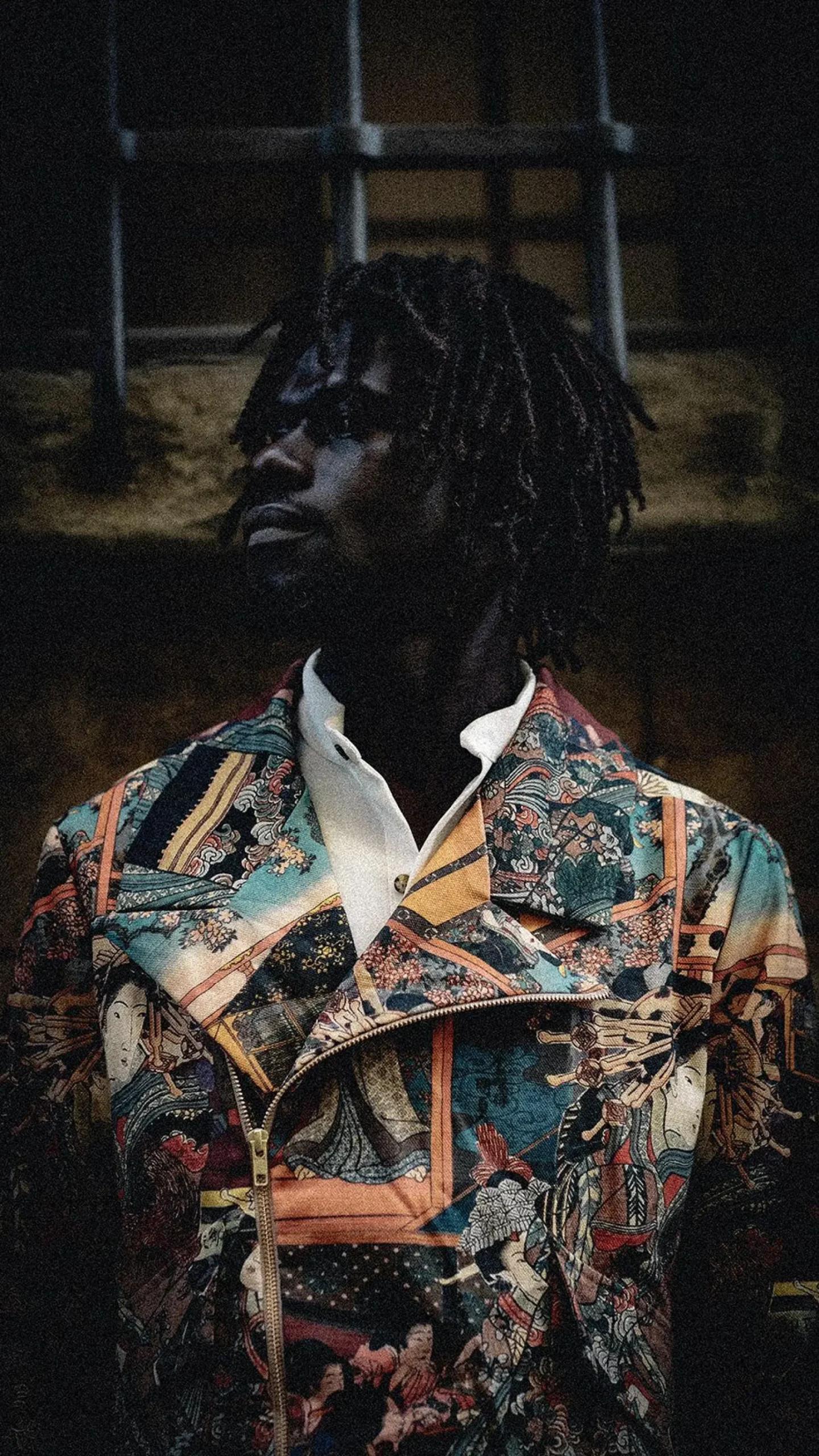
Ikiré Jones is one of the clearest proofs that Afrofuturism can function as a design philosophy rather than a passing aesthetic. Founded by Walé Oyéjidé, a Nigerian-born, Philadelphia-based designer, lawyer, and filmmaker, alongside tailor Sam Hubler, the brand is known for tailoring that fuses African visual language with classic menswear structure, drawing on West African textiles, European art history, and the lived experience of migration. The brand reached a wider audience through Black Panther, but its ideas were already fully formed long before that moment. The film found it, not the other way around.
That makes Ikiré Jones more than a brand profile. It is a case study in what happens when a design practice builds its own intellectual framework first and lets a major film find it years later, rather than waiting to be discovered.
Long before Black Panther made it famous, Ikiré Jones had already built a tailoring practice from Afrofuturism, immigrant storytelling, and Black cultural authorship. Here is how.
What Ikiré Jones Is, and Why It Was Built Like an Argument, Not a Trend Label
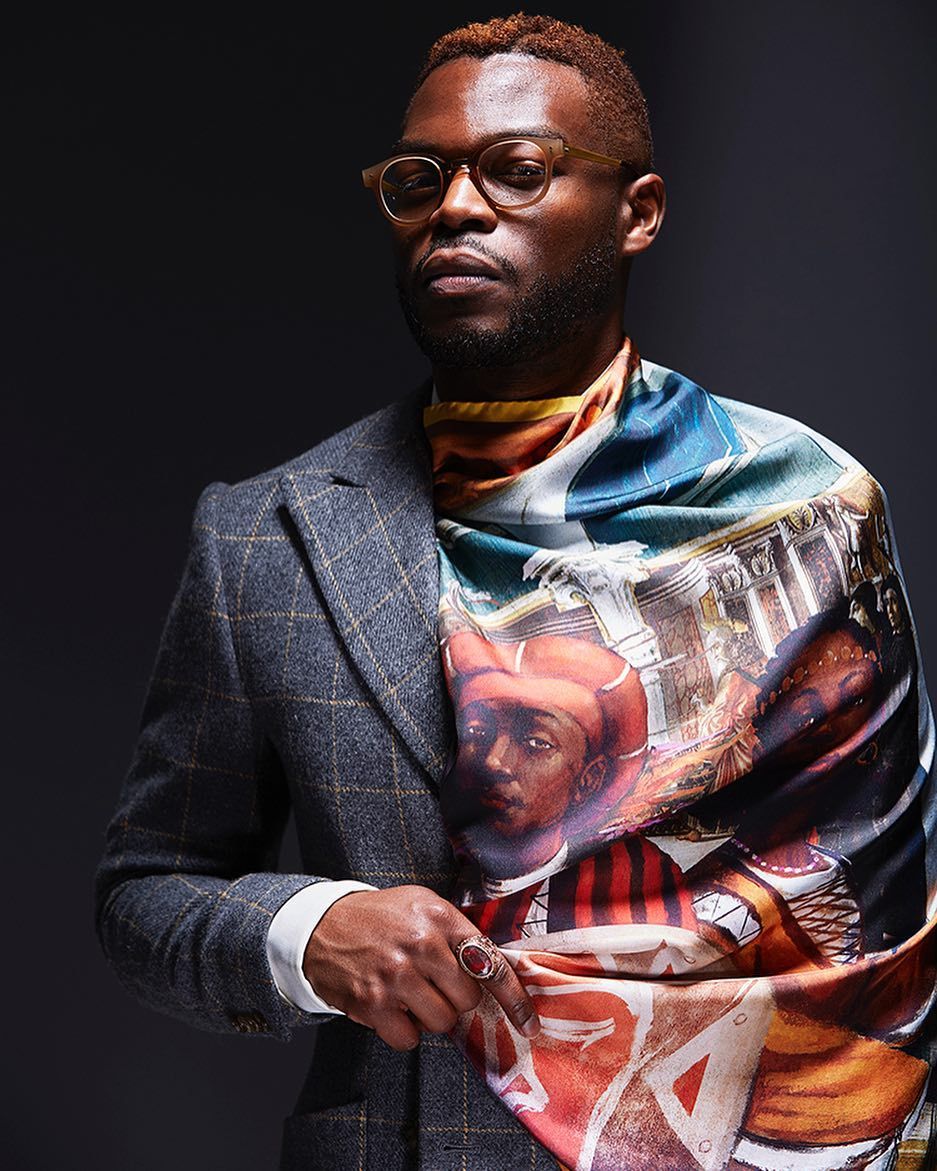
Ikiré Jones is a Philadelphia-based menswear brand founded by Walé Oyéjidé and Sam Hubler. Oyéjidé, born in Ibadan, Nigeria, moved to Dubai with his mother in the 1990s, then relocated to Alabama as a teenager, studied law, and worked as an attorney before pivoting fully into fashion. The brand combines African aesthetics, storytelling, and sharp tailoring in a visual world that moves between West African influence, classical reference, and contemporary menswear.
That combination matters because Ikiré Jones is not built like a trend label. It is built like an argument. Each collection typically carries a written narrative alongside the garments, often addressing migration, identity, or the representation of African and diasporic people in Western media. That gives the brand a literary dimension most fashion houses do not even attempt.
The brand did not become Afrofuturist because of the film. It was recognised because the film finally made room for a language it had already been speaking.
How Does Afrofuturism Actually Shape Ikiré Jones’ Work?
Afrofuturism is usually flattened into sci-fi styling, metallic surfaces, or simple visual drama. As Omiren Styles documents in “Why AfroFuturism Is Fashion’s Most Necessary Lens,” the term was coined by cultural critic Mark Dery in 1993. Still, the practice predates it by decades, running through Sun Ra’s Egyptian-and-space cosmology in the 1950s, Octavia Butler’s fiction, and Janelle Monáe’s performance work. Here, at Ikiré Jones, Afrofuturism is a method for reclaiming Black presence in worlds that have often refused to imagine Black people as central to beauty, power, or futurity.
In that sense, the clothes do not just look forward. They repair the past while projecting a future. A jacket made from a West African textile, cut into a European silhouette, is not decoration. It is an argument about whose history gets to inform whose future, made in cloth rather than in words. The point is not spectacle for its own sake. The point is with intention.
Why Did Black Panther Matter for Ikiré Jones, Without Defining It?
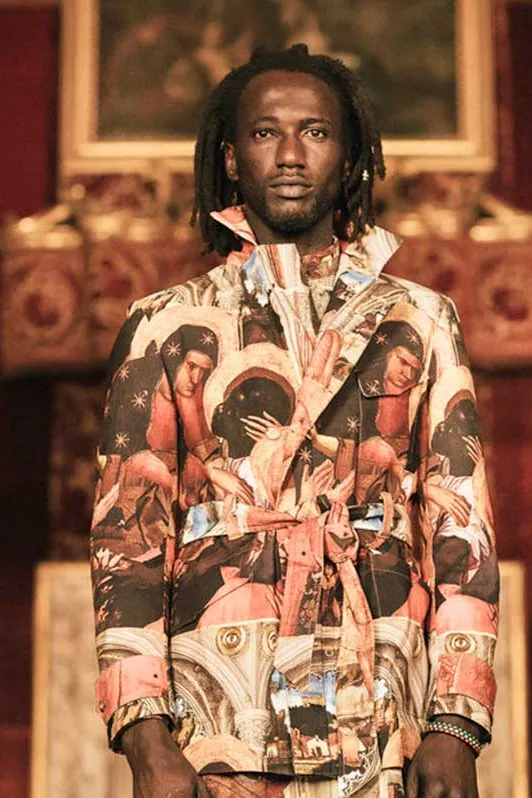
In 2016, Ikiré Jones publicly asked Marvel on social media whether the studio would let the brand work on Black Panther’s wardrobe. The reality of how the partnership came together was less dramatic than the tweet suggested, built on years of consistent, well-regarded work that had already caught the industry’s attention. Ikiré Jones created several pieces for the film, though only one made the final theatrical edit: a silk scarf titled From Wakanda, With Love, manufactured in Italy. The brand had already placed pieces on Chadwick Boseman and worked with director Ryan Coogler’s team before the film’s release. Oyéjidé separately contributed to the Dora Milaje costume work alongside the film’s costume designer, Ruth E. Carter.
For many viewers, Black Panther was the first time they noticed Ikiré Jones. The brand did not become Afrofuturist because of the film. It was recognised because the film finally made room for a language it had already been speaking. The same design intelligence later appeared in Coming 2 America, where Oyéjidé designed costumes for General Izzi, played by Wesley Snipes, applying the same logic of bold prints and military insignia to a different kind of African storytelling.
Why Does Tailoring Matter So Much in Ikiré Jones’ Afrofuturism?
Many fashion labels can make a strong statement on mood boards. Fewer can make that statement survive the discipline of cut, fit, and construction. Ikiré Jones works specifically within the Neapolitan tailoring tradition, applying West African textiles and classical art references to silhouettes built with the same rigour as those of any established menswear house. The garment must hold the idea.
Instead of treating African aesthetics as something separate from tailoring excellence, the brand proves that they can coexist. The result is not a compromise between cultures. It is a new standard of elegance shaped by Black cultural authorship.
ALSO READ
- Why AfroFuturism Is Fashion’s Most Necessary Lens
- Why European Luxury Houses Invest in Afrobeats Stars but Not African Fashion Infrastructure
- Reclaiming the Narrative: How Cultural Resistance Shaped the World’s Most Powerful Style Movements
- What You Pack When You Leave: The Ghana Must Go Bag and the Things African Migration Refuses to Forget
What Does Ikiré Jones Prove About Afrofuturism in Fashion Today?
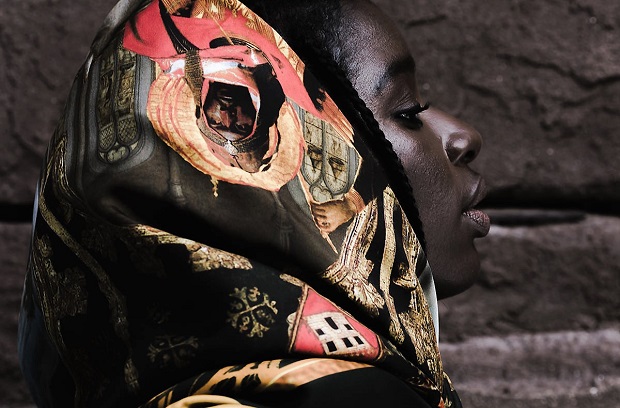
Ikiré Jones proves that Afrofuturism, applied seriously, is durable enough to survive contact with one of the most commercially demanding tailoring traditions in fashion. It is not a theme to be borrowed for a season, nor a visual effect to be added when fashion wants to look progressive. That is the real significance. The brand’s Black Panther moment generated visibility. Still, the design philosophy it revealed predates and outlasts any single placement, as Omiren Styles has argued in Why European Luxury Houses Invest in Afrobeats Stars but Not African Fashion Infrastructure, the gap between cultural visibility and structural investment runs through African and diaspora fashion broadly. Ikiré Jones is one of the clearer counter-examples: a brand that built its own infrastructure of meaning before any major institution arrived to validate it.
What this shows, finally, is how Afrofuturism can be treated as a design philosophy with structure, seriousness, and staying power, not as trend language.
THE OMIREN ARGUMENT
Ikiré Jones matters because it proves that Afrofuturism is not a costume theme but a design philosophy with structure, craft, and intellectual weight. Walé Oyéjidé did not simply decorate tailoring with Black futurity. He used tailoring to give Black futurity a disciplined form. That is why the brand’s appearance in Black Panther mattered but did not define its value. Ikiré Jones had already shown that the future of Black style can be imagined with precision, worn with elegance, and built with the same seriousness as any major tailoring tradition.
FREQUENTLY ASKED QUESTIONS
What is Ikiré Jones?
Ikiré Jones is a Philadelphia-based menswear brand founded by Nigerian-born designer Walé Oyéjidé and tailor Sam Hubler. It is known for combining African aesthetics, storytelling, and tailored menswear to create garments that function as narrative and argument, not just style, applying Neapolitan tailoring construction to West African textiles and classical art references.
What is Afrofuturism in fashion?
In fashion, Afrofuturism is a design approach that reimagines Black and African futures through clothing, image, and storytelling, treating futurity as something built from history and craft rather than a visual gimmick. The term was coined by cultural critic Mark Dery in 1993, though the practice, running through Sun Ra, Octavia Butler, and Janelle Monáe, predates it by decades. According to Omiren Styles, fashion arrived late to a conversation that music, literature, and visual art had been developing for sixty years.
How did Ikiré Jones get involved in Black Panther?
In 2016, Ikiré Jones publicly asked Marvel on social media to let the brand design wardrobe for Black Panther, though the partnership that followed was built on years of prior, well-regarded work rather than the tweet alone. The brand created several pieces for the film, with one, a silk scarf titled From Wakanda, With Love, appearing in the final theatrical edit. Walé Oyéjidé also contributed to the Dora Milaje costume work alongside costume designer Ruth E. Carter, and the brand had already placed pieces on the lead actor, Chadwick Boseman, before the film’s release.
Why is Ikiré Jones important?
Ikiré Jones is important because it demonstrates that Afrofuturism can withstand the rigours of serious tailoring construction rather than remain a surface-level aesthetic, and that Black imagination can be built into menswear with craft and discipline so that the garment itself holds the idea. According to Omiren Styles, the brand’s Black Panther placement generated visibility, but the underlying design philosophy, built across years of collections addressing migration and identity, existed independently of that moment and continues to outlast it.
Omiren Styles covers African and diaspora fashion as a serious intellectual and commercial discipline. Subscribe for the editorial intelligence that reads design philosophy with the same rigour the designers bring to the cloth.