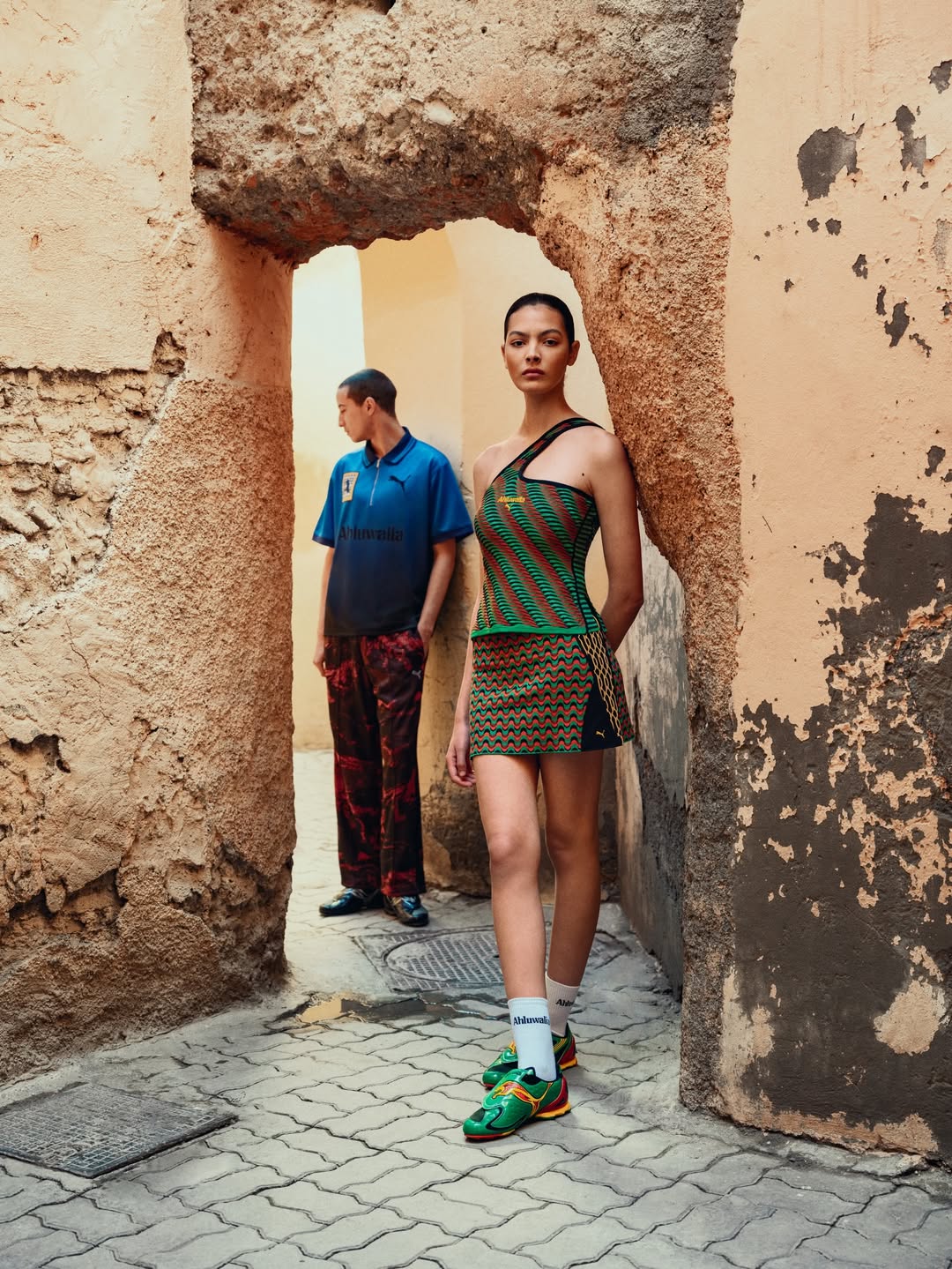
In October 2025, Grace Wales Bonner was announced as Creative Director of Hermes menswear, succeeding Veronique Nichanian, who had held the role for 37 years. Wales Bonner was the first Black woman in history to be appointed Creative Director at a major European luxury house. In a year that had already seen Chanel, Dior, Versace, Balenciaga, and Gucci all make major creative appointments, every one of which had gone to a white man, Hermes made the appointment that the fashion press would spend weeks processing. Wales Bonner’s own words, quoted in WWD, located the moment precisely: “I am deeply honoured to be entrusted with the role of Creative Director of Hermes Menswear.”
That sentence carries something heavier than gratitude. It carries the full weight of a generation of African-British designers who have been making some of the most intellectually serious fashion in London for over a decade. At the same time, the industry processed them as a diversity story rather than an authorship one. Wales Bonner is not a diversity appointment. She is the result of a fashion culture that British institutions have nurtured and then underestimated for years. The Hermes announcement is not the moment this generation arrived. It is the moment the rest of the world ran out of ways to pretend it had not.
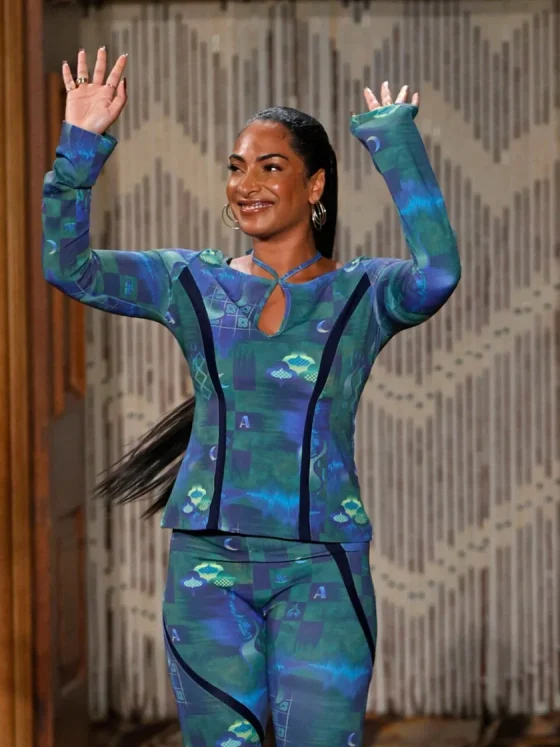
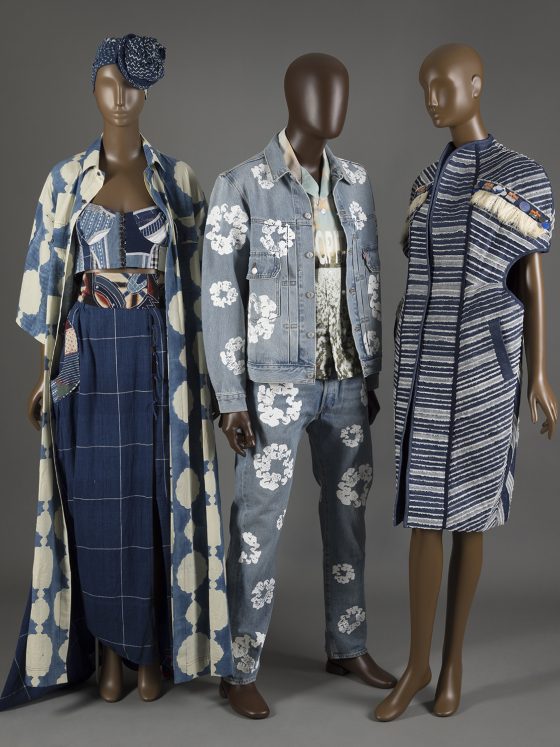
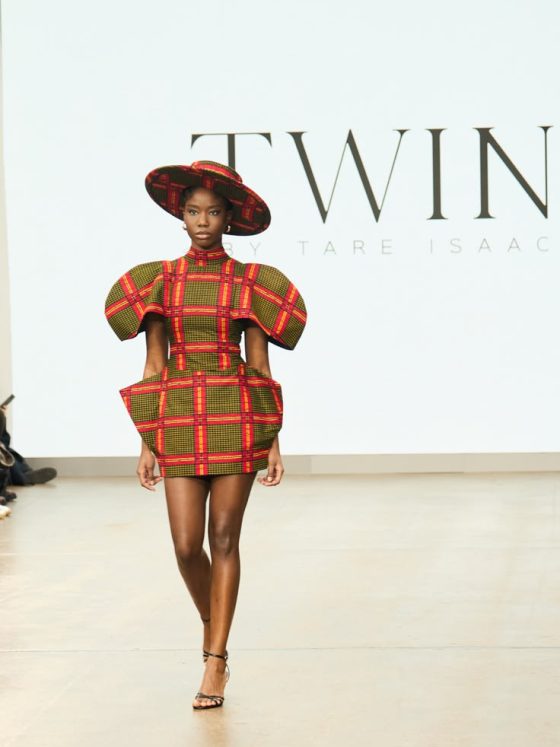
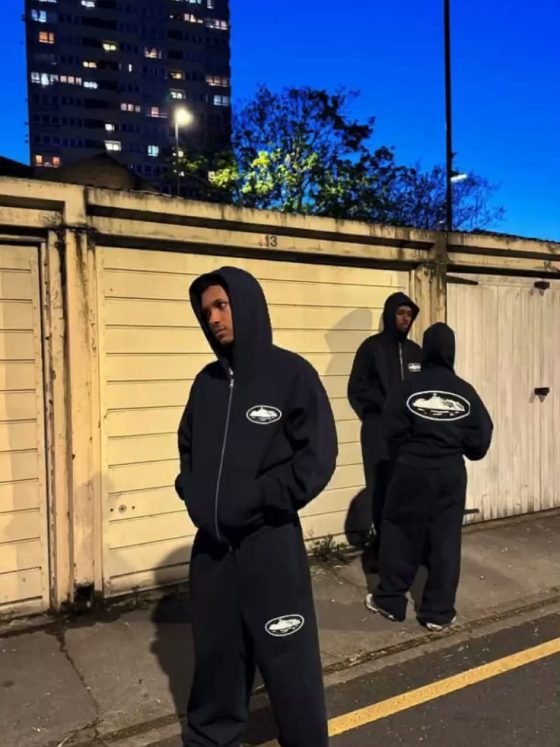
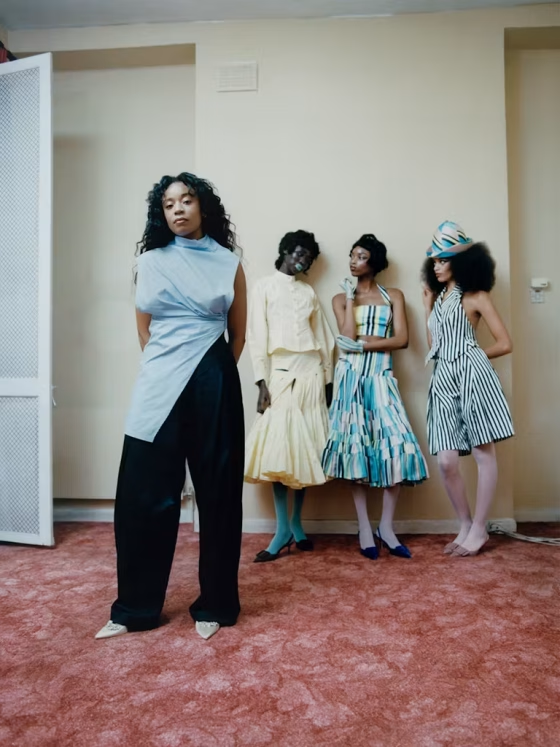
Grace Wales Bonner, Bianca Saunders, Tolu Coker, Mowalola, Foday Dumbuya – the African-British designers redefining what British fashion actually means.
The System Behind the Spotlight
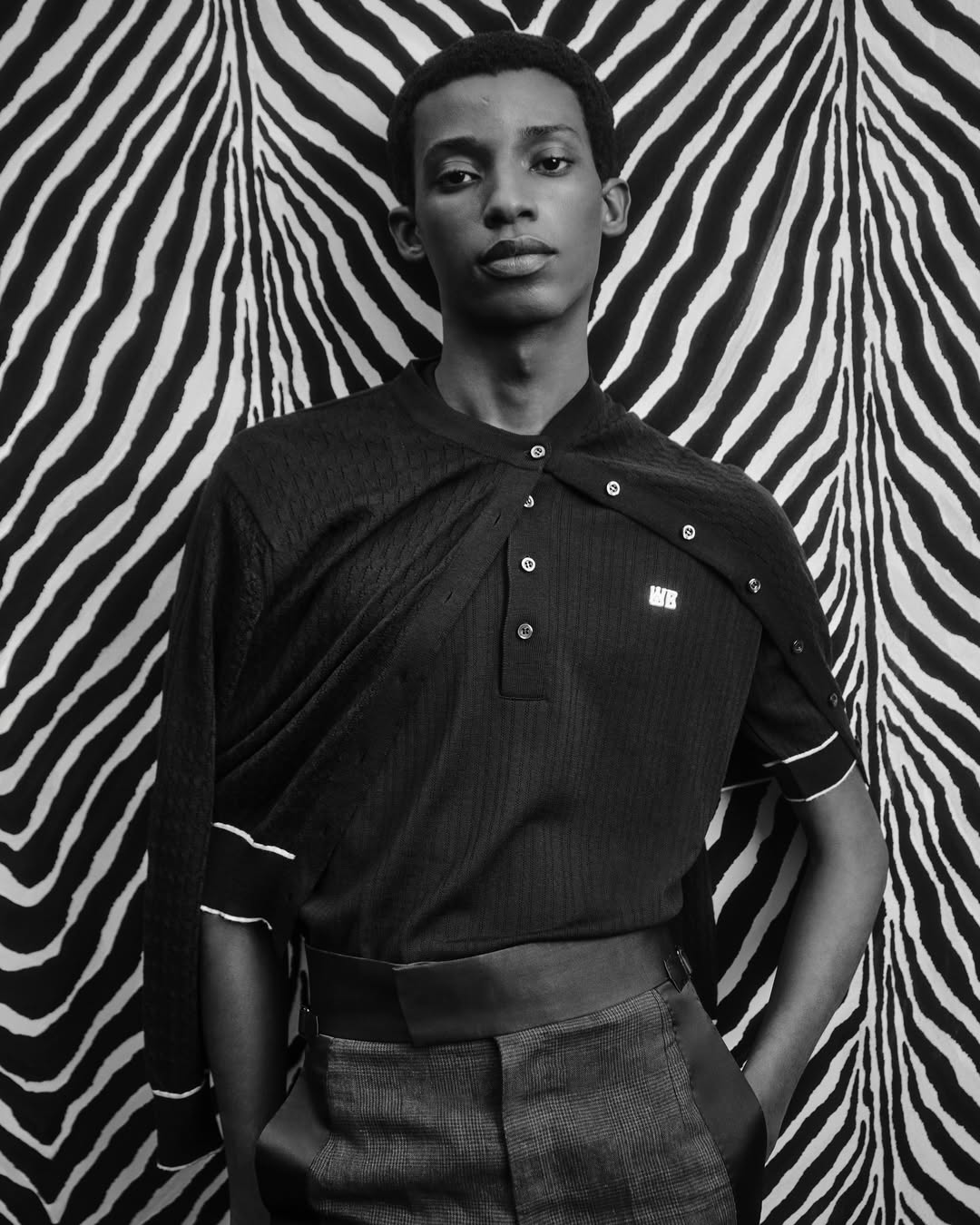
African-British designers face a specific version of the structural problem that runs through global fashion. They are celebrated in terms of aesthetics and underinvested in terms of infrastructure. As Omiren Styles has documented in Why European Luxury Houses Invest in Afrobeats Stars but Not African Fashion Infrastructure, the pattern is consistent: African and diaspora creativity enters global fashion circulation as cultural reference, while the structural investment that sustains design careers long-term stays concentrated elsewhere. For African and British designers, this means a seasonal spotlight without the institutional scars that remain, and converts visibility into commercial sustainability.
The identity navigation compounds the structural problem. As Omiren Styles has traced in Does Wearing Your Culture Make You Exotic? The Diaspora Fashion Paradox, second-generation African creatives in Britain built cultural identities that operate as conscious assertions rather than defaults. For African-British designers, this means their work carries cultural intelligence that is specific and hard-won: the knowledge of what it means to hold Nigerian-British, Jamaican-British, or Sierra Leonean-British identity simultaneously, and to translate that into garments with precision. That precision is not a diversity feature. It is a design position. It takes research, discipline, and the specific authority that comes from living within the culture the clothes speak from.
This is the story that the “on your radar” register misses entirely. These designers are not emerging. Several have been receiving the most prestigious awards available in British fashion for years. The question has never been whether the talent exists. The question is whether the industry will build the infrastructure around it.
Grace Wales Bonner and the Structural Moment at Hermes
Wales Bonner founded her label in 2014, graduating from Central Saint Martins with a collection called Afrique that won the L’Oreal Professionnel Talent Award. What followed was a sequence of awards that documents both the quality of the work and the pace at which the institution was willing to recognise it: Emerging Menswear Designer at the British Fashion Awards in 2015, the LVMH Prize in 2016, the British Fashion Council/Vogue Designer Fashion Fund in 2019, CFDA International Men’s Designer of the Year in 2021, MBE in 2022, and British Menswear Designer of the Year in 2024.
That award trajectory is a record of sustained excellence across a decade. It is also a record of the fashion press consistently describing the work through the lens of cultural research. At the same time, the industry debated whether to give it the kind of infrastructure and institutional platform that European designers receive as a default. The Hermes appointment, announced in October 2025 with her debut collection scheduled for January 2027, is the first time the industry has offered Wales Bonner a platform commensurate with what her work has demonstrated she is capable of building.
Her designs blend sportswear, tailoring and broad cultural research. The fashion industry described this as interesting. Hermes called it the future of their menswear. Those are not the same assessment.
Bianca Saunders and the Argument About Black British Masculinity
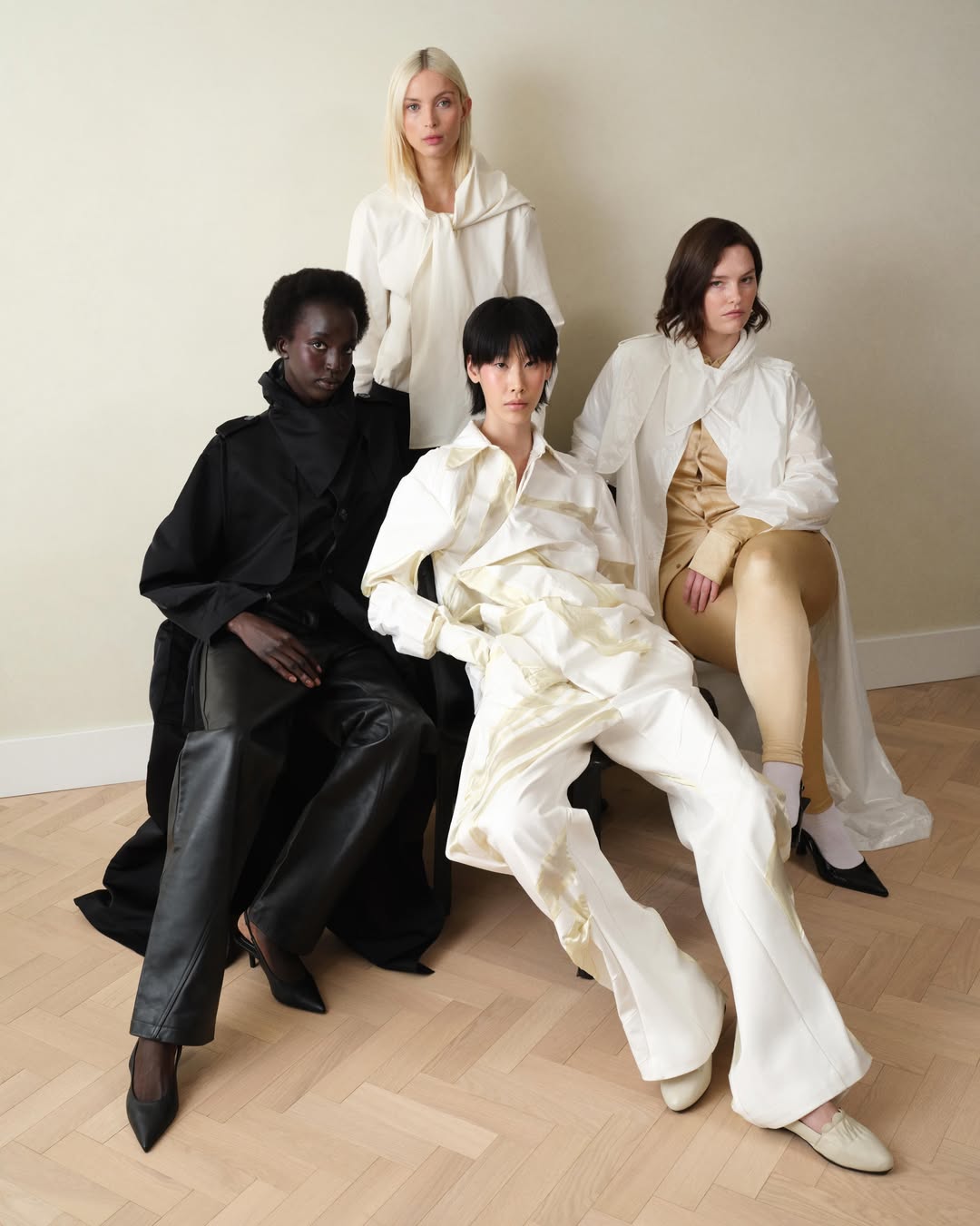
Bianca Saunders has been making one of the most coherent arguments in British menswear for several years. Her own description of the practice is precise: “My menswear label explores vulnerability while redefining masculinity. Drawing from both my British and West Indian backgrounds, I address the tension between tradition and evolution in designs.” That is not a designer statement. It is a philosophical position, and it has been translated into garments with structural intelligence that the British Fashion Council’s own experts recognised with the BFC/Vogue Designer Fashion Fund award in 2026, which carries a grant of 150,000 pounds sterling. As Omiren Styles has documented in Imperfection as Intention: Why “Undone” Dressing Defines 2026 High Fashion, Saunders works with deliberately softened tailoring: jackets that release tension at the shoulder, trousers that carry volume without precision, garments that suggest the body beneath them rather than commanding it. The undone quality in her work is not a rejection of structure. It is a reframing of what structure is for. She was also a 2021 LVMH Prize semi-finalist.
Saunders is arguing, through cut and silhouette, about how Black British men exist in clothing: not performing the European tailoring tradition, not performing a street aesthetic, but occupying a third position that is both culturally specific and formally rigorous. That argument has commercial value. The question is whether the British fashion industry is building the distribution and investment infrastructure to match the critical recognition it has already received.
Tolu Coker and the Work of Cultural Memory
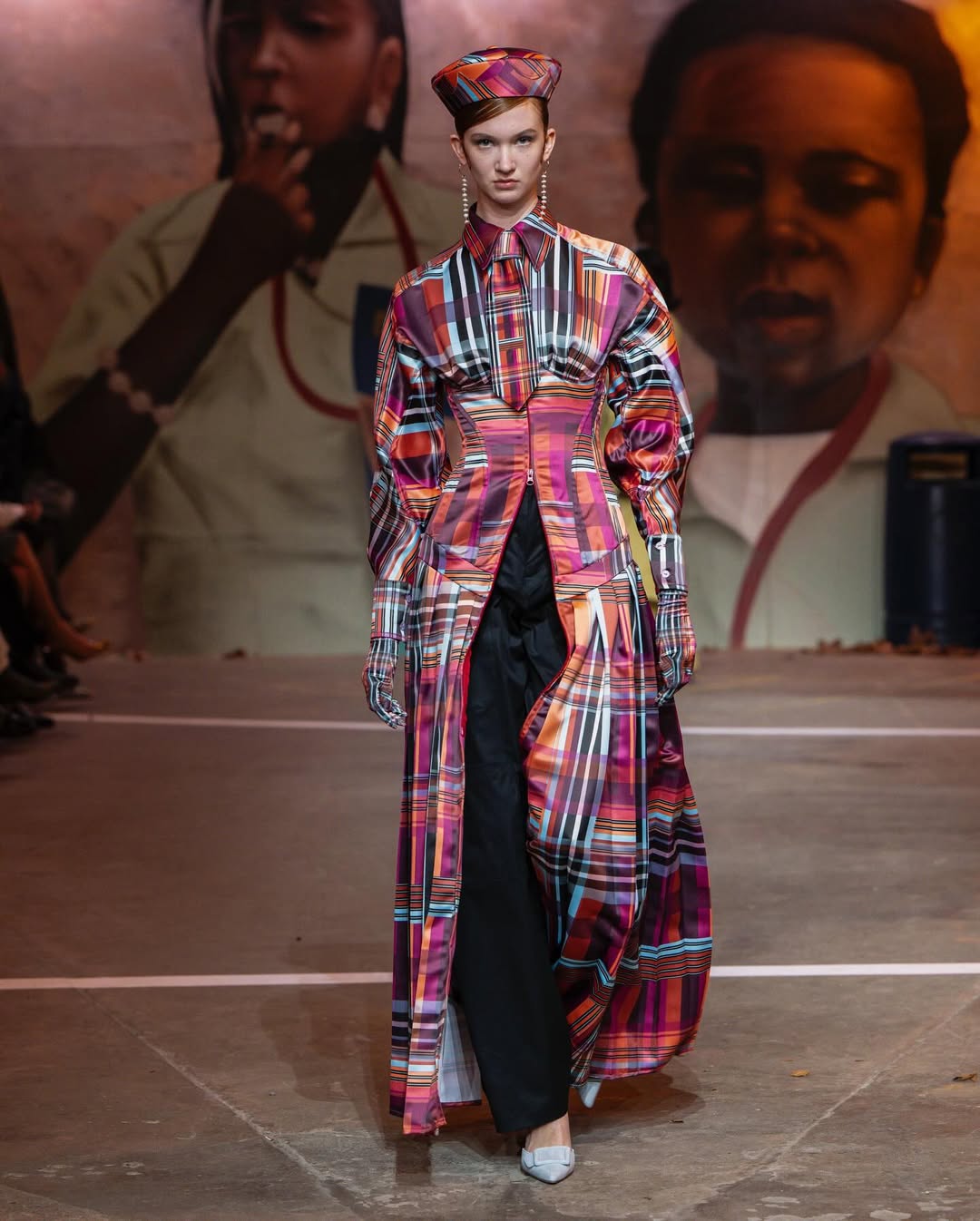
Tolu Coker describes her practice as memory, resistance, and deeply personal storytelling. Her womenswear operates through what she has described as a multidisciplinary approach, combining bold prints with structured silhouettes in a way that places cultural research at the centre of commercial fashion. She is a recipient of the BFC Fashion Trust Award and a consistent presence at London Fashion Week. Her clients include Rihanna, Doechii, and Tyla. Those three names are not incidental: they represent the cultural credibility that British fashion press struggles to translate into structural investment. Rihanna does not wear designers because they are interesting side projects. She wears designers who have earned cultural authority through the seriousness of their practice.
Mowalola Ogunlesi and the Politics of Desire
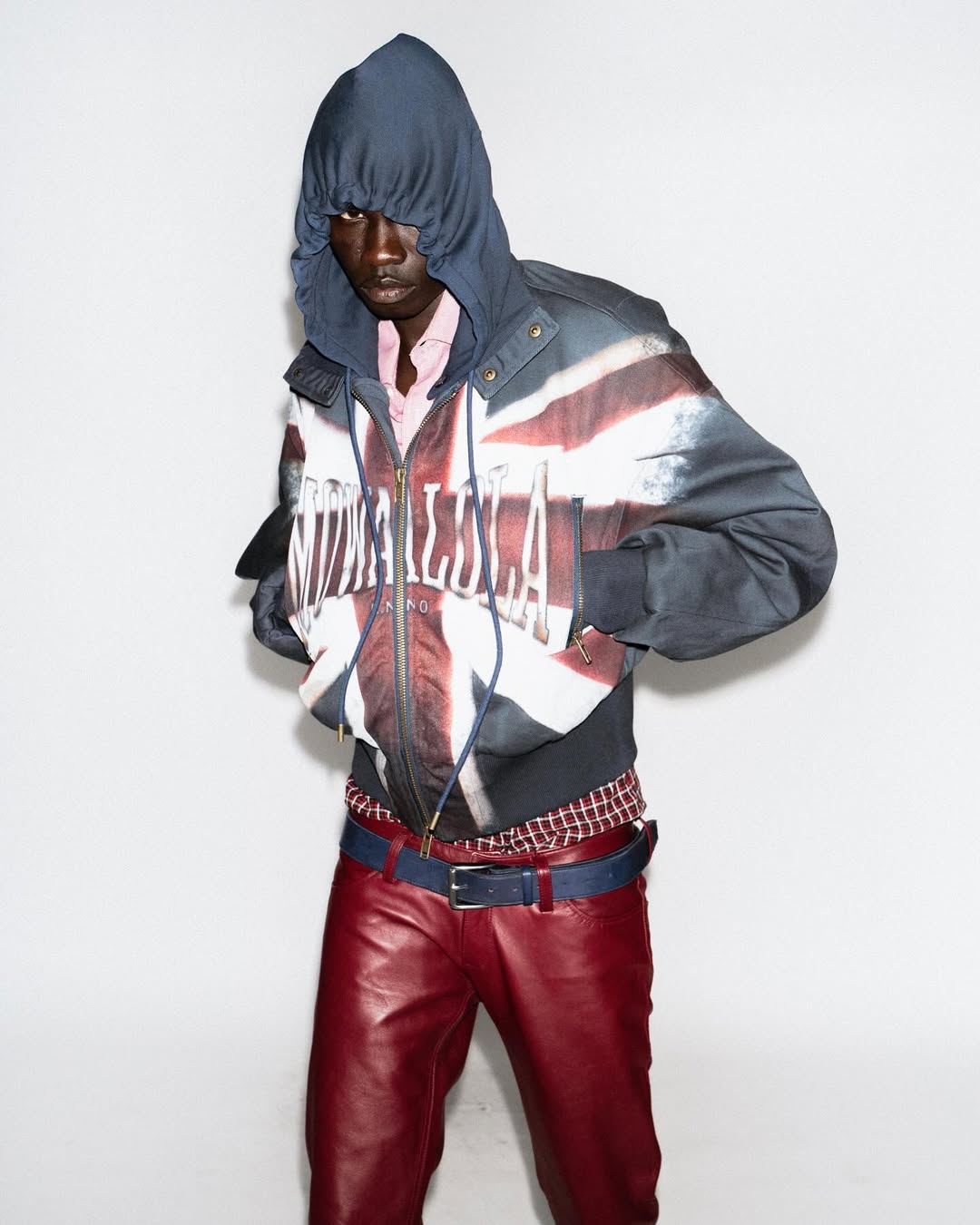
Mowalola Ogunlesi is Nigerian-British, Central Saint Martins-trained, and the designer who led design at YEEZY Gap, one of the most commercially ambitious and culturally visible fashion projects of recent years. Her own label, Mowalola, occupies a specific position in London fashion: high-gloss leather, aggressive silhouettes, a frank engagement with sexuality and power that does not soften its edges for easier consumption. This is not a fashion that asks for permission. It is fashion that asserts the right to take up space in a register that British fashion has historically reserved for other voices.
ALSO READ
- Does Wearing Your Culture Make You Exotic? The Diaspora Fashion Paradox
- How African Identity Is Styled Differently Across Continents
- Imperfection as Intention: Why “Undone” Dressing Defines 2026 High Fashion
- Why European Luxury Houses Invest in Afrobeats Stars but Not African Fashion Infrastructure
Foday Dumbuya and the Sierra Leonean Dimension of British Style
Labrum London, founded by Foday Dumbuya, brings Sierra Leonean heritage into British menswear with a directness that resists the temptation to translate the reference to make it easier for international consumption. The label’s vibrant textiles and narrative-driven designs document a specific part of the African-British experience that is underrepresented in the general conversation about what British fashion covers. Dumbuya is making clothes that require the wearer to understand something about their origins.
Priya Ahluwalia and the Ethics of Production
Priya Ahluwalia brings Nigerian and Indian heritage into her label’s work alongside a commitment to upcycled production and material ethics that predates the fashion industry’s current sustainability conversation. Her practice connects cultural specificity and production responsibility in a way that treats both as design principles rather than marketing positions. She represents a strand of African-British fashion that is building its authority through material ethics as much as aesthetic argument.
What the Industry Owes This Generation
These six designers are not a cohort defined by their backgrounds. They are a cohort defined by their approach: rigorous, culturally grounded, formally ambitious, and unwilling to simplify for easier consumption. They represent a generation that built their work within a British fashion system that offered them critical recognition more readily than the commercial infrastructure did. As Omiren Styles traces in How African Identity Is Styled Differently Across Continents, African identity in diaspora spaces often becomes conscious and deliberate, expressed in response to external environments. For African-British designers, this means the cultural intelligence in their work is earned through active negotiation, not inherited ease. That negotiation is the design research. It is part of what makes the work serious.
The Wales Bonner appointment at Hermes is significant not because it proves the generation has arrived but because it removes one more excuse for the industry not to invest in the others. Wales Bonner has been making the case for a decade that African-British designers can operate at the highest institutional level. The industry’s task now is not to wait for another individual to prove the case again. It is to build the infrastructure, the distribution relationships, the investment vehicles, and the critical frameworks that allow the whole generation to work at the scale their ambition warrants.
London has the talent. The question is whether the industry will stop treating that talent as a diversity metric and start treating it as the creative centre it already is.
WHAT REDEFINING MEANS
These designers are not adding to British fashion. They are changing its reference points, its design philosophy, its relationship to cultural research, and the definition of what British tailoring is capable of saying. Grace Wales Bonner’s appointment at Hermes did not happen because she was the most convenient available choice; she had built a decade of work that demonstrated her specific intelligence about how luxury, culture, and diaspora identity operate together. Bianca Saunders is not reinterpreting Black British masculinity as a cultural comment. She is doing it as a formal design position, and the BFC has now recognised it as the most significant menswear practice in Britain with their 2026 fund.
For Omiren Styles, the argument is simple: a generation that produces the LVMH Prize winner, the BFC/Vogue Designer Fashion Fund winner, the Creative Director of Hermes menswear, the YEEZY Gap design director, and the go-to designer for some of the most culturally authoritative figures in global entertainment is not diversifying British fashion. It is the work that will define British fashion. The industry’s responsibility is to match that with investment, not just recognition. This piece is part of Omiren Styles’ ongoing documentation of African and diaspora designers building fashion authority on their own terms.
FAQs
What is Grace Wales Bonner’s role at Hermes, and why does it matter?
In October 2025, Grace Wales Bonner was appointed Creative Director of Hermes menswear, succeeding Veroni, who had held the role for 37 years. Wales Bonner became the first Black woman in history to serve as Creative Director at a major European luxury house. Her debut Hermes collection is scheduled for January 2027. The appointment matters because it is the first time the fashion industry has offered Wales Bonner a platform commensurate with what her decade of work has demonstrated she can build.
How do African-British designers define their relationship to British fashion?
Not as outsiders adding diversity to a pre-existing tradition, but as designers working from within a culturally specific intelligence that British fashion has been absorbing and under-crediting for years. Bianca Saunders describes her menswear as exploring vulnerability while redefining masculinity, drawing from both British and West Indian backgrounds. Foday Dumbuya brings Sierra Leonean heritage into British menswear without softening the reference for easier consumption. The relationship is one of authorship, not addition.
What awards have African-British designers received in recent years?
The record is significant. Grace Wales Bonner has received the LVMH Prize (2016), the British Fashion Council/Vogue Designer Fashion Fund (2019), the CFDA International Men’s Designer of the Year (2021), and the British Menswear Designer of the Year (2024). Bianca Saunders won the BFC/Vogue Designer Fashion Fund in 2026, a grant of 150,000 the pounds sterling, and was a 2021 LVMH Prize semi-finalist. Tolu Coker is a BFC Fashion Trust recipient.
What structural barriers do African-British designers still face in the UK industry?
The primary gap is between critical recognition and commercial infrastructure. British fashion has offered this generation awards and editorial coverage more readily than distribution relationships, investment vehicles, and the long-term institutional support that sustains design careers at scale. The pattern is the same one documented across global fashion: African and diaspora creativity enters circulation as cultural reference, while the structural investment that converts visibility into commercial sustainability stays concentrated elsewhere.
How is this generation different from earlier waves of Black British fashion talent?
Earlier generations of Black British designers often navigated the industry by making their cultural references legible to mainstream fashion on its own terms. This generation works from a position of cultural authority rather than petition. They are not asking permission to reference their backgrounds. They are treating those backgrounds as the design foundation and building careers on the intelligence that emerges from that position. The Wales Bonner appointment at Hermes is the most visible institutional confirmation that this position was always the correct one.