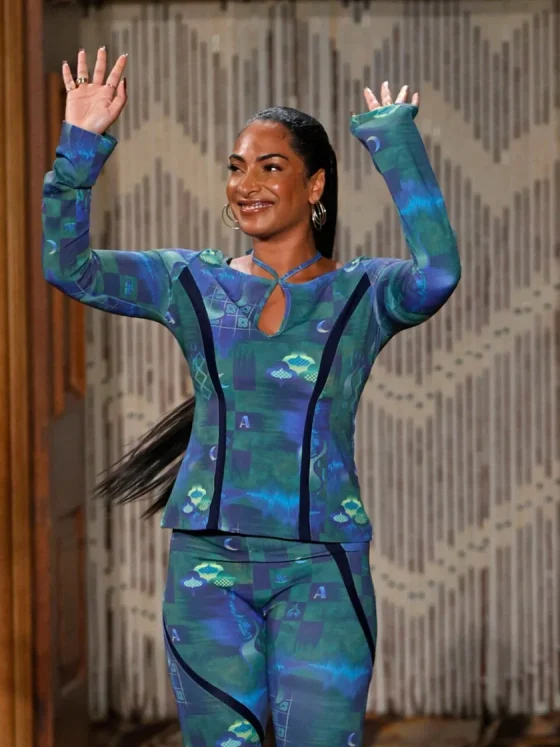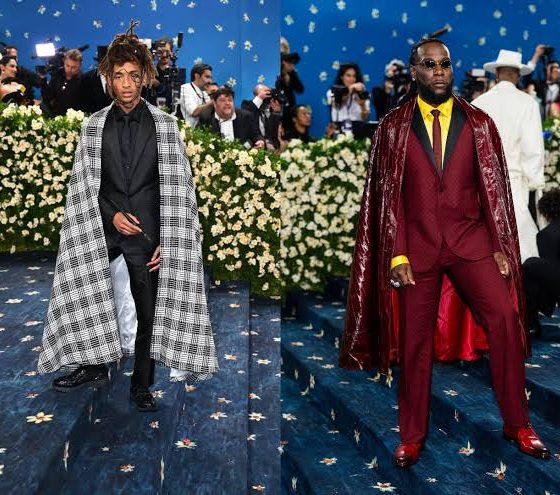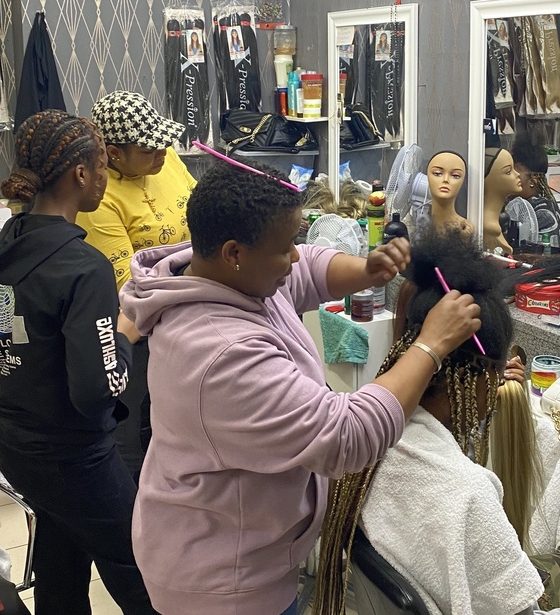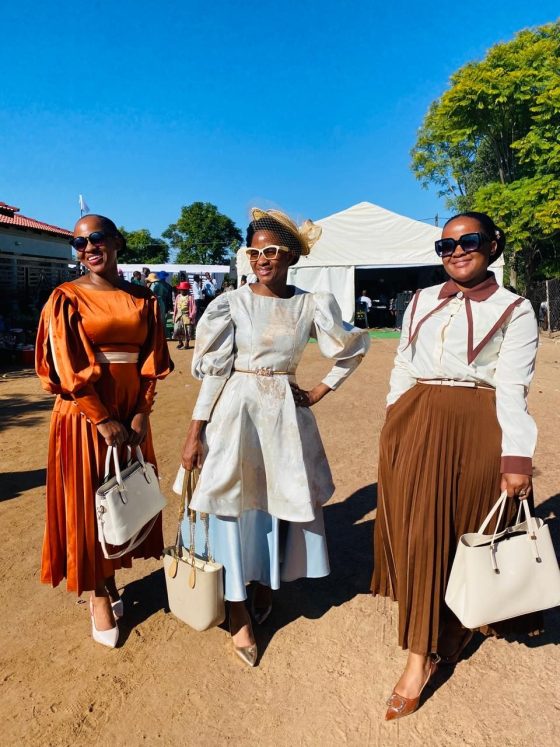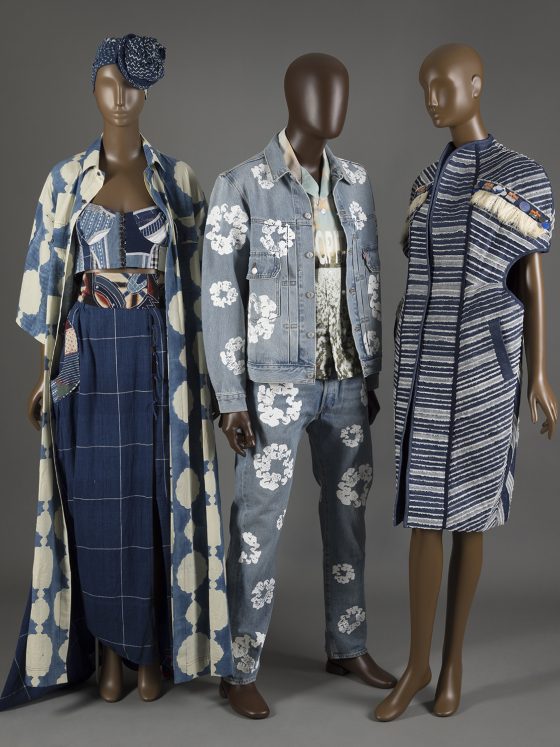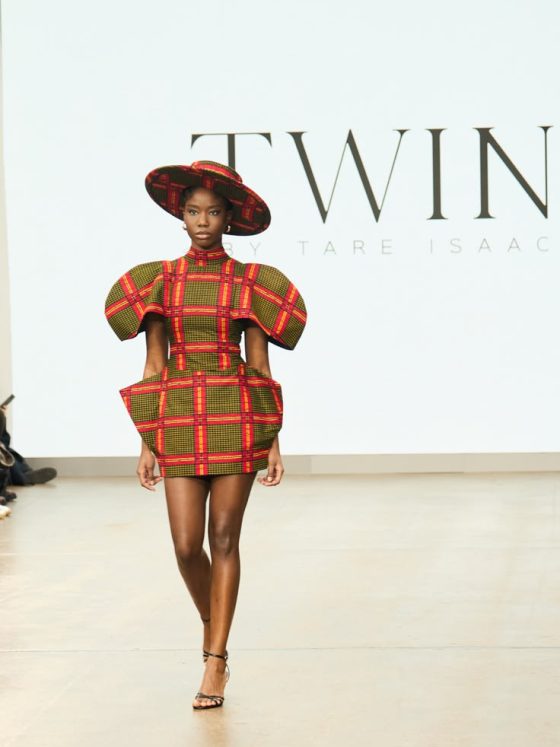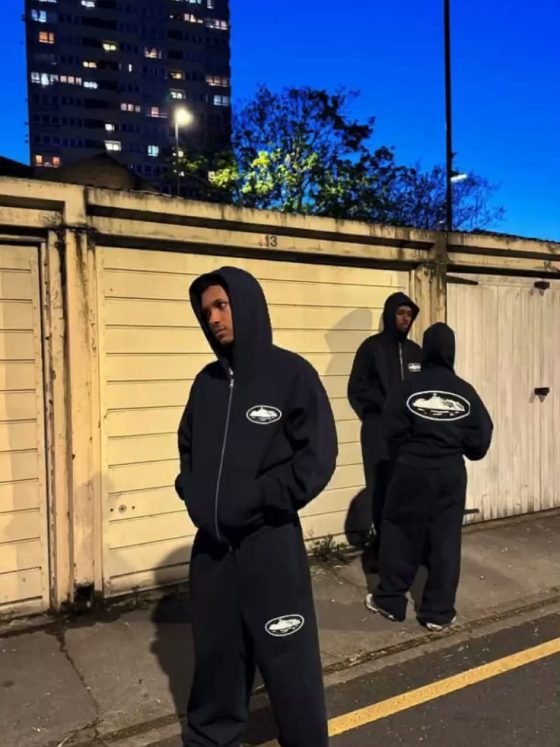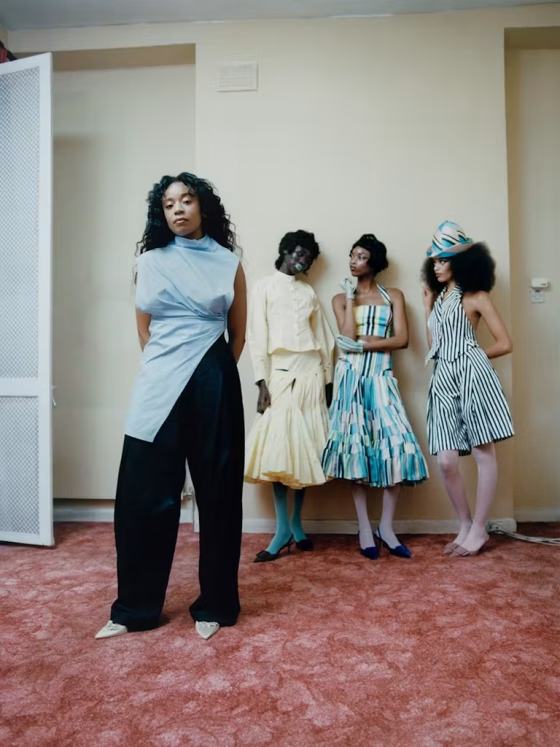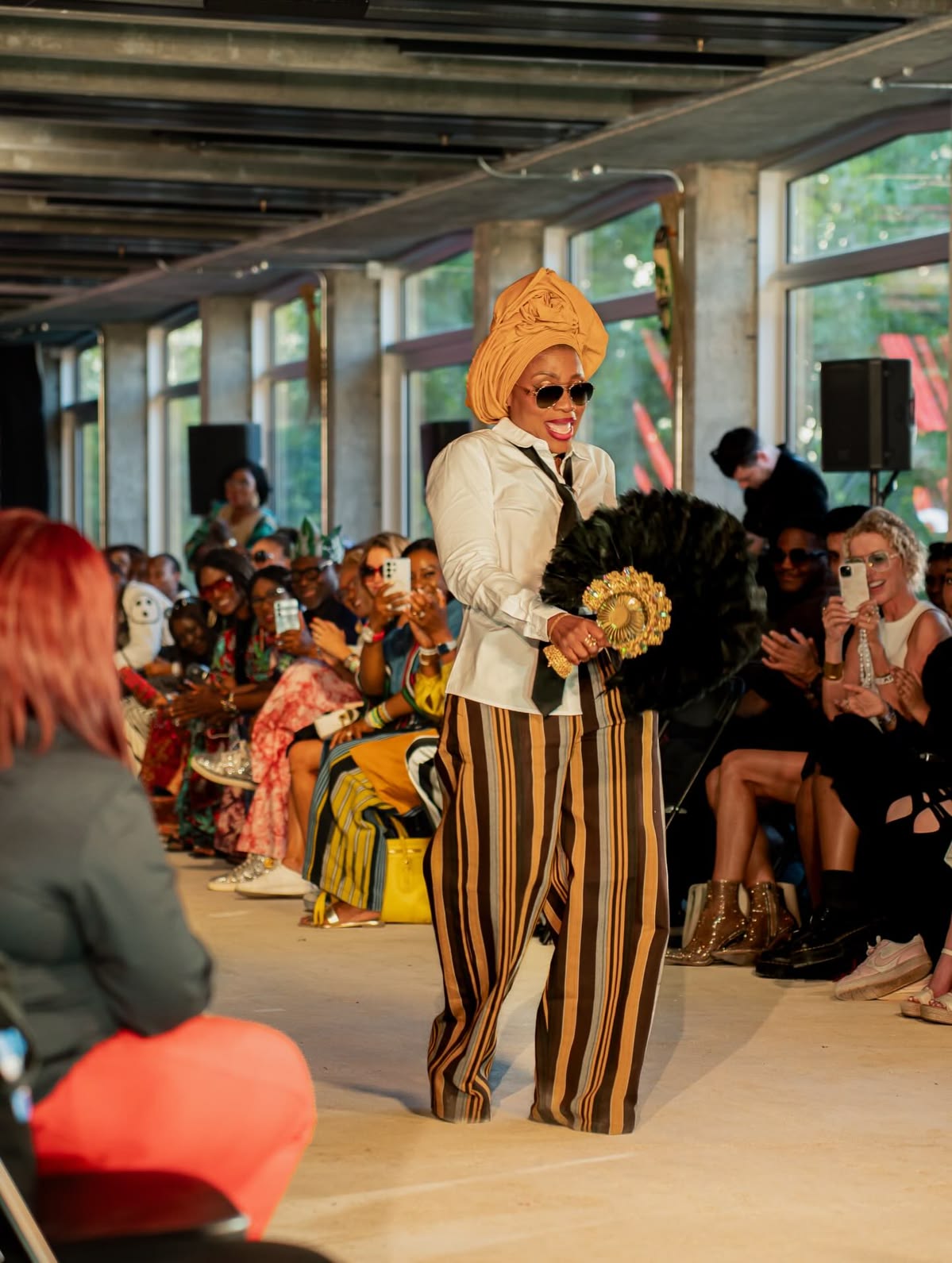
London already has the designers, retailers, exhibitions, communities, and consumer base to count as a real African fashion ecosystem. What it lacks is not infrastructure. It lacks consistent mainstream editorial attention, and that is an editorial choice rather than an absence of activity.
The city’s African fashion scene is not a fringe add-on to London fashion. It is a functioning network spanning Black British designers, diaspora-led labels, retail platforms, museum programming, district-level communities, and regular event culture. The problem is visibility, not existence. London’s African fashion infrastructure is already operating at scale, but the mainstream fashion press has chosen not to treat it as a central story.
The real issue is not whether African fashion is present in London. It is a question of whether the fashion press is willing to cover it with the same seriousness it gives to other parts of the city’s fashion economy. Major institutions and exhibitions have already acknowledged the depth of Black British and African fashion history in London. Yet the everyday scale of the scene, the stores, studios, pop-ups, community networks, and designer-led businesses, still receives inconsistent editorial attention.
London’s African fashion ecosystem is fully formed. The fashion press just hasn’t reported it. This is the case the evidence makes.
The Ecosystem Already Exists
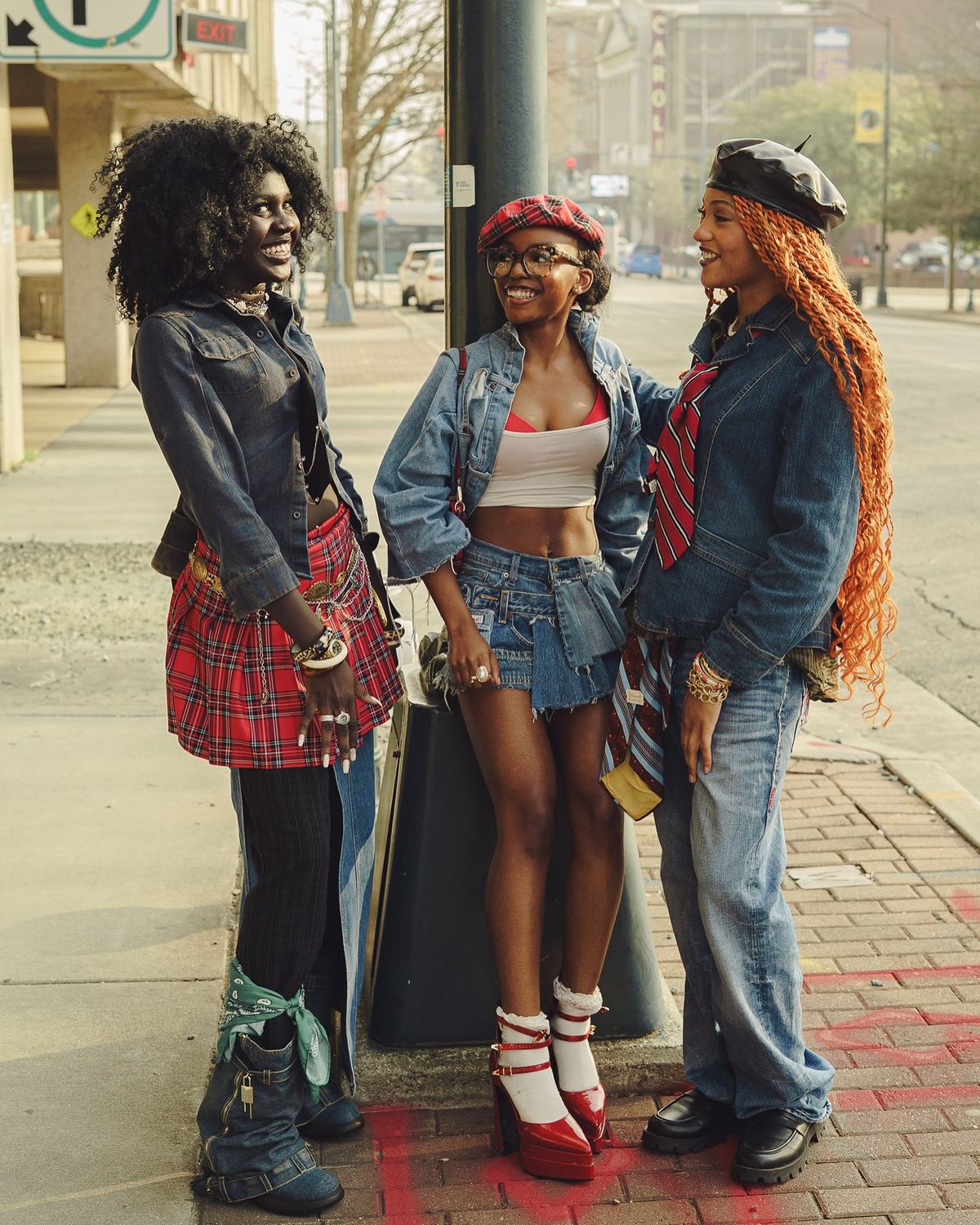
An ecosystem is not a slogan. It is a network of designers, buyers, retailers, media, stylists, institutions, and communities that support one another over time. By that definition, London already has a fully formed African fashion ecosystem. The evidence is in the brands, the events, the district concentration, and the way African and Black British style continues to shape the city’s cultural conversation. As Tolu Coker, British-Nigerian designer and BFC NEWGEN alumna, told Vogue Business: “There are so many different communities I want to spotlight with my work, and I think it isn’t really held in spaces with maximum visibility. Having a platform as big as this is really powerful.” That platform, for Coker, was London Fashion Week. But the ecosystem she is describing already existed around her before the mainstream calendar paid attention.
Independent labels are working in London, retail platforms are connecting African designers with consumers, and events are explicitly centred on African creativity. TALES in London demonstrates how much African fashion activity can be brought together in one place when given room. Adjoaa, the curated online marketplace, connects over 100 African and diaspora brands from 25 countries to customers who are already looking. Priya Ahluwalia, whose label draws on her British, Nigerian, and Indian heritage, named her Spring/Summer 2023 collection “Africa is Limitless”, describing it as “a celebration of the continent, and the varied culture each country offers.” That collection was made in London, sold internationally, and received mainstream fashion press coverage for its aesthetic, while the broader ecosystem it emerged from was left unreported.
Labrum London, founded by Foday Dumbuya, frames itself explicitly around West African and Western heritage and offers bespoke tailoring from a London base. That is not a peripheral presence. It is infrastructure in brand form. The same is true for the wider retail and cultural environment. Platforms like Adjoaa and other African fashion retail networks show that London is not short of access points. The scene is already there. What is missing is the editorial seriousness that would make it feel central rather than supplementary. As Omiren Styles has documented, the designers working from African and Black British cultural roots are not referencing a tradition from outside London. They are building from the inside out.
The Press Has Chosen a Narrow Lens
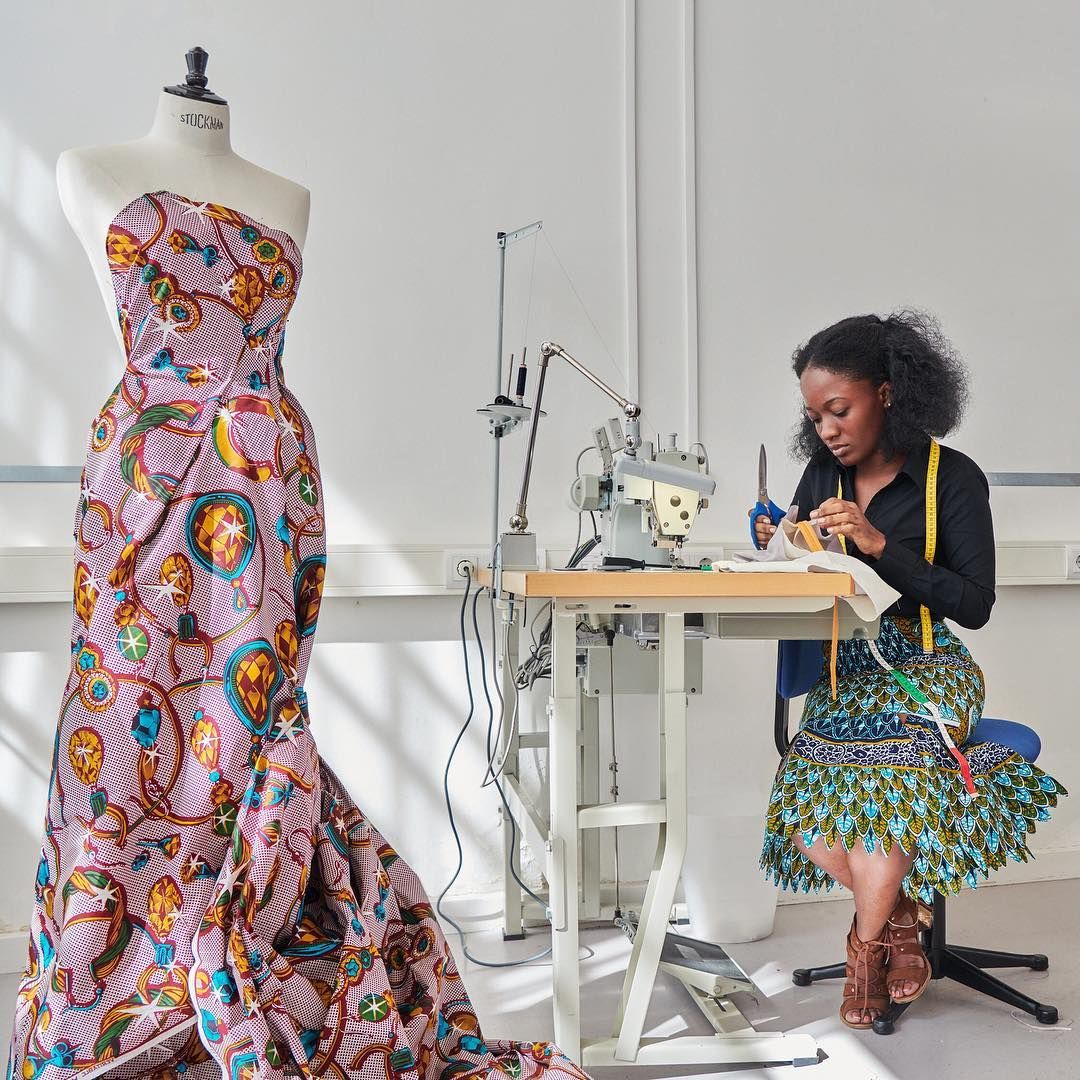
The mainstream fashion press often treats African fashion in London as a trend story, an exhibition story, or a special feature rather than an ongoing industry. That choice matters because it determines what gets seen as normal and what gets framed as exceptional. If African fashion only appears at museum shows or fashion week moments, the press is flattening an ecosystem into an event.
This is an editorial choice, not an objective reflection of reality. The V&A first exhibited Black British Style in 2004, curated by Carol Tulloch and Shaun Cole. In 2015, Staying Power documented Black British experience through photography. In 2023, the V&A launched its Global Africa digital collection—three separate decades of institutional recognition. The fashion press cannot claim ignorance. It can only claim selectivity.
That selectivity is part of a broader hierarchy of fashion value. Some communities are covered as the centre of fashion history; others are covered as cultural colour. African fashion in London often gets placed in the second category, even though its commercial and creative footprint is substantial. The question is not whether Black and African fashion exists in London. The question is whether the editorial establishment is willing to describe the city honestly.
ALSO READ
- Imperfection as Intention: Why “Undone” Dressing Defines 2026 High Fashion
- The UK African Fashion Scene Created Visibility. The Debt It Owes Is Commercial.
- Second-Generation African Designers Are Not Borrowing From Heritage. They Are Translating It.
Districts Carry the Weight
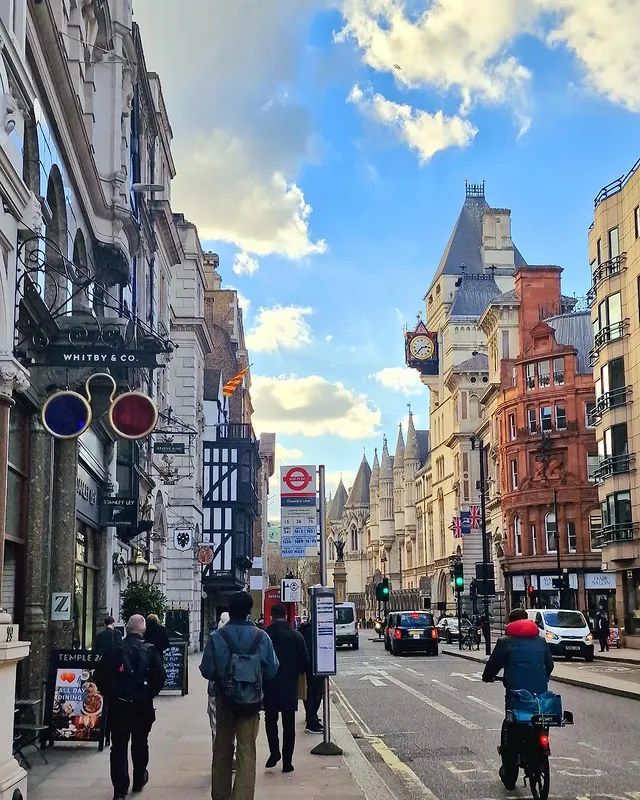
One reason the ecosystem is so hard to dismiss is its spatial anchoring. African fashion in London is not floating abstractly in the city. It has neighbourhoods, retail corridors, and community concentrations that give it form. Peckham, Brixton, and Hackney, in particular, have become important sites of African-style visibility and business activity.
Those districts matter because they make the ecosystem legible at the street level. They show how culture, commerce, migration, and style meet in everyday urban life. They also reveal that African fashion in London is not a niche demographic phenomenon. It is part of the city’s fashion geography. Bianca Saunders, the British-Jamaican designer whose menswear label is rooted in Hackney, has spoken directly about the gaps she is working to address: “I felt there was a gap in the images you see about black masculinity. I wanted to look at how you can be masculine but also embody elements of femininity, to create another spectrum.” That gap she identified is not separate from the coverage gap the article names. The same press that underreports the ecosystem also underrepresents the visual language the ecosystem produces.
Designers do not need permission to exist. They need audiences, spaces, and enough visibility to connect with the people already looking for them. When community districts are strong, they create distribution, customer recognition, and informal infrastructure. That is one reason the scene can continue to grow even when mainstream press coverage is inconsistent.
Designers such as Foday Dumbuya at Labrum, Priya Ahluwalia (whose label draws on her British, Nigerian, and Indian heritage), Bianca Saunders (whose work engages Black British and British-Caribbean identity), and Tolu Coker have all helped make London’s fashion landscape more reflective of its actual population. The city’s African and Black British fashion ecosystem is not separate from London fashion. It is one of the forces making London fashion more accurate. As documented in Omiren Styles’ coverage of 2026 high fashion, these designers are the source from which wider trends have converged, not their followers.
The Omiren Argument
London already has a fully formed African fashion ecosystem, and the failure of the mainstream fashion press to report it consistently is an editorial choice, not a factual one. The city contains African and Black British designers, retail platforms, event culture, institutional recognition, and district-level fashion economies. Taken together, these form an ecosystem with scale and continuity. The press often treats African fashion in London as a seasonal story or a cultural feature, when it should be covered as part of the city’s core fashion infrastructure.
The V&A exhibited Black British Style in 2004. Twenty years later, the institutional case has been made three times over. The fashion press’s continued framing of African and Black British London fashion as emerging, exceptional, or of special interest is not a reflection of the scene. It is a reflection of the press. Labrum London, Tolu Coker, Bianca Saunders, and Priya Ahluwalia show that London fashion is already being redefined from within by African and Black British creativity. Each represents a distinct cultural heritage and design approach. Together, they represent a scene that has been waiting to be built.
London’s African fashion ecosystem does not need to be discovered. It needs to be reported honestly, with the same regularity and depth the press applies to every other corner of the city’s fashion economy.
Frequently Asked Questions
What makes something a fashion ecosystem?
A fashion ecosystem includes designers, retailers, events, media, consumers, institutions, and local geography that all support one another over time. It is not just a few brands. It is a network with continuity, commercial infrastructure, and the ability to sustain itself across seasons without depending on external validation to legitimise its existence.
Why is London’s African fashion scene underreported?
Mainstream fashion coverage often treats African fashion as special-interest content rather than core fashion infrastructure. That is an editorial decision about what counts as central. The V&A has acknowledged African and Black British fashion history in three dedicated exhibitions since 2004. The press has not provided consistent, everyday coverage of the scene those exhibitions describe.
Which London designers best represent this ecosystem?
Labrum London (Foday Dumbuya, Sierra Leonean-British), Tolu Coker (British-Nigerian), Bianca Saunders (British-Jamaican, engaging Black British and Caribbean identity), and Priya Ahluwalia (whose label draws on her British, Nigerian, and Indian heritage) are especially relevant because they connect African, Black British, and London fashion identity in documented and commercially active ways. Their work shows that the ecosystem is both creatively and commercially real, and that it spans multiple cultural heritage traditions within a single city.
Which areas of London matter most?
Peckham, Brixton, and Hackney are especially important because they function as active centres of African and Black British fashion visibility and trade. They make the ecosystem spatially concrete: not just a collection of brands based in London, but a geographically anchored creative economy with a street-level commercial presence.
What role do institutions play?
Institutions like the V&A have helped establish that African and Black British fashion deserves serious historical attention. The V&A’s Black British Style exhibition (2004), Staying Power photography exhibition (2015), and Global Africa digital collection (2023) represent three decades of institutional recognition. But institutional recognition does not replace everyday reporting on the living scene. The museum has acknowledged what the press has not.
Why does this topic matter?
Because visibility shapes value. If the press reports African fashion in London as normal, it changes how the industry understands its own centre of gravity. That affects funding, influence, and future coverage. The fashion press does not just describe fashion. It determines which parts of the fashion economy are treated as serious, which receive investment attention, and which are positioned as emerging indefinitely, regardless of how long they have been operating.