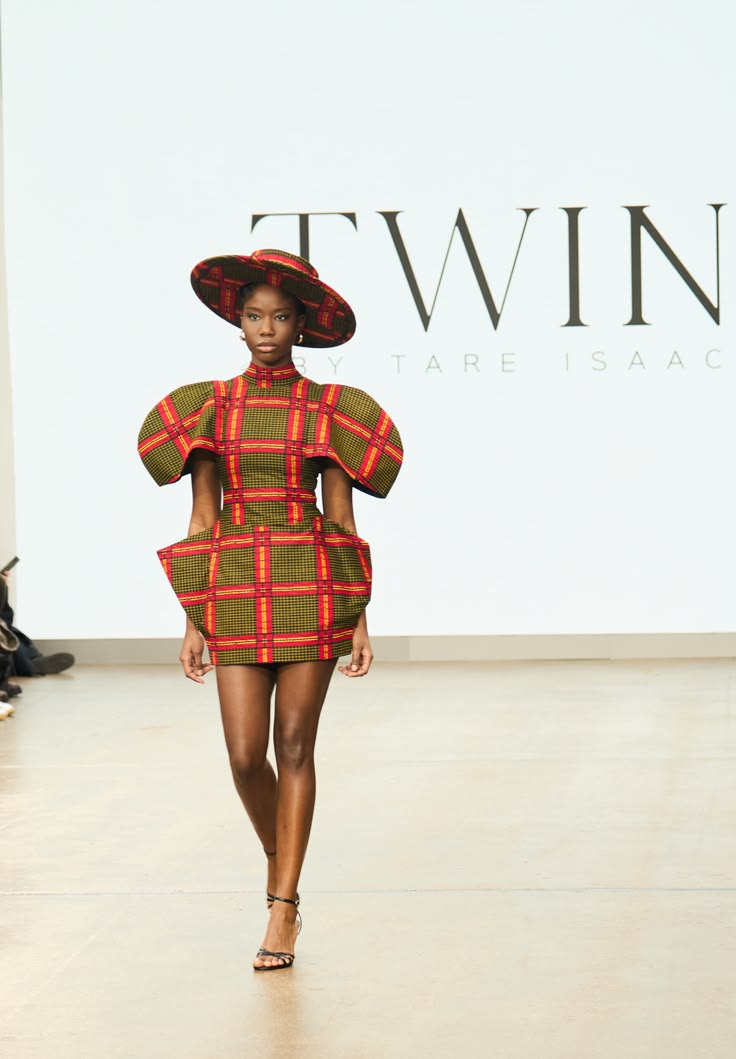
London’s African fashion ecosystem is not one thing. It is not Grace Wales Bonner’s Central Saint Martins trajectory or the Peckham market stall selling Vlisco wax print, though both are part of it. It is not Africa Fashion Week at the BFC Venue on the Strand or the Dalston seamstress running a WhatsApp group for owambe fabric coordination, though both of those are part of it too. In 2026, it is a layered and geographically dispersed set of creative, retail, and cultural practices that the mainstream fashion press has mapped only at its most visible points, while leaving the rest largely undocumented. This article attempts a more complete map.
The ecosystem operates at three distinct levels that are connected but rarely described together. At the top is the institutional level: the designers on the London Fashion Week schedule, the BFC NEWGEN recipients, the Fashion Awards nominees, the Hermès creative director. At the middle is the commercial level: the boutiques and concept stores serving the African diaspora, the occasion-wear economy built around weddings, naming ceremonies, and church events, the online retailers connecting diaspora consumers to African designers on the continent. At the base is the community level: the tailors and sewists working in specific community networks, the fabric markets, the hair salons, the cultural organisations that hold the knowledge and practice together. As Omiren Styles has documented in its analysis of the London African fashion ecosystem, the infrastructure exists across all three levels. What it requires now is the documentation that allows it to be understood as a single connected system rather than as a series of isolated practices.
African fashion in London is not one thing. It is designers at LFW, boutiques in Peckham, occasion-wear economies in Dalston, and cultural hubs across the city. This is the map.
The Designer Geography
Institutional Designers on the LFW Schedule
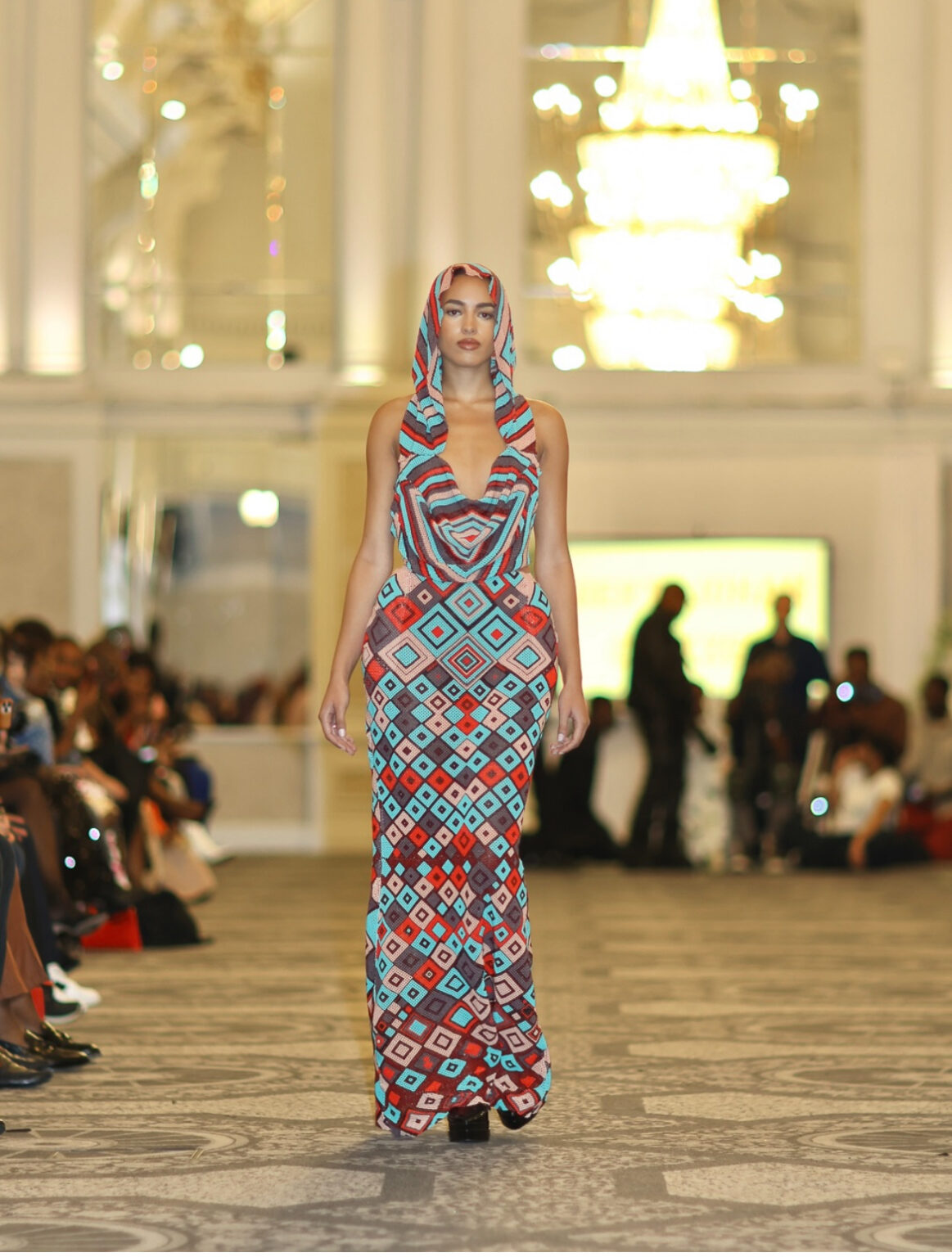
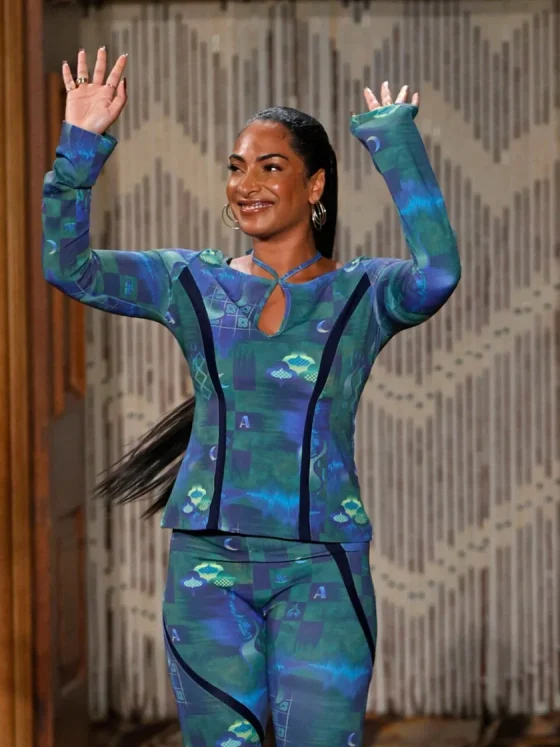
The most documented tier of London’s African fashion ecosystem is its institutional designer presence. As Omiren Styles has documented in its analysis of African designers at London Fashion Week, the 2025-2026 LFW schedule contains a specific and documented cluster of British-African designers whose presence has moved from the margins of the programme to its structural centre. Tolu Coker, British-Nigerian, BFC NEWGEN recipient, LVMH Prize 2025 semifinalist, opened LFW AW26 for King Charles III. Labrum London by Foday Dumbuya, Sierra Leonean-British, Queen Elizabeth II Award winner, showed on the SS26 Saturday evening schedule. Ahluwalia by Priya Ahluwalia, Nigerian-Indian, Queen Elizabeth II Award holder and Drapers 30 Under 30 alumna, has Adidas and Mulberry collaboration credits. Nicholas Daley, Jamaican-Scottish, has shown at LFW for a decade and was the subject of a V&A Dundee exhibition. Grace Wales Bonner, appointed Creative Director of Hermès Menswear in 2026, is now at the institutional apex of global luxury fashion.
These designers are geographically concentrated in London but not in a single district. Tolu Coker’s studio has been documented in East London; Wales Bonner’s shows have been held across central London venues; Labrum London operates from the same city as it documents West Africa from. The BFC’s support infrastructure, based at the BFC offices in Somerset House and at the BFC Venue on the Strand, functions as the institutional hub around which this designer tier organises itself. As Omiren Styles has documented in its analysis of Black British style in 2026, the BFC’s decision to scrap participation fees for member designers and extend NEWGEN funding through 2029 has made this institutional tier more accessible than at any previous point in LFW’s history.
Mid-Tier Designers and the Emerging Layer
Below the LFW schedule, a significant layer of UK-based African heritage designers produces and sells without the institutional infrastructure of BFC support or Fashion Awards recognition. This tier is less systematically documented than the LFW cohort. What is documented: the Africa Fashion Week London (AFWL) runway, held annually at the BFC Venue on the Strand, has provided a platform for designers who are not yet on the main LFW schedule but who are building toward that visibility. Designers who have shown at AFWL have subsequently moved onto the LFW schedule, making it a documented pipeline. Bianca Saunders, now in the Fashion Museum Bath’s permanent Dress of the Year collection, built visibility at this level before BFC NEWGEN recognised her. The mid-tier is where London’s African fashion designer future is being built, and it is where documentation is thinnest.
The Boutique and Retail Geography
South London: Peckham, Brixton, Streatham
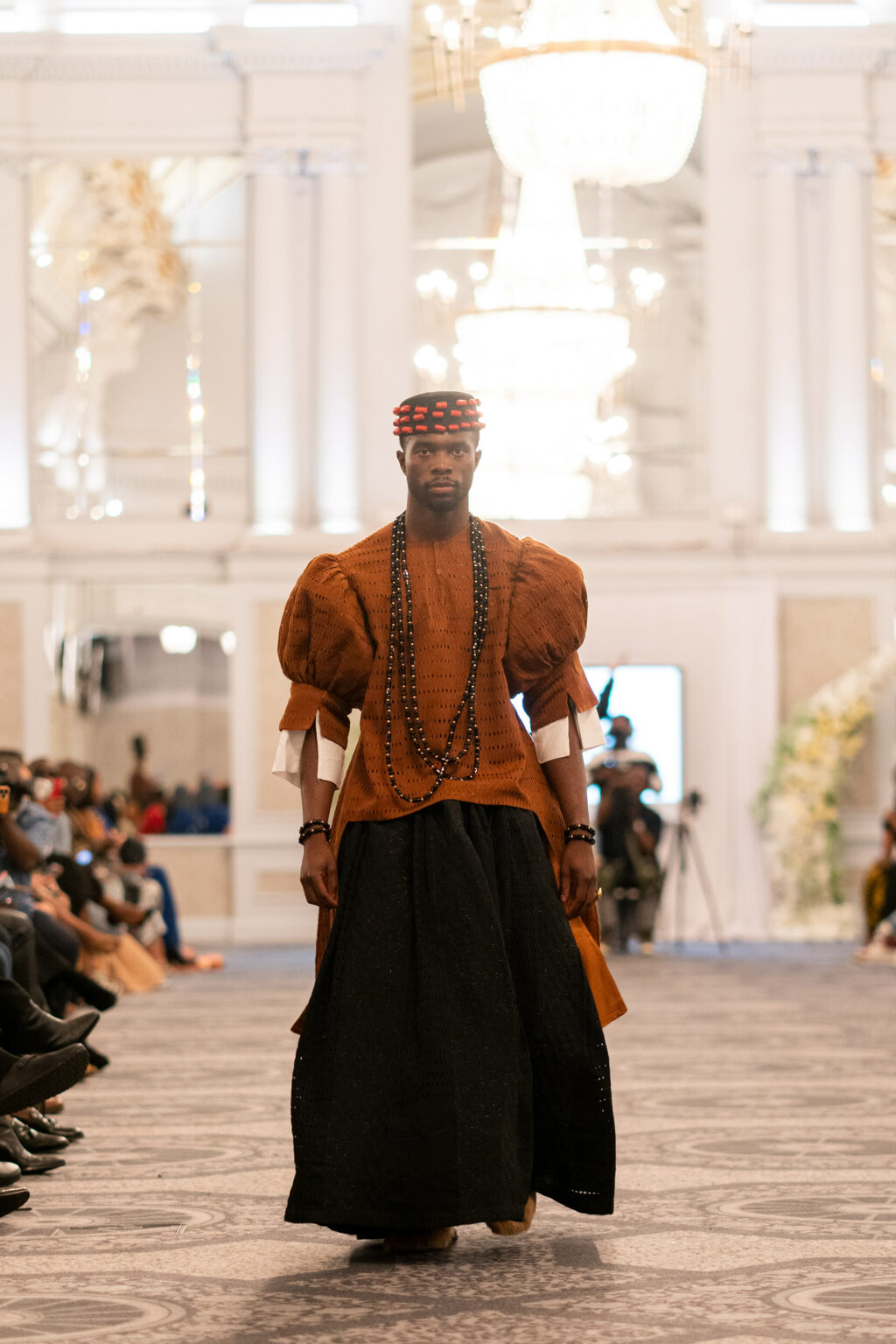
South London concentrates the city’s densest retail infrastructure for African fashion. Peckham’s Rye Lane and the surrounding streets host fabric shops, tailors, occasion-wear boutiques, and African food and goods traders in a commercial geography that reflects the area’s Nigerian, Ghanaian, Sierra Leonean, and Congolese diaspora communities. The Peckham fabric market, concentrated around the indoor markets on Rye Lane and the shops along Bellenden Road, is where a significant portion of London’s African print fabric wholesale moves. Vlisco, GTP, Dutch wax, and Chinese wax print are all available, with traders whose knowledge of the fabric tiers, price points, and community meanings is as sophisticated as that of any fabric buyer working at the upper end of the fashion supply chain. As Omiren Styles has documented in its guide to shopping African fashion, the best diaspora boutiques in the UK operate with editorial clarity: they can tell you the designer, the country of origin, the textile tradition, and the cultural context of what they sell.
Brixton’s Atlantic Road and the surrounding Windrush Square area host a longer-established Caribbean and West African retail presence, with the Brixton Village and Market Row arcades containing boutiques, tailors, and concept stores whose curation increasingly includes contemporary African designers alongside vintage and African heritage items. Streatham’s Ethiopian and Eritrean diaspora community has built a concentrated commercial corridor that includes occasion-wear shops and tailors specifically serving that community’s ceremonial dress needs.
East London: Dalston, Hackney, Tottenham
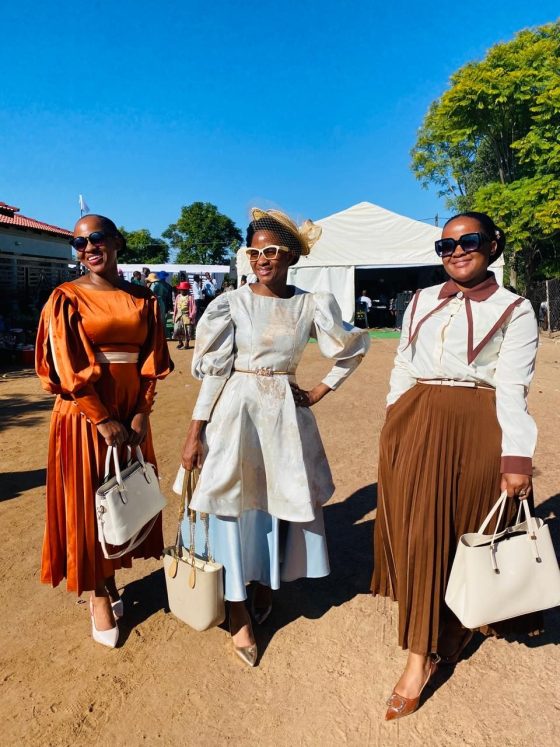
East London’s African fashion retail geography is concentrated in Dalston and the surrounding Hackney area, where the Nigerian and Ghanaian diaspora communities have built a commercial infrastructure around occasion-wear. Dalston’s Ridley Road market and the surrounding shops serve the owambe economy, the Nigerian diaspora’s occasion-wear culture for weddings, naming ceremonies, and church events that generates consistent and significant demand for aso-ebi fabric, lace, and premium occasion wear. As Omiren Styles has documented in its analysis of UK diaspora dress codes, these dress codes are specific, internally logical, and commercially significant in ways that the mainstream fashion press has not systematically documented. The Dalston occasion-wear economy is not marginal to London’s fashion system. It is a substantial commercial ecosystem that operates almost entirely outside the mainstream press’s visibility.
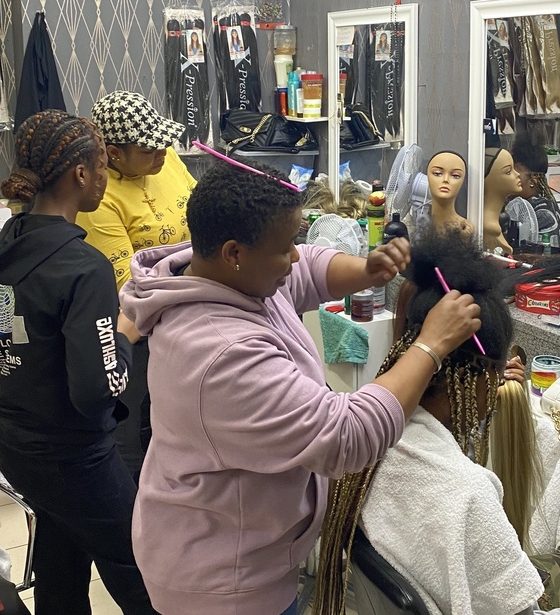
Tottenham’s African fashion retail is more recent and less concentrated but growing, driven by the area’s significant and expanding West African population. The Tottenham High Road and its side streets host an increasing number of African hair salons, fabric shops, and tailoring services whose presence reflects the commercial needs of a growing diaspora community. Skepta’s MAINS, whose “hood luxury” philosophy draws explicitly on Tottenham experience, has made the area’s cultural geography visible at LFW level.
North and West London
North London’s Harlesden serves the Jamaican-British and West African communities whose fashion needs include both Caribbean occasion wear and African heritage dress. The area’s commercial geography overlaps with the cultural influences documented by Nicholas Daley in his work: the Jamaican tailoring tradition, the church dress code, the specific sartorial precision of the Windrush generation. Wembley and Southall, predominantly South Asian but with significant West African populations, host mixed commercial geographies where African and South Asian fabric traders and tailors sometimes operate in adjacent spaces, reflecting the community overlaps that designers like Priya Ahluwalia document in their creative practice.
The Cultural Hubs
Africa Fashion Week London
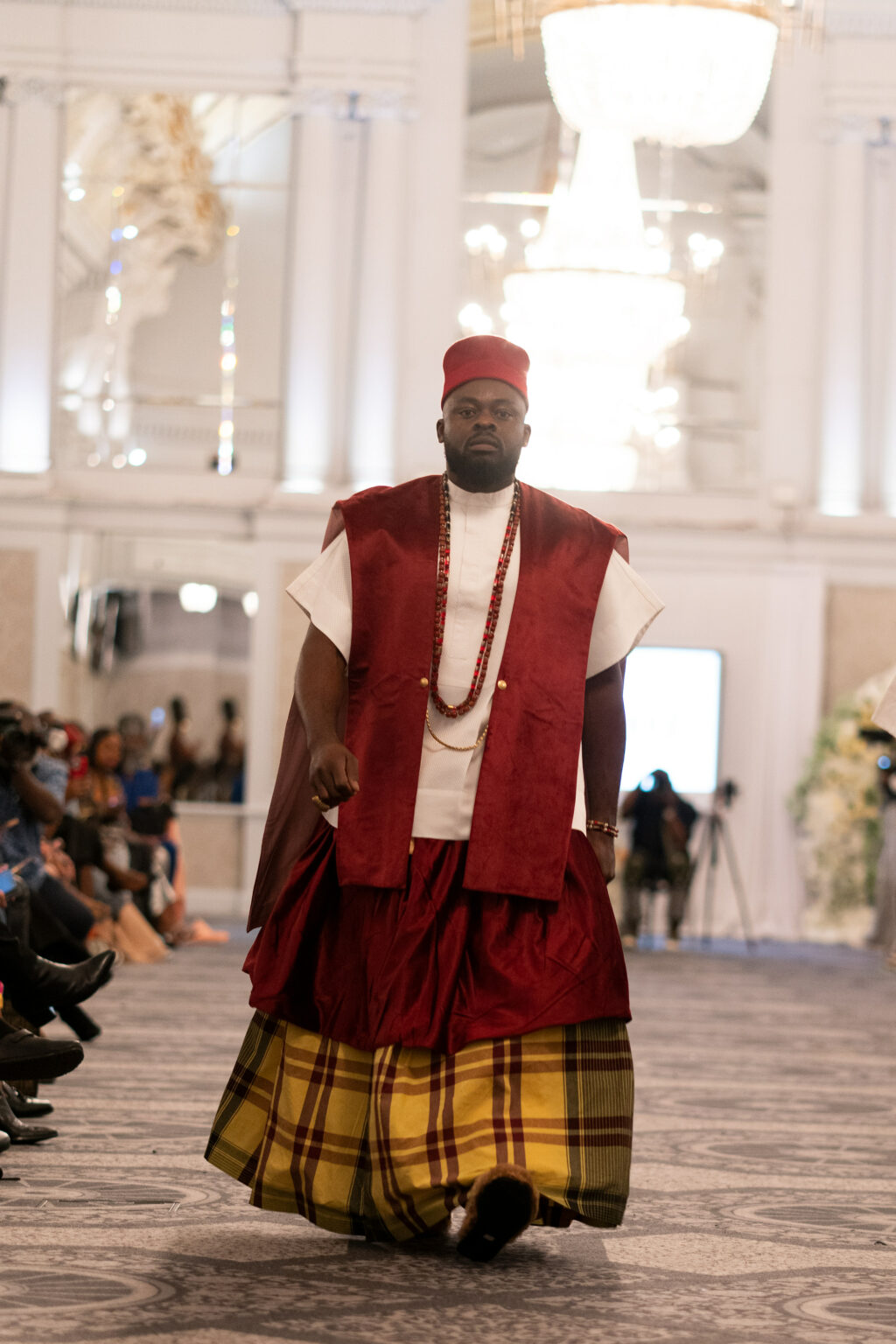
Africa Fashion Week London (AFWL), held annually at the BFC Venue on the Strand, is the most established institutional platform for African designers to show in a London context outside the main LFW schedule. AFWL provides runway access to designers from across the continent and from the UK diaspora who are building toward LFW visibility. Its documented function as a pipeline to the main LFW schedule makes it structurally significant beyond its immediate audience. As Omiren Styles has documented in its analysis of African fashion intelligence in the UK, AFWL has been identified as an immediate Tier 1 target for brands seeking UK institutional credibility.
The BFC and Its Infrastructure
The British Fashion Council’s primary London base at Somerset House and its secondary venues across central London function as the institutional infrastructure hub for the designer tier of London’s African fashion ecosystem. The BFC NEWGEN scheme, the Queen Elizabeth II Award, the Fashion Awards, and the main LFW schedule are all administered from this hub. The BFC’s February 2026 commitment to extend NEWGEN through 2029 and double its international guest programme, as documented by FashionUnited’s SS26 schedule coverage, signals a multi-year institutional commitment to the designer generation that is reshaping the LFW schedule.
Somerset House and Cultural Venues
Somerset House has functioned as a significant cultural hub for African heritage fashion in London beyond its BFC role. The “Missing Thread: Untold Stories of Black British Fashion” exhibition in 2023, for which Bianca Saunders produced the Dress of the Year piece, was held at Somerset House. The V&A’s permanent collection, the Fashion Museum Bath’s Dress of the Year collection, and the Museum of London’s holdings of historical dress all contain African heritage fashion items whose presence makes them relevant cultural hubs for documentation and research. As Omiren Styles has argued in its analysis of African women’s fashion archives, the most important cultural repositories are those held in practice rather than in institutions. Still, the institutional presence of African fashion in London’s major cultural venues is evidence of how far the ecosystem has developed.
The Diaspora Community Infrastructure
The community-level cultural hubs that hold the London African fashion ecosystem together are the least documented and the most essential. Church communities across South, East, and North London, whose Sunday service dress codes and ceremonial occasions generate consistent demand for African heritage dress, function as the most sustained cultural context for African fashion in the city. The owambe circuit, the network of Nigerian diaspora community halls and hotels across London where wedding and naming ceremony celebrations generate the occasion-wear economy that Dalston’s retail infrastructure serves, is one of the most commercially significant underdocumented fashion ecosystems in the city. Ghanaian community associations, Sierra Leonean cultural organisations, Congolese community networks, and the Eritrean and Ethiopian communities of Streatham all maintain cultural practices in which dress plays a specific and documented role. As Omiren Styles has documented in its analysis of diaspora fashion identity, for diaspora communities, the dress worn at these community events carries a weight that the same dress worn at other occasions does not. It is a declaration of belonging to a cultural geography that the surrounding city cannot always read without the context that the wearing community provides.
What the Map Reveals
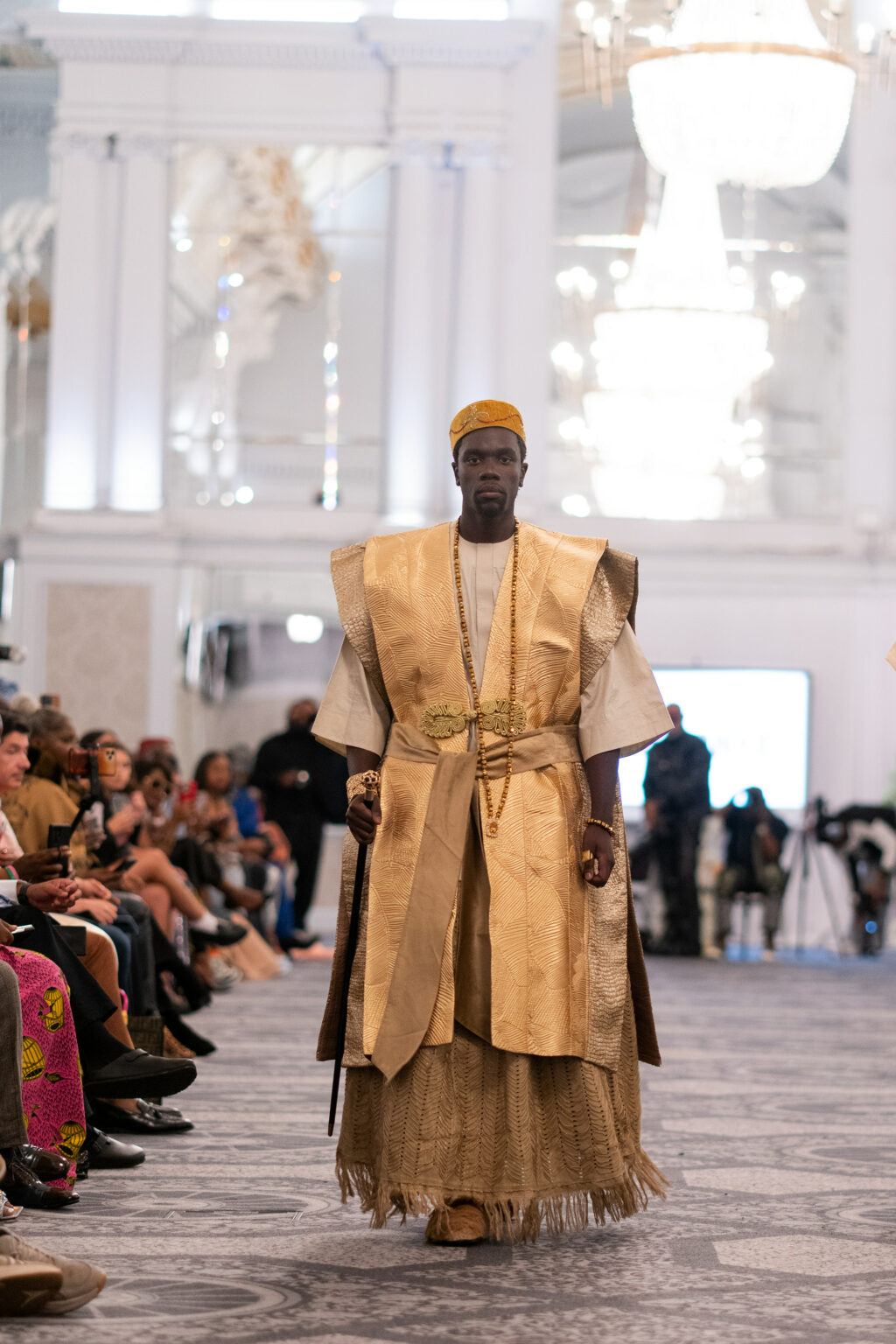
Mapping London’s African fashion ecosystem reveals a system that operates at full commercial and cultural intensity at every level, from Hermès Menswear to Ridley Road fabric stalls, while being documented only at its most institutionally visible points. The LFW schedule tier receives consistent press coverage. The boutique and retail tier receives occasional coverage, typically framed as neighbourhood guides or diversity features rather than as commercial intelligence. The community level receives almost none, despite being the base from which the other two tiers draw their cultural authority and their consumer base.
The implication for Omiren Styles is specific. As Omiren Styles has argued consistently, the African fashion traditions that the mainstream press discovers are never as new as the discovery implies. The women in Peckham’s fabric shops who have been building the owambe economy for thirty years did not begin doing so when Tolu Coker opened LFW for King Charles III. The church dress code that has shaped the specific sartorial precision of Black British communities did not begin when MAINS showed at LFW. The LFW cohort is the most visible current expression of an ecosystem that has been building across London for decades. The map of that ecosystem is the context without which the LFW moment cannot be fully understood.
African fashion in London is not a scene that emerged from institutional recognition. It is a community practice that institutional recognition is finally beginning to reflect. The map includes both.
The Omiren Argument
The African fashion ecosystem in London is one of the most commercially and culturally significant fashion systems in Europe. It generates revenue across every tier from designer ready-to-wear to community occasion-wear. It employs tailors, sewists, fabric traders, buyers, and event organisers in numbers that the mainstream fashion press has not attempted to quantify. It has produced a generation of institutional designers whose work is now reshaping the London Fashion Week schedule and, in the case of Grace Wales Bonner, the global luxury industry. And it is held together by community practices of dress that predate every institutional recognition it has received, and that would continue without that recognition if necessary.
Omiren Styles’s position is that this ecosystem deserves documentation at every level, not only at the institutional level where the cameras and the press passes congregate. The boutique in Peckham that can tell you the designer, the country of origin, the textile tradition, and the cultural context of what it sells is doing editorial work that most mainstream fashion retail does not do. The tailor in Dalston who produces aso-ebi coordination for a wedding of 200 guests is working within a design brief that is as technically demanding as any fashion house commission. The church community in Brixton whose Sunday dress code has shaped the aesthetic instincts of a generation of Black British designers is a cultural institution with as much authority as any fashion school. As Omiren Styles has argued, these dress codes are specific, internally logical, and commercially significant. The map of African fashion in London includes all of them.
ALSO READ
- African Fashion Intelligence in the UK: Designers, Retail and Diaspora Style
- Black British Style in 2026: Designers, Codes and Cultural Luxury Shaping UK Fashion
- Why UK Diaspora Dress Codes Change by Occasion: Owambe, Church, and the Office
- What It Actually Means to Dress “Back Home” When You’ve Never Lived There
Frequently Asked Questions
Where is African fashion concentrated in London?
African fashion in London is geographically dispersed across three main corridors. South London: Peckham’s Rye Lane and Brixton’s Atlantic Road host the densest concentration of African fabric shops, tailors, and occasion-wear boutiques, serving the area’s Nigerian, Ghanaian, Sierra Leonean, and Congolese diaspora communities. East London: Dalston’s Ridley Road and the surrounding Hackney area serve the owambe occasion-wear economy, with fabric shops and tailors specialising in aso-ebi, lace, and wedding dresses. North London: Harlesden and Tottenham serve Caribbean-British and West African communities respectively. The institutional designer tier, associated with LFW, is distributed across central and East London studio locations, with the BFC’s Somerset House base as the institutional hub. As Omiren Styles documents, the best diaspora boutiques operate with editorial clarity about designer, origin, and cultural context.
What is Africa Fashion Week London?
Africa Fashion Week London (AFWL) is an annual runway platform held at the BFC Venue on the Strand that provides showcase access to African designers and African-diaspora designers who are not yet on the main London Fashion Week schedule. It functions as a documented pipeline: designers who have shown at AFWL have subsequently moved to the LFW schedule. As Omiren Styles has identified, it is the most established institutional platform for African-origin fashion in a London context and a Tier 1 target for brands seeking UK institutional credibility.
Who are the African-heritage designers currently on the London Fashion Week schedule?
The confirmed LFW 2025-2026 cohort includes Tolu Coker (British-Nigerian, BFC NEWGEN, opened AW26 for King Charles III), Labrum London by Foday Dumbuya (Sierra Leonean-British, Queen Elizabeth II Award), Ahluwalia by Priya Ahluwalia (Nigerian-Indian, Queen Elizabeth II Award, Adidas and Mulberry collaborations), Nicholas Daley (Jamaican-Scottish, decade-long LFW presence, V&A Dundee exhibition), and Grace Wales Bonner (British-Jamaican-English, now Creative Director of Hermès Menswear). As Omiren Styles has documented in detail, the African-heritage presence on the LFW schedule has moved from the margins to the structural centre over the past five years.
What is the owambe economy and where does it operate in London?
The owambe economy is the Nigerian diaspora’s occasion-wear culture built around weddings, naming ceremonies, graduations, and celebrations, generating consistent demand for aso-ebi fabric coordination, agbada, lace, and premium occasion wear. In London, it is served by Dalston’s Ridley Road area and the surrounding Hackney commercial geography, by Nigerian diaspora tailors and sewists working in specific community networks across South and East London, and by occasion-wear boutiques whose customer knowledge is sophisticated in ways that mainstream retail does not typically match. As Omiren Styles has documented, the owambe economy is not marginal to London’s fashion system. It is a substantial commercial ecosystem that operates largely outside the mainstream press’s visibility.
How do the different tiers of London’s African fashion ecosystem connect?
The institutional tier (LFW designers, BFC programmes, Fashion Awards), the commercial tier (boutiques, occasion-wear retailers, online platforms), and the community tier (tailors, fabric markets, church communities, diaspora cultural organisations) are connected but rarely described together. The institutional designers draw their creative authority from the community practices their work references. The commercial tier serves the community occasions that generate demand. The community tier holds the knowledge and practice that gives the upper tiers their cultural legitimacy. As Omiren Styles has argued, the African fashion traditions that institutional recognition discovers were never absent. They were operating at the community level while the cameras pointed elsewhere.